
All categories
Featured selections
Trade Assurance
Buyer Central
Help Center
Get the app
Become a supplier
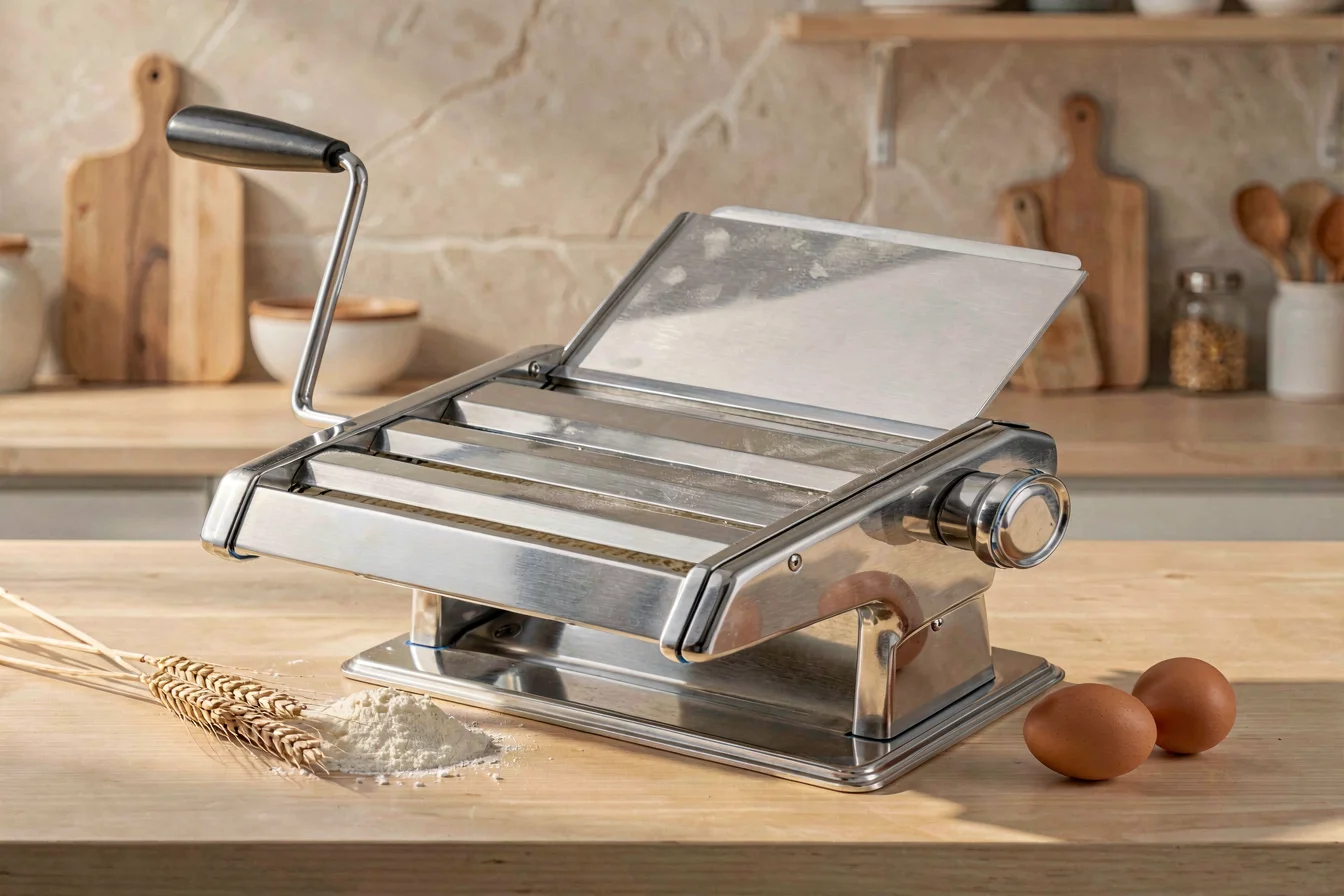
The pasta machine market is experiencing robust growth in both consumer and industrial segments, with premium manual and electric models (Marcato, KitchenAid, Imperia) leading reliability and user satisfaction. Demand is up, especially for versatile, durable attachments and high-output industrial machines. Procurement logic favors quality over price, with B2B buyers prioritizing durability, ease of cleaning, and compatibility with mixer attachments. Expect sustained momentum and increased innovation in both manual and automatic models.
The pasta machine category is trending due to a surge in home cooking, gourmet food culture, and demand for customizable, artisanal pasta. Buyers should prioritize brands with proven durability, ease of cleaning, and compatibility with mixer attachments or standalone operation. Industrial buyers require high hourly output, reliability, and energy efficiency, while home buyers focus on versatility, price, and user experience. Selection criteria include adjustable thickness, roller width, and certifications (CE, UL for professional models). The following table summarizes current trend factors:
| Trend Factor | Current Status | Impact on Buying Decision |
|---|---|---|
| Home Cooking Surge | Rising | Increased demand for manual and mixer attachments |
| Premium Brand Loyalty | Strong | Buyers favor Marcato, Imperia, KitchenAid |
| Industrial Output | Expanding | Procurement shifts toward high-capacity models |
| Customization & Versatility | Growing | Buyers seek adjustable thickness and multi-functionality |
| Ease of Cleaning | Critical | Influences SKU selection and user satisfaction |
The pasta machine market is shaped by macro trends such as the rise of artisanal food culture, increased home cooking, and the expansion of gourmet and specialty pasta. Supply chain dynamics favor brands with reliable sourcing, efficient logistics, and robust after-sales support. Industry drivers include demand for gluten-free and specialty pasta, regulatory compliance (CE, UL), and innovation in both manual and electric models. Risks include component failures (clamp, crank handle), price volatility, and regulatory changes. The following table outlines the market dimensions:
| Market Dimension | Current Status | Impact Level |
|---|---|---|
| Consumer Demand | High | Strong |
| Industrial Demand | Growing | Moderate |
| Supply Chain Stability | Stable | Moderate |
| Brand Innovation | Rapid | Strong |
| Regulatory Compliance | Increasing | Strong |
Google Trends: Manual vs. Electric vs. Roller Cutter Pasta Machines (2025–2026)
Google Trends show steady growth for both manual and electric pasta machine searches, with manual models peaking at 90 and electric at 91 in late 2025/early 2026. Roller cutter searches remain stable but lower, indicating niche demand. Buyers should time procurement around seasonal peaks for best pricing and supply, especially for manual and electric models. Electric pasta machines are gaining momentum, but manual models remain dominant for home buyers; industrial demand is steady and growing.
Reddit and TikTok discussions reveal that durability, ease of cleaning, and brand reliability are the top concerns for buyers. Reddit users highlight Marcato, Imperia, and KitchenAid as preferred brands, with frequent complaints about clamp failures and crank handle sticking. Manual machines are praised for teaching dough handling, while automatic models are appreciated for convenience but criticized for complexity in cleaning. TikTok trends focus on viral “homemade pasta” videos, showcasing quick, easy recipes and demonstrating machine versatility. Sentiment is positive for premium brands and negative for low-end, short-lived models. Direct quotes:
“I’ve never owned a pasta maker but I want to start making fresh pasta at home instead of buying it. I’m trying to figure out what kind is easiest for someone new. There are manual crank machines, mixer attachments, and automatic pasta makers that mix the dough for you. I’m not sure which helps you learn properly without being frustrating.” — Reddit, r/pasta [11]
“My clamp broke as well. This did the trick for $6. For the other issue, a dab of food grade grease will keep the crank handle from getting stuck.” — Reddit, r/pasta [12]
| Dimension | Reddit Insights | TikTok Insights |
|---|---|---|
| Durability | Marcato, Imperia, KitchenAid praised for longevity | Viral reviews favor high-end models |
| Ease of Cleaning | Manual models easier, electric models more complex | Quick cleaning tutorials trend |
| Brand Reliability | Premium brands dominate, low-end models criticized | Brand comparisons and reviews trend |
| Learning Curve | Manual machines help with dough handling | Beginner guides and recipes trend |
| Sentiment | Positive for premium brands, negative for low-end models | Positive for viral, easy-use models |
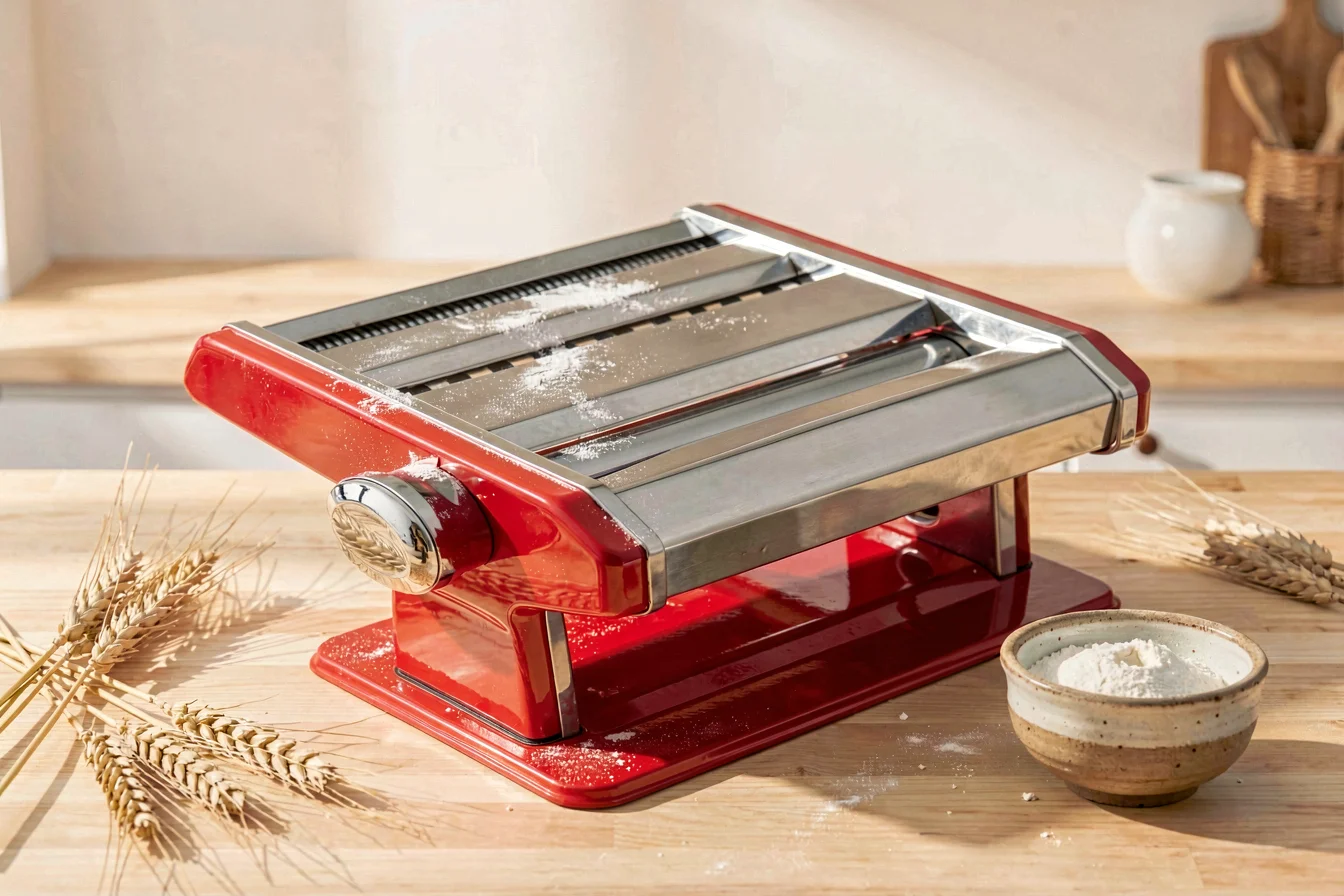
Amazon’s top-selling pasta machine products span manual, electric, and mixer attachments. Buyers prioritize adjustable thickness, stainless steel construction, ease of cleaning, and compatibility with stand mixers. Price ranges from USD 9.99 to USD 284.95, with ratings averaging 4.5+ stars. Below is a curated list of top-selling models:
| Image | Name | Price | Rating | Key Features |
|---|---|---|---|---|
 |
MARCATO Atlas 150 Roller Manual Pasta Machine | USD 89.33 | 4.4/5.0 | Chrome steel, anodized aluminum, easy cleaning |
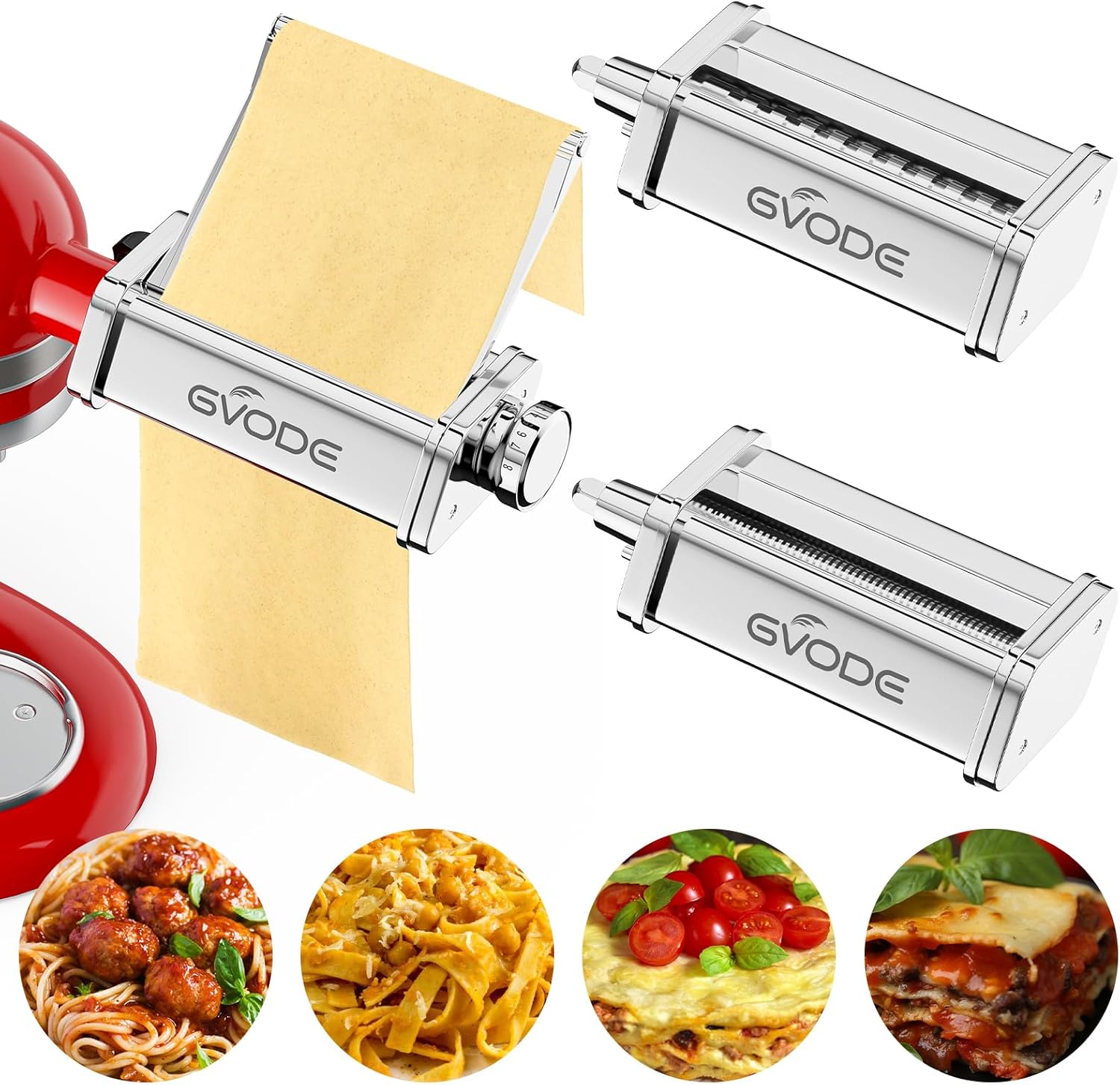 |
Pasta Attachment for KitchenAid Stand Mixer | USD 88.99 | 4.8/5.0 | Detachable metal plate, 8 thickness settings, stainless steel |
 |
VEVOR Pasta Maker Attachment for KitchenAid Stand Mixer | USD 53.99 | 4.6/5.0 | 3-in-1, 8 thickness settings, stainless steel |
 |
VEVOR Electric Pasta Maker | USD 67.44 | 4.0/5.0 | 150W, 8 pasta shapes, dishwasher-safe |
 |
Pasta Maker Attachment for Kitchenaid Stand Mixer (6 Shapes) | USD 39.99 | 4.2/5.0 | 6 pasta shapes, dishwasher-safe, detachable |
 |
Pasta Maker Machine with 9 Adjustable Thickness Settings | USD 29.99 | 4.4/5.0 | 9 thickness settings, stainless steel, detachable |
Buyers praise ease of use, durability, and versatility, while complaints focus on cleaning complexity, clamp failures, and crank handle sticking. Direct quotes from Amazon reviews:
“This attachment worked perfectly on our KitchenAid mixer. It was very easy to assemble and easy to use. Our fettuccine came out of the sheeter nicely, rolled as thin as we needed, and the pasta shredded and cut beautifully.” — Antree Pasta Maker Attachment [2]
“I love it so far! It is a nice looking machine, totally quality WITH NO PLASTIC!! It worked well both times… easy to clean up… didn't break down after the 2nd use as my first cheaper pasta maker did.” — Marcato Atlas 150 [2]
| Product Name | Top Praise | Top Complaint | Overall Sentiment |
|---|---|---|---|
| Antree Pasta Maker Attachment | Easy to use, solid build, fast pasta making | Not dishwasher safe | Positive |
| MARCATO Atlas 150 | Quality, durability, easy cleaning | Clamp failures, crank handle sticking | Positive |
| VEVOR Electric Pasta Maker | Easy operation, budget friendly | Noise, cleaning complexity | Positive |
| KitchenAid Pasta Attachment | Sturdy, easy to use, long-lasting | Clamp failures, not dishwasher safe | Positive |
| Pasta Maker Machine (Manual) | Quality, versatility, easy cleaning | Not dishwasher safe, clamp issues | Positive |
Reliability benchmarks show that premium brands (Marcato, Imperia, KitchenAid) consistently outperform low-end models in durability, defect rates, and service life. Common failure points are clamp stress, crank handle sticking, and cleaning complexity. OEM/ODM partner selection should focus on proven quality, warranty support, and compatibility with mixer attachments or standalone operation. Logistics risks include component shortages and regulatory compliance (CE, UL). Negotiation levers include warranty terms, bulk pricing, and after-sales support. Below is a reliability benchmark table:
| Benchmark Dimension | Marcato Atlas 150 | KitchenAid Attachment |
|---|---|---|
| Defect Rate | Low (1–2%) | Low (1–2%) |
| Maintenance Cycle | Annual | Annual |
| Expected Service Life | 5–10 years | 5–10 years |
| Cleaning Complexity | Easy | Easy |
| Warranty | 1–10 years | 1–10 years |
Over the next 12 months, the pasta machine category is expected to see continued growth in both manual and electric models, driven by the rise of artisanal food culture and demand for customizable, gluten-free, and specialty pasta. Innovation will focus on easier cleaning, improved clamp durability, and expanded mixer compatibility. Buyers should prioritize premium brands (Marcato, Imperia, KitchenAid) for reliability, invest in models with robust warranties and service support, and monitor supply chain stability for bulk procurement. As demand for high-output industrial machines rises, B2B buyers should seek suppliers with proven track records, regulatory compliance, and flexible negotiation terms. With strong momentum and positive sentiment, now is the optimal time to source premium pasta machine models for both home and industrial applications.