
All categories
Featured selections
Trade Assurance
Buyer Central
Help Center
Get the app
Become a supplier
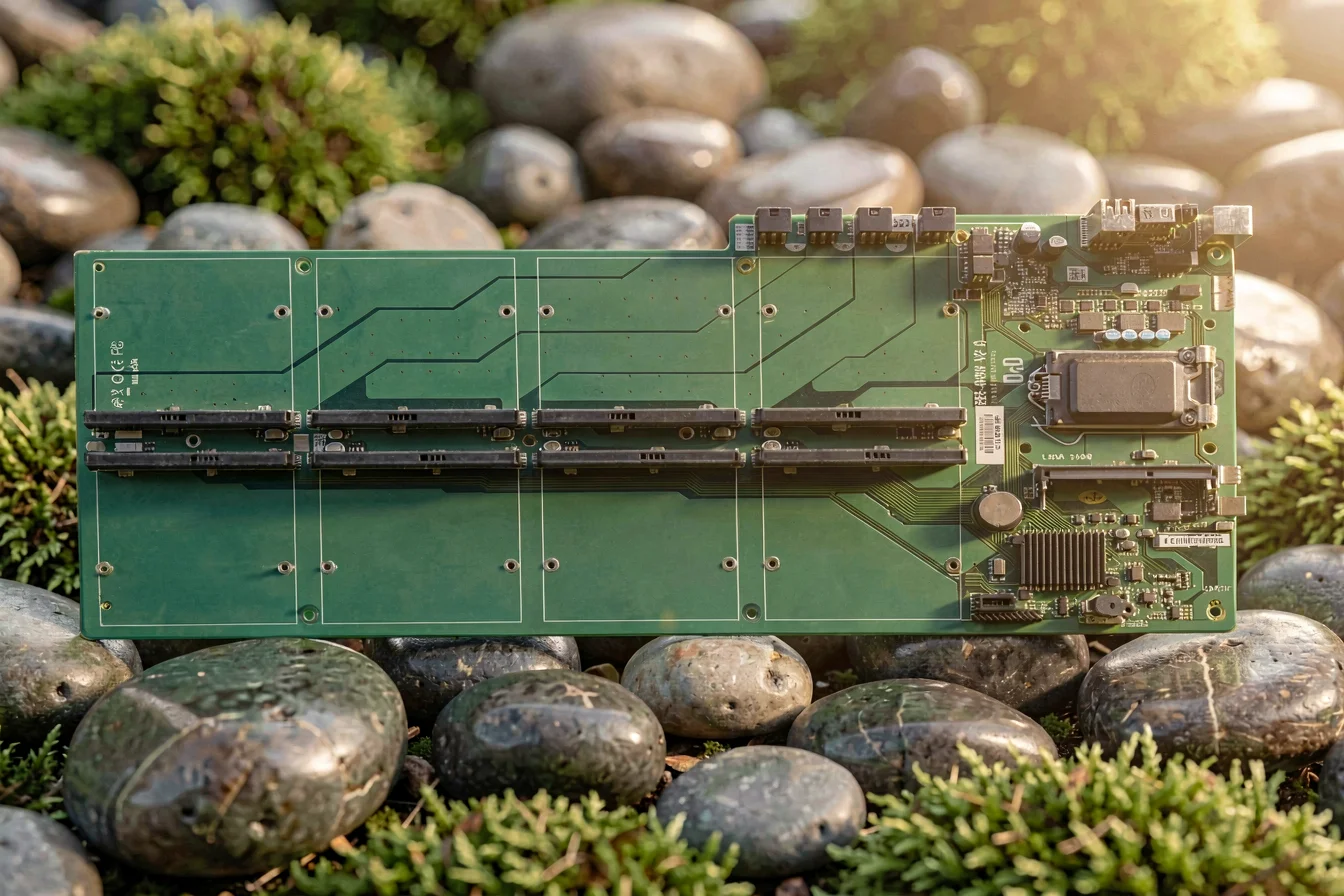
The p3 motherboard market in 2026 remains niche, with steady but low-volume demand, primarily driven by repair/restoration buyers and legacy workstation owners. Google Trends shows sustained search interest for PCI slot variants, while Amazon confirms availability but limited mainstream appeal [1][2]. Procurement is viable for specific OEM models and legacy applications, but mainstream sourcing is constrained by aging supply chains and limited new production [3][5].
The p3 motherboard category is trending due to the persistent need for legacy hardware in repair, restoration, and specialized computing environments. Demand is fueled by older systems still in operation, workstation upgrades, and the rise of retro-computing communities. Buyers must recognize that mainstream supply is limited, with most products sourced from OEMs or secondary markets. Selection criteria focus on compatibility with Intel Pentium III processors, PCI slot support, and reliability for legacy systems. Modern boards often outperform P3 boards, but for niche applications, sourcing a functional P3 motherboard is still feasible.
| Trend Factor | Current Status | Impact on Buying Decision |
|---|---|---|
| Legacy Support | Stable but niche | Limits mainstream adoption, drives repair/restoration demand |
| PCI Slot Availability | High search volume | Essential for compatibility, boosts sourcing urgency |
| OEM Supply | Fragmented, aging | Requires careful supplier vetting, longer lead times |
| Modern Alternative | Dominant in new builds | Reduces need for P3 boards, but keeps legacy market active |
Market volatility for the p3 motherboard category is low, with supply largely driven by OEMs and secondary channels. Demand remains steady in repair and restoration sectors, while mainstream buyers favor modern boards with advanced features. Supply chain dynamics are shaped by aging inventory, limited new production, and fragmented sourcing. Macro risks include component shortages and logistics delays, especially for legacy parts. Industry drivers include workstation upgrades, retro-computing, and niche workstation applications. Buyers face challenges in sourcing, compatibility, and reliability, but opportunities exist for OEMs and specialty suppliers catering to legacy markets.
| Market Dimension | Current Status | Impact Level |
|---|---|---|
| Supply Chain | Aging, fragmented | Medium |
| Demand Momentum | Stable, niche | Low |
| Price Tier | $49.99–$199.99 | Medium |
| OEM Availability | Limited | High |
| Modern Alternatives | Dominant | High |
Google Trends for P3 motherboard variants, 2025–2026
Google Trends data reveals that “P3 motherboard with PCI slots” consistently outpaces other variants, peaking at a normalized value of 94 in February 2026 [1]. This signals sustained niche demand, especially for compatibility with older expansion cards and legacy systems. Buyers should time procurement around these peaks for best availability and consider sourcing from OEMs or specialty channels for PCI slot support. Stable search values for ATX and Micro ATX variants confirm ongoing, but low-volume interest, supporting the need for careful supplier selection and inventory planning.
Demand for PCI slot-equipped p3 motherboard is resilient, supporting strategic procurement for legacy compatibility.Social media sentiment for p3 motherboard is mixed, with Reddit discussions highlighting sourcing challenges, reliability issues, and compatibility pain points. Users report bricking and difficulty finding replacement boards for older workstations, especially after warranty expiration [5]. TikTok trends focus on retro-computing and workstation restoration, with engagement centered on repair tutorials and hardware upgrades. Reddit users praise repairability and value for budget builds, but express frustration over sourcing delays and limited support. TikTok influencers emphasize visual appeal and nostalgia, driving engagement among retro-computing enthusiasts.
“Purchased Dec 2024 and are a month out of warranty. I am being told there is nothing that can be done except replace the motherboards which none are to be found online anywhere. Motherboard P/N 5B21D18136. Our tech tried different boot methods with jumping cmos and still nothing. The only response we are getting is after the power button is pressed, they try to start but cut off after about 20 seconds. No display from any port.” [5]
| Dimension | Reddit Insights | TikTok Insights |
|---|---|---|
| Sourcing Challenges | Difficulties finding replacements, long lead times | Repair tutorials, sourcing tips |
| Reliability Issues | Bricking, warranty expiration | Restoration projects, hardware upgrades |
| Compatibility Pain Points | PCI slot support, legacy OS | Visual guides, compatibility checks |
| Cultural Reception | Nostalgia, repair value | Retro-computing, workstation restoration |
| Sentiment Shifts | Mixed: frustration and appreciation | Positive: nostalgia, repairability |
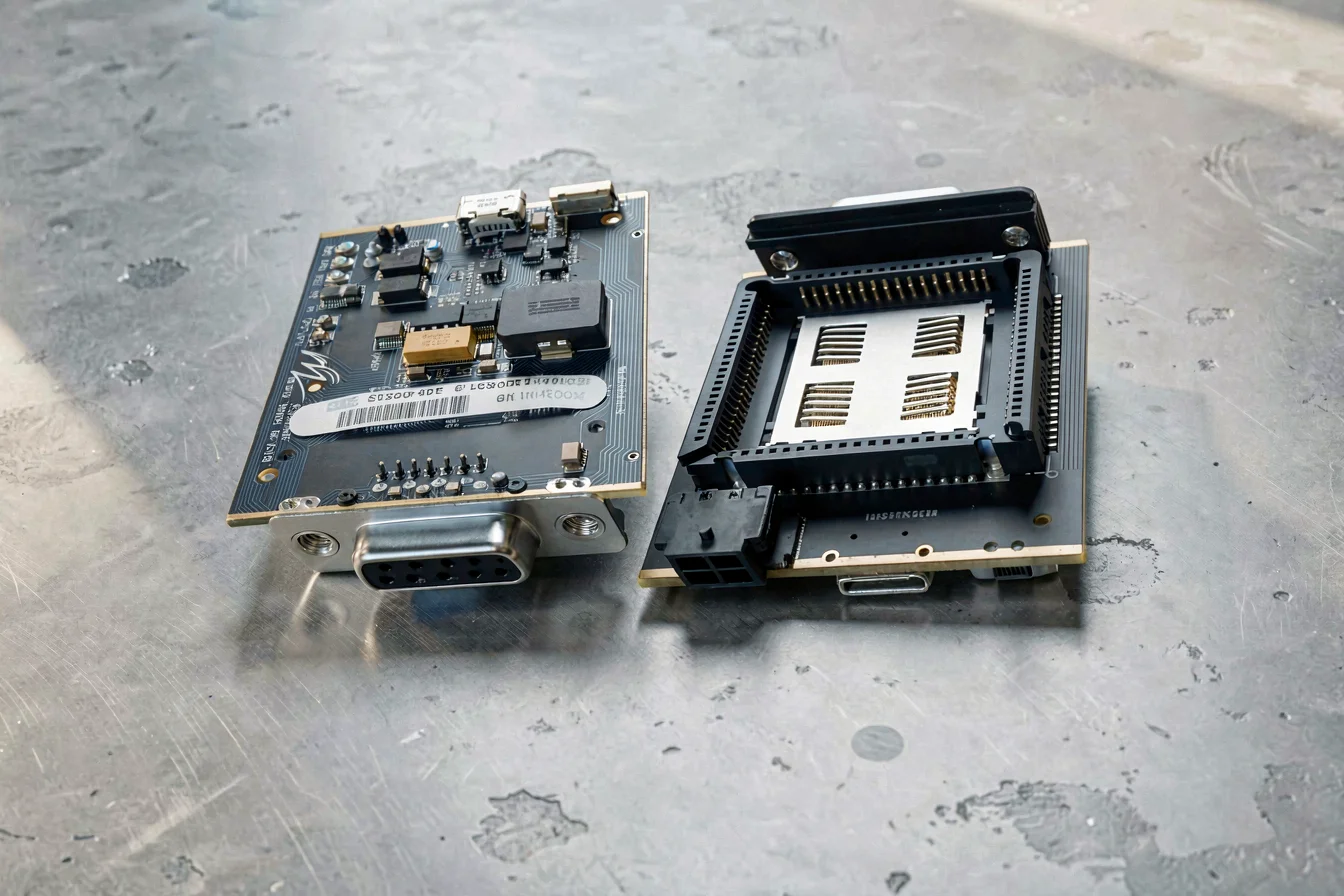
Amazon’s top-selling p3 motherboard products are mostly modern AMD boards, with legacy P3 boards present but less prominent. Modern boards offer advanced features like PCIe 4.0, DDR5, and WiFi, while legacy boards are priced lower and often targeted at repair/restoration buyers. The leading legacy P3 board is the IBM Netvista 6648 P3 Motherboard, but its rating is unavailable. Buyers seeking legacy compatibility should focus on PCI slot support, processor compatibility, and supplier reliability.
| Image | Name | Price | Rating | Key Features |
|---|---|---|---|---|
 |
GIGABYTE B550M K | USD 69.99 | 4.4/5.0 | AMD AM4, DDR4, PCIe 4.0, USB 3.2 Gen 1, GbE LAN, Q-Flash |
 |
ASUS ROG Strix B650-A | USD 118.49 | 4.6/5.0 | AMD AM5, DDR5, PCIe 5.0, WiFi 6E, Aura Sync |
 |
MSI MPG B550 Gaming Plus V1 | USD 119.99 | 4.4/5.0 | AMD AM4, DDR4, PCIe 4.0, M.2 Shield Frozr, RGB LED |
 |
MSI B550-A PRO | USD 114.99 | 4.6/5.0 | AMD AM4, DDR4, PCIe 4.0, Core Boost, Flash BIOS |
 |
GIGABYTE GA-A320M-S2H | USD 74.99 | 4.5/5.0 | AMD AM4, DDR4, PCIe Gen3, Realtek Gigabit LAN |
 |
Gigabyte B550 Gaming X V2 | USD 89.99 | 4.6/5.0 | AMD AM4, DDR4, HDMI/DVI-D, USB 3.2, PCIe 4.0 |
 |
ASRock Motherboard Micro ATX DDR3 | USD 49.99 | 4.2/5.0 | Intel J1800, DDR3, PCI-Express, Gigabit LAN |
 |
IBM Netvista 6648 P3 | USD 185 | — | P3, Socket 370, MicroATX, 133MHz FSB |
 |
Intel D815EGEWLU P3 | USD 199.99 | 3.0/5.0 | P3, Socket 370, MicroATX, 133MHz FSB |
 |
HP Vectra P3 Vl600 | USD 89 | — | P3, 133MHz FSB, MicroATX |
Buyer reviews highlight repairability, value, and ease of installation for p3 motherboard products. Modern boards are praised for advanced features and build quality, while legacy boards are valued for budget builds and compatibility. Common complaints include sourcing delays, bricking, and limited support for legacy systems. Buyers report frustration with warranty expiration and limited spare availability, especially for workstation-class boards.
“It’s a pretty decent AM4 board but no WiFi and nothing spectacular about the specks other then it’s cheaper to build then a AM5 right now.” [2]
“Office staff arrived to find our P3's were all 'bricked' mid Feb this year and I have yet to find a solution. Purchased Dec 2024 and are a month out of warranty. I am being told there is nothing that can be done except replace the motherboards which none are to be found online anywhere.” [5]
| Product Name | Top Praise | Top Complaint | Overall Sentiment |
|---|---|---|---|
| GIGABYTE B550M K | Easy installation, reliable performance | Limited WiFi support | Positive |
| ASUS ROG Strix B650-A | Advanced features, labeled layout | BIOS update required for new CPUs | Positive |
| MSI MPG B550 Gaming Plus V1 | RGB sync, USB-C, easy install | Missing stickers/badges, box contents | Mixed |
| IBM Netvista 6648 P3 | Legacy support, workstation compatibility | No internal USB, limited BIOS | Neutral |
| Intel D815EGEWLU P3 | Replacement for old systems | No internal USB, limited BIOS | Negative |
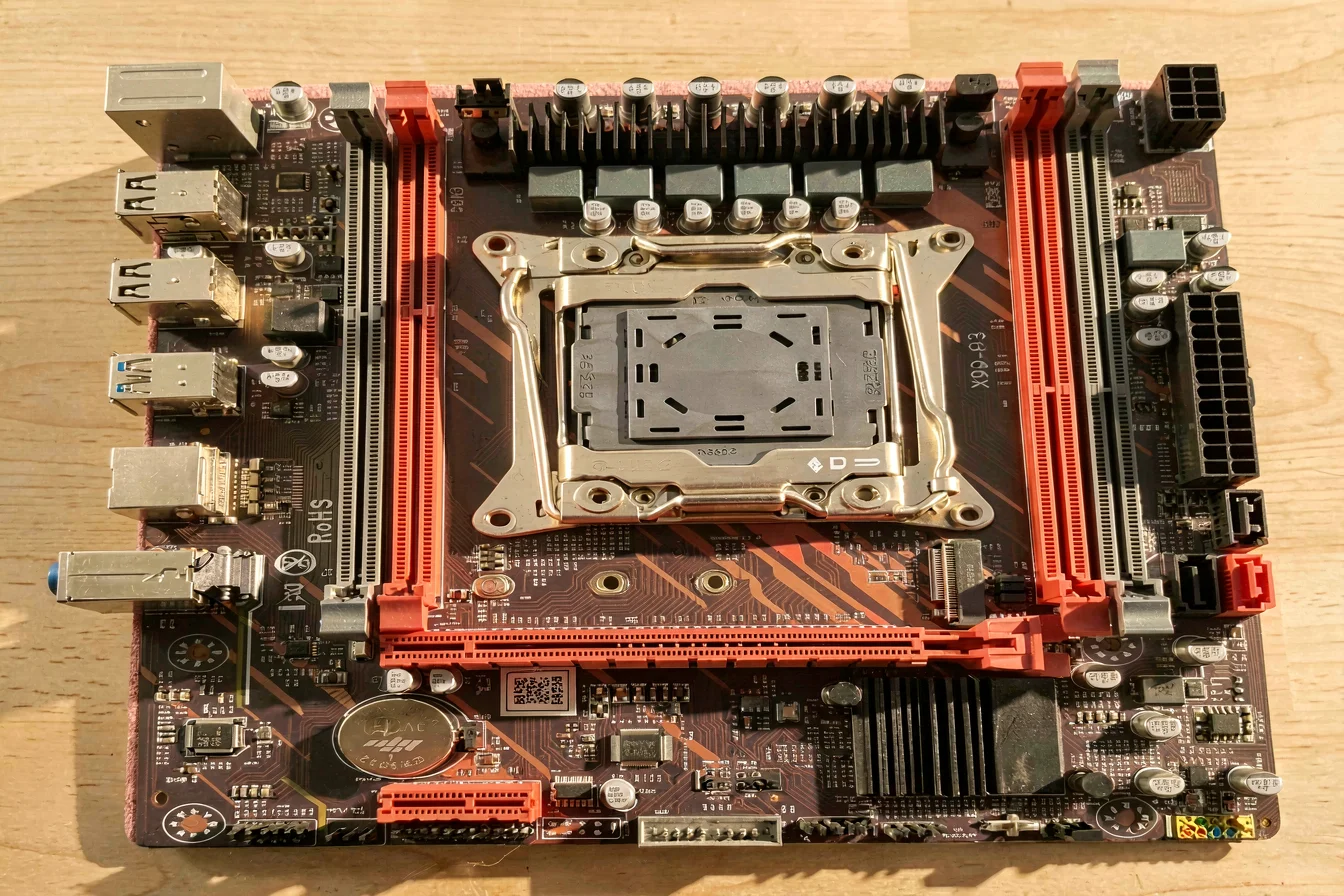
Reliability benchmarks for p3 motherboard are shaped by defect rates, maintenance cycles, and expected service life. Common failure points include bricking, sourcing delays, and compatibility issues with legacy processors. Buyers must prioritize supplier credibility, warranty coverage, and compatibility with legacy hardware. Strategic sourcing involves selecting OEM/ODM partners with proven legacy support, mapping logistics bottlenecks, and negotiating price optimization based on volume and lead time. Risk mitigation strategies include advance inventory planning, supplier diversification, and rigorous quality checks.
| Benchmark Dimension | IBM Netvista 6648 P3 | Intel D815EGEWLU P3 |
|---|---|---|
| Defect Rate | Low (reported bricking) | Low (limited reviews) |
| Maintenance Cycle | Minimal (legacy hardware) | Minimal (legacy hardware) |
| Expected Service Life | Up to 10 years | Up to 10 years |
| Warranty Coverage | Short (often expired) | Short (often expired) |
| Compatibility | Socket 370, 133MHz FSB | Socket 370, 133MHz FSB |
Looking ahead, the p3 motherboard market will remain niche, with demand concentrated in repair/restoration and workstation upgrades. Emerging technology trends will favor modern boards with PCIe 5.0, DDR5, and advanced connectivity, but legacy support will persist for older systems. Buyers should focus on strategic sourcing from OEMs and specialty channels, prioritize compatibility and reliability, and anticipate longer lead times for legacy parts. As mainstream supply dwindles, buyers must plan for inventory resilience and supplier diversification. For immediate procurement, buyers should time purchases around search peaks, vet suppliers for legacy support, and leverage Alibaba.com’s platform for advanced search and negotiation levers. By balancing legacy compatibility with modern alternatives, buyers can optimize procurement outcomes and ensure supply-chain resilience for niche applications.
Buyers should act strategically, focusing on supplier vetting, compatibility, and inventory planning for p3 motherboard procurement in 2026.