
All categories
Featured selections
Trade Assurance
Buyer Central
Help Center
Get the app
Become a supplier
The year 2026 marks a crucial juncture for smart streaming hardware. With online content libraries expanding, major product churn (including the discontinuation of Chromecast with Google TV), and intensified demand for flexible smart home integration, buyers are re-evaluating every device in their living room. The Onn TV Box series, once regarded as Walmart’s price-driven tech experiment, has now matured into a category leader with remarkable retail momentum and global interest[3][5][4]. This acceleration is driven by several key shifts: the ongoing boom in on-demand home entertainment, a pronounced migration toward affordable 4K/HDR streamers, and consumers’ urgent need to retrofit aging televisions with app-based platforms at minimal cost. Additionally, a wave of home upgrades post-pandemic has sparked purchases from both tech-savvy users and mainstream households, eager to create unified smart ecosystems enabled by WiFi, Bluetooth, voice assistant, and seamless app compatibility[1][7][9].
Seasonal factors continue to drive peaks: heavy gifting periods around Black Friday and year-end holidays produce surges in TV box sales; meanwhile, back-to-school shopping and spring upgrades for home theaters further fuel demand. Culturally, there’s a renewed emphasis on content diversity: buyers expect access to regional streaming services, sports bundles, and interactive features that transcend simple media playback. Consequently, procurement professionals must navigate evolving consumer preferences, shifting supply chains, and new compliance requirements as they source in-demand models. In this evolving landscape, the Onn TV Box lineup stands out for its blend of affordability, hardware upgrades, and compatibility with global streaming standards[3].
The Onn TV Box lineage traces its roots back to Walmart’s strategic push into budget-friendly consumer electronics circa late 2010s[4]. Positioned as an Android TV/Google TV-based streaming device series, Onn aimed to undercut premium competitors while delivering the core features users demanded: high-resolution streaming, robust connectivity, and versatile remote controls. Over successive launches, Walmart iterated rapidly—deploying fresh chipsets, expanded memory, and improved firmware for each generation.
By 2023–2025, the family had crystalized into three principal device strata[4]:
The classification criteria for buyers seeking to source Onn-branded hardware in 2026 hinge on these dimensions:
This taxonomy aids procurement teams in aligning purchases with target user groups (price-driven, tech enthusiast, multi-device households), balancing feature demand against supply-side costs and logistical factors.
The streaming device community has become a vibrant ground for sharing hands-on experiences. During recent discussions, buyers have argued the pros and cons of Onn TV Box variants relative to competitors, with passionate debate over setup ease, hardware performance, and region compatibility[7][8][9].
A key theme: Value vs Performance. Tech forums indicate strong appreciation for the Onn 4K and 4K Pro’s balance of price and feature set: “$20 in the states, $50 for the full-featured Pro—both dramatically undercut Google’s official streamer”[7]. In side-by-side comparisons, users note the Onn remote’s superior IR volume control, while alternatives (notably Xiaomi boxes) sometimes struggle with button misfires.
Setup Experience is a focal talking point. For a majority, device initialization is swift—typically five minutes or less—though region locking and geographic restrictions force advanced users to employ VPNs or network tricks to complete registration and software updates. Once through, operations are reported as smooth, with devices functioning reliably outside their intended markets[7]. However, detailed anecdotes caution procurement professionals: sourcing for overseas distribution should consider region lock workarounds, firmware update support, and local app availability.
Hardware Longevity and Upgrade Path drive bulk buying decisions. Migration from discontinued Chromecast products has turned many buyers into Onn converts; resellers and integrators appreciate the Plus and Pro models’ expanded storage, better GPUs, and faster network options[9]. Consumers praise the clearer picture and robust performance of the 4K Plus versus the Pro for HD-focused setups, while the Pro’s Ethernet port and hands-free assistant stand out in smart home deployments. Still, remote design and firmware quirks are sometimes flagged: cluttered button layouts can frustrate, and firmware updates are occasionally required to address app navigation issues[8].
Regional buying preferences surface routinely—US buyers exploit Walmart pricing, while international buyers strategize around import restrictions and lock protocols. Across thousands of comments, Onn emerges as “the best device I’ve gotten yet”—with caution to read specs closely and validate compatibility for export markets. The consensus: Onn TV Box is shaping up as the new default for affordable, powerful streaming—if procurement navigates region-specific hurdles.
The broader smart TV box market is in the midst of an expansion, marked by two converging trends: rising consumer expectations for feature-rich streaming at accessible price points, and mounting pressure from global e-tail channels to deliver at scale while sustaining profit margins[1]. The Android TV Box segment, including Onn and its competitors, shows strong and consistent sales growth, with search volumes rising up to 7.3% month-on-month from February to July 2025. Primary buyers split evenly between tech enthusiasts and large households, favoring boxes for WiFi expansion (68.6%) and smart home integration (11.1%)—a sign that the category’s utility is going mainstream[1].
Sourcing teams should heed the persistent demand: setup and connection stability remain pivotal pain points. Opportunity lies in introducing models with refined firmware, enhanced signal reliability, and simplified onboarding instructions. Geographic segmentation matters; high-volume markets include North America, UK, and emerging regions experimenting with home networking upgrades.
Overall market size continues to swell as TV refresh cycles accelerate and OTT “cord-cutting” intensifies. Subcategory innovation drives growth—boxes now regularly offer AI-powered search, integrated voice assistants, and power-efficient chipsets. Wholesale price tiers span from sub-$20 basics to $50+ flagship devices with advanced audio/visual features[2].
Amazon Trends: Sales Volume and Sentiment Analysis
To contextualize demand, let's examine the most recent Amazon sales data for Android TV Boxes (including Onn). Average ratings hover around 3.83 stars, with search volume surpassing 1241 monthly queries. Positive comment themes cluster around signal strength (35.2%), ease of setup (30.8%), and network performance (8.8%). In contrast, negative reviews cite setup complexity (38%), perceived high costs (34%), and connection instability (6%)[1].
Reviewers also increasingly mention WiFi 6 technology and 4K/8K support as desired upgrade paths—suggesting procurement focus areas for future sales seasons.
The chart below visualizes the search volume and average sale count across key months spanning August 2025 through January 2026:
Android TV Boxes: Monthly Search Volume and Avg Sales, Aug 2025–Jan 2026
From this data, actionable recommendations for buyers include:
Hot Selling Analysis: Top 10 Amazon TV Box Products for 2026
Retail trends are best embodied by the performance of the top 10 Amazon hot sellers. Each product below is detailed by brand/model, technical specs, prices, star ratings, and key features for rapid procurement comparison.
| Image | Product Name | Specs & Features | Retail Price | Wholesale Price | Avg Star Rating | Latest Monthly Sales |
|---|---|---|---|---|---|---|
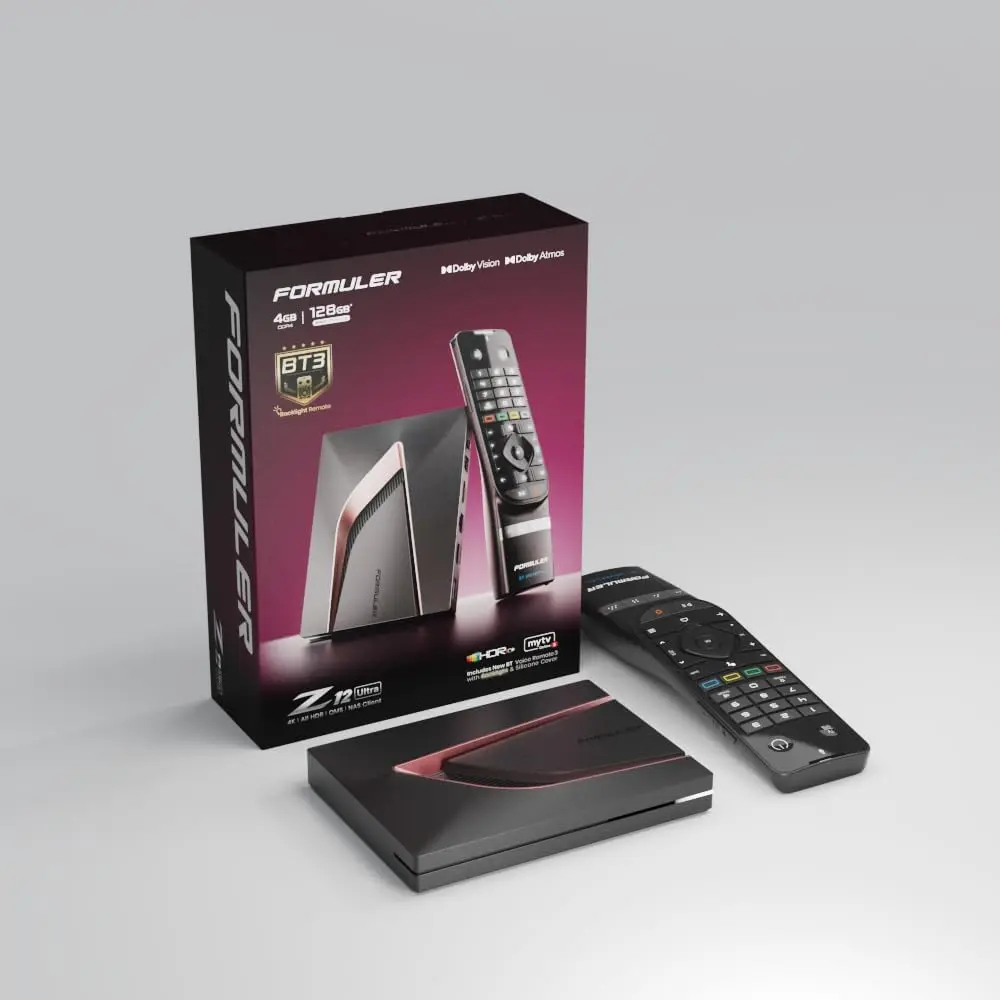 |
Formuler Z12 Ultra | 4K Streaming, Android 12, Dolby Vision/Atmos, HDR10+, WiFi 6E, 4GB RAM, 128GB ROM, Voice Remote | $151.35 | $47.14 | 3.8 | 293 |
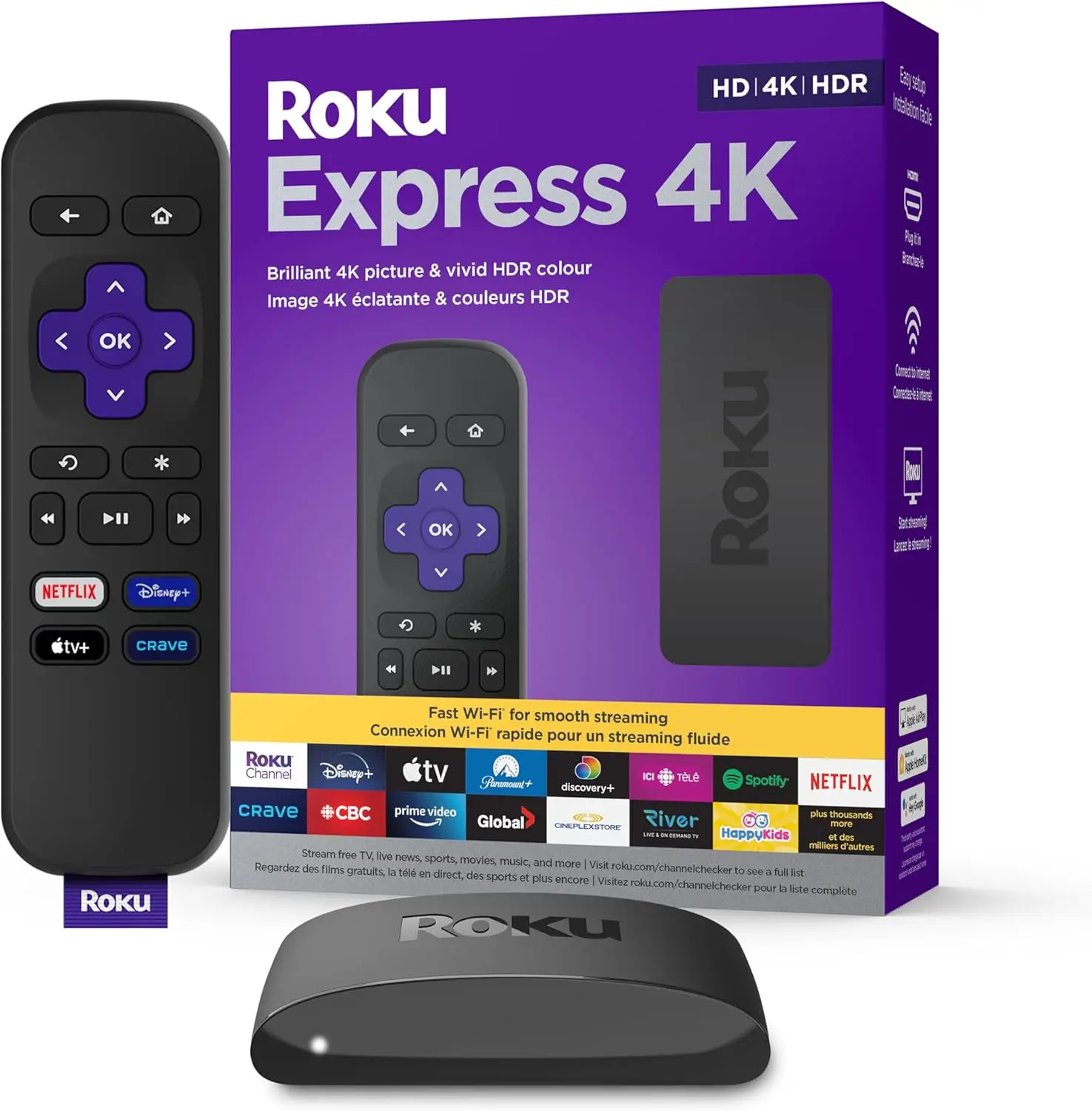 |
Roku Express 4K 2022 | HD/4K/HDR, Wireless, Premium HDMI, TV Controls Remote | $33.18 | $1.15 | 4.6 | 249 |
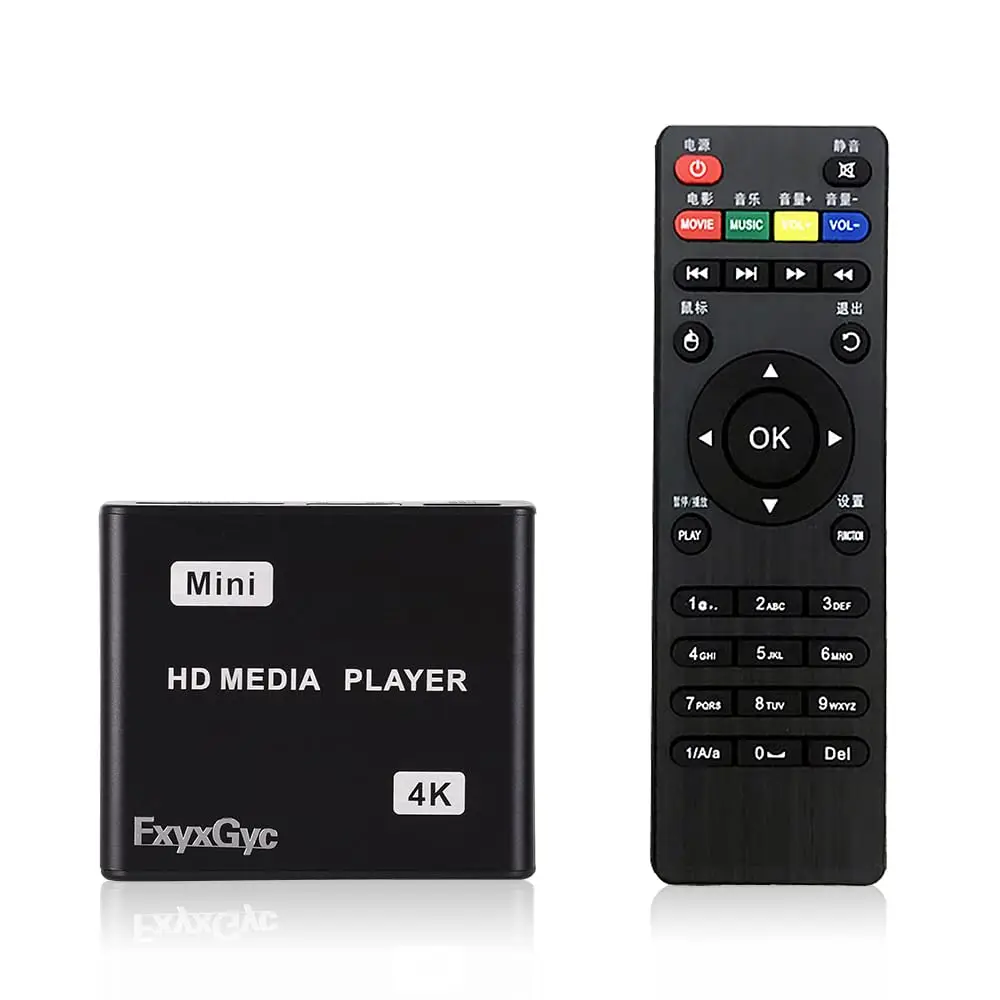 |
HDMI Media Player, 4K Ultra HD | USB/SD, 4K@30Hz, H.265/264 decoding, MP4/MP3/Rmvb/JPG, for advertising and multimedia TV | $45.73 | $21.04 | 4.2 | 141 |
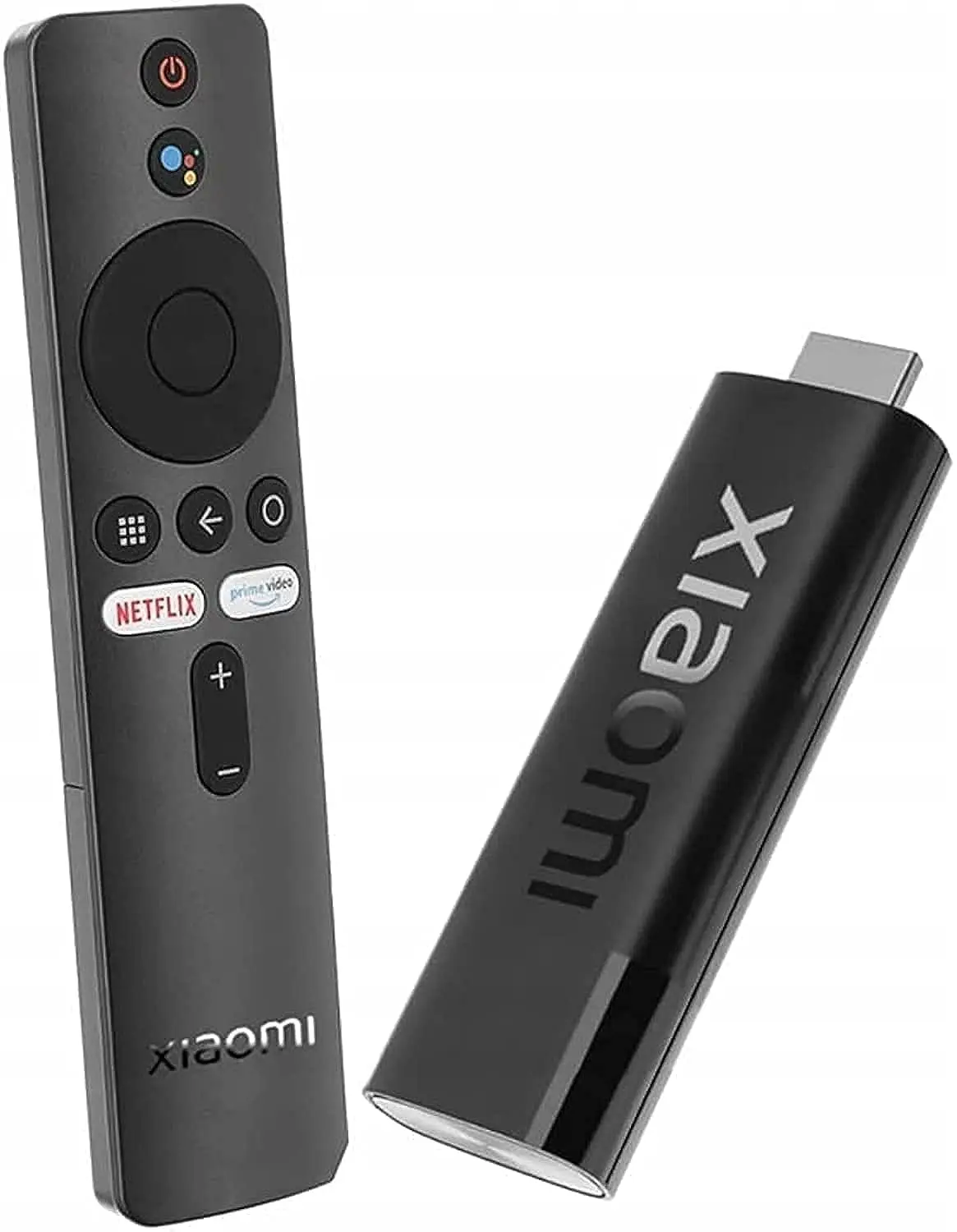 |
Xiaomi Mi TV Stick 4K | Android TV 11, Chromecast, 2GB/8GB, HDR/AV1, Dual WiFi, BT 5.2, Voice Remote | $56.12 | $18.28 | 4.5 | 129 |
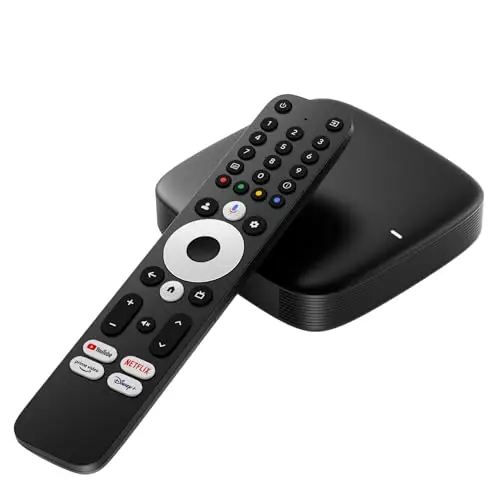 |
MAG555 Streaming Media Player | Google TV 2025, 4K HDR, Voice Remote, Dual Wi-Fi, Chromecast, HDMI + AV | $79.09 | $33.36 | 4.1 | 105 |
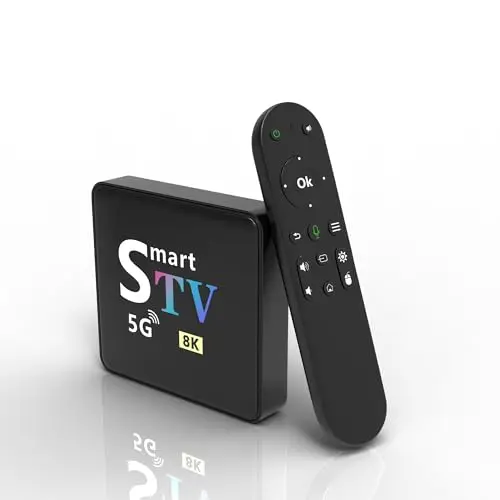 |
YFDSPSM Streaming Media Player (M9-8K) | Android 14, 4K, Quad Core, WIFI6, Bluetooth Voice Remote, 2GB/8GB | $34.46 | $14.32 | 3.5 | 92 |
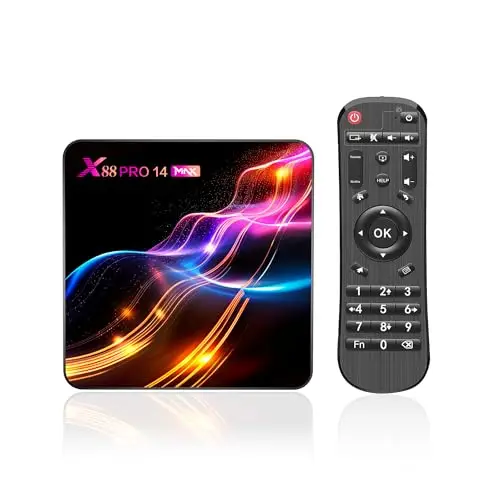 |
Android TV Box 14.0 RK3528 | Android 14, 4GB/32GB, Quad-Core, 4K/8K, Dual WiFi, BT 5.0, USB 2.0/3.0 | $46.99 | $22.51 | 5 | 63 |
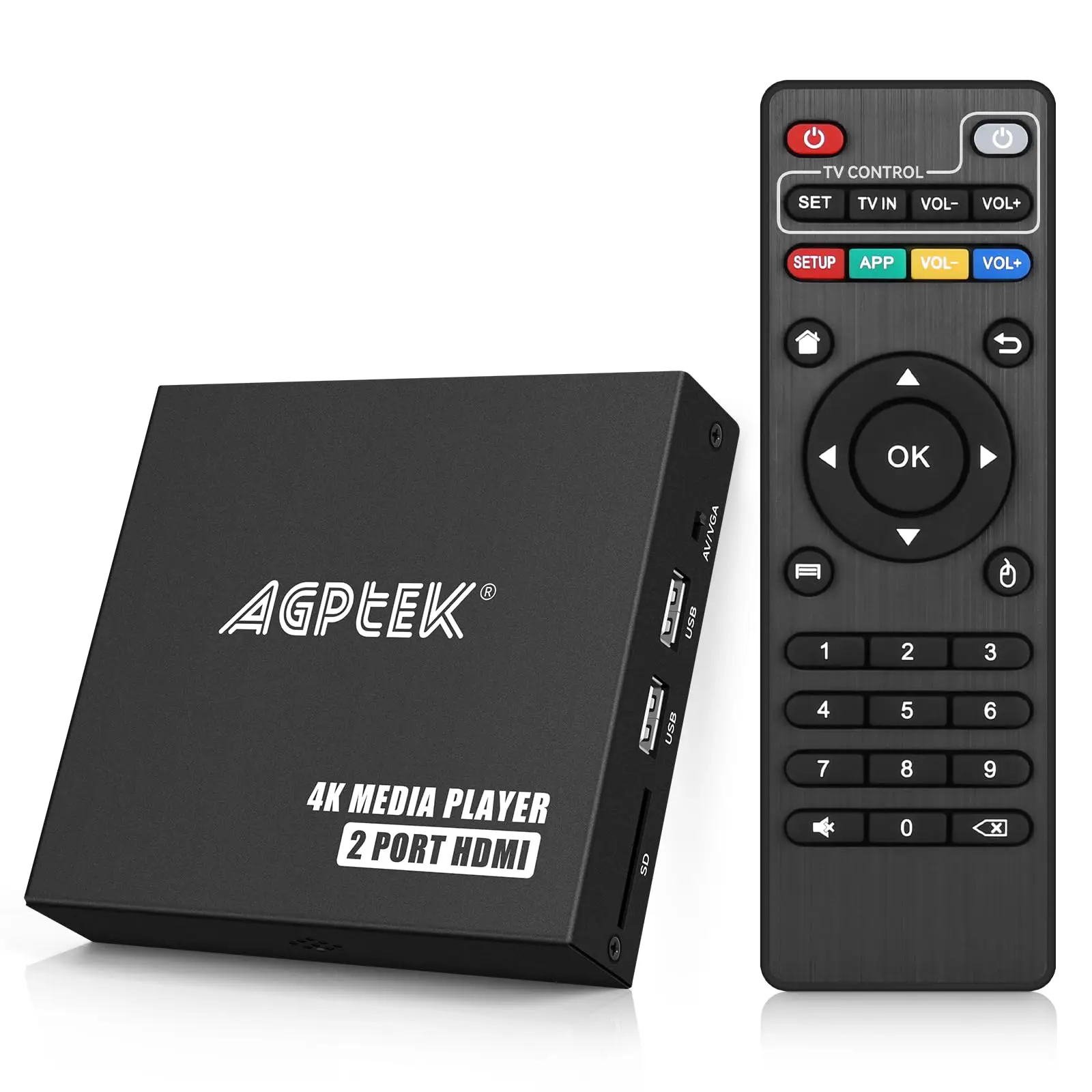 |
4K@30Hz Media Player Dual HDMI | Dual HDMI, AV/VGA, MP4/HDD/USB/SD, Remote Control, 4K Output | $69.99 | $3.29 | 3.8 | 32 |
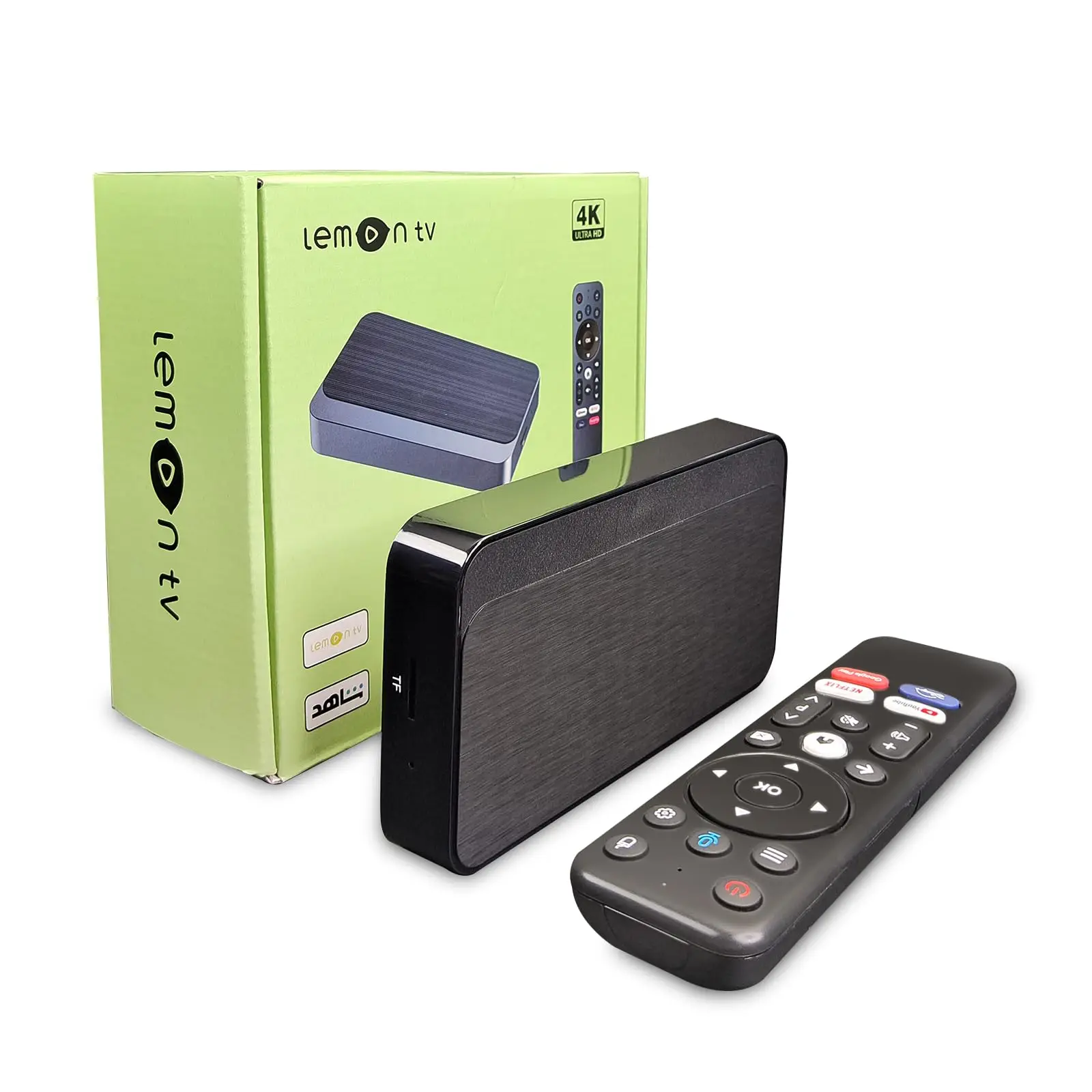 |
BOXPUT Lemon TV L2 | Android 12, Allwinner H618, 4K HDR, Dual WiFi, BT 5.4, 2GB/16GB, Voice Remote | $22.88 | $17.31 | 3.9 | 9 |
Table data sourced from [2]
Key insights for sourcing:
Effective procurement in the Onn TV Box category demands discipline across several fronts:
Procurement professionals should also consider future upgrade cycles: devices with USB 3.0 expansion, external storage compatibility, and firmware update reliability will serve well as baseline purchases for Q2/Q3 2026 and beyond.
As streaming continues to transform entertainment and smart home consumption, sourcing high-performing, affordable TV boxes is a business imperative. The Onn TV Box series presides over the 2026 market with outstanding retail and wholesale potential. Consistent sales growth, glowing expert reviews, and strong community acceptance make Onn a prime candidate for bulk procurement and retail placement[3][4][9].
Buyers are advised to:
The strategic outlook for the next 6–12 months is clear: increased household penetration, heightened demand for next-gen connectivity, and an expanding resale network will create abundant opportunities for smart buying in the Onn TV Box category. Procurement specialists should act now—align sourcing plans with emerging consumer trends and capitalize on the product’s robust performance and value proposition. In an evolving market, confident, data-driven action sets the stage for outsized returns and long-term supply chain resilience.