
All categories
Featured selections
Trade Assurance
Buyer Central
Help Center
Get the app
Become a supplier
As 2026 ushers in another season of accelerated technological change on land and at sea, it's tempting to declare the era of analog instruments drawing to a close. Yet within the bustling corridors of marine supply chains and specialist navigation forums, one tool remains unwaveringly relevant—the nautical chart divider. Their persistence stands as a testament to the value of tactile measurement, uncompromising reliability, and the practical realities of offshore navigation where electronics still falter. While the past 12 months have witnessed a surge in digital plotters, app-based navigation platforms, and touchscreen interfaces for both professional mariners and recreational sailors, these advances also highlight a key limitation: complete dependence on power sources and connectivity. The seasonal rhythm of ocean racing, cruising, and coastal exploration, especially in Spring and Summer, continues to drive strong demand for robust analog navigation instruments, as captains and navigators worldwide recognize the vulnerability of electronic-only approaches during extended passages, racing regattas, and test preparation for maritime certifications [8][13]. The rise in renewable energy solutions and satellite connectivity has not diminished the need for backup redundancy—making chart dividers more prominent in retail and professional procurement cycles. In fact, the cultural momentum around traditional navigation skills is intensifying, reinforced by sailing associations and maritime academies emphasizing chart work proficiency as a mandatory skillset. From the ritual of paper chart plotting before departure to the competitive edge gained in racing circles by mastering classic plotting instruments, divisors integrate seamlessly into the toolkit for those seeking certification, safety, and a deeper connection to nautical heritage. At the intersection of tradition and innovation, nautical chart dividers stand as a bridge, empowering mariners and suppliers alike to navigate an uncertain world with confidence and precision.
A nautical chart divider is fundamentally a precision instrument consisting of two pointed, hinged legs, designed to measure distances between two points or transfer those measurements across a chart—most often in navigation planning and route adjustment. The typical construction employs solid brass or stainless steel for corrosion resistance in marine environments, with variations in length, point geometry, and locking mechanism depending on intended use and buyer preferences [2][4][5][6].
Historically, such dividers trace their lineage to the earliest cartographic and marine practices of the 16th and 17th centuries. Classic models like the "single-handed divider" emerged to allow professional mariners and navigators the ability to handle plotting instruments while maintaining a grip on the chart table during rough seas. Dividers have served as critical companions for explorers, merchant fleets, and naval officers alike—becoming a symbol of the essential skills required for safe passage in unknown waters [4][7].
Contemporary dividers now fall into several primary classifications:
Amid the entwined waves of technological advancement and traditional seamanship, social platforms reflect a complex and highly engaged conversation about the role of nautical chart dividers in modern navigation. A review of influential online forums reveals several recurrent themes that shape consumer attitudes and purchasing behavior in 2026. Digital Versus Analog Debate: The inexorable march of digital chart plotters and navigation software is fueling spirited dialogue among both seasoned mariners and newcomers [8]. Mariners express both enthusiasm and healthy skepticism about going fully digital—concerned with screen size limitations, touch interface reliability in wet/bumpy conditions, and the high cost of premium plotter systems. The consensus points toward a hybrid solution: integrating digital charting for situational awareness, but maintaining analog tools as essential backups should electronics fail, or data become inaccessible offshore. The DIY ethos is alive, with users sharing guides for assembling custom charting stations using affordable tablets, Pi computers, and open-source software—always accompanied by reminders to retain classic dividers for safety. Test Preparation and Certification: Professional circles stress the operational necessity of retaining manual chart plotting skills for passing maritime licensing exams and international certifications [13]. Testimonials abound from candidates and instructors who emphasize how dividers form the backbone of training regimens—often with direct product suggestions and sourcing advice (including purchasing charts and tools from Amazon or university supply stores). Robust conversation around the differences in chart materials, ink soaking (for marking accuracy), and best brands/prices reflect both practical and sentimental attachment. Subscription Model Skepticism: A significant frustration is voiced over the proliferation of navigation apps moving to subscription-only models—making offline, paper-based measurement and plotting not only a backup, but a preferred method for many sailors navigating out of signal range. While digital charts offer flexibility, many users advocate for free and downloadable chart repositories, and a steadfast reliance on physical tools, notably citing dividers as irreplaceable in emergencies or long passage planning [9]. Cultural Heritage and Collecting: Beyond strict utility, an entire subculture surrounds the collecting and framing of vintage nautical charts and dividers. Enthusiasts seek out antique charts for decor and as tangible connections to maritime history—prompting cross-discussions about genuine versus reproduction charts, preferred brands, and international sourcing tips [16]. Practical Problem-Solving: Discussion threads provide advice on mounting, maintaining, and repairing charts and divider sets, recommending methods for flattening bowing charts or replacing scratched divider points [15]. These conversations underscore the enduring role of analog instruments as objects both of daily use and treasured longevity. Overall, social analysis illustrates a market landscape in which nautical chart dividers are both a practical necessity and a symbol of enduring maritime culture—fueling continued retail, training, and collector demand in parallel with digital innovation.
The global market for nautical chart dividers in 2026 represents a diverse ecosystem in which both retail and wholesale channels are thriving. The combined influence of (1) expanding maritime professional certification programs, (2) sailing sport resurgence, and (3) persistent technological reliability concerns all contribute to a robust and multifaceted demand curve [1][2][6]. Market Size and Growth Rate: Latest industry research indicates a steady year-over-year growth in the analog navigation instrument sector, with global market expansion of approximately 8–12% YoY—trending above inflation due to increased training activity and yacht racing participation, particularly across Europe, North America, and Asia-Pacific [1]. The wholesale segment, driven by bulk orders from maritime academies, cruise operators, and fleet managers, maintains a premium on durable, brass-built models, while retail remains brisk for mixed-material, lower-cost sets designed for education and recreational use. Regional Variations:
Amazon Hot Selling Analysis: Top Nautical Chart Divider Products in 2026
Downstream retail performance is vividly illustrated by the latest rankings for Amazon chart plotting tools, indicating not only buyer preference but also product innovation and design trends. Below is a comprehensive table of the top 10 best sellers, reflecting volume, feature sets, and pricing options. This data gives sourcing professionals an actionable snapshot for inventory optimization and competitive benchmarking.
| Image | Product Name | Latest Month's Sale Volume | Average Star Rating | Retail Price | Wholesale Price | Key Features |
|---|---|---|---|---|---|---|
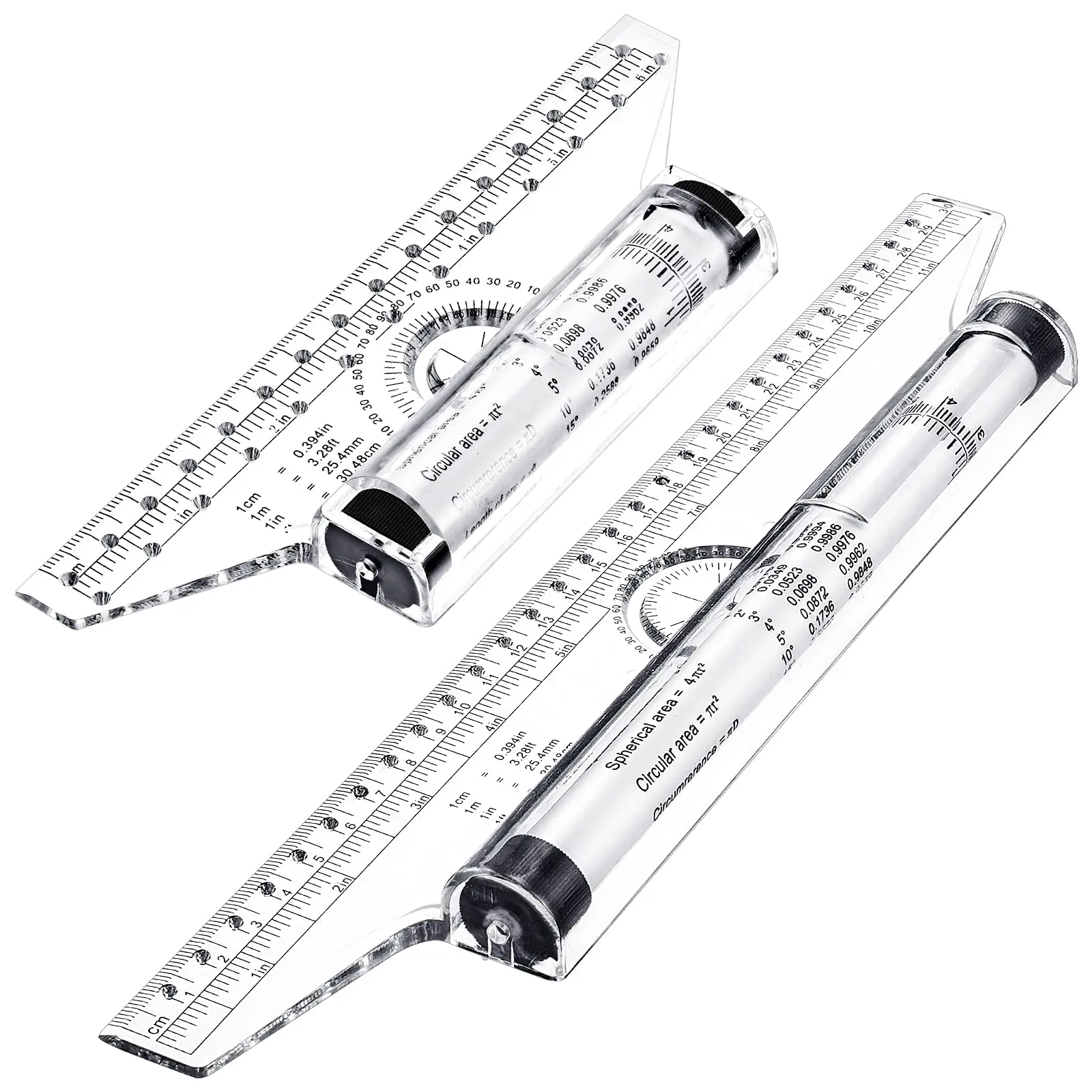 |
Frienda 2 Pieces Plastic Measuring Rolling Ruler Drawing Parallel Multifunctional Drafting Ruler for Architect Office Math (6 Inch, 12 Inch) | 329 | 4.4 | $10.54 | $0.81 | Multifunctional; dual size set; rolling parallel design for precision plotting |
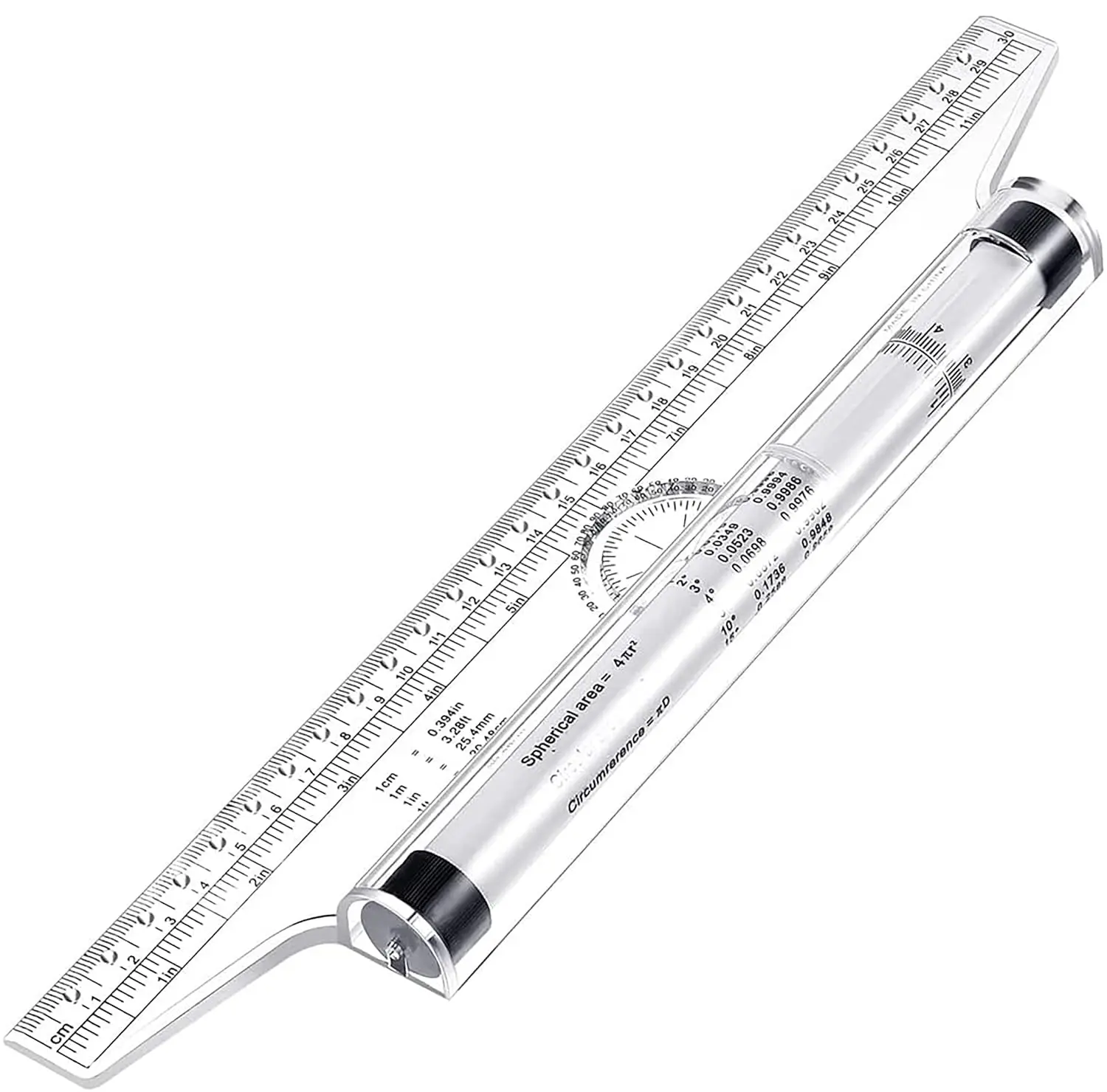 |
MyLifeUNIT Multi-Purpose Drawing Parallel Rolling Ruler, 12 Inch Drawing Design Ruler | 191 | 4.2 | $7.83 | $0.82 | Ergonomic design; clear scale; multipurpose architecture and marine use |
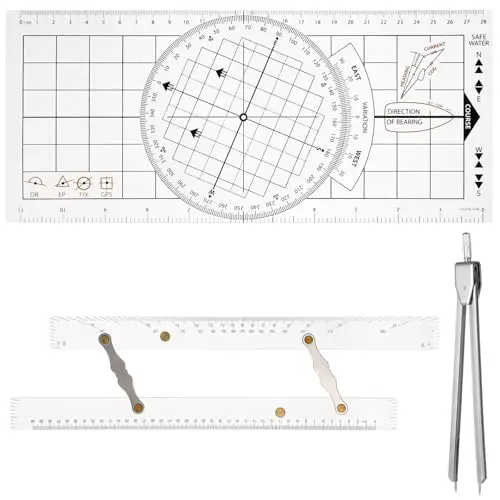 |
3 Pcs Basic Navigation Set, Marine Parallel Ruler, Nautical Protractor, Navigation Fixed Point Divider | 47 | 4 | $26.74 | $4.91 | Complete set for marine, boat plotting; clear scale; adjustable divider |
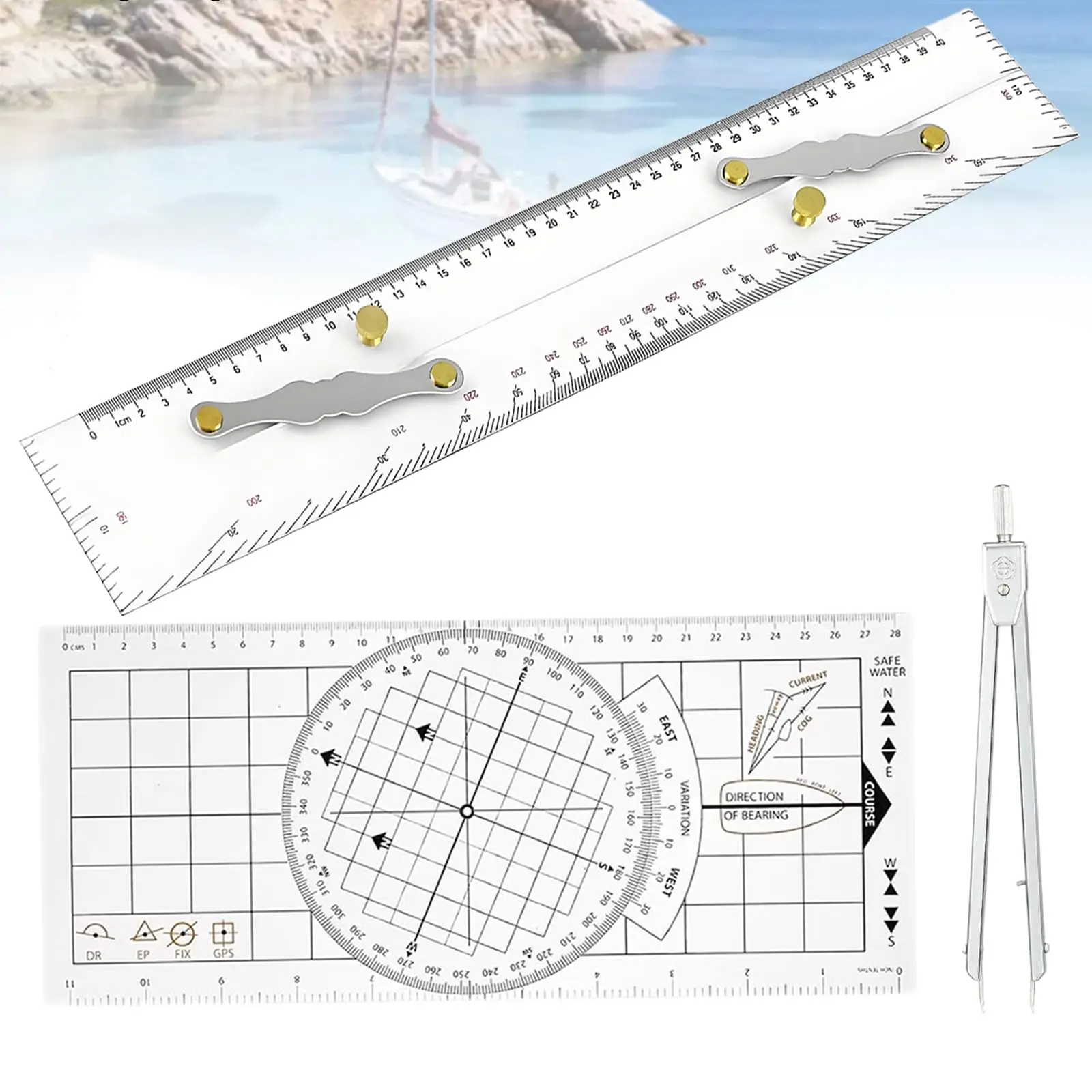 |
3 Pcs Basic Navigation Set - Marine Navigation Primary Tools | 9 | 4.3 | $31.2 | $3.7 | 16" parallel ruler; protractor; 6" fixed divider; built for boats |
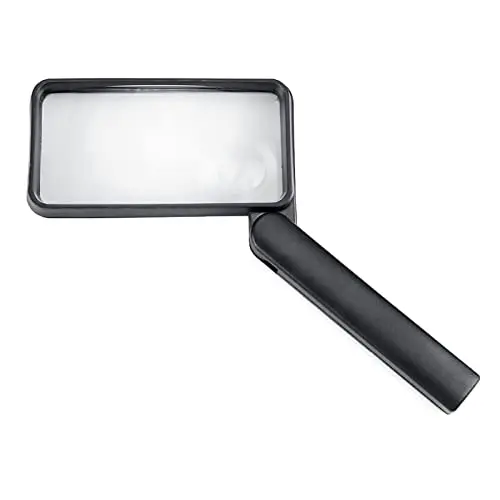 |
QIXIAMO Marine Navigation Plotter Parallel Ruler for-Boat Sea Chart Measuring Divider | 5 | 0 | $9.78 | $1.32 | Dedicated for marine chart measuring; lightweight |
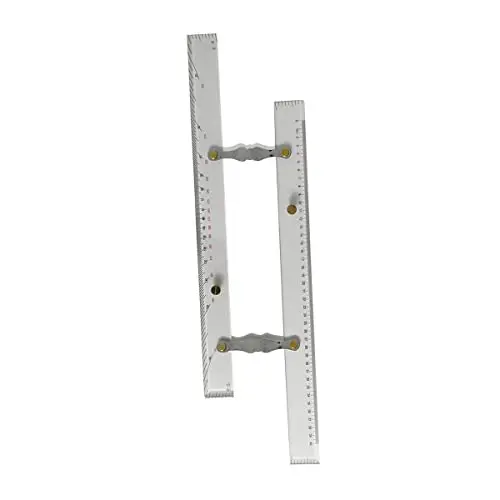 |
Marine Navigation Parallel Ruler, High Accuracy Clear Scale Mapping Points (450mm) | 5 | 4.8 | $19.57 | $4.72 | Long-format; high clarity; ideal for mapping applications |
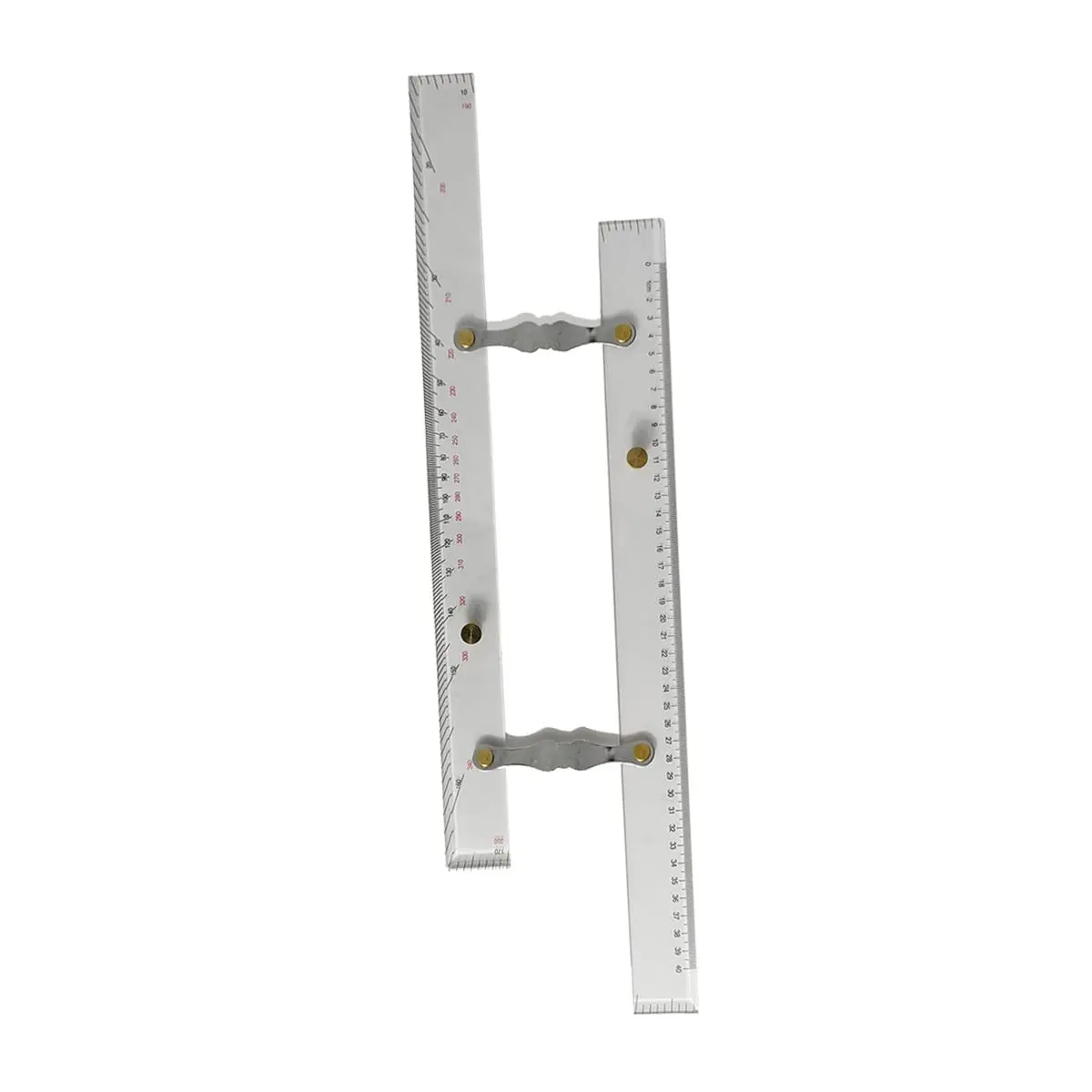 |
Marine Navigation Parallel Ruler, Easy Use Clear Scale Accurate Navigation (450mm) | 5 | 0 | $20.48 | $4.24 | Navigational accuracy; long rulers for precise direction |
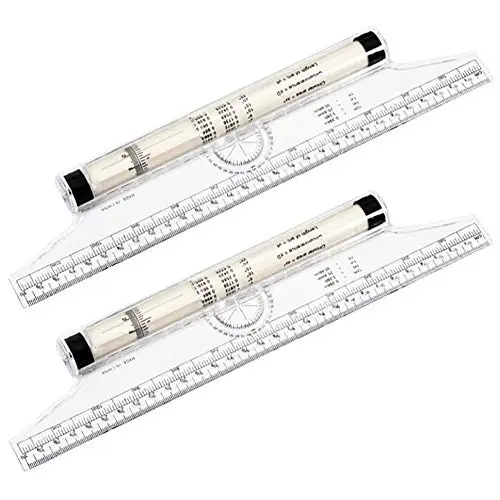 |
PENKOHOME 12 Inch Slide Ruler for Mathematics - 2 Pack Multifunctional Drawing & Rolling Ruler | 5 | 4.8 | $6.99 | $0.86 | For students/artists/engineers; balancing scale features |
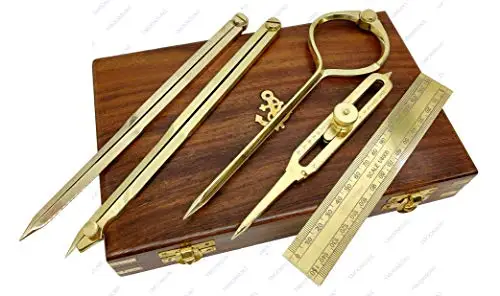 |
Proportional Divider Set of 5, Full Brass dividers with Executive Wooden Box | 5 | 4.7 | $68.43 | $20.00 | Single-handed design; premium brass; boxed set for gifting |
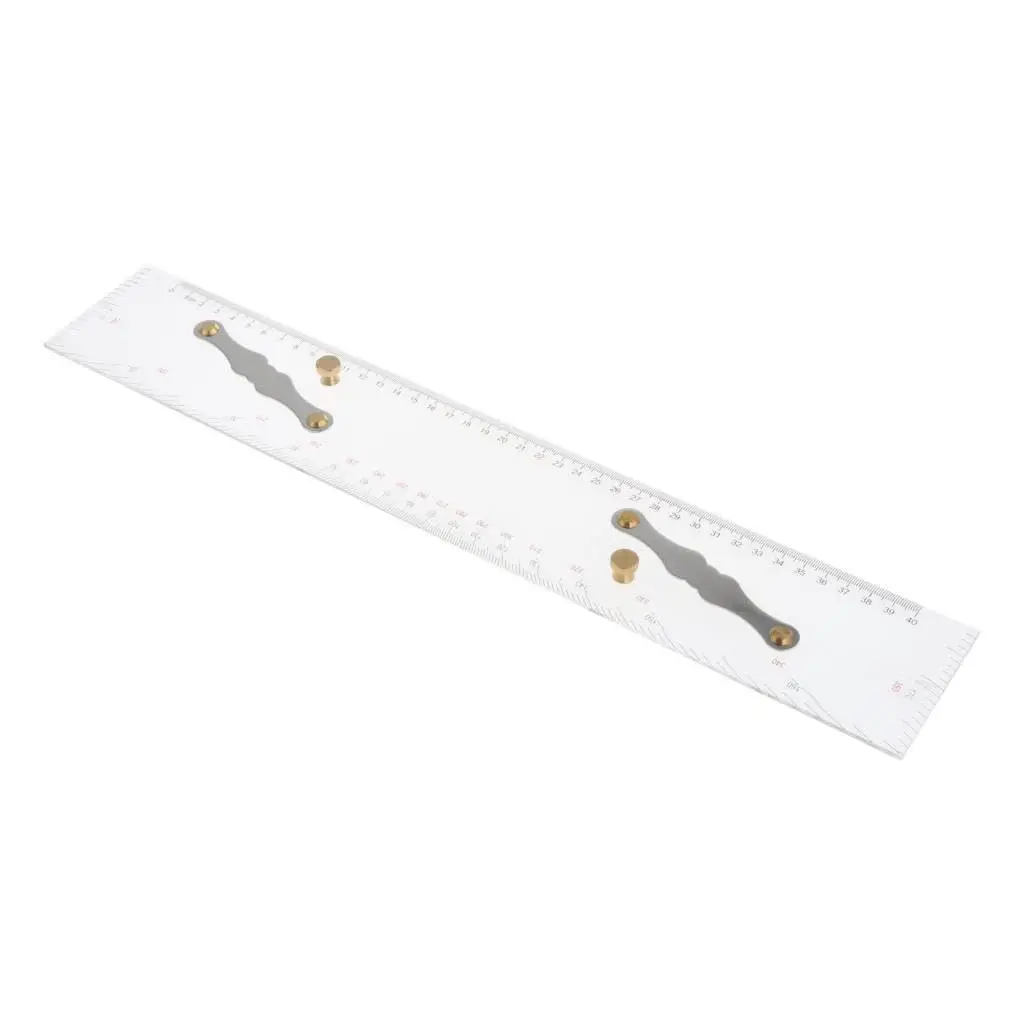 |
Aosekaa Navigation Parallel Ruler, 450mm Acrylic Sheet Construction | 5 | 0 | $11.82 | $4.12 | Acrylic construction; high accuracy; marine and school use |
Table data sourced from [1]
Top sellers are dominated by multifunctional drafting rulers and complete navigation sets with bundled parallel rulers and protractors, reflecting persistent demand for comprehensive plotting kits. Price stratification indicates that value buyers opt for basic rolling rulers, while high-end professional users prefer proportional divider sets with premium brass finish and wooden boxing—often for gifting, institutional procurement, or certification exam use. The highest volume product, the Frienda 2 Pieces Plastic Measuring Rolling Ruler, outpaces competitors with its blend of affordability, versatility, and ergonomic design.
Monthly sales volume of top 10 nautical chart divider products on Amazon (January 2026)
This bar chart visualizes the significant retail dominance of multipurpose rulers, indicating ongoing mass market relevance for educational and casual nautical plotting applications. For wholesale procurement and branded product development, the data suggests prioritizing portfolio expansion into bundled navigation sets or premium brass instruments to capture distinct market segments.
For global procurement managers and marine retailers, effective sourcing of nautical chart dividers necessitates a keen balance between compliance, reliability, and cost optimization. Here’s how to approach purchasing with minimal risk and maximum supply chain advantage:
Supplier Evaluation Criteria:
Logistics and Packaging:
Certification & Compliance for Target Markets:
Risk Management Strategies:
Procurement teams should leverage direct supplier relationships, actively participate in product testing, and maintain dynamic ordering calendars aligned with exam schedules, regatta circuits, and university terms. Transparent communication with manufacturers regarding compliance, packaging, and logistics can preempt supply disruptions, maintaining optimal inventory levels year-round.
The presence of nautical chart dividers in today's marine navigation ecosystem is a vivid reminder that analog skillsets and physical precision remain foundational, no matter how fast digital alternatives evolve. The sales data, user sentiment, and sourcing best practices outlined in this report show that, far from being obsolete, these instruments are integral to maritime safety, certification, education, and sporting excellence. Over the next 6–12 months, expect continued growth and segmentation in the category—driven by both retail buyers seeking versatile plotting tools, and wholesale orders for premium brass/divider sets catering to professional and academic institutions. For procurement professionals, strategic action means:
In summary, the role of the nautical chart divider today is both practical and symbolic—bridging centuries of seafaring heritage with the dynamic challenges and opportunities facing the marine industry. Sourcing leaders who embrace this duality will find themselves well-positioned to navigate the shifting seas of market demand, technological transformation, and global competition. Let confidence and strategic insight be your compass as you chart the optimal course for procurement and supply chain success in 2026.