
All categories
Featured selections
Trade Assurance
Buyer Central
Help Center
Get the app
Become a supplier
As we enter 2026, the market for four-wheel motorbikes—commonly referred to as ATVs (All-Terrain Vehicles) or quad bikes—has reached an inflection point, fueled by a blend of consumer enthusiasm for outdoor recreation, growing agricultural and industrial utility, and notable advancements in electric vehicle technology. Within the global procurement community, increasing demand is traced to diverse applications: from family-friendly adventure vehicles and off-road sports equipment to essential farm and forestry machinery.
Several macro trends are propelling four-wheel motorbikes into the retail and wholesale spotlight. Firstly, environmental factors and seasonal shifts—such as longer adventure tourism windows and expanded agricultural cycles—are driving up demand for robust, terrain-conquering vehicles. Secondly, cultural phenomena like the rise of outdoor lifestyle influencers and a surge in interest following high-profile sporting events have introduced younger, safety-conscious buyers to the ATV segment. Notably, electric models and youth-specific designs are gaining traction in response to broader global sustainability initiatives and parental concerns over recreational safety.
Procurement professionals are seeing these shifts reflected in their sourcing patterns, with increased interest in multi-purpose ATVs for combined work and play. In 2026, buyers face a rapidly evolving landscape where innovation and regional regulation are shaping both product selection and supply chain strategy. As the sector expands, four-wheel motorbikes are positioned as both aspirational lifestyle products and reliable workhorses, inviting a nuanced approach to inventory planning, supplier engagement, and market penetration strategies.
To fully grasp the dynamics of today’s ATV market, it is crucial to consider the technical definition, historical context, and segmentation criteria that underpin sourcing decisions for four-wheel motorbikes. These vehicles, according to the American National Standards Institute, are light utility vehicles designed to travel over low-pressure tires with a straddle-style seat and handlebars, enabling operators to maintain stability over a vast range of terrains—from sandy dunes to rocky trails or muddy farmland [6].
The category’s origins date back to the 1960s, when three-wheeled off-road vehicles appeared as practical tools for ranching and farming [3]. These early machines catered primarily to utility needs before Honda popularized the recreational use case in the 1970s with its pioneering ATC series. Safety concerns eventually drove the transition to four wheels in the 1980s, making quad bikes the gold standard for both sporting and practical applications. By the 1990s and onwards, engineered innovation had positioned ATVs as staples in both leisure and labor settings [[3][4]].
Classification is essential for buyers aiming to match product specifications with end-use scenarios:
For procurement, these criteria allow for precise selection based on target market segment, regulatory requirements, and operating environment. Additional product variations—such as tracked vehicles and tandem seating configurations—open further opportunity for specialty suppliers and differentiated product lines [6].
Analyzing online buyer sentiment and user-generated content reveals nuanced perspectives that significantly impact purchasing decisions in the four-wheel motorbike market. Discussions on enthusiast forums, consumer advice threads, and technical Q&As illuminate both the excitement and hesitations experienced by end users and first-time buyers alike.
Several key themes emerge:
Stability vs. Maneuverability—Seeking the Best of Both Worlds
A recurring topic centers on whether four-wheel motorbikes genuinely combine the advantages of both motorcycles and cars. Some buyers are attracted by the theoretical promise of motorcycle agility coupled with car-style stability. However, experienced riders caution that, in practice, quad bikes may "combine the downsides of both worlds"—notably, compromised cornering due to the inability to lean and a higher center of gravity compared to motorcycles [7]. Reviewers share that steering on four wheels without leaning can feel less intuitive, impacting both performance and enjoyment, especially for those transitioning from bikes.
Conversely, others cite quad bikes’ stability and accessibility, especially for those with mobility limitations or for younger family members who require a safer alternative to two-wheeled vehicles. This diversity in sentiment points to a need for buyers to clearly identify their primary use case before investing.
Feature Prioritization—What Matters Most to Buyers
For new entrants, feature selection is a central concern. Community members emphasize the importance of suspension quality, ground clearance, and tire setup as the main factors separating “fun toys” from serious trail partners [8]. In off-road environments, robust frame construction, load limits, and reliable engine configurations become critical for durability and safety. Some discussions highlight how online platforms—Alibaba most notably—provide more detailed specifications and competitive pricing than local dealers, generating interest but also skepticism about warranty, spare part availability, and post-sale support.
Experienced riders warn first-time buyers to avoid prioritizing cosmetic features over mechanical reliability, suggesting that investing in established brands or locally supported dealers can mitigate long-term maintenance risks—despite higher upfront costs [[8][12]]. The importance of easy access to spare parts and comprehensive after-sales support cannot be overstated in maintaining rider satisfaction.
Electric and Hybrid Models—Shifting Toward Sustainability
User innovation threads display creative customization, such as building electric quadricycles for urban use out of imported frames and high-power motors [11]. Buyers identify regulated top speeds and practical safety additions (lights, signaling, storage) as major points for successful adaptation to city laws. For senior riders or those with specific accessibility needs, discussion points trend toward four-wheel electric scooters as safer alternatives to traditional stand-up models, with variable legal status and license requirements across regions [13].
Sentiment is generally positive regarding electric quad bikes’ reliability, though caution remains over manufacturer claims versus real-world performance. Sustainability is a selling point for certain demographics, especially in urban and suburban markets.
Brand, Origin, and Regional Adaptation
Brand recognition and origin continue to influence buyer perceptions. While established manufacturers (e.g., Polaris, Honda, Yamaha) enjoy positive reputations for quality and support, Chinese-made quad bikes garner mixed opinions. Some users appreciate the affordability and accessibility of imported models, while others critique inconsistent quality control and less reliable VIN schemes for non-US exports [12].
Stories about legacy models—such as those with specialized engines or unique aftermarket upgrades—demonstrate the appeal of customization and nostalgia, particularly among collectors [10]. Regional legality and model-specific regulations are critical considerations, as licensing details and acceptable operating environments vary widely.
Procurement Dilemmas—Importer vs. Local Dealer
A final prominent thread is the buyer’s dilemma between purchasing from local dealers versus importing direct from manufacturers. While online platforms can offer lower prices and comprehensive specifications, buyers worry about hidden import fees, shipping costs, and a lack of straightforward warranty coverage [8]. Rider anecdotes stress that, depending on personal use case and risk tolerance, sticking with locally supported brands may offer greater peace of mind for high-usage scenarios, while imports can be compelling for budget-conscious buyers willing to manage post-sale complexities independently.
In summary, community feedback underscores that successful purchasing decisions hinge on matching product specifications to intended use, with careful consideration of supplier reputation, support infrastructure, and overall durability.
The market for four-wheel motorbikes continues to accelerate in 2026, with global growth driven primarily by three factors: rising recreational demand, expansion in agricultural and industrial usage, and rapid innovation in electric/youth categories. According to recent manufacturer data, retail sales are expanding at an estimated year-on-year rate of 8–11% in top regions, led by North America, Europe, and select Asia-Pacific markets [5]. The utility segment—focused on farming, forestry, and hauling applications—accounts for nearly half of total market value.
Regional preferences shape procurement practices. North American buyers prioritize high-performance sport and work utility models, while European sales favor regulated light quadricycles and multipurpose family vehicles. In Asia-Pacific, competitive pricing and adaptation for local terrains (from mountainous regions to rice paddies) fuel demand. Customizations for youth and beginner-friendly products with enhanced safety features are showing the fastest growth, especially in suburban and exurban retail channels.
Innovation is most evident within electric quad bikes, where battery technology improvements and modular design are attracting both traditional buyers and new entrants—particularly urban commuters and younger users seeking eco-friendly transport. Price segmentation reveals a three-tier structure in 2026:
Procurement strategy must therefore calibrate not only product fit but also regulatory compliance, logistics, and after-sales support tailored to these price bands and market segments.
2026 Amazon Bestselling Analysis: What Downstream Retail Data Reveals
The most current Amazon sales ranking offers invaluable insights into retail trends and consumer preferences for four-wheel motorbikes and related accessories. The following table—meticulously compiled from top-selling product listings—dissects the specifications, pricing, and star ratings for each featured product, addressing a spectrum of buyer needs from kids’ toys to advanced utility tires and electric ATVs. This retail data is critical for wholesale and bulk procurement professionals, as it highlights real-time market demand and feature prioritization at the consumer end [1].
| Image | Product Name | Avg Star Rating | Monthly Sale Volume | Retail Price | Wholesale Price | Key Features |
|---|---|---|---|---|---|---|
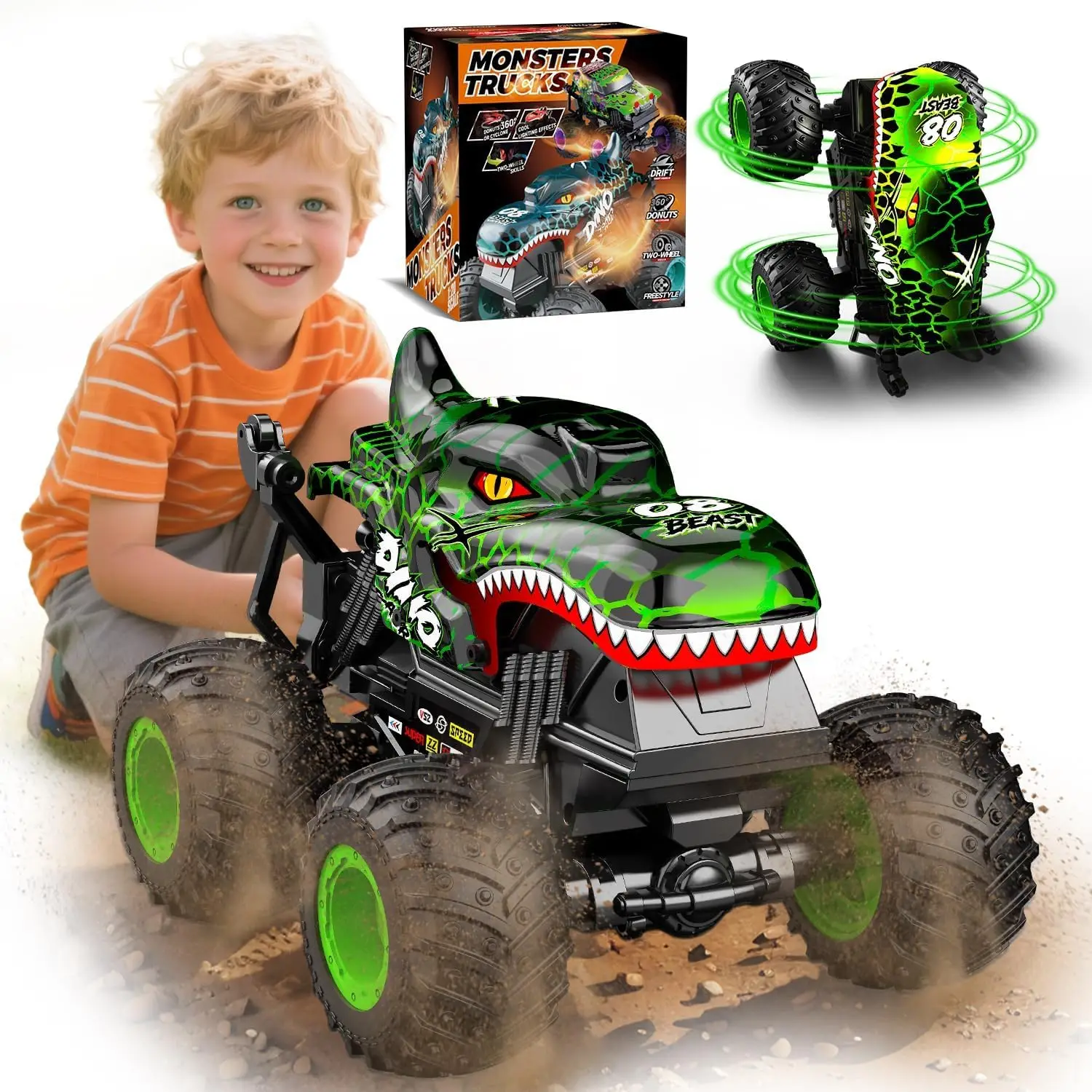 |
Gohero Monster Truck Toys for Kids, 1:20 RC Car, 360° Spins, LED, Music (Ages 4-7) | 4.4 | 1,995 | $32.59 | $7.93 | Rechargeable, LED light, Music, 360° Drifting |
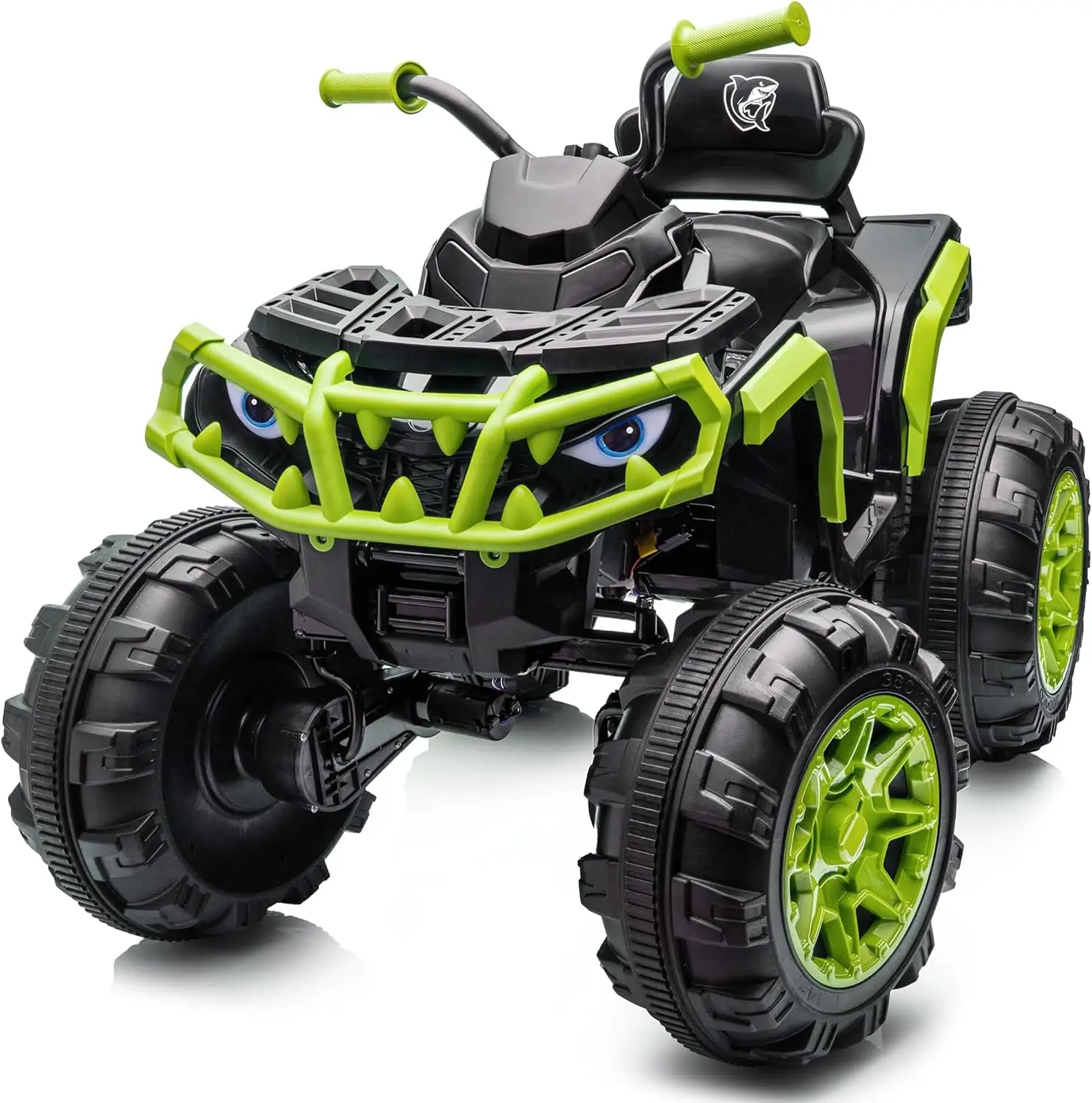 |
Hikiddo Shark Kids ATV 4 Wheeler, 24V 4WD Electric ATV (Green) | 4.2 | 580 | $324.32 | $59.21 | 4x200W Motor, 5.6Mph Max Speed, 24V, All-terrain |
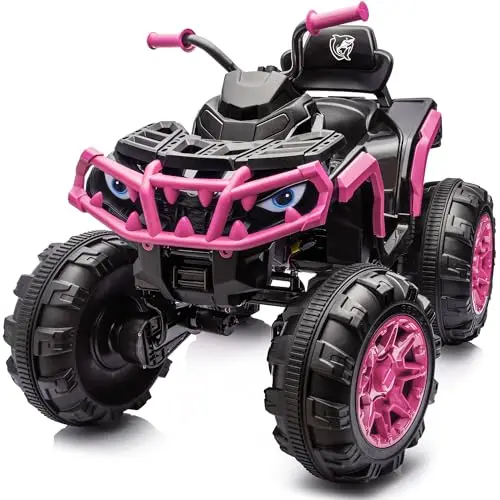 |
Shark Kids ATV 4 Wheeler, 24V 4WD Electric ATV (Pink) | 4.3 | 545 | $295.38 | $61.94 | 4x200W Motor, 5.6Mph Max Speed, Youth-focused |
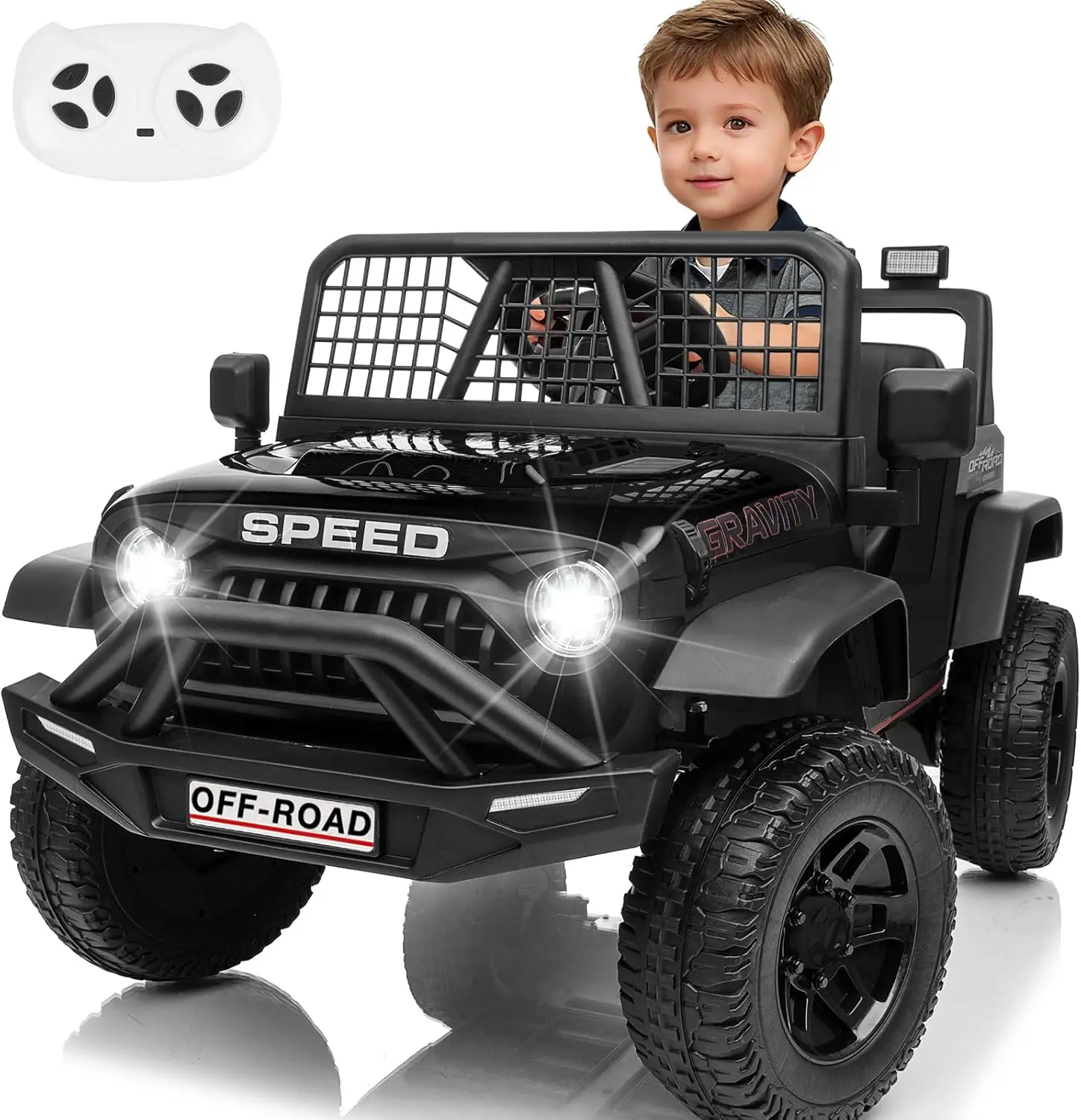 |
24V Jeep Power Wheels, 4WD Ride on Truck Car, RC Control (Black) | 5.0 | 301 | $152.98 | $57.50 | Remote control, Spring suspension, Wide seat, LED |
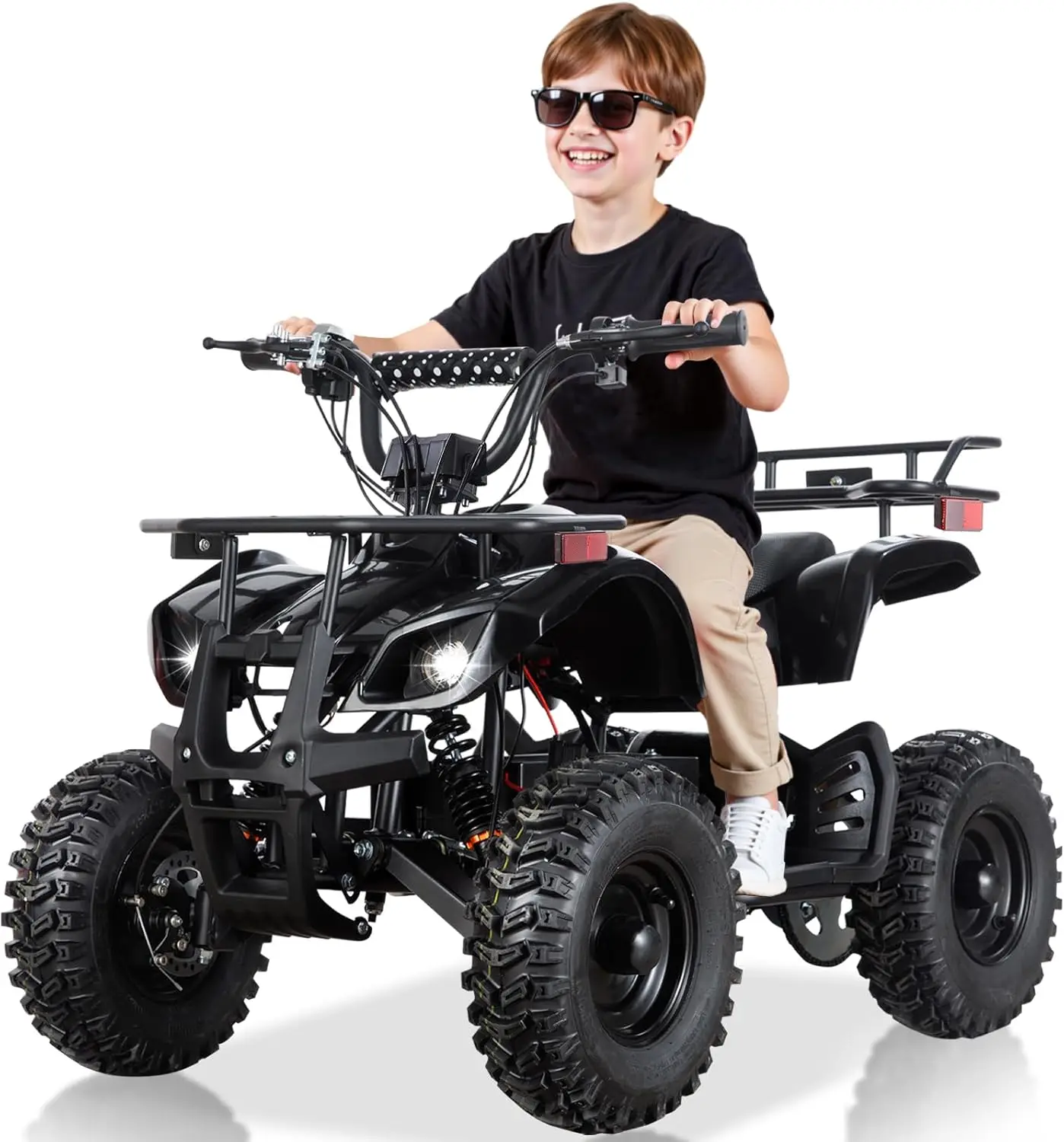 |
36V Kids ATV XL Four Wheeler w/EVA Tire, Off-Road Electric Vehicle (Black) | 5.0 | 286 | $599.99 | $273.50 | 500W Motor, Big kids, EVA tires, Off-road |
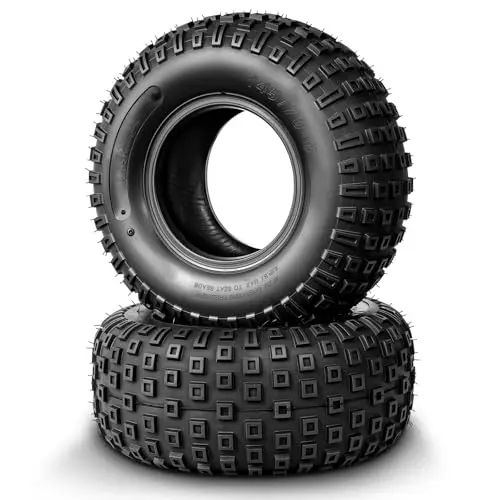 |
Set of 2 All-Terrain Knobby Tires for Go Kart Mini Bike | 4.7 | 270 | $31.74 | $20.78 | Tubeless, 165 lbs load, 6PR Knobby |
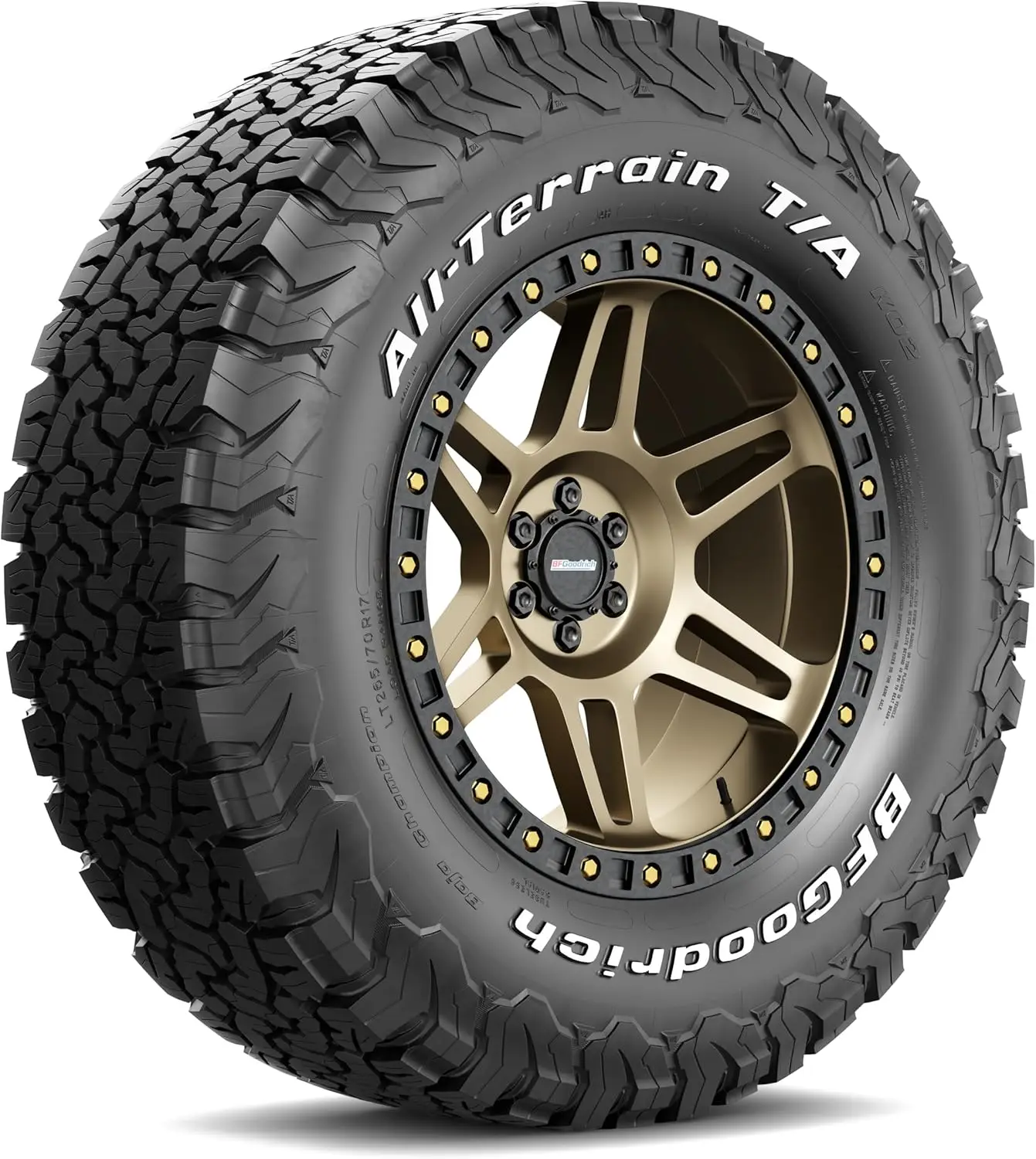 |
BFGoodrich All Terrain T/A KO2 Radial Car Tire (Light Trucks, SUVs) | 4.9 | 102 | $275.36 | $169.93 | 32x11.50R15/C, For SUVs/Trucks |
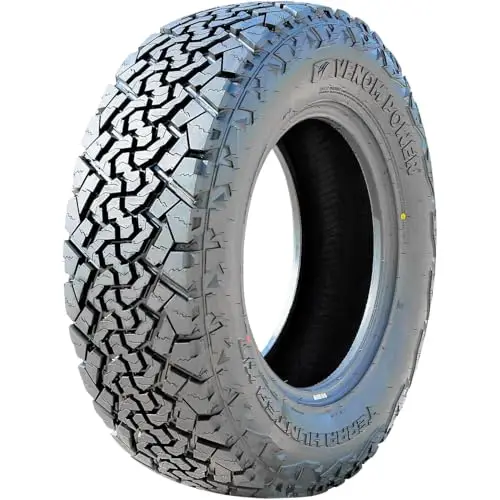 |
Venom Power Terra Hunter X/T Mud Off-Road Radial Tire | 4.6 | 72 | $149.82 | $58.13 | 265/70R17, 115S, 4-ply, BSW |
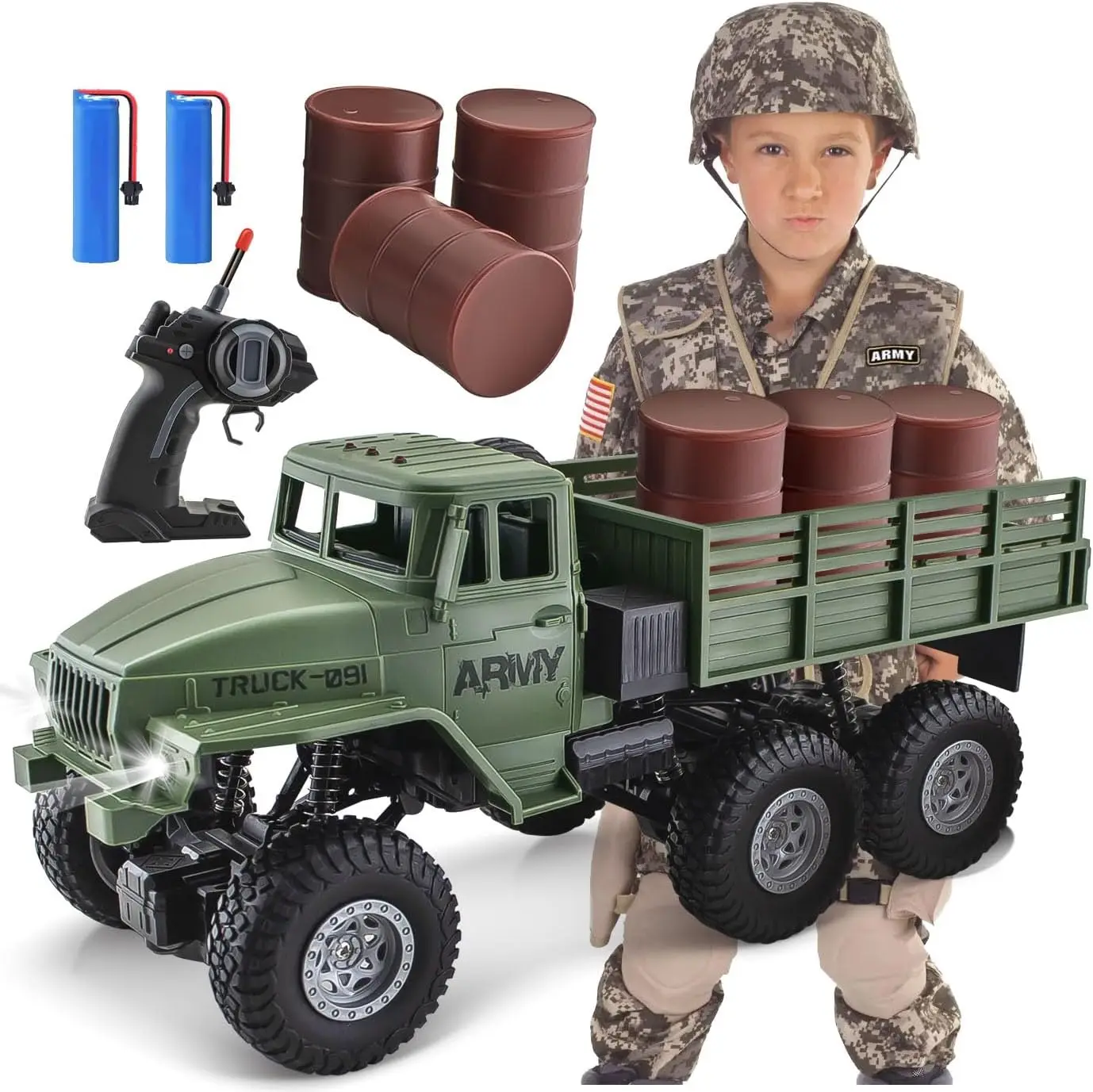 |
KNACKTOYZ 4WD RC Military Truck Toy (Ages 3-8) | 4.3 | 23 | $36.49 | $7.17 | Rechargeable, lights, RC control, Army theme |
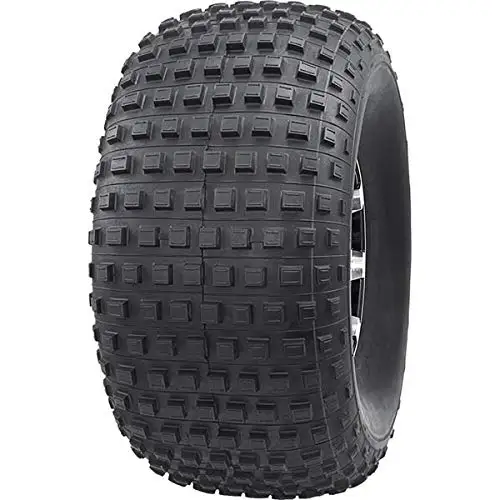 |
Ocelot All Trail Utility/Sport Classic Turf Tamer Tire | 0 | 8 | $156.53 | $20.04 | 25X12-9, Classic, Utility/Sport |
Table data sourced from [1].
Analysis of downstream sales patterns highlights clear trends:
Review sentiment skews positive for products offering robust motors, easy charging/recharge cycles, and playful features like LED lighting and music, while buyers warn against overinterpreting rating spikes in models with low monthly volume. The market’s appetite for both functional and entertaining features points to a lucrative opportunity for suppliers who can deliver both durability and innovation in their product lineup.
As procurement professionals seek to optimize their sourcing strategies for four-wheel motorbikes in 2026, thorough due diligence and advanced risk assessment are imperative. The following actionable intelligence supports informed, confident buying decisions.
Supplier Evaluation Criteria
Quality Control and Inspection
Logistics and Post-Sale Support
Certification and Market Compliance
Avoiding Common Pitfalls
Competitive Advantages of Sourcing This Category
The convergence of technical innovation, consumer lifestyle shifts, and evolving regulatory landscapes in 2026 has elevated four-wheel motorbikes into a genuinely multifaceted procurement opportunity. This category fuses deep-rooted utility with aspirational recreation, serving expanding markets from suburban families and outdoor adventurers to professional land managers and eco-conscious urban riders.
Synthesizing market and sentiment insights, buyers should anticipate:
For procurement leaders, the most successful strategies will balance supplier reliability, logistics efficiency, and adaptive product portfolio management—leveraging both local and global options as market needs evolve. Thorough vetting, clear contractual protections, and ongoing intelligence monitoring are non-negotiable components in sustaining profitability and brand reputation in this exhilarating, competitive space.
As you plan your next six to twelve months of four-wheel motorbike sourcing, take inspiration from both data and community experience: invest in quality, clarify support provisions, and keep your eye on fast-moving electrification trends. The intelligence shared here will empower you to navigate market complexity, secure your competitive edge, and capture the full potential of the global ATV boom with confidence.