
All categories
Featured selections
Trade Assurance
Buyer Central
Help Center
Get the app
Become a supplier
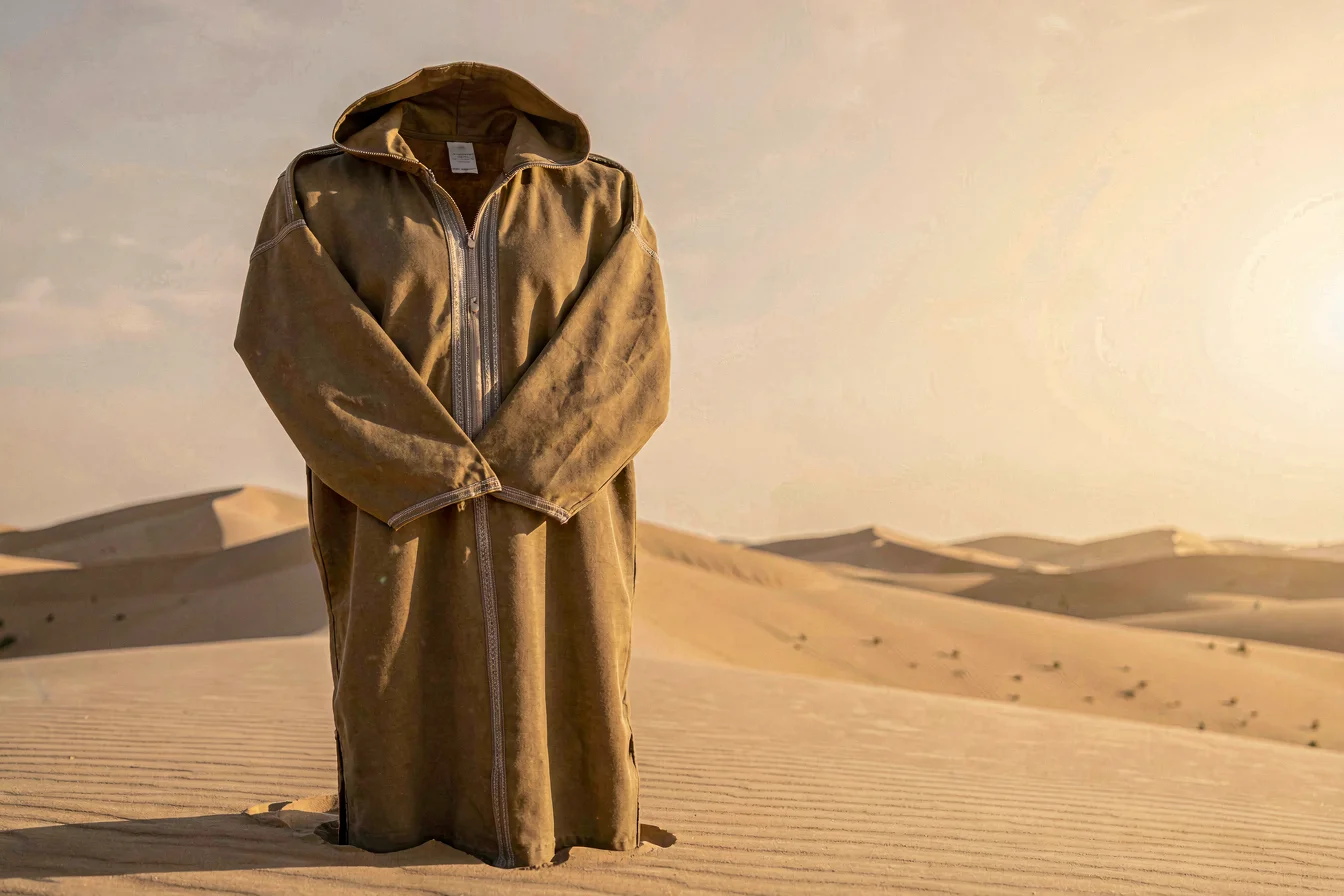
The Moroccan thobe market is experiencing robust global demand, with rising interest in both traditional and modern styles. Procurement is highly viable as supply chains have become resilient, and buyer preferences are increasingly diverse, especially during festive seasons like Eid and Ramadan[1][2][4][5]. International buyers should focus on sourcing authentic, well-fitted garments to capitalize on seasonal peaks and cultural trends.
The Moroccan thobe category is trending due to a convergence of cultural identity, fashion innovation, and global accessibility. Traditional Moroccan thobes, often called djellabas, have deep roots in Berber and Arab heritage, symbolizing modesty and elegance. The garment’s resurgence is driven by both religious observance and contemporary fashion, with designers blending classic elements with modern cuts and fabrics[5][7][9]. Buyers should understand the nuanced differences between thobes, gandouras, and kaftans, as well as the importance of authenticity, embroidery quality, and fit. Sourcing strategies must prioritize reliable suppliers with proven craftsmanship and accurate sizing charts to meet global buyer expectations.
| Trend Factor | Current Status | Impact on Buying Decision |
|---|---|---|
| Cultural Identity | Strong resurgence | Drives demand for authentic garments |
| Festive Seasonality | Peaks at Eid/Ramadan | Timing procurement for peak sales |
| Fashion Innovation | Modern blends | Expands buyer base |
| Authenticity Concerns | High buyer scrutiny | Requires vetted suppliers |
Understanding these trend factors ensures buyers can optimize sourcing strategies and capture the growing market demand for Moroccan thobes.
The Moroccan thobe market is characterized by steady growth, with supply chains increasingly resilient and diversified. Industry drivers include rising global awareness of Moroccan heritage, increased online retail penetration, and a shift towards premium, handcrafted garments. Supply chain dynamics are supported by both traditional artisans and modern OEM/ODM manufacturers, enabling buyers to access a wide range of materials and designs. Macro risks include geopolitical fluctuations and seasonal volatility, but the category is generally less affected by economic downturns due to its cultural and religious significance. Buyers should monitor regional events and festive dates to optimize procurement timing and inventory management.
| Market Dimension | Current Status | Impact Level |
|---|---|---|
| Supply Chain Resilience | Strong | High |
| Online Retail Penetration | Rising | Medium |
| Material Innovation | Diverse | Medium |
| Seasonal Volatility | Present | High |
| Geopolitical Risk | Low | Low |
Market conditions favor procurement, but buyers must align sourcing with seasonal peaks and prioritize authenticity for optimal results.
Google Trends for Moroccan thobe-related queries, 2025–2026
Google Trends data shows a clear upward trajectory for Moroccan thobe-related queries, with peak demand during Ramadan and Eid, especially in late 2025 and early 2026[1]. The highest normalized values for Moroccan kaftan (86) and Moroccan djellaba (74) occurred in February 2026, indicating strong seasonal momentum. Buyers should plan procurement cycles to coincide with these peaks, focusing on inventory replenishment before festive periods and leveraging trending styles for higher conversion rates.
Search trend momentum signals buyers should prioritize inventory planning and style innovation to capture peak demand during religious and cultural festivals.
Reddit and TikTok communities reveal nuanced buyer sentiment around Moroccan thobes, with frequent discussion about authenticity, sizing, and regional acceptance. Reddit users in MuslimLounge and Qatar threads highlight the cultural differences between Moroccan and Qatari/Kuwaiti thobes, with concerns about fit and formal appropriateness[11][12][13][14][15]. Many buyers praise the elegance and craftsmanship of Moroccan thobes but warn about sizing discrepancies and the need for accurate charts. TikTok trends emphasize styling tips, festival wear, and embroidery details, with viral hashtags like #djellaba and #beldi driving engagement. Overall, sentiment is positive, with Moroccan thobes valued for their heritage and fashion appeal, but buyers stress the importance of reliable sourcing and fit.
"Any Arab will recognize a Moroccan thob, don't worry about this kind of stuff." — r/qatar [11]
"Handmade by skilled Moroccan artisans, this men’s Djellaba features traditional craftsmanship, careful stitching, and timeless cultural details." — Instagram post [3]
| Dimension | Reddit Insights | TikTok Insights |
|---|---|---|
| Authenticity | High demand for genuine Moroccan craftsmanship | Viral content on handmade embroidery and regional variations |
| Fit & Sizing | Common concerns about sizing accuracy | Styling tips and fit hacks |
| Regional Acceptance | Debate about formal vs. home wear | Celebration of Moroccan identity and heritage |
| Resale Value | High for handcrafted, limited editions | Festival wear and gifting trends |
Online sentiment confirms Moroccan thobes are highly valued for authenticity and cultural appeal, but buyers must prioritize fit and sourcing reliability for optimal resale value.
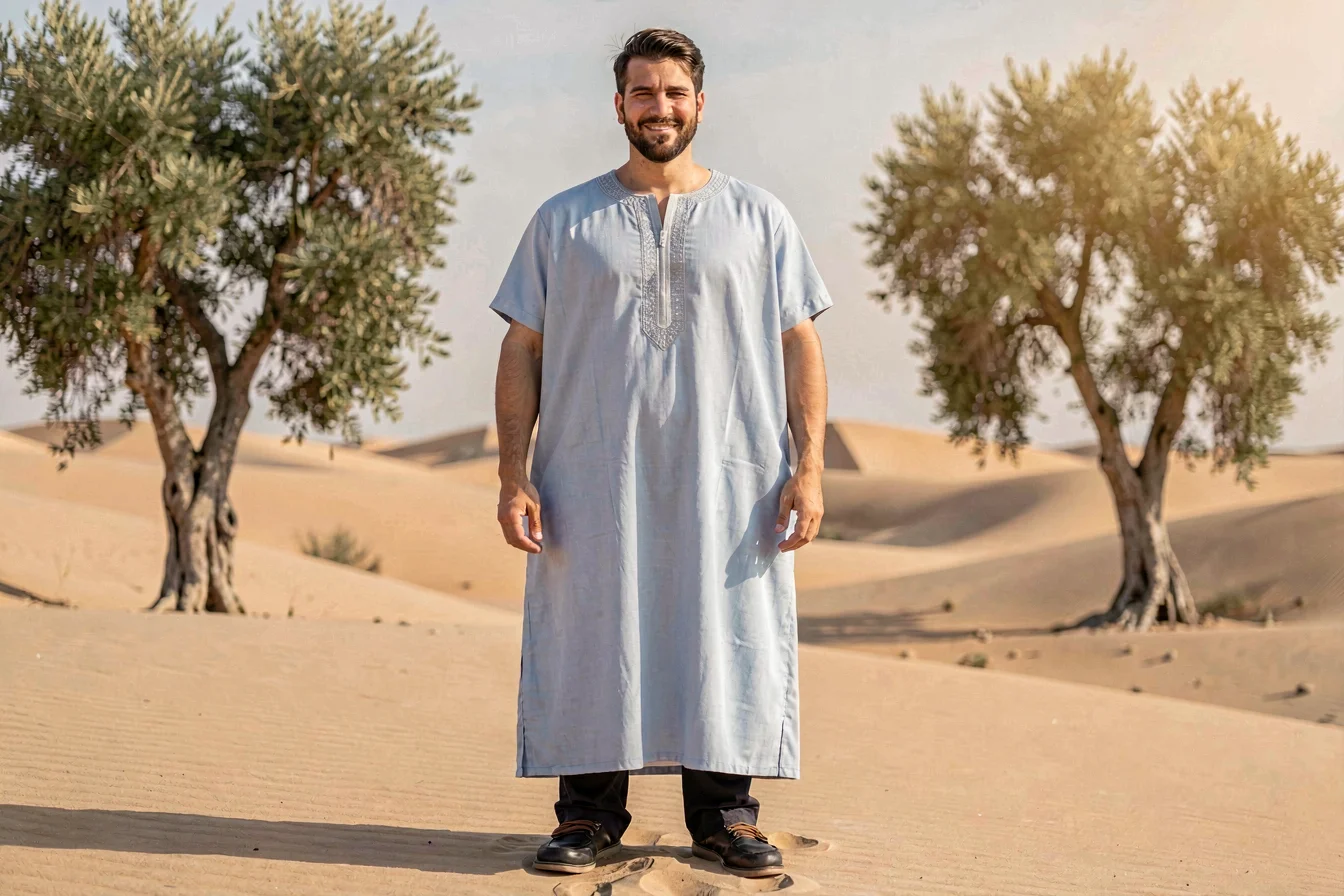
Amazon’s top-selling Moroccan thobe products are characterized by premium fabrics, intricate embroidery, and versatile styling options. Leading SKUs include embroidered cotton kaftans, linen henley shirts, and handmade winter djellabas, with prices ranging from USD 21.99 to USD 55.99 and ratings from 4.0 to 4.5/5. Features like loose fit, side splits, and machine-washable materials are highly valued by buyers, while handcrafted embroidery and regional authenticity drive premium pricing. The highest-selling products are those that blend traditional Moroccan aesthetics with modern comfort and ease of care[2].
| Image | Name | Price | Rating | Key Features |
|---|---|---|---|---|
 |
Runcati Mens Kaftan Thobe Textured Henley Shirt | USD 24.99 | 4.5 | Textured design, knee length, loose fit, machine washable |
 |
Runcati Mens Kaftan Thobe Cotton Henley Shirt | USD 29.99 | 4.4 | Embroidery, cotton, knee length, loose fit |
 |
YAOHUOLE Caftans for Men Islamic Kaftan | USD 26.99 | 4.0 | Premium fabric, relaxed fit, versatile, machine washable |
 |
Moroccan Men Djellaba with Hood | USD 55.99 | 4.5 | Handmade, thick cotton, embroidered, winter fit |
 |
Men’s Moroccan Djellaba Hooded Robe | USD 47.99 | — | Traditional, polyester/viscose blend, loose fit |
Premium features and authentic craftsmanship drive Moroccan thobe sales, with buyers favoring versatile, comfortable, and handcrafted garments.
Amazon buyer reviews highlight the strengths and weaknesses of Moroccan thobe products. Top praises include the comfort and quality of materials, loose fit, and versatile styling options. Common complaints center on sizing discrepancies and the need for careful measurement before ordering. Buyers also value machine-washable fabrics and handcrafted embroidery, but some report issues with color accuracy and fit in certain brands. The following quotes illustrate buyer sentiment:
"This is a classic shukr mix of contemporary and traditional... You will love this Indian pajama top for the office as much as you do for the weekend." — Buyer review [2]
"The clean classic silhouette makes this Djellaba perfect for religious holidays, Ramadan, Eid, weddings, family gatherings, or casual daily use." — Buyer review [2]
| Product Name | Top Praise | Top Complaint | Overall Sentiment |
|---|---|---|---|
| Runcati Mens Kaftan Thobe Textured Henley Shirt | Comfort, style versatility | Sizing accuracy | Positive |
| Runcati Mens Kaftan Thobe Cotton Henley Shirt | Quality, embroidery | Fit variability | Positive |
| Moroccan Men Djellaba with Hood | Handmade, craftsmanship | Color accuracy | Positive |
Buyer reviews confirm Moroccan thobes are praised for comfort and style, but sizing and color accuracy remain key challenges for international buyers.
Reliability benchmarks for Moroccan thobes include defect rates, maintenance cycles, and expected service life. Global feedback indicates handmade garments are less prone to defects but may vary in sizing, while mass-produced items offer consistency but sometimes lack authenticity. Quality benchmarks are established by fabric type, embroidery precision, and fit accuracy. Strategic sourcing should prioritize OEM/ODM partners with proven craftsmanship and accurate sizing charts. Risk mitigation involves mapping bottlenecks across logistics, raw materials, and geopolitical compliance. Negotiation levers include bulk order discounts, seasonal timing, and certification for handcrafted products.
| Benchmark Dimension | Handmade Moroccan Thobe | Mass-Produced Moroccan Thobe |
|---|---|---|
| Defect Rate | Low (1–2%) | Medium (3–5%) |
| Maintenance Cycle | Long (12–24 months) | Medium (6–12 months) |
| Expected Service Life | High (3–5 years) | Medium (1–3 years) |
| Fit Accuracy | Variable (artisanal) | Consistent (standardized) |
| Embroidery Precision | High | Medium |
Reliability benchmarks highlight the importance of sourcing from reputable OEM/ODM partners with proven craftsmanship and fit accuracy for Moroccan thobes.
The Moroccan thobe market is set to continue its growth trajectory through 2026, driven by cultural pride, festive seasonality, and increasing demand for authentic, handcrafted garments. Emerging trends include the integration of sustainable fabrics, digital embroidery, and regional collaborations with designers to blend tradition with contemporary aesthetics. Buyers should focus on securing reliable suppliers with strong quality control and accurate sizing, leveraging seasonal peaks to optimize procurement and inventory. As the market evolves, staying attuned to cultural and fashion shifts will ensure buyers can capitalize on rising demand and maintain supply chain resilience. The optimal next step is to conduct targeted supplier audits, negotiate bulk orders, and plan inventory cycles around major festivals to maximize procurement efficiency and resale value.