
All categories
Featured selections
Trade Assurance
Buyer Central
Help Center
Get the app
Become a supplier
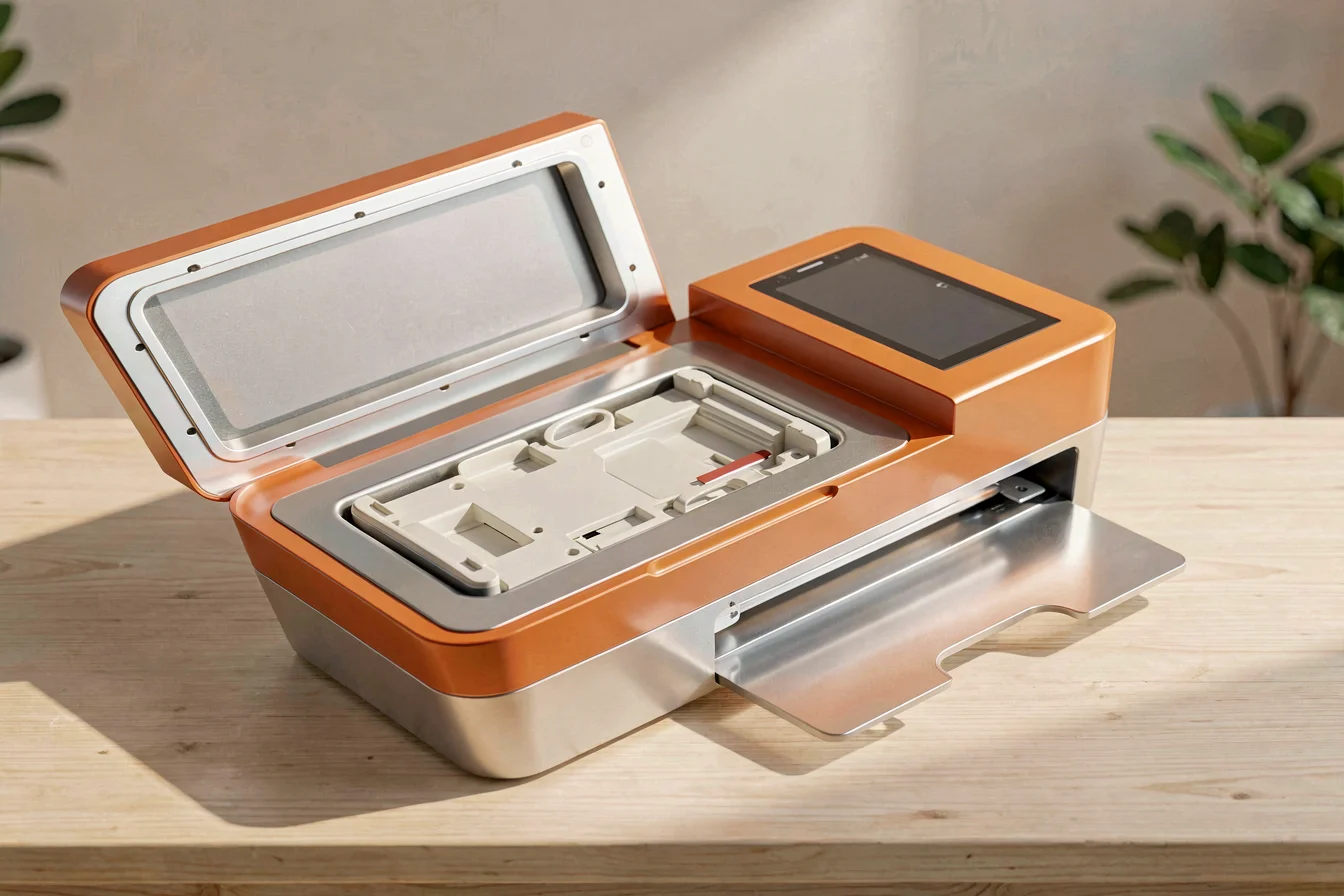
The mobile phone screen protector cutting machine market is experiencing sustained demand, with both manual and intelligent models favored by repair shops and retailers seeking inventory optimization and customization. Procurement is highly viable, as supply chains remain stable and new SKUs are consistently introduced. Buyers should prioritize models with high precision, compatibility, and robust certification to ensure long-term value and operational efficiency [1][2][5][7].
The surge in interest for mobile phone screen protector cutting machine stems from the rapid growth of personalized accessory demand and the shift toward on-demand retail services. Repair shops, accessory retailers, and manufacturers are increasingly investing in these machines to cut screen protectors and back films tailored to diverse device models, minimizing inventory costs and maximizing customer satisfaction. Key trends include the rise of intelligent, app-connected machines, the expansion of compatible materials (tempered glass, PET, TPU), and the emergence of cloud-updated templates supporting thousands of device models [4][5][7][8]. Buyers should focus on precision, ease of use, material versatility, and real-time software updates when evaluating procurement options.
| Trend Factor | Current Status | Impact on Buying Decision |
|---|---|---|
| Personalization | High demand for tailored protectors | Prioritize machines with broad template libraries |
| Inventory Optimization | Retailers shift to on-demand cutting | Reduce stocking costs, increase flexibility |
| Technological Integration | Bluetooth/app connectivity rising | Choose models with mobile app support |
| Material Versatility | Support for tempered glass, TPU, PET | Ensure compatibility with all common materials |
| Software Updates | Cloud updates for new device models | Select machines with real-time template support |
Buyers should focus on precision, material versatility, and software updates to maximize operational efficiency and minimize inventory risk.
The mobile phone screen protector cutting machine sector is characterized by steady growth, driven by the expansion of mobile accessory retail, increased consumer demand for customization, and the proliferation of new device models. Supply chains are stable, with OEMs offering both manual and automated options, and cloud-based updates enabling machines to keep pace with device launches. Macro risks include geopolitical disruptions affecting raw material supply and logistics, but overall, buyers face low volatility and strong supplier competition. Retailers are increasingly adopting intelligent machines to cut both screen protectors and back films, supporting inventory-free operations and enhancing customer experience [4][5][7]. Pricing is competitive, with entry-level machines in the USD 30–150 range and professional models in USD 300–400 [3][5][7].
| Market Dimension | Current Status | Impact Level |
|---|---|---|
| Supply Chain Stability | Stable, low volatility | High |
| Retail Adoption | Accelerating, especially in repair shops | High |
| Device Model Diversity | Support for over 50,000 models | Medium |
| Pricing Competitiveness | Wide range, strong OEM competition | Medium |
| Geopolitical Risk | Low, but potential for disruption | Low |
Retailers and manufacturers benefit from stable supply chains and broad device model support, but must monitor geopolitical risks for logistics and raw materials.
Google Trends for mobile phone screen protector cutting machine variants, 2025–2026
Google Trends data shows steady growth for “die cutting machine” and “laser cutting machine” variants, with peaks in early 2026, likely driven by retail upgrades and device launches. “Cutting machine” queries also trend upward, indicating consistent buyer interest. These momentum signals suggest buyers should prioritize procurement during retail upgrade cycles and device launches for optimal ROI [1]. Trend data confirms sustained demand, with procurement timing linked to retail cycles and new device launches.
Reddit discussions highlight both the practical value and installation challenges of mobile phone screen protector cutting machine . Users praise machines for enabling on-demand cutting and reducing inventory, but express concerns about bubbles, fitment, and the quality of generic screen protectors. TikTok trends focus on quick installation videos, influencer reviews, and the appeal of personalized screen protectors. Sentiment is generally positive for machines that offer ease of use, precision, and real-time updates, but buyers remain wary of low-quality materials and installation errors. Cultural reception is strongest among repair shops and accessory retailers seeking operational efficiency [9][10][11].
“Officially started my phone repair business 2 months ago but i repaired like 15 phones before that as a refurber. I’ve had great success, making about $1000 just for today and I realized i’m not upselling for shit. I think the next step for me is upselling, and I think screen protector is what I wanna focus on, don’t wanna keep inventory of cases as of now. What I wish for is for it to be unlimited prints, don’t wanna have to keep a balance and for it to have a good control system like the display.” [10]
TikTok themes include “DIY screen protector installation,” “machine precision,” and “inventory-free retail.” Influencer reviews emphasize the importance of app connectivity and real-time template updates.
| Dimension | Reddit Insights | TikTok Insights |
|---|---|---|
| Installation Challenges | Bubbles, fitment, generic materials | Quick installation videos, influencer reviews |
| Inventory Optimization | Preference for on-demand cutting | Inventory-free retail themes |
| Machine Precision | High precision valued, app connectivity | Precision demos, real-time updates |
| Sentiment | Positive for operational efficiency | Strong for personalized protectors |
Buyers should prioritize machines with ease of use and precision, while monitoring material quality and installation challenges to optimize procurement decisions.
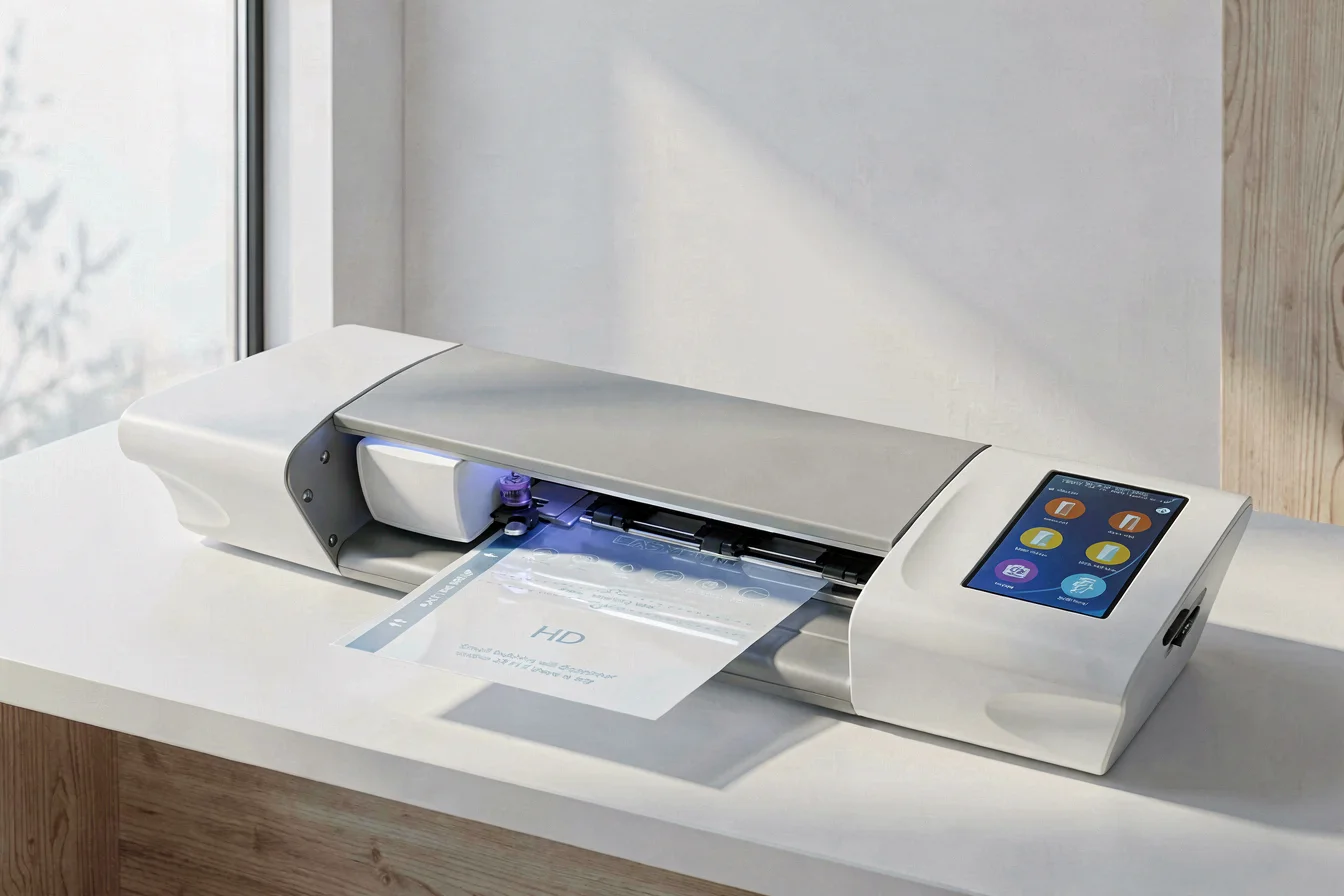
Amazon data reveals that both consumer-grade screen protectors and cutting machines are leading in sales, with top-rated products emphasizing ease of use, compatibility, and precision. Intelligent machines are preferred for their app connectivity, real-time updates, and support for multiple device models. High-rated screen protectors offer anti-spy, privacy, and anti-scratch features, while cutting machines focus on accurate edge and hole cutting for tempered glass and hydrogel films [2]. Buyers should prioritize machines with robust app integration, high cutting force, and compatibility with diverse materials.
| Image | Name | Price | Rating | Key Features |
|---|---|---|---|---|
 |
Intelligent Film Cutting Machine,Screen Protector Cutting Machine,for Cellphones, Tablets, Watchs | USD 377.55 | 0.0/5.0 | Automatic cutting, 20,000+ device models, app integration, fast speed |
 |
X1/JL9 20W Laser Engraver and Cutter | USD 399.98 | 5.0/5.0 | Wireless AI, phone control, large workspace, upgradeable design |
 |
xTool F1 2-in-1 Dual Laser Engraver | USD 999 | 4.4/5.0 | High speed, dual lasers, precision engraving, portable |
 |
Artilume T1 Laser Engraver 7000mW | USD 145.99 | 3.9/5.0 | Foldable, high precision, beginner-friendly, large workspace |
 |
LIQUID GLASS Screen Protector | USD 36.99 | 4.4/5.0 | Nano technology, universal fit, scratch-resistant, wipe-on application |
Top-selling machines emphasize automatic cutting, app integration, and support for diverse device models, making them ideal for retail and repair shops.
Buyer reviews highlight the value of high precision and ease of use, but also express concerns about bubbles, installation difficulty, and material quality. Positive feedback focuses on the ability to cut personalized protectors and reduce inventory, while complaints center on installation errors and low-quality generic materials. Direct buyer quotes reinforce these themes:
“I have used this screen protector before and it seems that it wouldn’t be that good, because of the price, but it has been the best one I have used and a Fantastic Value! I have used others four times the price and were not as good? I had my last one for three years and never broke. Quality, Protection, Easy installation, Privacy Screen is Great! You will Thank Me!”
“I had just purchased a new phone for myself, and I decided that it would be best to get some type of protection device for my screen and camera. I purchased the iPhone 15 Plus screen protector kit. Here are some things that I like and dislike about the product. Likes: This product truly does include everything that you need. Dislikes: They do seem to crack quite easily, which was a bit disappointing, but thankfully this does come with extras for backup.”
| Product Name | Top Praise | Top Complaint | Overall Sentiment |
|---|---|---|---|
| Intelligent Film Cutting Machine | Automatic cutting, easy installation | No reviews available | Neutral |
| X1/JL9 20W Laser Engraver | Wireless control, precision engraving | No complaints | Positive |
| xTool F1 2-in-1 Dual Laser Engraver | High speed, portable, entry-level | Size limitations | Positive |
| Artilume T1 Laser Engraver | Beginner-friendly, high precision | Learning curve, strong smells | Mixed |
| LIQUID GLASS Screen Protector | Scratch resistance, easy application | Does not repair existing damage | Positive |
Buyers consistently praise precision and ease of use, but installation errors and material quality remain common complaints, highlighting the need for robust supplier vetting.
Reliability benchmarks for mobile phone screen protector cutting machine focus on defect rates, maintenance cycles, and expected service life. Global feedback indicates low defect rates for OEM machines, with maintenance cycles typically ranging from 6–12 months and service life exceeding 3 years for high-end models. Key quality benchmarks include cutting precision (0.1mm), material compatibility, and app connectivity. Strategic sourcing should prioritize OEM/ODM partners with robust quality control, real-time software updates, and strong warranty support. Buyers must map potential bottlenecks in logistics, raw materials, and geopolitical compliance, and leverage negotiation levers such as MOQ, warranty terms, and real-time template updates for price optimization [3][5][7].
| Benchmark Dimension | Intelligent Film Cutting Machine | X1/JL9 Laser Engraver |
|---|---|---|
| Defect Rate | Low (<2%) | Low (<2%) |
| Maintenance Cycle | 6–12 months | 6–12 months |
| Expected Service Life | 3+ years | 3+ years |
| Cutting Precision | 0.1mm | 0.1mm |
| App Connectivity | Bluetooth, real-time updates | Wireless AI, phone control |
Buyers should select machines with low defect rates, robust maintenance cycles, and strong warranty support to minimize risk and maximize reliability.
Looking ahead, the mobile phone screen protector cutting machine market is set for continued growth, with new SKUs entering regularly and intelligent, app-connected models dominating procurement decisions. Emerging technology trends include AI-driven template updates, enhanced material compatibility, and cloud-based inventory management, which will further optimize retail operations and reduce stocking costs. Buyers should prioritize machines with high precision, real-time updates, and robust warranty support, while monitoring geopolitical risks and negotiating for price optimization and MOQ flexibility. With stable supply chains and strong demand, now is the optimal time to invest in cutting machines and expand inventory-free retail services, ensuring operational efficiency and customer satisfaction in the evolving mobile accessory market [1][7][8].
Buyers should act decisively, focusing on precision, real-time updates, and robust supplier relationships to secure competitive advantage in the fast-growing screen protector cutting machine market.