
All categories
Featured selections
Trade Assurance
Buyer Central
Help Center
Get the app
Become a supplier
In 2026, the world is embracing an era defined by seamless connectivity and untethered collaboration. Enterprises, educators, and home users alike are switching from legacy HDMI cables to Miracast adapters, seeking fast, flexible solutions for wirelessly sharing content across countless devices [2][5]. As hybrid work and digital classrooms converge with smarter homes, demand for instant device interactivity is surging. Seasonal factors are intensifying these shifts. Global sporting events and remote learning cycles boost screen-sharing needs for presentations, watch parties, and real-time co-working. Cultural trends favor minimalistic spaces, driving a move away from cluttered cable layouts towards sleek wireless tech. Businesses respond by upgrading meeting rooms to support cross-platform digital display—powering BYOD (Bring Your Own Device) setups and flexible presentation environments. Miracast technology stands as the backbone of this revolution, uniting Android, Windows, and legacy hardware with modern smart TVs and projectors [3][4]. Simultaneously, consumer behavior displays marked impatience with "fiddly setup" and fragmented device compatibility. The winning products in 2026 aren't just wireless—they promise plug-and-play simplicity, robust streaming in dense wireless environments, and support for high-definition content up to UHD 4K [5]. As businesses and family consumers upgrade displays and mobile hardware, Miracast adapters offer a cost-effective, scalable way to keep legacy and new devices talking—without costly infrastructure or permanent installations [2]. This ripe context sets the stage for today's leading Miracast offerings to dominate B2B sourcing and retail purchase lists.
At the heart of wireless screen sharing lies Miracast, a protocol defined by the Wi-Fi Alliance in 2012 and now certified in over 13,200 device models as of late 2024 [5]. Miracast enables peer-to-peer content transmission, leveraging Wi-Fi Direct to send video, audio, and screen content between source (phones, laptops) and receiver (TVs, monitors, projectors)—with encryption for privacy and security [2][5]. By functioning as "HDMI over Wi-Fi", Miracast eliminates binding wires and provides freedom to cast content from anywhere in a room [2]. Over time, Miracast adapters have evolved from basic 1080p streaming (using the mainstream H.264 codec) to supporting more advanced options such as 4K Ultra HD and robust 5.1 surround sound [2]. Unlike closed ecosystems such as Apple's AirPlay or Google's Chromecast, Miracast is intentionally cross-platform, compatible with most Windows and Android devices and many smart TVs, regardless of manufacturer branding [5]. Major classification criteria for buyers:
The historical arc of Miracast traces from its 2012 debut as an open wireless screen-casting protocol, quickly adopted by chip giants like Nvidia, Texas Instruments, Qualcomm, and Marvell [5]. Today’s adapters reflect a decade of refinement—higher bitrates, smarter error correction, and vendor innovations targeted at demanding commercial environments and mass-market consumer electronics.
Unfiltered user experience is critical for B2B buyers seeking Miracast adapters that perform reliably in diverse, real-world conditions. Social media forums and user review platforms surface a mosaic of opinions revealing key pain points, recurring challenges, and breakthrough success stories. One common theme, echoed across community threads, is frustration with “cheap” or generic adapters—especially those lacking robust connection handling and enterprise-grade support [9]. Business users seeking under €100 Miracast + AirPlay functionality frequently report disappointment with low-end adapters, citing issues such as unstable connections, “painfully confusing” setups, and absence of support from reputable brands [9]. These sentiments are driving a clear market shift towards certified, brand-backed solutions for professional environments—particularly for use cases like PowerPoint presentations, conference rooms, and boardroom display.
Another prominent thread spotlights setup difficulties in large enterprise networks managed with strict security protocols ([12]). IT professionals struggle to get Miracast working in environments overseen by tools like Microsoft Intune and Windows Defender—often hitting obscure firewall limitations even when explicit rules are configured. "Even with inbound allow rules, Miracast just refuses to work!" laments one systems administrator, who seeks deeper diagnostic tools to pinpoint blockage origins and reconcile policy mismatches [12]. Such technical hurdles underline the importance of fleet-compatible adapters with advanced support for enterprise network architectures.
Users in home and small office contexts place high value on plug-and-play convenience and minimal latency. Competitive product listings and user reviews actively promote adapters labeled as “Plug & Play for Smartphone/PC/TV/Projector”, with pricing at $69.99 for robust 1080p HDMI streaming [10][11]. Sentiment analysis reveals that positive reviews are driven by:
The Miracast adapter segment has evolved into a mainstream procurement category for retailers, resellers, and institutional buyers. Driven by the global surge in hybrid working and remote teaching, market analysts anticipate a robust double-digit CAGR for wireless display accessories through 2026 [3][4]. Retail sales are particularly strong in North America, Europe, and fast-urbanizing Asia Pacific, with regional differentiation based on device ecosystems (Android dominance in APAC, Windows integration in EU/US, and smart TV upgrades in metropolitan households). Innovations in adapter technology center on multi-protocol support (AirPlay/Miracast/DLNA), build quality upgrades, and enhanced firmware management. Price tiering divides the market between budget entry-level solutions ($20–$40/unit, often rebranded ODM designs) and performance-focused units ($60–$100/unit) offering full 4K throughput, ultra-low latency, and business-grade Wi-Fi resilience. Enterprise and education procurement favor adapters validated by Wi-Fi Alliance certification and bundled with cross-platform setup utilities. For retail buyers, the ability to instantly mirror content and eliminate installation complexity remains the driving force. Accessories such as extension cables, Type-C connectors, and HDMI capture card compatibility for streaming augment adapter value.
Amazon Top Seller Volume: Sales Trend Bar Chart
The retail landscape is heavily influenced by trending adapters on major platforms, with monthly sales volumes and user ratings acting as proxies for downstream retail demand. Below is a normalized bar chart showcasing the sales volume of the top 10 Amazon Miracast-related adapters—revealing dominance by dual-mode CarPlay/Miracast adapters, and the fierce competition in entry-level HDMI dongles:
Sales volume distribution of top 10 Amazon Miracast adapters for December 2025
Actionable insight: The top two CarPlay/Miracast adapters outsell all other contenders by wide margins, marking them as crucial for stock planning. A strong secondary tier exists for dedicated HDMI capture and wireless dongle products, while Bluetooth functionality is emerging as a value-added differentiator. Corporate and fleet buyers should prioritize products with sustained high sales and positive reviews, to ensure supply reliability and consumer satisfaction.
Hot Selling Analysis: Detailed Amazon Top 10 Products Table
Below is a detailed breakdown of the current Amazon top 10 Miracast-related products. The table includes images, specifications, prices, ratings, and core features—giving procurement professionals a granular view into retail consumer preferences and unit economics. These represent key trends in downstream retail purchase activity.
| Product Image | Product Name | Category | Latest Monthly Sales | Average Rating | Retail Price | Wholesale Price | Key Features |
|---|---|---|---|---|---|---|---|
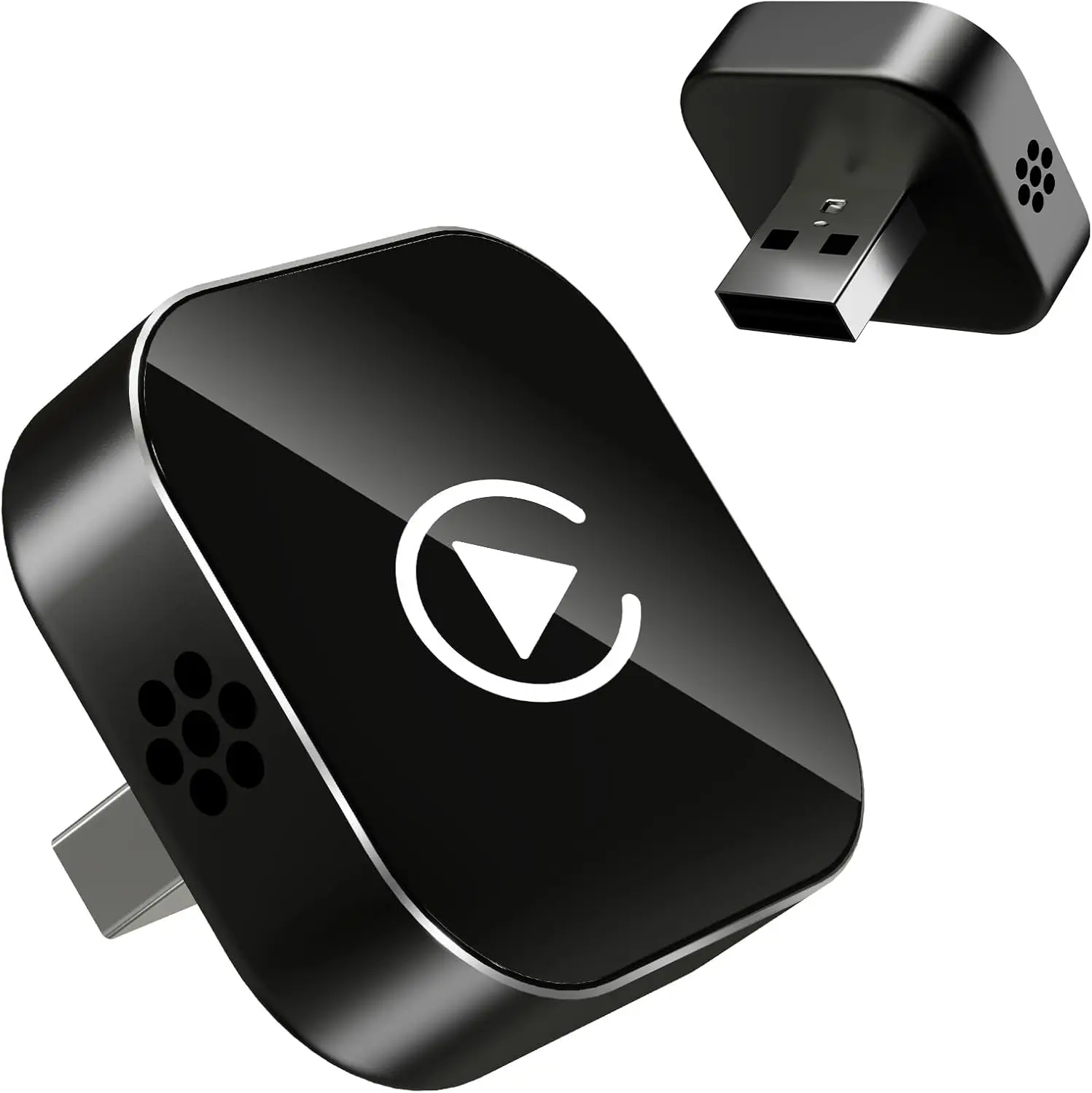 |
Wireless CarPlay Adapter, 2026 Upgraded | USB Type-C CarPlay/Miracast | 4602 | 4.1 | $36.37 | $10.72 | Plug & Play, Mini USB, Stable Connection, No Latency |
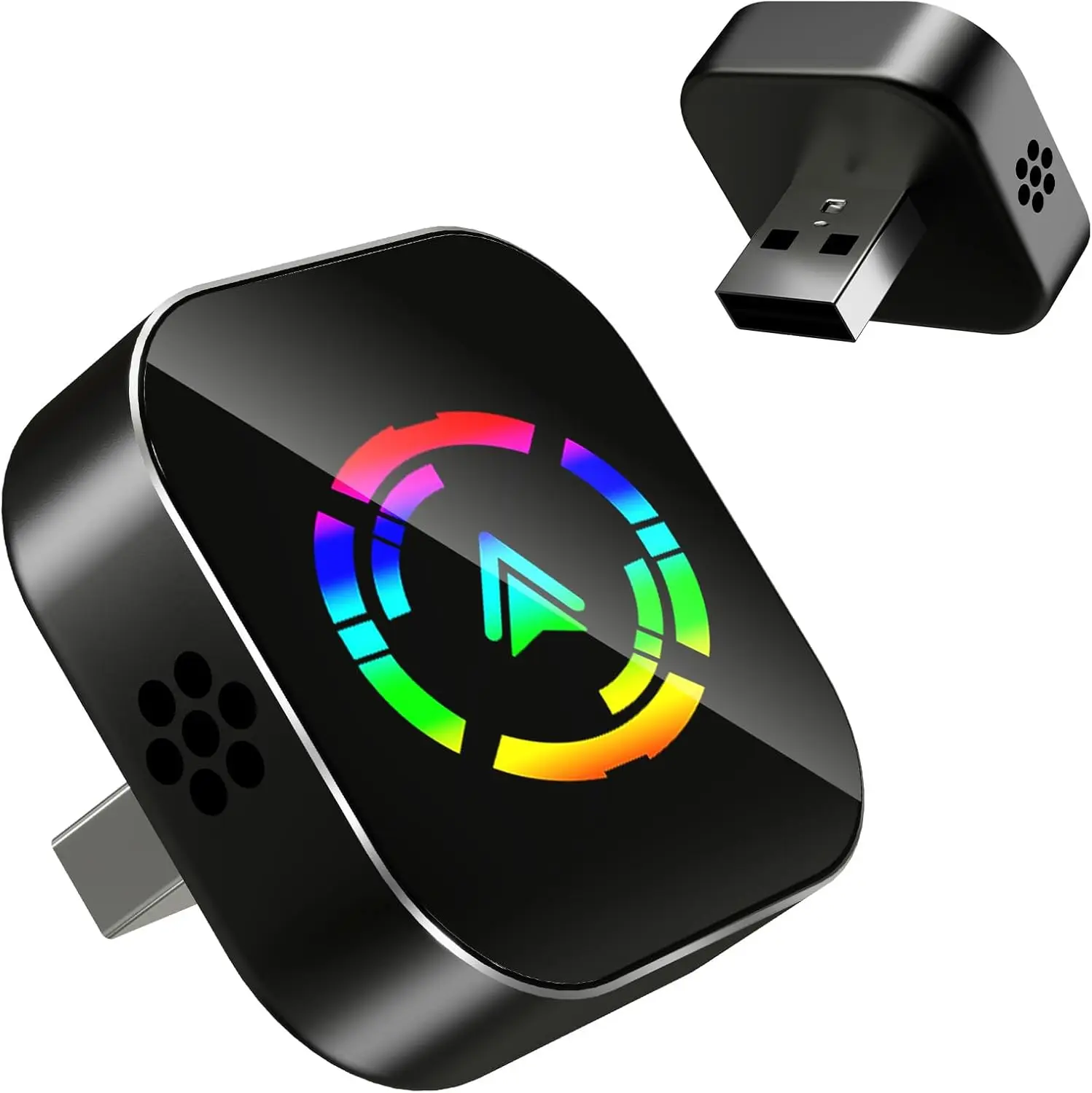 |
Wireless CarPlay Adapter, 2026 Upgraded | USB Type-C CarPlay/Miracast | 2883 | 4 | $37.64 | $11.21 | Plug & Play, Stable, Type-C Extension |
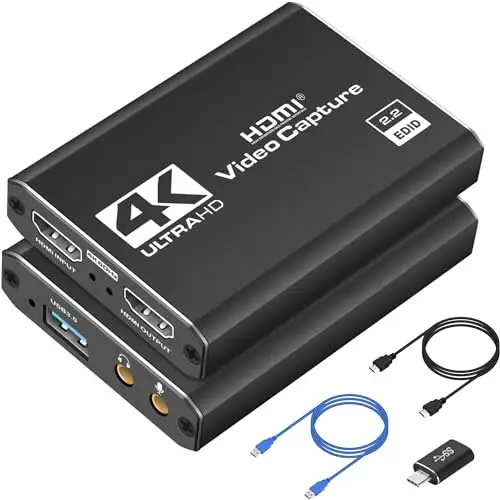 |
4K HDMI Capture Card for Streaming | HDMI Capture Card | 1124 | 4.4 | $26.33 | $9.1 | Full HD 1080P/60FPS, Works with Gaming Consoles |
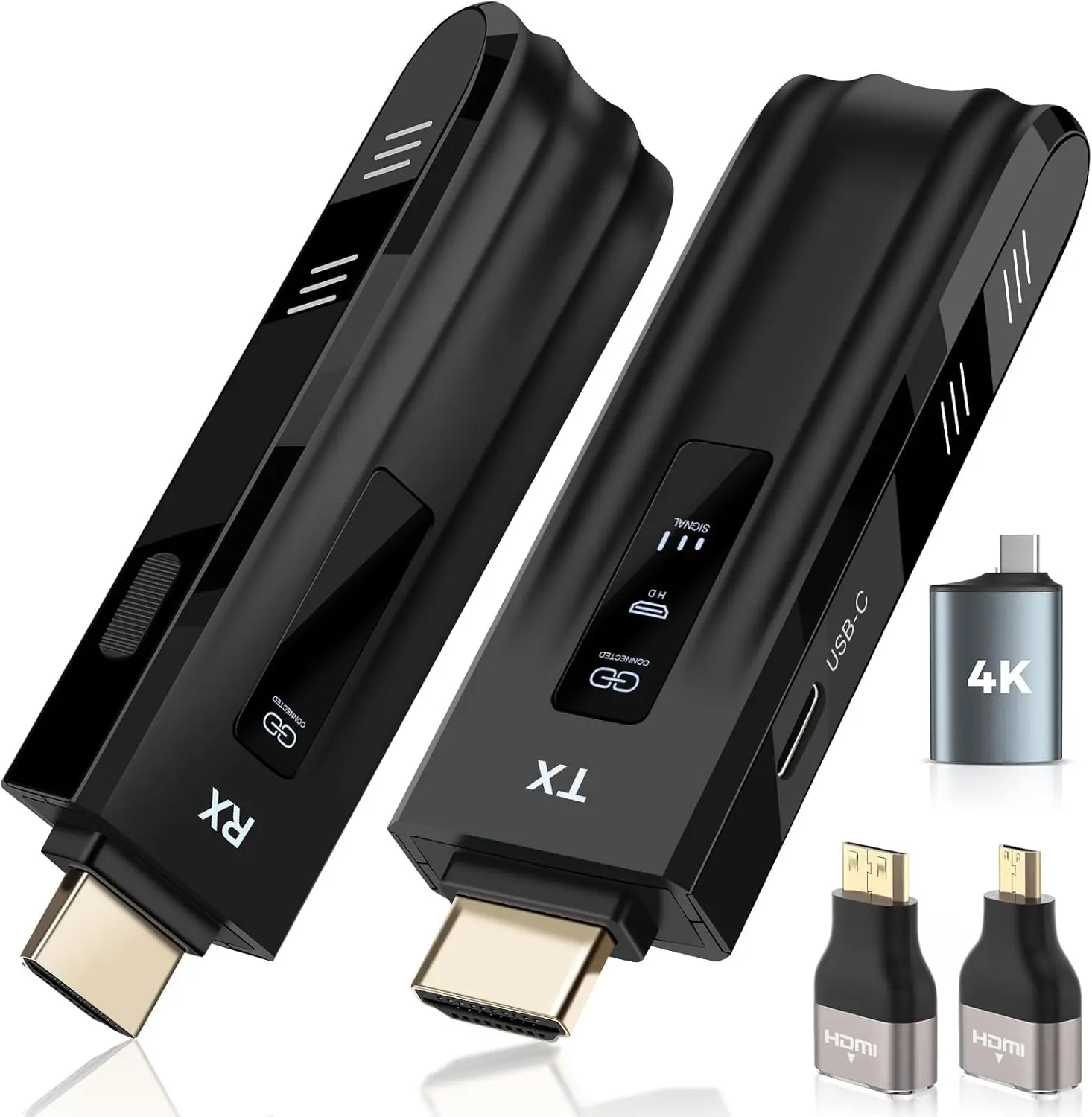 |
Wireless HDMI Tx/Rx, LED Display 4K | HDMI Transmitter/Receiver | 337 | 4.7 | $96.31 | $29.77 | 4K Decode, Plug and Play, LED Status Display |
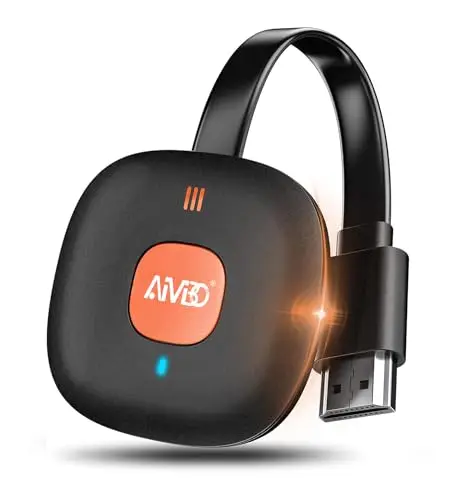 |
Wireless HDMI Dongle Adapter 4K, SOCLLLife | Miracast Dongle | 293 | 3.8 | $29.05 | $11.14 | AirPlay/Miracast/DLNA, Wide OS Support |
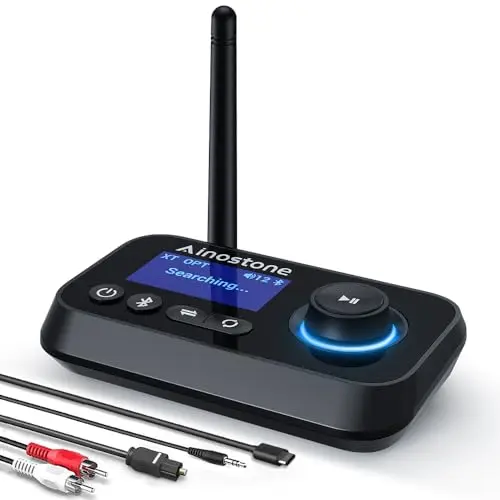 |
Bluetooth Transmitter Receiver 3-in-1 | Bluetooth Audio Adapter | 235 | 4 | $21.07 | $13.73 | Bypass Volume, LCD Display, 3.5mm Aux/Optical/RCA |
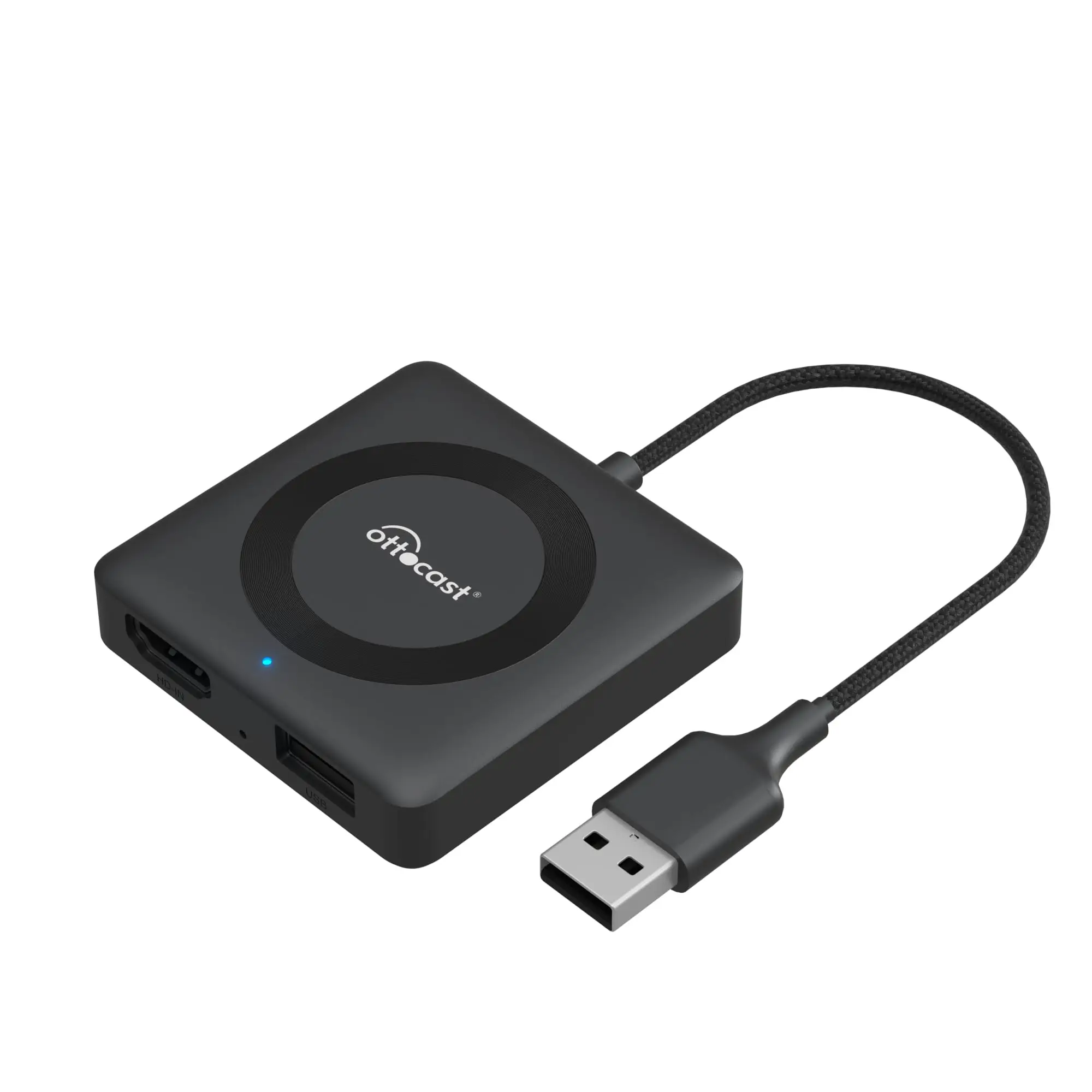 |
OTTOCAST 4-in-1 Car TV Mate Max | Car TV Adapter | 164 | 3.7 | $91.57 | $32.52 | Mirror, CarPlay/Android Auto, HDMI Output |
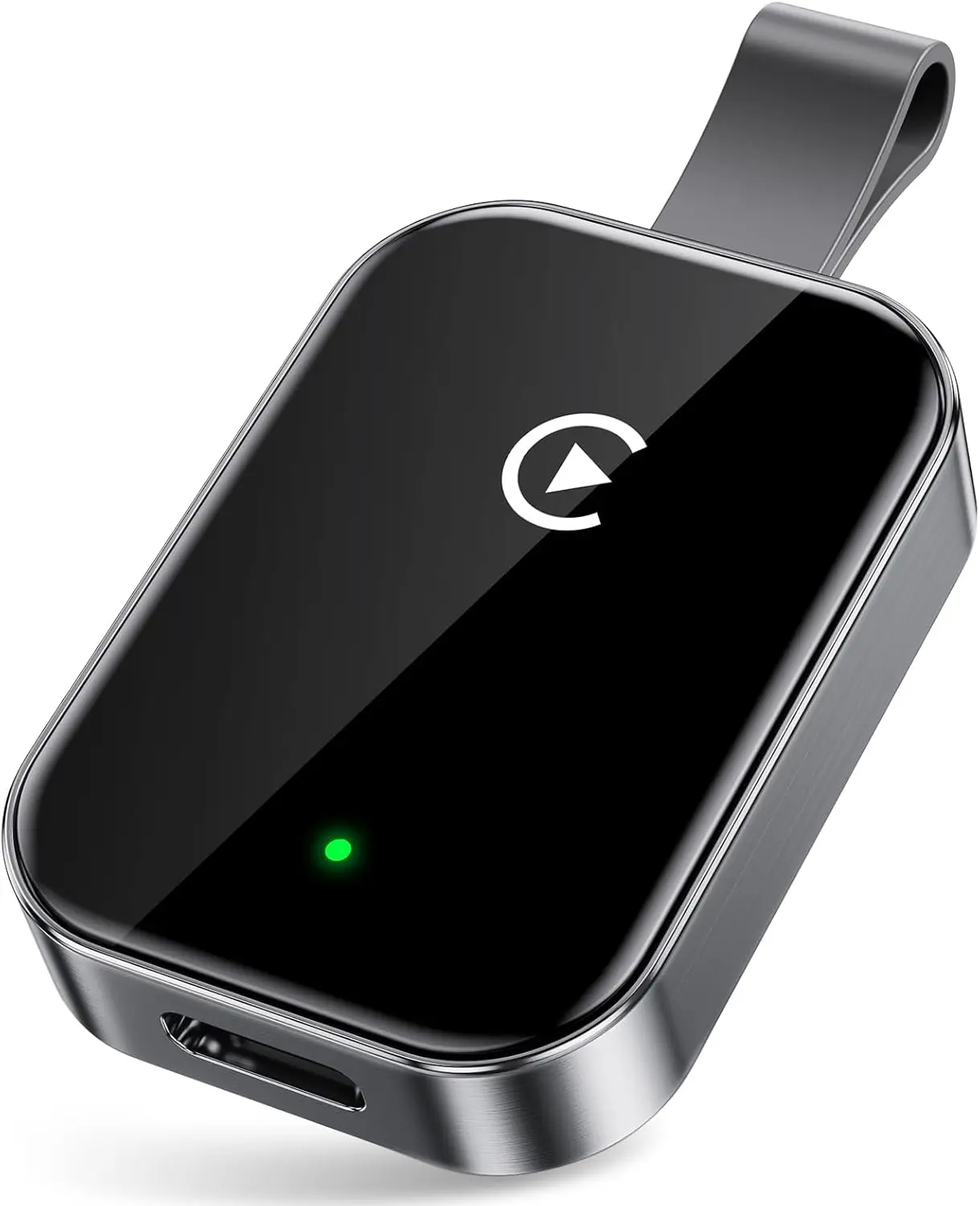 |
High Tech Wireless CarPlay Adapter | Mini CarPlay Adapter | 95 | 4.2 | $50.23 | $10.76 | Super Mini, No Delay, Easy Upgrade |
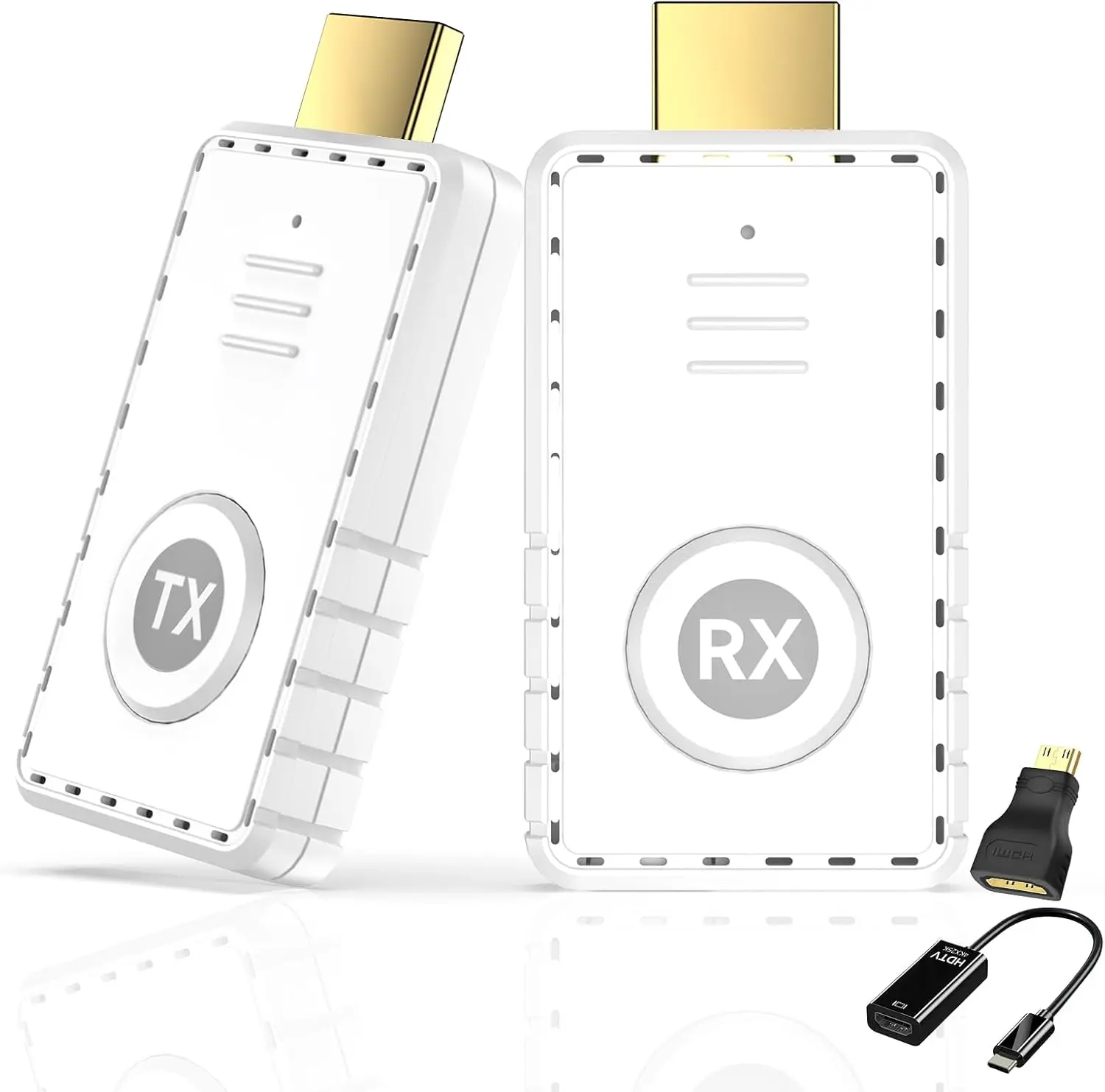 |
AYY 5G Wireless HDMI Kit | Wireless HDMI Extender | 60 | 3.8 | $35.67 | $0.76 | Low Latency, 164FT Range, 4K Support |
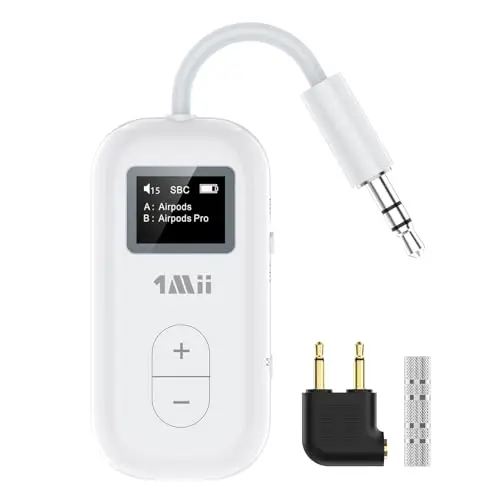 |
1Mii SafeFly Dual Bluetooth 5.3 Adapter | Bluetooth Transmitter | 57 | 4.5 | $32.74 | $23.33 | Dual Headphone Support, Screen Display |
Table data sourced from [1]
This granular retail analysis demonstrates that the adapters boasting plug-and-play features, universal compatibility, and stable 5GHz connection command the highest monthly sales along with above-average ratings. Products integrating multi-protocol support (Miracast, AirPlay, DLNA), and enhanced range or seamless latency, consistently outperform basic models. Business and fleet buyers should pay close attention to monthly sell-through rates, as they directly inform demand forecasts and restock urgency.
Successful sourcing in the Miracast adapter category demands more than technical specification assessment—it requires a holistic approach encompassing supplier reliability, regulatory compliance, logistics, and post-sale support. Supplier Evaluation Criteria:
In summary, 2026 marks the golden age of Miracast adapters—as flexible, cross-platform wireless display solutions surge in popularity across enterprise and consumer markets. Plug-and-play simplicity, multi-protocol support, robust 4K streaming, and business-grade Wi-Fi performance define the most desirable units for B2B buyers and large retailers. User feedback and retail trends point towards certified, brand-supported products as the safest and most profitable procurement path. Clear procurement strategies—focusing on certified supply, robust QC, compliance assurance, and after-sales support—will reduce risk and pave the way for high-volume sales. Downstream retail analytics reveal that adapters able to bridge multiple device ecosystems and offer reliable user experience keep climbing bestseller lists. Going forward, buyers should: