
All categories
Featured selections
Trade Assurance
Buyer Central
Help Center
Get the app
Become a supplier
As international motorcycle and automotive markets enter 2026, the role of mini windscreens has evolved dramatically. Several converging factors have reshaped the importance of these compact wind protection systems for both riders and automotive enthusiasts. Motorcycles, scooters, and electric city vehicles are seeing upticks in sales worldwide as urban mobility and two-wheel transport answer post-pandemic calls for sustainable commuting, while customizable car and bike accessories—especially those improving comfort and safety—fly off shelves [1]. The advent of longer touring seasons thanks to milder winters, coupled with an explosive growth of digital influencer culture, places stylish, high-performance windscreens front and center for buyers eager to stand out and protect themselves.
Unique events like high-profile motorcycle rallies, urban ride-sharing program expansions, and the proliferation of motoring vlogs have encouraged riders to upgrade to purpose-built mini windscreens. Rising fuel prices and increased urban congestion, particularly across Asia-Pacific and North America, have triggered shifts in consumer behavior: buyers now demand both aesthetic enhancement and function—airflow redirection, bug protection, and noise reduction—without the bulk or expense of full-sized OEM windscreens [2]. This shift is further fueled by online reviews and community forums, where peer recommendations and lived experience rapidly influence purchasing decisions.
Looking ahead, the mini windscreen category stands at the ideal intersection of seasonal opportunity (spring-autumn riding peaks), technological innovation (advanced coatings and mounting systems), and the ongoing quest for vehicle personalization. Strategic buyers and sourcing professionals will find compelling volume growth, especially in urban markets, as mini windscreens emerge not just as protective accessories but as essential upgrades to distinguish bikes and cars in a crowded style-focused landscape [3][4].
At its core, a mini windscreen is a compact shield mounted on motorcycles, scooters, or even small cars and audio equipment, designed to deflect airflow, mitigate road debris, and reduce rider fatigue without the dominant presence of traditional, full-sized windscreens [4]. The basic form factor is simplicity itself: lightweight polycarbonate or acrylic panel, curved or angular, mounted via brackets, clamps, or snap-in systems—delivering airflow management for speed and comfort, and giving vehicles a distinctive aesthetic edge.
Historically, windscreens have roots in early automotive innovation; original Mini Coopers featured simple, laminated glass—progressing in later models to advanced polymer composites to meet stricter safety and motorsport regulations [5]. In motorcycles, the mini windscreen became popular in the 1980s as manufacturers and aftermarket brands sought lighter, sleeker alternatives to heavy touring screens. Today's offerings span cutting-edge hardcoated polycarbonate for racing, customizable clip-on extenders for universal fitment, and elegantly tinted screens for urban style.
Variations abound: buyers can select from adjustable extenders (for customization), double-bubble racing profiles (to reduce turbulence), classic smoked or clear finishes, and even tailored units for specific brands (Harley Davidson, Honda, Yamaha, and retro Mini cars). Key classification criteria now include:
Leading providers now offer windscreens with embedded antennas (for audio and GPS integration), heated elements, and camera-ready glass to meet the latest regulatory and consumer demands [4]. Buyers are strongly encouraged to scrutinize product specs for compliance, performance, and installation type—to ensure optimal value and reliability in any procurement.
The social conversation around mini windscreens reveals a spectrum of real-world opinions and experiences, spanning style, protection, installation, and perceived value across motorcycles, cars, and even high-end recording gear. Critical takes and strong preferences shape the market narrative for procurement teams.
Motorcycle communities regularly debate the functional merits versus the stylistic impact of mini screens. A recurring theme: "does it work, or is it just for looks?" Among Royal Enfield and Kawasaki Z900 riders, posts from 2025 reveal a split—some users claim mini windscreens are "purely aesthetic," effective mainly at keeping bugs off gauges, while others report tangible benefits at highway speeds, especially with higher-end aftermarket or OEM touring screens. Notably, larger windshields introduce new aerodynamic behaviors: some redirect wind to the neck or face, potentially making turbulence worse unless the angle and height are carefully matched to rider size and bike geometry. Enthusiasts often recommend brands like Dart Marlin or Puig for genuine wind relief, but stress that naked bikes will always compromise between wind management and style [8][9][14].
Sentiment analysis from automotive-focused forums highlights strong expectations for product quality and transparent sourcing—buyers want assurance of correct model fit (especially with modern cars incorporating sensors, rain detectors, or HUDs). "OEM glass is just who mini is using," one poster notes after replacing a Mini Cooper windscreen, with expert replies confirming the importance of model codes and proper seal placement [6]. Meanwhile, repair discussions display a pragmatic attitude: small chips repaired with DIY kits draw mixed reactions, with pros advising caution and careful finish to avoid insurance issues. Price sensitivity continues to surface in car buyer exchanges, where costs for premium windscreens escalate dramatically when rain sensors or calibration are included [13].
Interestingly, mini windscreens have found niche use beyond vehicles, as users of DJI microphones, for example, value the ease of leaving the windscreen on their gear even during transport—demonstrating the broader appeal of protective mini screens wherever wind noise and comfort interface [7]. Across all sectors, it's clear that buyers prize ease of installation ("clip-on" and "universal fit" receive strong approval) and look to online communities for real-life data, troubleshooting, and product recommendations, making peer sentiment a powerful force in procurement decisions.
In 2026, the mini windscreen market has emerged as one of the most attractive segments for sourcing and retail—with strong indicators for growth, regional differentiation, and innovation-driven purchasing behavior. Market intelligence shows that consistently rising search volumes and sales counts, particularly for motorcycle-compatible shields, reflect the expanding base of customization-minded consumers [1][2].
This category demonstrates unique resilience and adaptive demand patterns. Early 2025 showed moderate increase, but sales surged toward midyear, peaking in May with a striking 11.69% month-on-month search volume growth. The most recent data highlights robust downstream retail activity, with top models consistently achieving notable sales via both wholesale and direct-to-consumer channels.
The functional core—windshield protection coupled with easy installation—remains paramount, particularly for buyers seeking compatibility with major brands like Harley Davidson, Honda, and Yamaha. Yet, savvy suppliers are broadening their product reach: designs now often feature universal adaptability, adjustable extenders, and innovations in mounting technology. Regionally, North American and European markets lead, but Asia-Pacific is rapidly catching up thanks to urban mobility trends, expanding two-wheel vehicle fleets, and sharper price segmentation [3].
Price tiers vary dramatically: entry-level mini windscreens trade at $12–$45, while premium, motorsport-ready variants (often with advanced hardcoating, UV protection, or custom fitment) command $100+. The proliferation of new material technologies (Lexan polycarbonate, anti-mist coatings, racing-grade adhesives) further enables suppliers to target affluent consumer segments as well as mass market [5]. Seasonality also plays a role; spring and summer remain peak sales windows, but year-round demand persists due to increased urban bike use and growing cross-sector appeal (from cars to professional audio equipment).
Latest Amazon Trends data offers a granular look at category momentum, capturing monthly retail performance for motorcycle mini windscreens & deflectors from August 2025 to January 2026 [1]:
Monthly sales count trends for motorcycle mini windscreens & deflectors. Sales peaked in August and November 2025, with consistent volume through late 2025 before a moderate dip in January 2026.
This bar chart illustrates clear seasonality, with sales strongest from late summer through autumn (August: 58.3 units/month), dipping as winter approaches. Retailers should anticipate cyclical buying behaviors, stocking up for key peaks and leveraging year-end promotional campaigns to boost off-season movement [1]. High sales months signal procurement priorities, while dips may indicate rising competition, changing consumer priorities, or opportunities to introduce differentiated SKUs.
Actionable recommendations for sourcing professionals:
Amazon review sentiment hovers around an average rating of 3.77 stars, with top products frequently exceeding 4.2 stars. Key review themes include robust protection, fitment accuracy, quality coatings, and clarity, balanced by direct feedback on installation difficulty, aesthetics vs. function, and real-world wind management. Buyers are progressively more critical, seeking not just quality but comprehensive after-sales support and transparent specifications [1][2].
The most up-to-date sales data from Amazon reveals which mini windscreens are dominating retail, offering concrete insights for buyers and procurement teams to refine sourcing decisions [2].
| Image | Model Name | Compatibility | Retail Price | Wholesale Price | Avg Star Rating | Latest Monthly Sales | Key Features |
|---|---|---|---|---|---|---|---|
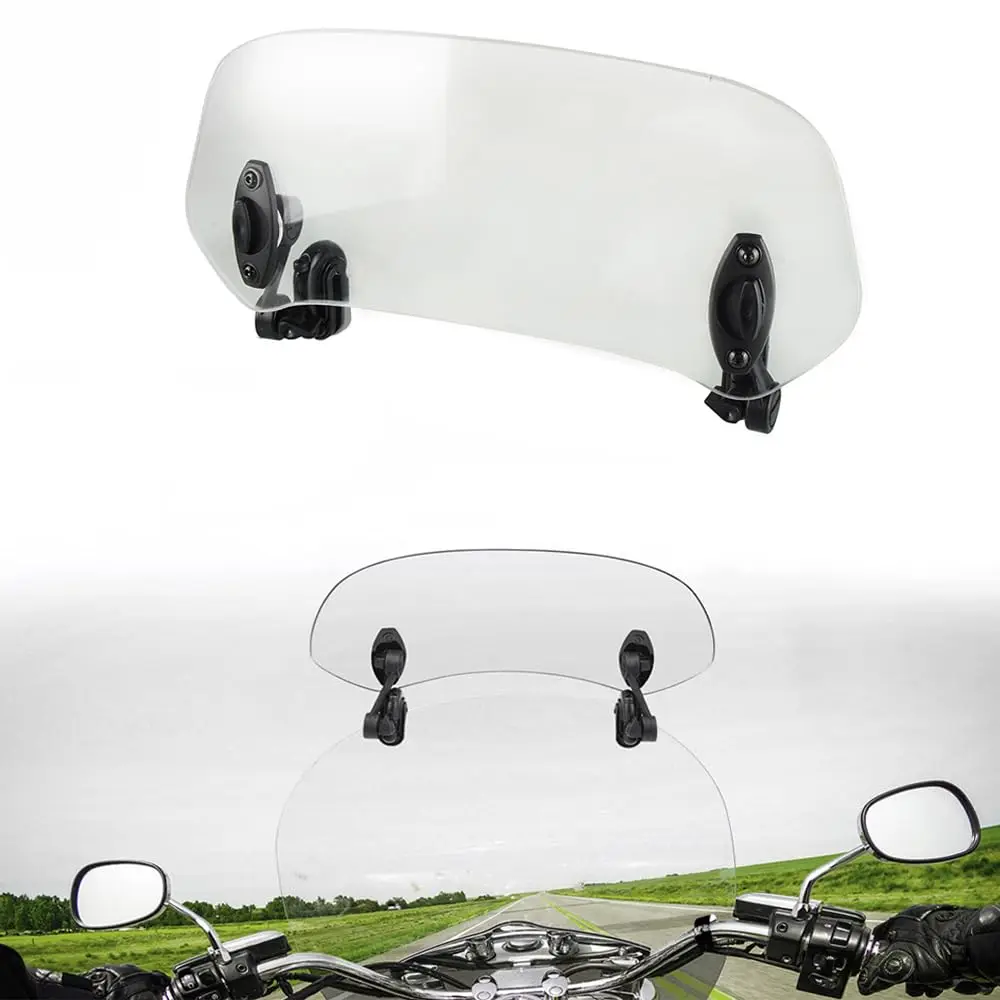 |
Kucehiup Extension | Universal (Honda, Suzuki, Kawasaki, Yamaha) | $24.67 | $15.33 | 4.2 | 36 | Adjustable, clip-on, easy install |
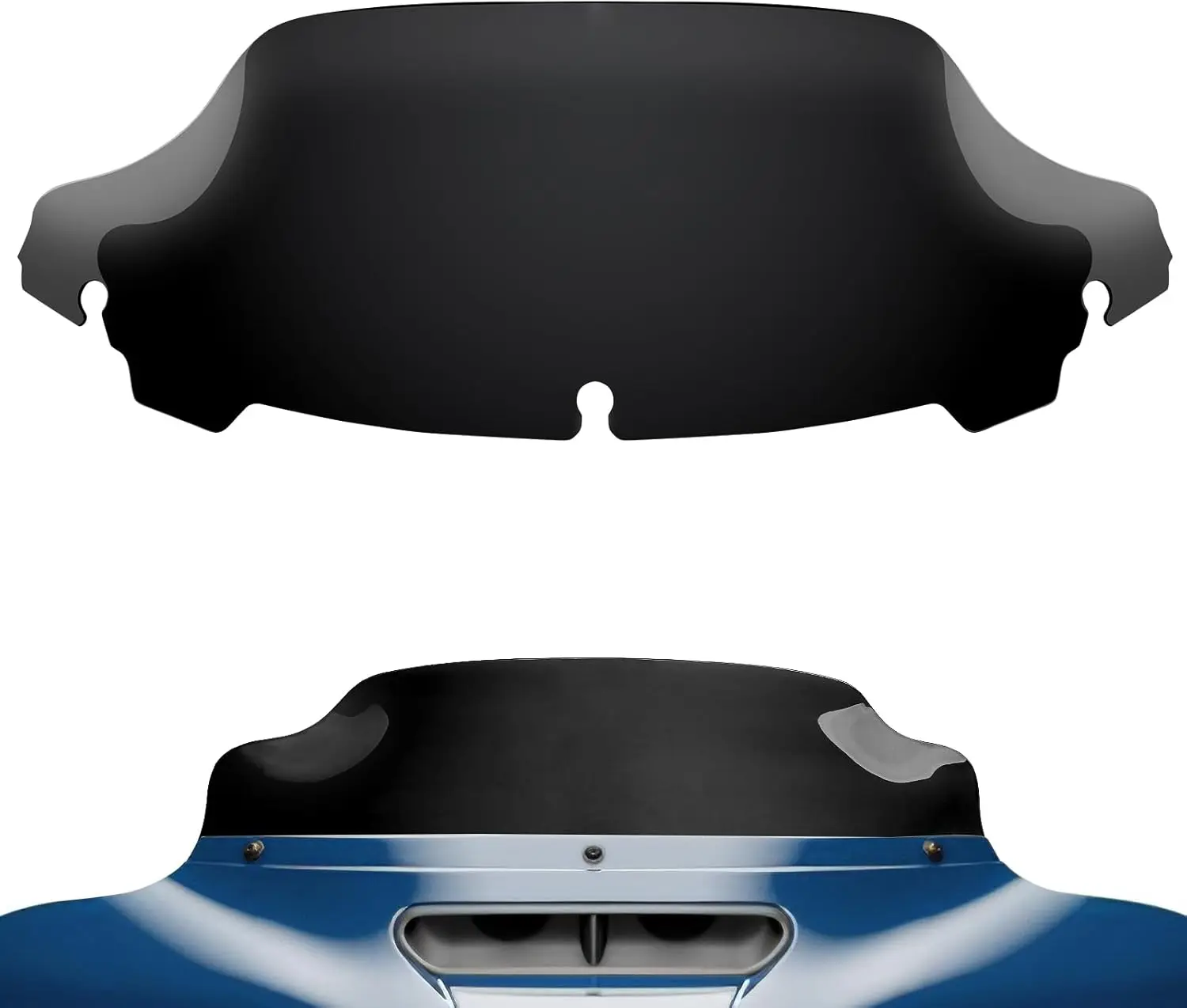 |
Benlari Wave | Harley Davidson (Touring Series) | $29.25 | $17.67 | 4.6 | 24 | Wave style, enhanced protection |
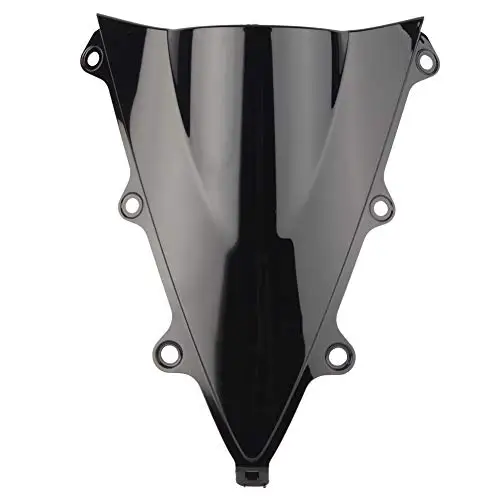 |
GZYF Motorbike Windshield | Honda CBR300R | $24.84 | $8.17 | 4.6 | 18 | Sport fit, durable, easy install |
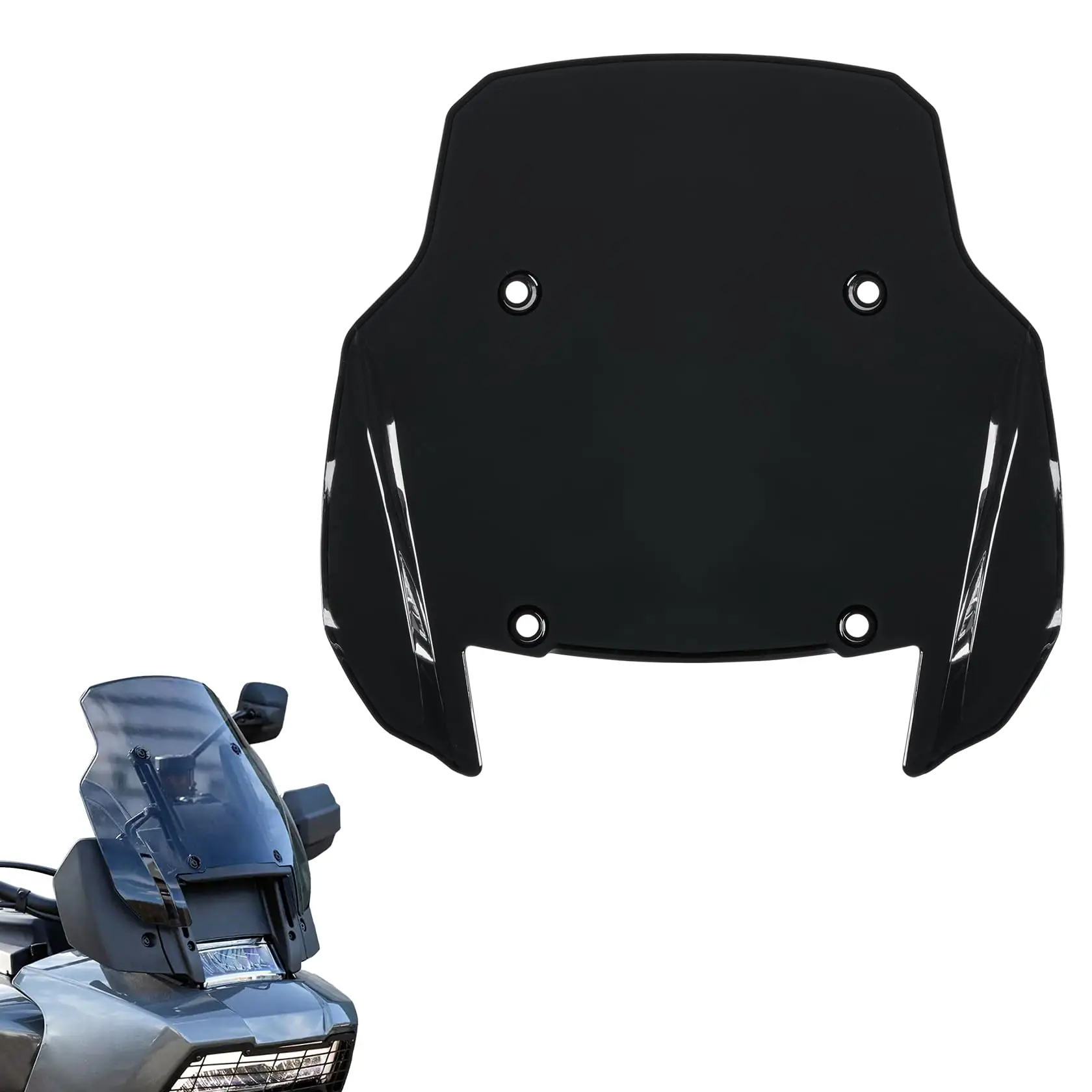 |
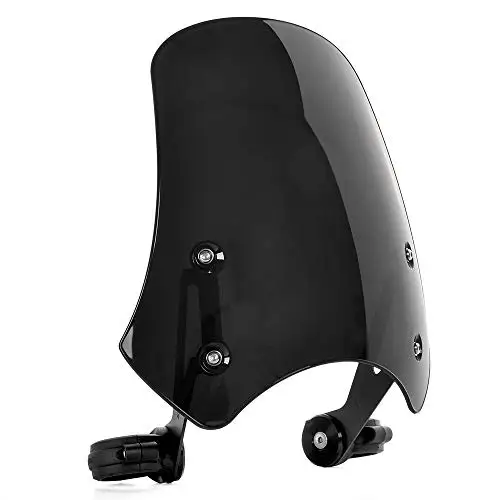
Double Bubble Pan America | Harley Pan America 1250 Special | $185.13 | $45.91 | 5.0 | 9 | Double bubble, premium quality |
 |
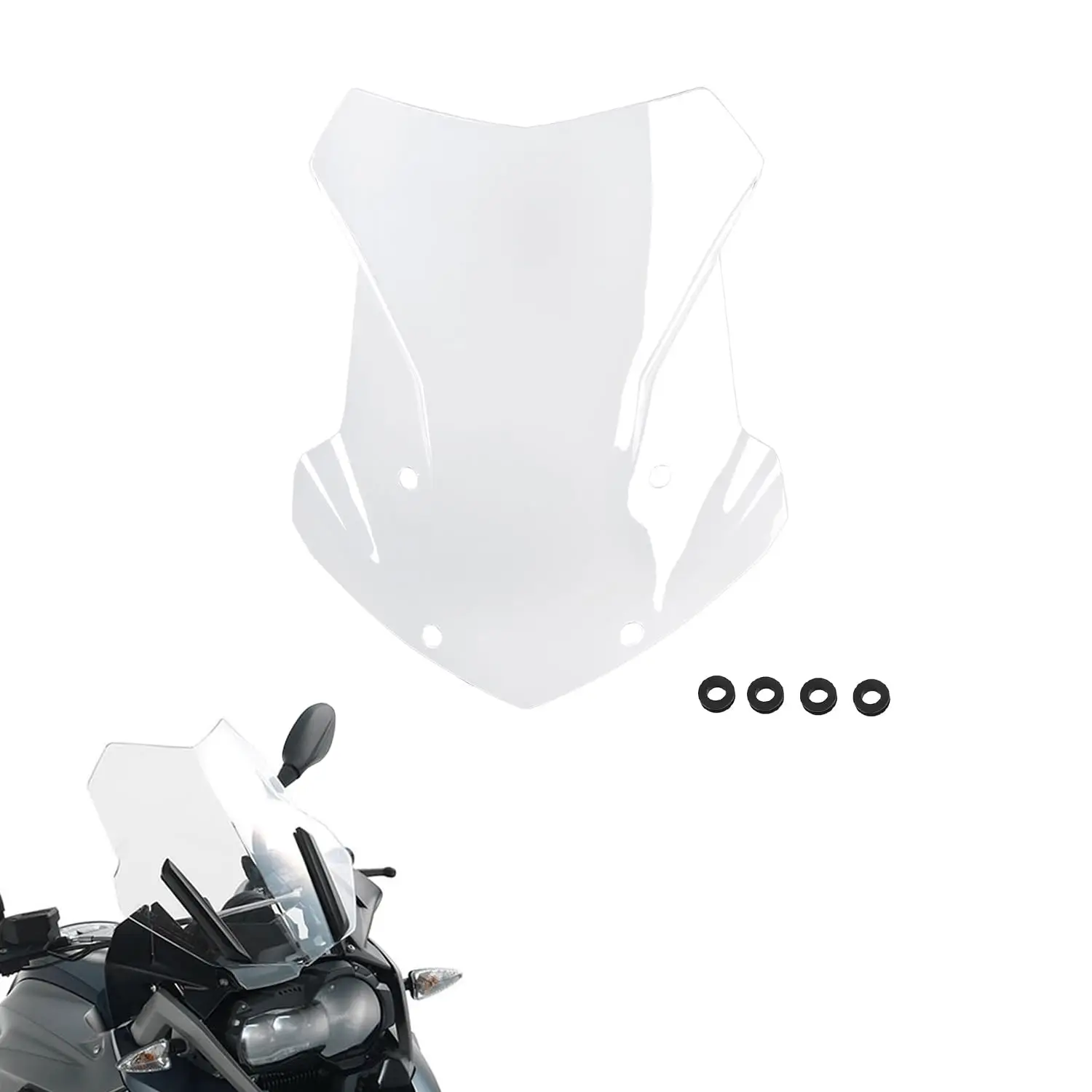
Flyscreen Parebrise Visor | Harley Dyna Iron 883, Sportster | $42.34 | $42.5 | 4.1 | 6 | Bracket included, smoked finish |
 |
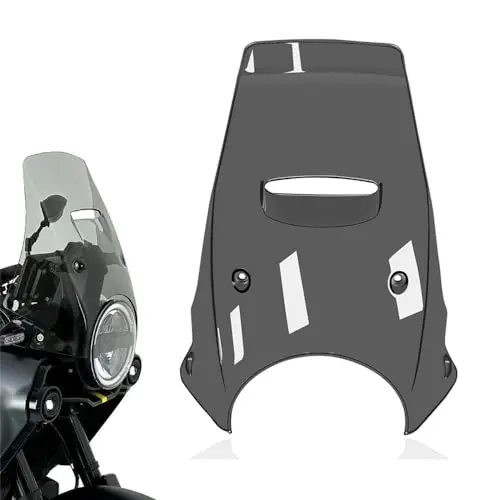
Deflector Windscreen R1200GS | BMW R1200GS/R1250GS Adventure | $37.45 | $20.00 | 0 | 5 | Transparent, rugged, adventure grade |
 |
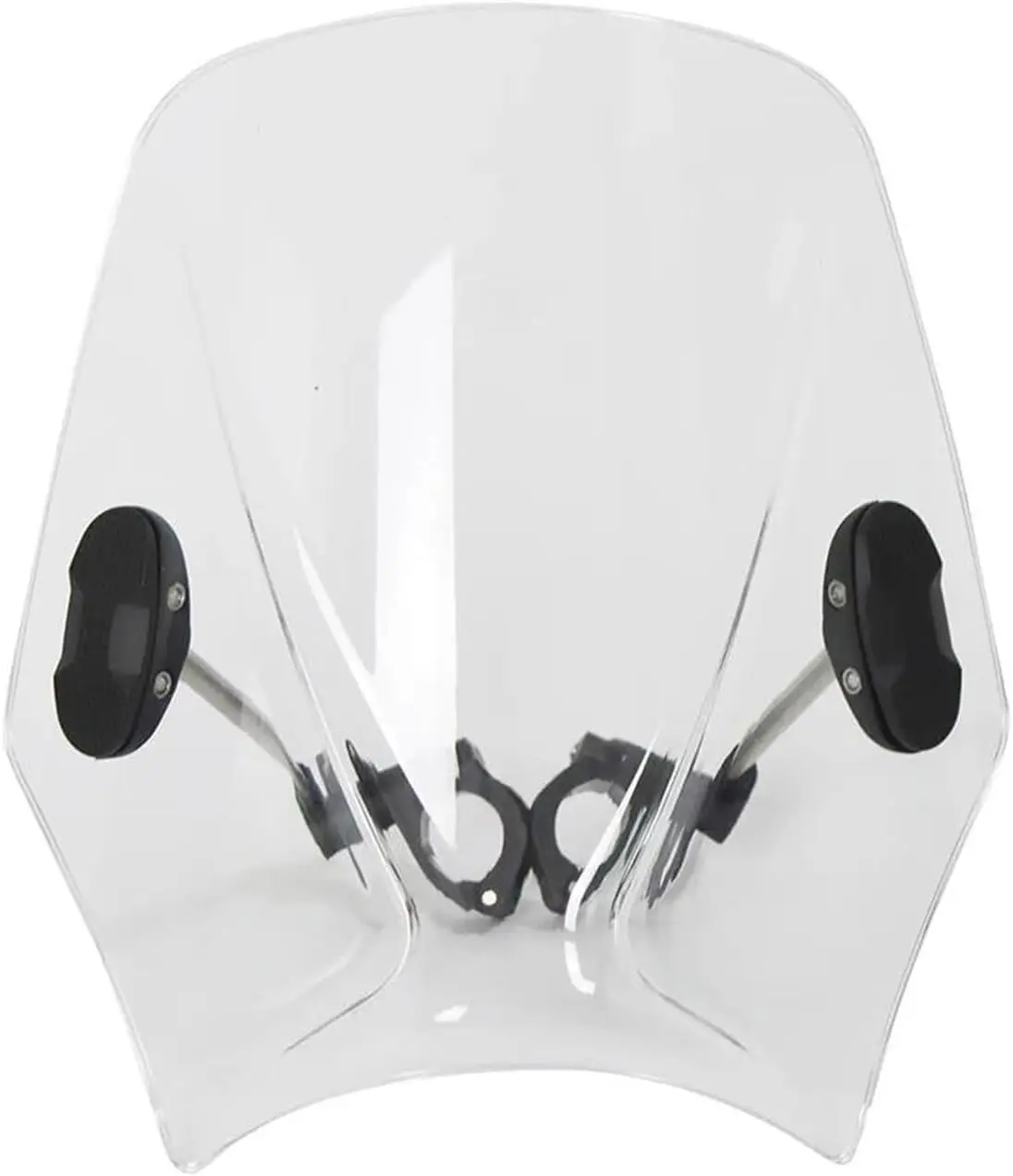
NORDEN 901 Large Touring Screen | Norden 901 (2022–2024) | $100.85 | $28.64 | 3.8 | 5 | Raiseable, large touring shape |
 |
VSIOK Royal Enfield Bullet | Royal Enfield Bullet Meteor Classic 350/500 | $11.55 | $19.27 | 3.6 | 5 | Transparent, airflow deflector |
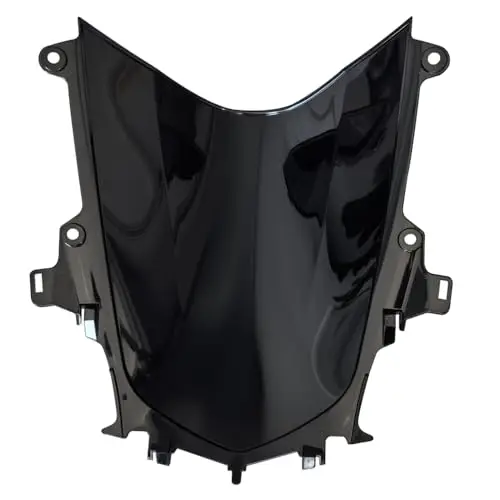 |
Double Bubble Yamaha YZF R1 | Yamaha YZF R1/R1M/R1S (2015–2019) | $14.63 | $9.00 | 0 | 5 | Double bubble, aerodynamic |
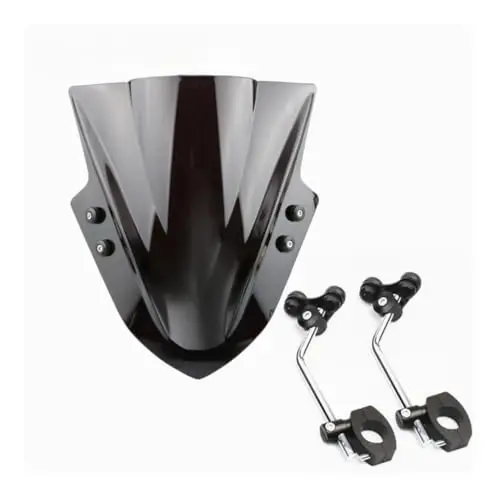 |
CF&Moto 800NK Wind Deflector | CF&Moto 800NK | $30.37 | $14.25 | 0 | 5 | Mount bracket included, sports visor |
Table data sourced from [2]
Strategically, these top sellers exemplify market priorities: universal compatibility, adjustable design, sports fitment, and high durability routinely outperform niche or single-model screens. Procurement professionals can leverage this winner’s insight by focusing negotiations on universal or multi-compatibility SKUs, preferring suppliers with proven track records in fitment and aftermarket support.
Buyers should pay attention to price-performance ratios, as retail to wholesale spreads vary widely—even within high-demand segments. For instance, while the Double Bubble Pan America commands a retail premium ($185.13), supply-side prices allow competitive margins ($45.91). Ratings analysis further reinforces that perceived value (star ratings >4.0, installation ease, materials quality) strongly influence repeat sales and buyer loyalty.
A strong sourcing strategy for mini windscreens is grounded in robust supplier due diligence and an unrelenting focus on quality systems. Procurement teams must navigate a landscape that rewards technical innovation and penalizes lapses in fit or installation—making supplier selection a critical early step [3][4].
Supplier Evaluation Criteria:
Quality Control & Inspection:
Logistics & Compliance:
Pitfalls & Avoidance Strategies:
Optimal suppliers offer both competitive pricing and full compliance documentation. Lean towards partners with visible multi-market distribution (auto and motorcycle sectors), fast prototyping capabilities, and a willingness to accept third-party quality audits. Encourage testing for all new SKUs prior to mass procurement.
Competitive Advantages:
In summing up these extensive insights, the mini windscreen segment represents one of the most vibrant, data-driven procurement opportunities for 2026. Sellers and sourcing professionals positioned to capitalize on this wave will be those who blend technical expertise, market responsiveness, and consumer-centric product development.
Key takeaways:
For the next 6–12 months, procurement teams should:
The mini windscreen trend is not simply a fad; it’s a reflection of deeper shifts in mobility, style, safety, and buyer discernment. Those who act decisively—armed with strategic intelligence and ready to source from responsive, skilled suppliers—will seize control of this fast-growing market. The time to make bold, informed decisions is now. Step in with confidence and ride the windscreen wave to greater profitability and market impact in 2026.