
All categories
Featured selections
Trade Assurance
Buyer Central
Help Center
Get the app
Become a supplier
As electronics and smart device sectors race ahead in 2026, mini LCD displays have emerged as a defining technology—evolving from simple status screens to high-resolution, interactive elements in everything from industrial automation to gaming desktops, personal gadgets, retail kiosks, and automotive clusters. The surge is steered by multi-sector demand: a wave of new product launches at global expos, with CES 2026 spotlighting the most advanced displays ever deployed in consumer and professional settings [8]. This period also coincides with enforcement of stricter energy and safety standards, pushing manufacturers to innovate more compact, energy-efficient modules.
Seasonal cycles play an outsized role: Q4 2025 saw mini LCD display orders hit record highs, riding the holiday and back-to-school waves, and continuing their momentum as industry OEMs update product lines for 2026. The rise of tech-savvy workplaces, remote monitoring, and the DIY PC enthusiast boom further amplify display demand. Hobbyists and hardware integrators are driving customization, while industry-scale buyers look for reliability and compatibility with the latest interfaces (SPI, I2C, TFT, OLED evolution). Rapid shifts in consumer preferences—favoring hands-on control, real-time data feedback, and more immersive visual displays—translate directly into higher purchasing rates [1].
Macro dynamics also fortify this product’s appeal: regional integration of smart grids, proliferation of edge IoT devices, and intensifying competition between display technologies (LCD vs OLED vs Mini-LED) guarantee vibrant, diverse purchasing scenarios worldwide. With display manufacturers refactoring their lines to accommodate both bulk OEM and retail customization, buyers find unprecedented variety and opportunity at every price and specification tier [5][7].
The mini LCD display refers to compact, low-power liquid crystal display modules with sizes typically ranging from sub-inch diagonals to around 7 inches, designed to deliver clear, often high-resolution visible output in space- and energy-constrained systems. They can take the form of SPI TFT, I2C OLED, passive-matrix, or active-matrix modules, and have now expanded into direct-emissive Mini-LED and smart LCD domains [1][2][5][7].
Historically, these modules trace back to 1980s digital watches and early control panels, growing into a billion-dollar market as demand for embedded display solutions grew in automotive, medical, and consumer electronics sectors. By 2026, a substantial leap in integration, durability, and brightness positions these modules at the heart of smart machinery, edge devices, and next-gen consumer interfaces [5][3]. Their evolution is propelled by shifts in backplane substrate technology, expanded color range (e.g., quantum dots), and an influx of interactive features (touch, app support, internet connectivity).
Major types include:
Tech-focused online communities in early 2026 reveal authentic conversations that reflect both aspiration and challenge. Trending discussions revolve around the practical advantages of mini LCD displays in PC builds, gaming setups, and IoT maker projects. Many users report excitement about the ability to fill awkward or unused spaces in desktop rig designs with functional, customizable displays. A common theme is the search for the "perfect fit": a display that’s just the right size and resolution for a specific modded project [11].
At the same time, feedback on Mini-LED monitors highlights a tension between theoretical innovation and real-world fulfillment. Users are voicing enthusiasm for “glossy, high-refresh rate” displays finally making appearances at major expos, with OEMs like Apple moving the market forward ([10]). Yet, ongoing frustration is voiced over persistent product shortages, slow response times compared to OLEDs, and difficulty locating monitor variants that match both desk and functional requirements. Some users express disappointment with mid-tier Mini-LED products that fall short on local dimming fidelity or suffer from blooming artifacts, particularly in gaming and mixed-use environments ([12][14]). These nuanced critiques often result in constructive buying strategies, such as repurposing mini-LED TVs as large-format monitors for coding or entertainment, leveraging their superior brightness and color for sunny spaces despite workstation adaptation needs ([15]).
Another recurring theme is the "Mini-LED vs OLED" debate, where buyers weigh brightness, HDR performance, motion clarity, burn-in risk, and cost [13]. Communities praise Mini-LEDs for their HDR output and dark zone management but caution that motion clarity and response times still favor OLED technology. Ultimately, sentiment tilts positive for mini LCD display modules in DIY, value, and versatility applications, while caution marks the premium monitor segment.
Review analysis across platforms underscores key buyer priorities:
The market for mini LCD displays and related smart/mini-LED modules continues on a steep upward trajectory in 2026. Global market size for small and medium LCD displays reached $12.5 billion in 2024, projected to grow to $21.16 billion by 2033 at a robust CAGR of 6.8% [5]. The segment for smart LCD displays is even more dynamic, soaring from $2.98 billion in 2025 to $10.73 billion by 2034—a staggering 24.7% CAGR [7]. Mini-LED display technology itself is set to escalate from $0.58 billion in 2025 to $2.2 billion in 2030 (27.5% CAGR), propelled by automotive, TV/monitor, and new smart product verticals [9].
Key market drivers and emerging innovations:
Sales Volume and Trend Analysis: Amazon Bar Chart Visualization
Examining Amazon Trends data reveals significant volatility but sustained high demand for Mini SPI TFT LCD Display Modules in the second half of 2025 through January 2026 [1]. Notably, search volumes spiked in September and November 2025 (+5.15% m/m), with average monthly sales peaking at 13.47 units in December—likely due to holiday project builds and new consumer electronics launches. While demand eased slightly (-6.67%) in June, volumes rebounded as improved products addressed previous market shortfalls.
Buyers are primarily motivated by feature upgrades (W25QXX DataFlash, improved SPI interface), reliability, and user engagement. Volatility in search volume reflects rapid buyer education cycles, with consumers drawn to spec improvements and application versatility, then recalibrating their interests post-peak.
The following bar chart visualizes monthly average sales and search volumes across the past six months, highlighting seasonality and opportunities for targeted new product launch timing:
Monthly sales and search volumes for Mini SPI TFT LCD Display Modules from August 2025 to January 2026. Peaks align with notable tech events and seasonal build cycles.
Actionable Recommendation: Suppliers aiming for maximum exposure should concentrate launches or major promotional pushes in Q4 and post-holiday Q1 windows, aligning with tech event cycles and peak DIY activity. Enhanced modules featuring improved interfaces and controller ICs are most likely to capture incremental market share in these periods [1].
Sentiment analysis reveals buyers prioritize reliability, integration ease, and cost-effectiveness; negative reviews often point to compatibility issues or insufficient documentation. Success is multiplied when listings offer robust tech detail and clear, application-focused imagery [1].
Hot Selling Analysis: Top-Selling Mini LCD Displays on Amazon
Downstream retail data uncovers the top 10 Amazon best-selling mini LCD/OLED modules, revealing the precise product specs, price points, and ratings driving sales in 2025-2026 [2]. These products not only represent trends in retail adoption but also signal upstream demand for similar modules among OEMs and bulk buyers.
| Image | Model & Name | Key Specs | Latest Sale Volume | Avg Rating | Retail Price | Wholesale Price |
|---|---|---|---|---|---|---|
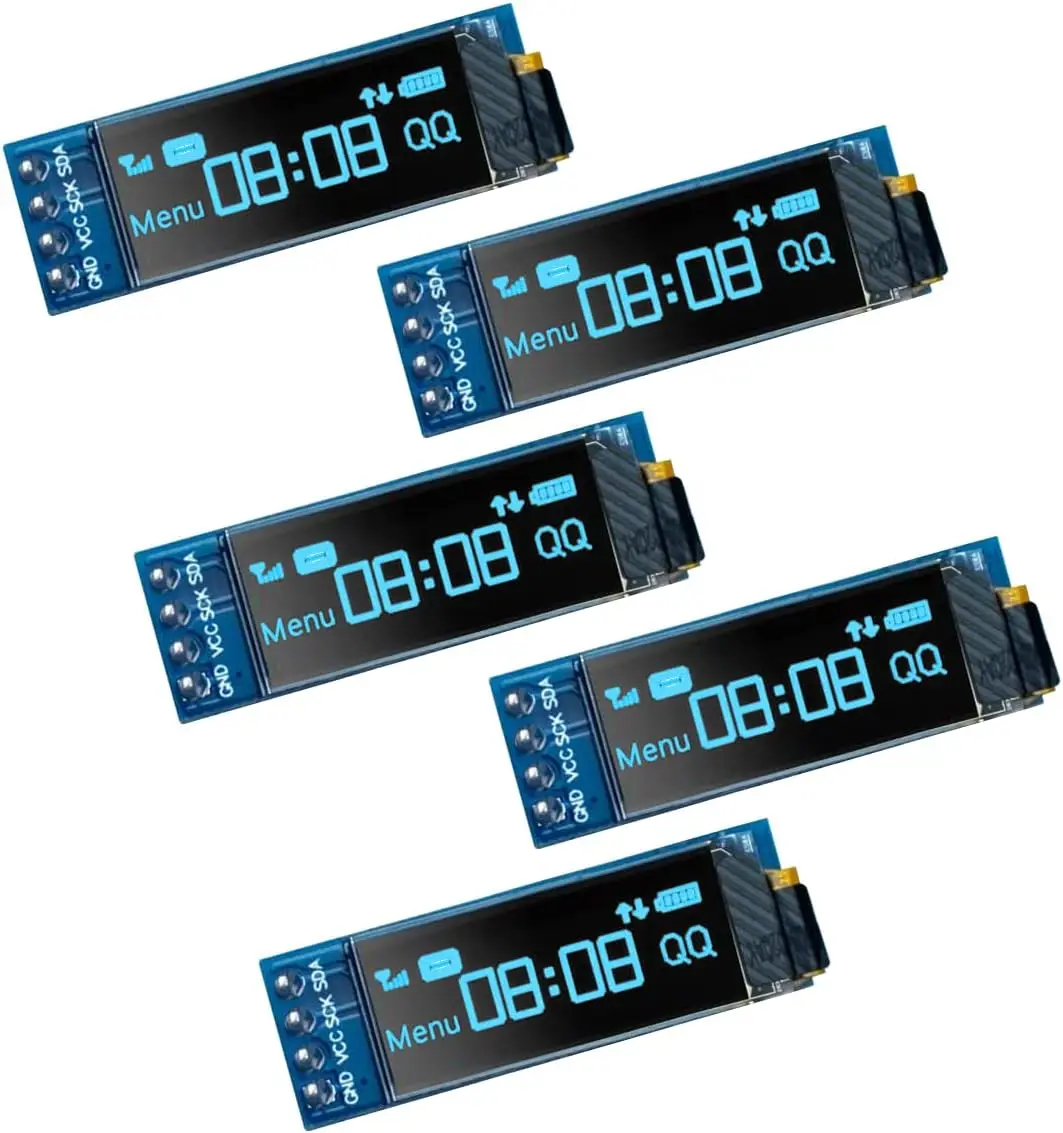 |
Hosyond 0.91 Inch I2C OLED Display (5 pcs) | DC 3.3V~5V, Arduino/Raspberry Pi compatible, Blue display | 115 | 4.4 | $13.7 | $1.25 |
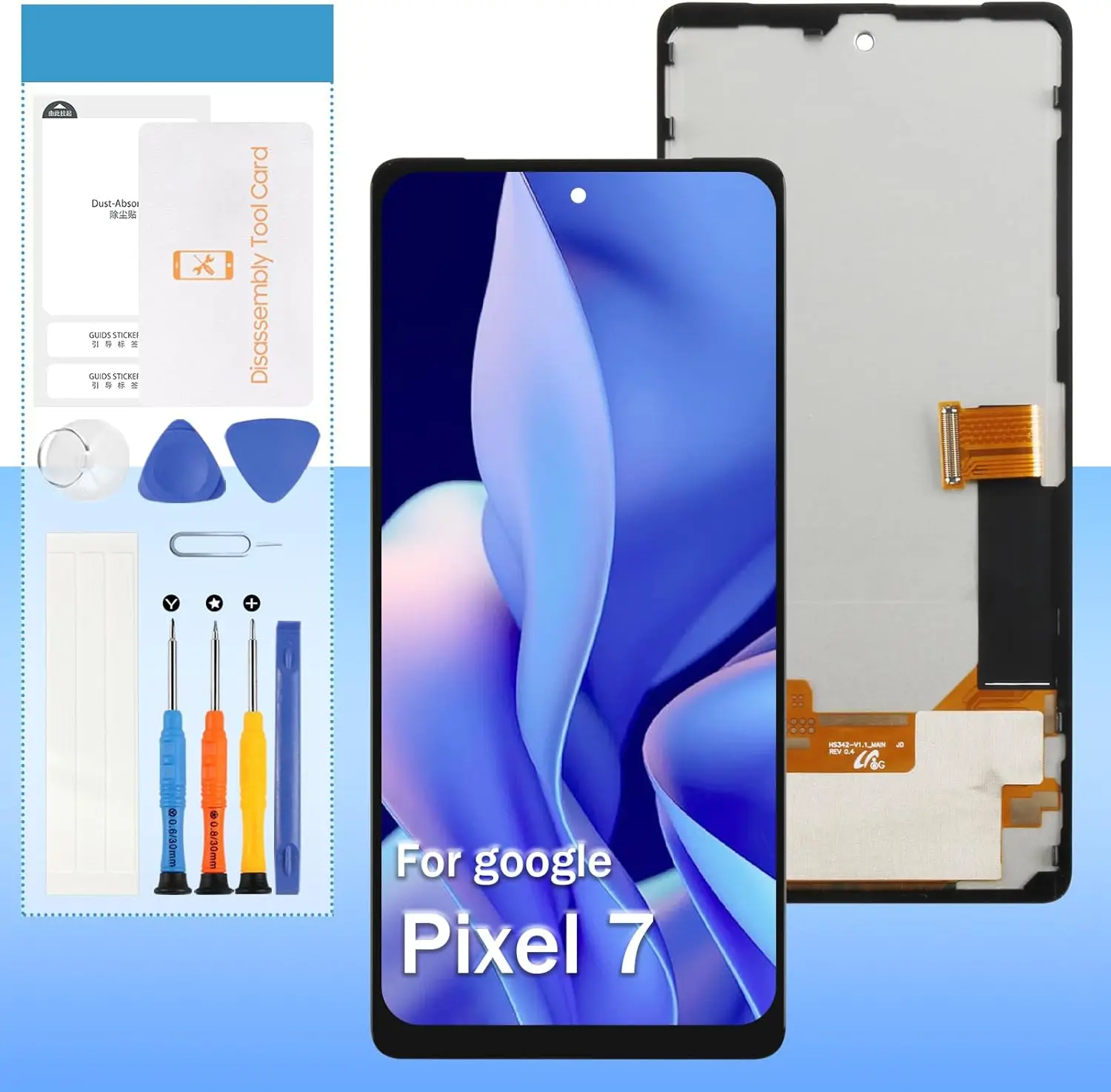 |
TFT Screen Replacement for Google Pixel 7 | 6.3" TFT LCD, Touch Digitizer, Full assembly | 49 | 3.5 | $32.23 | $28.8 |
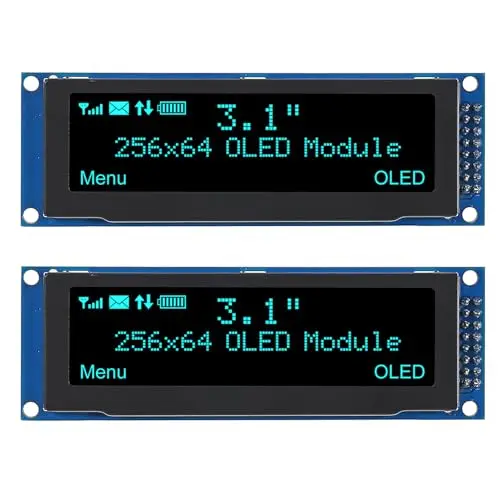 |
DWEII 3.12 Inch OLED 256x64 Display (2 pcs) | SSD1322, 16pin, Blue OLED, Arduino compatible | 11 | 0 | $34.99 | $12.9 |
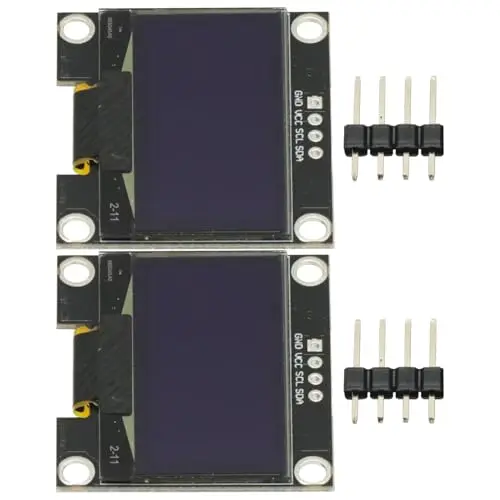 |
1.3 Inch IIC OLED 128x64 Module (2 pcs) | SSH1106, 4PIN, White OLED, Arduino/Pi compatible | 10 | 5 | $9.88 | $2.05 |
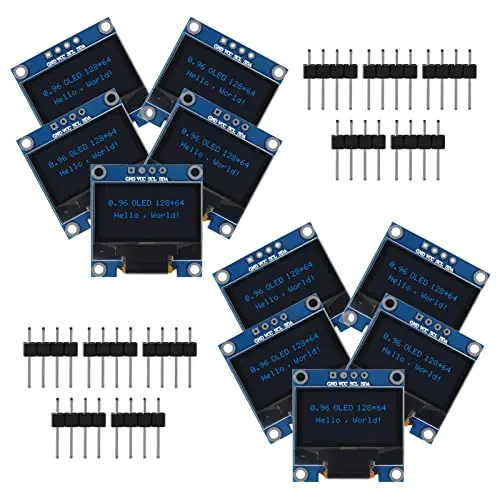 |
AITRIP 0.96 Inch OLED 128x64 Display | SSD1306, Unwelded Pins, Blue OLED, Arduino/Pi | 7 | 4.7 | $19.99 | $1.25 |
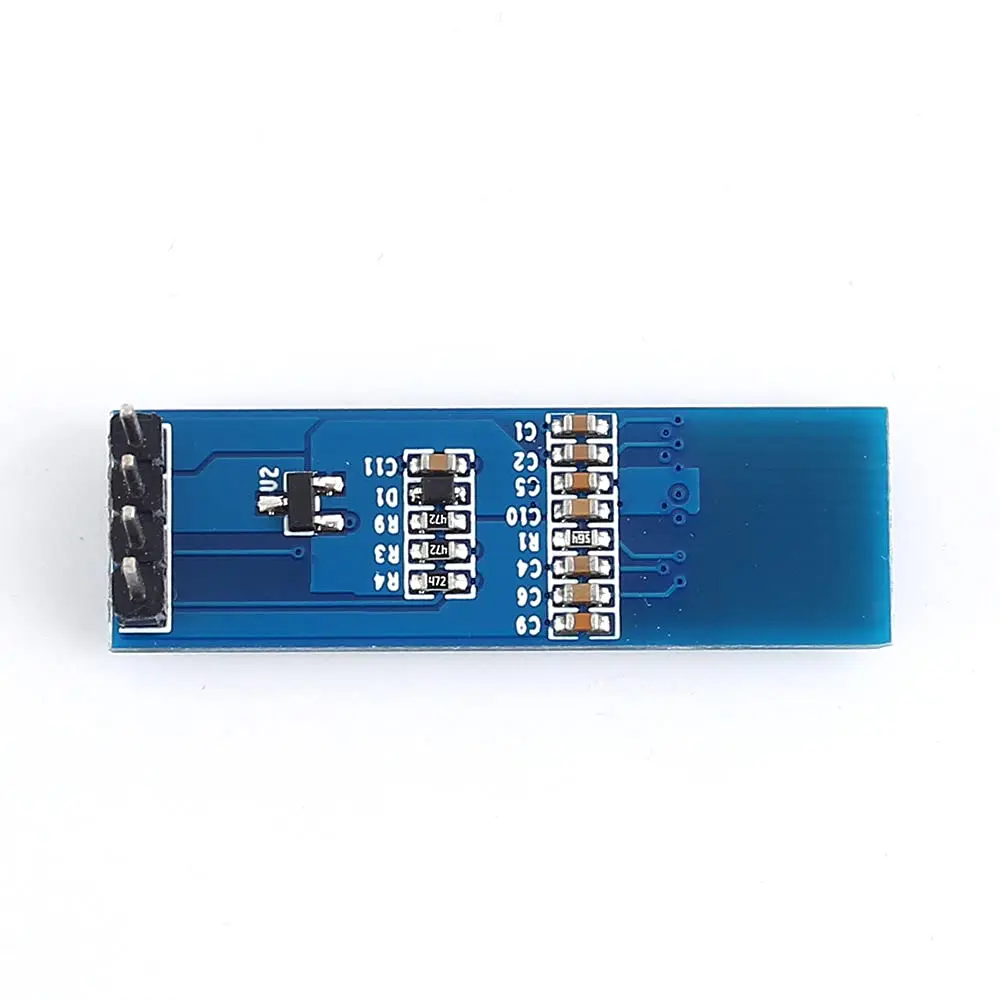 |
0.87 Inch I2C OLED 128x32 Module | SSD1316, 3.3V/5V, White OLED | 5 | 0 | $8.23 | $1.7 |
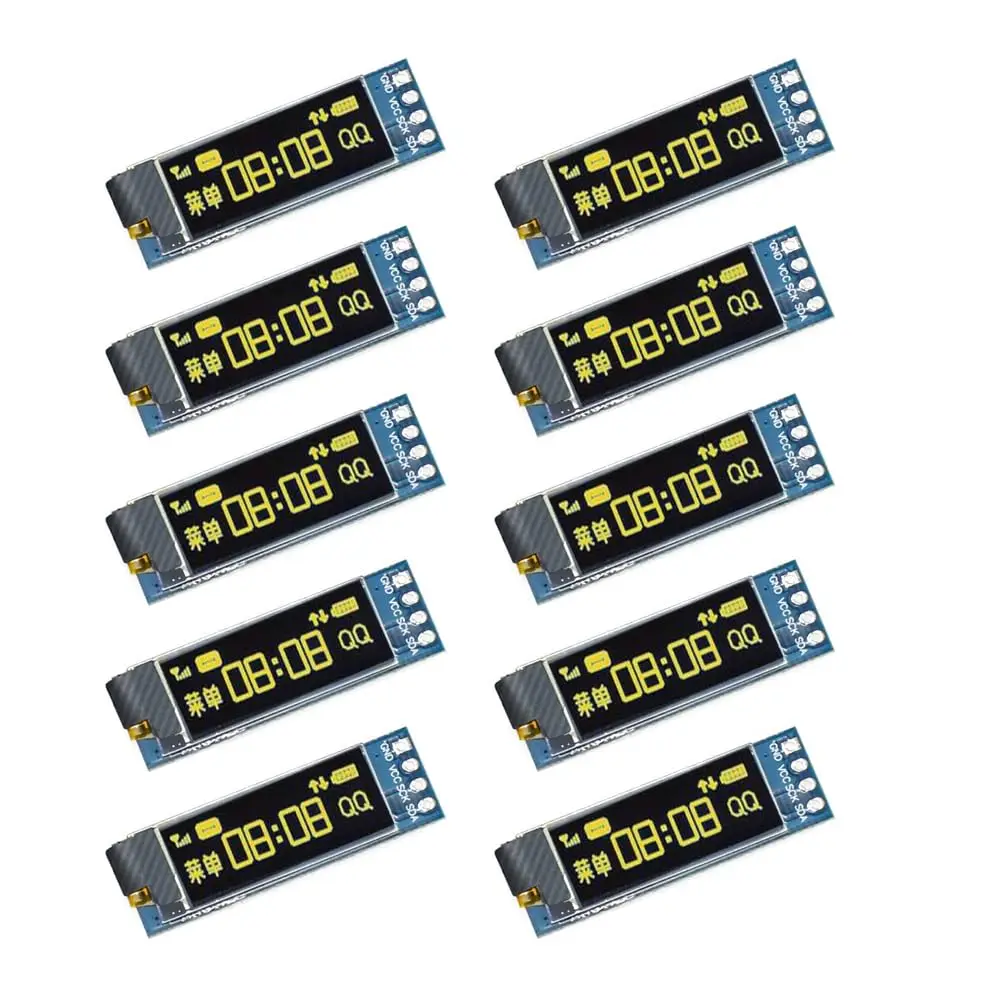 |
10pcs 0.91 Inch OLED SSD1306 | LED DC OLED, 128x32 Yellow | 5 | 5 | $13.02 | $1.16 |
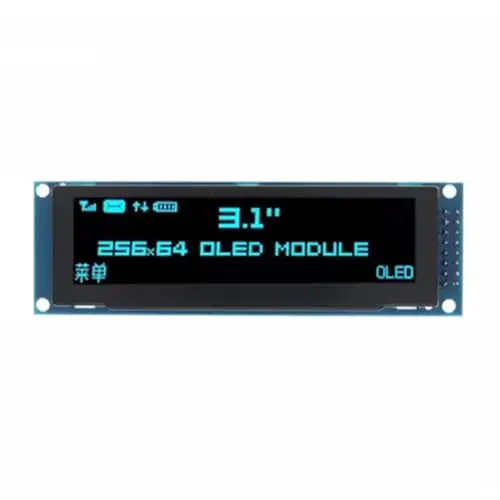 |
Bloepum 3.12 Inch OLED 256x64 SSD1322 | Graphic OLED, Parallel/SPI, Blue, 256x64 | 5 | 0 | $19.17 | $12.5 |
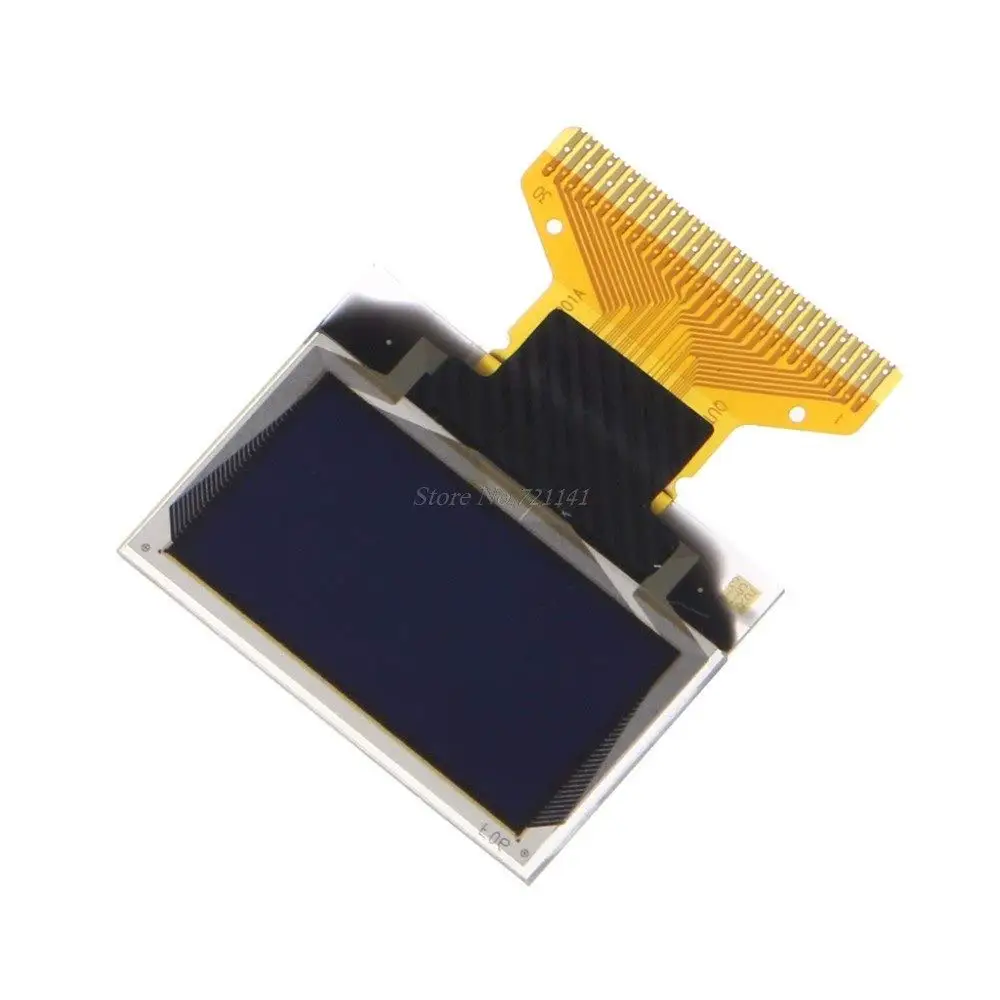 |
Paialu 096 128x64 OLED LCD | White OLED, SPI Series, SSD1306, 30pin | 5 | 0 | $19.11 | $1.29 |
Key retail trends:
Procurement Recommendations: Buyers targeting volume should prioritize models with strong sales momentum, robust compatibility specs, and supplier inventory assurance. Retail product launches should focus on mini OLEDs and TFT variants, highlighting pixel density, controller IC, and pin layout options as differentiators.
For procurement professionals, the sourcing of mini LCD display modules in late 2025 and 2026 is a high-leverage opportunity sharpened by dynamic competition and an evolving supplier landscape. The most successful sourcing operations follow a series of critical steps to de-risk and maximize ROI.
Conversationally, buyers should engage suppliers about both current and planned upgrades. Ask which controller ICs or interface standards are in pipeline, clarify firmware update policies, and request samples of both entry-level and advanced display modules. This approach guards against rapid obsolescence and ensures future-proof procurement.
In summary, mini LCD displays stand as one of the hottest-selling tech categories in 2026, uniquely positioned at the crossroads of DIY innovation, professional integration, and global commercial transformation. Demand is underpinned by advances in display clarity, energy efficiency, smart functions, and robust cross-compatibility—while supply chains are diversifying to meet both retail and OEM-specific requirements [5][1][9].
Key takeaways for buyers:
Now is the time to act—marshal the insights above, engage your supplier network, and propel your mini display procurement into the new era. The market is ready; all that remains is your decisive action.