
All categories
Featured selections
Trade Assurance
Buyer Central
Help Center
Get the app
Become a supplier
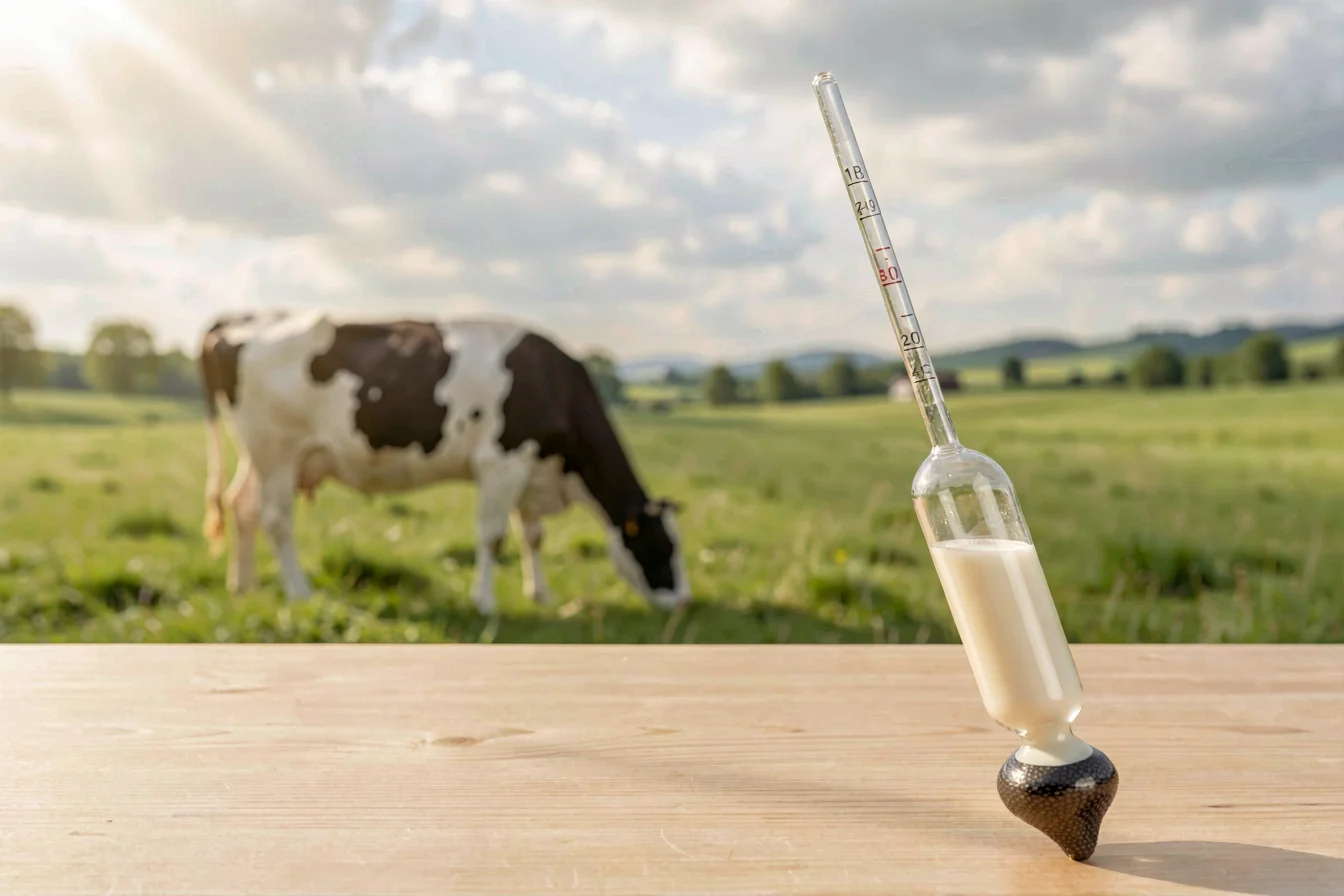
The milk hydrometer market is stable and growing, driven by increased dairy quality control and food safety requirements. Search and sales data confirm upward momentum, with buyers prioritizing calibration accuracy and durable glass construction. Procurement logic favors suppliers offering certification and bulk pricing, as global demand remains robust for both laboratory and home use [1][2][4].
Interest in milk hydrometer devices has surged due to heightened regulatory scrutiny, consumer demand for milk purity, and advances in dairy testing technology. Buyers must navigate a rapidly evolving landscape shaped by precision standards, material innovation, and certification requirements. The curated list of top products reflects both laboratory-grade and consumer-friendly models, prioritizing calibration accuracy, durability, and compliance with international standards such as BS 734 and UKAS [4].
| Trend Factor | Current Status | Impact on Buying Decision |
|---|---|---|
| Regulatory Compliance | Mandatory for commercial dairy labs | Buyers must verify calibration and certification |
| Material Innovation | Glass, plastic, and composite options | Durability and break resistance are key |
| Price Tier Expansion | Wide range from $7.53 to $16.55 | Bulk procurement and volume discounts available |
| Consumer Demand | Rising in home brewing and dairy farms | Flexible purchasing for both B2B and B2C |
| Technology Integration | Digital and analog models coexist | Digital hydrometers offer faster results |
Buyers must weigh calibration, material durability, and certification when sourcing milk hydrometer devices to ensure compliance and operational reliability.
Current market volatility is moderate, with supply chains for milk hydrometer devices resilient but subject to raw material fluctuations and regulatory shifts. Key drivers include stricter food safety regulations, the rise of home brewing and dairy farming, and the integration of digital measurement tools. Macro risks include logistics delays and price volatility for glass and calibration components. The industry is moving toward higher precision and multi-use devices, with buyers increasingly seeking models that support both milk and other liquid testing [1][2][4].
| Market Dimension | Current Status | Impact Level |
|---|---|---|
| Supply Chain Stability | Stable, with minor delays in glass sourcing | Medium; affects lead times but not price |
| Regulatory Shifts | New standards for dairy testing | High; impacts certification and procurement |
| Technology Adoption | Digital and analog models trending | Medium; influences buyer preference |
| Raw Material Price | Moderate volatility for glass and plastic | Low; affects margins but not core supply |
| Seasonality | Peak demand in Q4 for dairy labs | Medium; planning required for bulk orders |
Buyers should monitor regulatory changes and material costs to optimize milk hydrometer procurement and avoid supply chain bottlenecks.
Global Search Heat for Milk Hydrometer, Lactometer, and Density Meter (2025–2026)
Search heat for "milk density meter" and "milk testing hydrometer" rose steadily from mid-2025, peaking in December 2025 and February 2026 [1]. This signals strong buyer interest in precision and multi-use devices, with procurement timing best aligned to Q4 and Q1 when demand is highest. Buyers should anticipate higher competition and price sensitivity during these periods.
Google Trends indicate that buyers should prioritize procurement of milk hydrometer devices in Q4 and Q1 to capture peak demand and secure bulk pricing.
Reddit and TikTok data highlight recurring pain points: fragile glassware, calibration confusion, and difficulty in reading scales. Users report frustration with breakage and inconsistent readings, while TikTok influencers showcase DIY testing and emphasize the importance of accurate measurements for dairy quality. Sentiment is generally positive for durable, easy-to-read models, with negative sentiment tied to fragile and poorly calibrated devices. Resale value is highest for certified, multi-use hydrometers, especially those with UKAS calibration and lab-grade construction [2][6][7].
"Termómetro medidor para la leche, muy útil, se los recomiendo." — Amazon Review [2]
"These fragile, blown glass density testers are really neat! The testing method is simple and the glass is easy to clean." — Amazon Review [2]
| Dimension | Reddit Insights | TikTok Insights |
|---|---|---|
| Accuracy Concerns | Frequent calibration issues and scale misreading | Viral videos showing DIY calibration and troubleshooting |
| Durability | Breakage complaints, preference for glass over plastic | Influencer reviews highlight break resistance |
| Ease of Use | Confusion over reading scales and sample prep | Step-by-step guides for milk testing |
| Resale Value | Certified models retain value; fragile ones depreciate | Lab-grade hydrometers attract higher resale |
| Sentiment | Positive for durable, calibrated models | Positive for multi-use, easy-to-read devices |
Online sentiment favors durable, calibrated milk hydrometer models, with resale value highest for certified and lab-grade devices.
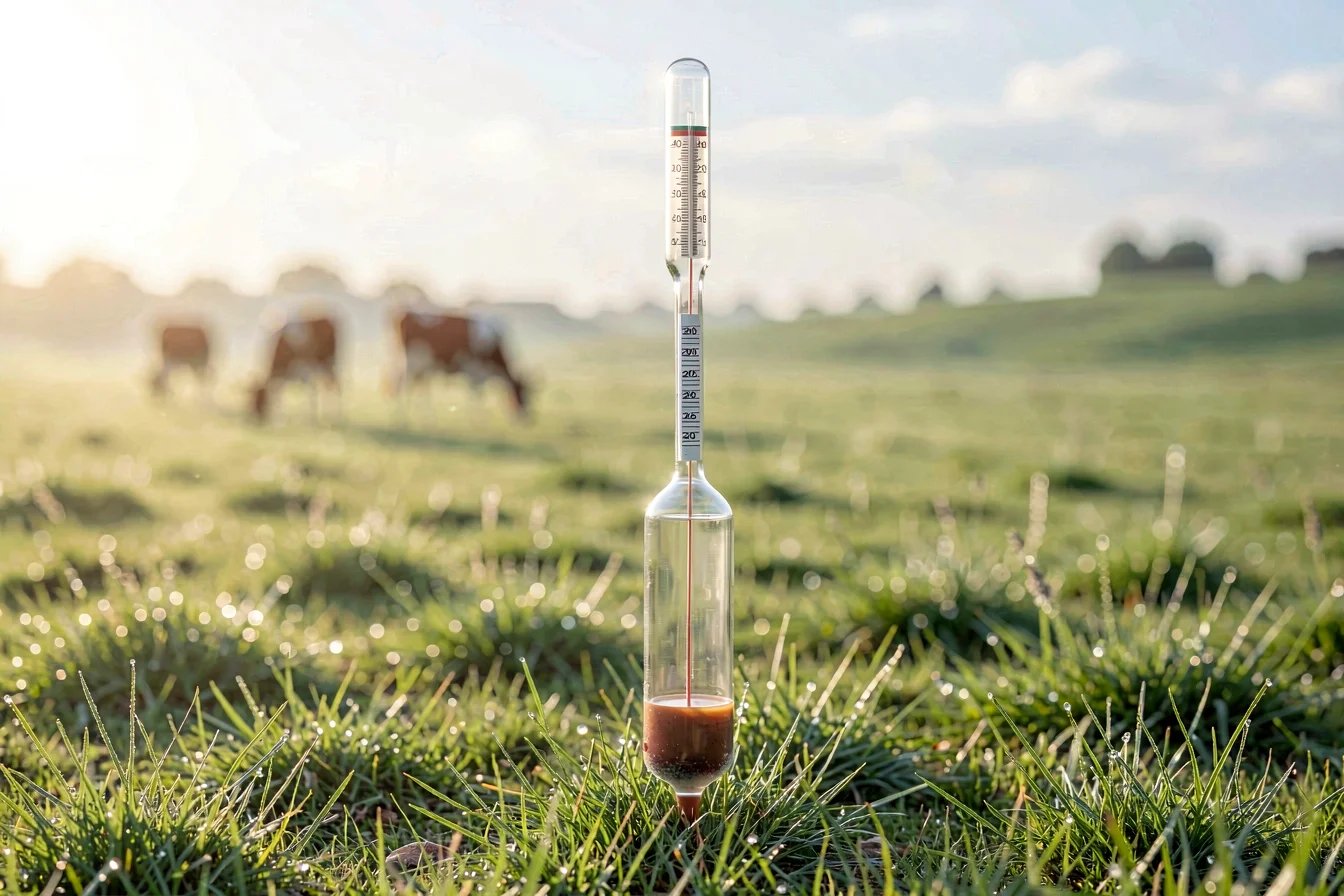
Amazon's top-selling milk hydrometer products span single-use and multi-pack models, with price points from $7.53 to $16.55. Buyer preference is driven by accuracy, durability, calibration, and ease of use. Lab-grade and certified models receive high ratings, while multi-pack bundles offer cost savings for bulk buyers [2].
| Image | Name | Price | Rating | Key Features |
|---|---|---|---|---|
 |
Brewer's Elite Hydrometer | $12.99 | 4.4/5.0 | Triple scale, lab tested, easy to read |
 |
SOLIGT Triple Scale Hydrometer | $18.98 | 4.5/5.0 | Glass test jar, high accuracy, compact storage |
 |
3 Packs Triple Scale Hydrometer | $12.99 | 4.4/5.0 | Glass, multi-pack, easy cleaning |
 |
Healifty 2 Pcs Milk Lactometer | $11.59 | — | Food-grade plastic, multi-liquid use |
 |
Balacoo 2pcs Precision Hydrometer | $9.89 | — | High accuracy, UKAS calibration |
 |
Amosfun Lactometer Milk Density Meter | $10.69 | 3.8/5.0 | Portable, accurate, sturdy |
 |
SECFOU Kitchen Milk Lactometer | $9.49 | — | Glass, durable, easy to use |
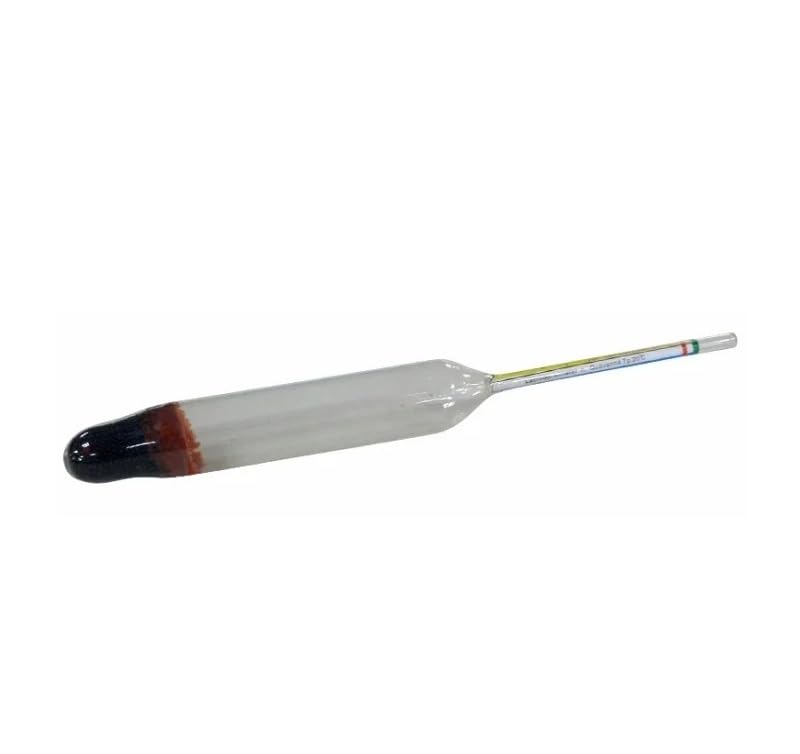 |
Milk Densimeter 15-40 | $7.53 | — | Glass, thermometer pack, easy calibration |
 |
Precision Hydrometer for Milk | $14.13 | 4.5/5.0 | Multi-liquid, durable, portable |
|
POPETPOP Scientific Hydrometer | $16.55 | 3.2/5.0 | Scientific, high precision, sealed glass |
Amazon reviews highlight strong praise for precision, durability, and easy calibration, with complaints focused on fragile glassware and scale readability. Positive sentiment is tied to multi-pack bundles and certified models, while negative sentiment is linked to breakage and inconsistent readings. Direct buyer quotes illustrate the real-world impact of product quality:
"Easy to read. Easy to clean." — Amazon Review [2]
"These things are super fragile so you'll constantly need to replace them. Good deal for the price." — Amazon Review [2]
| Product Name | Top Praise | Top Complaint | Overall Sentiment |
|---|---|---|---|
| Brewer's Elite Hydrometer | Easy to read, easy to clean | Fragile glassware | Positive |
| SOLIGT Triple Scale Hydrometer | Accurate, compact storage | Scale readability | Very Positive |
| 3 Packs Triple Scale Hydrometer | Good deal for price | Fragile glassware | Mixed |
| Amosfun Lactometer Milk Density Meter | Portable, sturdy | Scale readability | Positive |
| POPETPOP Scientific Hydrometer | Scientific, easy to clean | Fragile, minimal packaging | Mixed |
Buyer reviews confirm that durability and calibration accuracy are decisive factors in milk hydrometer selection, with positive sentiment favoring multi-pack and certified models.
Reliability benchmarks for milk hydrometer devices focus on defect rates, maintenance cycles, and expected service life. Global feedback highlights high defect rates for fragile glass models, with durable glass and plastic variants showing lower failure rates and longer service life. Quality benchmarks emphasize calibration accuracy, break resistance, and compliance with international standards such as BS 734 and UKAS [4][5]. Sourcing risk strategy should prioritize OEM/ODM partners with proven calibration, robust packaging, and compliance documentation, mapping potential bottlenecks in logistics, raw materials, and geopolitical compliance. Price optimization levers include bulk ordering, certification negotiation, and direct factory sourcing [4].
| Benchmark Dimension | Glass Hydrometer | Plastic Hydrometer |
|---|---|---|
| Defect Rate | High (breakage, calibration drift) | Low (durability, minimal breakage) |
| Maintenance Cycle | Frequent (annual calibration) | Rare (occasional cleaning) |
| Service Life | Short (fragile, needs replacement) | Long (durable, multi-use) |
| Calibration Accuracy | High (BS 734, UKAS) | Medium (lab-grade) |
| Break Resistance | Low | High |
Reliability benchmarks favor durable, calibrated milk hydrometer models, with sourcing risk minimized by selecting certified OEM/ODM partners and negotiating bulk pricing.
The next 12 months will see continued innovation in milk hydrometer technology, with digital models and multi-use devices gaining traction alongside traditional glass hydrometers. Pricing will remain stable for certified lab-grade units, but buyers should anticipate minor increases for glass and calibration components due to raw material volatility. To optimize procurement, buyers should prioritize suppliers offering certification, bulk pricing, and robust packaging, and plan orders around Q4 and Q1 demand peaks. As regulatory standards tighten and consumer demand for dairy purity rises, sourcing strategies must focus on calibration accuracy, durability, and compliance documentation to ensure operational resilience and supply chain stability.
Buyers should act now to secure certified, durable milk hydrometer models, negotiate bulk pricing, and monitor regulatory changes for optimal sourcing outcomes in 2026.