
All categories
Featured selections
Trade Assurance
Buyer Central
Help Center
Get the app
Become a supplier
As we step firmly into 2026, the landscape for micro powder grinders—whether for artisanal coffee, precision pharmaceuticals, or advanced industrial materials—has exploded in both scope and sophistication. This year, market demand is shaped by several converging forces: the surging global obsession with specialty coffee culture at home, exponential growth in the pharma/nutrition sectors needing ultrapure powders, and manufacturers seeking new levels of micronization for chemicals, pigments, and minerals. E-commerce platforms reflect both retail and industrial momentum, with top-selling grinders consistently ranking among the world’s most sought-after small machines[1][2][3].
Seasonality and cultural shifts amplify this popularity. Winter 2025–2026 has driven home-brewing, baking, and supplement formulation to all-time highs, while industrial buyers expand sourcing for upgraded machinery in advance of Q2 manufacturing cycles. The tailwinds from health-awareness campaigns, the demand for “farm-to-table” freshness, and a rekindled focus on sustainability (eco-friendly micronization, low-waste packaging) mean grinders are not just a purchase—they’re a cornerstone of lifestyle and business innovation[1][4].
A micro powder grinder is a specialized machine designed to pulverize solids—minerals, spices, beans, chemicals, or pharmaceuticals—into uniform, ultra-fine powders. The essential metric? Micron-level fineness, with industrial units reaching down to 5–45μm (2500–325 mesh) and advanced consumer models crossing into professional territory with highly customizable grind settings[4][5].
This category emerged from industrial mills (ball mills, jet mills, high-pressure mills) which, over the past two decades, have been miniaturized and optimized for broader applications. Today, the continuum spans:
Key classification criteria for buyers include:
Understanding these distinctions is central—industrial buyers weigh throughput and environmental filtration, while consumers expect flexibility, quiet operation, and easy cleaning[4][6]. This nuance defines sourcing success in today’s fragmented, yet highly dynamic market.
Across social platforms, micro powder grinders have ignited lively debates, viral hacks, and passionate product recommendations. The year’s top discourse clusters around several core themes:
Grind Size Standardization: “Why Can’t We Just Talk in Microns?”
Consumers and pros alike express deep frustration with non-standardized grind settings—“clicks,” “rotations,” “coarse/fine,” and brand-specific codes make comparing products and brewing recipes a labyrinth[8]. Many call for industry-wide adoption of micron measurement, which would revolutionize transparency especially for specialty coffee and lab applications ("Shouldn’t we just talk in microns?"). Several community members are developing apps and conversion tools in response, pointing to grassroots innovation in the face of product complexity[8].
Home Use: Coffee, Spices, and Kitchen Hacks
A massive segment (77%+) centers on enhancing home experiences: brewing richer coffee, grinding pills/supplements, and processing dried foods. Users rave about time savings (e.g., “Grinder turned 10 lbs of onions into powder in 20 seconds!”[16]), while others trade kitchen hacks for pharmaceuticals and equestrian uses ("I powder pills for my horses with a cheap coffee grinder"[14]). Key pro-tips include ensuring material dryness, double-grinding for fineness, and using mesh strainers or repeating dehydration for fibrous or chunky foods[10][16].
Manual vs. Electric: Noise, Mess, and Upgrade Anxiety
Another livewire dialogue is the tradeoff between manual and electric models. Noise sensitivity (due to health concerns like tinnitus), messiness, and cleaning frustration are major factors—“Baratza is a noisemaker…ahh tinnitus is no joke!”[12]; “Least messy option is a manual with attached cup, cleans up with a brush in 30 seconds”[11]. Buyers debate the merits of spending for quieter, less messy electric grinders or sticking with proven manual models. Longevity, precision, and ease of switching grind types emerge as top upgrade criteria—“I use my Kingrinder K6, never a mess, minimal effort, consistent results”[11].
Specialty and Niche Use Cases: Mushrooms, Herbs, and Industrial Adaptation
Beyond coffee and spices, practitioners experiment with grinding everything from dried mushrooms and herbs to industrial materials. Results are mixed—users report success with dried-to-crisp methods and fine mesh straining, but frequent disappointment when attempting ultra-fine powder with consumer models[10]. Some pivot to industrial or commercial units after failures with Nutribullets or standard kitchen appliances. Community advice often stresses material preparation before grinding as the decisive success factor.
Durability, Design, and Longevity: “Buy It For Life”
Durability debates rage: mass-market plastic grinders raise microplastics alarms (“After reading about micro plastics in disposable salt grinders, I bought all-metal models.”[15]), while trusted legacy brands (e.g., Peugeot) win praise for longevity. The “buy it for life” ethos is a key trend, with users increasingly motivated by health, sustainability, and lifetime usability concerns.
Overall, sentiment clusters into several actionable themes: buyers want consistent grind quality, quiet operation, easy cleaning, material versatility, and robust design. Frustrations center on inconsistent results, breakage, noise, and confusing adjustment settings. These opinion currents profoundly influence what’s selling—and what buyers want improved—in 2026.
The global micro powder grinder market is undergoing a pronounced surge, fueled by hybrid consumer/industrial adoption and growing demand for ultra-fine material processing. Key purchasing intelligence for 2026:
Let’s delve deeper into data-backed trends, sales patterns, and actionable opportunities.
Monthly Search and Sales Data: What Drives Micro Powder Grinder Demand?
Reviewing recent Amazon market data provides clear visibility into the dynamics of 2025–2026. Notably, both search volumes and average sales show consistent upward motion with specific surges timed to seasonal events and cultural shifts—e.g., coffee holidays, winter baking cycles, supplement trends, Q4 industrial purchasing[1].
Monthly search volume and average sales for micro powder grinders, illustrating seasonal peaks and steady growth. Peaks in November/December suggest strong holiday and winter demand; rising baseline supports year-round sourcing strategies.
Actionable Recommendations:
Review Sentiment Analysis: What Users Love and What Drives Disappointment
Deep-dive review data reveals strong “performance,” “coffee taste,” and “ease of use” as core positive drivers. On the other hand, negative feedback clusters around inconsistent grind quality, defective units, cleaning difficulty, breakage, and noise[1].
Consumer sentiment for micro powder grinders: Positive themes ("good performance," "ease of use") contrast with negative drivers ("grind inconsistency," "breakage," "noise").
For procurement, these findings offer direct criteria for vetting supplier product lines and refining quality control processes.
Hot Selling Analysis: Top 10 Amazon Micro Powder Grinders Compared
The following table presents the top 10 micro powder grinders by Amazon sale volume (latest month), comparing specifications, images, star ratings, price ranges, and key features. This downstream data shines a spotlight on what individual retail customers are buying most—and why.
| Image | Product Name & Features | Avg Rating | Monthly Sales Volume | Retail Price | Wholesale Price |
|---|---|---|---|---|---|
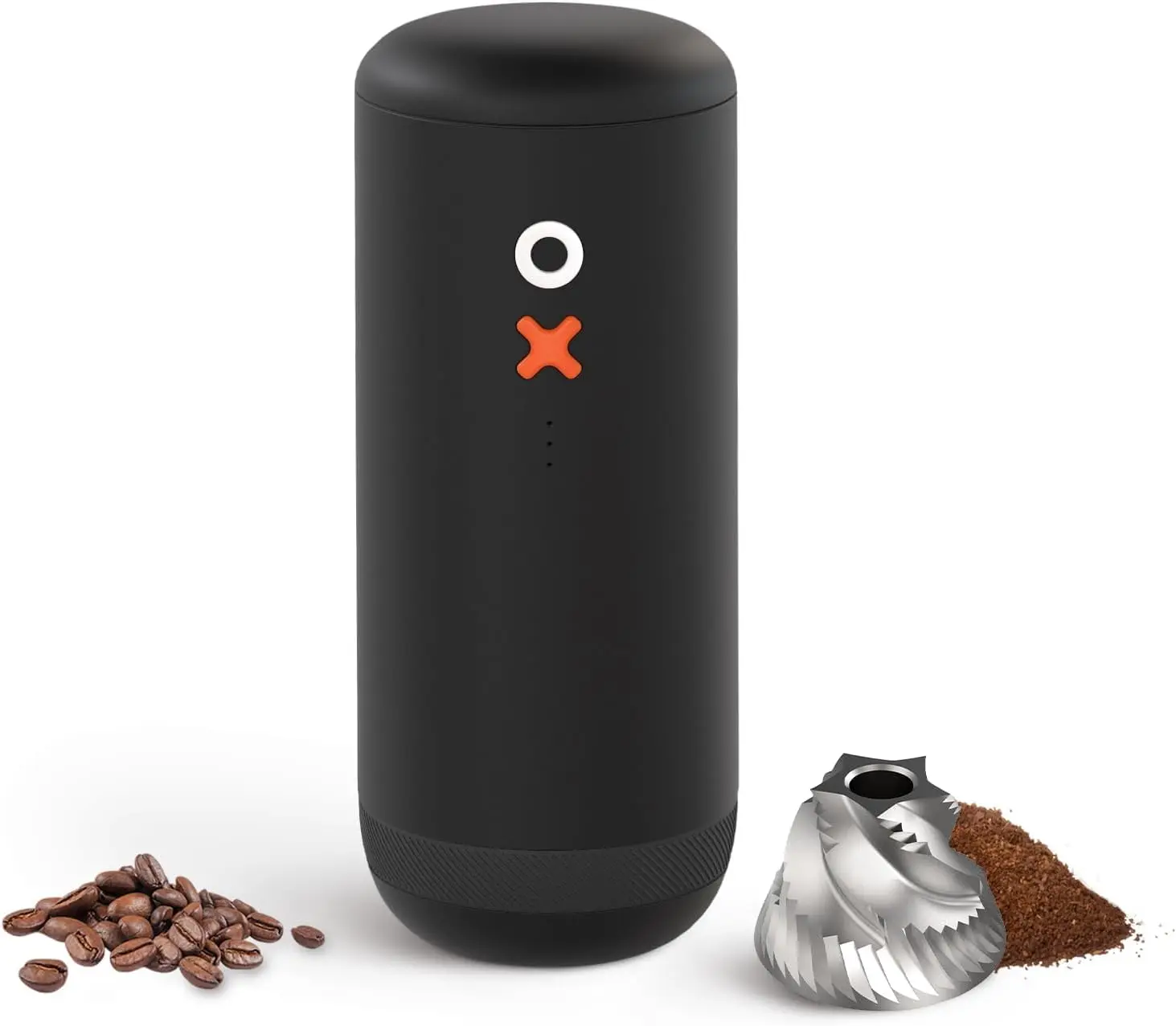 |
Nuttii Burr Coffee Grinder – Electric, Portable, Small, Quiet, 20 Grind Settings, Matte Black | 4.4 | 505 | $110.6 | $64.97 |
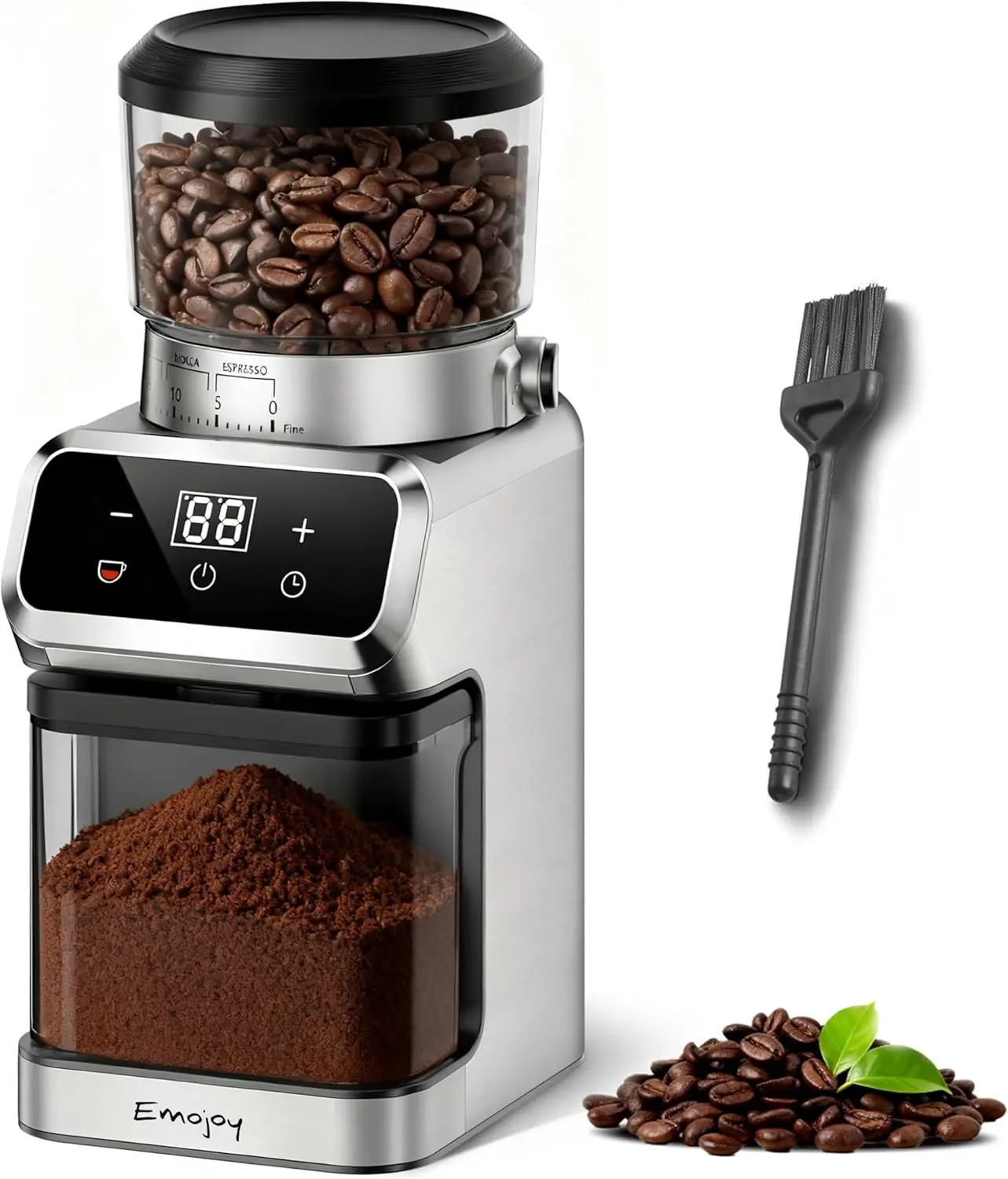 |
Coffee Grinder Electric, Emojoy, 30 Grinding Settings, Touchscreen & LED, Stainless Steel Burr | 4.7 | 191 | $75.94 | $25.76 |
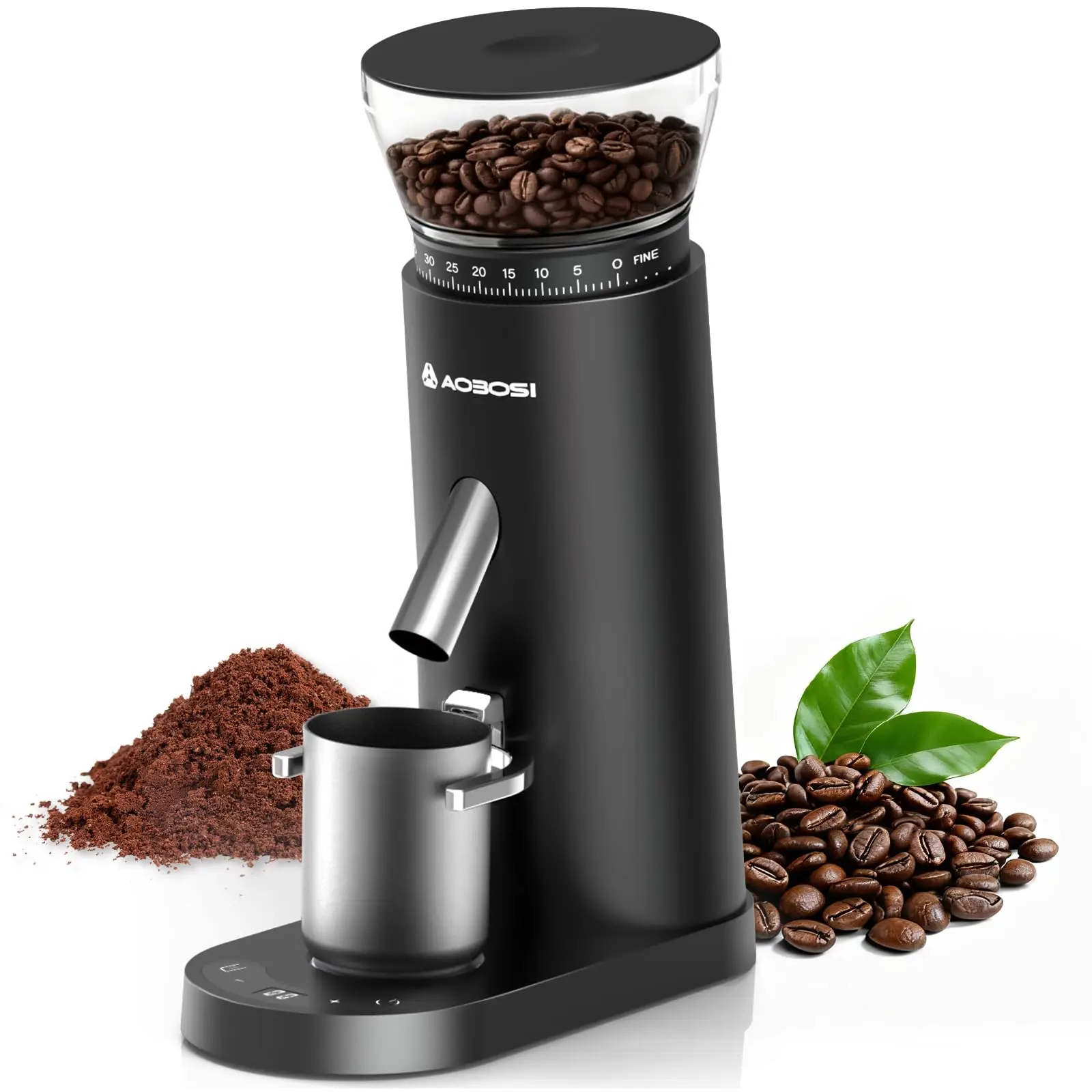 |
AAOBOSI Coffee Grinder, Wireless, 60 Settings, Timer, Anti-Static | 4.8 | 125 | $99.99 | $34.00 |
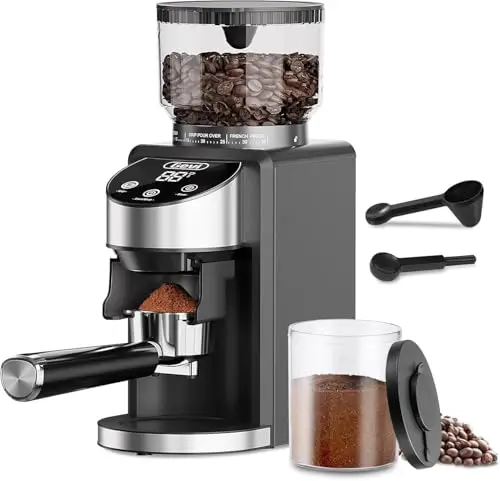 |
Gevi Coffee Grinder Electric, 35 Settings, Espresso/French Press, Burr | 4.2 | 120 | $68.45 | $40.00 |
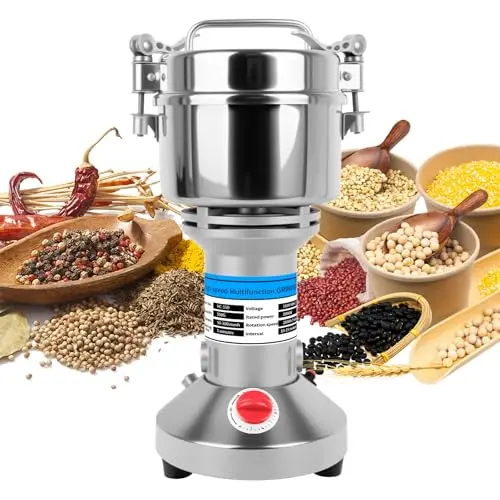 |
Grain Mill, 550g Flour Mill for Home, Electric Steel, Wheat/Herbs/Nuts | 4.2 | 103 | $49.53 | $32.13 |
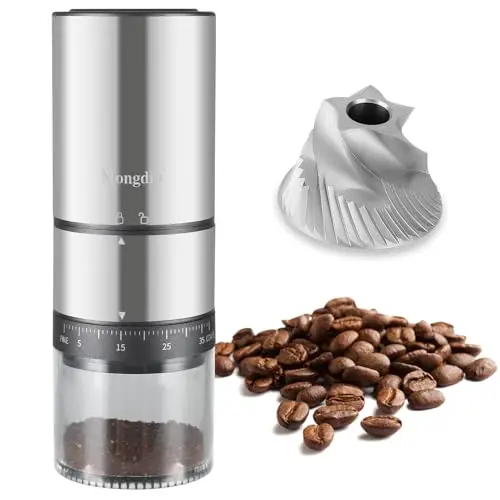 |
Mongdio Portable Electric, 38 Settings, Burr, Stainless Steel Core | 5.0 | 25 | $13.09 | $12.95 |
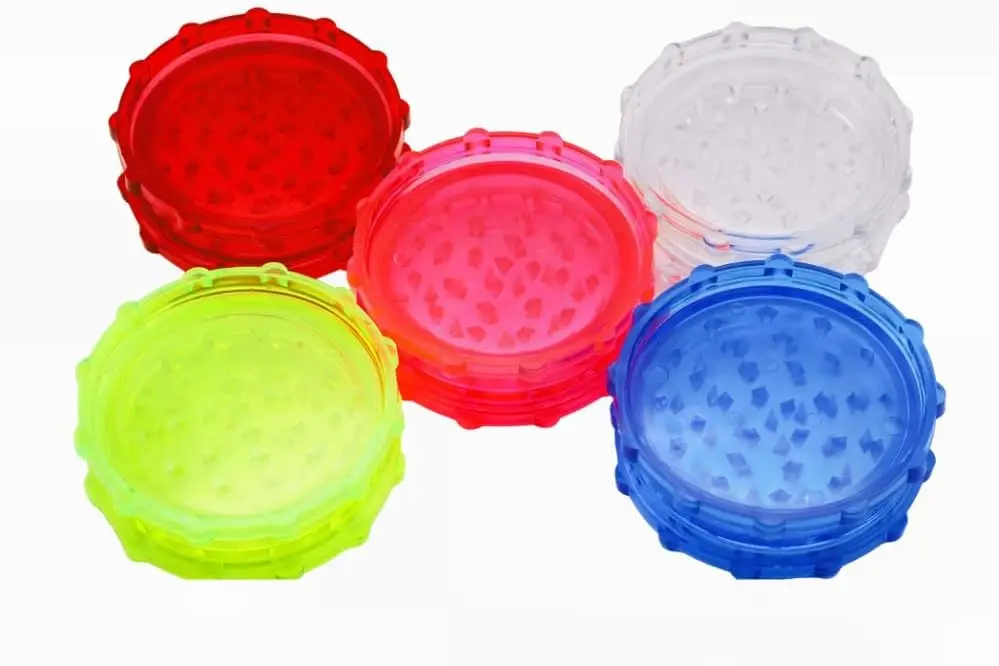 |
IGS Herb Grinder 5-Pack, Plastic, Multicolor, Spice/Pepper/Tea | 0 | 14 | $9.99 | $2.44 |
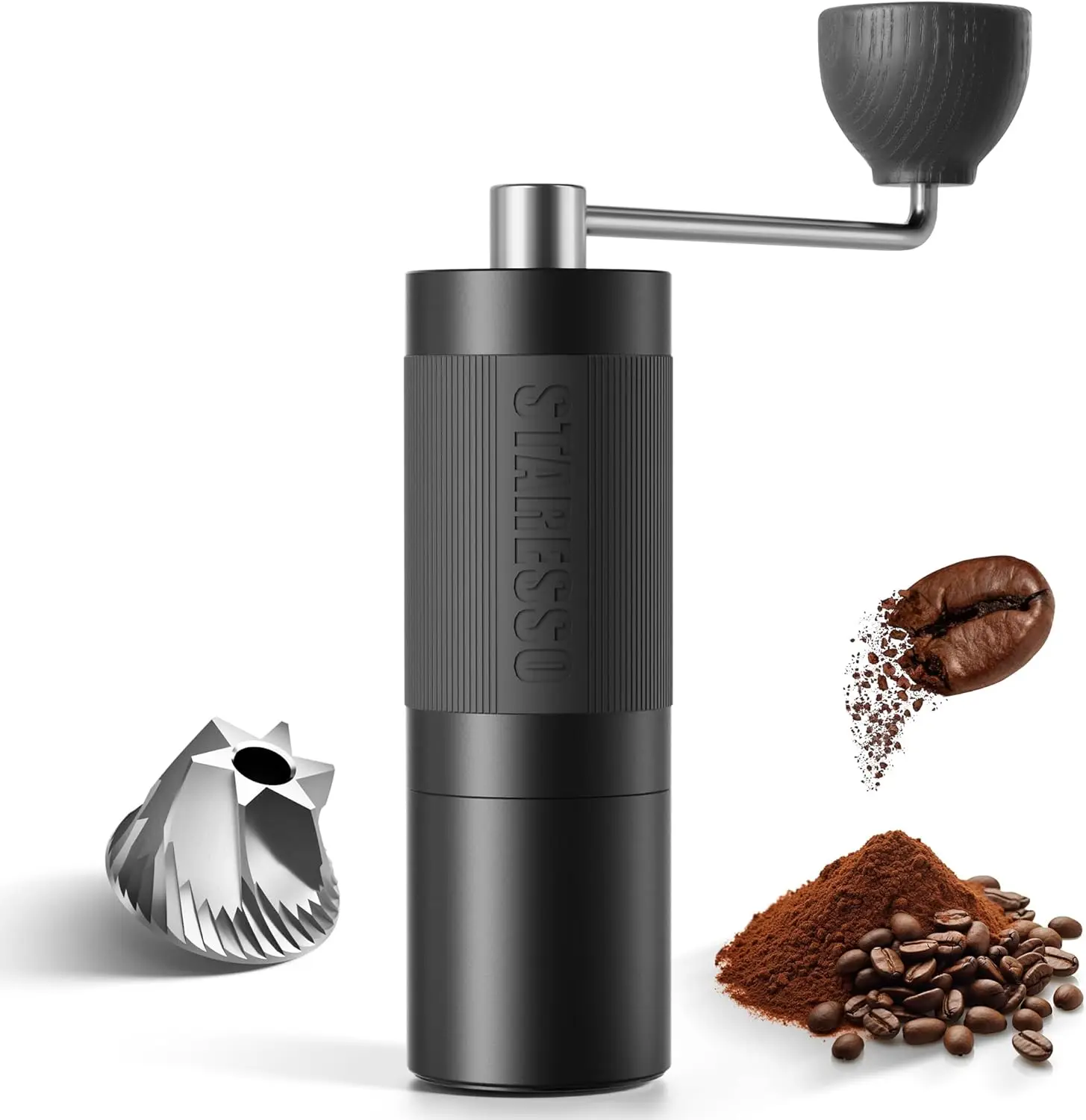 |
Staresso D6 PLUS Manual Grinder, Conical Burr, Numerical Setting | 4.5 | 8 | $79.00 | $14.80 |
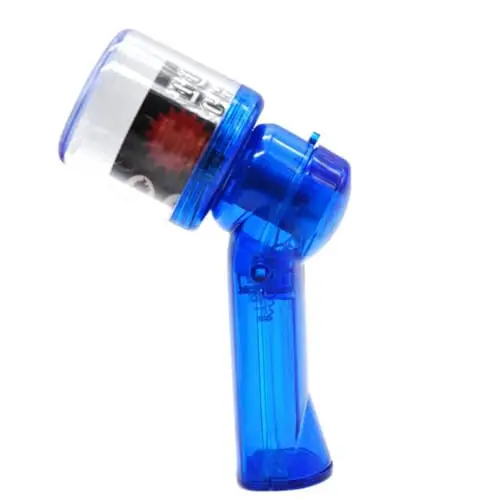 |
Electric Herbal Grinder, Handheld, Blue, Salt/Pepper/Spice Chopper | 0 | 5 | $8.08 | $1.35 |
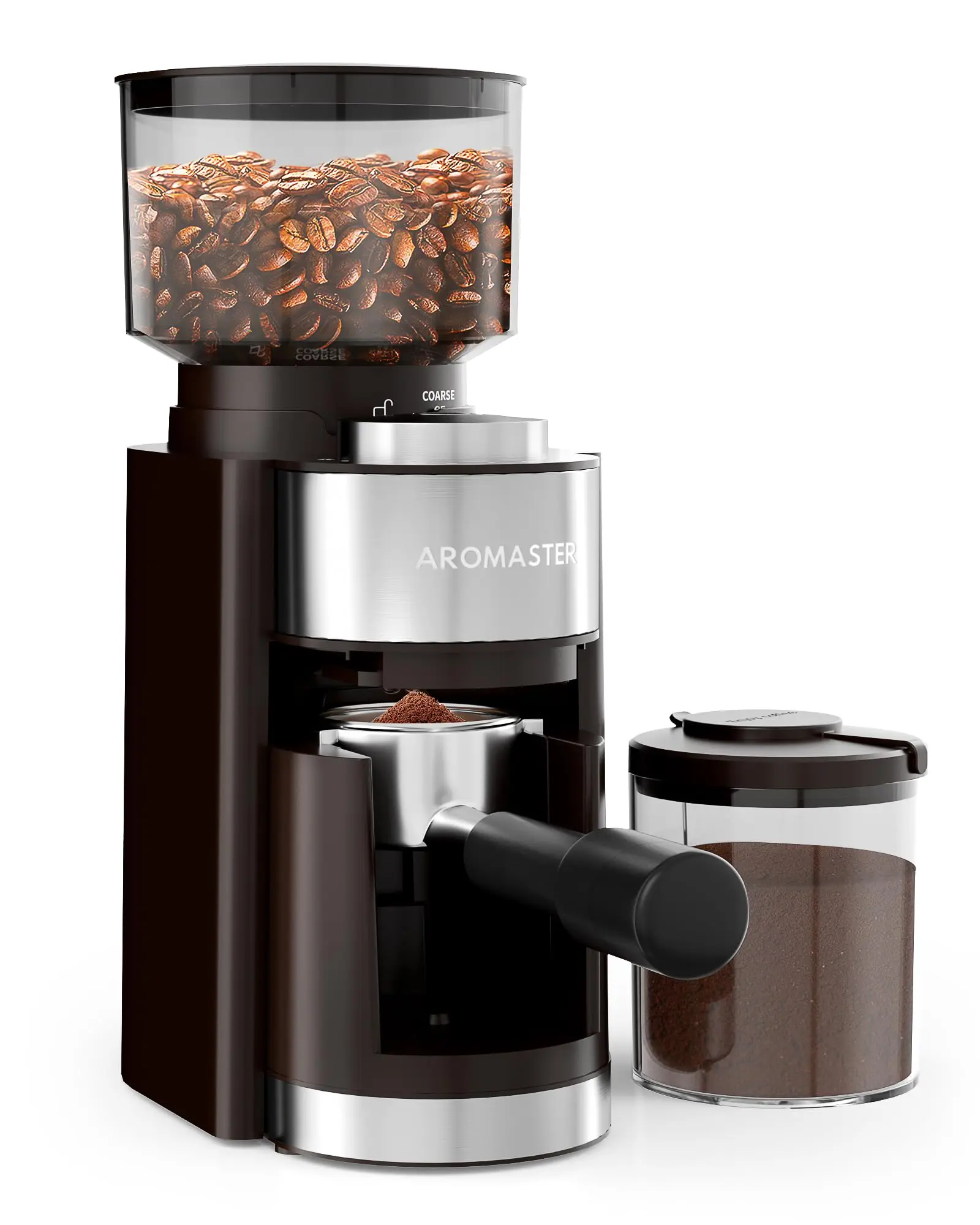 |
Aromaster Burr Coffee Grinder, 25 Settings, Timer, Espresso/French Press | 5.0 | 5 | $128.90 | $40.59 |
Table data sourced from [2]
Note the strong presence of multi-setting burr grinders, wireless options, and models integrating anti-static and timer functions. The spread in monthly sales and pricing reflects diverse buyer needs—electric models dominate higher sales tiers, but robust manual options maintain longevity scores. Price-conscious buyers tend toward entry-level models, while professionals and enthusiasts invest in specialized features and proven durability.
Sourcing micro powder grinders—whether electric, manual, or industrial-scale—demands nuanced evaluation across multiple dimensions. Here’s a roadmap for procurement professionals:
Engaging in direct communication with top manufacturers and using diversified sourcing channels (RFQs, verified B2B platforms) will consistently outperform simple price-first ordering strategies, especially as grinder categories mature and buyer expectations rise.
The micro powder grinder category, forecast for enduring growth in 2026 and beyond, now bridges a full spectrum of buyers—from tech-savvy mill operators to everyday home baristas. Key trend synthesis:
Action Steps for the Next 6–12 Months:
With the hot-selling momentum of micro powder grinders and the expanded opportunities within specialty consumer and industrial segments, there is no better time for informed, proactive sourcing. Buyers equipped with the intelligence above will lead in quality, reliability, and satisfaction—making powder perfection a competitive advantage in 2026 and beyond.