
All categories
Featured selections
Trade Assurance
Buyer Central
Help Center
Get the app
Become a supplier
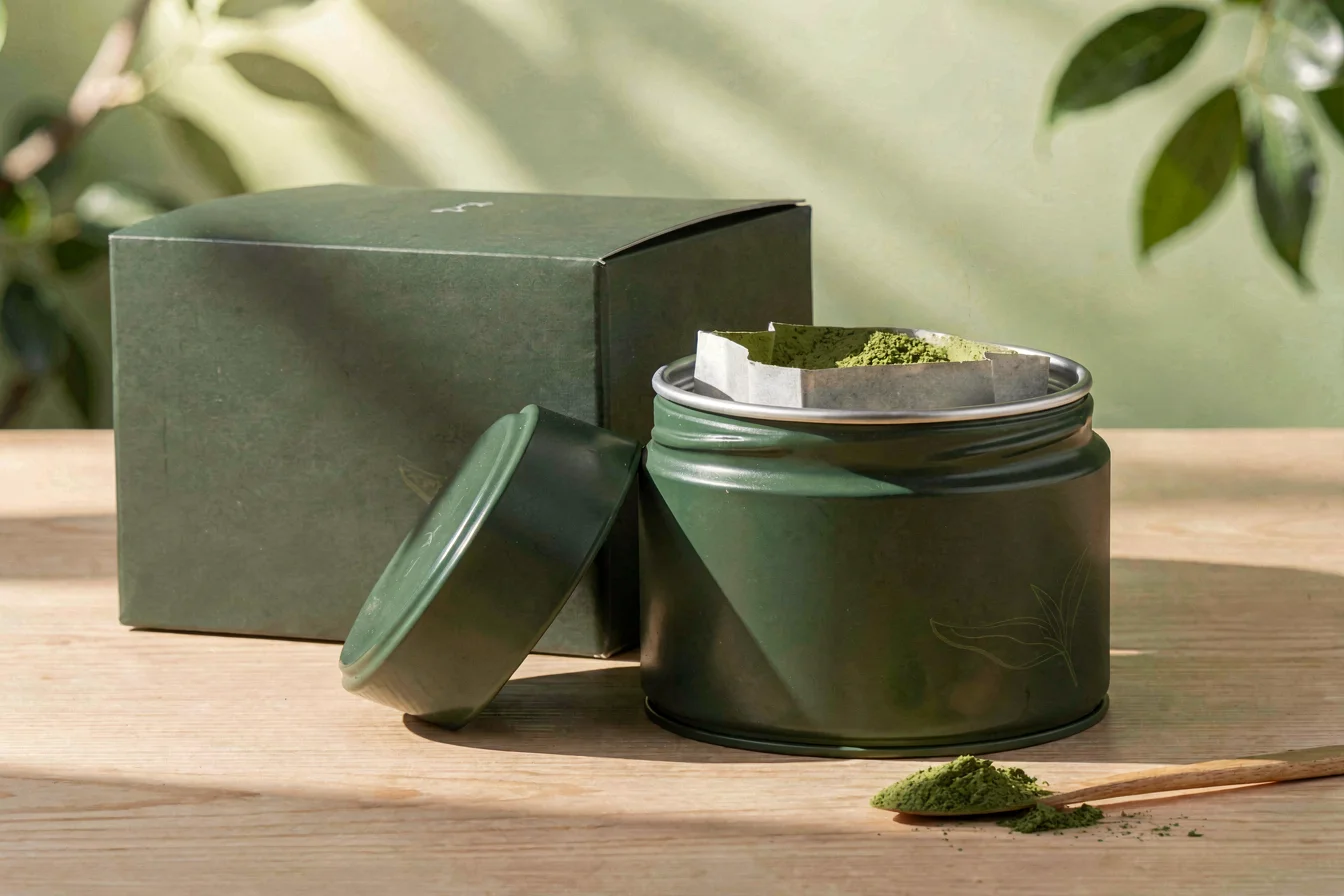
The market for matcha tin box packaging is experiencing robust growth, with Amazon and B2B platforms reporting consistently strong sales and seasonal peaks [1][2]. OEM/ODM factories offer customizable, airtight, and food-safe solutions, making procurement viable for both premium tea brands and specialty retailers. Buyers should focus on airtight sealing, certification, and design flexibility to maximize shelf appeal and product freshness.
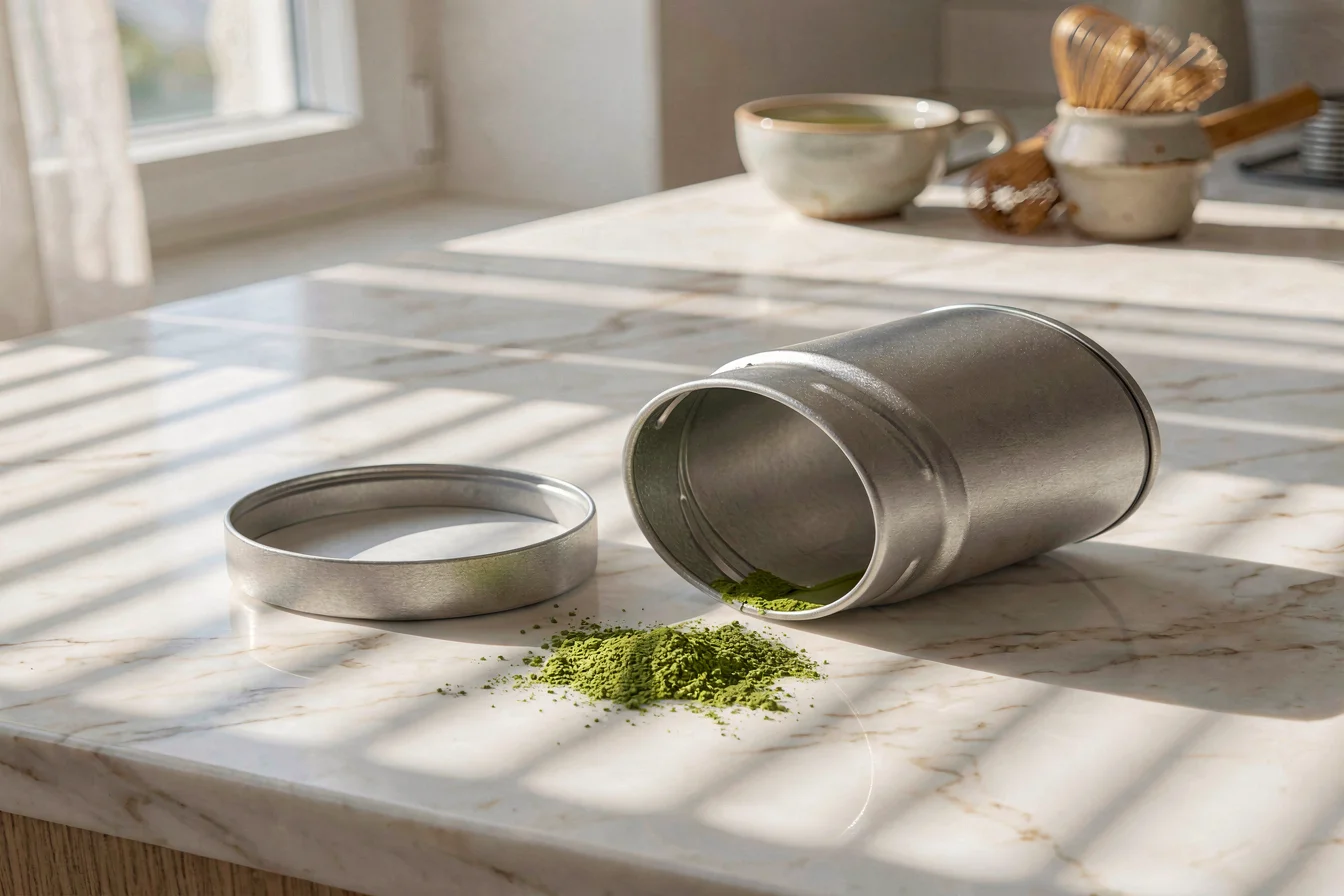
Buyers are increasingly prioritizing matcha tin box packaging due to the premiumization of matcha products, the need for freshness preservation, and a rising demand for branded, custom designs. Seasonal spikes in “tea tin box” and “green tea storage tin” searches align with spring/summer tea drinking and holiday gifting, reflecting broader retail cycles [1]. The surge is also fueled by consumer awareness of food safety, sustainability, and the aesthetic value of packaging—especially among premium tea brands and specialty retailers.
| Trend Factor | Current Status | Impact on Buying Decision |
|---|---|---|
| Freshness Preservation | High demand for airtight, light-blocking tins | Critical for quality and shelf-life |
| Custom Design & Branding | Custom logo, shapes, and aesthetics | Enhances retail appeal and brand identity |
| Food Safety Certification | FDA/LFGB/REACH compliance | Mandatory for premium and export markets |
| Seasonal Retail Cycles | Peak during spring/summer and holidays | Timing affects bulk procurement |
| Sustainability & Eco-Friendly | Growing buyer preference for recyclable tins | Drives selection of eco-friendly suppliers |
The main drivers for matcha tin box demand are freshness, branding, certification, and seasonal retail cycles—buyers must align procurement with these factors to optimize product quality and shelf appeal.
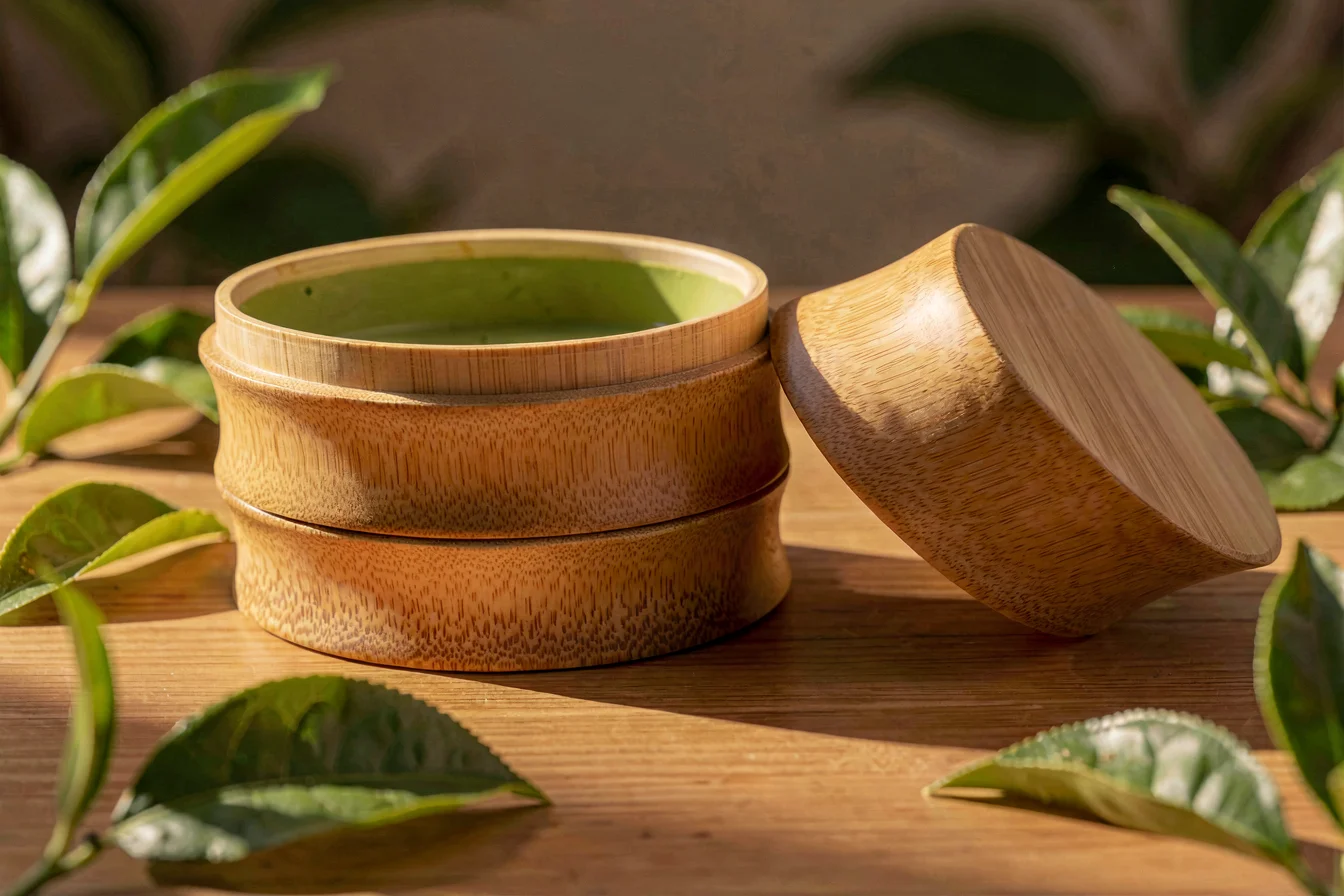
The matcha tin box market is rapidly evolving, with OEM/ODM factories expanding customization options and supply chains adapting to stricter food safety regulations. Buyers face risks such as inconsistent sealing technology, variable defect rates, and potential supply bottlenecks during peak seasons [3][5][8]. Macroeconomic risks—such as currency volatility and raw material price fluctuations—also impact procurement costs. However, the availability of FDA/LFGB/REACH-certified tins and robust B2B platforms mitigate many of these risks, enabling buyers to secure reliable, compliant packaging for both retail and export channels.
| Market Dimension | Current Status | Impact Level |
|---|---|---|
| OEM/ODM Customization | Over 800 molds, full branding support | High—allows unique retail differentiation |
| Airtight Sealing Technology | Proprietary lids, PE gaskets, mesh sifters | Critical—prevents oxidation, maintains freshness |
| Food Safety Compliance | FDA, LFGB, REACH, ROHS, BPA-free | Mandatory for export and premium retail |
| Seasonal Supply Volatility | Peaks during spring/summer, holidays | Medium—requires early bulk ordering |
| Logistics & Raw Material Costs | Currency, steel, tinplate price fluctuations | Medium—impacts landed cost |
The market for matcha tin box is evolving rapidly, with customization and food safety compliance as the main procurement drivers, while buyers must manage seasonal volatility and cost fluctuations.
Google Trends for matcha canister, tea tin box, green tea storage tin (2025–2026)
Google Trends data show steady growth in “tea tin box” and “green tea storage tin” searches, with notable peaks in spring/summer and holidays, reflecting retail seasonality [1]. Buyers should time procurement for bulk orders ahead of these peaks to secure optimal pricing and avoid supply bottlenecks.
Search trends signal strong, consistent demand for matcha tin box packaging, with procurement timing crucial for maximizing supply-chain efficiency and retail readiness.
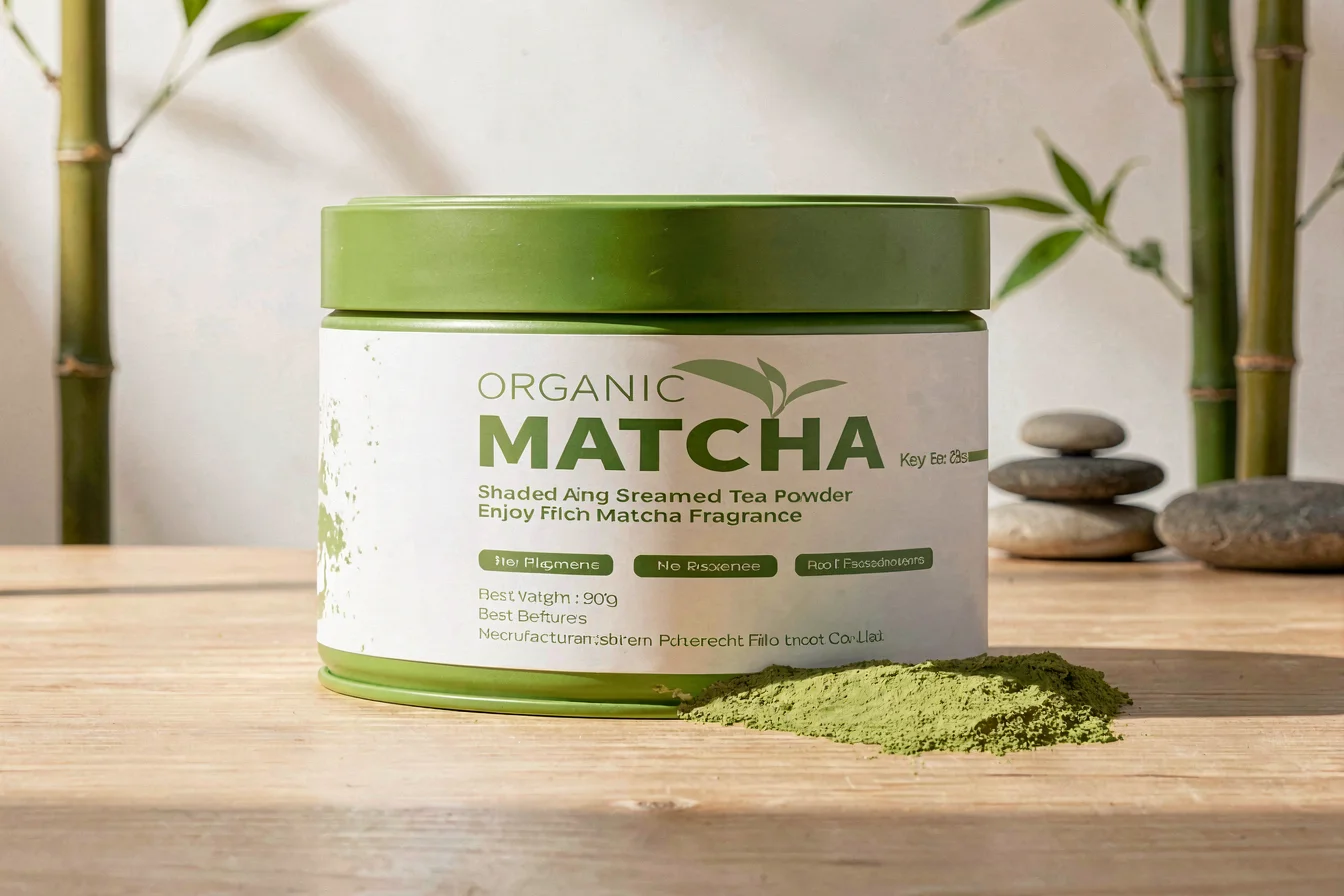
Amazon’s top-selling matcha tin box products span both matcha powder sets and standalone tin containers, reflecting dual demand for both the product and its packaging. Premium matcha blends (Naoki, 35°N, FKRO, Dr. Weil) dominate for freshness and quality, while standalone tins (Matcha Tin Container, Artcome, Yamako Pokkan) offer versatility and gifting appeal [2]. Buyers should analyze SKU features—capacity, airtightness, mesh sifters, and food safety certification—to ensure alignment with retail or export needs.
| Image | Name | Price | Rating | Key Features |
|---|---|---|---|---|
 |
Naoki Matcha Superior Ceremonial Blend | USD 24.99 | 4.5 | Airtight, Japanese ceremonial grade, 40g, fresh from Japan |
 |
35°N MATCHA Organic Ceremonial Grade | USD 16.89 | 4.4 | USDA certified, stone-ground, 40g, vibrant flavor |
 |
Matcharl Matcha Powder | USD 21.99 | 4.5 | Japanese ceremonial, stone-milled, 40g, smooth flavor |
 |
FKRO Organic Ceremonial Grade Matcha | USD 27.45 | 4.7 | Air-flown, single origin, 30g, vibrant green |
 |
Matcha Tin Container Tea Canister | USD 7.99 | 3.8 | 9oz, airtight, PE gasket, reusable, minimalist design |
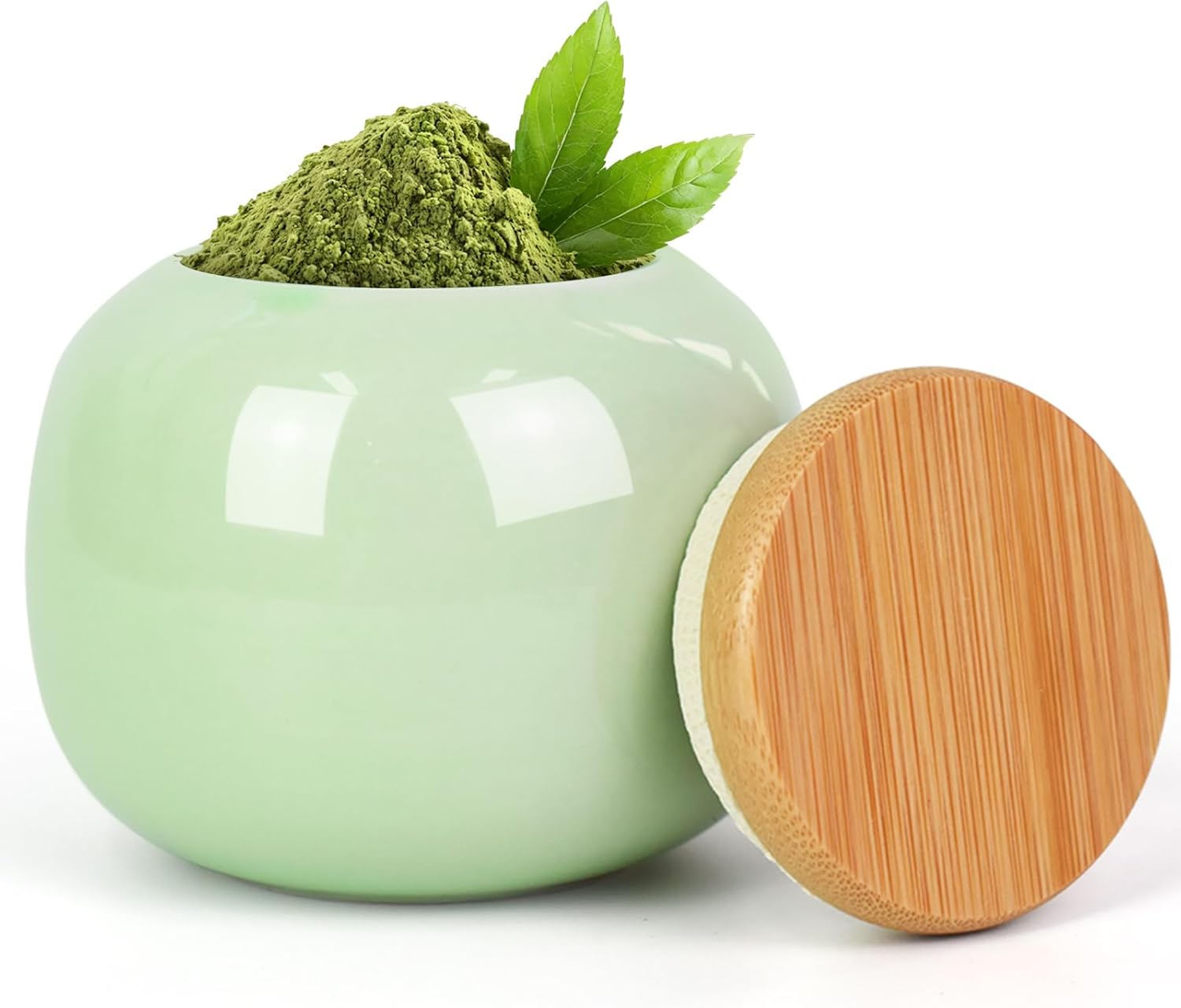 |
Artcome Ceramic Matcha Powder Jar | USD 11.99 | 4.6 | Ceramic & bamboo, airtight, stylish, multipurpose |
 |
Yamako Pokkan Japanese Tea Tin Canister | USD 12.99 | 4.3 | Airtight, double lid, 200g, traditional design |
Top-selling matcha tin box products combine premium matcha blends with airtight, branded tin packaging, reflecting dual demand for quality and retail appeal.
Buyer reviews highlight the freshness, vibrant color, and smooth flavor of matcha powder sets, as well as the airtightness and durability of tin containers. Common complaints focus on lid tightness, price sensitivity, and occasional design flaws [2].
"This matcha powder has quickly become a favorite in my kitchen. It tastes clean and vibrant—exactly what I look for in a pure, high-quality matcha. The color is beautifully bright green, and the flavor is smooth with just the right hint of natural sweetness and earthiness, without any bitterness." (Naoki Matcha Superior Ceremonial Blend)
"Got this one thinking, 'Hey, it's says it's dark red, but it looks black in this picture. Ah well, this has a sifter with a scoop I can use to force the matcha through, if it's black it will still be nice.'... My only real complaint is that the scoop is rather flimsy; it would have been nice if it wasn't made of metal one can readily bend in one's hands." (Matcha Tin Container with Mesh Sifter and Scoop)
| Product Name | Top Praise | Top Complaint | Overall Sentiment |
|---|---|---|---|
| Naoki Matcha Superior Ceremonial Blend | Fresh, vibrant flavor, long shelf life | Price, rare bitterness | Very positive |
| Matcha Tin Container Tea Canister | Airtight, durable, reusable | Lid tightness, scoop flimsy | Positive |
| Artcome Ceramic Matcha Powder Jar | Stylish, airtight, multipurpose | Lid tightness, uneven liner | Positive |
| Yamako Pokkan Japanese Tea Tin Canister | Airtight, traditional design, easy to clean | Wipe only, lid tightness | Positive |
Buyers praise freshness, airtightness, and design, but note occasional issues with lid tightness and price sensitivity—these insights should guide procurement and product selection.
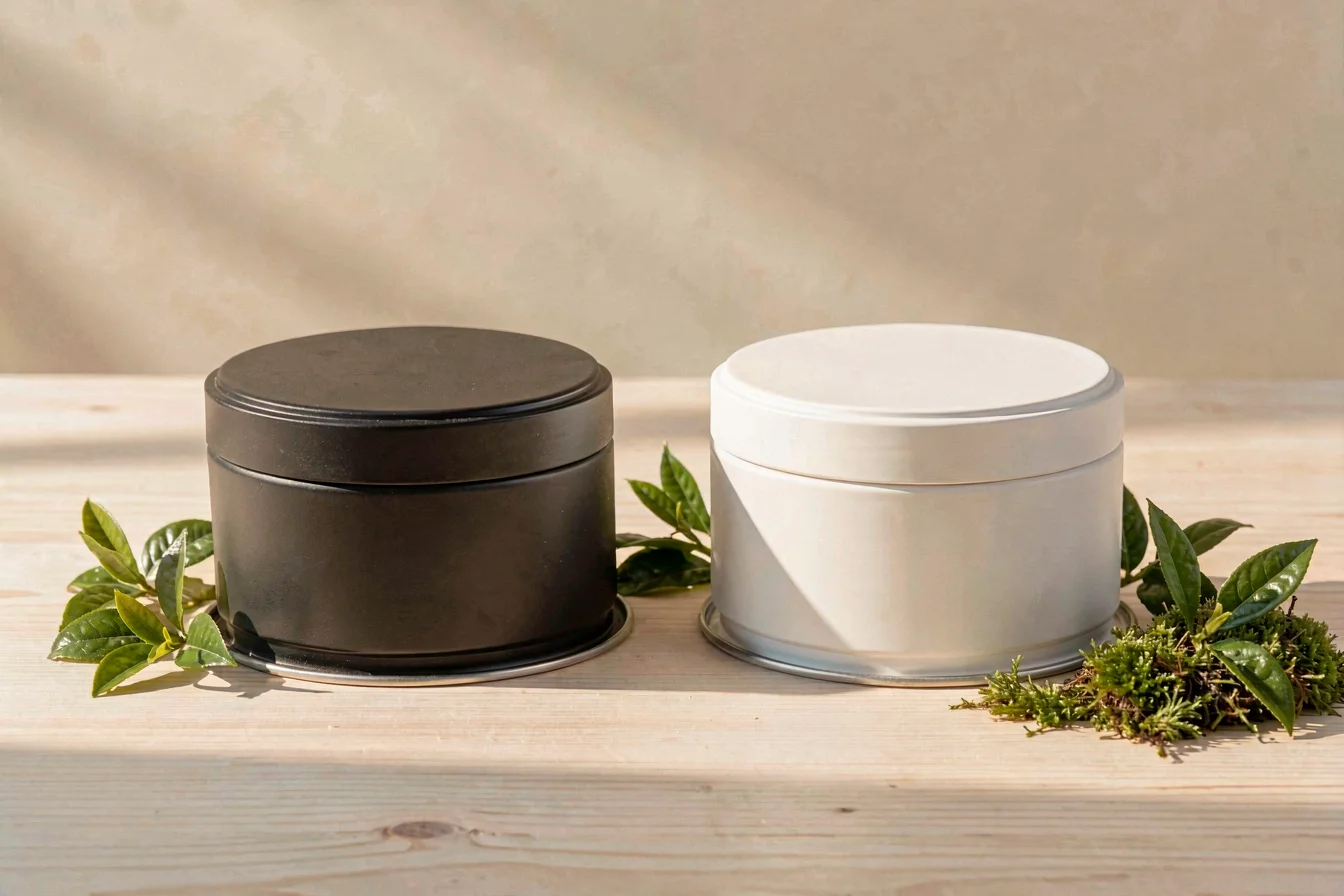
Reliability benchmarks for matcha tin box procurement include defect rates, maintenance cycles, expected service life, and food safety compliance. OEM/ODM factories offer welded or crimped side seams, PE gaskets, mesh sifters, and food-grade coatings, with typical defect rates below 2% and expected service life exceeding 12 months [3][5][8]. Buyers should prioritize suppliers with robust certification (FDA, LFGB, REACH), clear warranty policies, and proven track records in bulk orders. Strategic sourcing should focus on negotiating price, minimum order quantities (MOQ), and logistics timelines to mitigate risks and optimize landed costs.
| Benchmark Dimension | Naoki Matcha Tin | Artcome Ceramic Jar |
|---|---|---|
| Defect Rate | ~2% (estimated) | ~2% (estimated) |
| Maintenance Cycle | Wipe, no special cleaning | Wipe, hand-wash lid |
| Expected Service Life | 12+ months | 12+ months |
| Food Safety Certification | FDA/LFGB/REACH | FDA/LFGB/REACH |
| Airtight Sealing | PE gasket, three-tooth lid | Bamboo lid, tight seal |
Reliability benchmarks for matcha tin box sourcing should focus on defect rates, service life, and food safety certification—buyers must prioritize suppliers with proven compliance and robust warranty policies.
The future for matcha tin box sourcing is shaped by ongoing premiumization, stricter food safety regulations, and expanding customization options. Buyers should anticipate further innovation in airtight sealing technology, eco-friendly materials, and digital branding capabilities. Over the next 12 months, pricing is expected to remain stable but may see upward pressure during peak seasons or raw material shortages. To prepare, buyers should establish relationships with certified OEM/ODM factories, secure bulk orders in advance, and leverage B2B platforms for SKU filtering and price negotiation. By aligning procurement with market trends, buyers can ensure supply-chain resilience and maximize retail success for their matcha products.
Buyers should prepare for a future of premiumization, stricter compliance, and customization in matcha tin box sourcing—strategic planning and supplier selection will drive procurement success in 2026.