
All categories
Featured selections
Trade Assurance
Buyer Central
Help Center
Get the app
Become a supplier
As the calendar turns to 2026, Marshall speakers stand at the crossroads of tradition and trend, fueled by the energy of the Lunar New Year and a broader global shift toward aesthetically driven consumer electronics. Special-edition launches, such as the Emberton III Lunar New Year edition adorned with unique FCCK designs, capture the festive spirit and highlight Marshall’s ability to adapt its classic identity for today's party culture[2][3]. Whether serving as centerpiece gifts or essential gear for gatherings, Marshall’s legacy models and limited-editions amplify the season’s demand for elevated audio experiences.
Consumers in 2026 aren’t just seeking speakers—they’re seeking lifestyle statements. The market is seeing increased convergence between premium audio, design appeal, and innovative features (like True Stereophonic 360° sound and multi-day battery performance). These trends are spurred by celebratory events, home entertainment upgrades, and the continual desire for products that blend seamlessly into stylish environments.
Recent months have seen meaningful growth in gifting occasions, corporate branding initiatives, and the popularity of portable models for travel, home, and outdoor use[6]. The demand for replica and budget alternatives is also rising, driven by consumers keen on the Marshall look but shopping below flagship price points[9]. With more brands entering the Bluetooth speaker category, differentiation—through design, sound quality, and innovative engineering—is both a challenge and an opportunity for original manufacturers and resellers.
Amid these dynamics, international buyers face a nuanced decision process that goes beyond simple price comparison. Evaluating which models capture current demand, stand out as cultural icons, and deliver technical excellence will be crucial to navigating 2026’s rapidly evolving audio landscape.
Marshall speakers trace their origins back to Marshall Amplification’s rich heritage in British rock and studio sound. Originally renowned for their amplifiers powering countless stages through the 20th century, Marshall expanded into consumer audio by introducing home and portable speakers that borrowed visual cues—gold detailing, textured cabs, iconic script logo—from their professional amplifiers[2]. This fusion of technical prowess and retro-inspired design catalyzed a new era for lifestyle audio, appealing to both audiophiles and design-conscious buyers.
In 2026, Marshall’s product line includes both regular and limited-edition models across diverse segments:
Buyers must classify and compare speakers on several criteria:
Much of Marshall’s reputation in recent years has been shaped by passionate dialogue across social platforms and forums. Buyers gravitate toward Marshall products for their unmatched visual aesthetic, associating the brand with premium style, rock heritage, and home decor versatility[6][11]. Comments reveal that Marshall speakers routinely serve dual purposes—audio gear and decorative centerpiece—demonstrating high consumer regard for design integrity.
The community analysis highlights several key themes:
Sentiment analysis suggests Marshall retains a coveted position in the market—not always the leader in raw sales, but consistently top in user loyalty, brand advocacy, and perceived design prestige.
Marshall’s presence in the speaker market continues to be marked by a premium positioning strategy, seasonal launches, and strong collector demand. However, analyzing Amazon’s top-selling speakers data for recent months reveals that competitors (including Edifier, PRUNUS, Pyle, and Tribit) currently dominate sheer sales volume, leveraging lower price points and mainstream feature sets[1]. Simultaneously, Marshall’s unique sound signature and design-focused offerings maintain robust brand value, especially during cultural milestones and collector events[4][5].
Below is a comparative visualization of monthly sales volumes among Amazon’s top Bluetooth-enabled speakers, reflecting the market’s highly competitive nature. Marshall, while not in the top 10 for mass-market volume, maintains high desirability in higher price bands and is frequently sought for special occasions and décor-focused use cases.
The following bar chart illustrates normalized monthly sales volumes versus pricing for the top 10 Amazon hot selling speakers (none of which are Marshall, highlighting price-sensitive mainstream trends), lending context to the procurement landscape.
This chart reveals several actionable market insights:
Marshall’s own market intelligence demonstrates a distinct strategy: focusing on resonance with lifestyle buyers, collectors, and holiday shoppers, not toppling mass-market volume but driving higher per-unit margins and brand prestige. The seasonal launch of the Emberton III Lunar New Year edition (2026) typifies this approach[3], drawing on cultural storytelling, bespoke designs, and premium packaging as competitive levers.
Current regional price points for Marshall’s 2026 lineup (drawn from EU and US direct sale channels) support buyer segmentation:
This pricing reinforces their positioning above Amazon’s bestselling models but anchors the brand as a premium choice in both home and portable categories. The direct correlation between design-led limited editions and holiday launches suggests intentional market timing for buyer engagement.
Hot Selling Analysis: Top 10 Amazon Speaker Products Ranked by Sales Volume
Though Marshall does not appear among the top 10 Amazon bestselling speakers, this list provides critical comparative intelligence for buyers and sourcing managers seeking commercially proven products with strong resale and downstream customer demand[1]. Below is a detailed benchmarking table, including high-resolution product images, average star ratings, predominant features, retail and wholesale pricing.
| Rank | Product Image | Brand & Model | Monthly Sales Volume | Average Star Rating | Retail Price (USD) | Wholesale Price (USD) | Key Features |
|---|---|---|---|---|---|---|---|
| 1 | 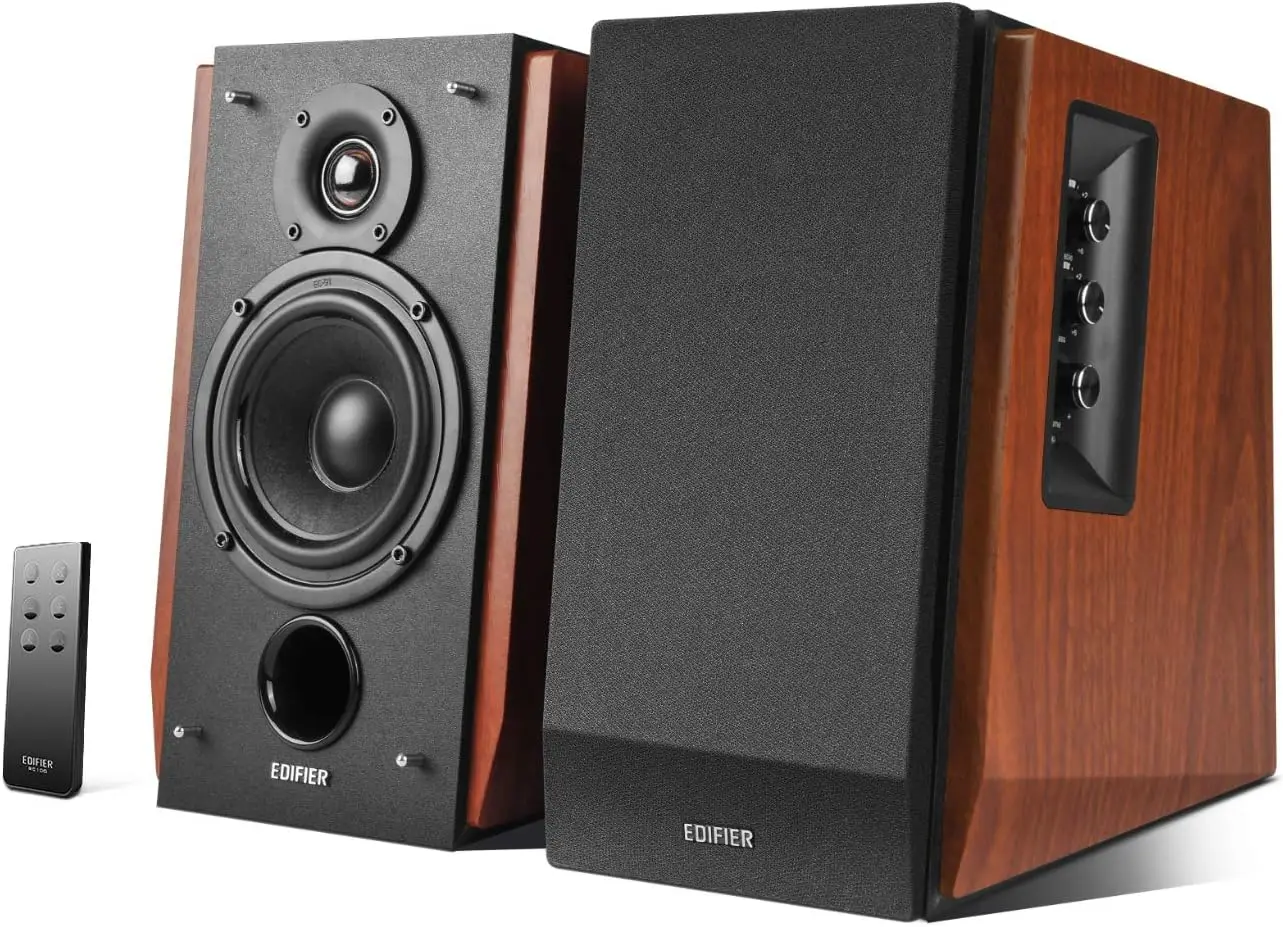 |
Edifier R1700BT Bluetooth Bookshelf Speaker | 855 | 4.6 | $191.82 | $38.0 | Active, 66w RMS, Wooden Enclosure, Bluetooth |
| 2 | 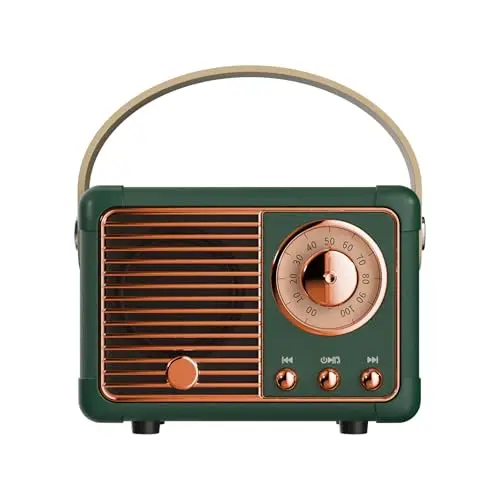 |
Retro Bluetooth Green Mini Portable Speaker | 805 | 4.2 | $13.4 | $4.25 | USB/TF/AUX, Vintage Radio Style, Gifts |
| 3 | 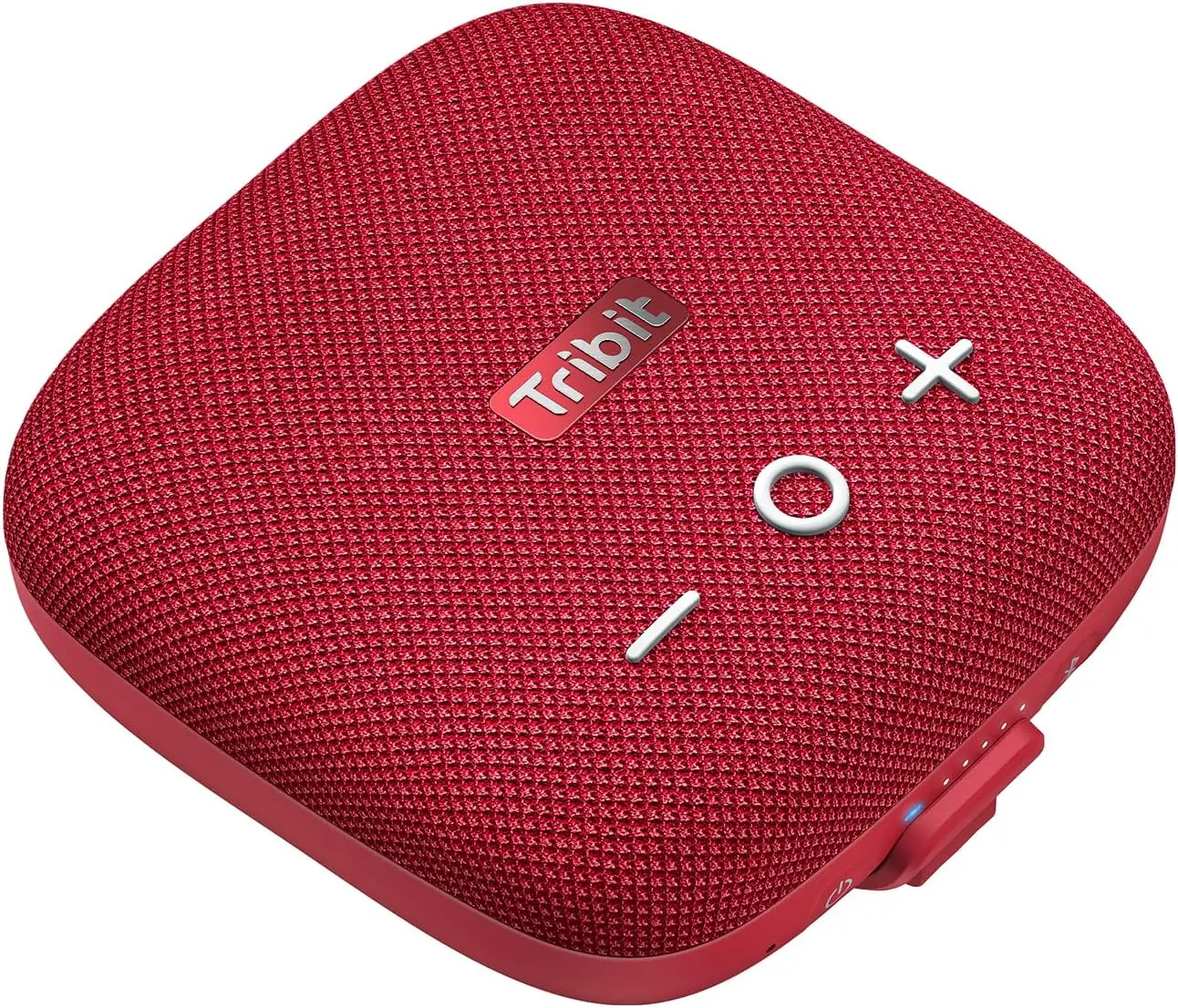 |
Tribit StormBox Micro 2 Portable Bluetooth Speaker | 763 | 4.5 | $58.94 | $29.6 | Bluetooth 5.3, XBass, IP67, 12H Playtime |
| 4 | 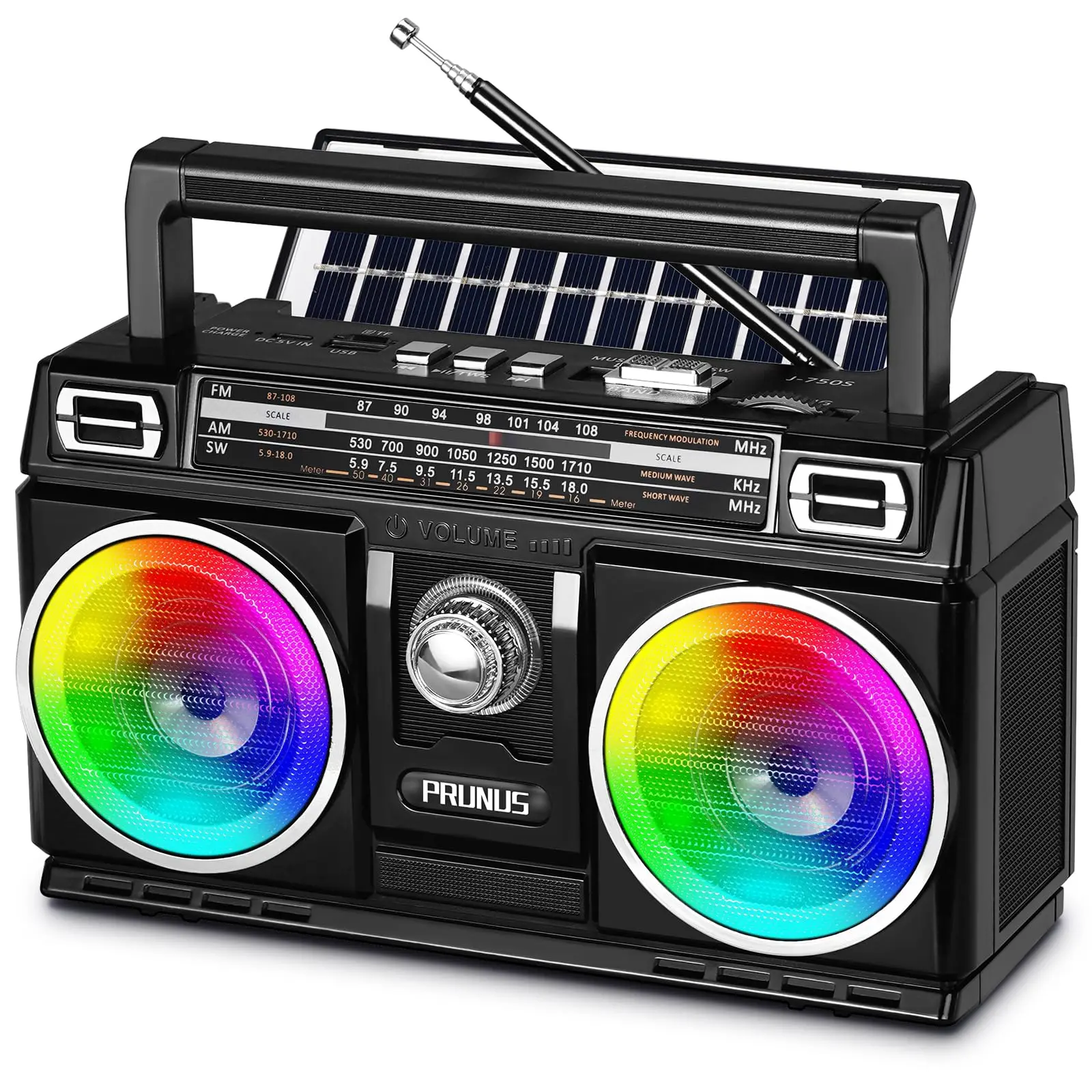 |
PRUNUS 750 AM FM Radio Portable with Bluetooth | 529 | 4.3 | $23.91 | $7.55 | AM/FM, USB-C/Solar Rechargeable, Double Speaker |
| 5 | 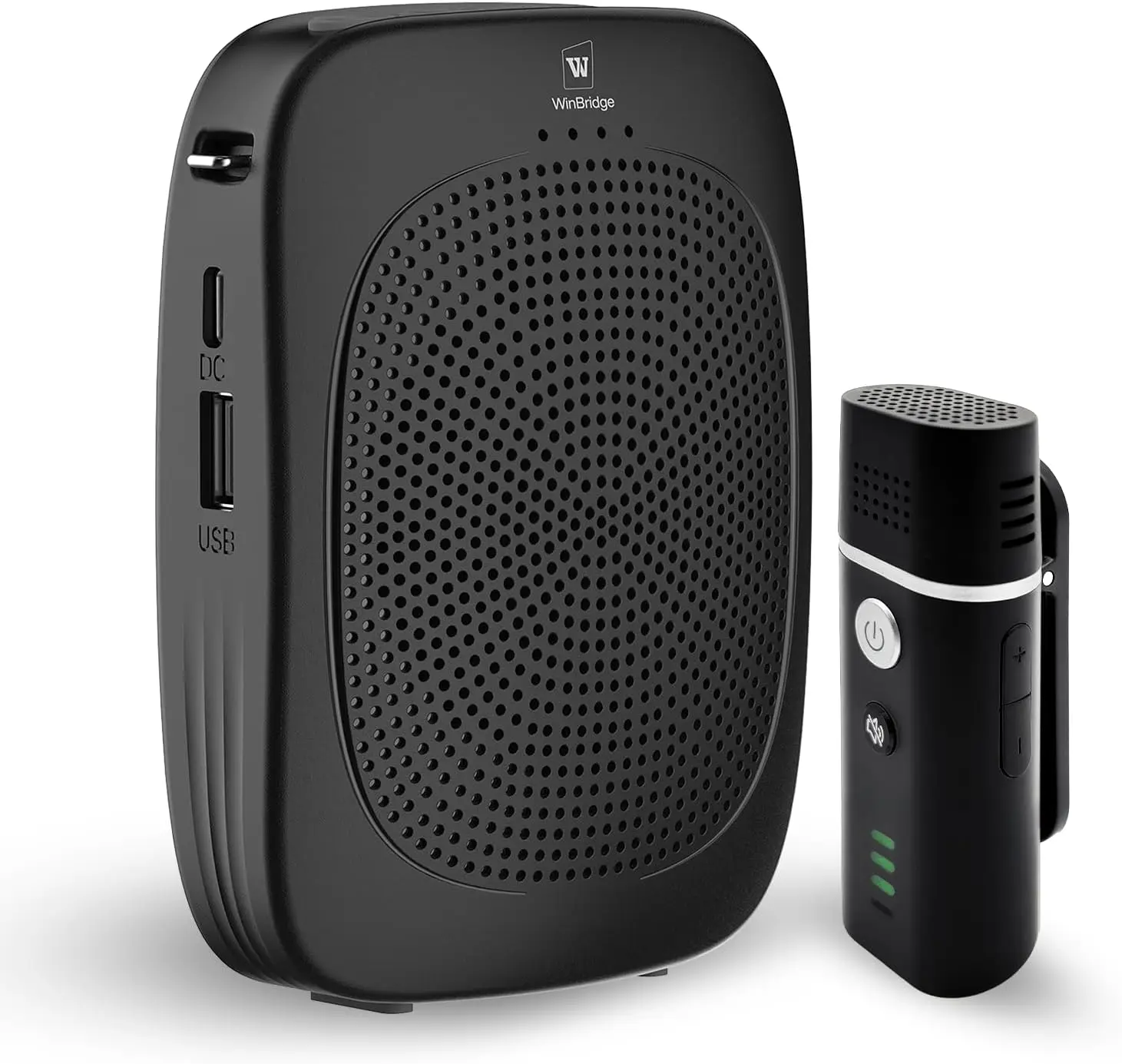 |
Bluetooth Voice Amplifier with Wireless Lavalier | 210 | 4.3 | $65.83 | $21.5 | Mini Megaphone PA, Portable, Public Events |
| 6 | 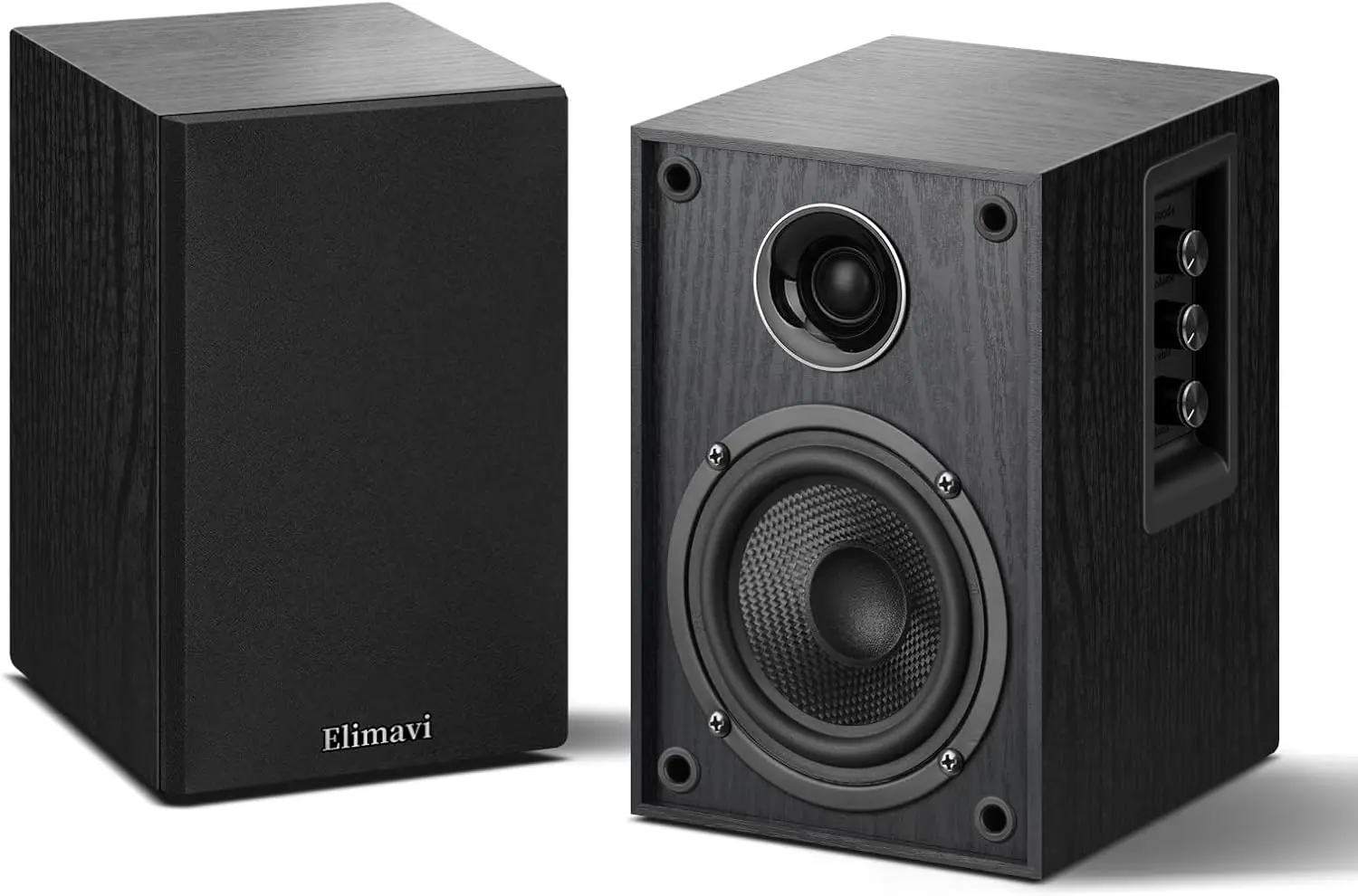 |
Elimavi Bookshelf Speakers | 145 | 4.2 | $74.83 | $46.11 | 40Wx2, 4” Woofer, Silk Dome Tweeter, BT5.3 |
| 7 | 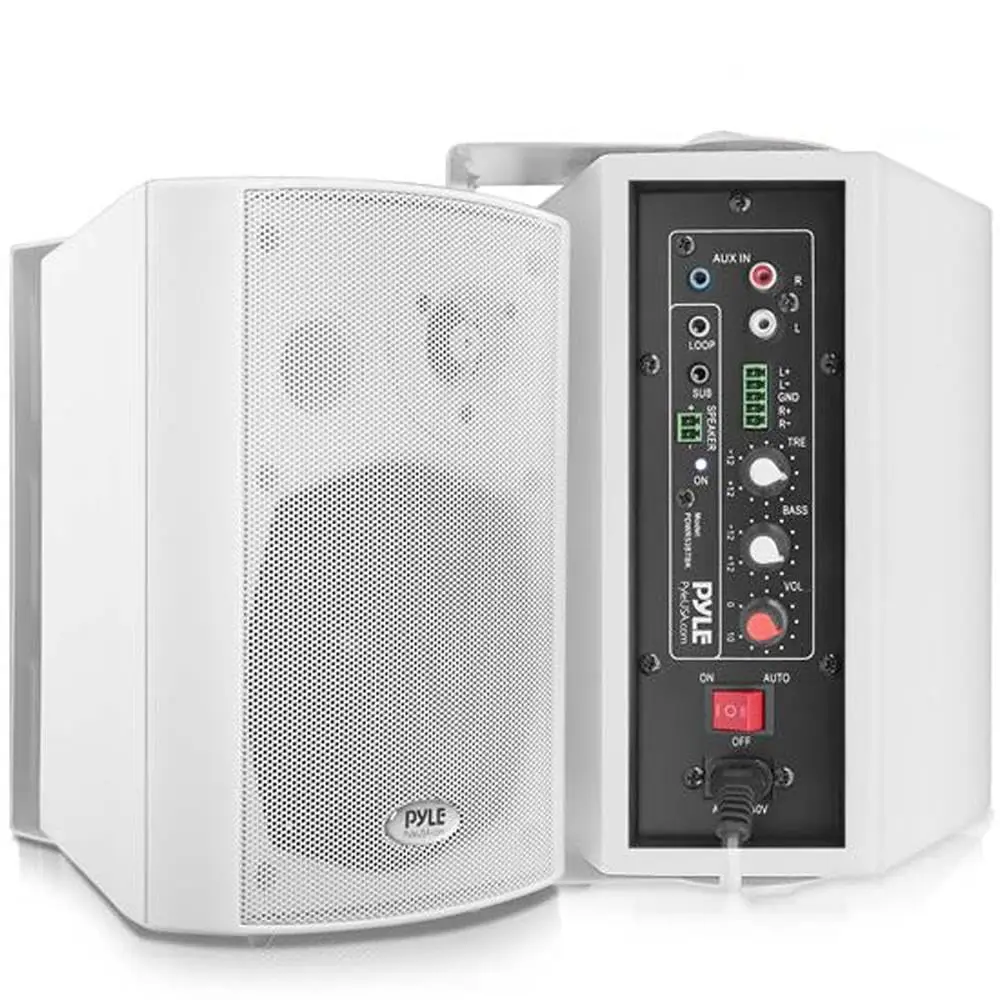 |
Pyle Wall Mount Home Speaker System | 131 | 4.2 | $142.15 | $57.41 | Active/Passive, Wireless Bluetooth, RCA/Aux |
| 8 | 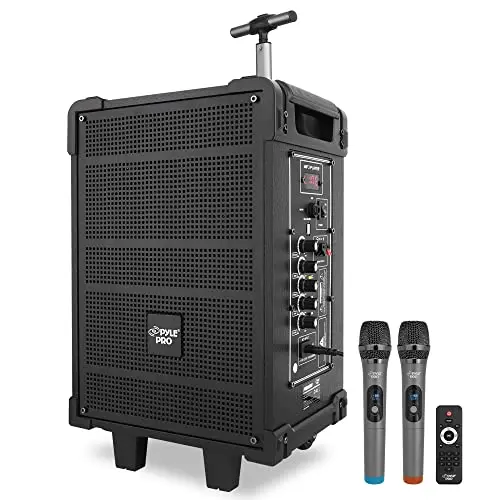 |
Pyle 8” Portable Wireless Bluetooth Speaker | 86 | 4.1 | $148.86 | $44.37 | Rechargeable, Wireless Mic, FM, USB/Micro SD |
| 9 | 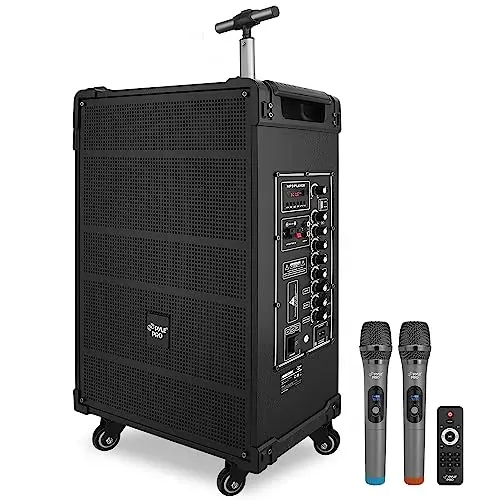 |
Pyle 12” Portable Wireless Bluetooth Speaker | 48 | 3.8 | $235.36 | $39.5 | Rechargeable, Wireless Mic, FM, USB/Micro SD |
| 10 | 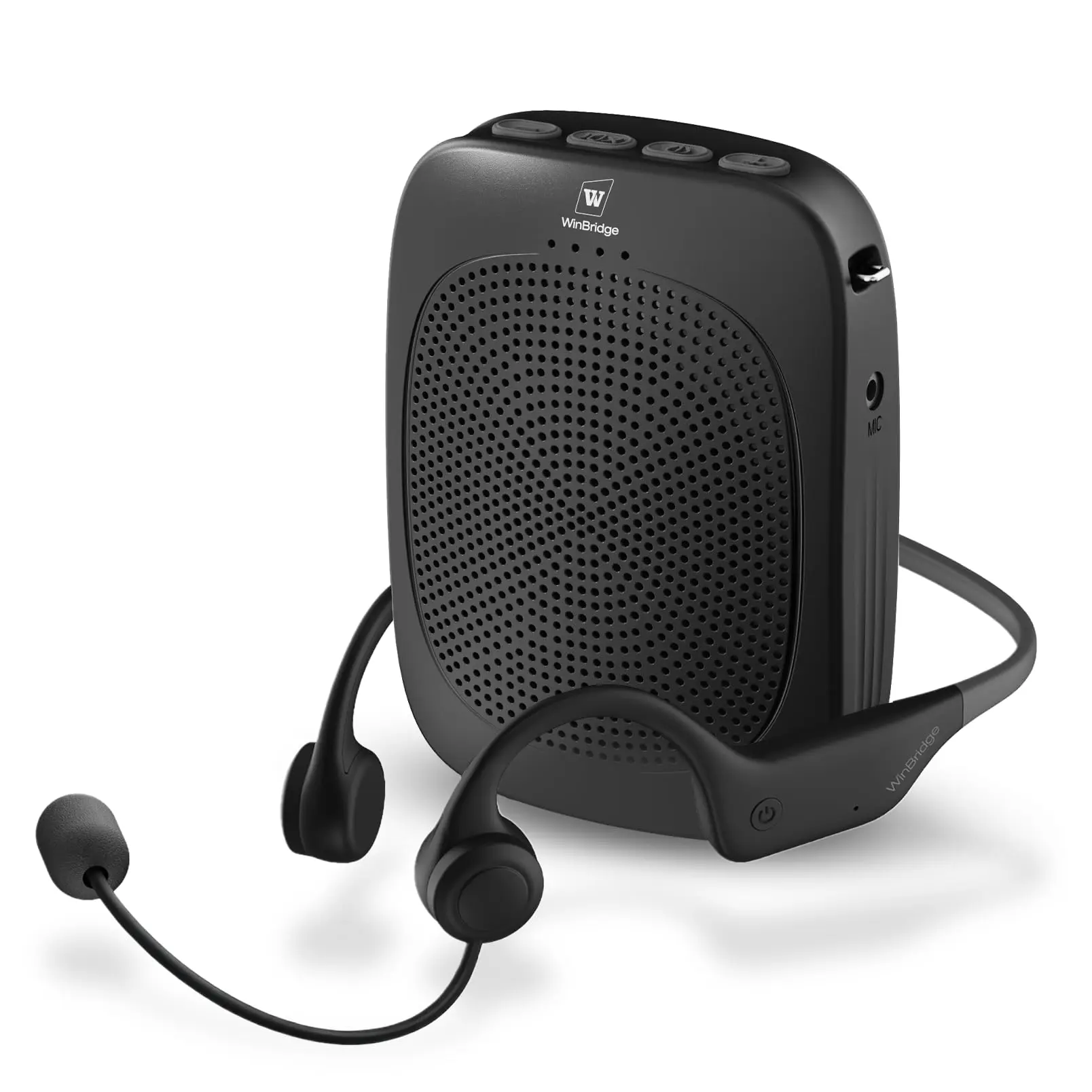 |
Bluetooth Voice Amplifier w/ Wireless Earhook | 21 | 4.7 | $64.78 | $20.2 | Mini Megaphone PA, Wireless Headset, Teaching |
Table data sourced from [1].
For buyers, these results indicate a strong consumer pull toward mid-priced, multi-functional, Bluetooth-enabled products—most exhibiting vintage styling echoes reminiscent of Marshall, but without the price premium or collector branding.
Buyers sourcing speakers for 2026 should recognize that while these products (especially Edifier and Tribit) command mainstream sales, Marshall’s enduring desirability stems from the combined emotional value of heritage design, premium packaging, and festive branding. Replicas succeed largely on cost and appearance, but rarely substitute the full experience for discerning clientele[9]. Therefore, procurement should aim for a strategic balance: prioritizing volume lines for retail velocity, preserving premium lines for seasonal and brand elevation.
Successful sourcing of Marshall speakers in 2026 relies on a multi-tiered approach, balancing design-led brand requirements and technical validation against a rising tide of replicas and competitive alternatives.
Key procurement best practices include:
Adherence to these detailed sourcing protocols enables buyers to secure authentic Marshall products, optimize for seasonality, and defend against market dilution by replica products with inferior technical support.
In conclusion, the Marshall speaker market for 2026 reflects a powerful blend of iconic design, premium audio engineering, and cultural storytelling. While Amazon’s volume leaders currently favor lower-cost alternatives and design-driven competitors, Marshall’s enduring appeal arises from its capacity to merge function with style, provenance with innovation, and festive branding with technical excellence.
For international B2B buyers, sourcing decisions should center around strategic timing (themed launches, gifting cycles), meticulous supplier validation, and an intelligent balance of volume and prestige product lines. Recognizing the growing popularity of replicas, buyers should elevate authenticity, app-integrated usability, and collector packaging as core criteria.
The coming 6-12 months present an opportune moment to:
Ultimately, the intelligence outlined here empowers buyers to move confidently in the Marshall speaker segment, poised to capture both market share and brand capital in the shifting soundscape of 2026.