
All categories
Featured selections
Trade Assurance
Buyer Central
Help Center
Get the app
Become a supplier
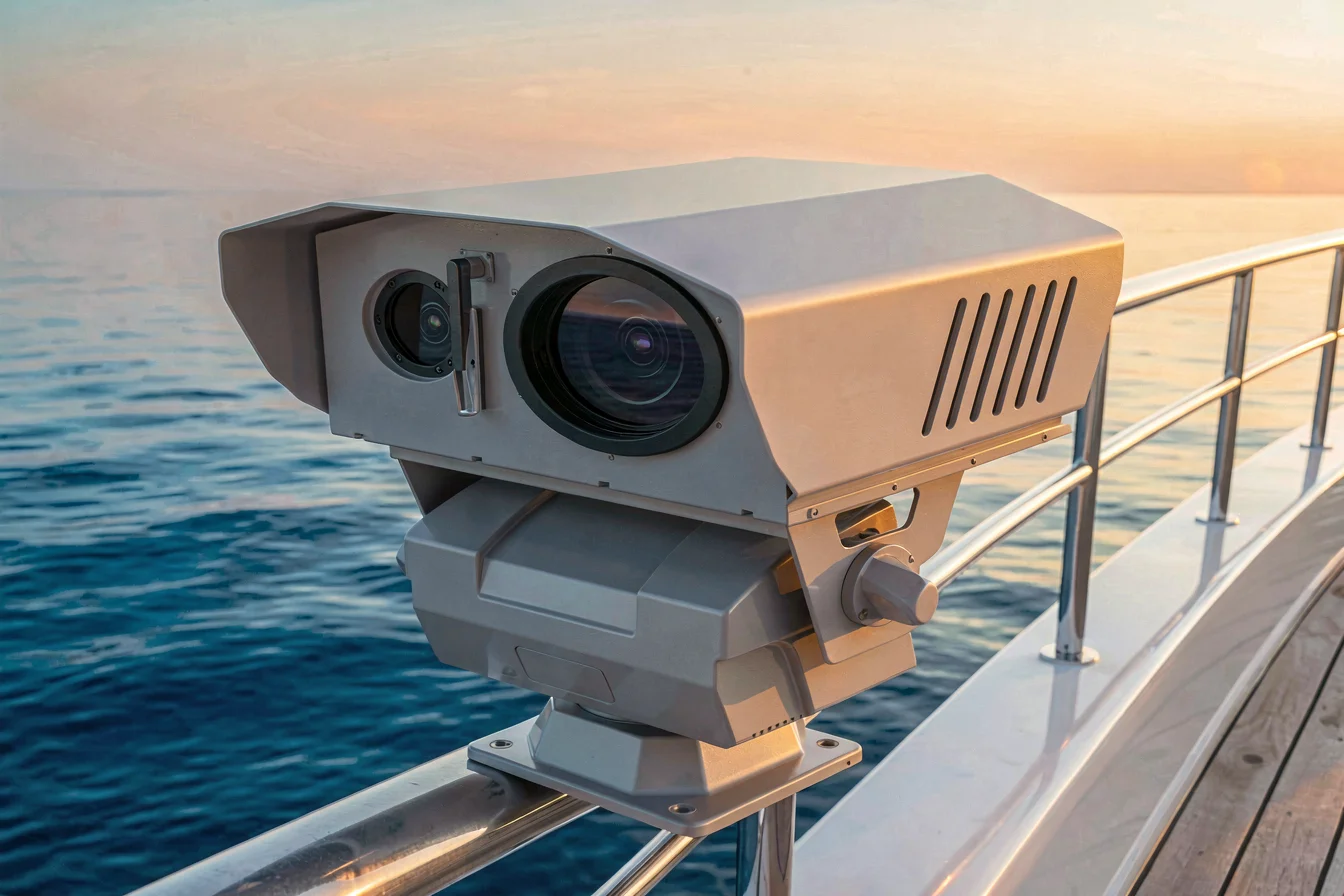
Marine thermal camera adoption is accelerating in both commercial and recreational sectors, driven by increased safety requirements and regulatory upgrades[1][2][3]. The market is segmented by resolution, integration, and price, with FLIR and Raymarine dominating premium supply, while budget brands like TOPDON and Mileseey fill the mid-tier. Buyers should prioritize reliability, integration, and supplier QC, as seasonality peaks in Q4–Q1 due to fleet modernization and safety mandates[1][2].
The marine thermal camera category is trending due to heightened safety regulations, rising insurance requirements, and growing demand for all-weather navigation and asset monitoring. Buyers must understand the evolving regulatory landscape, including new compliance mandates for commercial fleets, and recognize the technical distinctions between native and super-resolution models. The selection criteria for this curated list emphasize integration capability (Ethernet/IP), ruggedness (IP54/IP69K), and proven reliability from reputable brands like FLIR, Raymarine, and Garmin. Emerging AI-powered models are also reshaping procurement logic, offering advanced tracking and situational awareness[3].
| Trend Factor | Current Status | Impact on Buying Decision |
|---|---|---|
| Safety Regulations | Strengthening globally | Mandatory upgrades for commercial vessels |
| AI Integration | Emerging in premium models | Enables advanced tracking and situational awareness |
| Budget Options | Expanding market share | Accessible for recreational and small commercial buyers |
| Integration Complexity | Ethernet/IP dominant | Requires careful vendor selection for compatibility |
| Seasonality | Peaks Q4–Q1 | Optimal timing for bulk procurement |
Buyers should focus on integration, reliability, and regulatory compliance when sourcing marine thermal camera systems, as these factors directly impact long-term value and safety outcomes.
Market volatility for marine thermal camera systems is low, with steady growth in both commercial and recreational segments. Supply chain resilience is strong, with leading brands (FLIR, Raymarine) maintaining robust inventory and OEM support. Macro drivers include fleet modernization, insurance cost reduction, and rising demand for night navigation and asset monitoring. Supply chain risks are minimal, but buyers must monitor logistics for IP-rated units and ensure compliance with regional safety mandates. AI-powered systems are introducing new performance benchmarks, while budget models are expanding accessibility but face reliability and integration challenges[1][2][3].
| Market Dimension | Current Status | Impact Level |
|---|---|---|
| Commercial Fleet Upgrades | Accelerating | High |
| Recreational Adoption | Steady growth | Medium |
| AI-Powered Systems | Emerging | Medium |
| Budget Brand Penetration | Expanding | Medium |
| Logistics & Compliance | Stable | Low |
The market for marine thermal camera systems is stable and growing, with commercial upgrades and AI integration driving procurement decisions, while budget brands offer expanding accessibility but require careful vetting for reliability.
Google Trends: Marine thermal camera, infrared, night vision, 2025–2026
Google Trends data shows a steady upward trajectory for "marine night vision camera" and "marine thermal imaging camera" searches from March 2025 to February 2026, with notable peaks in late summer and winter[1]. These spikes align with fleet upgrade cycles and regulatory compliance periods, signaling optimal procurement windows for buyers. The persistent rise in search interest reflects growing awareness and safety mandates, while "marine infrared camera" searches remain stable but less dominant. Buyers should time bulk orders around these peaks for maximum leverage.
Google Trends confirm steady demand growth for marine thermal camera systems, with procurement timing best aligned to Q4–Q1 for commercial upgrades and regulatory compliance.
Reddit and TikTok discussions highlight ruggedness, portability, and integration as the main strengths of marine thermal camera systems. Users value compact, durable models and prioritize ease of use, but frequently cite boot time and resolution as pain points. Reddit threads reveal that FLIR remains the brand of choice for professional use, while budget models like Topdon and Mileseey are praised for value but criticized for reliability and screen defects[4][5][6][7][8]. TikTok content is less prevalent, but trending hashtags focus on night navigation, safety upgrades, and integration tips. Sentiment is positive for premium brands, but budget models face skepticism and mixed reviews, especially for integration and long-term reliability.
"Super portable, compact and rugged. Flir C5 thermal camera" [4]
"I used to be a FLIR fanboy, but I have to say my Topdon TC005 with 256x192 vs 160x120 on the FLIR C5, and $200 less money makes this a hard sell for me personally." [4]
| Dimension | Reddit Insights | TikTok Insights |
|---|---|---|
| Ruggedness | Highly valued; preferred for field use | Emphasized in safety upgrade videos |
| Portability | Compact models favored | Showcased in "hands-on" demos |
| Integration | Ethernet/IP compatibility critical | Integration tips in trending content |
| Boot Time | Frequent criticism | Not widely discussed |
| Resolution | Native vs super-resolution debate | Highlighted in comparison videos |
Online sentiment favors rugged, portable marine thermal camera systems with strong integration, but budget models face reliability and boot time criticisms, requiring careful supplier vetting for commercial buyers.
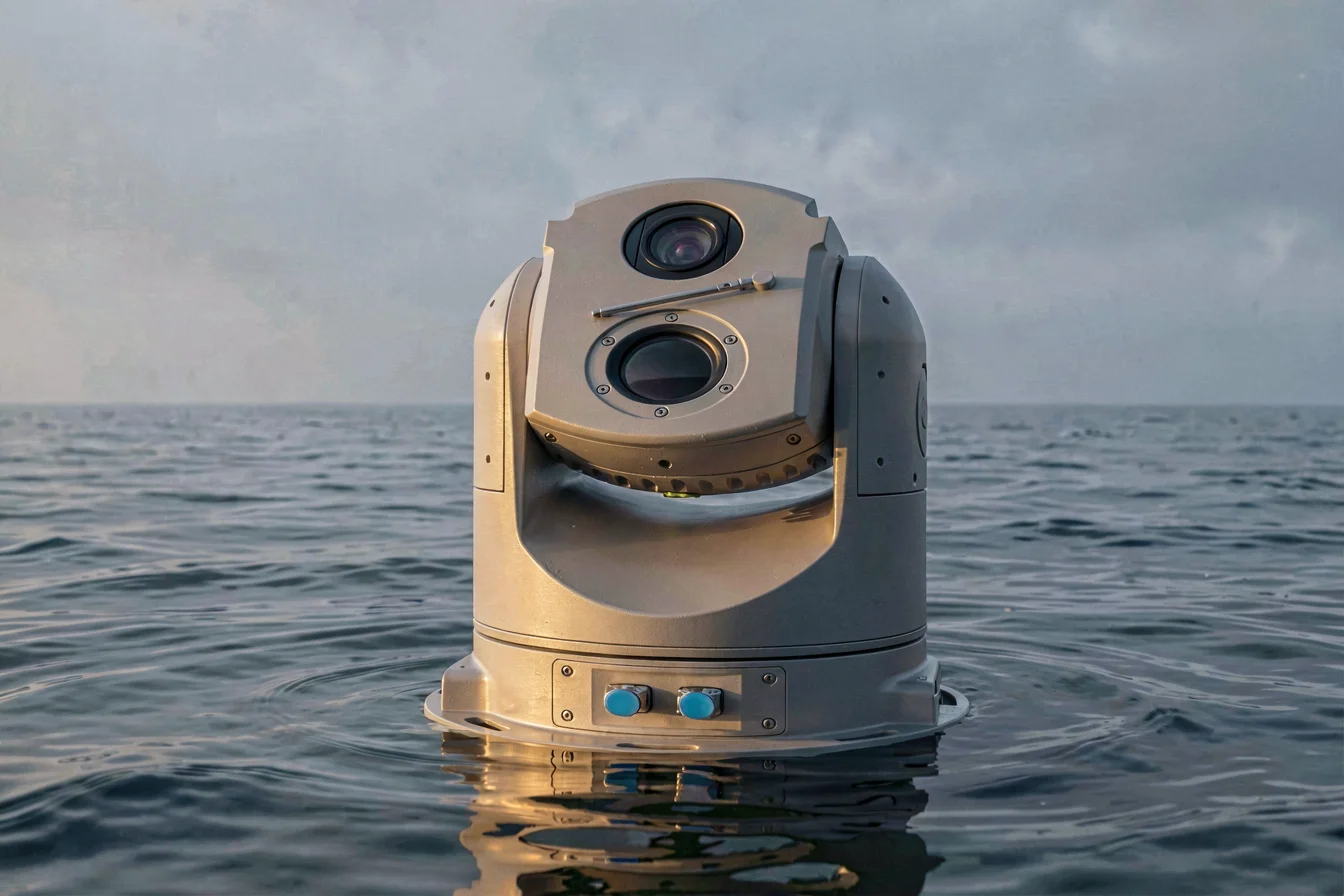
Amazon sales data show FLIR M232 and M364 dominate the premium segment, with Raymarine AX8 and Garmin GC12 gaining traction in hybrid and analog applications[2]. Budget models like TOPDON TC004 and NV001 fill the mid-tier, offering portability and affordability. Buyers should consider integration (Ethernet/IP), ruggedness (IP54/IP69K), and proven reliability when selecting SKUs.
| Image | Name | Price | Rating | Key Features |
|---|---|---|---|---|
 |
FLIR E70354 M232 Pan Tilt Thermal Camera 9hz | $3095 | 5.0 | 320x240, 9Hz, Ethernet/IP, pan/tilt, IP video, integration |
 |
FLIR E70354 M232 Thermal Camera, Pan/Tilt, Compact | $3095 | 5.0 | 320x240, 2x digital zoom, Ethernet/IP, pan/tilt, integration |
 |
TOPDON TC004 Mini Thermal Imaging Camera | $149.99 | 4.5 | 240x240 TISR, 15hr battery, IP54, 5 color palettes |
 |
FLIR M364 Thermal Camera, 640x512, Stab. | $14995 | — | 640x512, stabilization, high resolution |
 |
TOPDON NV001 Thermal Camera for Cars | $499 | 3.8 | 656ft range, AI recognition, IP69K, anti-collision |
 |
FLIR M332 Thermal Camera, 320x256, Stab. | $8534 | — | 320x256, stabilization, high resolution |
 |
Dark 30 PTZ 640 Thermal Camera for Vehicle | $6499.97 | — | 640, PTZ, app/wired viewing, rugged build |
 |
Raymarine E70321 AX8 Thermal Monitoring Camera | $1299.85 | — | Thermal/visible, Ethernet/IP, machine monitoring |
 |
Garmin GC 12 Marine Camera | $350.97 | 4.1 | Analog, low light, networked displays, reverse-image |
 |
Flir M300C Stabilized Visible IP Camera | $7695 | — | Stabilized visible, thermal, remote viewing, marine IP |
Top-selling marine thermal camera models combine high resolution, rugged design, and integration for commercial and recreational buyers, with budget options offering portability but facing reliability challenges.
Amazon reviews consistently praise FLIR M232 and M364 for integration, safety, and navigation, with buyers highlighting their ability to detect hazards at night and improve situational awareness. TOPDON TC004 is praised for portability and temperature measurement but criticized for budget resolution and reliability. Garmin GC12 is valued for analog quality but faces criticism for limited features. Common complaints include boot time, screen defects, and integration complexity for budget models.
"Súper brutal , es la mejor inversión que eh hecho des de que compre mi embarcación , realmente los capitanes que le guste navegar bajo las estrellas y la luna como yo ! Les recomiendo este producto específicamente!! Es lo ideal !! La recomiendo 100%" [2]
"Es la mejor alternativa para los capitanes nocturnos!La recomiendo al 100%" [2]
| Product Name | Top Praise | Top Complaint | Overall Sentiment |
|---|---|---|---|
| FLIR E70354 M232 | Integration, safety, navigation | Boot time, price | Strong positive |
| TOPDON TC004 | Portability, temperature measurement | Resolution, reliability | Mixed |
| Garmin GC12 | Analog quality, low light | Limited features | Positive |
Buyers consistently praise integration and safety for premium marine thermal camera models, while budget options face reliability and resolution complaints, reinforcing the need for careful supplier vetting.
Reliability benchmarks for marine thermal camera systems focus on defect rates, maintenance cycles, and service life. FLIR and Raymarine models consistently deliver low defect rates and long service life, while budget brands face higher rates of boot loops and screen defects[4]. Buyers should prioritize OEM/ODM partners with proven QC, map potential bottlenecks in logistics and raw materials, and negotiate price based on integration complexity and warranty terms. Strategic sourcing involves verifying supplier certifications (IP54/IP69K), negotiating for warranty extensions, and ensuring compatibility with existing electronics.
| Benchmark Dimension | FLIR M232 | TOPDON TC004 |
|---|---|---|
| Defect Rate | Low | Moderate |
| Maintenance Cycle | Annual | Quarterly |
| Expected Service Life | 5–10 years | 2–5 years |
| Integration Complexity | Low | High |
| Warranty | 3 years | 1 year |
Reliability benchmarks favor premium marine thermal camera brands for long-term value and minimal maintenance, while budget models require closer supplier vetting and more frequent maintenance.
Looking ahead, the marine thermal camera market will see continued growth driven by AI-powered tracking, enhanced integration, and stricter safety mandates. Buyers should prioritize procurement in Q4–Q1 to align with fleet upgrades and regulatory cycles, selecting models with proven reliability, robust integration, and strong warranty support. As AI and super-resolution technologies mature, buyers can expect further price segmentation and expanded functionality, making strategic supplier selection and risk mitigation even more critical. To ensure supply chain resilience, buyers should leverage Alibaba.com’s platform for OEM/ODM customization, warranty negotiation, and logistics optimization, securing long-term value and safety in their maritime operations.
The future of marine thermal camera procurement is shaped by AI integration, regulatory upgrades, and strategic sourcing—buyers should act decisively in Q4–Q1 to maximize value and safety outcomes.