
All categories
Featured selections
Trade Assurance
Buyer Central
Help Center
Get the app
Become a supplier
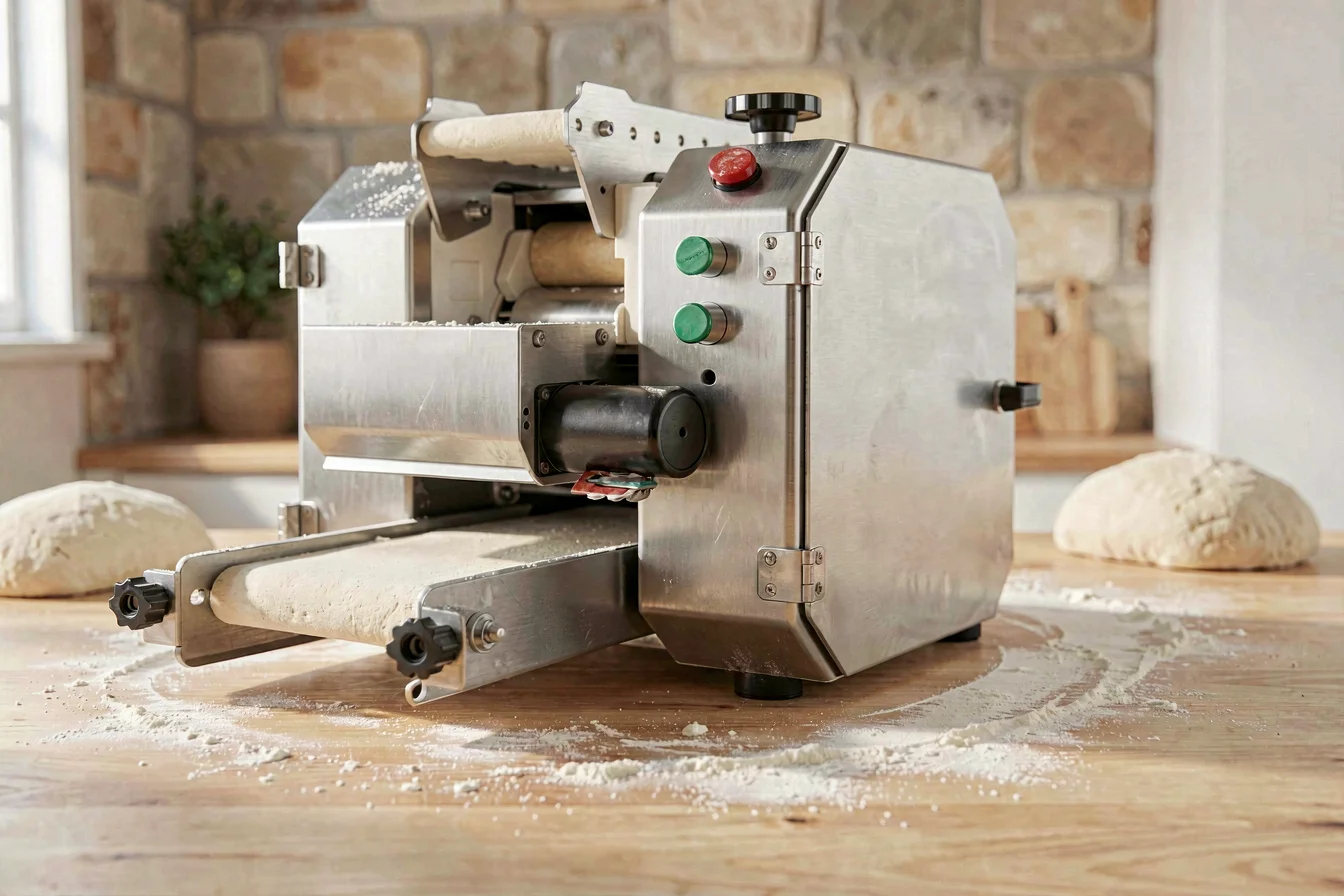
In 2026, the global market for empanada making machine is flourishing due to the convergence of commercial bakery automation and DIY culinary trends. High-output models dominate food factory procurement, while affordable presses and electric units drive retail sales, showing strong seasonality from autumn through year-end. Buyers must prioritize throughput, modularity, and certifications for profitable sourcing as demand intensifies [1][2][3][4].
The empanada making machine category is trending in 2026 due to surging food entrepreneurship, intensified festival catering, and scalable restaurant menu diversification. Market adoption is driven by supply chain efficiency (commercial buyers), growing home chef interest (retail consumers), and rising Latin American culinary influence globally. Buyers must distinguish between manual presses, semi-automatic units, and industrial machines, pay attention to material safety certifications, output ranges, and warranty specifics, and select suppliers offering OEM customization, especially for multipurpose commercial solutions.
| Trend Factor | Current Status | Impact on Buying Decision |
|---|---|---|
| Automation Demand | Peak: Commercial factories now require modular machines with 3,000–5,000 empanada/hour output | Buyers must assess labor-saving ROI and flexibility for shape/filling changeover |
| Home Culinary Trend | Strong: DIY empanada kits and electric presses rise in consumer popularity | Retail buyers prioritize ease-of-use, durability, and multi-functionality |
| Seasonal Demand | Sharp spikes August–December (festival, holiday catering) | Sourcing volume should ramp in Q2–Q3 to avoid shortages |
| Material Safety | Stable: Food-grade stainless steel and FDA certifications now minimum standard | Mandatory for commercial procurement; buyers should request documentation |
| OEM Customization | Rising: Shape, mold, and filling modularity now widely available | B2B buyers must specify unique requirements upfront |
The supply landscape for empanada making machine is marked by a shift toward high-capacity, modular automation as food manufacturers and large kitchens seek efficiency and brand differentiation. Meanwhile, consumer demand for easy-to-use, versatile presses and electric units is diversifying product offerings at the retail level. COVID-era labor shortages accelerated factory investments in automated models, now standardized for 3,000–5,000 units/hour, and manual presses form the entry point for new restaurants or home bakers. Macroeconomic risks include raw material price volatility (steel, food-grade plastics), logistics bottlenecks in Q3 (especially for seasonal spikes), and regulatory tightening on hygiene certification. Leading suppliers focus on robust warranty, rapid mold customization, and compliance integration (FDA, CE, food contact certifications).
| Market Dimension | Current Status | Impact Level |
|---|---|---|
| Commercial Automation | Rapid adoption (75% labor reduction possible) | Very High |
| Retail Diversification | Expanded SKU range: manual, electric, hybrid | High |
| Supply Chain Risk | Material volatility, logistics congestion Q3 | Moderate |
| Regulatory Compliance | Hygiene, food contact certification | Critical |
| OEM Customization | Shape, filling, mold modularity rising | High |
Table data sourced from [3][4].
Global Empanada Making Machine Search Trends (2025–2026)
Google Trends analysis highlights a clear upward movement for "empanada press machine" queries from March 2025 through February 2026, peaking sharply in November (value 90), then remaining high through winter, confirming strong festival and retail seasonality. "Empanada folding machine" also mirrors this trend, but with smaller amplitude. The lower-volume, steady performance for "empanada dough maker" indicates that buyers focus on finished press/folding models for end-to-end solution procurement. Optimal procurement window is Q2–Q3 for both B2B and retail buyers; real-world purchase intent surges ahead of holidays, favoring proactive sourcing strategies. [1]
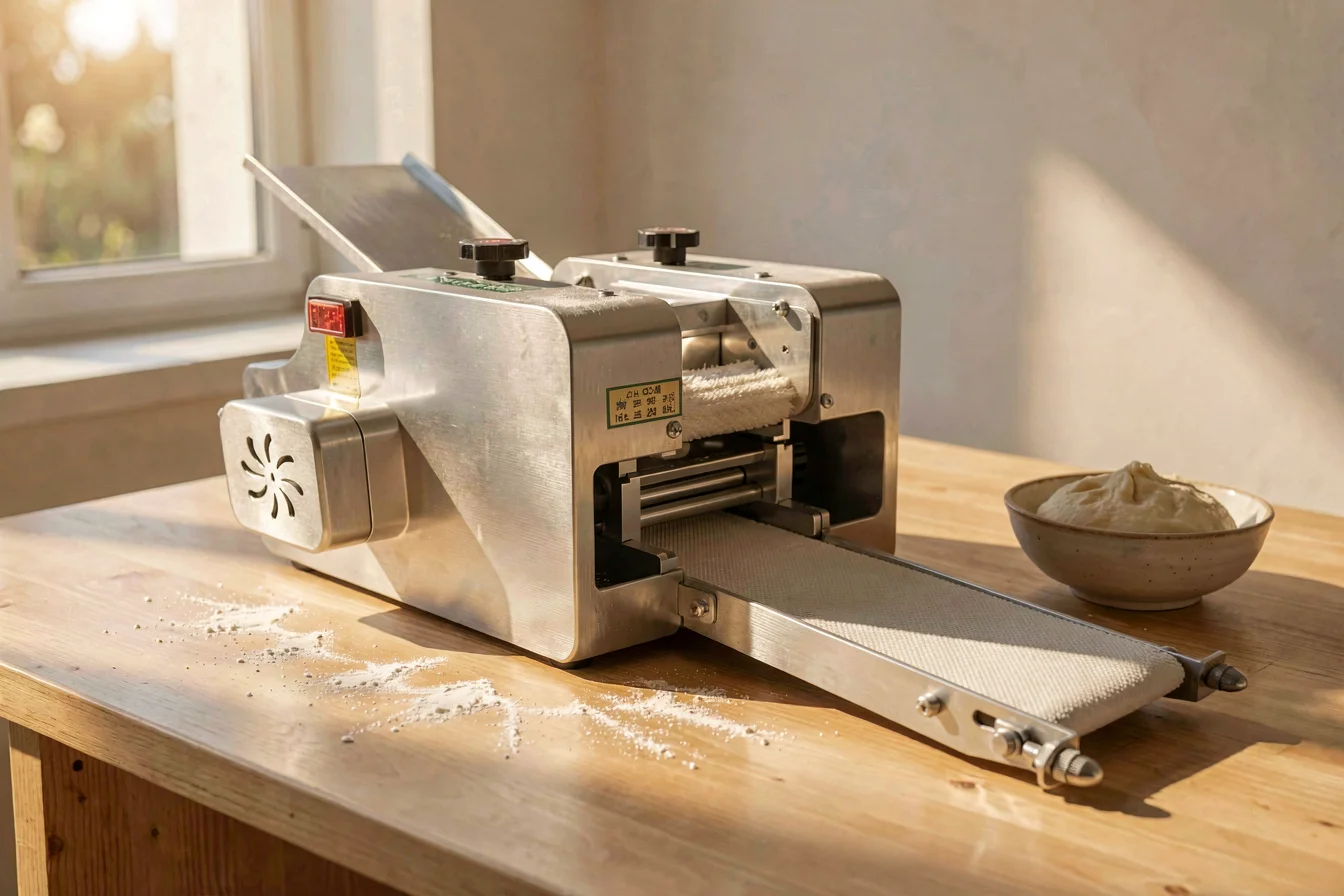
Retail momentum for empanada making machine is dominated by ergonomic manual presses, electric compact units, and multipack stainless steel molds. Top SKUs offer universal compatibility (empanadas, dumplings, calzones, pierogi), quick sealing features, and dishwasher safety. Home buyers increasingly prefer portable and easy-to-clean designs; commercial buyers seek output scale and warranty reliability [2].
| Image | Name | Price | Rating | Key Features |
|---|---|---|---|---|
 |
Victoria 8 Inches Cast Iron Tortilla Press | USD 29.99 | 4.5/5.0 | Cast iron; seasoned with flaxseed oil; ergonomic handle; multipurpose; classic design |
 |
Imusa Empanada Press Set | USD 2.84 | 4.0/5.0 | Plastic; ridged edge; seals tightly; everyday kitchen essential; gift-ready |
 |
Electric Empanada Maker Machine with Press Mold | USD 39.99 | 4.3/5.0 | Cooks 4 pcs/6in batch; temperature control; non-stick; multipurpose |
 |
Automatic Commercial Dumpling Machine | USD 1,890.00 | — | Output 4800pcs/hr; adjustable mold; commercial use; food-grade stainless steel |
 |
Empanada Maker Press, MUMSUNG (4 sizes) | USD 28.99 | 4.6/5.0 | Food-grade plastic; four molds; tight seal; ergonomic design |
 |
Empanada Maker Press, MUMSUNG (5 sizes) | USD 29.99 | 4.6/5.0 | Food-grade plastic; five molds; large filling capacity; dough cutter included |
Table data sourced from [2].
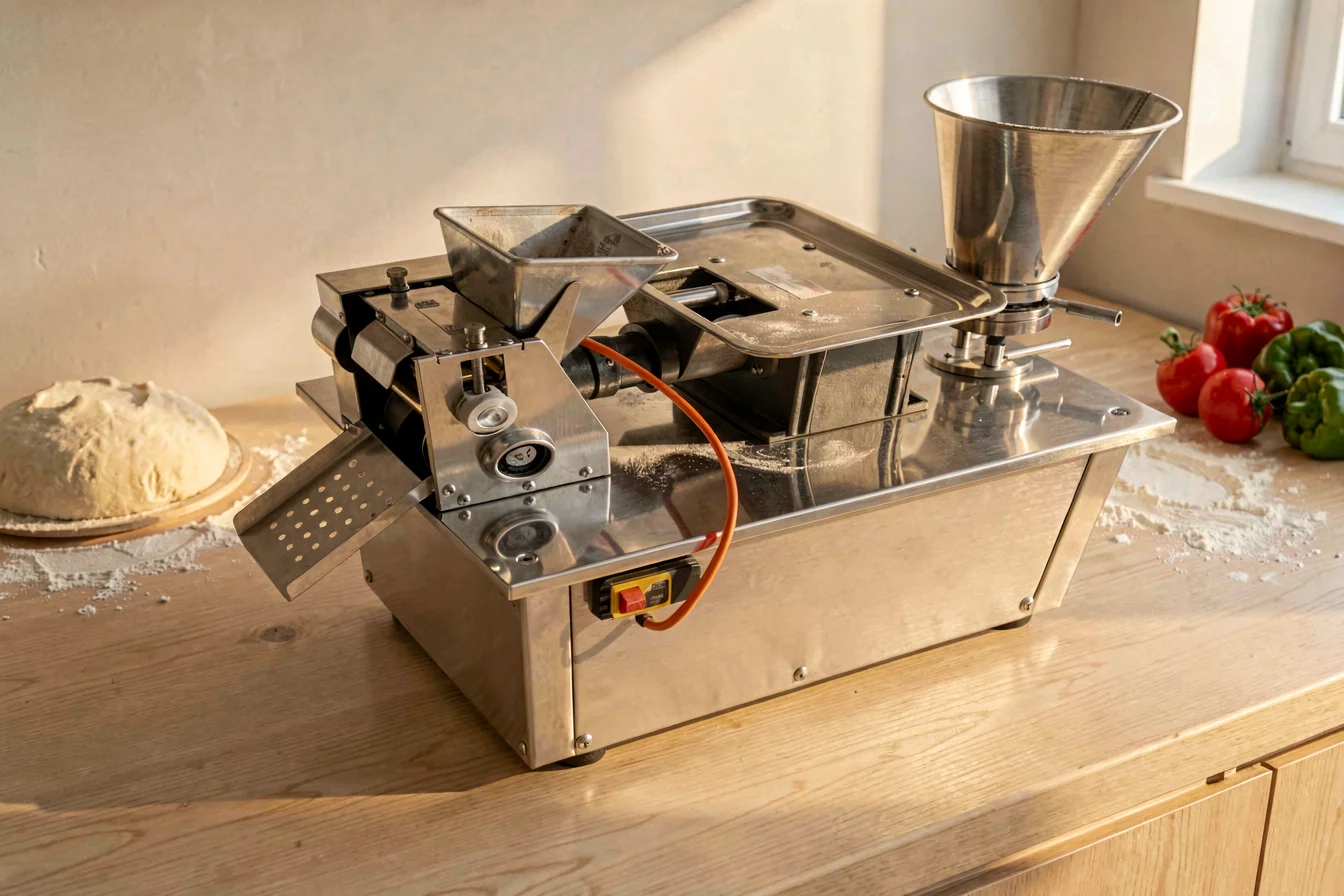
Buyer reviews for empanada making machine emphasize durability, easy cleaning, seal integrity, and ergonomic handling. Electric and manual models receive the most praise for simplifying kitchen workload and supporting variety (empanadas, dumplings, pierogi, calzones, and more), with complaints focusing on dough sticking (plastic models), inconsistent sealing, and size discrepancies. Commercial machines are lauded for productivity and labor reduction but criticized if setup or customization is cumbersome. High-rated presses (MUMSUNG, Victoria, COTEY) consistently get praise for sturdy build and multi-size capability; electric models (NAMUPIE, AUAM) score for fast prep and freezer convenience.
"This 6-inch extra-large dumpling maker set has exceeded my expectations in every way. The quality of the materials used in the construction is outstanding. Durable and sturdy, ergonomic handle, sharp dough cutter, perfect for party size." (Amazon review, MUMSUNG Empanada Maker Press)
"I absolutely LOVE IT!!! Super easy to use and easy clean up, just make sure it's fully charged and wipe after each use 🥟." (Amazon review, Electric Dumpling Maker)
| Product Name | Top Praise | Top Complaint | Overall Sentiment |
|---|---|---|---|
| Victoria Cast Iron Tortilla Press | Durable, traditional feel, multipurpose | Heavy; care required to prevent rust | Strongly Positive |
| Imusa Empanada Press Set | Easy to use, affordable, quick prep | Plastic sticks; edges sometimes loose | Positive |
| Electric Empanada Maker Machine | Fast prep, easy cleaning, multipurpose | Needs full charge; hard to adjust for thick fillings | Positive |
| Commercial Dumpling Machine | High productivity, customizable molds | Setup complexity; price point | Neutral/Positive |
| MUMSUNG Empanada Maker Press | Multiple sizes, tight seal, ergonomic, easy clean | Plastic may flex under high pressure | Strongly Positive |
| COTEY Stainless Steel Empanada Press | Sturdy, dishwasher safe | Limited to single size | Positive |
Table data and quotes sourced from [2].
Reliability is paramount for empanada making machine , especially for B2B buyers scaling up production or catering operations. Key benchmarks include defect rate (mechanical failure, sealing issues), maintenance interval (frequency of cleaning, part replacement), and expected service life (years-to-failure, warranty length). Commercial machines (ANKO EMP-3000, Seny SY-710) demonstrate 75% labor reduction, output of 3,000–5,000 empanadas/hour, and modular customization; retail units prioritize ergonomic quality, dishwasher compatibility, and durable components. Risk mitigation: buyer should request detailed defect logs, spare part availability, and guarantee period details (minimum two years is standard in new commercial models); review supplier compliance and product certifications (FDA, CE, food contact) as mandatory. Negotiate price per unit based on production volume, maintenance contract, and customization flexibility.
| Benchmark Dimension | Manual Press | Commercial Auto Machine |
|---|---|---|
| Defect Rate | 2–8% (sealing/flex issues) | <1% (mechanical failure; mold replaceable) |
| Maintenance Cycle | Monthly or as needed | Quarterly; professional servicing |
| Expected Service Life | 2–5 years | 5–8 years |
| Food Safety Certification | Sometimes present (FDA for plastic, CE for metal) | Mandatory (FDA, CE, food contact) |
| OEM Customization | Limited (shape, color) | Extensive (shape, filling, automation) |
Table data sourced from [3][4][9].
Buyers should balance immediate cost with service life, maintenance support, and compliance documentation, as these are now industry-standard thresholds for both retail and commercial sourcing.
Over the coming twelve months, the empanada making machine market is set to further bifurcate into highly specialized commercial modules and dense retail SKU proliferation. Technological innovation will prioritize modular mold systems, real-time output tracking, and easy-of-use improvements for both home and professional models. Pricing for high-capacity commercial machines will see little downward movement due to persistent labor cost savings and strong festival-driven demand, while retail prices will stay competitive, with promotional surges around holidays. In this climate, buyers should secure commercial orders ahead of festival cycles, request OEM customizations for versatile product lines, and leverage warranty and compliance contracts for risk mitigation. Retail buyers are advised to invest in ergonomic and easy-clean designs for batch cooking, and to validate product quality through verified reviews and certification documentation. The strategic imperative is proactive sourcing, volume scaling ahead of seasonal peaks, and selecting suppliers that offer both modularity and robust technical support in the fast-evolving empanada machine landscape.