
All categories
Featured selections
Trade Assurance
Buyer Central
Help Center
Get the app
Become a supplier
Plastic box making machines have emerged as a dynamic force within the manufacturing and packaging sectors in 2026. Accelerating consumer appetites for organized storage, sustainable packaging, and cost-efficient logistics have triggered a rapid spike in demand globally, spanning industries from food processing to electronics, pharmaceuticals, agriculture, and e-commerce. In the wake of lasting supply chain disruptions following recent global events, buyers now prioritize machinery that boosts production agility while minimizing labor dependency and optimizing energy consumption.
This momentum is reflected across several key markets: Asia’s rapidly expanding manufacturing capacity leads adoption, North America invests heavily in automation upgrades, and Europe’s sustainability mandates fuel interest in recyclable, precision-formed plastic containers. Decarbonization efforts—combined with seasonal inventory build-ups ahead of global retail peaks—mean procurement managers are buying earlier, specifying higher-performance machines, and demanding greater traceability. Industry events such as Interpack Düsseldorf and the Canton Fair reveal a clear shift: buyers now require machines capable of high-speed production, flexible tooling, and digital connectivity. Meanwhile, maker culture and small business upstarts leverage affordable desktop and mid-scale machines to serve niche customization and prototyping needs.
What’s clear is that in 2026, the plastic box making machine is no longer a mundane factory tool—it’s a linchpin for product differentiation, packaging innovation, and sustainability compliance. International buyers must understand not only machine features, but also shifting consumer expectations, regional regulation, and the competitive sourcing landscape to thrive in the new business environment [2][5][6].
A plastic box making machine is specialized equipment engineered for the automated production of plastic containers, boxes, and trays used in packaging, storage, and product protection. This broad term encompasses a suite of technologies spanning injection molding, extrusion molding, blow molding, thermoforming, die cutting, and advanced packaging automation. Each technology suits different product geometries, material types, speed requirements, and cost structures.
Historically, early plastic forming machines appeared in the mid-20th century, leveraging advancements in thermoplastic chemistry and mass production principles. By the 1970s, injection molding machines dominated the market, delivering speed, consistency, and highly detailed shapes for everything from food jars to electrical housings. The 1980s and 1990s saw the rise of extrusion and blow molding for specialized hollow containers—think bottles and medical packaging—while the new millennium ushered in servo-driven, digitally controlled, and multipurpose units designed for maximum flexibility and minimal downtime [2][5].
Today’s machines range from compact desktop units for prototyping and maker applications, to fully automated, high-output industrial systems capable of 24/7 production and rapid size changeovers. Key classification criteria for buyers include:
Social sentiment around plastic box making machines is shaped by vibrant communities of engineers, makers, manufacturers, and end users who share hands-on observations, troubleshooting advice, and brand advocacy. These discussions reveal the nuanced user experience that procurement professionals should factor into machinery evaluation and selection.
Within DIY and small business circles, affordability, modular design, and repairability are top priorities. Users on maker and tool forums often debate the merits of desktop CNC routers, laser cutting tools, and 3D printers for producing precision plastic boxes—favoring machines that offer user-friendly software (e.g., automatic box generators, STL export options), adjustable cutting width, and support for fast tool changeovers [10]. The rise of open-source box design libraries and parametric box generators has democratized custom packaging solutions, allowing small brands to produce premium packaging in-house and experiment rapidly.
On professional manufacturing boards, contributors emphasize machine reliability, speed, and integration for high-volume production environments. Experiences reported range from the efficiency of optical placement and folding-taping machines producing luxury branded boxes at rates exceeding 8,000 units per 8-hour shift, to hands-on advice for optimizing repeatability and accuracy through tool selection (table saws, routers, CNCs, dovetail machines) [8][11]. Custom projects—such as modular paint storage toolboxes, bespoke parts organizers, or restoration of vintage plastic boxes—underline the value of durable construction and flexible compartmentalization for end users [18][12][21].
Consumer product reviews and restoration communities show that end users value robust latch mechanisms, convenient removable trays, transparent materials, and ease of restoration or re-purposing for sentimental items [15][16][23]. There are critiques of low-quality imports (“lids don’t have enough pressure to prevent mixing,” “movable dividers let small parts migrate”), but also praise for durable legacy brands and thoughtful small batch solutions—especially where box components are adaptable to existing shelving or workplace configurations [12][13][17].
This sentiment landscape signals that buyers should focus on:
The market for plastic box making machines in 2026 is characterized by robust expansion and intense competition. The global packaging industry is on track to cross $1 trillion in annual revenues, with packaging automation machinery representing a substantial and growing segment [6]. Growth is driven by rising e-commerce volumes, evolving consumer packaging preferences, environmental regulations spurring adoption of recyclable plastics, and rapid automation upgrades in both developed and emerging markets.
Key market trends include:
Plastic container forming machines such as the PMC 2500SP, with production rates over 170 containers per minute, demonstrate the industry’s push toward speed, reliability, and consistent quality in high-volume environments [4]. These machines cater to diverse markets: beverages, snacks, garden products, medical packaging, and specialty uses.
Below, we present a detailed analysis of the hottest selling products on the Amazon platform. This downstream view reveals which machine features, price points, and functional capabilities reflect market demand at the retail level—a critical lens for any buyer evaluating production investments or potential private label opportunities.
2026 Amazon Hot Selling Plastic Box Making Machine Product Analysis
The following table summarizes the top 3 best-selling plastic box making machines on Amazon—ranked by sales volume—with each product’s image, specifications, price ranges, user ratings, and notable features. This data provides invaluable insight into the real-world market dynamics driving both B2B and consumer procurement.
| Product Image | Product Name | Latest Month's Sales | Retail Price | Wholesale Price | Average Star Rating | Key Features |
|---|---|---|---|---|---|---|
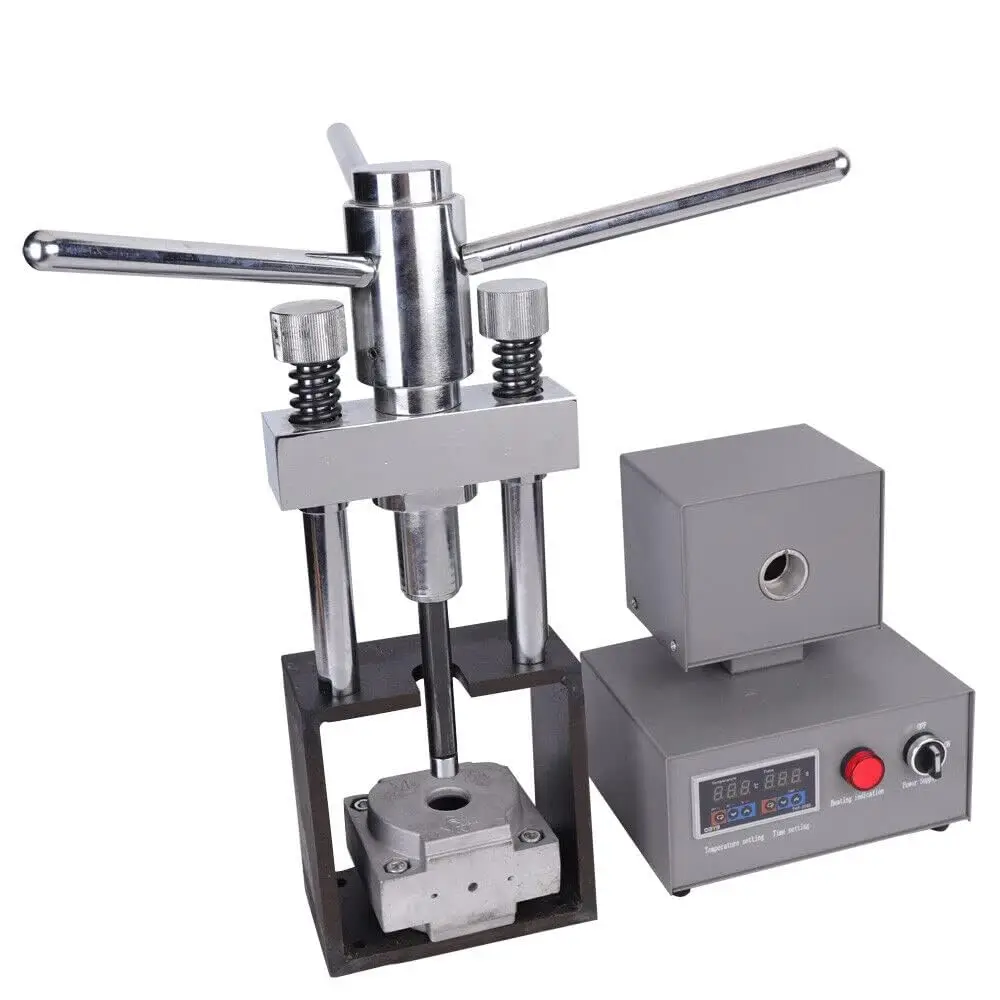 |
LyeXD Dental Flexible Denture Machine | 5 units | $429.00 | $324.62 | 0 | 400W electric hydraulic; portable; dentistry injection system; suited for invisible denture production; integrated material injection |
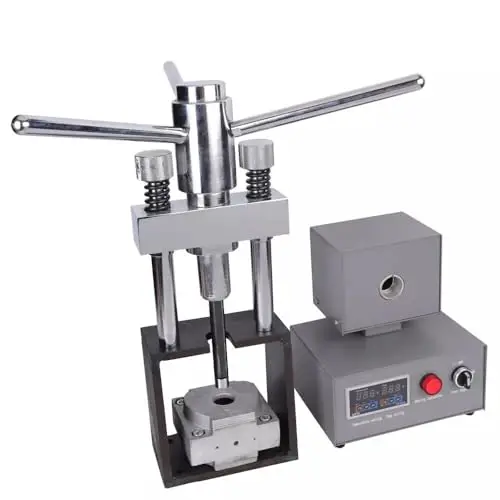 |
Dental Flexible Denture Machine—Laboratory Equipment | 5 units | $414.32 | $319.83 | 0 | 400W, 110V digital display; electric injection system; suitable for clinics, hospitals, and factory use; invisible denture molding |
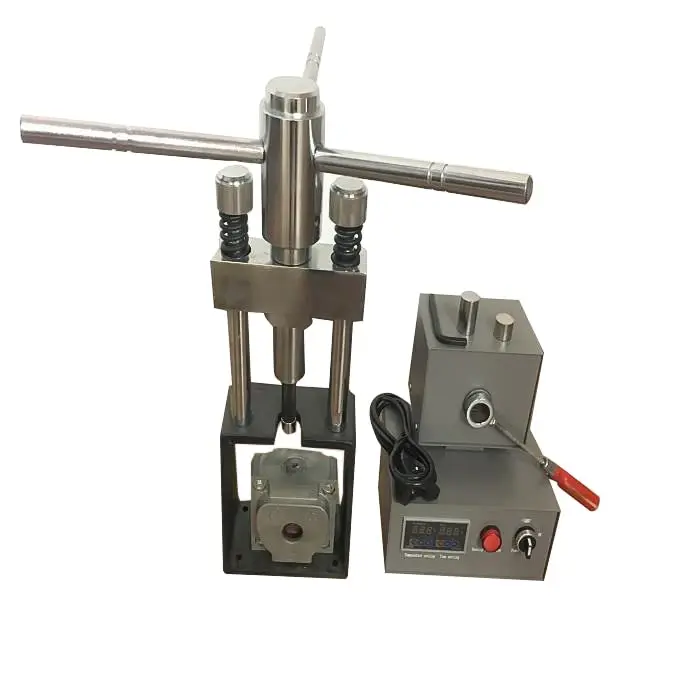 |
Super Dental 400W Electric Digital Display Lab Flexible Injection System | 5 units | $678.94 | $239.90 | 0 | 400W electric; digital display; flexible injection; optimized for denture molding; invisible dentistry solutions; lab-grade automation |
Table data sourced from [1].
These three top sellers highlight the intersection of specialist features (medical-grade injection molding, flexible manufacturing, compact design), price sensitivity at retail and wholesale levels, and specific application targeting—especially in dentistry and laboratory environments. Notably, no user ratings are yet accumulated, suggesting a technical B2B audience or specialized, lower-volume purchasing context.
Procurement professionals should note the trend: machines optimized for a particular segment (i.e., dental prosthetics) with enhanced digital controls and portable formats are driving sales. There’s clear market traction for compact systems that deliver professional-grade results without requiring large-scale factory infrastructure.
In summary:
With the competitive landscape tightening and demand surging, executing a successful sourcing strategy for plastic box making machines in 2026 requires rigorous evaluation, risk management, and negotiation skills. Here’s how procurement leaders can navigate the market to secure the right machinery while avoiding common pitfalls:
Supplier Evaluation Criteria:
Quality Control and Inspection:
Logistics and Packaging:
Certification and Compliance:
Common Pitfalls and Avoidance Strategies:
Competitive Advantages:
Ultimately, procurement success in this category hinges on combining hard data (performance, specs, compliance) with soft factors (user experience, supplier culture, long-term support), ensuring the selected plastic box making machine is fully aligned with both short-term production targets and long-term innovation strategy.
As global trends elevate the role of plastic box making machines, sourcing leaders face a landscape rich in both opportunities and challenges. Driven by rising automation, flexible manufacturing needs, sustainability mandates, and increasing consumer demands for quality storage and packaging, the market trajectory is undeniably upward.
Key conclusions from this comprehensive report:
For the next 6–12 months, procurement professionals should:
The future of plastic box making machinery is here—technologically advanced, user-informed, and growing at pace. By deploying intelligent sourcing strategies and deep market intelligence, buyers can confidently secure solutions that meet today’s needs and drive tomorrow’s growth.