All categories
Featured selections
Trade Assurance
Buyer Central
Help Center
Get the app
Become a supplier

2026 Hot Seller Report: Linx Solvent Powers Industrial Printing and Cleaning Trends Worldwide

Why Linx Solvent Is an Essential Commodity in 2026’s Global Industrial Landscape

The current year marks a pivotal moment for the industrial solvent market as automation, traceability, and advanced packaging solutions transform manufacturing lines across sectors. Linx solvent, a specialized chemical formulation vital to continuous inkjet (CIJ) coding and industrial cleaning, finds itself at the heart of these changes. Supply chain disruptions, tighter regulatory controls, and heightened expectations for print and labeling reliability are elevating the importance of precision brands and formulations. In 2026, seasonal bursts in food and beverage packaging and pharmaceutical production amplify demand for coding solvents, while the continued rise of e-commerce creates new product labeling workflows. As compliance with health, safety, and labeling standards becomes more rigorous worldwide—especially under evolving guidelines in the EU and US—solvent selection impacts not just operations, but audit readiness. Simultaneously, broader cultural shifts show rising interest in “green solvents” or less hazardous alternatives, even in high-performance industries. Social platforms, professional communities, and consumer feedback all contribute to a dynamic conversation about solvent efficiency, compliance, and sensory impacts (from cleaning efficacy to odor perception). Whether it’s spring cleaning in commercial kitchens or high-precision batch coding on pharmaceutical ampoules, Linx solvent’s versatility makes it a mainstay for buyers seeking reliability and conformity in turbulent times.

Understanding Linx Solvent: Definition, Origins, and Product Classification for Buyers

Linx solvent refers to a collection of carefully engineered fluids designed for use with Linx industrial inkjet printers. These printers serve industries ranging from food packaging and pharmaceuticals to electronics and automotive components. The principal role of Linx solvents is to maintain optimum ink viscosity and printer hygiene, ensuring legible, durable codes on product surfaces like plastic, glass, and metal. Historically, the drive for more accurate and rapid product identification led to the birth of inkjet coding in the 1980s. Linx, as a pioneering brand, developed proprietary solvents both as cleaning agents and as ink carriers, supporting continuous, smudge-proof printing across diverse environments. Modern Linx solvents evolved to deliver not just performance but compatibility with sensitive substrates, fast-drying requirements, and regulatory demands. Key classification criteria for buyers include:

  • Solvent Formulation: Each Linx solvent features a specific chemical blend optimized for either general cleaning, printhead maintenance, or blending with inks for varied substrates.
  • Printer Compatibility: Cartridge style, volume, and composition determine usability with various Linx coders (notably, the Linx 10 model and its B101 Solvent Cartridges [2]).
  • Application Type: Industrial batch labeling, packaging, traceability coding, or surface cleaning.
  • Regulatory Safety Profile: Hazard categorization, handling requirements, and compliance based on GHS standards [4].
  • Physical Format: Bulk refills (with spill-proof cartridges), chemical-resistant containers for safe industrial handling, or premix solutions tailored for supply chain integration.
  • Performance Properties: Drying speed, adhesion, resistance to environmental exposure, and odor characteristics.

Community Pulse: Industrial Solvent Trends and Cultural Dialogue via Social Platforms

The online discourse surrounding industrial solvents and the Linx brand reveals a vibrant, multifaceted conversation that transcends mere technical specs. Within print technician forums, chemistry enthusiast groups, and renovation communities, the everyday realities of solvent selection, handling, and performance come to life. Discussions center on several recurring themes:

  • Performance and Cleaning Efficiency: In practical cleaning and maintenance threads, users debate the merits of classic solvents versus improvised alternatives. Pool chlorine, benzalkonium chloride-based sprays, and commercial degreasers are cited for their efficacy in removing tough contaminants like lichen, moss, and grease [6]. Notably, the tactile and sensory dimensions—how well solvents clean without leaving tacky residues—shape both professional and DIY preferences [13].
  • Legal and Regulatory Barriers: Chemists express frustration over stringent solvent regulations in regions such as the EU, where access to “classic” solvents like DCM or chloroform is restricted [8]. This prompts creative workarounds, ranging from repurposed fire extinguishers to distillation techniques, but also raises concerns over yield efficiency, volatility, and safety.
  • Smell, Sensory Impact, and Workplace Experience: Odor is a major talking point. Certain products, like acrolein and butanone, are reviled for foul smells, while solvents such as toluene and cyclohexane receive unexpected praise for pleasant notes [11][15]. Workplace policies increasingly factor solvent aroma into health and safety choices, reflecting both chemical risk and employee comfort.
  • Green Innovations and Alternatives: There is growing enthusiasm for “green” or less flammable solvents as replacements for traditional options like acetone, NMP, or DMF. Researchers and professionals exchange ideas about VOC-exempt blends and environment-friendly chemistry, driven by both legislative and client-side demands [10].
  • Cross-Industry Adoption and Application Versatility: From soldering fluxes dissolved in isopropanol [14], to surface degreasers for commercial kitchens [1], solvents demonstrate flexible roles across trades. This adaptability underpins their growing prominence in industrial procurement.

Market Intelligence 2026: Linx Solvent Trends, Category Growth, and Hot Seller Analysis

The industrial solvent market is undergoing swift transformation as buyers prioritize print quality, process reliability, and compliance. Analysis of both manufacturer data and downstream retail trends reveals multiple drivers:

  • Sector Demand: Food and beverage packaging continues to lead consumption, with batch coding and expiry labeling mandates catalyzing recurring orders. Pharmaceutical firms ramp up solvent use for regulatory marking, especially in regions affected by stricter traceability protocols.
  • Growth Rate and Market Size: Strong demand lifts year-over-year growth rates for premium and specialty solvents, with packaging and logistics industries seeing compound annual growth approaching 10-13% [3][5]. Emerging economies drive share as domestic production scales up to meet export-oriented standards.
  • Regional Preferences: Regulatory climates (e.g., GHS compliance in US/EU, local hazard codes in Asia) influence solvent selection and supplier viability. Buyers in North America tend to favor bulk refills for cost efficiency, while Asian markets exhibit preference for pre-sealed cartridges suited to high-throughput lines.
  • Category Innovations: Protective packaging (spill-proof cartridges), odor-reduced formulations, and surface adhesion enhancers distinguish top brands. End buyers now demand solvents offering rapid drying, low residue, and minimal environmental footprint.
  • Price Tier Analysis: Market segmentation creates distinct tiers—premium proprietary blends (like Linx B101, averaging $230.50/5L [2]), industrial cleaning refills, and low-cost chemical-resistant containers ($0.23/unit wholesale [1]).

Top-Selling Linx Solvent Products on Amazon: Q1 2026

Downstream retail data highlights how key industrial buyers prioritize performance, cost, and packaging features. The following table showcases Amazon’s best-selling Linx solvent-adjacent products by latest monthly volume, price, rating, and major features:

Product Image Product Name Latest Month's Sale Volume Average Star Rating Retail Price Wholesale Price Key Features & Specifications
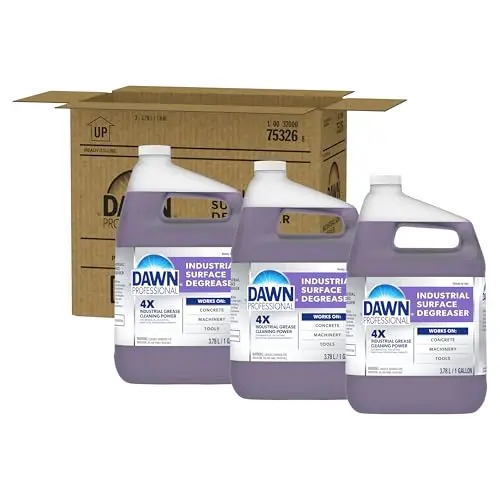
Dawn PRO Degreaser Dawn PRO Industrial Surface Degreaser Bulk Foaming Spray Refills, 1 gal (Case of 3) 69 5 $71.83 $3.25 Heavy-duty degreasing, bulk packaging, compatible with industrial spray systems, rapid cleaning of grease buildup in commercial kitchens
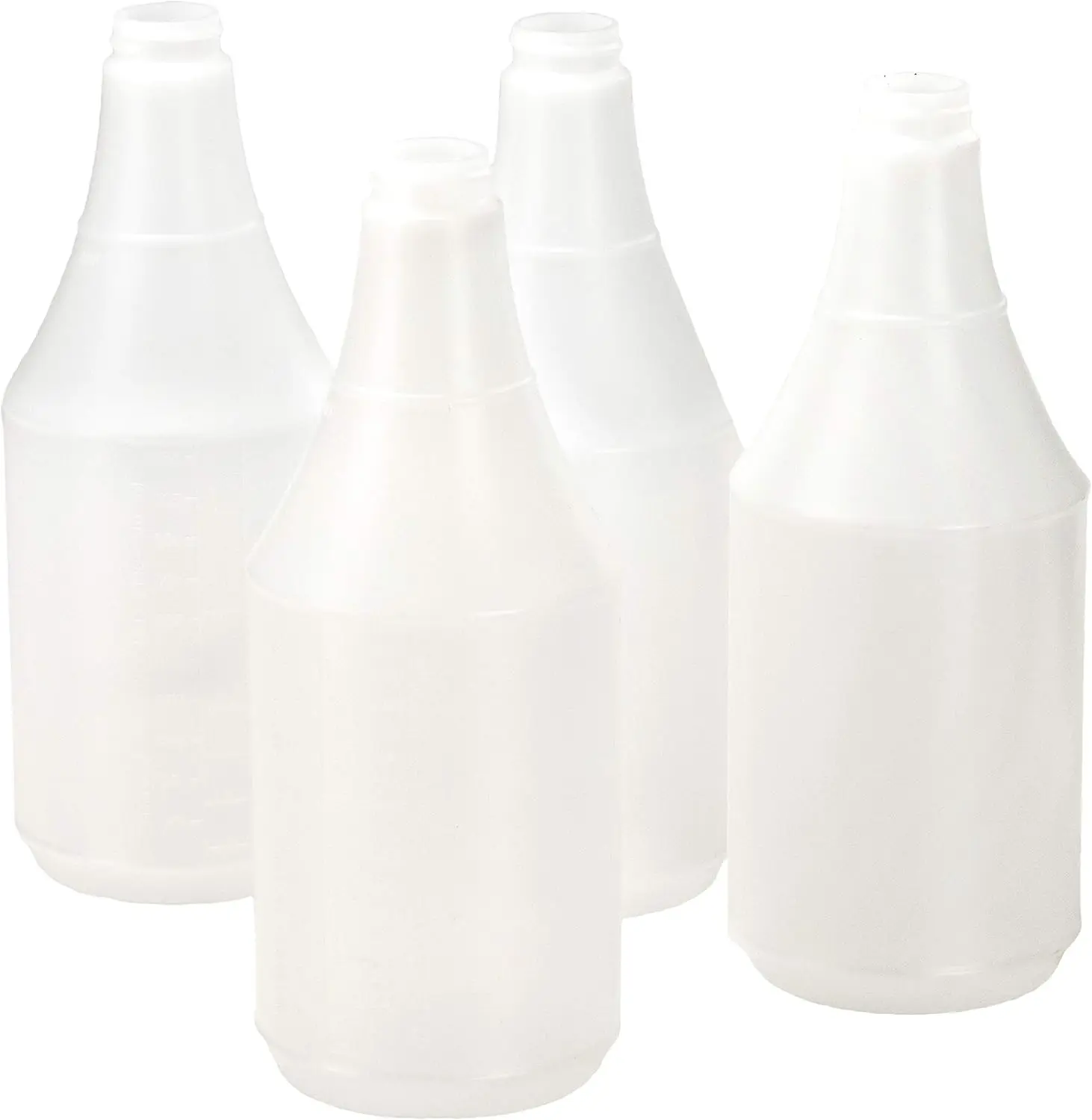
Mop Mob Chemical Resistant Bottles Mop Mob Commercial-Grade Chemical Resistant Bottles 24 oz, 4 Pack 5 3.9 $27.91 $0.23 Chemical resistant construction, embossed measuring scale, designed for spray heads, suitable for auto detailing, janitorial, and lawn care applications

Table data sourced from [1]

Analytical commentary: The best-selling degreaser underlines commercial cleaning’s relevance, suggesting that Linx-compatible solvents are most sought after in environments requiring strict hygiene and regulatory compliance. The Mop Mob bottles, though lower in monthly volume, reflect ongoing demand for chemical handling solutions that facilitate safe and accurate dispensing of potent solvents—indispensable in industrial workflows.

Sentiment Analysis of Review Keywords & Buyer Insights

Across retail channels and social platforms, user reviews and buyer conversations reveal several consistent insights about Linx solvents and related products:

  • Reliability and Efficacy: Buyers praise dependable cleaning performance and consistent print output. Products with intuitive packaging (bulk refill, error-proof cartridges) garner higher ratings and repeat purchases.
  • Safety & Compliance: GHS labeling, hazardous material warnings, and California Prop 65 notices feature in buyer questions and professional reviews, indicating that regulatory transparency influences purchasing decisions [2][4].
  • Ease of Use: Hands-on buyers urge attention to measuring scales, spill-proof containers, and compatibility with established spray heads or printer units. Simpler handling and minimal wastage sway procurement choices in competitive environments.
  • Cost Effectiveness: Larger industrial buyers express satisfaction with wholesale pricing tiers and value propositions for bulk purchasing, while small enterprises balance between retail accessibility and longevity per unit.
  • Risk Awareness: Concerns over chemical odor, flammability, and workplace safety recur in commentary, prompting neutral or negative feedback in less hazard-mitigated formulations.

Market Data Analysis: Key Specifications & Hazard Classifications

For buyers, regulatory and specification data is non-negotiable in 2026. According to Nextsds, the Linx Solvent 1512 is classified both as a printing ink and as a cleaning agent, with hazard categories defined by global standards (GHS):

  • Flammable Liquid, Category 2 (H225): Highly flammable, with vapors needing rigorous controls on ignition sources.
  • Eye Irritant, Category 2 (H319): Requires protective gear and facility-level protocols for user safety.
  • Specific Target Organ Toxicity (STOT) Single Exposure, Category 3 (H336): May cause drowsiness or dizziness, reinforcing best practice in industrial environments [4].

Strategic Sourcing: Best Practices for Procurement, Supplier Vetting, and Risk Avoidance

For international buyers and sourcing managers, acquiring Linx solvent or its equivalents demands a comprehensive, risk-adjusted approach that reflects both technical requirements and broader compliance imperatives.
Supplier Evaluation Criteria

  • Certifications & Credentials: Assess suppliers for ISO-certified production, documented GHS hazard management, and consistent quality assurance processes [5]. Ask for datasheets and batch documentation for every order, ensuring traceability.
  • Production Capacity & Lead Times: Prefer vendors able to guarantee stable supply, with rapid order fulfillment even in peak seasonal windows. For B101 Solvent Cartridges and similar products, look for automated cartridge packing and spill-resistant formats [2].
  • Quality Control Points: Enforce pre-shipment inspection, on-site audits, and random sampling for viscosity, purity, and packaging integrity. Collaborate on Third-Party Testing for compliance and performance validation.
  • Quality Certifications: Insist on certificates of analysis, and review adherence to safety and physical property benchmarks. The more transparent a supplier’s testing protocol, the less procurement risk you assume.

Logistics & Packaging
  • Shipping & Storage: Secure partners who offer compliant shipping (UN-compliant hazardous materials transport), robust packaging against leaks, and flexible delivery options. Understand local customs documentation around GHS and hazard declarations.
  • Inventory Management: In volatile demand periods, utilize multi-month forecasts and vendor managed inventory (VMI) to prevent runouts or waste. Modular packaging—cartridge, bottle, or bulk container—reduces downtime and handling costs.
  • Lead Times: Schedule orders based on both consumption rate and anticipated regulatory changes, such as shifts in mandatory safety protocols or restricted chemical lists.

Certification & Compliance
  • Environmental & Health Regulation: Confirm supplier alignment with local/state/federal codes, including California Prop 65, GHS standards, and any regional REACH directives. For buyers in the EU, evaluate "green solvent" alternatives wherever feasible.
  • Documentation: Always request current Safety Data Sheets (SDS) that explicitly list chemical composition and hazard statements. Engage your EHS (Environmental, Health, and Safety) team for periodic compliance reviews [4].

Common Pitfalls and Mitigation Strategies
  • Non-Conforming Shipments: Regularly spot-check deliveries for deviation in viscosity, color, or odor, which can undermine printer reliability or safety.
  • Supplier Substitution Risks: Guard against unapproved substitutions or off-brand inserts, particularly in high-throughput facilities. Only accept documented “Linx Original Consumables” for critical lines [2].
  • Handling Hazards: Proactively train staff in chemical storage, flammable material management, and emergency response protocols. Provide explicit PPE requirements and safety signage throughout handling zones.
  • Cultural and Regulatory Barriers: For new market entries, consult regulatory intelligence sources to pre-empt supply chain disruptions from shifting local legislation (e.g., EU chemical access rules or US occupational safety regulations [8]).

Competitive Advantages
  • Downtime Reduction: Proven vendors offering original Linx formulations contribute directly to reduced downtime and increased printer life.
  • Operational Efficiency: Cartridge-style, waste-minimizing packaging, and clear compatibility documentation drive higher throughput and lower total cost of ownership.
  • Audit Readiness: GHS-compliant labeling and proactive certification build resilience for international buyers facing unpredictable regulatory site audits.

Conclusion: Empowered Buying for Linx Solvent—2026 Strategies and Next Steps

The trajectory of Linx solvent in 2026 reflects the convergence of advanced manufacturing, regulatory scrutiny, and buyer sophistication. Whether serving as a medium for high-clarity industrial printing or as a heavy-duty cleaning agent, these solvents remain pillars of reliability in sectors powering global consumer and commercial flows. Synthesizing the report’s insights, buyers are called to prioritize:

  • Reliability and Compatibility: Favor original, certified consumables tailored to your production line, whether for labeling or surface cleaning.
  • Compliance and Safety: Embed regulatory review and documentation steps in every procurement cycle. Select suppliers with transparent certifications and proven hazard management.
  • Efficiency and Contingency Planning: Adopt flexible packaging and managed inventory to buffer against volatility—especially during regulatory or supply chain shocks.
  • Continuous Market Intelligence: Leverage buyer feedback and social sentiment to fine-tune purchasing choices in line with both operational and environmental priorities.
  • Renew sourcing contracts with original Linx-compatible suppliers, safeguarding printer uptime and print quality.
  • Negotiate for advanced packaging formats and pre-sealed cartridges to maximize handling safety and reduce waste.
  • Strengthen internal compliance programs to pre-empt emerging GHS and regional chemical regulations.
  • Monitor market feedback and adopt incremental innovations—such as green or odor-reduced solvents—where compatible with production needs.

Notice