
All categories
Featured selections
Trade Assurance
Buyer Central
Help Center
Get the app
Become a supplier
In 2026, the industrial landscape has placed a powerful spotlight on line boring machines, with rapid market evolution and significant global events driving fresh demand. Increasing investment in infrastructure, the digitization of manufacturing processes, and heightened maintenance needs for aging heavy machinery are collaborating to fuel robust interest in precision machining solutions. With major construction and mining projects scheduled for this year, especially across North America, Europe, Southeast Asia, and the Middle East, procurement professionals and plant managers are prioritizing reliable in-situ repair methods that minimize costly downtime.
Seasonal maintenance campaigns, particularly in the mining, agricultural, and forestry sectors, have also ramped up due to stricter compliance regulations and extended equipment lifespans. Two recent developments underpin these dynamics: the widespread adoption of portable line boring solutions tailored for on-site repairs and the boom in retrofit projects involving older machinery. In response, manufacturers are introducing advanced models boasting smart controls, digital calibration, and lightweight portability. Shifting consumer behavior—especially among millennial and Gen Z plant technicians—emphasizes ease-of-use, multi-functionality, and digital connectivity, a move that is reflected in both product design and online purchasing patterns.
Recent social-media trends reveal a flourishing DIY culture among smaller workshops and mobile repair teams. User-generated content, viral video demonstrations, and crowdsourced technical advice have created new engagement avenues. Against a backdrop of supply chain recalibration and international sourcing pursuits, line boring machines are emerging as strategic assets—a must-have tool for ensuring machinery reliability, operational precision, and competitive differentiation. Given this context, buyers must not only understand the technical heart of these machines but also adapt their sourcing approach to unlock optimal value in this bustling market.
At its core, a line boring machine is an industrial device engineered to machine or repair cylindrical bores with high precision. These machines are pivotal in restoring damaged holes, ensuring alignment and concentricity, or creating new holes in materials such as metal and wood. Historically, the line boring process originated as a manual operation reliant on rudimentary fixtures and basic tooling. Over the years, the evolution has been remarkable: Today's models integrate modular setups, intelligent control systems, and digital calibration for meticulous accuracy [2][3][4].
A typical modern line boring machine consists of a rotating cutting bar, advanced mounting assemblies, and a feed and drive mechanism. The process begins with the machine being securely affixed to the workpiece, after which the rotating cutter incrementally removes material to produce a perfectly aligned cylindrical bore. Machining accuracy is governed by factors including feed rate, rotation speed, tool position adjustment, and bore diameter measurement—many systems utilize dial indicators or digital panels to fine-tune these parameters [5][8].
Major types of line boring machines include:
Digital forums and community hubs have become goldmines of practical intelligence for line boring machine buyers in 2026. Active discussions across machinist circles and video platforms illuminate prevailing buyer concerns, technical hacks, and influential product endorsements [9][10][11][12].
The prevailing sentiment among professionals is nuanced—enthusiasts and technicians often weigh brand reputation, price/value equation, and specific setup requirements. The Climax BB5000 system garners high praise for its rugged design, reliability, and broad boring range (up to 24 inches), but users consistently note its premium pricing and less-than-optimal post-purchase support [9]. DIY operators and budget-constrained shops are increasingly turning to independent brands such as Borweld (lauded for portability and ease-of-use), International Revere (American-made, power feed assemblies, flexible kits from $2,900–$10,000), and Mactec (recommended for flange facing versatility and as a rental test option) [9].
A common thread in peer advice: Try renting a system before making a multi-thousand-dollar commitment, especially when unsure of annual utilization rates. This practical approach is endorsed by machinists who've transitioned from rental to ownership after scaling up repair volumes. Multiple discussions highlight the importance of full-featured kits—units including mounting hardware, bearings, cones, and a diverse array of boring bars—making implementation more straightforward for first-time users.
Technical challenges remain a hot topic:
Social sentiment trends show heightened excitement for lightweight, smart units—buyers champion machines that combine digital controls and ultra-portability without compromising on bore diameter capacity or alignment reliability. A tongue-in-cheek observation from a recent purchaser underscores how line boring tools have entered popular culture: “Wouldn’t be surprised if someone adapted their machine for prepping a pig roast.” This humorous take highlights the resourceful spirit of today's machinist culture.
For procurement specialists, these authentic voices underline the importance of supplier transparency, kit completeness, and the ability to validate claims with social proof and live demonstrations—a buyer-centric approach that increasingly shapes the 2026 sourcing landscape.
With 2026’s surge in infrastructure funding and heavy equipment refurbishment, the market for line boring machines has grown remarkably. Recent research suggests this segment is experiencing robust year-over-year growth—estimated between 16% and 22% globally—with strongest demand in sectors like mining, construction, shipbuilding, and agricultural equipment repair [4]. The pronounced shift toward portability and real-time digital diagnostics has given rise to new product subcategories tailored for mobile repair services and smaller workshops.
Regional dynamics play a decisive role. North America, led by the U.S. and Canada, continues to prioritize time-efficient, high-precision boring systems to maintain legacy fleets. European buyers demand machines manufactured with EU-sourced components for compliance and durability—Poland’s Borweld kits are particularly prominent [5]. In Southeast Asia and the Middle East, rapid urbanization and infrastructure expansion contribute to accelerating adoption patterns, especially for kits that can transition seamlessly between job sites [6].
Price tiers span a wide spectrum: Entry-level hand tools and small hone accessories retail for less than $10, while professional-grade, digitally equipped line boring systems command $1,700–$2,500 per unit—and customized industrial sets can reach $10,000 [1][9]. A strategic trend involves bundling line boring kits with bore welding and facing attachments, enabling buyers to maximize versatility and long-term service value.
Below, we present a detailed hot selling analysis, highlighting the top Amazon products from the previous month, representing end-user purchase trends and retail momentum.
Hot Selling Analysis: Top Amazon Line Boring Machines and Accessories (Latest Month)
Retail sales data underscores a dynamic range of buyer preferences, with accessible repair tools, consumable inserts, and mid-tier professional equipment dominating e-commerce bestseller lists. Review sentiment favors value-for-money, kit completeness, adjustability, and universal compatibility. Notably, the highest volume items are budget-friendly hone tools, while specialized boring machines retain strong appeal among workshop professionals.
Below is a comprehensive table of the top five hot selling Amazon items for line boring and related repair, complete with images, specs, pricing, features, and buyer ratings:
| Rank | Product Image | Product Name | Average Rating | Latest Month Sales | Retail Price | Wholesale Price | Key Features |
|---|---|---|---|---|---|---|---|
| 1 | 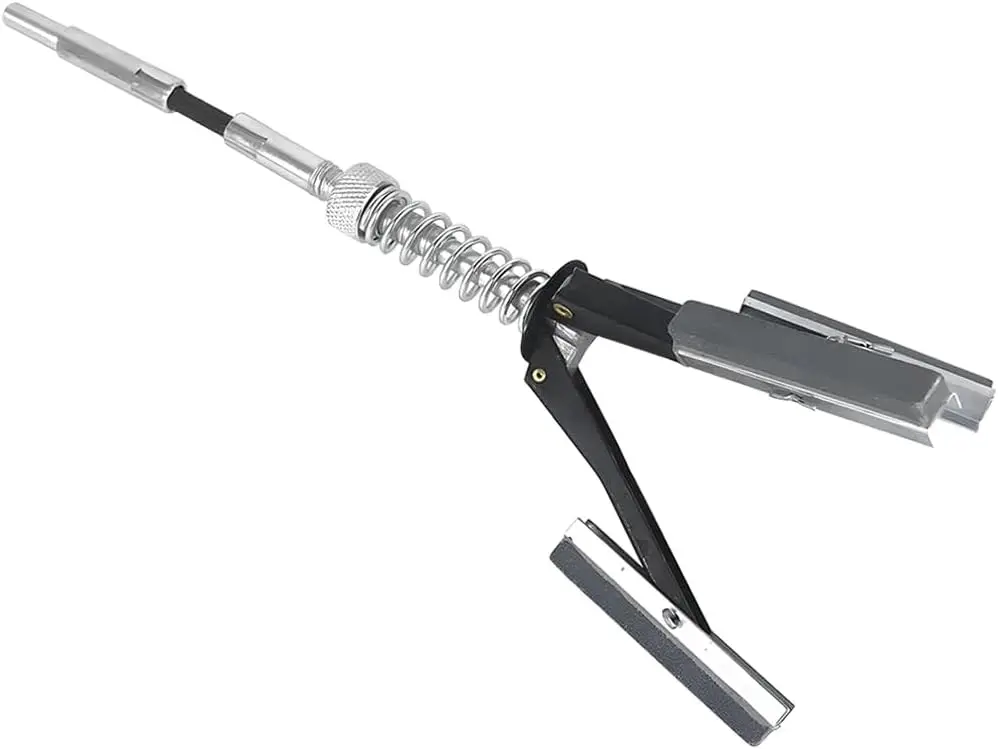 |
Car Engine Cylinder Hone Tool, 1-1/4' to 3-1/2' Grinding Holes Adjustable Brake Piston Deglazer with 3 Long Stones 220 Grit, Universal Fit | 5 | 42 | $6.29 | $3.88 | Adjustable diameter, fits multiple engine models, high grit for fine finish, easy user calibration |
| 2 | 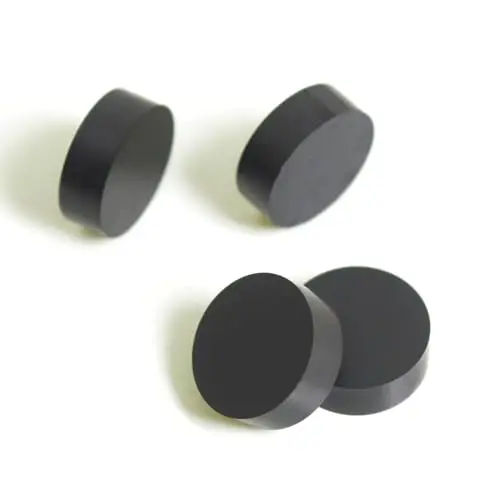 |
Round PCBN CBN Inserts RNGN42 1203 1/2“ 12.7mm Lathe Turning Milling Insert for Surfacing Cast Iron Engine Cylinder Heads | 5 | 12 | $34.00 | $15.99 | Superior wear resistance, precision surfacing of cast iron, compatible with engine reconditioning |
| 3 | 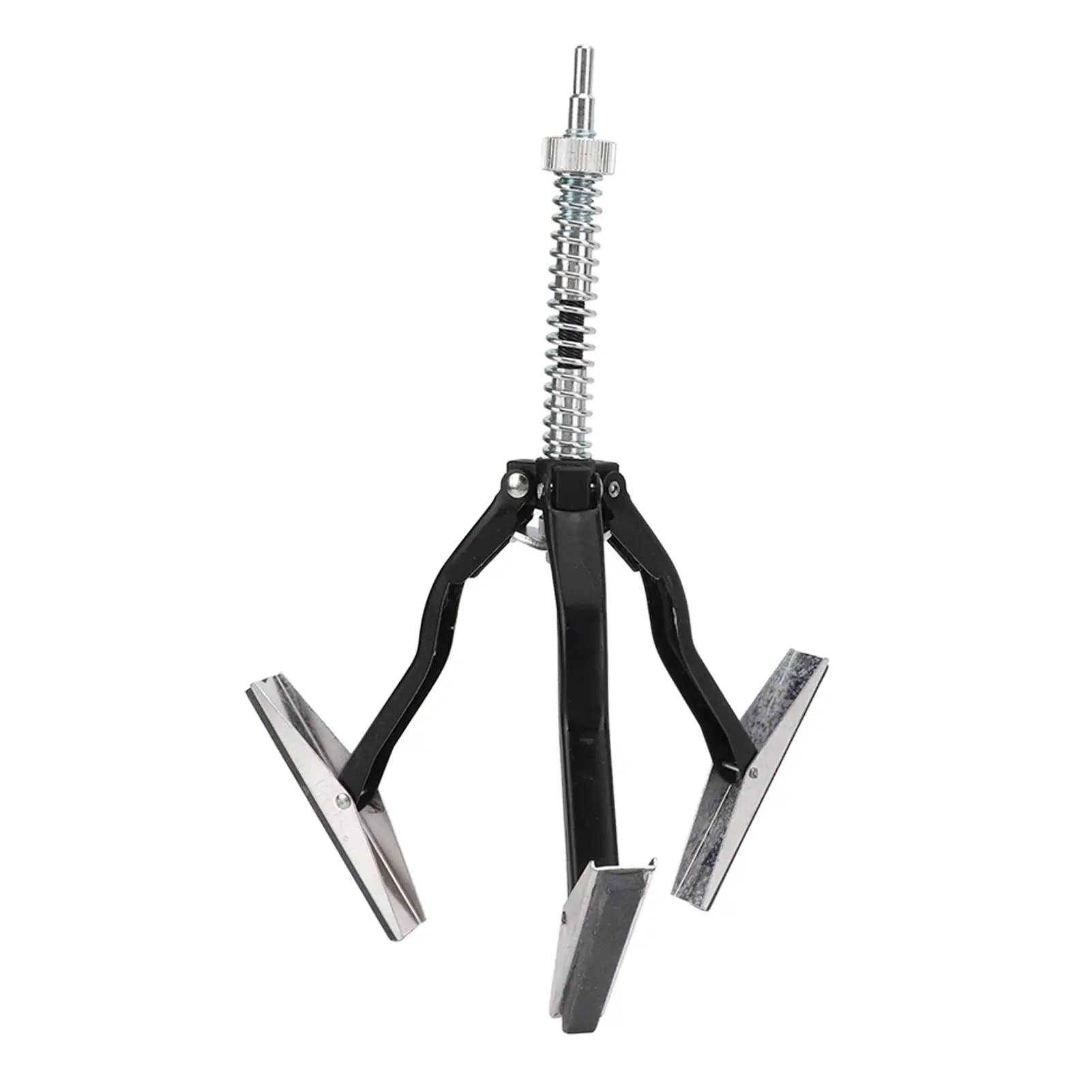 |
KIMISS Engine Cylinder Honer, Metal Engine Cylinder Deglazing Tool 2-7in Adjustable Honer 3 Jaws Metal Automobile Repair Accessory | 0 | 5 | $24.87 | $8.19 | Wide honing diameter, universal repair fit, metal jaws for durability, adjustable settings |
| 4 | 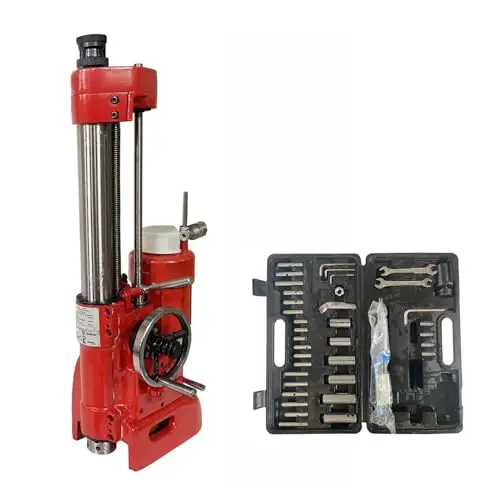 |
BREVELTION 220V Engine Cylinder Boring Machine Professional Car Engine Repair Honing Equipment, 2.59-5.51” Boring Range, 11.81” Max Depth | 0 | 5 | $2479.10 | $1690.70 | Professional-grade, 220V operation, broad bore range, compact depth |
| 5 | 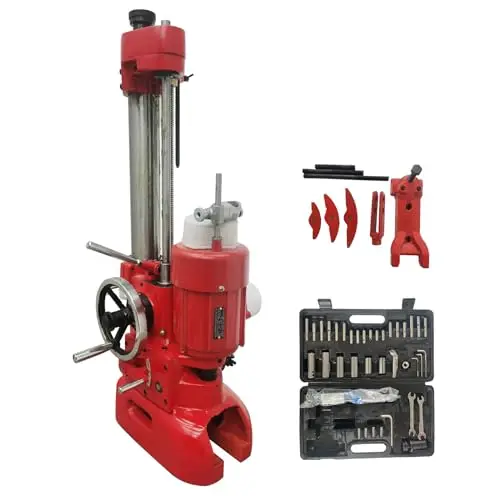 |
EQCOTWEA 220V Hydraulic Cylinder Boring Machine 2.56-5.5” Boring Diameter, 11.81” Depth, Manual & Auto Modes, Engine Honing & Rebuilding | 0 | 5 | $1926.09 | $1673.60 | Hydraulic power, dual-mode operation, broad bore capacity, designed for tractors and motorcycles |
Table data sourced from [1].
A few actionable insights:
An effective sourcing strategy for line boring machines hinges on meticulous supplier evaluation, proven quality control measures, and seamless logistics management. Procurement professionals must begin with a robust qualification checklist:
Pre-shipment inspection and acceptance testing should cover not only functionality and alignment but also accessory completeness—mounting kits, centering cones, cutting tools, feed controls, calibration hardware. A strategic advantage awaits buyers who negotiate for vendor-provided training services, on-site commissioning support, and ongoing technical consultation.
Logistics: For international shipments, scrutinize factors such as package weight (with advanced kits ranging from 13.7 kg for basic units up to 95 kg for full sets [5]), robust export packing standards (anti-corrosion treatment, foam-injected crates), and insurance coverage for time-sensitive projects. Compliance must be aligned with local regulations, including electrical standards, safety labeling, and environmental directives.
Common pitfalls include assuming that all “universal kits” will fit complex or legacy machinery, neglecting bore diameter matching, or underestimating the importance of smart panels and real-time diagnostics in digital models. To mitigate risks, always validate manufacturer claims with live demonstration videos and peer reviews. In the competitive marketplace of 2026, savvy buyers exploit supplier partnerships for fast troubleshooting and lifecycle support, ensuring their investment delivers enduring returns.
As this in-depth analysis demonstrates, line boring machines have become indispensable assets for workshops, factories, and field-service specialists seeking precision repairs, operational productivity, and cost-effective maintenance. Buyer behavior in 2026 is shaped by both industry trends—with portable, programmable, and smart units in high demand—and by authentic community feedback underscoring the importance of kit completeness and transparent support.
To capitalize on these opportunities in the coming 6–12 months, procurement professionals are advised to: