
All categories
Featured selections
Trade Assurance
Buyer Central
Help Center
Get the app
Become a supplier
Lead scrap has surged to the forefront of global commodity discussions in 2026, marked by a unprecedented combination of stable to bullish pricing trends, tight supply conditions, and shifting consumer behaviors that are transforming both retail and industrial sourcing strategies. The drive for sustainable metals recycling, intensifying regulations on hazardous material handling, and strong demand from the battery manufacturing sector have created unique opportunities and risks for buyers, scrappers, and recyclers alike. As the year opens, the market landscape is shaped by several seasonal and structural forces:
Lead scrap comprises a diverse array of forms—ranging from industrial by-products to consumer recycling streams—each with its own economic, regulatory, and safety considerations. The product’s history traces back centuries, as lead has been a staple in plumbing, construction, ammunition, and shielding applications. Its decline in primary uses (due to health risks) was offset by the rise of secondary recycling, making scrap procurement increasingly lucrative and environmentally vital. Buyers encounter several main categories of lead scrap:
Community conversations surrounding lead scrap offer essential context for procurement professionals, highlighting real-world sourcing tactics, safety concerns, and creative repurposing that formal markets often overlook. Analysis of user-generated content from hobbyist forums, local exchange networks, and niche recycling groups reveals several high-impact sentiment and behavioral trends: Sourcing Strategies:
The pricing trajectory for lead scrap is shaped by macroeconomic factors, regional disparities, and supply-demand imbalances, making market intelligence critical for buyers in 2026. Driven by battery manufacturing demand and regulatory shifts away from primary mining, lead’s value continues to trend upward, with notable volatility around supply chain disruptions and economic cycles. Market Size and Growth:
Price Trends and Forecasts: Charting Lead Scrap’s Upswing
The following chart illustrates lead price movements over the past 12 months, with peaks aligning to battery procurement cycles and regulatory updates in major markets. Notably, the highest point reached was $2,088 USD/T in January 2026, signaling tight supply and vigorous market demand[5].
Lead price trends Jan 2025–Jan 2026 (USD/MT). Chart highlights peaks in Jan 2026 ($2,088), sustained upward pressure, and cyclical fluctuations.
Business Recommendation: Buyers should leverage winter pricing stability in January/February to secure inventory, prioritizing contracts with recyclers and scrap yards who offer premium clean lead. Monitoring battery sector demand and regulatory news will position procurement teams to anticipate price surges and mitigate cost risk.
Regional Lead Scrap Price Comparison (U.S. Cities)
Regional scrap yards offer considerable price variances, especially in urban centers. The following bar chart highlights average lead scrap prices in key U.S. cities as of January 21, 2026. Southern states (Jacksonville, Augusta) pay up to double the national average, reflecting local demand and processing competition[6].
Bar chart comparing average lead scrap prices by city as of Jan 21, 2026. Highlights highest prices in Jacksonville, Augusta, and Independence.
Actionable Insight: Buyers sourcing lead scrap for regional processing should build relationships with high-volume southern recyclers, leveraging seasonally higher prices where excess battery lead is flowing into the market. Urban sourcing teams may also tap local hobbyist networks to secure clean scrap at direct-negotiated rates.
Market Data Analysis - Hot Selling Analysis: Lead Ingots on Amazon
The downstream consumer market for lead scrap is increasingly represented by retail purchases of specialty ingots and weights, driven by hobbyists, sports enthusiasts, and DIY artisans. Amazon’s hot-selling rankings highlight products that combine purity, manageable quantity, and multipurpose utility. The table below details the top Amazon product for lead scrap, Fachoik Pure Soft Lead Ingots, as sold for casting fishing sinkers and weights. This product’s popularity reflects the intersection of convenience, clean packaging, and end-user versatility.
| Product Image | Product Name | Average Star Rating | Latest Month's Sale Volume | Retail Price (USD) | Wholesale Price (USD) | Key Features |
|---|---|---|---|---|---|---|
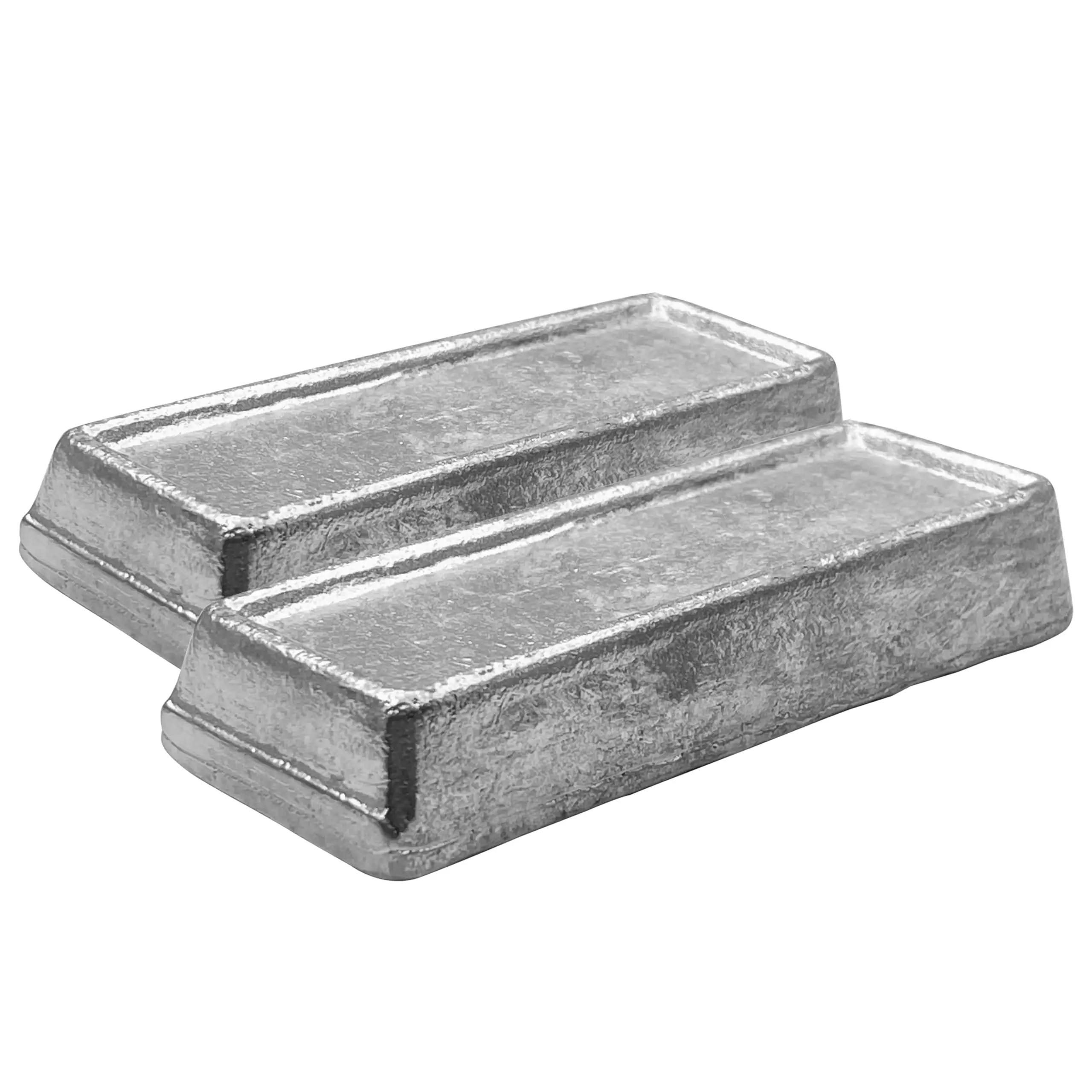 |
Fachoik Pure Soft Lead Ingots (99.9% purity, 4.4lb) | 4.4 | 5 | $30.33 | $5.78 | High purity for casting sinkers and weights; Clean packaging; Ideal for hobbyists |
Table data sourced from [1].
Retail Buyer Takeaway: High-purity, clean-packaged lead ingots dominate online sales, with a consistent demand from anglers, reloaders, and small-scale artisans. Procurement teams serving downstream B2C or hobby markets should prioritize retail-ready packaging and multipurpose purity specs.
Sourcing lead scrap in a competitive and regulated market demands a strategic blend of supplier evaluation, quality assurance, compliance, and risk mitigation. The following guidelines distill actionable insights for buyers across the spectrum, from industrial recyclers to SME procurement teams: Supplier Evaluation Criteria:
As lead scrap enters 2026 with solid price momentum and growing market complexity, procurement teams face a landscape filled with opportunity and fresh risk. The confluence of global commodity trends, regional price surges, sustainability mandates, and vibrant community-level sourcing calls for a hybrid approach to buyer strategy: one that leverages robust supplier evaluation, market-driven timing, and intelligence from every corner of the scrap ecosystem. Forward-looking recommendations: