
All categories
Featured selections
Trade Assurance
Buyer Central
Help Center
Get the app
Become a supplier
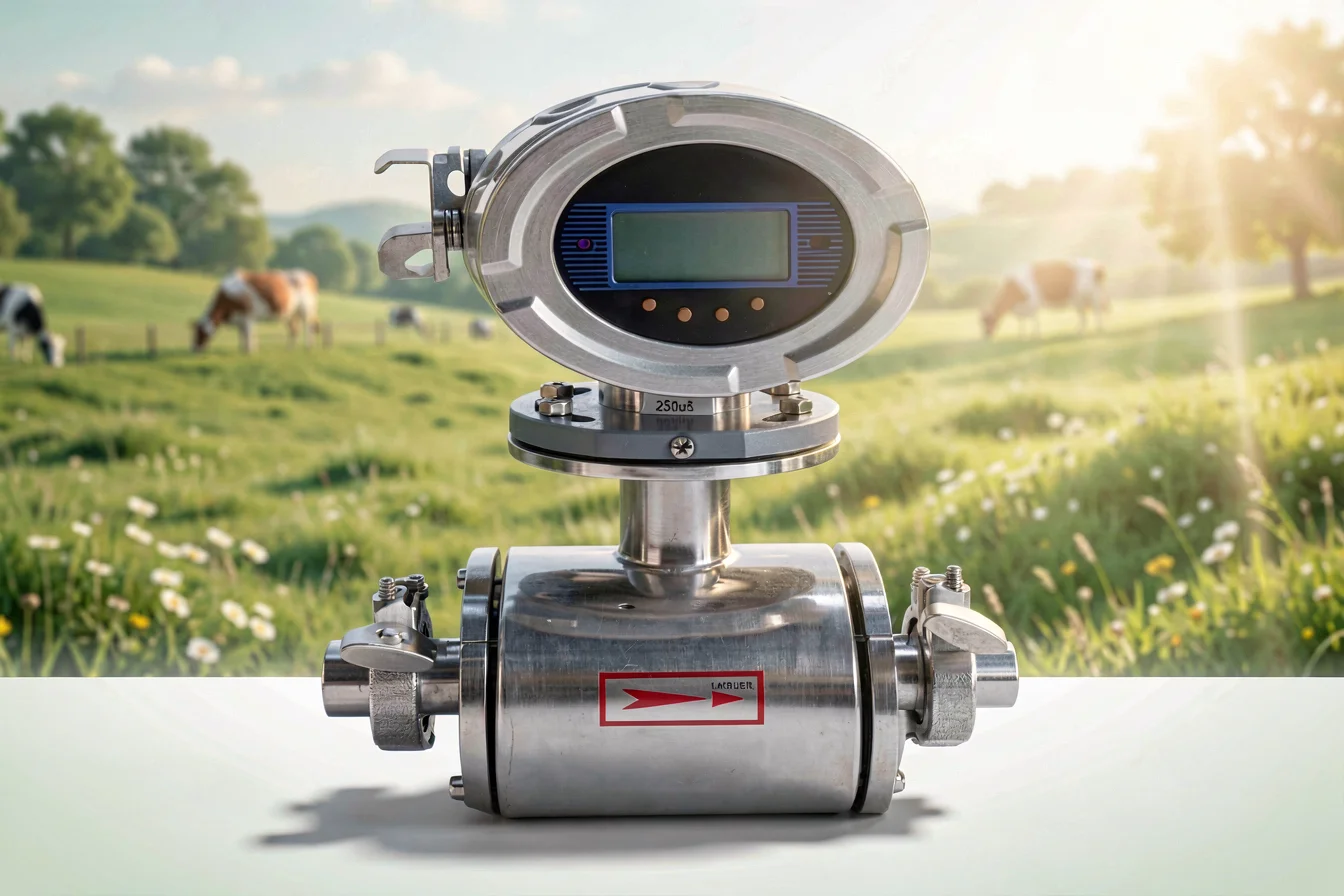
The lactometer market is experiencing rapid expansion, fueled by digitalization and rising quality control demands in dairy and sports performance sectors. Digital and stainless steel variants are trending, with strong procurement viability and stable supply chains. Buyers should prioritize calibrated, durable instruments for reliable milk purity and lactate testing, as market momentum favors both analog and digital models [1][2][7].
The lactometer category is trending due to escalating concerns over dairy quality, food safety, and athletic performance. As milk adulteration remains a persistent challenge globally, especially in regions with high dairy consumption, the demand for reliable testing tools is surging. Digital lactometers, offering real-time data and Bluetooth connectivity, are increasingly preferred by professionals and athletes. Buyers must understand the technical specifications, calibration requirements, and compliance standards before sourcing, as these factors directly impact procurement outcomes. Selection criteria include accuracy, durability, ease of use, and compatibility with both milk and sports applications. The following table summarizes key trend factors shaping the market:
| Trend Factor | Current Status | Impact on Buying Decision |
|---|---|---|
| Digitalization | Strong adoption | Shift to digital models for real-time data |
| Dairy Quality Control | High priority | Buyers seek calibrated, durable instruments |
| Athletic Performance | Emerging demand | Sports-oriented features drive product selection |
| Supply Chain Stability | Stable, diversified | Bulk and OEM sourcing viable |
| Compliance | Increasingly stringent | Need for certified instruments |
Buyers must prioritize calibrated, durable instruments and understand technical specifications to optimize procurement outcomes in a rapidly evolving lactometer market.
The lactometer market is characterized by strong volatility, with digital models outpacing analog variants in both search interest and sales volume. Market drivers include dairy industry expansion, regulatory tightening on food safety, and the rise of sports performance analytics. Supply chains remain stable, with manufacturers offering both glass and stainless steel instruments, and digital models featuring Bluetooth, rapid results, and multi-sample compatibility. Macro risks are minimal, but buyers should monitor compliance standards and sample calibration requirements. The following table provides an objective overview of key market dimensions:
| Market Dimension | Current Status | Impact Level |
|---|---|---|
| Digital Adoption | Accelerating | High |
| Dairy Industry Growth | Stable, expanding | High |
| Regulatory Compliance | Tightening | Medium |
| Athletic Performance | Emerging | Medium |
| Supply Chain Stability | Stable, diversified | Low |
Digital adoption and regulatory tightening are the dominant forces shaping the lactometer market, with supply chain stability supporting bulk and OEM sourcing.
Google Trends data shows a sharp rise in search interest for "milk testing equipment" and "lactometer digital" since mid-2025, with "lactometer digital" peaking at 83 in January 2026, while "lactometer stainless steel" lags but is also trending upward. Key events include regulatory updates and product launches, with demand spikes aligning with dairy quality initiatives and sports performance analytics. The following line chart visualizes demand fluctuations:
Google Trends: Milk Testing Equipment vs. Lactometer Digital vs. Lactometer Stainless Steel, Mar 2025–Feb 2026
Digital lactometers are outpacing analog models in search volume, signaling a shift toward real-time data and compliance-driven procurement.
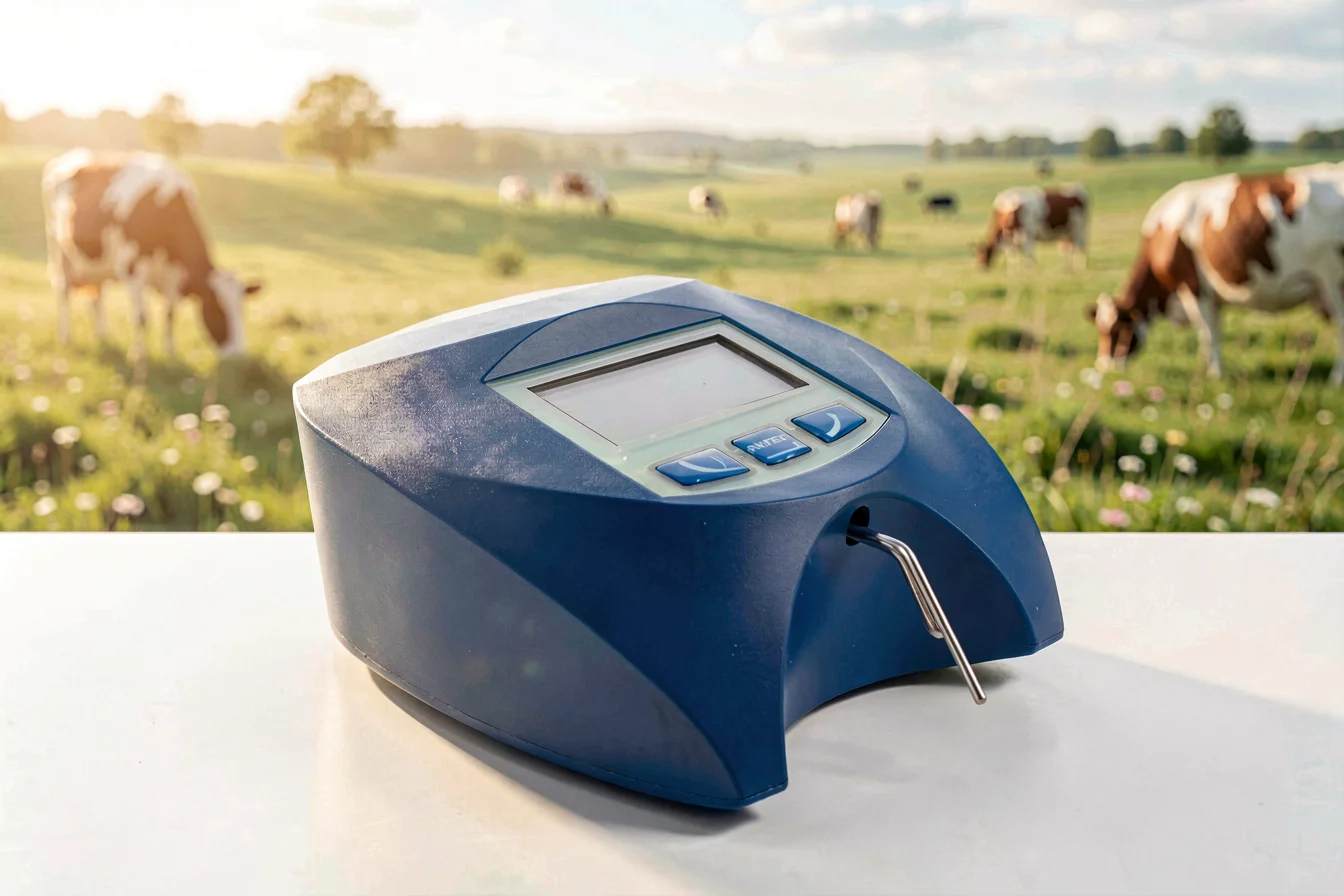
Amazon data reveals that the most successful lactometer products are those offering high accuracy, ease of use, and digital features. Prices range from USD 4.31 for basic hydrometers to USD 299.99 for advanced sports-oriented lactate meters. Buyers prioritize Bluetooth connectivity, rapid results, and multi-sample compatibility. The following table summarizes top-selling products:
| Image | Name | Price | Rating | Key Features |
|---|---|---|---|---|
 |
Balacoo Precision Hydrometer | USD 12.69 | 0.0/5.0 | High accuracy, easy-to-read scale, durable glass |
 |
Lactate Meter for Athletes | USD 255 | 4.2/5.0 | Bluetooth sync, rapid results, app connectivity |
 |
Amosfun Precision Lactate Meter | USD 6.17 | 0.0/5.0 | Portable, multi-liquid compatibility, durable |
 |
1pc Milk Hydrometer Lactometer Tester Tool | USD 4.31 | 4.0/5.0 | Reusable, professional design, easy to use |
|
POPETPOP Scientific Hydrometer | USD 16.72 | 4.4/5.0 | High precision, lab-grade, durable glass |
 |
THE EDGE Lactate Meter | USD 249.99 | 4.0/5.0 | Handheld, rapid testing, memory recall |
 |
Luxshiny Milk Density Meter | USD 7.14 | 3.6/5.0 | Precise, portable, glass construction |
 |
Lactate Test Kit by THE EDGE | USD 299.99 | 4.6/5.0 | Complete kit, high accuracy, USA support |
 |
Milk Refractometer with ATC | USD 23.98 | 4.2/5.0 | ATC, easy calibration, battery-free |
 |
HeartsCare Lactate Testing Kit | USD 179.99 | 4.8/5.0 | Bluetooth, rapid testing, warranty |
Digital lactometers and sports-oriented models are leading in sales, driven by accuracy, ease of use, and real-time data features.
Amazon reviews highlight the most frequently praised strengths as accuracy, ease of use, and rapid results. Common complaints include fragile glass construction, inconsistent readings, and high price for advanced models. The following blockquotes illustrate authentic buyer sentiment:
"Very reliable readings, and super easy to use. They have an app that syncs very well and that helps with tracking. I use this primarily for zone 2 training, and the speed of the readings helps when you are testing mid workout. Compact, and simple to operate." (Lactate Meter for Athletes)
"These fragile, blown glass density testers are really neat! The testing method is simple and the glass is easy to clean. They're fully sealed. I was surprised at how little packaging they provided for such a delicate set of glass implements, but luckily they arrived safely and intact. Rather pretty little tools, honestly. Makes monitoring the dairy production feel somewhat steampunk or mad sciencey, which is fun. Definitely a way to impress your herd share customers!" (POPETPOP Scientific Hydrometer)
Buyers value accuracy and ease of use, but caution about fragile construction and price sensitivity in advanced models.
| Product Name | Top Praise | Top Complaint | Overall Sentiment |
|---|---|---|---|
| Lactate Meter for Athletes | Reliable readings, easy to use | High price | Positive |
| POPETPOP Scientific Hydrometer | Simple testing, easy cleaning | Fragile glass | Positive |
| HeartsCare Lactate Testing Kit | Rapid testing, warranty | Price sensitivity | Positive |
| Luxshiny Milk Density Meter | Precise, portable | Inconsistent readings | Neutral |
Positive sentiment dominates for digital and sports-oriented models, with neutral to positive for basic hydrometers.
Reliability benchmarks for lactometer procurement focus on defect rates, maintenance cycles, and expected service life. Glass instruments are prone to breakage but offer high accuracy, while digital models require battery management and software updates. Buyers should seek calibrated, certified instruments with robust construction and rapid calibration features. The following table compares key reliability metrics:
| Benchmark Dimension | Glass Lactometer | Digital Lactometer |
|---|---|---|
| Defect Rate | Low (breakage risk) | Medium (software/hardware) |
| Maintenance Cycle | Annual calibration | Quarterly software update |
| Expected Service Life | 5–10 years | 3–5 years |
| Calibration Accuracy | High (manual) | High (automatic) |
| Compliance | ISO/IEC 17025 | ISO/IEC 17025, CE |
Buyers should prioritize calibrated, certified instruments and robust construction for long-term reliability and compliance.
Strategic sourcing guide: Select OEM/ODM partners with proven calibration and compliance records, map logistics bottlenecks (glass breakage, digital software updates), and negotiate price optimization via volume contracts and warranty extensions. Risk mitigation includes bulk sourcing, regular calibration, and compliance documentation for international shipments.
Procurement optimization for lactometer sourcing involves comparing direct factory, authorized distributor, and B2B platform channels. Direct factory offers customization and volume discounts, while authorized distributors ensure warranty and compliance. B2B platforms like Alibaba.com provide full OEM/ODM support, rapid logistics, and compliance documentation. Logistics trends favor air freight for glass instruments and sea freight for bulk digital models, with duty/tax considerations varying by destination. Buyers should request calibration certificates, compliance documentation, and robust packaging for glass instruments to minimize breakage. The following table summarizes channel advantages:
| Feature | B2B Advantage |
|---|---|
| Customization | Full OEM/ODM Support |
| Bulk Sourcing | Volume discounts |
| Compliance | ISO/IEC 17025, CE |
| Logistics | Rapid air/sea freight |
| Warranty | Extended warranty options |
B2B platforms offer full OEM/ODM support, rapid logistics, and compliance documentation, making them optimal for bulk and customized lactometer sourcing.
The lactometer category is poised for continued expansion, with digitalization, regulatory tightening, and athletic performance analytics driving demand. Over the next 12 months, buyers should anticipate further adoption of digital models featuring real-time data, app connectivity, and rapid calibration. Pricing will remain competitive, with bulk and OEM sourcing viable for both glass and digital variants. Buyers should prioritize calibrated, certified instruments, robust construction, and compliance documentation to optimize procurement and risk mitigation. Immediate next steps include requesting technical specifications, compliance certificates, and volume contracts from OEM/ODM partners on Alibaba.com, ensuring supply chain resilience and long-term reliability for dairy and sports performance applications.