
All categories
Featured selections
Trade Assurance
Buyer Central
Help Center
Get the app
Become a supplier
As we leap into 2026, the global headwear market is undergoing a dramatic evolution. Caps—once practical accessories for sun and sport—have surged to the forefront of personal style, branding, and even social signaling. The Lackpard cap segment, powered by innovative design and a revival of vintage aesthetics, now sits center stage in both casual and professional contexts. Seasonal variables, such as the tail end of winter and spring’s imminent onset, are boosting the demand for textured, embroidered, and logo-rich caps [5]. Celebrity endorsements and viral fashion cycles are propelling animal prints and heritage embroidery patterns; the leopard print6]. Cultural events, from major sporting championships to music festivals, are fueling surges in cap sales, particularly in North America and urban Asia. Meanwhile, consumer buying habits are shifting, with an emphasis on comfort, fit for larger heads, environmental responsibility, and multi-purpose utility—qualities abundantly offered by current market leaders [1][2]. As cap designs converge with streetwear and nostalgia, buyers and sourcing professionals must attune themselves to these rapidly shifting nuances to capture market share in 2026.
Lackpard caps represent a versatile portfolio within the global headwear industry. Typically characterized by classic silhouettes—baseball caps, snapbacks, trucker hats—and infused through unique embroidery, custom patches, or even distinctive animal prints, the category is strongly linked to the fusion of fashion and function [4]. Historically, caps trace their origins to 19th-century sporting apparel, evolving in the 20th century alongside the rise of mass-produced uniforms and urban counterculture. The embroidered cap, now a bestseller, grew from team sport heritage, hip-hop fashion, and branded promotional wear.
Major cap types include:
Buyers assess caps based on fit (head circumference, adjustability), material quality (cotton, polyester blends, mesh, wool), construction durability, brand reputation, embellishments and prints, and seasonal relevance. In 2026, classification criteria also hinge on eco-friendliness, availability of extended sizing (for larger heads), and visible design cues—such as prominent embroidery and bold prints [2][5]. Discerning procurement professionals should prioritize these metrics to maximize downstream appeal and minimize risk in wholesale or private label sourcing.
In an era where caps are cultural conversation starters, user-generated content and influencer marketing deeply shape public perception. Across digital platforms, consumers discuss everything from fit challenges (“fat head” sizing appreciated) to washing, care, and the style impact of embroidered and animal print caps.
The leopard print pillbox hat, notably styled by icons like Jennifer Lawrence and Jackie Kennedy, currently resonates as a symbol of both retro-chic and forward fashion [5][6]. Social sentiment analysis reveals cap owners are seeking hats “perfect for anytime I am OOO”—underscoring their versatility from outdoor adventures to casual city strolls [7]. Enthusiastic reviews call attention to features such as “breathable mesh back”, “distressed finishes”, and high-quality embroidery that survives repeated wear and laundering. Pro tips and tutorials—even methods for maximizing comfort in swimming or sport caps—continue to trend alongside discussions of how hat choice can communicate status, activism, and group belonging [14][15].
Negative sentiment, when present, revolves around issues such as cap cleaning hassles, short battery life in tech-embedded caps, or challenges in securing a comfortable fit. However, positive feedback consistently dominates, with terms like “superb sound quality”, “cool feature”, and “very good product” frequently cited in cap reviews [3]. This direct consumer dialogue helps sourcing teams refine their procurement focus—for example, expanding size options, prioritizing easy-care textiles, and investing in embroidered details that drive viral recognition and repeat sales.
Additionally, expert communities dissect technical specifications (such as the fit and construction of snapback mechanisms, ventilation needs, and embroidered patch durability) alongside niche topics like vintage cap restoration and competitive value investing in small cap headwear brands [11]. Through these diverse digital threads, the Lackpard cap category emerges as both a stylistic anchor and a strategic investment opportunity for B2B buyers.
The international cap market has never been more dynamic. In 2026, several key product themes dominate sales and search interest—each with distinct demographic appeal, functional advantages, and promotional opportunities. Regularly updated data reveals seasonal sales surges, steady growth, and evolving consumer priorities across cap variants.
Amazon Trends Reveal: Sales Patterns and Sentiment Analysis Among Top Cap Categories
Amazon’s marketplace trends illuminate the robust commercial performance within embroidered, vintage, and custom cap segments. Review aggregate volumes show spikes in mid-summer months (especially July), a sign of strong seasonal drive fueled by back-to-school, outdoor events, and fashion resets [1].
Positive review keywords (such as “comfortable fit”, “eco-friendly”, “efficient”) highlight what buyers value: larger head accommodation, daily wear appeal, and environmental credentials. Converses in Law Enforcement & Custom Cap reviews flag technical issues—charging and battery life for smart caps—as areas for competitive product enhancement [3]. As illustrated in the following chart, sales counts and search volumes fluctuate by month and SKU, offering tactical insight for promotional planning.
Normalized bar chart showing monthly average sales counts across three major Lackpard-inspired cap themes. Each colored bar represents a distinct theme: Vintage Dad & Mom Caps, Vintage Washed Baseball Caps, Law Enforcement & Custom Caps. Data from Aug 2025 to Jan 2026; notable peaks occur in December and January, with commentary on sentiment and business recommendations.
Analysis: Vintage Dad & Mom Caps deliver consistently higher sales, peaking in January (post-holiday purchasing and new style launches); meanwhile, Vintage Washed Baseball Caps show steady growth, reflecting broad unisex appeal and eco-conscious buying priorities [2]. Law Enforcement & Custom Caps spike in November-December (potentially linked to gifting and professional events) but require urgent product refinement regarding weight and battery life to sustain momentum [3]. Source reviews indicate sizing, washability, and embroidery quality are top purchase criteria. For procurement, timing promotions to seasonal peaks—especially Q4 and early Q1—will significantly elevate ROI. Consider introducing improved size ranges, eco-friendly materials, and advanced customization features to target unmet consumer needs.
Hot Selling Analysis: Top 10 Bestselling Lackpard-Inspired Caps on Amazon in 2026
The following table details the top 10 Amazon cap SKUs by sales volume4].
| Rank | Product Image | Product Name | Avg Rating | Sale Volume (Latest Month) | Retail Price | Wholesale Price | Key Features |
|---|---|---|---|---|---|---|---|
| 1 | 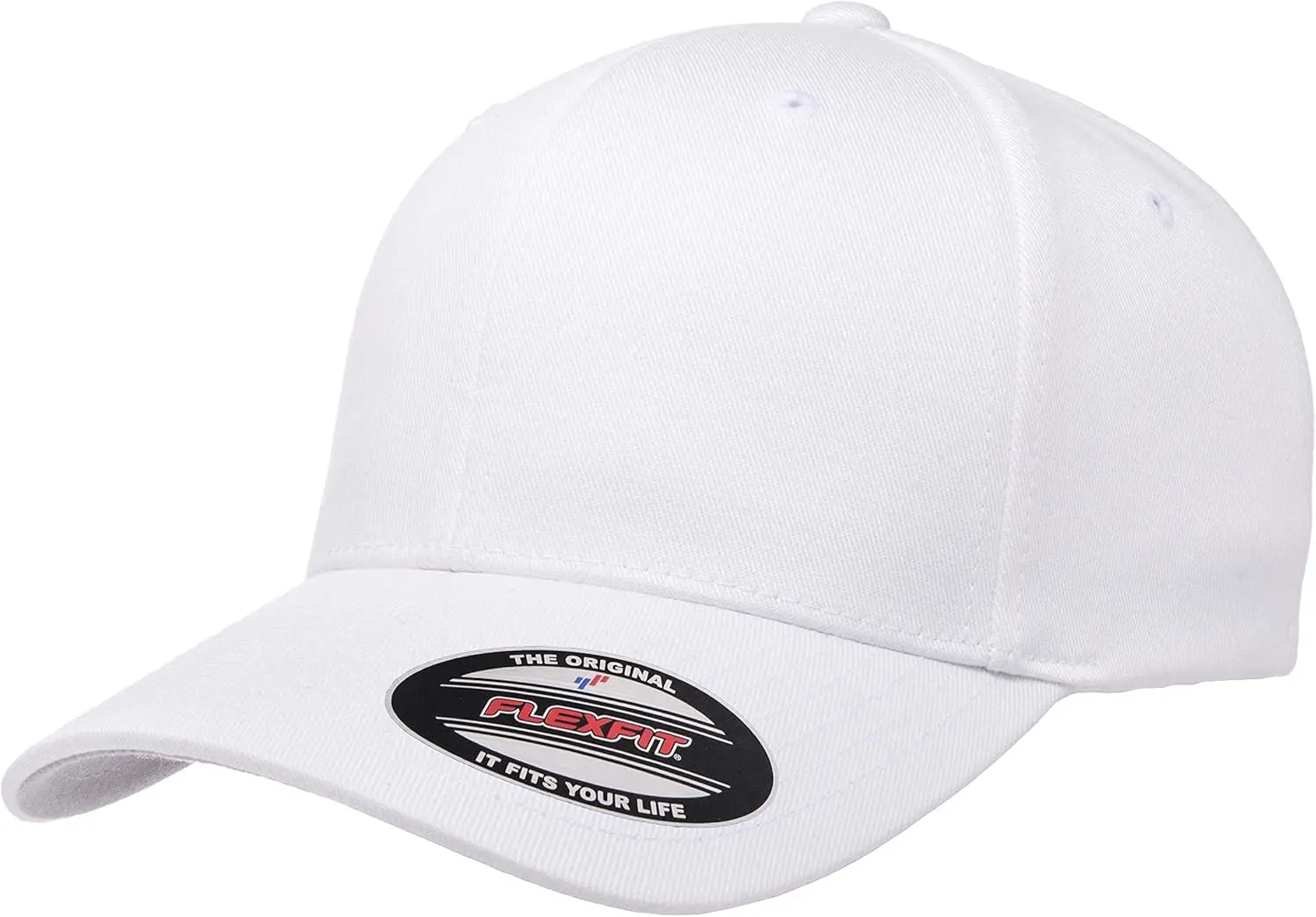 |
Flexfit Men’s Wooly Combed Twill Fitted Baseball Cap | 4.7 | 20993 | $11.29 | $3.33 | Classic fit, soft twill, widely favored for comfort & durability. |
| 2 | 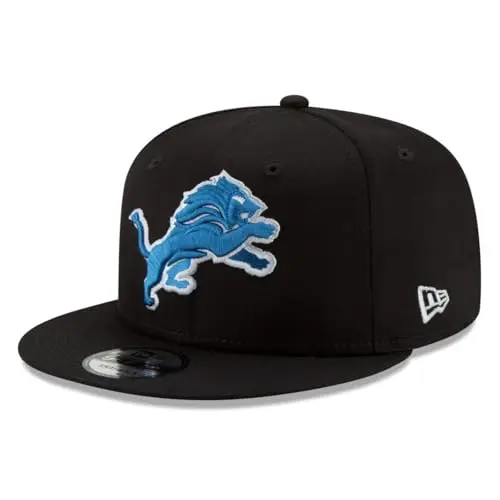 |
New Era NFL 9FIFTY Team Color Adjustable Snapback Hat Cap | 4.8 | 2665 | $33.53 | $7.17 | Official team branding, snapback adjustability, high consumer loyalty |
| 3 | 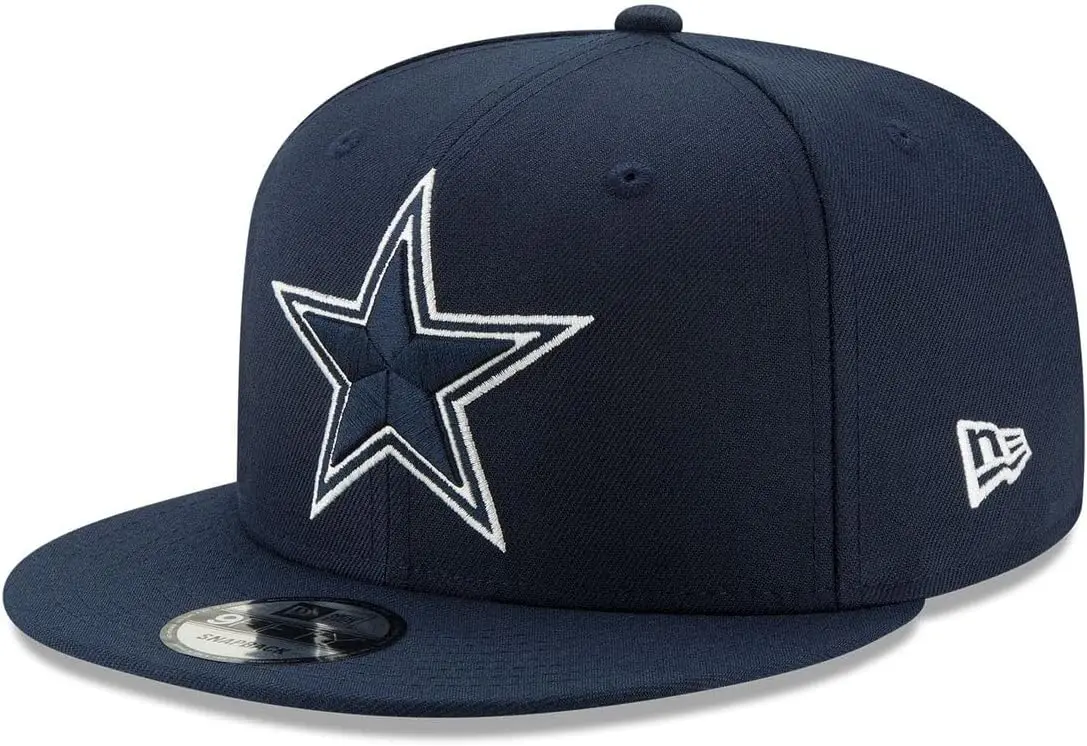 |
New Era NFL 9FIFTY Team Color Adjustable Snapback (Dallas Cowboys - Navy) | 4.8 | 2578 | $39.66 | $6.17 | High visibility team logo, premium adjustable fit. |
| 4 | 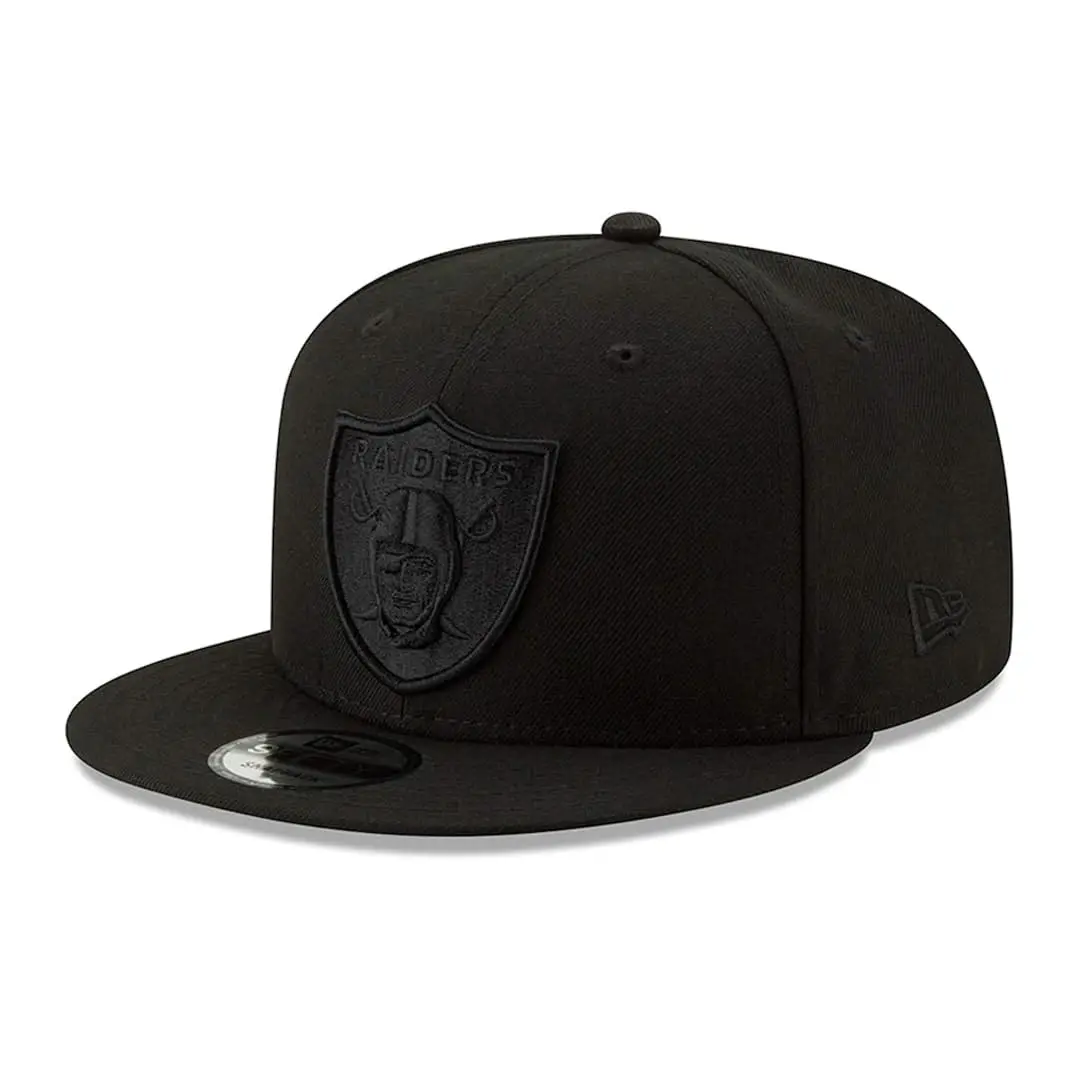 |
New Era NFL 9FIFTY Black On Black Adjustable Snapback Hat Cap | 4.7 | 2332 | $37.25 | $6.67 | Sleek monochrome, universal fit, favored by youth. |
| 5 | 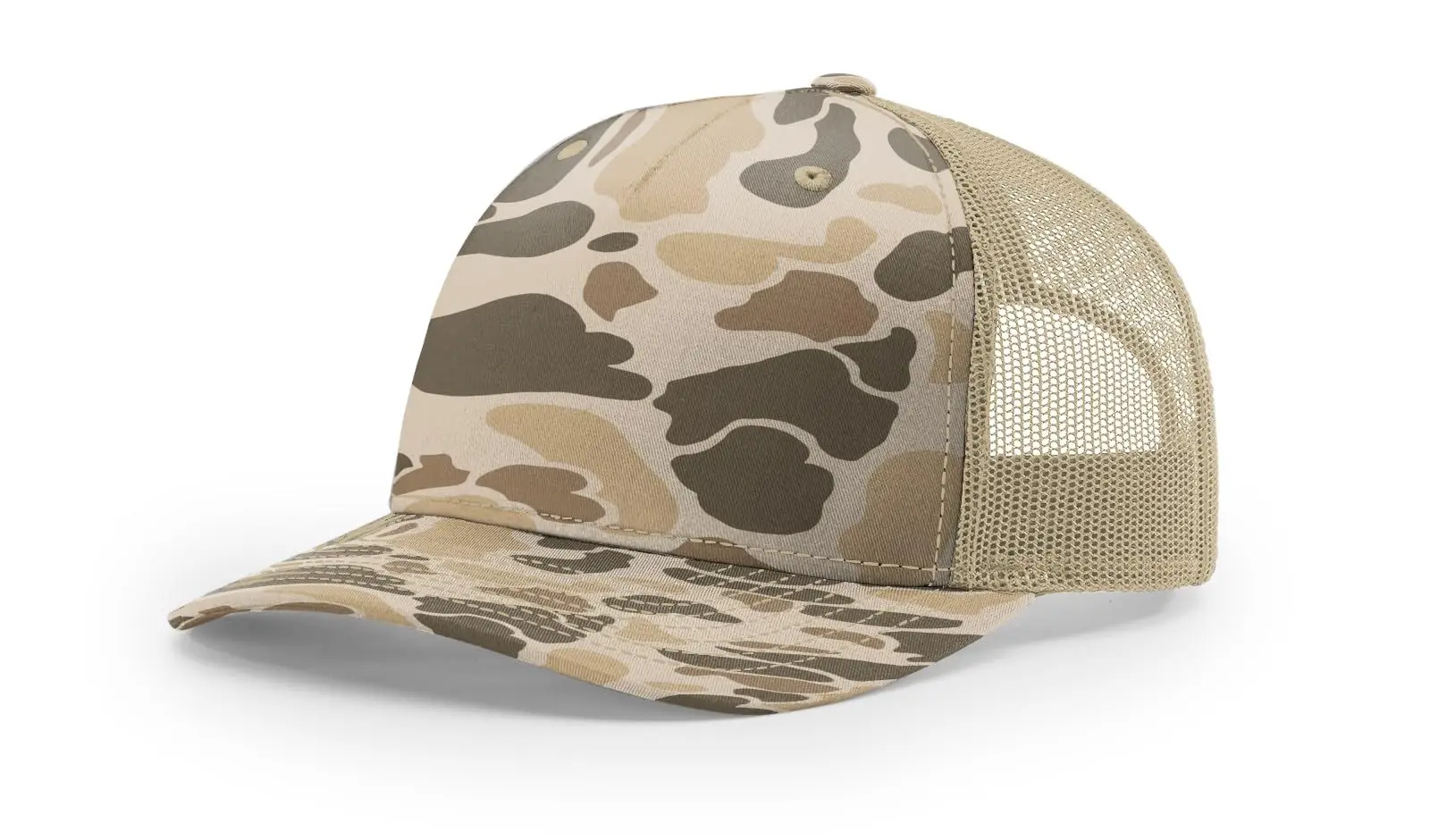 |
Five-Panel Printed Trucker Cap | 4.7 | 1057 | $11.49 | $4.31 | Creative print, mesh backing, ideal for casual & outdoor use. |
| 6 | 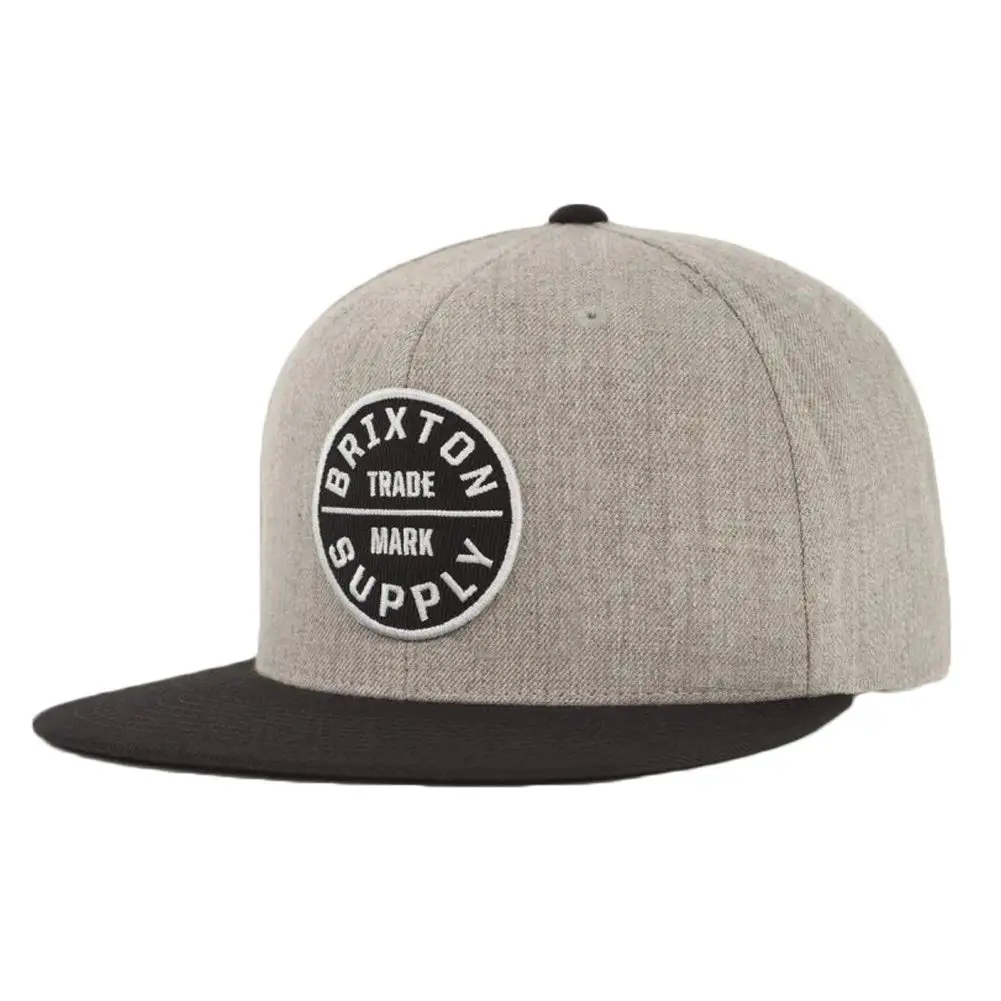 |
Brixton mens Oath III Snapback Baseball Cap (Light Heather Grey/Black) | 4.7 | 653 | $20.96 | $4.82 | Soft colorway, snapback, vintage design for mixed gender appeal. |
| 7 | 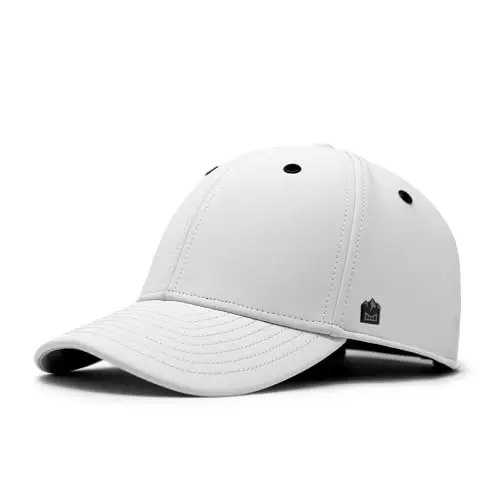 |
melin A-Game Infinite Thermal, Performance Snapback Hat | 4.3 | 138 | $79.00 | $4.58 | Thermal, water-resistant, performance innovation. |
| 8 | 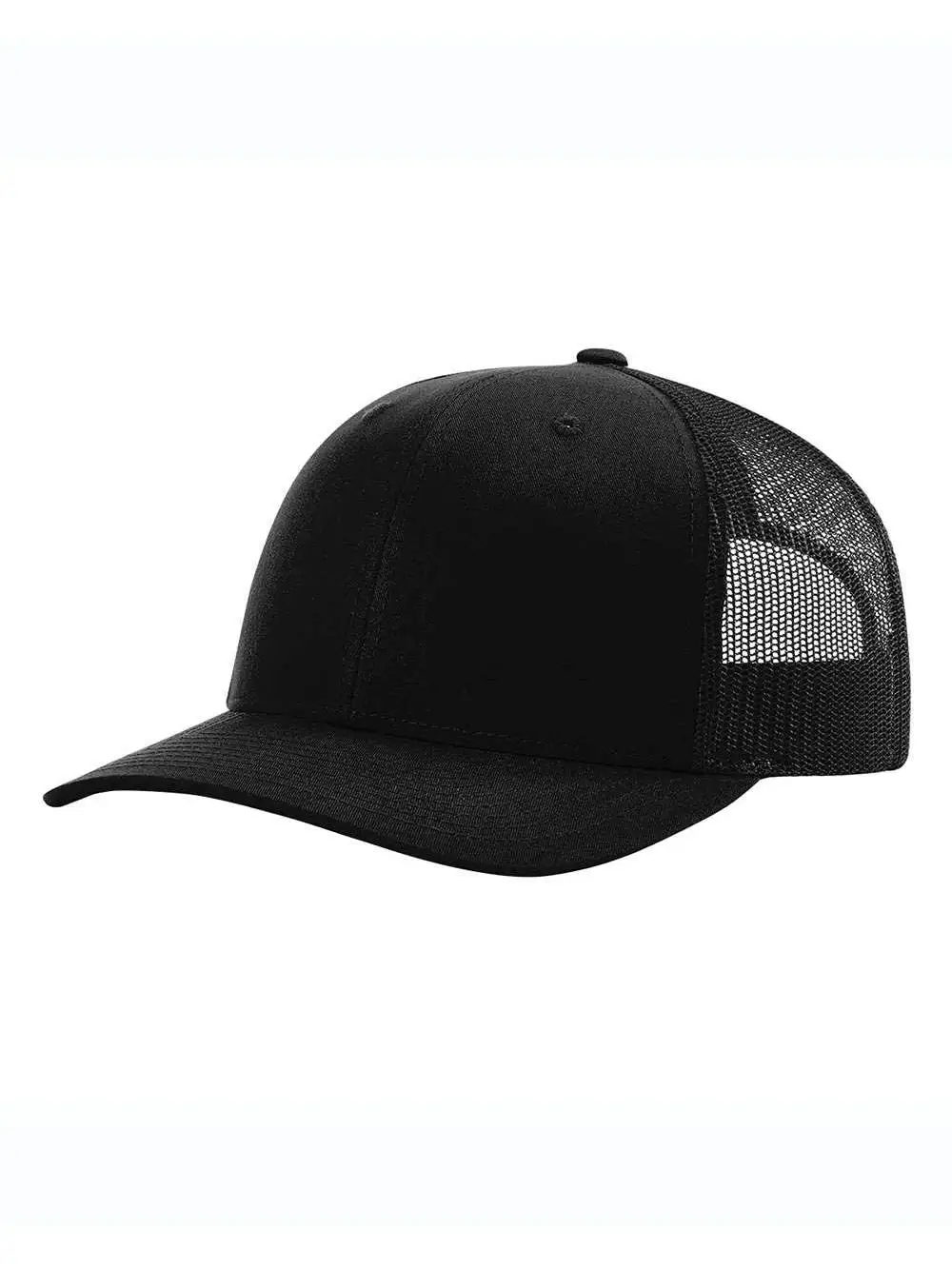 |
Richardson 112 YOUTH Classic Trucker Cap | 4.4 | 111 | $6.06 | $3.59 | Youth fit, mesh airflow, simple branding. |
| 9 | 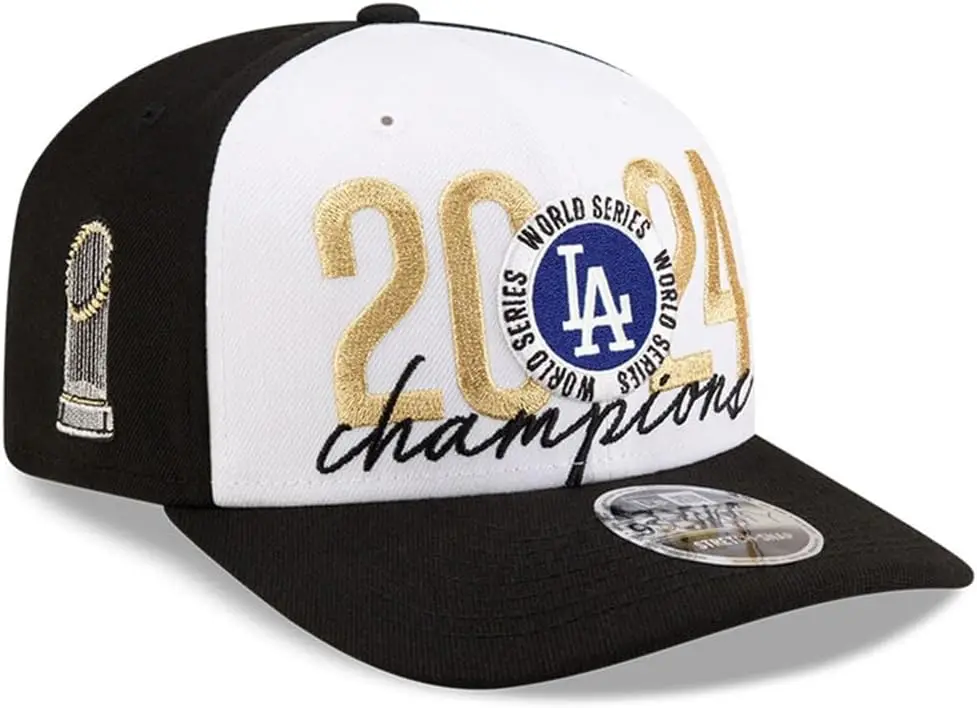 |
New Era LA Dodgers 9SEVENTY 2024 World Series Champions Gold Patch Snapback | 4.7 | 69 | $35.40 | $3.75 | Special edition embroidery, event-driven sales. |
| 10 | 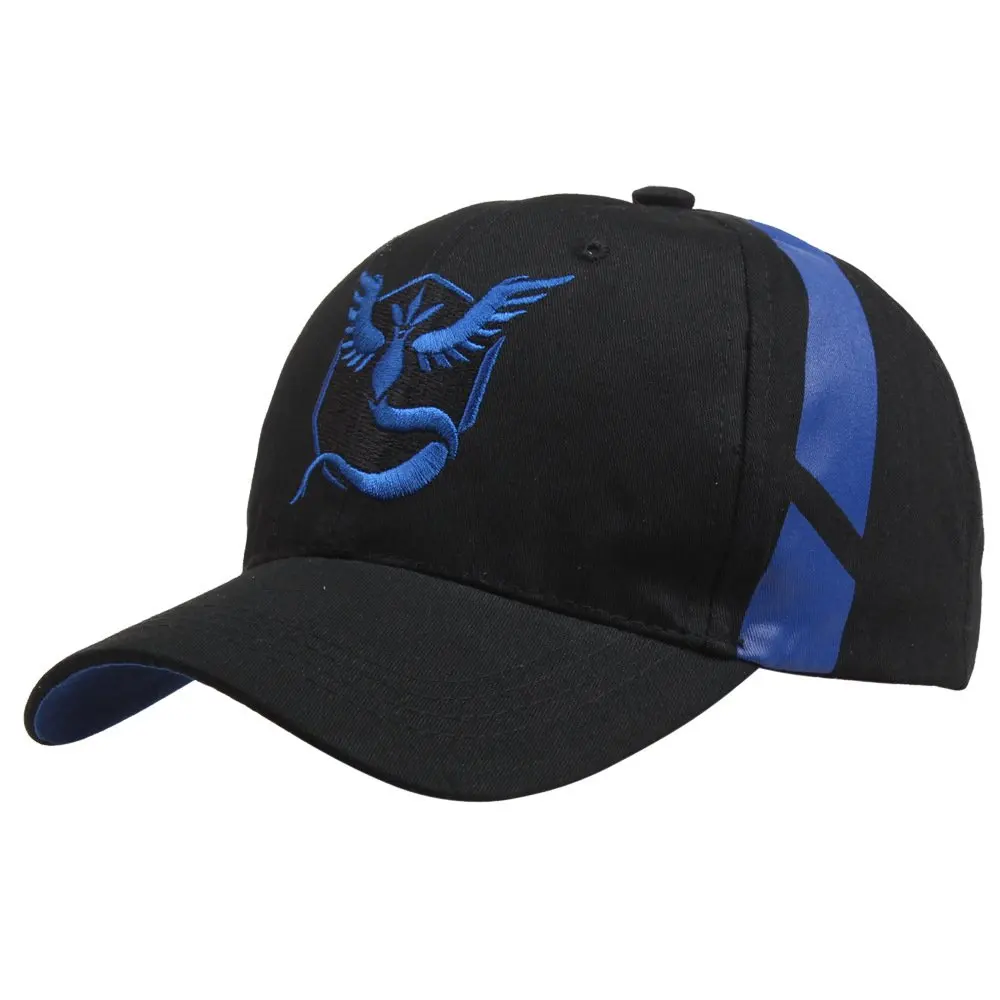 |
Outdoor Unisex Embroidered Snapback Baseball Hat Cap - Team Mystic, Valor, Instinct - Blue | 4.6 | 59 | $14.27 | $2.24 | Multi-team logos, seasonal promotion, universal sizing. |
Table data sourced from [4].
Key product differentiators:
Winning Sourcing Strategies & Risk Assessment for Lackpard Caps
To build a resilient cap sourcing program in 2026, procurement teams must balance style agility, compliance, and cost leadership. The following best practices and risk mitigation strategies serve as immediate action guides for cap buyers on Alibaba.com International:
Supplier Evaluation:
Quality Assurance:
Logistics and Packaging:
Certification & Compliance:
Pitfalls and Competitive Moves:
Competitive Advantages:
2026 Cap Market Outlook: Insights and Next Steps for Confident Global Sourcing
The 2026 headwear market is marked by fast fashion waves, pronounced seasonality, and diversified channel strategies. Lackpard caps and their best-selling counterparts blend vintage design cues, comfort, and versatile wear—achieving success through sharp attention to consumer feedback, innovative embellishments, and agile seasonal marketing [1][5]. Sales data signals that January and December are prime months for launching new collections or running aggressive campaigns, while year-round product enhancements (size, eco-materials, breathable mesh) drive incremental sales and repeat business.
Buyers and procurement leads should move to expand cap assortments with up-to-date features: extended sizing, environmental sustainability, bold embroidered logos, and premium event-driven SKUs. Establishing reliable, compliance-ready supply chains—utilizing thorough inspections, certifications, and flexible logistics—will enable international teams to seize growth opportunities and mitigate sourcing risks in a fast-evolving retail environment.
Action Steps:
The market intelligence presented here positions sourcing professionals to act decisively, capturing new growth in the global caps business—where style, story, and smart risk management produce measurable value in 2026 and beyond.
To build a resilient cap sourcing program in 2026, procurement teams must balance style agility, compliance, and cost leadership. The following best practices and risk mitigation strategies serve as immediate action guides for cap buyers on Alibaba.com International:
Supplier Evaluation:
Quality Assurance:
Logistics and Packaging:
Certification & Compliance:
Pitfalls and Competitive Moves:
Competitive Advantages:
The 2026 headwear market is marked by fast fashion waves, pronounced seasonality, and diversified channel strategies. Lackpard caps and their best-selling counterparts blend vintage design cues, comfort, and versatile wear—achieving success through sharp attention to consumer feedback, innovative embellishments, and agile seasonal marketing [1][5]. Sales data signals that January and December are prime months for launching new collections or running aggressive campaigns, while year-round product enhancements (size, eco-materials, breathable mesh) drive incremental sales and repeat business.
Buyers and procurement leads should move to expand cap assortments with up-to-date features: extended sizing, environmental sustainability, bold embroidered logos, and premium event-driven SKUs. Establishing reliable, compliance-ready supply chains—utilizing thorough inspections, certifications, and flexible logistics—will enable international teams to seize growth opportunities and mitigate sourcing risks in a fast-evolving retail environment.
Action Steps:
The market intelligence presented here positions sourcing professionals to act decisively, capturing new growth in the global caps business—where style, story, and smart risk management produce measurable value in 2026 and beyond.