
All categories
Featured selections
Trade Assurance
Buyer Central
Help Center
Get the app
Become a supplier
As 2026 unfolds, Korean stationery has elevated from a niche market of cute collectibles to a global phenomenon that shapes both lifestyle and productivity. Several converging trends underpin this surge: the rise of “mindful journaling” as a mental wellness practice, an intensified focus on personalized office supplies in the wake of hybrid work culture, and the ongoing global appetite for aesthetically-pleasing, functional products.
Seasonal trends also play a pivotal role: planners and desk accessories see massive sales spikes in Q1 as students and professionals reset routines. The "back-to-school" period in late summer catalyzes another sales boom, bolstered by educational reforms in major Asian and Western markets. Culturally, Korea’s emphasis on gifting—especially premium, customized stationery for holidays and graduations—fuels a steady consumer demand. The robust e-commerce infrastructure and fast international logistics have empowered retailers to meet global cravings for unique, limited-edition stationery goods[5].
Consumer behavior has shifted decisively: buyers now expect not just utility, but emotional appeal and customization. Personalized journals, artist-grade gel pens, and whimsical stickers are top-sellers both as self-care tools and as treasured gifts. The popularity of K-pop and Korean dramas has also funneled attention toward Korean brands, with influencers frequently showcasing their favorite planners and desk setups online. Social media platforms have become major catalysts for viral stationery trends, driving spontaneous “haul” purchases and cross-border collaborations[8][10].
In the context of economic resilience and continued growth in disposable incomes—especially across Asia, North America, and Europe—stationery is now understood as more than a commodity. It is an extension of one's personality and daily organization, prompting both consumers and procurement professionals to seek "the next big thing" in Korean stationery for 2026.
From casual hobbyists to experienced sourcing managers, the magnetism of Korean stationery lies in its fusion of design, practicality, and emotional connection—an intersection that promises lasting market expansion and rich sourcing opportunities for buyers worldwide.
Korean stationery encompasses a broad spectrum of writing tools, organizers, decorative accessories, and study companions renowned for their aesthetic charm and innovative designs. At its core, the category includes journals and planners, pens, sticky notes, stickers, washi tapes, pencil cases, and desk organizers[6][9]. Originating from Korea’s robust culture of academic achievement and creative expression, stationery brands have evolved over the decades to merge form with function. By 2026, Korean stationery is equally prized for utility, delight, and its ability to foster mindfulness.
The industry’s early roots can be traced to traditional paper goods and calligraphy supplies, which have gradually been reshaped through global collaborations, design competitions, and rapid digitalization of supply chains. This evolution accelerated in the late 2010s, as brands responded to the “K-wave” by reimagining classic products with characters, pastel colors, and interactive elements. Today, Korea’s top stationery brands—such as ICONIC, Romane, Dinotaeng, and Appree—are defined by their playful motifs, high-quality materials, and unerring attention to usability[8][6].
Buyers should distinguish Korean stationery by several key criteria:
Major buyers—ranging from retail chains to corporate procurement managers and global distributors—prioritize unique aesthetic, durability, ergonomic design, and adaptability to local market tastes. Understanding these distinctions and classification criteria equips sourcing teams to target high-opportunity products and suppliers within the thriving Korean stationery landscape.
The worldwide passion for Korean stationery finds powerful expression across social platforms and online communities. Stationery fans trade tips, showcase “haul” photos, swap pen-pal packages, and deliberate on the best sources for planners, stickers, and specialty inks.
A dominant narrative in community discourse is the quest for authentic, distinctive Korean stationery brands. Enthusiasts debate physical store location recommendations—Namdaemun Market for mainstream selections, Hongdae for handmade designs, and hidden gems like “Made By” and “BlueBlack” for exclusive inks and unique art supplies[10]. Convenience-driven buyers endorse massive chains like Daiso for affordable basics, while purists advocate for boutique outlets that support independent artists and feature limited-edition designs[15][14].
Online, proxy shopping services have become a lifeline: with demand for Korean stationery far outstripping local supply in North America and Europe, community members share experiences with intermediary buying platforms and proxy agents[11][13]. This proxy culture has led to a diverse ecosystem—ranging from group orders in fan communities to curated subscription boxes—that expands Korean stationery’s reach far beyond native borders.
One uniquely Korean passion is pen-pal culture. Dozens of discussions highlight the appeal of exchanging thoughtful stationery packages and forming international friendships around shared journaling habits[14]. Buyers and collectors emphasize the emotional impact of Korean stationery—how fun designs, tactile materials, and themed planners enrich daily routines and form lasting memories.
Recent threads also celebrate Korean brands’ innovation (e.g., “doodle pencil cases” with color-coded compartments[6]), while candidly warning about the “wallet danger” posed by the endless options available in local stores[16]. Recommendations for international buyers include practical advice on shipping, customs, authentication, and how to prioritize brands that offer both aesthetic and functional value.
The result is a vibrant, globalized conversation—one that frames Korean stationery as a cultural movement, a toolkit for mindfulness, and a conduit for creativity and connection.
The Korean personalized stationery market attained a valuation of USD 1.1 Billion in 2024 and is projected to reach USD 1.7 Billion by 2033, advancing at a robust CAGR of 6.5% between 2026 and 2033[5]. Growth is driven by urbanization, increased disposable incomes, and surging interest in unique, customized, and eco-friendly stationery products. Young consumers and professionals—especially new desk owners and students—are core demographic drivers, favoring products that support both organization and self-expression[1].
Regional preferences shape the market: Korea leads in design originality, Japan in innovation, with the US and Europe adopting Korean stationery as aspirational imports. Major brands offer modular planners, refillable journals, and multi-compartment cases that have global appeal. Holiday periods (New Year, academic semesters, Christmas) trigger notable sales peaks, reflecting both practical purchases and gift-giving habits.
The increasing popularity of personalized and themed stationery remains a defining trend. Sustainability and premium materials factor in purchasing decisions. Both independent boutiques and e-commerce giants are investing in expanded inventory, swift cross-border shipping, and curated, influencer-driven collections[8][6][9]. The rise of branded collaborations, limited editions, and community-led design input further boosts product diversity and margin potentials.
Price tier analysis reflects clear segmentation:
Demand for robust products is matched by growing attention to material quality—consumers consistently rate sturdiness, ink longevity, and product feel as top priorities. This places upward pressure on suppliers to innovate beyond mere visual appeal.
Examining Amazon sales and review dynamics offers crucial insight into consumer preferences and future sourcing opportunities. The decorative washi tape category, vital for journalers and planners, shows seasonally adjusted sales spikes and stability in average review ratings.
The predominant user groups for desk organization products are new desk owners (56.67%) and those looking for streamlined working environments (usage at 66.67%). The market displays consistent sales, with a peak search volume in January and a moderate decline through mid-year. Critical review highlights include opportunities to improve product sturdiness and battery life in multi-functional organizers. Consumers praise “cool looking,” “comprehensive set,” and “good value,” while commonly criticizing products as “not sturdy” or “cheap plastic.”
Below is a chart visualizing normalized monthly sales for Decorative Washi Tape Sets and related desk organization products, emphasizing seasonal peaks and business recommendations for enhanced product design and marketing:
Normalized Amazon monthly sales and search volume trends for Decorative Washi Tape Sets and Desk Organization Products, emphasizing seasonal spikes in January and sustained demand through year.
Actionable Insight: Procurement managers should prioritize inventory restocking and campaign launches in January, coinciding with peak user activity. Investing in higher durability and appealing design attributes—such as easy-to-hang setups and “comprehensive set” bundles—can optimize sales conversion and customer loyalty. Addressing negative sentiment such as "cheap plastic" through product innovation will further consolidate market position[1].
Review sentiment is notably positive for aesthetics (43.5%) and value (13%), signaling strong consumer willingness to pay premium for products that marry function with style. Sourcing teams should track review keywords and tap into user feedback for continuous product refinement.
Analyzing the top 10 Amazon sales leaders in Korean stationery provides an invaluable window into consumer purchasing patterns and downstream retail activity. Every product has been meticulously specified for clarity and sourcing intelligence.
| Image | Product Name | Key Specifications | Avg Rating | Latest Month's Sale Volume | Retail Price | Wholesale Price | Features Summary |
|---|---|---|---|---|---|---|---|
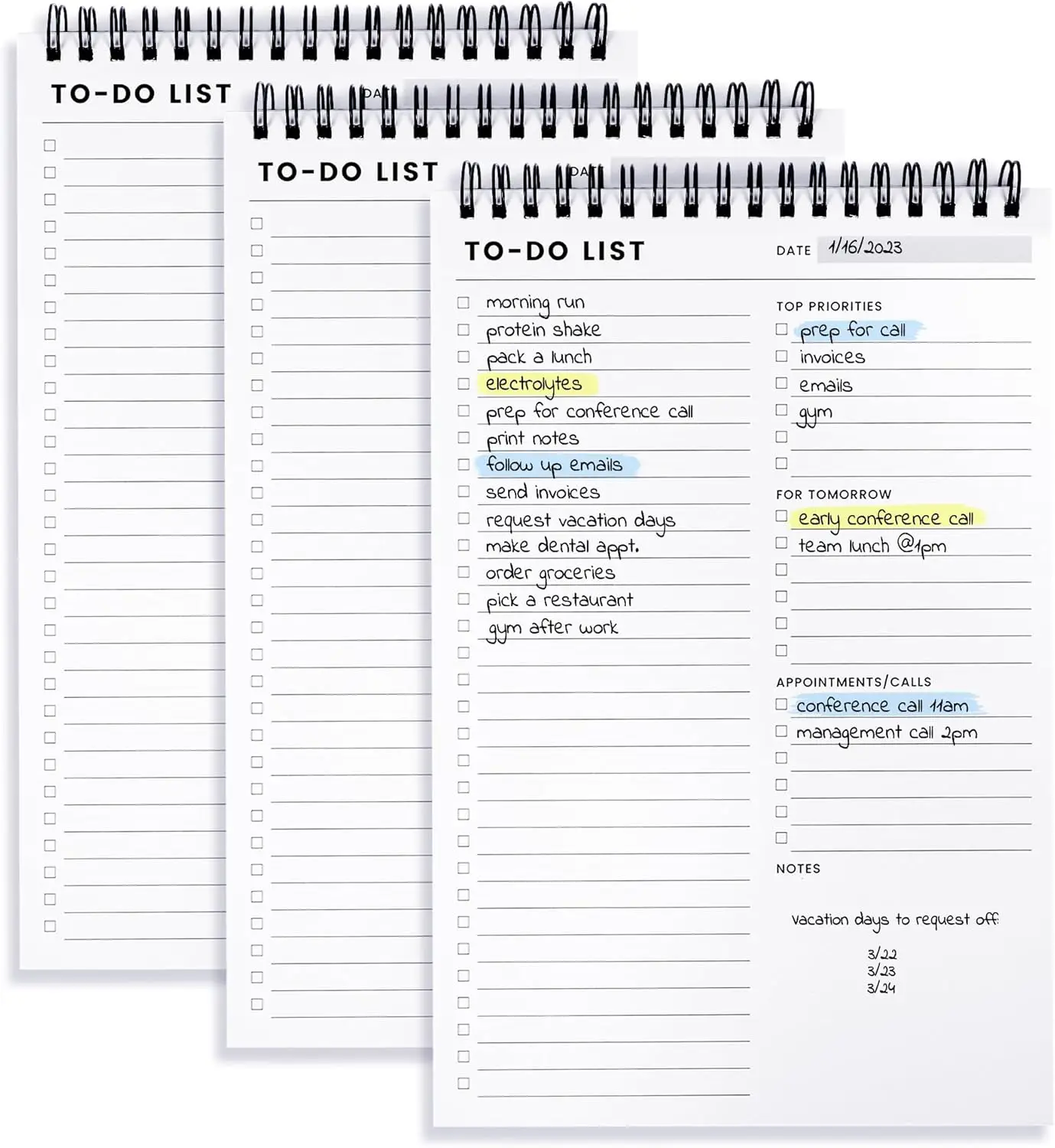 |
To Do List Notepad 3 Pack | 6.5 x 9.8”, 60 Sheets, Spiral Daily Planner, Agenda Pad, Task Checklist | 4.8 | 8,348 | $17.84 | $0.96 | Multiple functional sections, ideal for workplace organization |
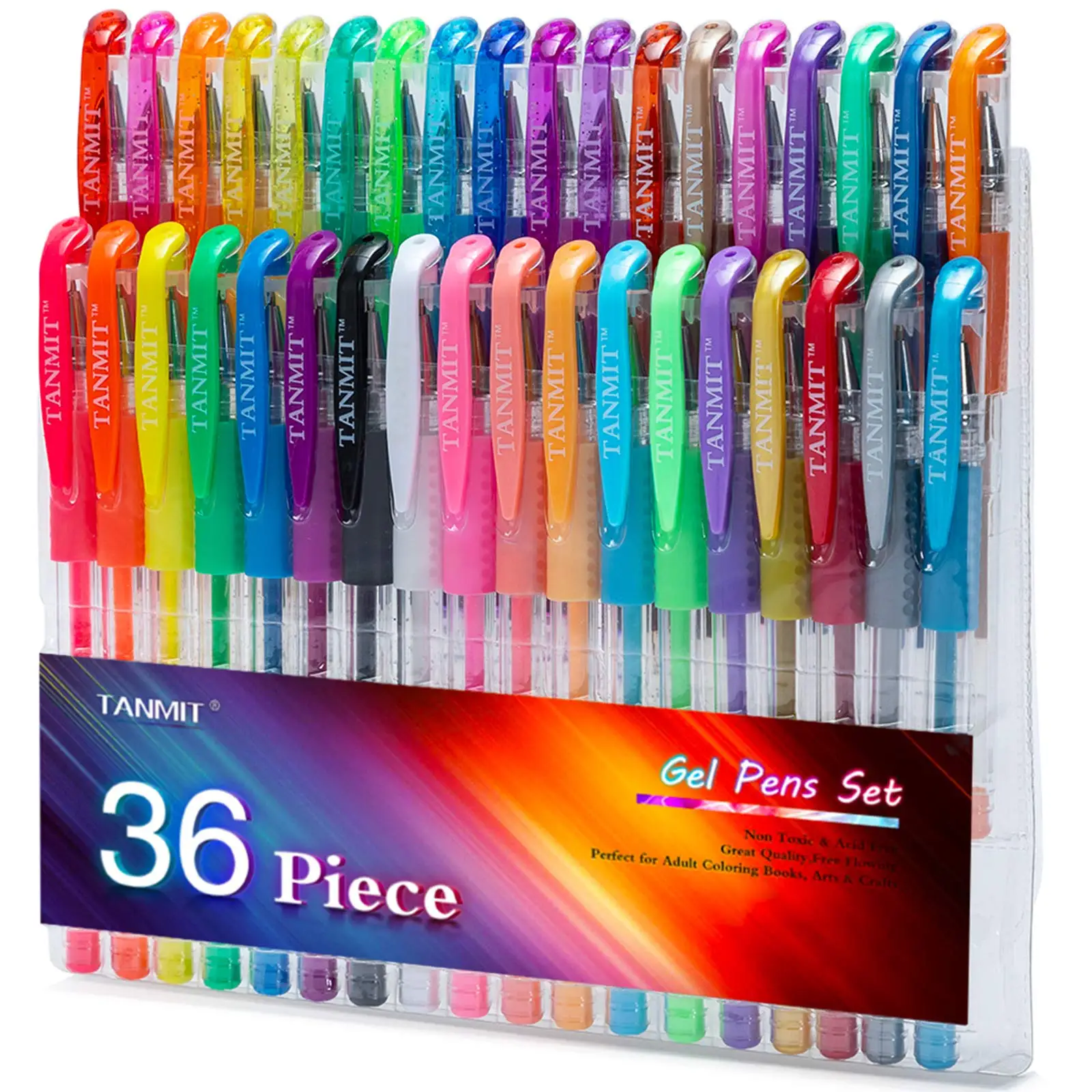 |
TANMIT 36 Colors Gel Pens Set | 36 Gel Pens, +40% More Ink, Adult Coloring & Doodling | 4.7 | 4,916 | $9.22 | $1.00 | Extended ink supply, vibrant color range, great for all ages |
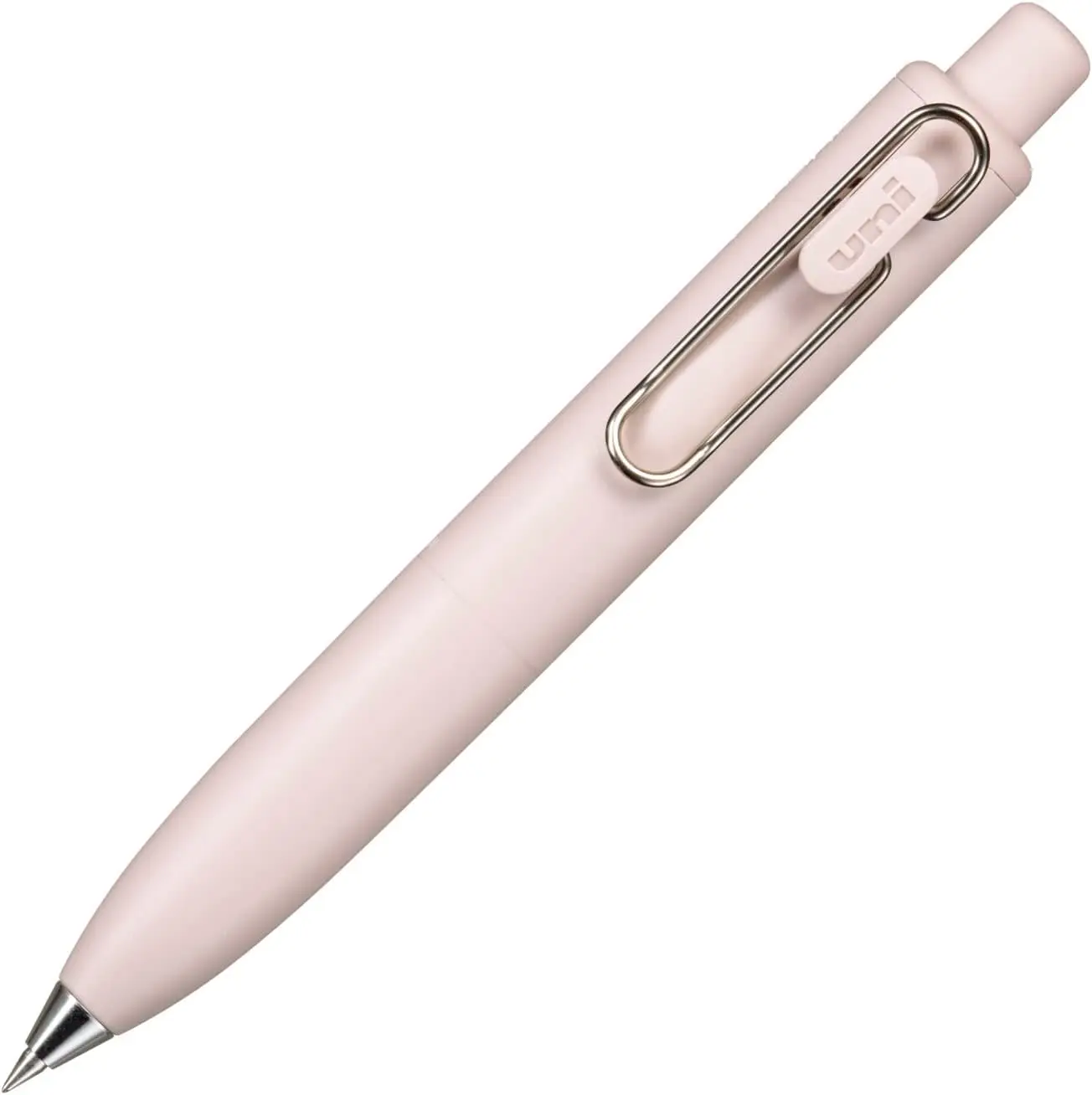 |
Mitsubishi Pencil Uni-Ball One P 0.38 Momo | Gel Ballpoint, 0.38mm, Compact, Pastel Colors | 4.4 | 4,038 | $6.03 | $0.16 | Japanese-Korean hybrid design, fine tip for detailed writing |
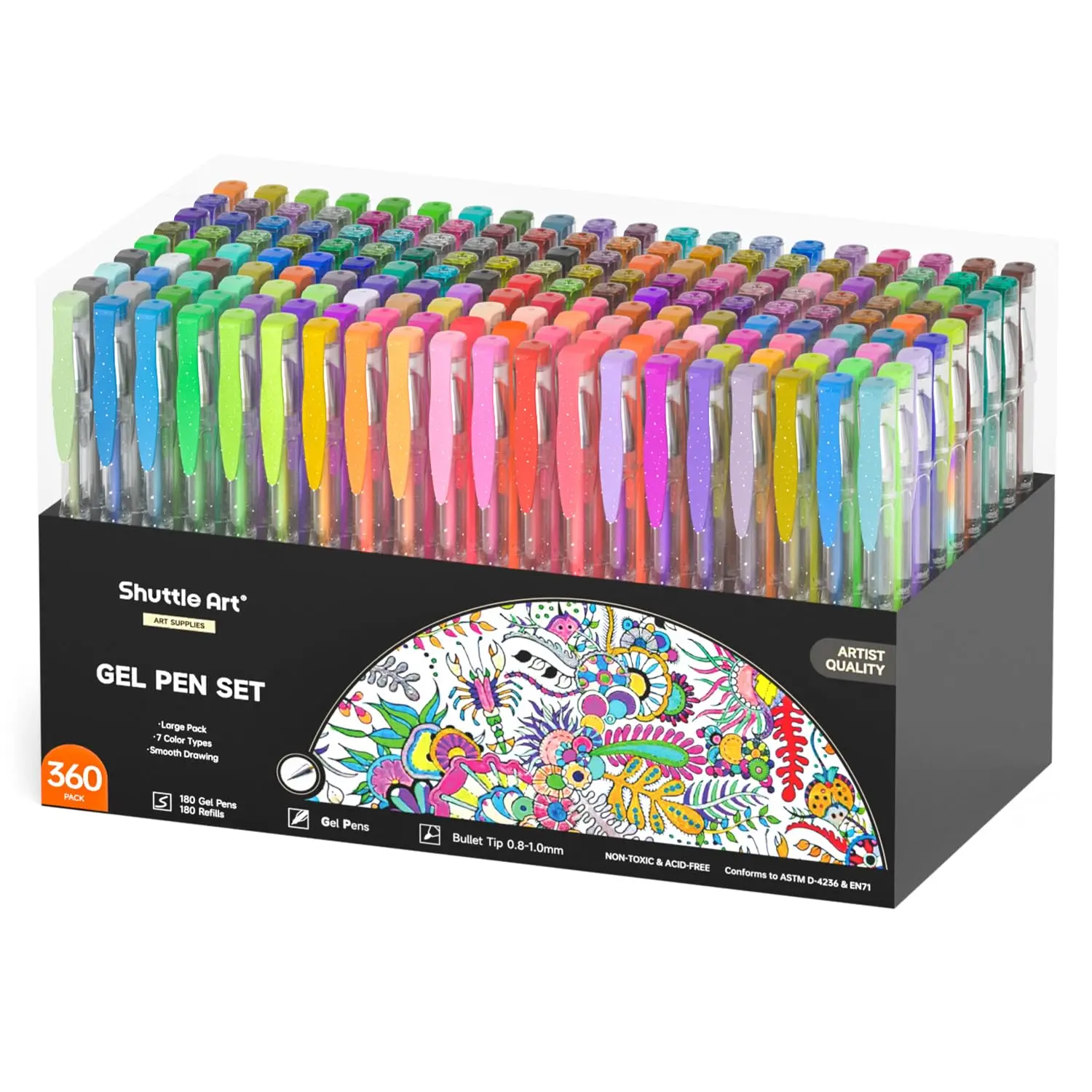 |
Shuttle Art 360 Pack Gel Pens Set | 180 Gel Pens + 180 Refills, Adult Coloring, Doodling | 4.5 | 3,219 | $30.92 | $5.85 | Bulk value set, adult arts, creative projects |
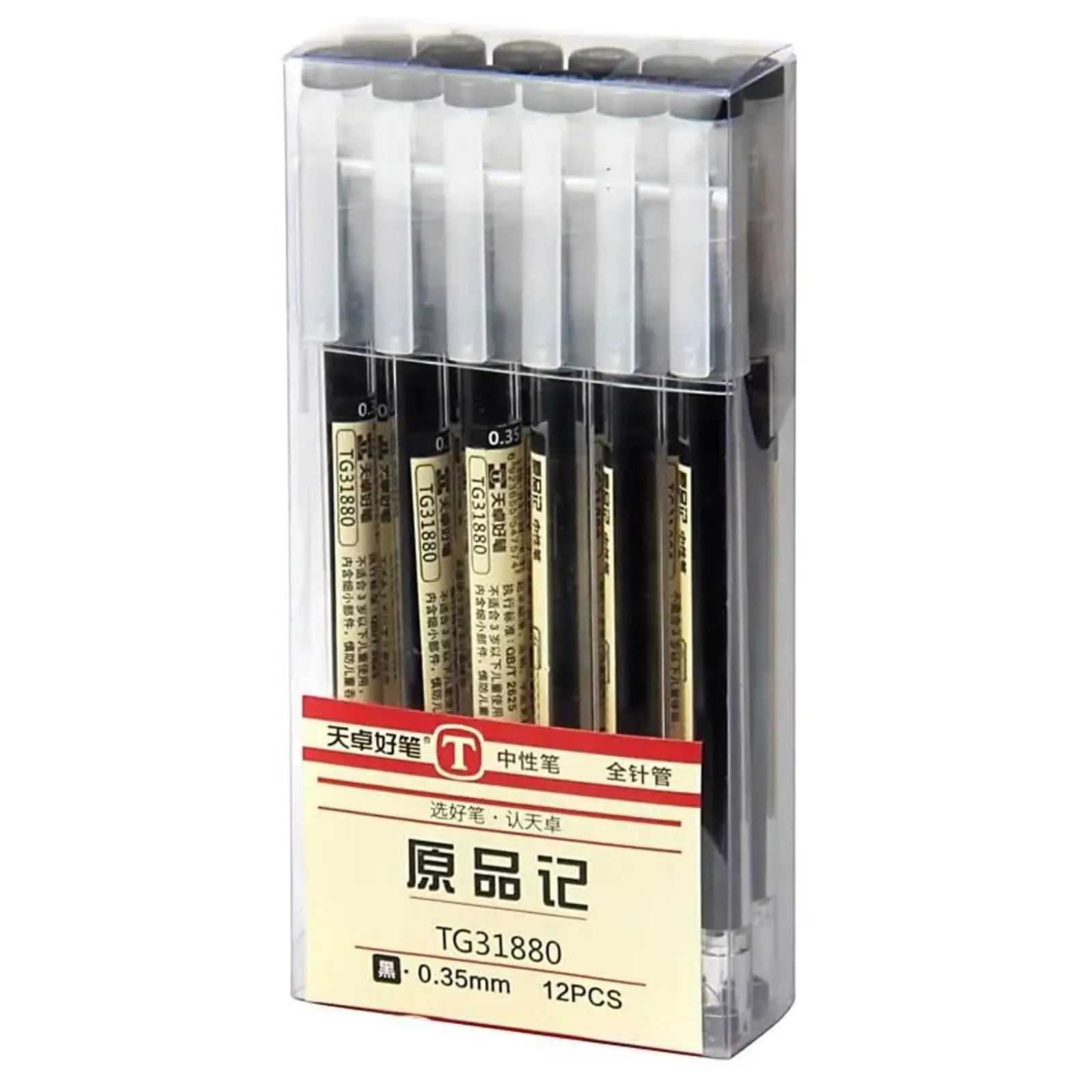 |
BEMLP Gel Ink Pens Japanese Style | Rollerball Ink, Quick Dry, 0.35mm, 12 Pcs | 4.7 | 3,046 | $10.96 | $1.68 | Ultra-fine point, premium ink, ideal for school/office |
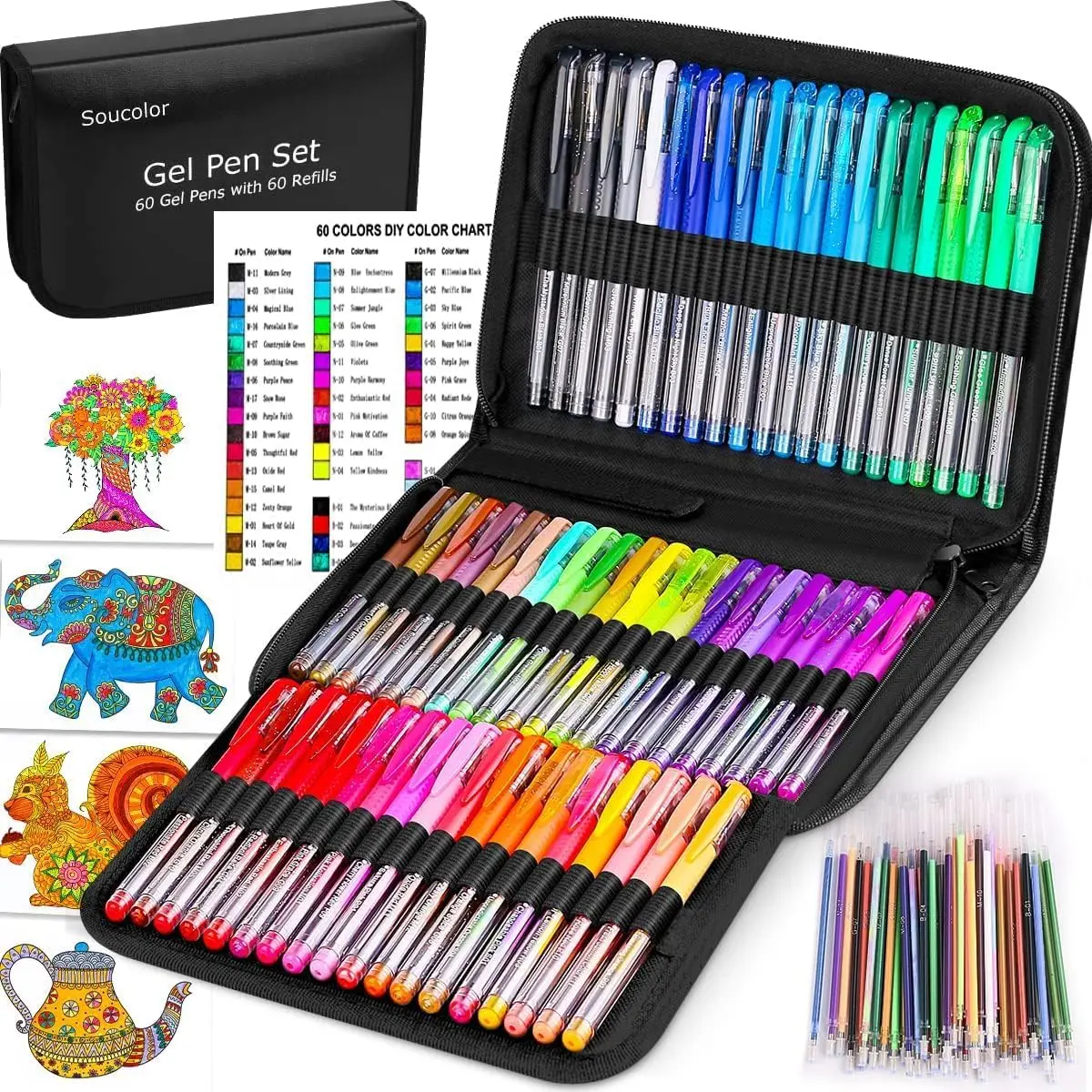 |
Soucolor Gel Pens Deluxe 120 Pack | 60 Pens + 60 Refills, Travel Case, Extra Ink | 4.8 | 2,258 | $19.79 | $8.10 | Portable kit, wide color range, designed for journaling |
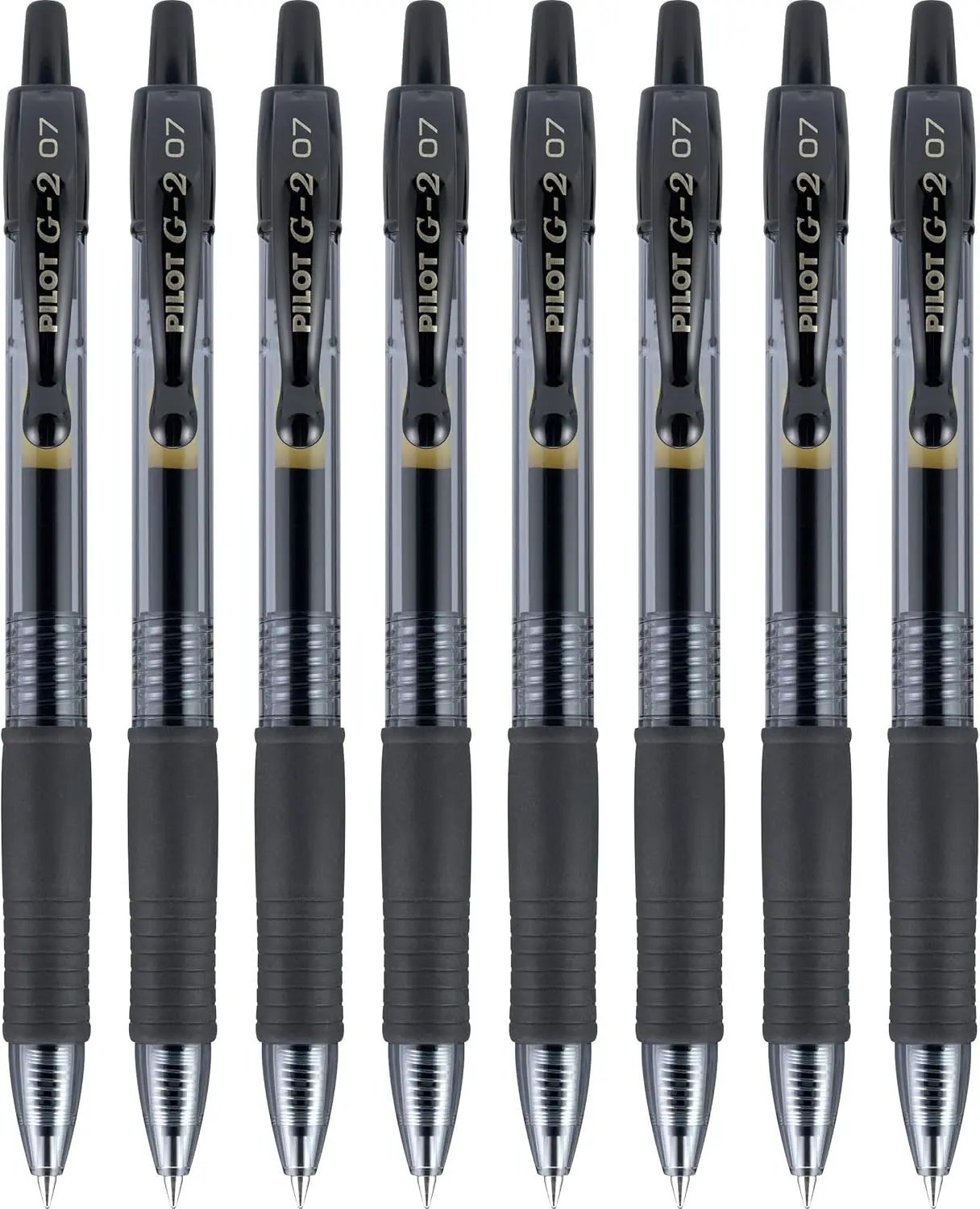 |
Pilot G2 Premium Gel Roller Pens | 0.7mm, Pack of 8, Black, Smooth Writing | 4.8 | 1,750 | $12.42 | $2.46 | Fine point, bestselling professional office pen |
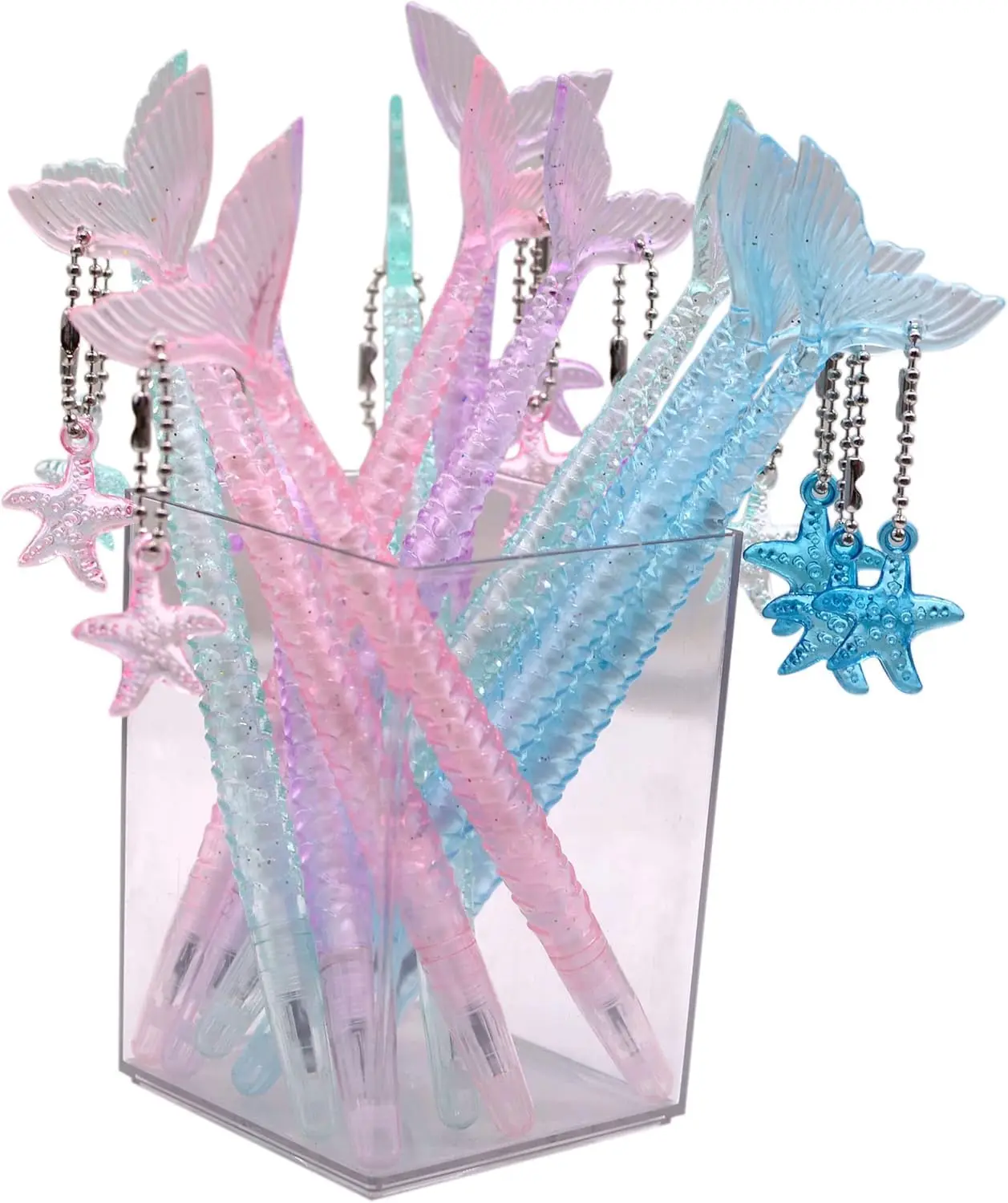 |
YYaaloa Cute Mermaid Novelty Gel Ink Pens 48pcs | 48 Pcs, 0.5mm Black Ink, Fun Kawaii Design | 4.4 | 262 | $19.99 | $0.25 | Mermaid-themed, kids’ parties, bulk gifts |
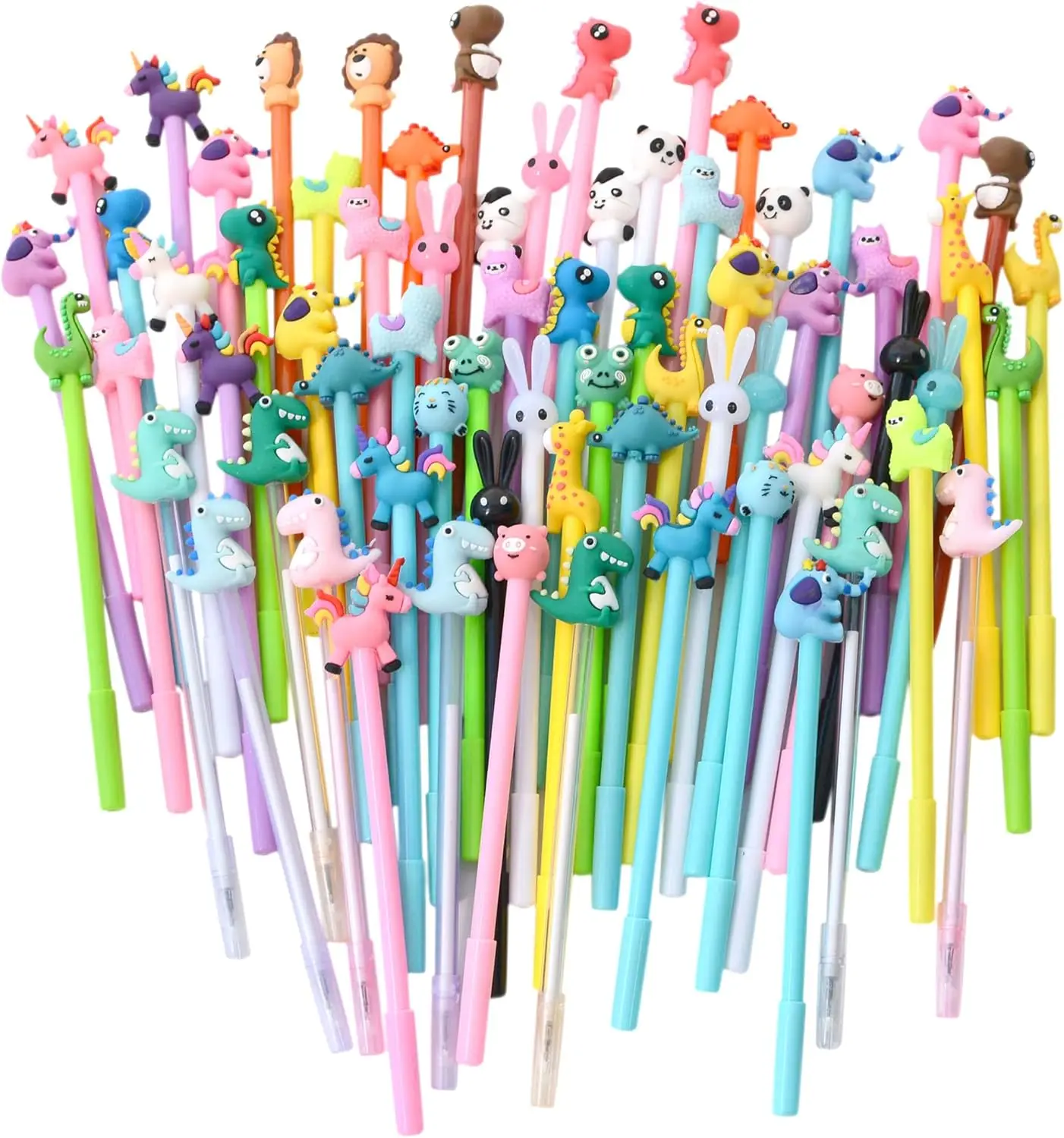 |
YYaaloa Novelty Cartoon Animal Gel Ink Pens 70pcs | 70 Pcs, 0.5mm Black Ink, Animal Cartoons | 4.5 | 191 | $18.79 | $0.07 | Animal designs, ideal for kids’ events |
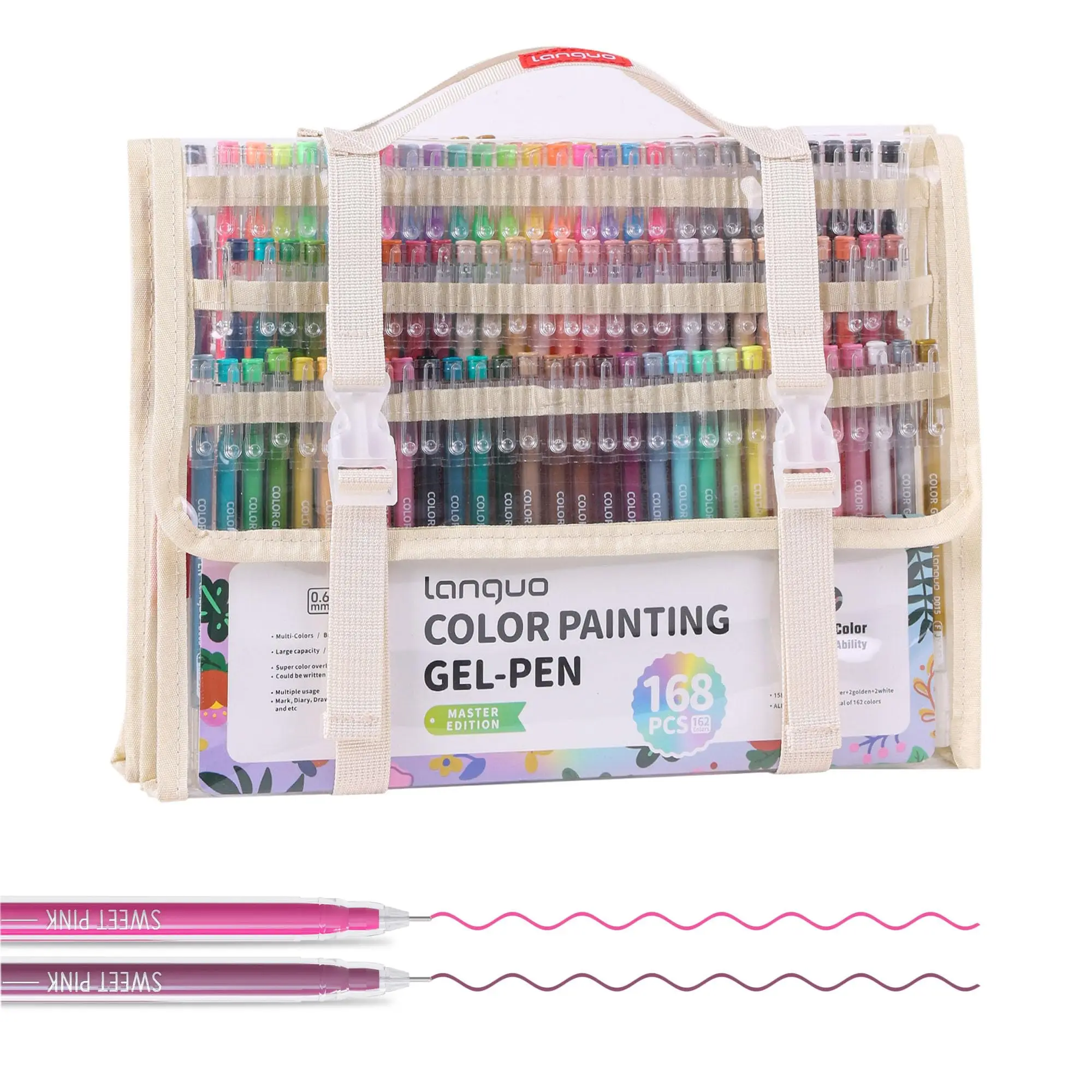 |
162 Colors Gel Pens with Fine Point 0.6mm | 162 Colors, 0.6mm, Drawing Pencils, Student Use | 4.0 | 14 | $37.01 | $21.55 | Fine tip, art projects, comprehensive set |
Table data sourced from [2].
The persistent success of these items demonstrates core market needs: functional organization, color diversity, durability, and affordability. Buyers seeking new sourcing partnerships should focus on the high-volume categories with proven retail momentum, ensuring quality differentiation to stand out in competitive markets.
To win in the Korean stationery segment, procurement professionals must master both supplier evaluation and category-specific risks. The following sourcing strategies and criteria can elevate your procurement results:
Supplier Selection—Key Criteria:
Quality Control Points:
Logistics Considerations:
Certification and Compliance:
Pitfalls and How to Avoid Them:
Competitive Edge: Successful importers leverage authentic brands, collab editions, and verified reviews. Sourcing directly from manufacturers offering customization or exclusive series unlocks both margin and loyalty. Renowned Korean brands (ICONIC, Romane, Appree) have demonstrated that quality plus storytelling yields higher repeat rates and market share.
By combining diligent supplier screening with a proactive approach to material trends and buyer expectations, global sourcing teams can confidently deliver value and ingenuity to their home markets—with Korean stationery as a perennial bestseller.
Korean stationery’s 2026 ascent is backed by consumer emotion, cultural relevance, and consistent market performance. As sales volumes rise and retail trends diversify, global buyers must adapt their sourcing and campaign strategies to address:
Looking ahead to the next 6–12 months, procurement teams are advised to:
For buyers, distributors, and retail chains, the time to capitalize on the Korean stationery wave is now. By synthesizing data-driven intelligence, community feedback, and expert sourcing strategy, you can not only ride the trends—but shape them as a category leader. The world of Korean stationery in 2026 is open, global, and vibrant: seize the opportunity to bring creativity, organization, and delight to your customers.