
All categories
Featured selections
Trade Assurance
Buyer Central
Help Center
Get the app
Become a supplier
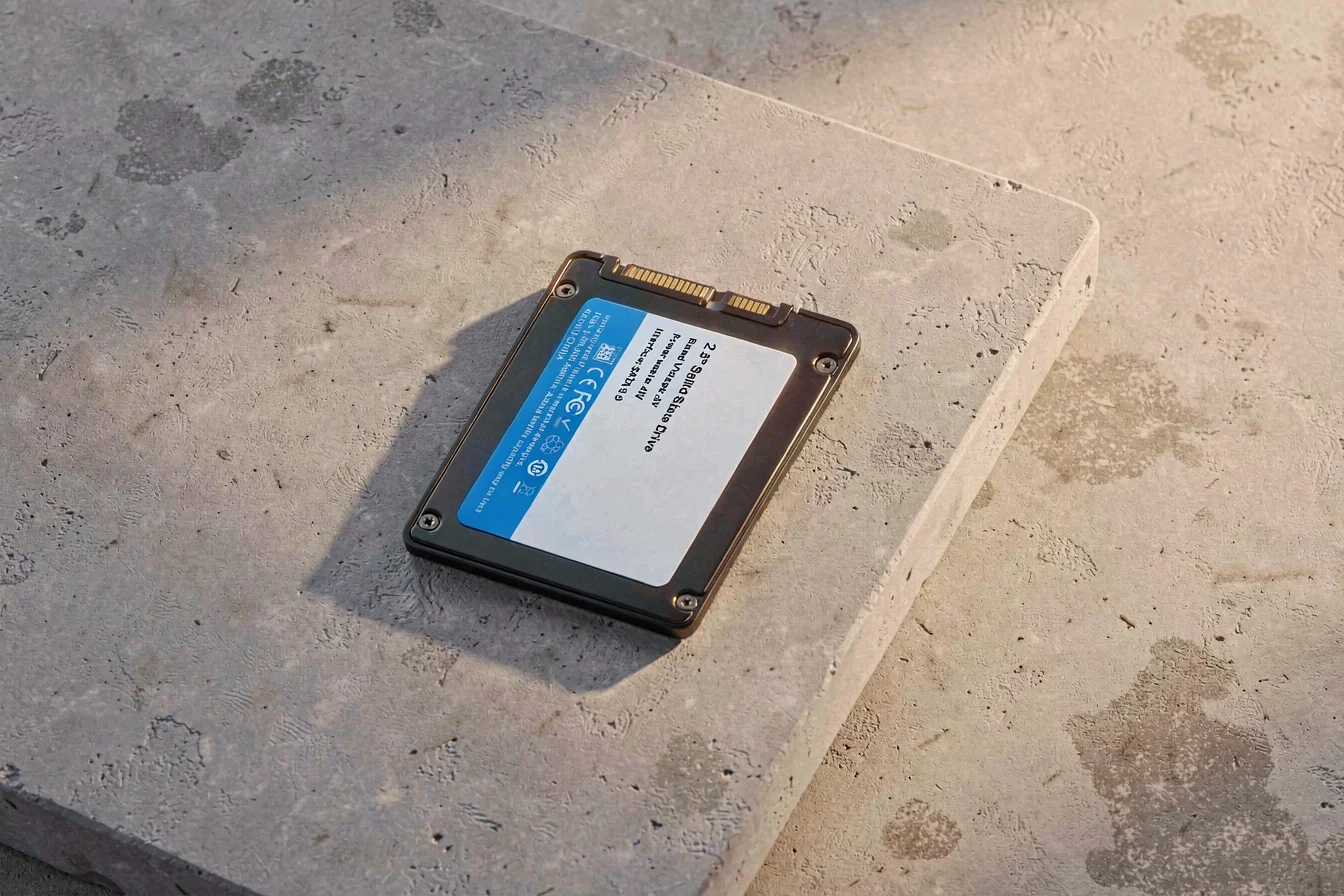
Current market data shows rising search momentum for kodak solid state drive products, especially 1TB and external models, reflecting viable demand for secondary and entry-level storage [1]. However, buyer sentiment is mixed, with Reddit users highlighting reliability concerns and brand confusion due to Kodak’s OEM sourcing strategy [9][10]. Procurement viability hinges on treating kodak solid state drive models as cost-effective secondary storage, prioritizing technical specs and supplier reliability over brand reputation.
The kodak solid state drive category is trending due to rising demand for affordable, high-capacity secondary storage amid global price volatility and supply chain disruptions. Kodak’s pivot to OEM-branded SSDs, rather than in-house manufacturing, has created a new market segment for buyers seeking budget-friendly solutions. This shift is driven by the need for reliable secondary storage for media, gaming, and archival purposes, particularly as traditional HDDs and premium SSD brands face supply bottlenecks. Buyers should know that Kodak SSDs are typically rebranded OEM products from manufacturers like Biwin, Netac, Kingspec, and others, with variable reliability and performance [9][10]. Selection criteria for the curated list focus on technical specifications, warranty, price-to-performance ratio, and user review sentiment.
| Trend Factor | Current Status | Impact on Buying Decision |
|---|---|---|
| OEM Branding | Kodak rebrands OEM SSDs | Buyer must verify spec, not brand |
| Price Volatility | Rising, especially for 1TB | Favor bulk procurement for cost savings |
| Reliability Concerns | Mixed user reviews | Prioritize warranty and supplier vetting |
| Brand Legacy | Legacy skepticism persists | Buyer sentiment affects resale value |
Buyers must treat Kodak SSDs as OEM products, prioritizing technical specs and supplier reliability over brand legacy.
Market volatility for kodak solid state drive products is shaped by supply chain disruptions, rising global prices for NAND flash, and shifting buyer priorities toward secondary storage solutions. Kodak’s pivot to OEM branding has created a new procurement dynamic, where buyers are increasingly focused on price-to-performance ratios and warranty terms rather than brand reputation. Key industry drivers include the migration from HDDs to SSDs, the proliferation of high-capacity portable drives, and macroeconomic risks such as inflation and logistics bottlenecks. The market is also influenced by the legacy perception of Kodak as a photography brand, which can cloud buyer expectations regarding SSD reliability. Sourcing risk is heightened by the lack of published reliability benchmarks and the variability among OEM suppliers.
| Market Dimension | Current Status | Impact Level |
|---|---|---|
| Supply Chain | Stable, OEM-driven | Medium |
| Price Tier | USD 44–235 (Amazon) | High |
| Performance | Mid-tier, comparable to OEM | High |
| Brand Perception | Legacy skepticism | Medium |
| Warranty | Sparse, variable | High |
Market volatility is moderate, but buyers should focus on OEM specs, warranty, and supplier reliability for optimal procurement.
Google Trends for Kodak solid state drive models (1TB, 512GB, external)
Search trends show a steady rise for kodak solid state drive queries, peaking in August–October 2025 and again in February 2026, indicating sustained demand for high-capacity and portable models [1]. Notable peaks correspond to product launches and price drops, suggesting buyers are timing procurement around these events. Seasonal fluctuations signal strong momentum for bulk procurement and secondary storage upgrades, especially for 1TB and external models. Buyers should align purchasing with peak search periods to optimize pricing and inventory.
Google Trends confirm rising demand for Kodak SSDs, especially 1TB and external models, with peak periods for bulk procurement.
Reddit and TikTok reveal sharply divided sentiment toward kodak solid state drive products. Reddit users often question Kodak’s ability to manufacture SSDs, noting the brand is now merely a rebranded OEM product and that reliability varies depending on the supplier (e.g., Biwin, Netac, Kingspec) [9][10]. Some users praise Kodak SSDs for their low price and basic utility, while others warn of poor performance and legacy skepticism. TikTok trends focus on budget SSDs and viral unboxing videos, with engagement signals indicating buyers are attracted by affordability but wary of brand reputation. Cultural reception is mixed: legacy Kodak fans express nostalgia, while tech-savvy buyers prioritize specs and reliability. Sentiment shifts reflect the broader market’s move toward OEM sourcing and price sensitivity.
"Kodak makes ssd’s? I would buy one of these I see no issue with it if the price is 👌" [9]
"It's probably fine. SATA SSD is a solved problem. Anything from any name brand is fine." [10]
| Dimension | Reddit Insights | TikTok Insights |
|---|---|---|
| Brand Perception | Legacy skepticism, OEM confusion | Budget focus, viral unboxing |
| Reliability | Variable, mixed reviews | Affordable, price-driven |
| Resale Value | Low, due to brand confusion | Moderate, driven by price |
| Use Case | Secondary storage, media backup | Budget upgrades, gaming |
Online sentiment is mixed, with buyers prioritizing price and basic utility over brand legacy, affecting resale value.
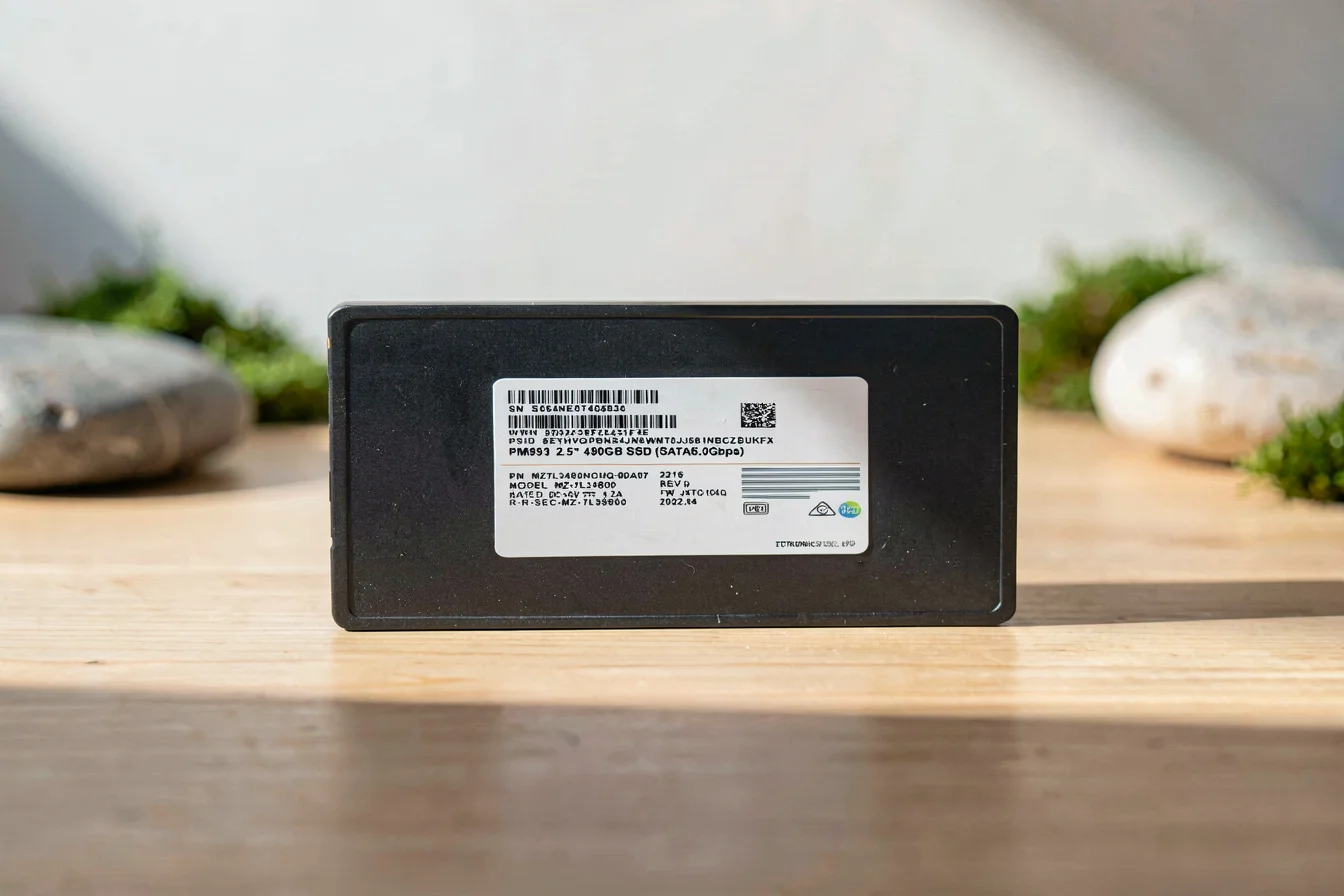
Amazon’s top-selling kodak solid state drive products include high-capacity portable SSDs (1TB, 250GB), memory cards (32GB–128GB), and digital cameras bundled with SD cards. Leading models are often OEM-branded, with performance specs comparable to mid-tier drives and prices ranging USD 44–235 [2]. Key features driving popularity are read/write speeds (up to 1050/1000 MB/s), portability, IP65 water/dust resistance, and compatibility with major devices (iPhone, Android, Mac, PC). Buyers favor products with robust warranty support and bundled accessories, but reliability remains variable.
| Image | Name | Price | Rating | Key Features |
|---|---|---|---|---|
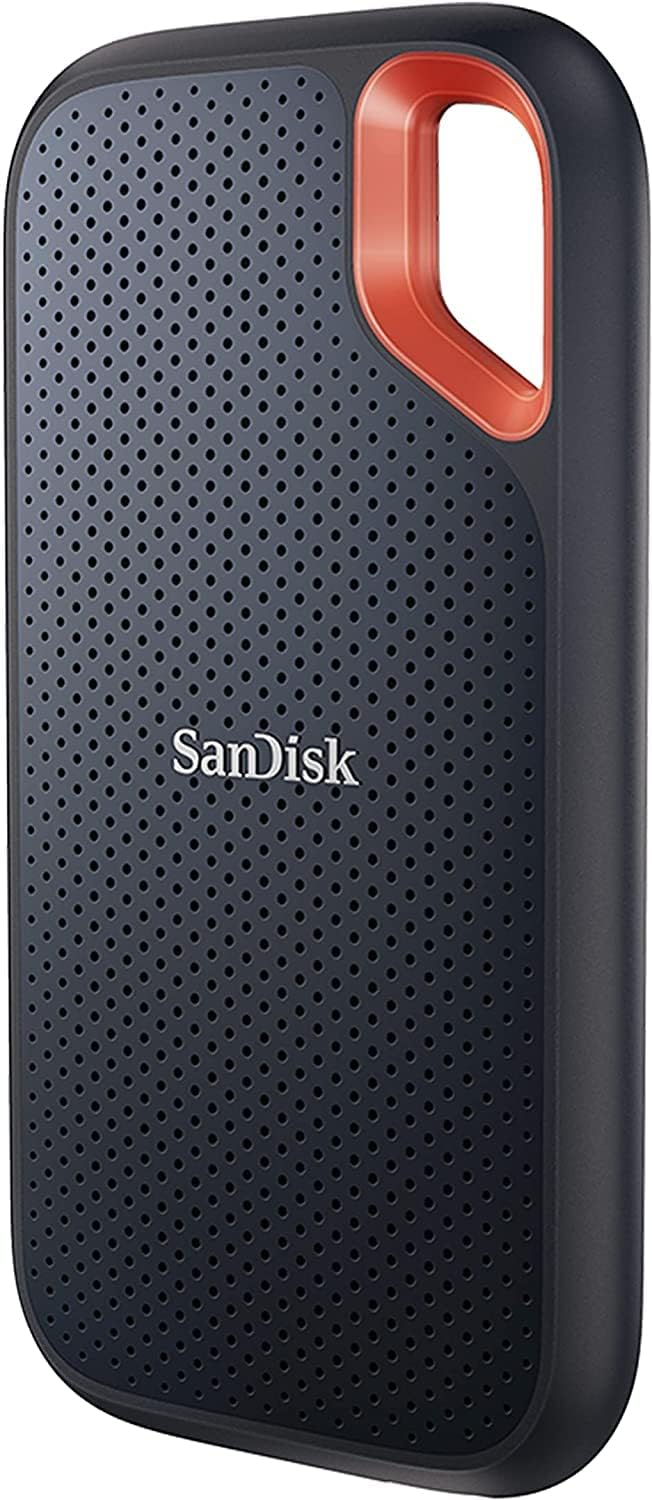 |
SANDISK 1TB Extreme Portable SSD | USD 180.72 | 4.6 | 1050/1000 MB/s, IP65, Carabiner |
 |
Kodak PIXPRO FZ45 Digital Camera | USD 119.95 | 4.3 | 16MP, 4X Zoom, 1080p Video |
 |
Lexar ES3 1TB External SSD | USD 169.99 | 4.6 | 1050/1000 MB/s, iPhone/Mac/PS5 compatible |
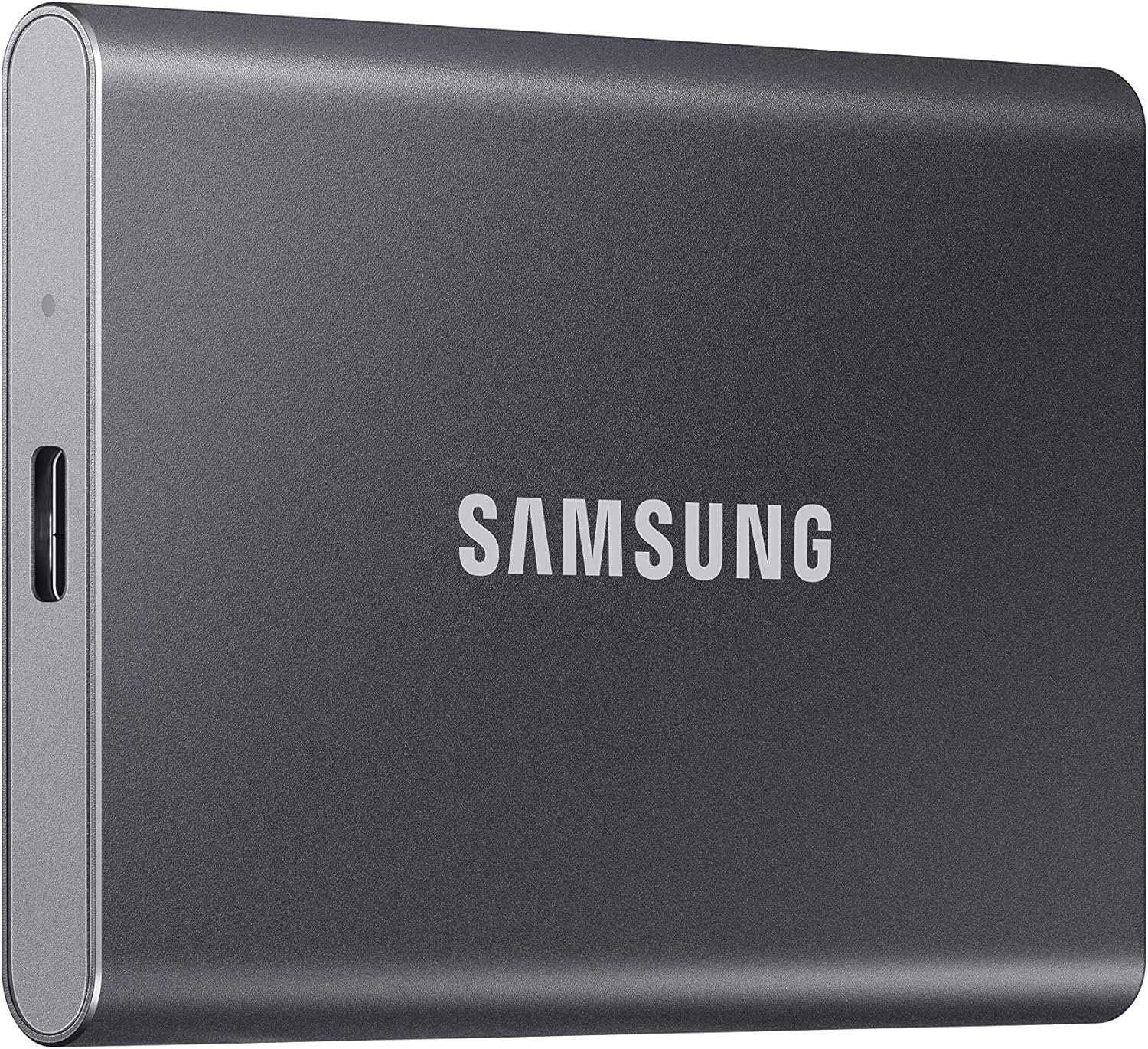 |
Samsung T7 Portable SSD | USD 234.99 | 4.7 | 1050/1000 MB/s, Aluminum, Shockproof |
 |
Kodak 32GB Class 10 MicroSDHC | USD 29.99 | 4.7 | 25MB/s Write, 85MB/s Read, UHS-I |
 |
Kodak PIXPRO FZ55 Digital Camera | USD 199.99 | 4.8 | 16MP, 5X Zoom, 1080p, 32GB SD Card |
 |
KODAK Slide N Scan Max Digital Film Scanner | USD 209.99 | 4.2 | 13MP Sensor, LCD Preview, Quick-Feed |
 |
SSK Portable SSD 250GB External | USD 58.99 | 4.5 | 1050/1000 MB/s, USB-C, LED, S.M.A.R.T. |
 |
Transcend SDC300S 128GB SDXC | USD 32.9 | 4.7 | 100MB/s Read, 25MB/s Write, UHS-I |
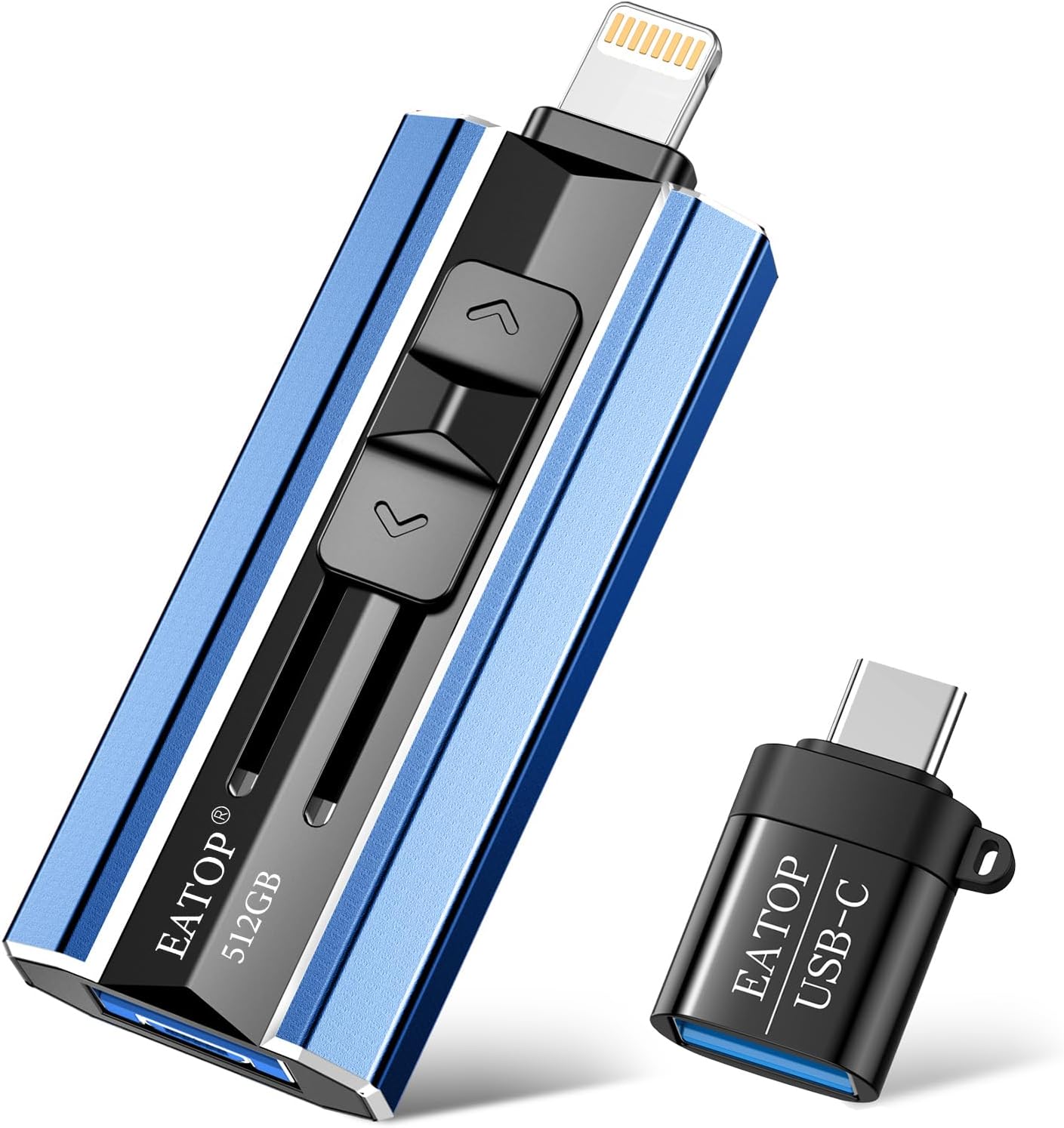 |
EATOP 512GB Flash Drive | USD 59.99 | 4.2 | 30MB/s Read, Plug-and-Play, OTG |
Top-selling Kodak SSDs and accessories are driven by portability, speed, and price, but reliability remains variable.
Buyer reviews for kodak solid state drive products highlight strengths in affordability, portability, and basic performance, but reliability and brand confusion are recurring complaints. Positive feedback centers on fast transfer speeds, bundled accessories, and compatibility with major devices. Negative feedback focuses on inconsistent performance, poor customer support, and skepticism about Kodak’s OEM sourcing. Direct buyer quotes reinforce these themes.
"I had one of these. It was horrible. Actually performed slower than the hard drive it replaced in a windows 7 laptop." [9]
"Kodak doesn't exist any more so its just as good as a fake Samsung ssd, it could be a 32GB micro sd card, it could be unusably slow, it could die in 5 seconds, or it could be fine." [10]
| Product Name | Top Praise | Top Complaint | Overall Sentiment |
|---|---|---|---|
| SANDISK 1TB Extreme Portable SSD | Speed, durability | Price premium | Positive |
| Kodak PIXPRO FZ45 Digital Camera | Value, 4X Zoom | Camera quality | Mixed |
| Lexar ES3 1TB External SSD | Speed, compatibility | No MagSafe | Positive |
| Samsung T7 Portable SSD | Speed, reliability | High price | Positive |
| Kodak 32GB Class 10 MicroSDHC | Speed, price | Legacy skepticism | Positive |
| Kodak PIXPRO FZ55 Digital Camera | Value, bundle | Camera quality | Positive |
| SSK Portable SSD 250GB External | Speed, portability | Capacity reduction | Mixed |
| Transcend SDC300S 128GB SDXC | Speed, durability | Price premium | Positive |
| EATOP 512GB Flash Drive | Plug-and-play | Speed, formatting | Mixed |
Buyer reviews praise affordability and basic performance, but reliability and brand confusion are persistent complaints.
Reliability benchmarks for kodak solid state drive products are not published, but Reddit and Amazon reviews suggest variable failure rates and mixed maintenance cycles. Key metrics include sequential read/write speeds (550/510 MB/s for SATA, 3400/3000 MB/s for NVMe), defect rates (unpublished), and expected service life (unpublished) [3][4][8]. Sourcing risk is heightened by Kodak’s OEM sourcing strategy, supplier variability, and lack of published warranty terms. Essential criteria for selecting OEM/ODM partners include technical specs, warranty support, and supplier reliability. Buyers should map bottlenecks in logistics, raw materials, and geopolitical compliance, and leverage price negotiation levers by bundling orders and prioritizing warranty terms.
| Benchmark Dimension | Kodak X100 | Kodak X120 PRO |
|---|---|---|
| Read Speed | 550 MB/s | 550 MB/s |
| Write Speed | 510 MB/s | 510 MB/s |
| Capacity | 120–960 GB | 128–2 TB |
| Defect Rate | Unpublished | Unpublished |
| Service Life | Unpublished | Unpublished |
Buyers should prioritize technical specs, warranty, and supplier reliability for risk mitigation, as reliability benchmarks are not published.
Looking forward, the kodak solid state drive category will continue to trend toward OEM sourcing and price sensitivity, with increasing demand for high-capacity portable models and secondary storage solutions. Technological advancements in NVMe and PCIe Gen4 will drive performance improvements, but buyers should expect variable reliability and limited warranty support. Pricing will remain volatile, with bulk procurement and warranty negotiation as key levers for optimizing cost and reliability. Buyers should treat Kodak SSDs as cost-effective secondary storage, prioritize technical specs and supplier reliability, and align procurement with peak search periods for optimal pricing and inventory. The actionable conclusion is clear: focus on OEM specs and warranty terms, and treat Kodak SSDs as budget-friendly secondary storage solutions rather than premium brand products.
Buyers should treat Kodak SSDs as OEM secondary storage, prioritize specs and warranty, and align procurement with peak demand periods for optimal pricing and supply chain resilience.