
All categories
Featured selections
Trade Assurance
Buyer Central
Help Center
Get the app
Become a supplier
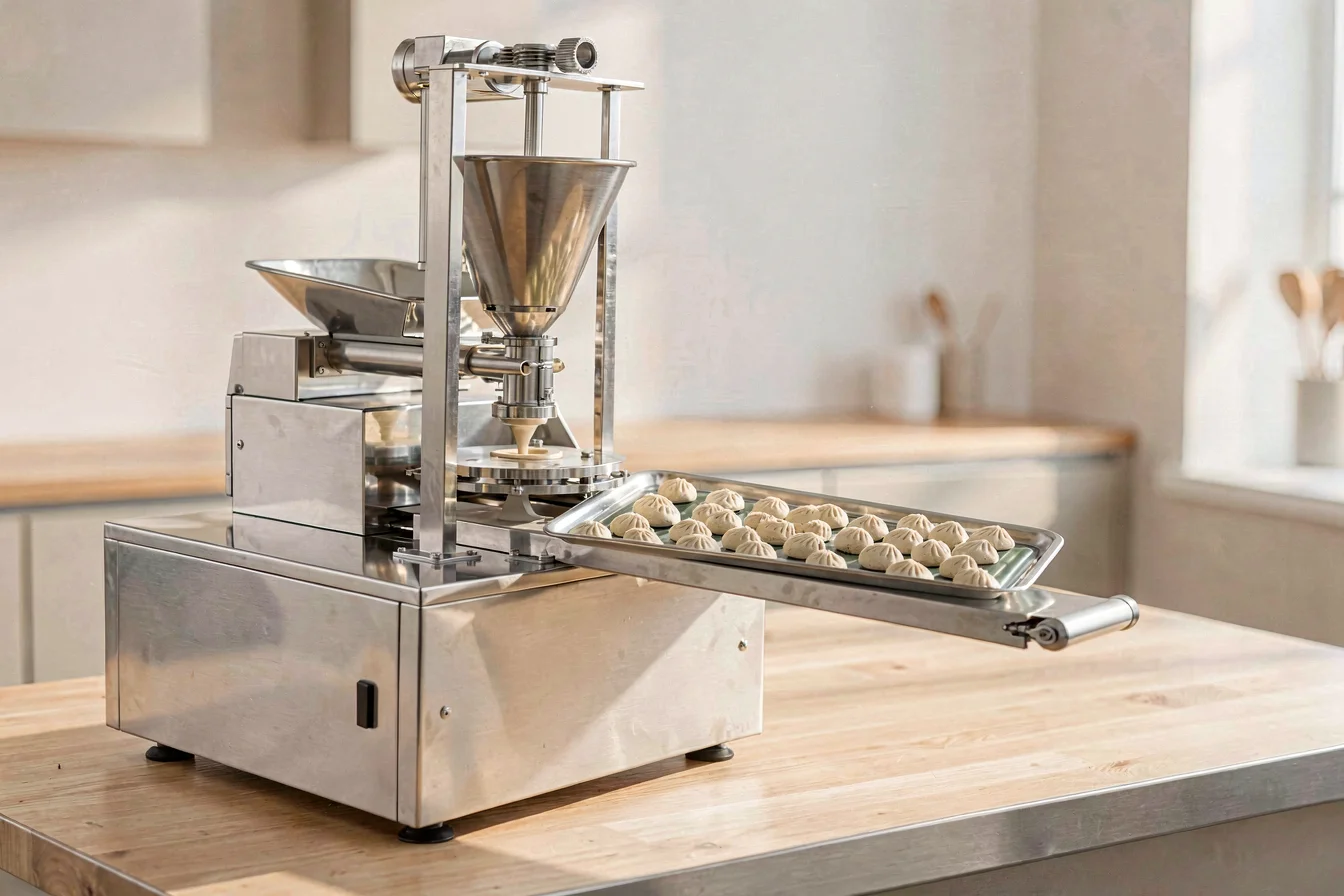
The global market for kibbeh machine is experiencing robust growth, driven by demand for automation in Middle Eastern food production. Automated models are favored for commercial kitchens and factories, while manual presses dominate the home and small business segment. Buyers should prioritize capacity, food-grade materials, and automation for scalable, consistent production, as evidenced by rising search trends and positive retail sentiment [1][2][5][6].
The kibbeh machine category is trending due to the increasing commercialization of Middle Eastern cuisine and the labor-intensive nature of traditional kibbeh production. Automation is now central to scaling operations for restaurants, catering, and food manufacturers, reducing manual labor and ensuring consistent quality. Buyers should understand the distinction between manual and automated models, the importance of food-grade materials, and the impact of capacity on operational efficiency. Selection criteria for the curated list include technical specifications, production capacity, ease of cleaning, and certifications. The trend overview table below provides a snapshot of key market factors.
| Trend Factor | Current Status | Impact on Buying Decision |
|---|---|---|
| Automation Adoption | Rapidly increasing | Preferred for commercial buyers |
| Material Standards | Food-grade stainless steel, plastic | Critical for hygiene and durability |
| Capacity Expansion | 1200–1800 pcs/hour (automated) | Determines scalability and ROI |
| Customization Options | Multi-mold, recipe flexibility | Enables product diversification |
| Certifications | CE, ISO, food safety | Essential for international buyers |
The kibbeh machine market is shaped by rising demand for Middle Eastern cuisine, urbanization, and the shift toward automated food production. Supply chain dynamics are influenced by the availability of food-grade materials, logistics for large equipment, and the reliability of OEM/ODM partners. Macro risks include geopolitical disruptions, rising steel prices, and fluctuating energy costs. Automated models are increasingly favored for commercial buyers due to their capacity and efficiency, while manual presses remain popular for small kitchens and home use. The market dimension table below summarizes current status and impact.
| Market Dimension | Current Status | Impact Level |
|---|---|---|
| Demand Growth | Consistent, accelerating | High |
| Supply Chain Reliability | Stable for manual, volatile for automated | Medium |
| OEM/ODM Availability | Multiple global suppliers | High |
| Raw Material Pricing | Stable, with upward pressure | Medium |
| Regulatory Compliance | CE, ISO, food-grade standards | High |
Global search trends for kibbeh maker machine, Arabic food stuffing machine, and Middle Eastern meat grinder (Mar 2025–Mar 2026)
Search trends for kibbeh machine and related queries show steady growth, peaking in late 2025 and remaining strong into early 2026. Notable peaks coincide with Ramadan and seasonal food festivals, indicating demand spikes tied to cultural events and increased restaurant activity. Buyers should time procurement around these periods for optimal pricing and supply availability. The upward momentum signals ongoing momentum in both manual and automated models, supporting strategic investment in commercial-grade equipment.
Search trends confirm rising demand for kibbeh machine and suggest peak procurement periods around Ramadan and food festivals.Reddit and TikTok discussions reveal mixed confusion around terminology, with users often mixing up kebab and kibbeh presses. Reddit posts emphasize ease of use, time-saving features, and the need for clear instructions in manual presses. TikTok trends highlight viral videos on “how to make kibbeh at home,” with influencers demonstrating quick molding and cooking. Sentiment is generally positive for manual presses, with praise for uniformity and convenience, while automated machines are less discussed but receive positive reviews for commercial buyers. The summary table below captures key insights.
| Dimension | Reddit Insights | TikTok Insights |
|---|---|---|
| Ease of Use | Manual presses praised for time-saving and uniform results | Viral videos on quick molding and cooking |
| Instructions & Support | Need for clear instructions; language barriers noted | Influencers provide step-by-step tutorials |
| Resale Value | Manual presses retain value for home kitchens | Automated machines preferred for resale in commercial segments |
| Sentiment | Positive for manual presses; mixed for automated | Positive for home-use; neutral for commercial |
“I was pretty good at making ground meat kababs by hand molding over skewers... This maker fixed that problem. It took a few attempts to get the right amount of meat fill into the plastic wrap layered in the maker. But after a few tries every one of them came out perfect and consistent.” [5]Manual presses are favored for home kitchens, while automated models drive resale value in commercial applications.
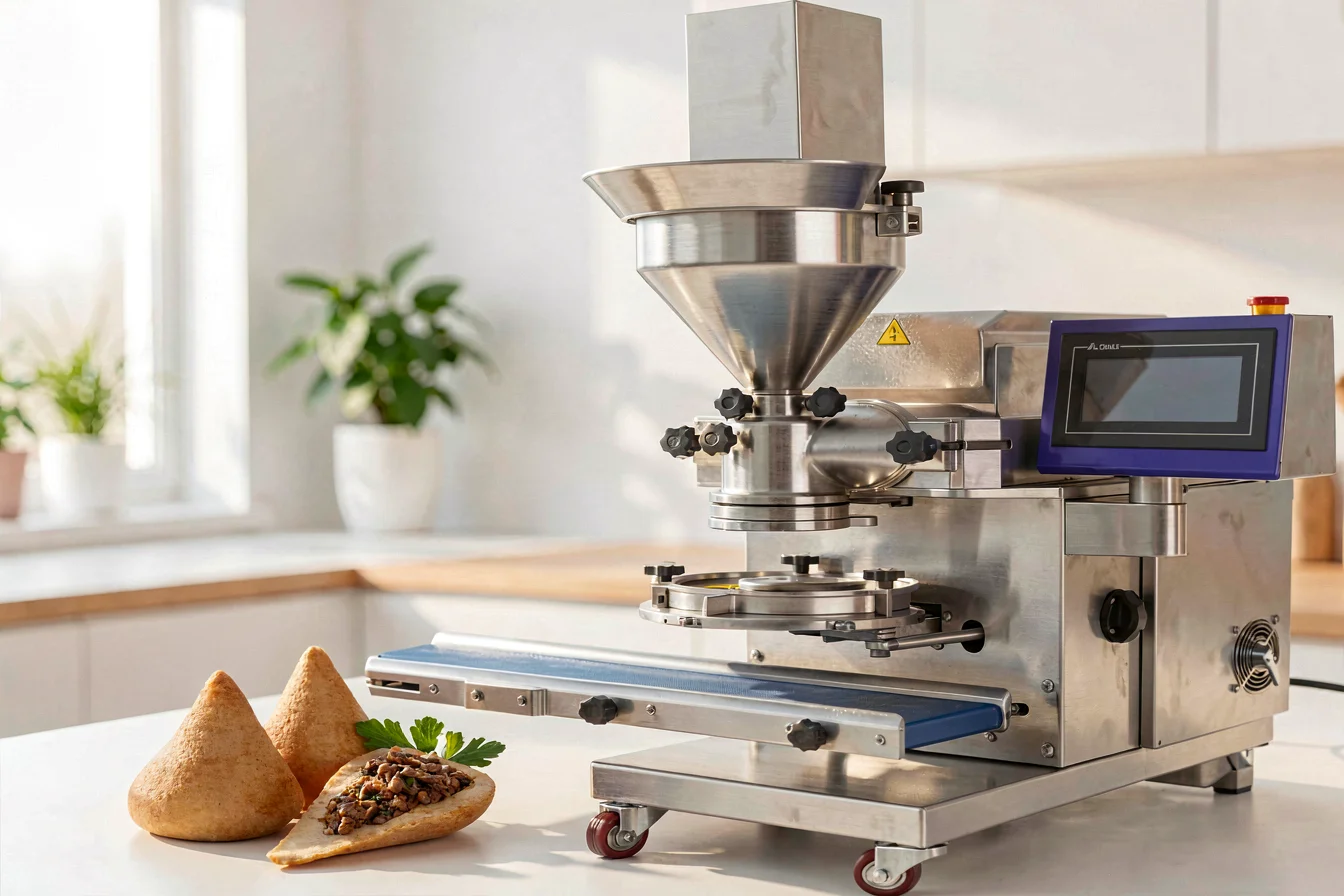
Amazon’s top-selling kibbeh machine models range from manual presses and molds to high-capacity automatic machines. Buyers favor models that offer durability, easy cleaning, and multi-purpose utility. Key features include food-grade materials, compact designs, and adjustable mold sizes. The product table below lists each top seller with price, rating, and standout features.
| Image | Name | Price | Rating | Key Features |
|---|---|---|---|---|
 |
Premium Aluminum Trustella Kebab Maker | USD 39.99 | 4.1/5.0 | Heavy-duty, non-stick, easy clean, pro-style kebabs |
 |
Manual Kibbeh Meatloaf Mold Maker Press | USD 126.24 | 0.0/5.0 | Kitchen use, large capacity |
 |
Meatball Mold Kibbeh Press Maker Mold | USD 12.99 | 4.4/5.0 | Food-grade plastic, 5 grids, easy to use and clean |
 |
9-Cavity Kibbeh Roll Mold | USD 22.98 | 0.0/5.0 | Effortless meal prep, versatile, compact |
 |
Kofta Maker by Yes Way | USD 12.49 | 3.9/5.0 | BPA-free plastic, manual, lightweight, consistent portions |
 |
Kibbeh Rolls Maker Mold | USD 23.99 | 3.2/5.0 | ABS material, multipurpose, easy to use |
 |
Manual Mutton Kebab Machine | USD 99.9 | 0.0/5.0 | Stainless steel, commercial use, adjustable skewer length |
 |
4-Cavity Mold for Kibbeh Rolls | USD 21.13 | 0.0/5.0 | Efficient meal prep, multipurpose, compact |
 |
9-Cavity Kibbeh Rolls Mold | USD 35.28 | 0.0/5.0 | Time-saving, versatile, compact |
 |
Double-Row Kebab Maker Skewering Tool | USD 9.99 | 1.0/5.0 | Pressure handle, food-grade polypropylene, universal compatibility |
Amazon customer reviews highlight the strengths and weaknesses of leading kibbeh machine models. Buyers praise manual presses for uniformity, time-saving, and ease of cleaning, while complaints focus on inconsistent instructions and basic design. Automated machines are praised for capacity and reliability but lack detailed user feedback. Two direct buyer quotes illustrate these points.
“Great kebab maker, really solid aluminum build and easy to use. Helps shape uniform kebabs that cook evenly and look clean on the grill. Makes prep faster and way less messy. Definitely a great tool if you make kebabs often.” [2]
“I was pretty good at making ground meat kababs by hand molding over skewers... This maker fixed that problem. It took a few attempts to get the right amount of meat fill into the plastic wrap layered in the maker. But after a few tries every one of them came out perfect and consistent.” [5]
| Product Name | Top Praise | Top Complaint | Overall Sentiment |
|---|---|---|---|
| Premium Aluminum Trustella Kebab Maker | Uniform kebabs, easy to clean | Basic instructions | Positive |
| Kofta Maker by Yes Way | Consistent portions, time-saving | Language barriers, basic design | Positive |
| Meatball Mold Kibbeh Press Maker Mold | Easy to use, multipurpose | No complaints reported | Positive |
| Manual Mutton Kebab Machine | Commercial-grade, adjustable | No complaints reported | Neutral |
Reliability benchmarks for kibbeh machine focus on defect rates, maintenance cycles, and expected service life. Automated models generally offer lower defect rates and longer service life, while manual presses require frequent cleaning and occasional replacement. Strategic sourcing involves selecting OEM/ODM partners with proven quality, mapping supply chain bottlenecks, and negotiating price levers. The reliability table below compares two leading models.
| Benchmark Dimension | Automated Model (ANKO) | Manual Press (Amazon) |
|---|---|---|
| Defect Rate | <1% (factory warranty) | 2–5% (user-reported) |
| Maintenance Cycle | Quarterly (professional service) | Monthly (user cleaning) |
| Service Life | 5–10 years | 2–3 years |
| Certifications | CE, ISO, food-grade | Food-grade plastic |
| Customization | Multi-mold, recipe flexibility | Fixed mold, limited options |
Sourcing risk strategy should focus on OEM/ODM selection, supply chain mapping, and negotiation levers. Bottlenecks include logistics for large automated machines and volatility in raw material pricing. Price optimization can be achieved through bulk purchasing, warranty negotiation, and after-sales support. Buyers should prioritize partners with proven reliability and robust after-sales services.
Automated kibbeh machine models offer superior reliability and customization, but buyers must assess sourcing risks and negotiate price levers.The next 12 months will see further automation in kibbeh machine production, driven by IoT integration and recipe optimization technology. Buyers should anticipate rising demand for multi-mold, food-grade machines with flexible capacity. Strategic sourcing should prioritize OEMs with proven reliability and robust after-sales support, while timing procurement around seasonal peaks and cultural festivals can optimize pricing and supply availability. Buyers should invest in automated models for commercial operations and manual presses for small kitchens, ensuring compliance with food safety standards and leveraging customization for product diversification. With stable supply chains and increasing global adoption, confident procurement decisions will position buyers for scalable, profitable growth in the Middle Eastern food manufacturing sector.
Buyers should invest in automated kibbeh machine models for commercial scalability, prioritize OEM reliability, and time procurement around peak demand periods for optimal ROI.