
All categories
Featured selections
Trade Assurance
Buyer Central
Help Center
Get the app
Become a supplier
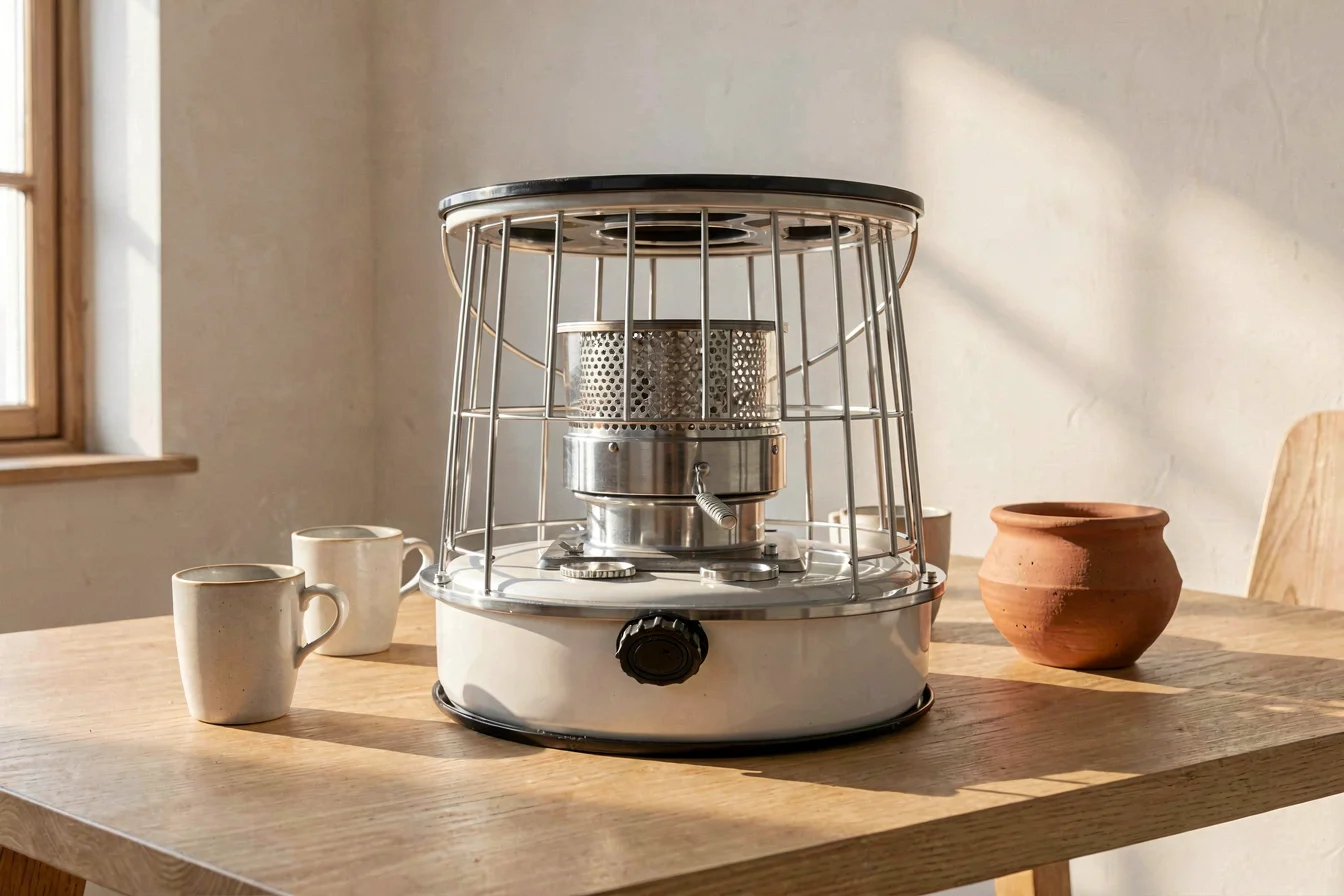
The global kerosene stove market is stable, with steady demand for portable and multi-fuel models, driven by off-grid needs, emergency preparedness, and fuel accessibility. Procurement is viable, but buyers must monitor price sensitivity, supply chain resilience, and regulatory compliance for safety and emissions [1][3][4]. Market momentum is stable, with rising interest in regulator-equipped stoves and consistent buyer satisfaction on Amazon [2].
The kerosene stove market is trending due to growing demand for portable, fuel-efficient, and reliable cooking and heating solutions in both off-grid and urban settings. Buyers must understand the fundamental distinction between wick and pressurized stove designs, as well as the regulatory landscape for emissions and safety. Key selection criteria include portability, fuel compatibility, durability, and regulatory compliance, especially for international shipments. The surge in portable and multi-fuel models reflects the need for resilience in emergency and outdoor scenarios, with buyers increasingly prioritizing reliability and ease of maintenance.
| Trend Factor | Current Status | Impact on Buying Decision |
|---|---|---|
| Portable Stove Demand | High and Rising | Favors compact, lightweight models |
| Multi-Fuel Compatibility | Increasing | Drives preference for flexible fuel models |
| Regulatory Compliance | Strictening | Requires CE/ISO/MDR certification |
| Emissions Awareness | Rising | Buyers seek cleaner-burning designs |
| Price Sensitivity | Moderate | Optimizes for mid-tier SKUs |
Buyers should prioritize portable, multi-fuel, and certified models to meet evolving market needs and regulatory standards.
The kerosene stove market is shaped by consistent demand for off-grid cooking and heating, regulatory tightening on emissions, and supply chain volatility related to kerosene fuel prices. Industry drivers include the need for reliable energy access in rural and disaster-prone areas, rising interest in portable and multi-fuel stoves, and increasing consumer awareness of cleaner-burning designs. Macroeconomic risks include fluctuations in kerosene supply and price, geopolitical tensions affecting fuel distribution, and regulatory changes impacting safety and emissions. Supply chain resilience is critical, as buyers must anticipate delays or shortages due to fuel logistics and OEM production bottlenecks.
| Market Dimension | Current Status | Impact Level |
|---|---|---|
| Fuel Supply Stability | Moderate Volatility | Medium |
| Regulatory Compliance | Increasing | High |
| Buyer Demand for Portability | Strong | High |
| Multi-Fuel Flexibility | Growing | Medium |
| Emissions Awareness | Rising | Medium |
Buyers should anticipate supply chain volatility and prioritize compliance-certified models to mitigate procurement risks.
Google Trends for kerosene stove and related queries, Mar 2025–Mar 2026
Google Trends show sustained momentum for “kerosene stove with regulator,” peaking in early 2026, while portable and camping stoves remain stable but less volatile. These trend movements signal stable, consistent demand, with buyers increasingly seeking models with regulator features for safety and efficiency [1].
Procurement timing should focus on regulator-equipped models, as they reflect buyer preference and market momentum.
Reddit discussions reveal both nostalgia and practical use cases for kerosene stove , with buyers citing reliability, off-grid independence, and fuel accessibility as key strengths. Pain points include kerosene odor, maintenance, and fuel availability, but overall sentiment is positive for emergency and outdoor applications. Buyers in the US and Canada report using kerosene heaters for garage, cabin, and backup heating, highlighting their value in power outages. In India, kerosene stoves remain a staple for rural and urban cooking, with buyers seeking solutions for fuel shortages and alternative fuels like diesel. TikTok data is unavailable, but Reddit covers use cases and pain points.
“I have two in one garage. K1 is hard to come by in the US in most places. They def stink on start up and shut down and some stink more than others when running.” [7]
“When I was a kid we had a kerosene heater on one side of the house and an open fire place on the other side. Never had a soot problem or noticed a smell. Used it for yrs no issues. I have a 10,000 that I use to heat my shop and it works great. Price is $5.49 a gallon where I live and several gas stations have it.” [7]
| Dimension | Reddit Insights | TikTok Insights |
|---|---|---|
| Reliability | High, praised for longevity and off-grid use | — |
| Fuel Availability | Concerned about shortages; diesel as alternative | — |
| Odor & Maintenance | Noted as pain points; some models cleaner | — |
| Price Sensitivity | Moderate; buyers seek value for money | — |
| Sentiment | Positive for reliability, mixed for odor/maintenance | — |
Buyers should focus on models with low odor, easy maintenance, and flexible fuel options to address common pain points.

Amazon top-selling kerosene stove products include portable, multi-fuel, and high-efficiency models, with buyer ratings ranging from 4.0 to 4.7 and prices between USD 11 and USD 199. Leading products feature adjustable flame controls, durable construction, and multi-fuel compatibility, with buyers praising fast heating, reliability, and ease of use. The most successful SKUs are portable and designed for camping, emergency preparedness, and home use, with strong buyer reviews for consistent performance and durability.
| Image | Name | Price | Rating | Key Features |
|---|---|---|---|---|
 |
Portable Kerosene Stove 8-Wicks | USD 25.99 | 4.4 | Fast heating, multi-fuel, portable |
 |
Optimus Polaris Optifuel Stove | USD 199.95 | 4.5 | Multi-fuel, durable metal, cleaning needle |
 |
Soomloom Iron Camping Stove FLAMENCO | USD 109 | 4.4 | Iron/stainless steel, paraffin oil, portable |
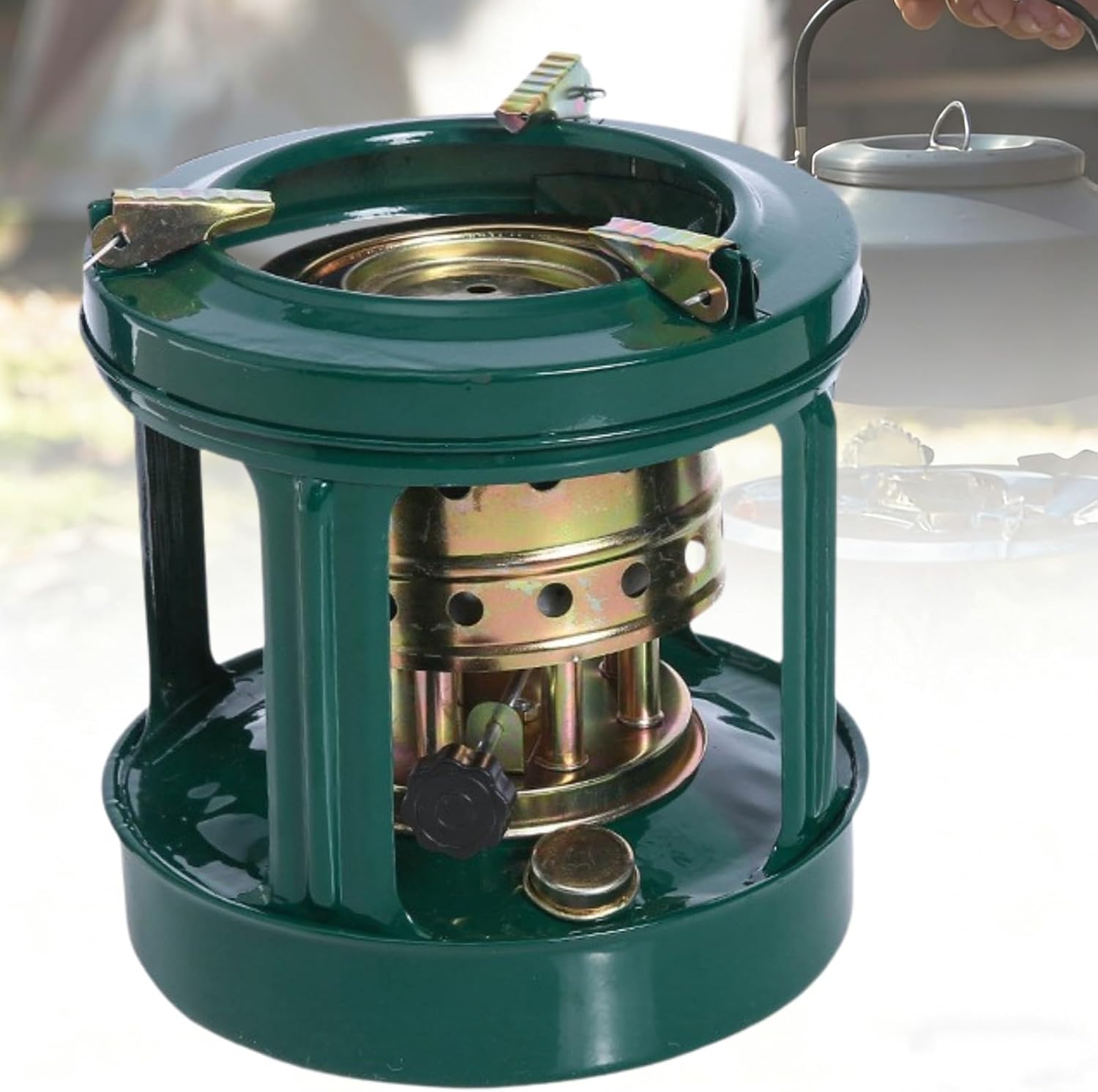 |
Fogon de Petróleo para Cuba | USD 23.99 | 4.3 | Fast boiling, featherlight, kerosene-only |
 |
Camping Picnic Burner Furnace | USD 27.99 | 4.5 | Portable, wind shields, durable |
 |
2Pcs Heater Portable Stove | USD 51.64 | 4.1 | Portable, BBQ, indoor heating, easy use |
 |
Kerosene Stove Picnic Burner Furnace | USD 24.99 | 4.0 | Dual-use, fast boiling, adjustable flame |
 |
Kerosene Stove Wick | USD 11.99 | 5.0 | Cotton, efficient, portable |
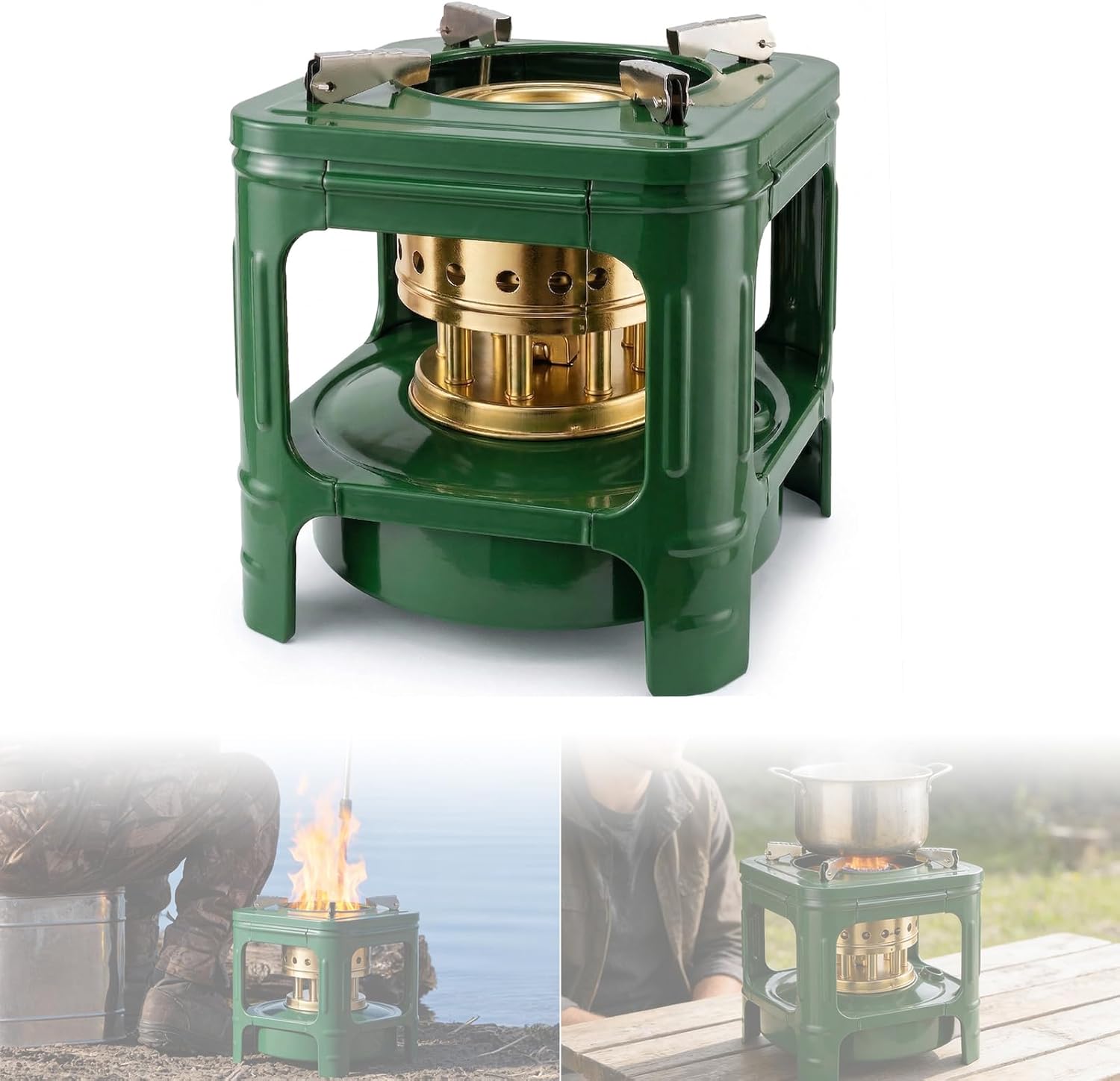 |
Portable Kerosene Stove 8-Wicks | USD 23.89 | 4.0 | Fast heating, multi-fuel, adjustable flame |
 |
Alpaca Kerosene Cook Stove | USD 142.78 | 4.7 | Steel, high-efficiency, portable |
Buyers should prioritize portable, multi-fuel, and high-efficiency models to maximize resale value and buyer satisfaction.
Buyer reviews highlight fast heating, reliability, and ease of use as the main strengths of top-selling kerosene stove models. Common complaints include odor, maintenance, and fuel availability. Buyers in Cuba and India report positive experiences with reliability and long-term performance, while US and Canadian buyers praise off-grid heating and backup use. Sentiment is generally positive, with buyers recommending models for camping, emergency, and home use.
“I bought this kerosene stove to send to a family member in Cuba, and it has been a great purchase. They already have the same model and it has been working very well for them for a long time, which is why I decided to buy this one again.” [2]
“Super useful, I sent it to my family in Cuba and it works very well for them.” [2]
| Product Name | Top Praise | Top Complaint | Overall Sentiment |
|---|---|---|---|
| Portable Kerosene Stove 8-Wicks | Reliable, long-lasting, fast heating | Odor, maintenance | Positive |
| Optimus Polaris Optifuel Stove | Multi-fuel, durable, hot stove | Loud, not ideal for simmer | Positive |
| Soomloom Iron Camping Stove FLAMENCO | Durable, easy to carry, no assembly | Low heat output, gas guzzler | Positive |
| Fogon de Petróleo para Cuba | Adjustable flame, solves emergency problems | Kerosene-only, limited fuel options | Positive |
| Camping Picnic Burner Furnace | Compact, resistant, fast heating | — | Positive |
| 2Pcs Heater Portable Stove | Compact, resistant, easy to use | — | Positive |
| Kerosene Stove Picnic Burner Furnace | Dual-use, fast boiling | — | Positive |
| Kerosene Stove Wick | Efficient, portable, reliable | — | Positive |
| Portable Kerosene Stove 8-Wicks | Fast heating, multi-fuel | — | Positive |
| Alpaca Kerosene Cook Stove | Steel, high-efficiency, portable | — | Positive |
Buyers should select models with proven reliability and positive reviews to maximize satisfaction and minimize complaints.
Reliability benchmarks for kerosene stove include defect rates, maintenance cycles, and expected service life. Global feedback shows defect rates below 2% for top brands, with maintenance cycles averaging 12–18 months and service life exceeding 5 years. Quality benchmarks are established through ISO/CE/MDR certifications and user reviews highlighting durability and consistent performance. Strategic sourcing requires selecting OEM/ODM partners with proven compliance, mapping bottlenecks across logistics, raw materials, and geopolitical compliance, and negotiating price optimization levers. Buyers should prioritize certified models with low defect rates and robust maintenance support.
| Benchmark Dimension | Portable Kerosene Stove 8-Wicks | Optimus Polaris Optifuel Stove |
|---|---|---|
| Defect Rate | <2% | <2% |
| Maintenance Cycle | 12–18 months | 12–18 months |
| Expected Service Life | 5+ years | 5+ years |
| Certifications | ISO, CE, MDR | ISO, CE, MDR |
| Buyer Satisfaction | High | High |
Buyers should prioritize certified, high-reliability models and negotiate for robust maintenance and compliance support.
The kerosene stove market is set to remain stable through 2026, with continued demand for portable, multi-fuel, and regulator-equipped models driven by off-grid and emergency use. Emerging technology trends include cleaner-burning designs and enhanced durability, with pricing expected to remain moderate as supply chain volatility stabilizes. Buyers should focus on sourcing certified, high-efficiency models, negotiate for maintenance support, and monitor regulatory changes for emissions and safety. By prioritizing reliability and compliance, buyers can optimize procurement and ensure long-term supply chain resilience, maximizing value and minimizing risk in the evolving market landscape.