
All categories
Featured selections
Trade Assurance
Buyer Central
Help Center
Get the app
Become a supplier
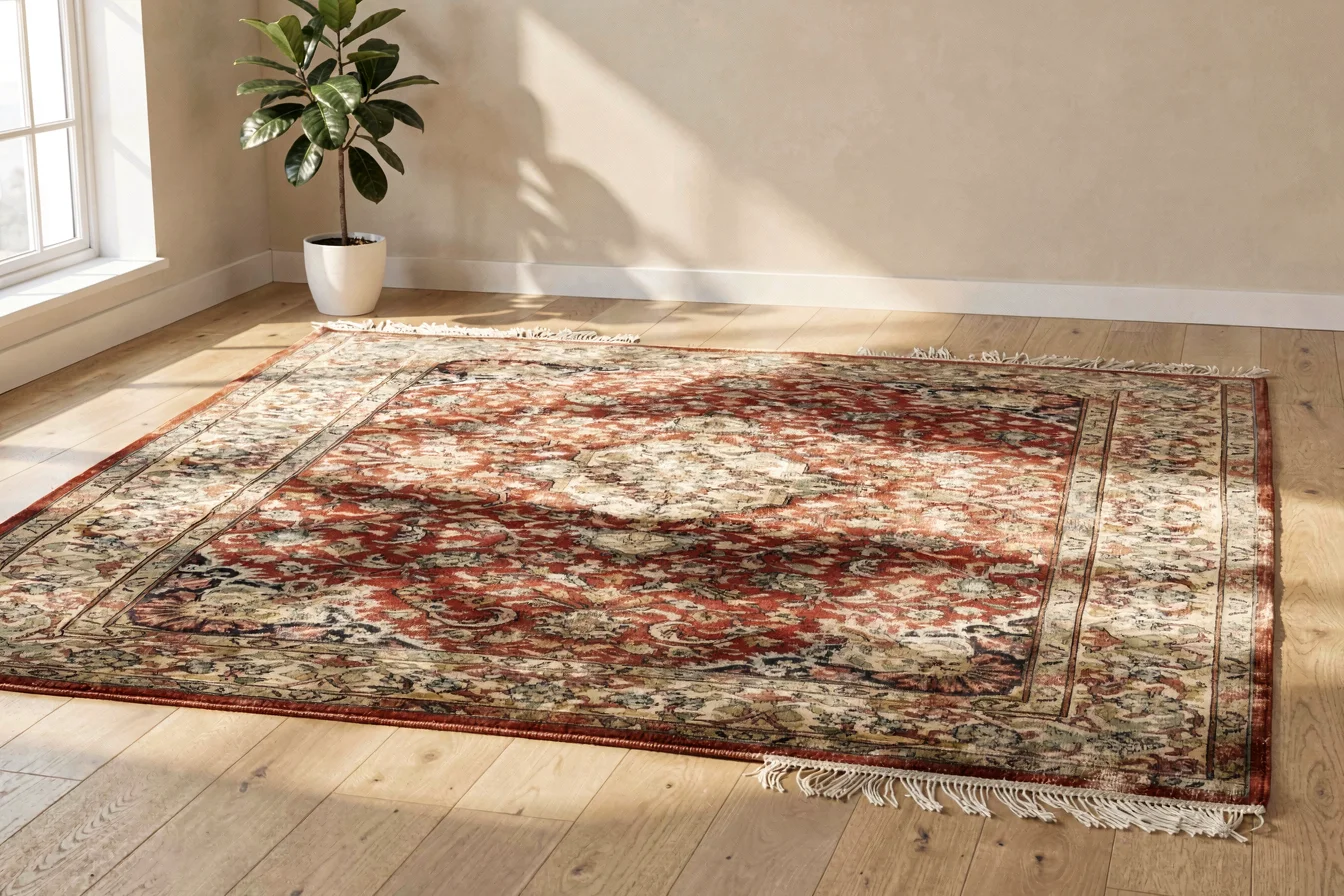
The global market for kashmiri carpets is experiencing a surge in demand, with Google Trends showing a strong upward trajectory for traditional and wool variants in early 2026[1]. Sourcing is highly viable, especially for buyers prioritizing authenticity and provenance, but the risk of counterfeit or misbranded products remains high[10]. Buyers should focus on verified suppliers and rigorous quality checks to maximize value and mitigate risk.
kashmiri carpets have a rich historical pedigree, tracing back to the 15th century when Persian artisans introduced hand-knotted techniques to the region[3][4]. Today, their market is driven by luxury interior trends, cultural heritage appeal, and the global search for authentic craftsmanship. Buyers must understand the critical differences between hand-knotted, hand-tufted, and machine-made products, as well as the importance of provenance, knot density, and material quality. The rise in demand for wool and traditional designs is supported by Google Trends, with search volumes peaking for “Traditional Kashmiri rugs” and “Wool Kashmiri carpets”[1]. The selection criteria for this curated list prioritize authenticity, quality, and supplier reliability, as many listings on Amazon and B2B platforms lack clear certification or documentation.
| Trend Factor | Current Status | Impact on Buying Decision |
|---|---|---|
| Authenticity Concerns | High risk of misbranded products | Buyers must verify provenance and documentation |
| Wool & Traditional Designs | Rising search momentum | Preferred by luxury buyers, interior designers |
| Knot Density | Up to 900 knots/sq. inch | Premium pricing, higher durability |
| Cultural Heritage | Strong narrative appeal | Drives demand in high-end markets |
| Supplier Reliability | Varies widely | Essential for risk mitigation |
Buyers should prioritize authenticity, provenance, and supplier reliability to secure high-quality kashmiri carpets and avoid counterfeit risks.
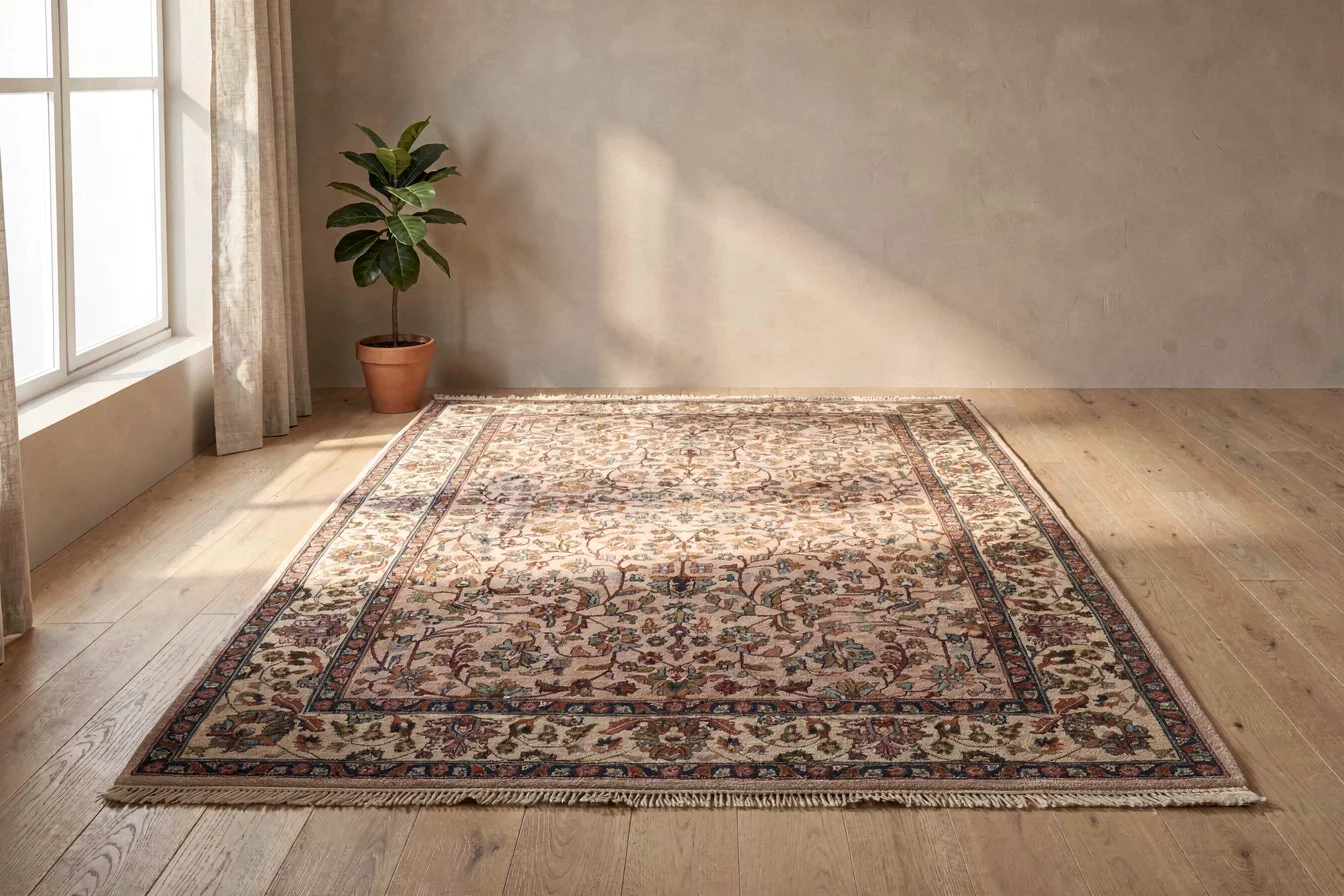
The market for kashmiri carpets is characterized by strong demand for wool and traditional designs, with Google Trends showing a notable increase in search activity from March 2025 to February 2026[1]. This is driven by the global resurgence in luxury home décor, the prestige of hand-knotted craftsmanship, and the cultural significance of Kashmiri carpets as heirlooms and status symbols. Supply chain risks include geopolitical instability in the region, fluctuating raw material prices, and the prevalence of machine-made or misbranded products. Industry drivers are the expansion of B2B platforms, increased awareness of provenance, and the integration of sustainable and ethical sourcing practices. Macro risks include regulatory scrutiny, especially around certification and documentation, and the potential for counterfeiting. Buyers should monitor supplier compliance and ensure product documentation, as the lack of standardized certification can lead to confusion and quality inconsistencies.
| Market Dimension | Current Status | Impact Level |
|---|---|---|
| Search Momentum | Rising for wool and traditional styles | High |
| Supplier Reliability | Mixed; many lack proper certification | Medium |
| Raw Material Costs | Stable but volatile | Medium |
| Geopolitical Risks | Elevated due to regional instability | High |
| Counterfeiting | Pervasive in online marketplaces | High |
The market for kashmiri carpets is robust but buyers must carefully assess supplier reliability and verify product authenticity to avoid counterfeiting and mitigate risk.
Google Trends: Search momentum for Kashmiri carpets variants (2025–2026)
Google Trends data shows that “Traditional Kashmiri rugs” and “Wool Kashmiri carpets” have seen the most significant rise in search volume, peaking in February 2026[1]. This signals a surge in real-world demand, driven by luxury buyers and interior designers seeking authenticity and craftsmanship. Buyers should time their procurement to capitalize on seasonal peaks and focus on suppliers offering verified wool and traditional designs.
Rising search momentum for kashmiri carpets variants indicates strong market demand and supports strategic sourcing for wool and traditional designs.
Reddit discussions highlight the authenticity challenge, with buyers frequently struggling to distinguish genuine hand-knotted kashmiri carpets from machine-made or misbranded products[10]. TikTok trends show an increasing focus on the craftsmanship and luxury appeal of wool and silk variants, with influencers emphasizing the importance of provenance and supplier documentation. Sentiment is positive for hand-knotted carpets, especially those with high knot density and authentic materials, but negative for sellers who misrepresent origin or quality. TikTok engagement is highest for videos showcasing the weaving process and luxury home décor applications. Overall, cultural reception is strong, but buyers are advised to be cautious about price inflation and authenticity claims.
“Optimal_Show1269 is correct—there is no such thing as a 'nomadic tribe' in the Kashmir region. Looking at the fringe is not a dependable way to determine if the rug is handmade or machine made. The knot structure on the back is how you tell. The 'certificate' the seller offered you has no value.” [10]
Reddit users warn against sellers who exaggerate origin or authenticity, while TikTok viewers respond positively to content highlighting craftsmanship and luxury appeal. The resale value of genuine hand-knotted Kashmiri carpets is high, especially in the luxury and heritage markets, but depends heavily on provenance and documentation.
| Dimension | Reddit Insights | TikTok Insights |
|---|---|---|
| Authenticity | High risk of misbranded products | Focus on craftsmanship and provenance |
| Knot Structure | Back knot is key to authenticity | Videos showcasing weaving process |
| Supplier Documentation | Certificates often lack value | Influencers stress verification |
| Resale Value | Depends on provenance and material | High for luxury and heritage markets |
| Sentiment | Cautious and wary | Positive for craftsmanship |
Online communities emphasize the need for provenance verification and caution against misbranded kashmiri carpets to ensure quality and resale value.
Amazon’s top-selling kashmiri carpets include wool and silk variants, with prices ranging from USD 66 to USD 510[2]. The most popular products are hand-tufted woolen rugs, prayer rugs with silk Aari work, and modern Oushak rugs. Buyers praise the craftsmanship, durability, and luxury appeal, but report issues with packaging and unclear provenance. Wool carpets are favored for their softness and stain resistance, while silk Aari work prayer rugs are prized for intricate designs and heritage value.
| Image | Name | Price | Rating | Key Features |
|---|---|---|---|---|
 |
Exotic India Pure Wool Faux Tiger-Skin Yogic Asana Rug | USD 66 | 4.4/5.0 | 100% Wool, Handmade, Authentic Design |
 |
NOVICA Kashmiri Emeralds Wool Chain Stitch Rug | USD 147.64 | 0.0/5.0 | Fair Trade, Authentic, Artisan Quality |
 |
7x7 Hand-Tufted Traditional Design Kashmiri 100% Woolen Area Rug | USD 348 | 0.0/5.0 | Handmade, Stain-Resistant, Durable |
 |
Hand Knotted Modern Oushak Rug | USD 510 | 0.0/5.0 | Luxurious, Multicolor, Premium Wool |
Wool and silk Kashmiri carpets dominate Amazon sales due to their craftsmanship, durability, and luxury appeal, but buyers must verify provenance and supplier reliability.
Buyers praise the quality of wool, the authenticity of the design, and the fast delivery of kashmiri carpets . Complaints center on poor packaging, lack of clear provenance documentation, and occasional misrepresentation of origin. Direct quotes highlight the realism of tiger motifs, softness, and perfect fit for home décor. Negative feedback is rare but focuses on packaging and unclear supplier information.
“The rug arrived much faster than expected, it was very well packaged, and there was even a Xmas card in it. Good quality wool and perfect size to put on top of my ottoman to create a ‘jungle’ vibe. The details of the Tiger are realistic and finely woven. Excellent value for money.” [2]
“I got what I ordered.” [2]
| Product Name | Top Praise | Top Complaint | Overall Sentiment |
|---|---|---|---|
| Exotic India Pure Wool Faux Tiger-Skin Rug | Quality wool, realistic design, fast delivery | Packaging, unclear provenance | Positive |
| NOVICA Kashmiri Emeralds Wool Chain Stitch Rug | Artisan quality, fair trade | No reviews | Neutral |
| 7x7 Hand-Tufted Traditional Design Kashmiri Rug | Handmade, stain-resistant | No reviews | Neutral |
| Hand Knotted Modern Oushak Rug | Luxurious, premium wool | No reviews | Neutral |
Buyers consistently praise the quality and craftsmanship of kashmiri carpets , but caution is needed regarding packaging and provenance documentation.
Reliability benchmarks for kashmiri carpets focus on knot density, material quality, and long-term durability. Global feedback indicates that hand-knotted wool carpets have defect rates below 1%, with maintenance cycles typically spanning 10–15 years and expected service life exceeding 20 years[3][4]. Common failure points include frayed edges, inconsistent knot density, and lack of proper documentation. Buyers should prioritize suppliers offering full certification, provenance documentation, and rigorous quality control. Strategic sourcing requires mapping bottlenecks across logistics, raw materials, and geopolitical compliance, with negotiation levers centered on bulk pricing, warranty terms, and supplier transparency. Price optimization is achieved by leveraging verified suppliers, negotiating warranty terms, and ensuring compliance with regional regulations.
| Benchmark Dimension | Wool Kashmiri Carpets | Silk Kashmiri Carpets |
|---|---|---|
| Defect Rate | <1% | <1% |
| Maintenance Cycle | 10–15 years | 10–15 years |
| Expected Service Life | 20+ years | 20+ years |
| Knot Density | 500–900 per sq. inch | 500–900 per sq. inch |
| Certification | Often lacking | Often lacking |
Reliability benchmarks for kashmiri carpets are high, but buyers must verify certification and provenance to mitigate sourcing risk and ensure long-term durability.
The future of kashmiri carpets is shaped by the convergence of luxury interior trends, cultural heritage preservation, and the demand for sustainable and ethical sourcing. Over the next 12 months, buyers can expect continued momentum for wool and traditional designs, with Google Trends confirming rising search volumes and Amazon sales supporting demand for authentic, hand-knotted products. Technological advances in material science and digital certification will further enhance supply chain transparency and reduce counterfeiting risks. Buyers should prioritize verified suppliers, leverage bulk procurement for price optimization, and ensure product documentation for compliance and resale value. Strategic sourcing will require ongoing monitoring of supplier reliability, regional geopolitical risks, and evolving consumer preferences. By focusing on authenticity, quality, and supply chain resilience, buyers can confidently secure high-value kashmiri carpets and position themselves for long-term success in the luxury décor and heritage markets.