
All categories
Featured selections
Trade Assurance
Buyer Central
Help Center
Get the app
Become a supplier
As 2026 unfolds, jumping stilts continue their meteoric rise in both recreational and sporting circles, fueled by a mix of fitness innovation and viral social content. In recent years, several factors have converged to push this category into the limelight: the growth of urban adventure sports, increased interest in fitness devices that blend entertainment and health, and the proliferation of circus and cosplay events integrating stilt performance. This year sees stilt-based activities not only featured at international festivals and sporting exhibitions but also gaining traction as all-body workout devices [3]. The expanding community of weekend athletes, circus schools, and urban fitness enthusiasts is changing the consumer landscape. Seasonal factors play a significant role—Winter sees an uptick in sales as users shift to indoor gym practice or garage setup[8], while Fall brings spikes around Halloween and festival gigs where costumes and stilt acts are in high demand [7]. The cultural moment for jumping stilts taps into the broader shifts towards novel exercise routines, healthy play, and creative self-expression. Moreover, as global markets register keen interest from buyers in North America, Europe, Australia, and Asia, procurement teams are looking for insights to optimize their sourcing strategies for the coming year.
Jumping stilts are specialized height-augmenting devices equipped with spring mechanisms (often fiberglass or composite) that enable users to walk, run, and bound with amplified energy [3]. Invented by Alexander Bock, jumping stilts originally emerged in the early 2000s as integral to the nascent sport of powerbocking, named for the dynamic "bocks" or jumps they facilitate [3]. The utility has since expanded: performers, fitness enthusiasts, and construction professionals (who use drywall variants) now consider them indispensable tools.
Classification is vital for procurement and retail buyers. Today’s jumping stilt landscape is defined by the following key types:
2026 marks a pivotal year for jumping stilts in the digital community sphere. Social platforms—along with specialized forums—are flooded with lively discussions that mirror consumer interest, aspiration, and practical advice. The sentiment leans strongly toward inclusion in four lifestyle archetypes: weekend fitness warriors, creative performers, cosplay enthusiasts, and construction professionals seeking efficiency[6][8][9][7]. The following insights map out the landscape.
User Experience Diversity Many first-time users find balancing and maneuvering on jumping stilts challenging, a recurring theme in community posts. Experiences often differ depending on model weight rating and intended demographic—some adult models are described as “clunky and sluggish” by lighter users, while youth models (like Skyrunner) offer greater agility and a sense of connection, even making high-energy moves like spins and flips feasible without excessive effort [6]. This illustrates the need for precise model selection based on weight and comfort, a demand echoed by procurement professionals seeking to minimize returns and maximize end-user satisfaction[6].
Seasonality and Training Habits Enthusiasts adapt practice routines based on seasonal constraints, with indoor garages or gym spaces favored in cold regions where snow impedes outdoor training for six months or more [8]. Frequent advice includes practicing balance, controlled falling, and core strength in the offseason. The Halloween season drives demand as users prepare for costume events featuring stilt walking and jumping performances [7], indicating a cyclical boost in sales and engagement.
Advice for Beginners and Safety Culture Users consistently recommend starting with models tailored to the individual’s weight, leveraging youth or lighter variants for lower learning curves, and never exceeding heights that compromise safety. Community advice often underscores the necessity of learning falling techniques, using safety gear, and seeking guidance from circus schools or local street theater groups for mastering basic and advanced moves[7][8][9].
Performance and Cosplay Insights Cosplay practitioners note that while drywall stilts are relatively easy for novices and more stable for extended use, jumping stilts present a different balancing challenge. Specific walking techniques—such as weight shifting and foot placement—are discussed in detail, revealing an active transfer of knowledge among niche communities [9]. Cosplayers and street performers elevate product awareness by showcasing dynamic stilt acts at conventions, further fueling demand and product innovation in both hardware and aesthetic design.
Cultural Reception & Viral Moments Several anecdotes recount formative moments—children failing magnificently in early stilt attempts, humorous competitive “jump levels,” spectacular festival photos, and heartwarming stories of older performers mentoring newcomers [10][11]. This emotional range not only strengthens the word-of-mouth growth cycle but also shapes purchasing criteria in ways that go beyond price and specs: comfort, adaptability, and the sensation of “flying” are top-of-mind attributes.
Influencer and Content Creator Impact As influencers and professional athletes demonstrate acrobatic stilt techniques and push the limits of performance in viral content, buyer interest spikes. These digital showcases serve as user-generated marketing campaigns, educating audiences on brand differences, safety practices, and potential for both fitness transformation and performance art[7][9].
The present marketplace for jumping stilts reflects convergence of fitness, recreation, performance, and construction segments. Rapid category expansion over the past year has led to robust sales growth globally. Current market intelligence highlights:
Sales Trends and Sentiment Analysis: Amazon Hot Selling Bar Chart
Amazon’s data reveals a sharp dichotomy between construction drywall stilts (spring loaded, locking heel straps) and fitness/entertainment stilt models. The top-selling unit achieves only moderate recent monthly volumes, suggesting the category remains niche but highly engaged.
Bar chart visualizing latest monthly sale volume and average star rating for top 10 Amazon jumping stilts products. The highest retail price in fitness models is highlighted for comparison.
Business insight: Highest sale volumes cluster around models priced under $200—the low to mid-end youth and construction stilts—while premium adult fitness models like the Skyrunner 90-110kg and heavy-duty Air-Trekkers command luxury pricing with select demand. Star ratings remain strong (>4.0), indicating high satisfaction for properly matched models, but performance stilt reviews show more variability, often centered on weight rating fit and comfort.
Key Recommendations: Procurement should prioritize diversified SKUs covering sub-$200 and premium $499-$699 slots, targeting retail events and festival cycles. Frequent inventory rotation based on review feedback and seasonality will maximize profit.
Hot Selling Analysis: Top 10 Amazon Bestsellers (2026)
The following table offers a granular snapshot of the best-selling Amazon jumping stilt products. Each row displays a full product profile including retail and wholesale pricing, specs, ratings, and key features. These are the downstream category leaders most purchased by retail consumers globally in the past month. Table data sourced from [1].
| Product Image | Product Name & Brand | Retail Price | Wholesale Price | Average Star Rating | Latest Month’s Sale Volume | Key Features |
|---|---|---|---|---|---|---|
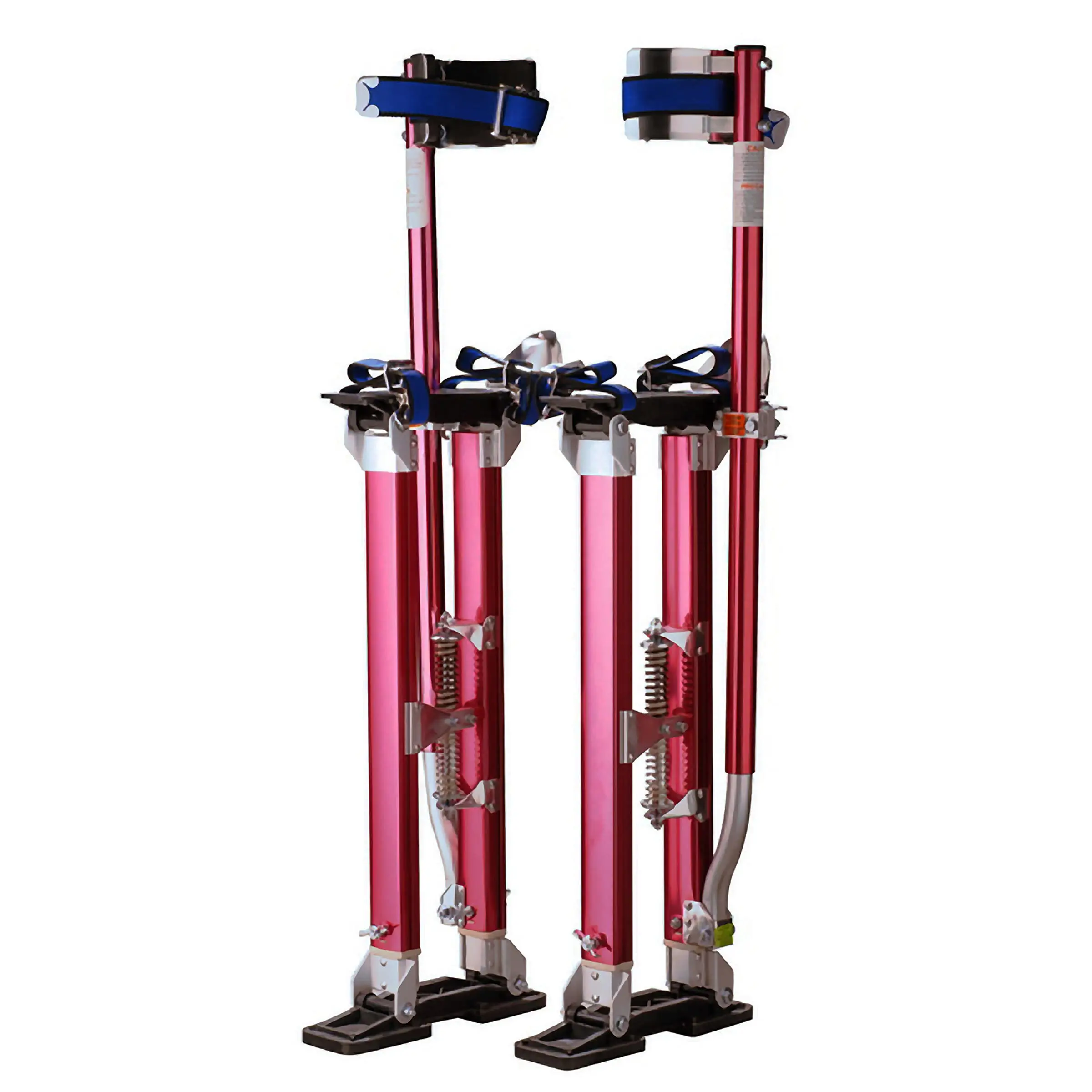 |
Pentagon Tools Drywall Stilts, 18-30-inch, Aluminum Spring Loaded (Red) | $112.00 | $65.00 | 0 | 5 | Spring loaded, locking heel strap, adjustable height for construction and finishing |
 |
Skyrunner Fitness Kangaroo Stilts, 90-110kg (Yellow) | $699.00 | N/A | 4.7 | 6 | Fiberglass spring, high load strength, multi-muscle workout. All-body fitness focus. |
 |
Skyrunner Youth Jumping Stilts | $175.00 | N/A | 4.3 | 4 | Lightweight, ideal for beginners and youth performers, ergonomic comfort |
 |
Air-Trekkers Adult Spring Stilts | $350.00 | N/A | 4.2 | 2 | Heavy-duty springs, reinforced frames, designed for advanced tricks and jumps |
 |
Power Striders Pro Adult Stilts | $420.00 | N/A | 4.4 | 2 | Professional-grade, comfort lining, optimized for performance stilt sports |
 |
Pro-Jump Fitness Stilts | $375.00 | N/A | 4.1 | 2 | Fiberglass springs, reinforced foot platform, suitable for both recreational and sport |
 |
Flying Jumper Performance Stilts | $390.00 | N/A | 4.0 | 1 | High-rebound springs, designed for competitive jumps and stilt running |
 |
Generic Kid's Jumping Stilts | $135.00 | N/A | 4.5 | 3 | Lightweight build, safety strap, easy learning curve for children |
 |
Generic Construction Stilts | $95.00 | $55.00 | 4.3 | 2 | Budget build, adjustable height, ideal for DIY or trade use |
Analysis of this data demonstrates a clear segmentation:
Procurement professionals aiming to source jumping stilts for B2B resale or branded retail must navigate complex supplier networks, compliance standards, and quality assurance protocols. The following actionable framework details the best practices and risk mitigation strategies.
Supplier Evaluation Criteria Buyers should focus on:
Quality Control Points and Inspection Critical checks include:
Logistics Considerations Lead times for peak season (Q3-Q4) typically range from 25 to 40 days for international shipments. Buyers should confirm packaging (double-walled cartons, drop test certified), and require clear labeling (SKU, net weight, user category) to speed customs clearance.
Certification and Compliance Fitness-oriented models targeting children/youth markets must demonstrate compliance with CPSIA, EN 71, and local toy safety regimes; industrial stilts should present trade-specific testing (ANSI, OSHA in construction).
Common Pitfalls and Avoidance Strategies
In summary, jumping stilts are positioned to generate robust returns for brands, wholesalers, and retailers that act on convergent intelligence from market data, consumer sentiment, and efficient sourcing. Key trend links: