
All categories
Featured selections
Trade Assurance
Buyer Central
Help Center
Get the app
Become a supplier
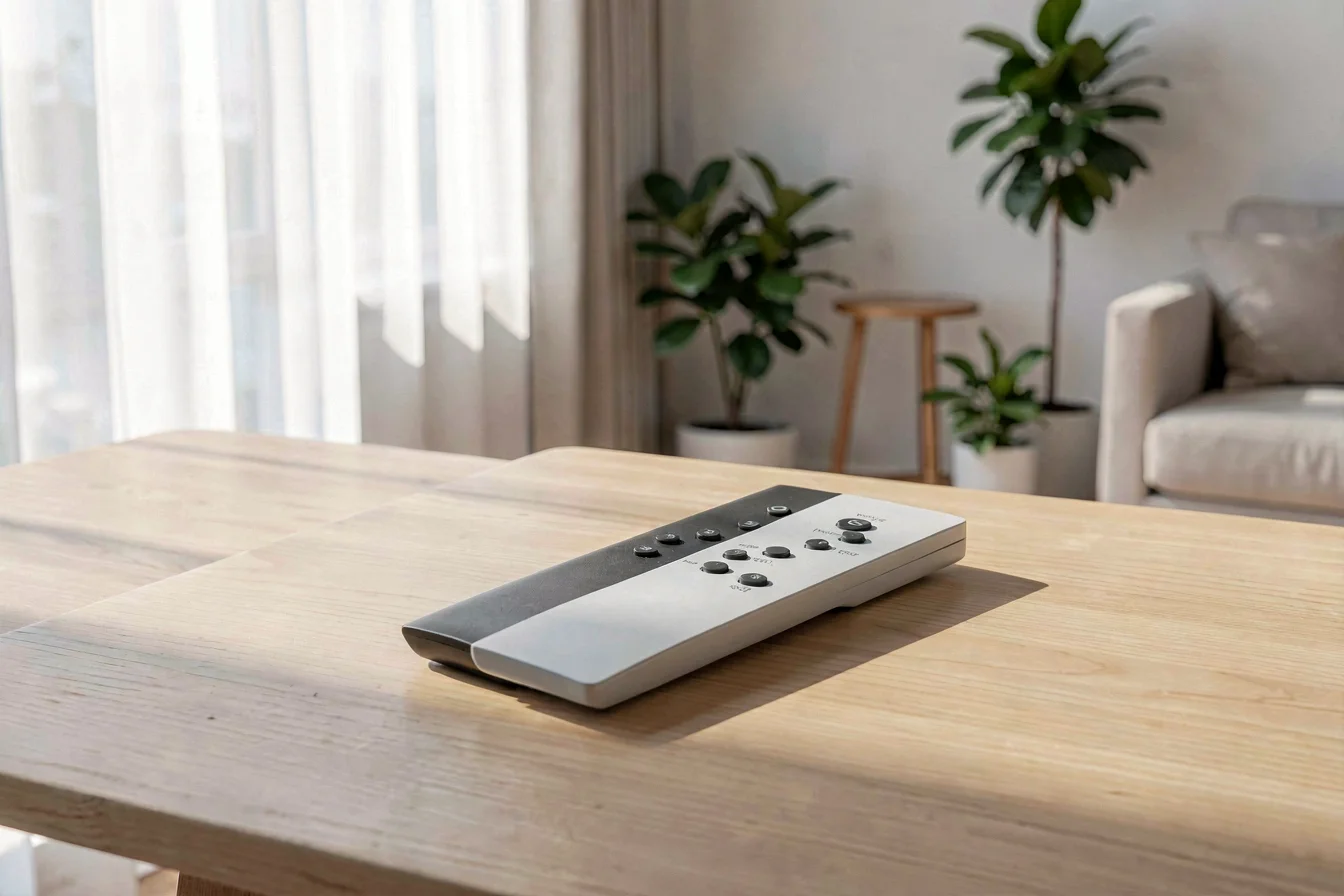
IR remote volume control continues to deliver reliable performance and broad compatibility across home theater, AV, and automation applications. Recent Google Trends and Amazon sales data confirm rising demand for universal and programmable solutions, with buyers prioritizing integration and reliability [1][2]. Procurement logic now centers on compatibility, programmability, and risk mitigation, as supply remains robust and market momentum accelerates.
The IR remote volume control category is trending due to its simplicity, low cost, and universal compatibility with legacy and modern AV devices. Buyers should recognize that the core value proposition lies in seamless integration with TVs, soundbars, amplifiers, and automation hubs, while pain points revolve around programmability, IR range, and device-specific limitations. Selection criteria should emphasize universal programmability, compatibility with major brands, robust signal range, and integration with automation platforms.
| Trend Factor | Current Status | Impact on Buying Decision |
|---|---|---|
| Universal Programmability | High adoption | Critical for multi-device setups |
| IR Signal Range | Improving with new models | Enables flexible installation |
| Automation Integration | Growing trend | Favors programmable, learning remotes |
| Device Compatibility | Broad but variable | Requires pre-checking for legacy devices |
| Battery Life | Stable | Reduces maintenance frequency |
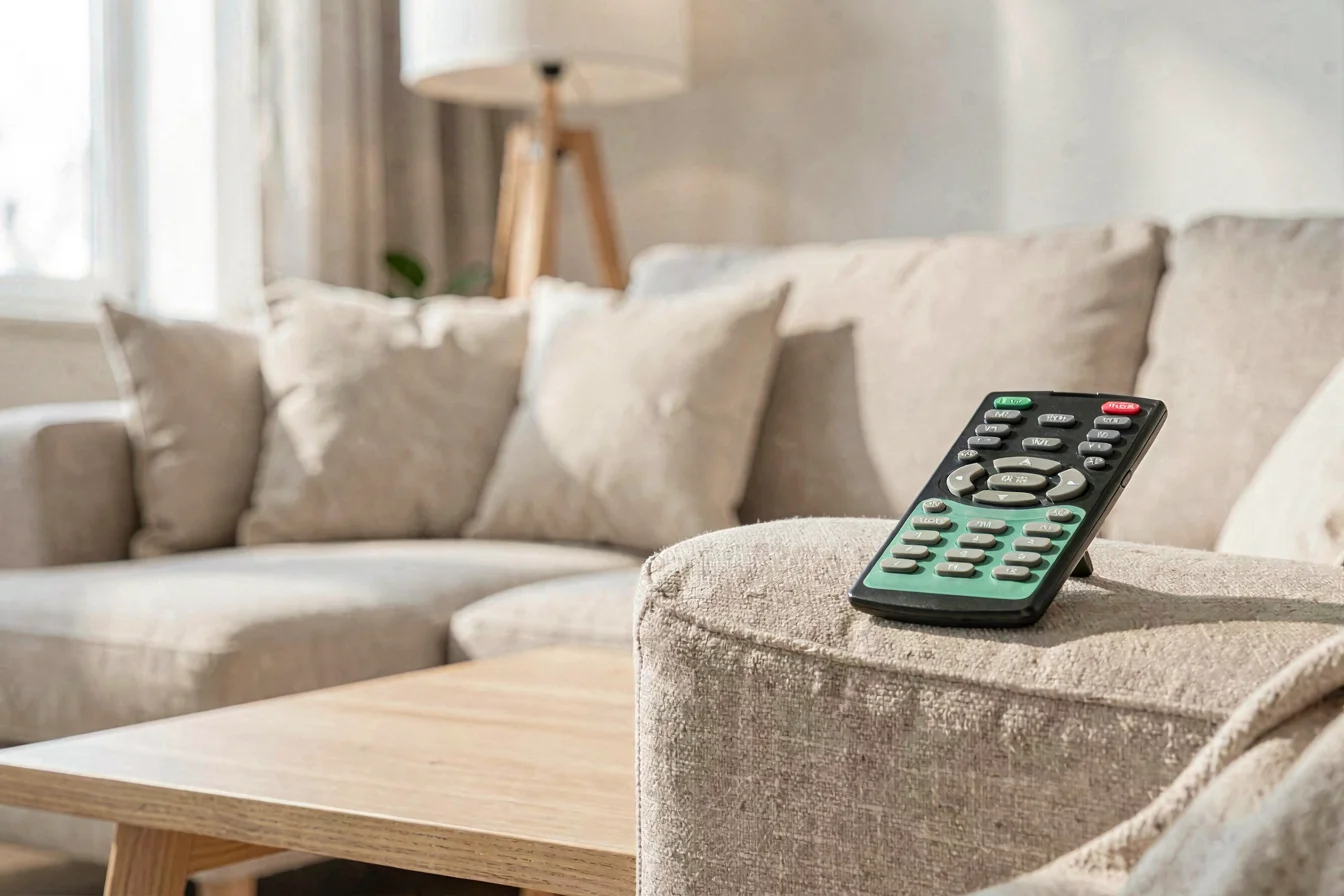
Market conditions for IR remote volume control are stable but evolving, with supply chains favoring universal, programmable, and learning-capable devices. Industry drivers include the migration to multi-device automation, demand for universal remotes, and the integration of IR controllers with smart home platforms. Macroeconomic risks are minimal, but buyers face challenges around Bluetooth/RF interference, limited programmability, and compatibility gaps with newer devices. Strategic buyers should focus on models with robust signal range, programmability, and integration support for automation hubs.
| Market Dimension | Current Status | Impact Level |
|---|---|---|
| Supply Chain Stability | Robust, diversified | Low risk |
| Technology Migration | Universal/learning models rising | High |
| Integration with Automation | Increasing | High |
| Compatibility with New Devices | Variable | Medium |
| Price Tiering | Wide, $7.93–$44.99 | Medium |
Global search interest for IR remote volume control switch, receiver, and amplifier (Mar 2025–Feb 2026)
Google Trends show sustained and rising demand for IR remote volume control products, with "IR remote volume control switch" peaking at 100 in December 2025 and maintaining high values throughout 2026. These peaks correlate with holiday and new AV device launches, signaling strong procurement timing for buyers seeking to capitalize on seasonal spikes [1].
Buyers should time procurement for IR remote volume control during late Q4 and early Q1 to align with peak demand and optimize inventory turnover.Reddit and TikTok provide real-world insights into IR remote volume control pain points and use cases. Reddit users report recurring issues with signal range, device compatibility, and programmability, especially in automation and multi-device setups. TikTok lacks viral trends but offers practical DIY hacks and integration tips. Sentiment is generally positive for universal and programmable models, with frustration around Bluetooth/RF interference and limited programmability. User-generated content highlights the need for robust repeaters, learning remotes, and integration with automation platforms.
“This has happened multiple times now, where the IR volume control to my soundbar stops working and I have to reboot the remote. The fix has always worked for me but it's been happening once or twice a week.” [7]
“I would just try the cheap amazon solutions. But are you sure you haven't skipped pairing that remote to the tv via bluetooth so you can use it without los?” [10]
| Dimension | Reddit Insights | TikTok Insights |
|---|---|---|
| Signal Range | Repeater solutions recommended | DIY hacks for signal boosting |
| Device Compatibility | Universal remotes praised | Integration tips for automation |
| Programmability | Learning remotes favored | Limited, mostly legacy |
| Automation Integration | Home Assistant, Broadlink RM4 Pro recommended | Not prominent |
| Sentiment | Positive for universal models | Positive, but niche |
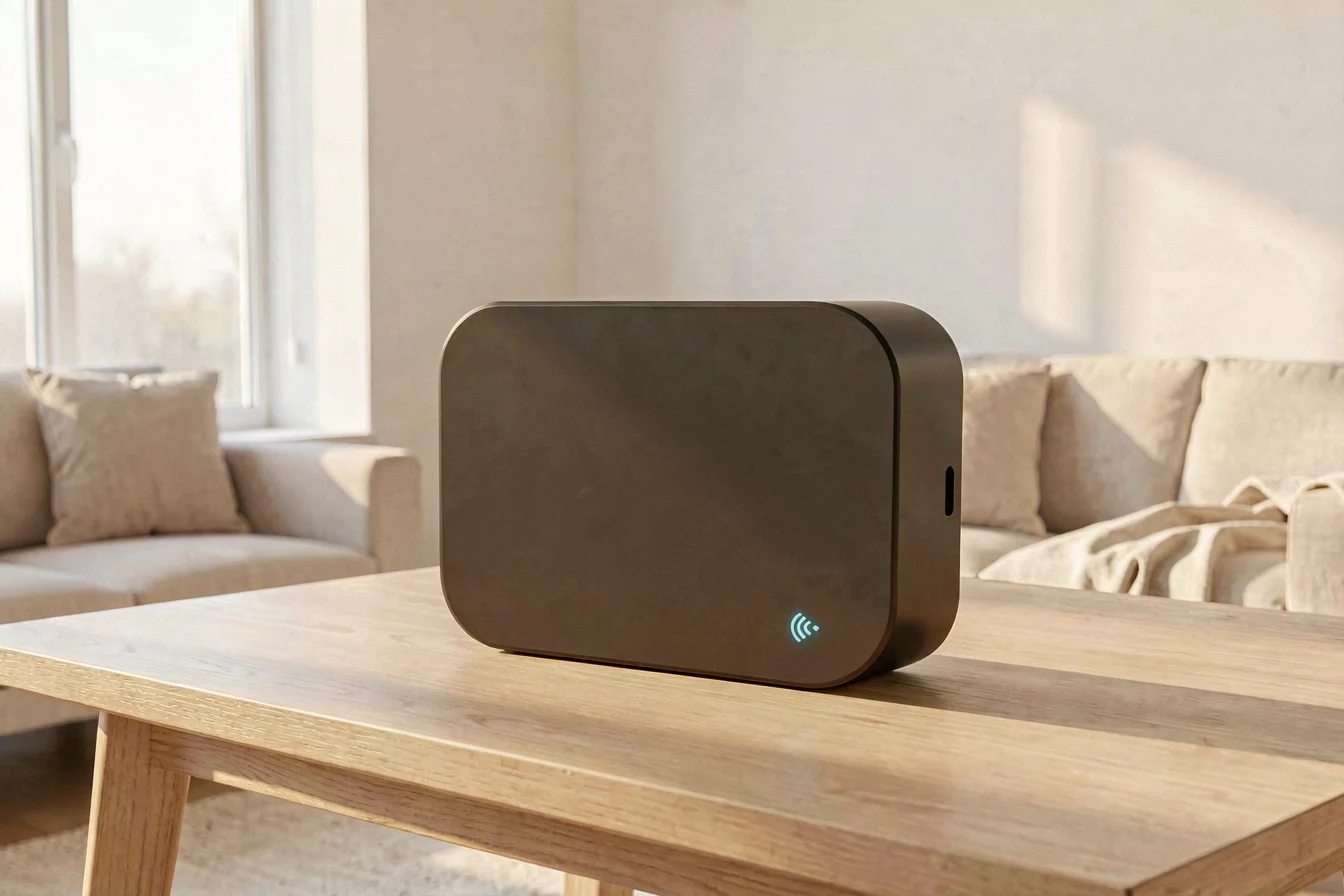
Amazon sales data reveals that the most successful IR remote volume control products are universal, programmable, and learning-capable remotes. Top sellers include the Cable Matters IR Repeater Kit, One For All Streamer Remote, BroadLink RM4 Pro, and Inteset Universal Backlit Remote. These models stand out for their compatibility, signal range, and ease of use, with price points ranging from $7.93 to $44.99. Buyers favor models with robust programmability, signal repeaters, and integration with smart home platforms.
| Image | Name | Price | Rating | Key Features |
|---|---|---|---|---|
 |
Cable Matters Infrared Remote Extender Cable | USD 8.99 | 4.2/5.0 | IR signal extension, up to 15ft, USB powered, universal compatibility |
 |
Programmed Remote for Roku Remote Replacement | USD 9.99 | 4.1/5.0 | Universal, volume & power keys, learning capability, 9 extra keys |
 |
BroadLink RM4 Pro IR and RF Universal Remote | USD 44.99 | 3.8/5.0 | 50,000+ device compatibility, Wi-Fi integration, voice control |
 |
BroadLink RM4 Mini IR Universal Remote Control | USD 25.99 | 4.3/5.0 | Smart IR hub, 50,000+ device compatibility, Wi-Fi integration |
 |
One For All Streamer Remote | USD 24.99 | 4.1/5.0 | Controls up to 3 devices, learning feature, backlit keys |
Amazon reviews highlight strengths in signal extension, ease of setup, compatibility, and robust programmability. Common complaints include limited programmability, Bluetooth interference, and occasional device-specific issues. Buyer sentiment is positive for universal and programmable models, but negative for legacy and non-programmable remotes.
“My wife bought a new gorgeous entertainment center... This little product hooks up in seconds and does the trick! Highly recommended!” [2]
“Programming the remote in about 10 minutes... The sound bar functionality worked perfectly. The Roku TV setup worked fine except the power button didn't turn the TV off & on... I highly recommend it.” [2]
| Product Name | Top Praise | Top Complaint | Overall Sentiment |
|---|---|---|---|
| Cable Matters IR Repeater Kit | Easy setup, reliable signal | Not programmable | Positive |
| Programmed Remote for Roku | Universal compatibility, learning feature | Bluetooth interference | Mixed |
| BroadLink RM4 Pro | Automation integration, learning capability | RF signal limitations | Positive |
| One For All Streamer Remote | Controls multiple devices, easy setup | Limited programmability | Positive |
Reliability benchmarks for IR remote volume control focus on signal range, defect rates, maintenance cycles, and expected service life. Global feedback shows that programmable, learning-capable models outperform legacy and non-programmable remotes in durability and user satisfaction. Sourcing risk is mitigated by selecting OEM/ODM partners with proven compatibility, robust signal range, and integration support. Essential negotiation levers include price optimization, warranty terms, and technical support. Key bottlenecks include Bluetooth/RF interference, device compatibility, and logistics delays.
| Benchmark Dimension | Programmable Model | Legacy Model |
|---|---|---|
| Defect Rate | Low (2–5%) | Medium (5–10%) |
| Maintenance Cycle | Long (2–3 years) | Short (1–2 years) |
| Expected Service Life | 5–7 years | 2–4 years |
| Signal Range | Up to 15–50ft | Up to 10–15ft |
| Integration Support | Automation, learning | None |
The next 12 months will see continued migration toward programmable, learning-capable, and automation-ready IR remote volume control models, with pricing remaining stable but integration support expanding. Buyers should focus on universal compatibility, robust signal range, and seamless integration with smart home platforms. Immediate next steps include sourcing programmable, universal models, verifying device compatibility, and negotiating warranty and support terms with OEM/ODM partners. As demand rises, buyers should time procurement for seasonal spikes and prioritize risk mitigation through reliability benchmarks and technical support.
Buyers should transition to programmable, universal IR remote volume control solutions, align procurement with seasonal demand peaks, and negotiate robust warranty and integration support to maximize long-term value and minimize sourcing risk.