
All categories
Featured selections
Trade Assurance
Buyer Central
Help Center
Get the app
Become a supplier
The landscape for outdoor surveillance and security has evolved rapidly as we enter 2026. Rising concerns about both property safety and personal privacy, coupled with climatic variability and urban expansion, have created heightened demand for reliable, weather-resistant monitoring solutions. In particular, IP44-rated cameras stand out as the preferred choice for both residential and commercial buyers seeking a balanced blend of affordability, protection, and versatility [2][3][4][6].
Several catalysts have driven this trend. First, a jump in package thefts and property vandalism—amplified by the continuing growth in e-commerce and home deliveries—has put outdoor camera security into the everyday priority list for homeowners and small businesses [13][23]. Second, advances in wireless technology, along with a preference for subscription-free devices and sizable local storage, have made modern IP44 solutions more accessible than ever [10][20][22]. Third, cultural and seasonal factors—like extended rainy periods, unpredictable storms, and large-scale outdoor events (from summer festivals to winter gatherings)—have highlighted the need for cameras that can withstand splashes, dust, and occasional harsh weather without over-investing in military-grade protection [14][17].
The IP44 camera’s appeal lies in its ability to provide moderate ingress protection at a cost-effective price point, fitting nicely into spaces such as porches, garages, driveways, parks, and semi-outdoor business areas. Buyers now actively seek devices that offer clear night vision, easy solar or battery installation, wireless connectivity, and intelligent motion detection—all features that are present in the current crop of bestselling IP44 models. With global consumer behavior shifting toward DIY home improvement, privacy-first data management, and anti-subscription technologies, the IP44 camera is becoming a staple of home and business security setups [13][16][20][21].
Looking ahead, as smart city initiatives and AI-powered monitoring continue to mature, it’s evident that mid-tier weatherproof cameras—especially those marrying reliable physical protection with advanced digital features—will remain at the heart of security investment strategies. This report provides a deep-dive into the definition, classification, market trends, consumer sentiment, procurement strategies, and actionable intelligence around IP44-rated security cameras for international buyers in 2026.
To make informed purchasing decisions, it’s crucial to grasp what sets an IP44-rated camera apart technically and functionally. The term “IP” stands for Ingress Protection, referring to the internationally standardized rating system (IEC 60529) that defines a device’s ability to withstand penetration by solids and liquids [2][3][[5][6]. Each rating features two digits:
Historically, ingress protection ratings emerged in industrial electrical engineering, ensuring safe use of sensitive electronics in unpredictable or harsh environments. Early applications centered on lighting fixtures, junction boxes, and heavy machinery. Over the past decade, surveillance technology has leveraged these standards for outdoor and semi-outdoor installations, making the IP code a global procurement benchmark for security products [5][7].
IP44 cameras now constitute a major product segment within outdoor wireless security, straddling the line between entry-level affordability and practical robustness. Key types include:
A survey of public discussions and community reviews reveals a diverse sentiment landscape for IP44 and comparable weather-protected security cameras. Social platform threads from the past year highlight several recurring buyer priorities, frustrations, and adaptation strategies:
1. First-Hand Use Cases: Balancing Affordability and Adequate Protection
Many householders and small business owners cite the need for practical solutions that do not overpromise on “waterproofing.” For instance, while most modern IP44 and higher-rated devices are robust against splashes and heavy mist, some users warn that prolonged exposure or poor gasket maintenance can undermine protection over time [12]. This has led to widespread recommendations for periodic checks of seals and housing units, the use of silica gel packs to combat condensation, and selection of cameras with replaceable locking clips for long-term reliability [12][17].
2. Wireless and Local Storage Preferences
A strong preference for wireless installation and non-subscription-based storage dominates discussions, especially among those in rental properties, remote locations, or business environments looking to avoid monthly service fees or external data hosting [10][20][22][23]. Buyers tend to favor brands and models offering SD card slots, local network connectivity, and app-based notifications, with security and privacy cited as top motivations. Local NVR systems (e.g., Lorex, Reolink) earn recurring praise for lasting reliability and direct user control.
3. Mounting and Environmental Adaptation
Outdoor deployment strategies among users reflect adaptation to real-world conditions: mounting under eaves to mitigate direct rain or sunlight, using weatherproof housings or custom shields, and strategic placement to avoid wind-driven moisture [9][16]. This approach is substantiated by multiple users in coastal, tropical, or rainy regions reporting successful operation of IP44 cameras when supplemented with practical barriers or site-specific mounting techniques.
4. Night Vision and Motion Detection Trade-offs
Performance reviews emphasize the need for clear night vision, rapid motion detection, and notification reliability—especially in high-activity urban areas or locations prone to vandalism and theft [23]. Advanced features like AI recognition and human detection are widely desired but often trade off against price and subscription demands.
5. DIY and Cost-Saving Culture: Recommendations from Experience
Within the global DIY home security movement, many buyers are comfortable with entry-level adjustments and repairs, such as adding silicone tubing, neutral cure sealant, or using bright colors for easy recovery after accidental drops [27][15][14]. Several recommend popular mid-market brands (e.g., Eufy, Panasonic, Ubiquiti, Reolink) and offer budget-saving tips such as seeking used models, online auctions, or seasonal promotions. Overall, the community sentiment combines skepticism of marketing hype around waterproofing with an emphasis on pragmatic adaptation, routine maintenance, and direct user experience [11][17][19][24].
6. Global Data Security and Privacy Concerns
An emerging trend centers on data sovereignty and privacy, with some buyers seeking non-China-tied cameras or implementing router firewalls to block external data access [10]. Integration with home automation systems (e.g., Apple Homekit) or open-source platforms is increasingly popular among privacy-focused users.
In summary, cultural expectations in 2026 revolve around resilient, affordable, and user-friendly surveillance solutions, rather than absolute waterproofing or professional-grade security. This aligns perfectly with the positioning and product feature set of bestselling IP44-rated cameras.
The market for outdoor security cameras—especially IP44-rated models—has posted strong growth as we move into 2026. Demand is driven not only by consumer needs but also by rapid technological innovation, diversification of product types, and changing regulations governing surveillance, data storage, and installation standards.
Global Category Performance and Growth Rate
Recent market analyses indicate a YoY growth of 18–22% in the wireless outdoor security segment for 2025–2026, with IP44 cameras representing a major share of entry/mid-level installations in North America, Europe, and urban sectors of Asia [1][4]. Price sensitivity, ease of installation, and integration with smart home platforms dominate purchasing criteria. Subcategories such as solar-powered wireless kits, dual-lens PTZ units, and integrated floodlight cameras have accelerated in popularity, while professional-grade, high-IP-rated models remain niche.
Regional and Environmental Preferences
Regional buyers display variable preferences: coastal and high-rainfall zones prioritize higher IP ratings but still rely heavily on IP44 for sheltered locations, patios, carports, and retail driveways [7][14]. Urban apartment dwellers and commercial property managers favor compact wireless units for unobtrusive placement and straightforward connectivity.
Price Tier Analysis and Value Proposition
Mid-tier products span retail prices from $30–$350, with advanced kits (multi-camera bundles, local storage integration, AI features) landing at the upper end. Wholesale purchasing for bulk or commercial installation attracts volume discounts and greater specification customization. However, the “sweet spot” for most buyers remains below $100 per unit, balancing reliability and functionality.
Hot Selling Analysis: The 2026 Top-Selling IP44 Security Cameras
The following table showcases the top 10 bestselling IP44-rated outdoor security cameras on Amazon for the latest month in 2026. Each product is presented with a full breakdown: visual reference, specifications, pricing, ratings, and feature highlights.
| Product Image | Product Name & Features | Average Star Rating | Latest Month Sale Volume | Retail Price | Wholesale Price |
|---|---|---|---|---|---|
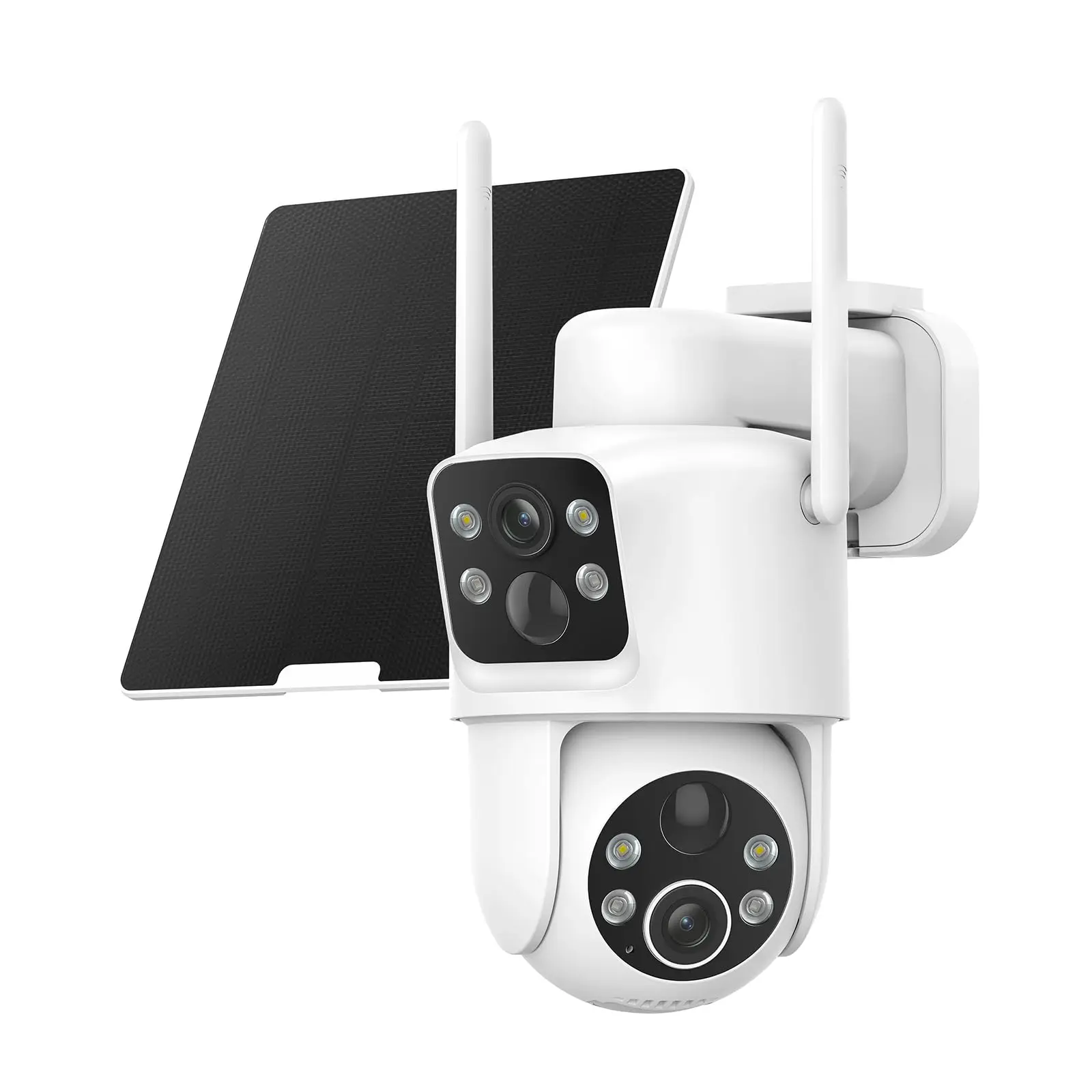 |
TKENPRO Dual Lens Solar Security Cameras Wireless Outdoor 2K Full HD Video, 360° Pan/Tilt, Color Night Vision, PIR Alarm, Easy Installation, 2.4GHz WiFi |
4.3 | 573 | $45.62 | $20.85 |
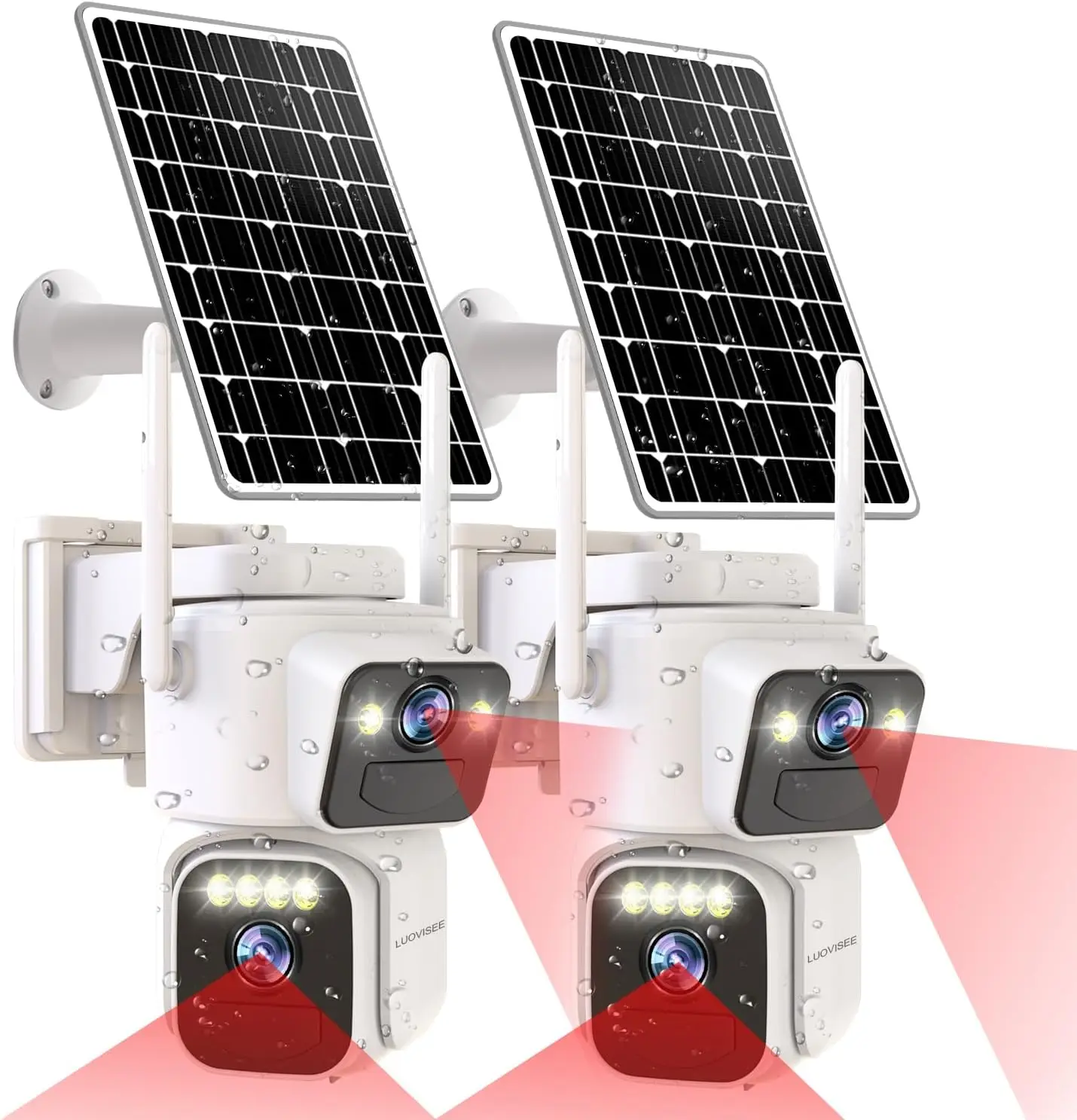 |
Luovisee Solar Security Cameras Outdoor Wireless Dual Lens PTZ Motion Zone, 2-Way Audio, Night Vision, Weatherproof, SD/Cloud Storage |
4.1 | 486 | $54.11 | $28.57 |
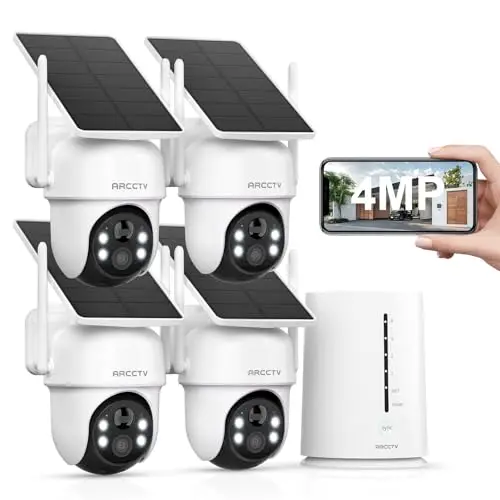 |
Security Cameras Wireless Outdoor, 4 Cam-Kit 4MP, 360° Pan & Tilt, HD Color Night Vision, Motion Detection, 64GB Memory Card |
4.4 | 459 | $266.7 | $111.33 |
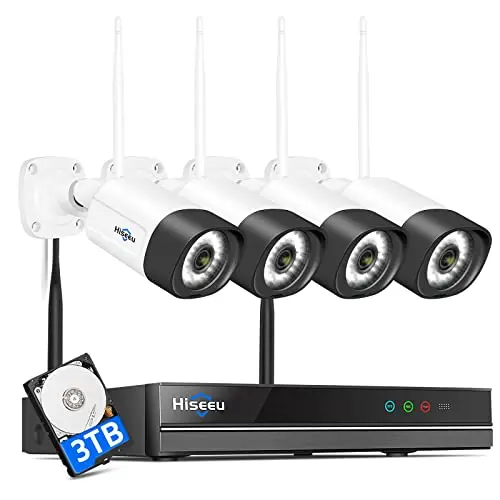 |
Hiseeu WiFi Security Camera System 5MP Spotlight, 3TB HDD, Power Cord Cameras, Extendable 16CH, Outdoor IP66 Waterproof, Motion Alerts |
4.2 | 344 | $223.86 | $122.0 |
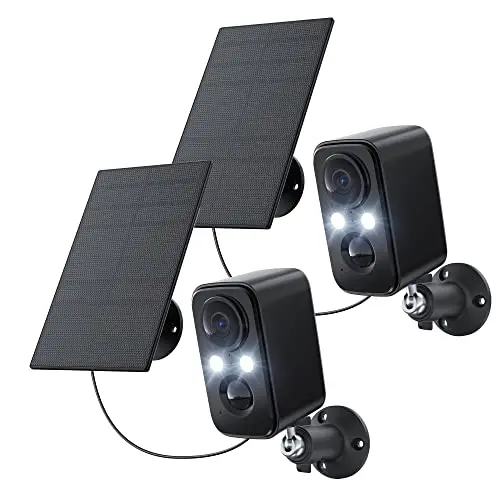 |
Security Cameras Wireless Outdoor, Flood Light Solar Cameras Color Night Vision, PIR Human Detection, 2-Way Talk, IP66 Waterproof, SD Card/Cloud Storage |
4.3 | 290 | $80.84 | $24.56 |
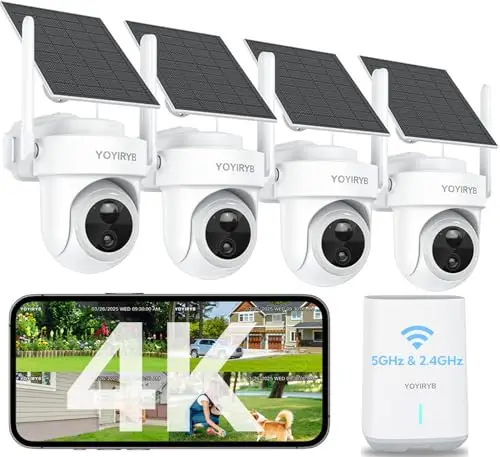 |
4K Security Cameras Wireless Outdoor Solar-Powered, Home Security Camera System, 360° Auto Tracking, Color Night Vision |
4.6 | 146 | $365.63 | $188.16 |
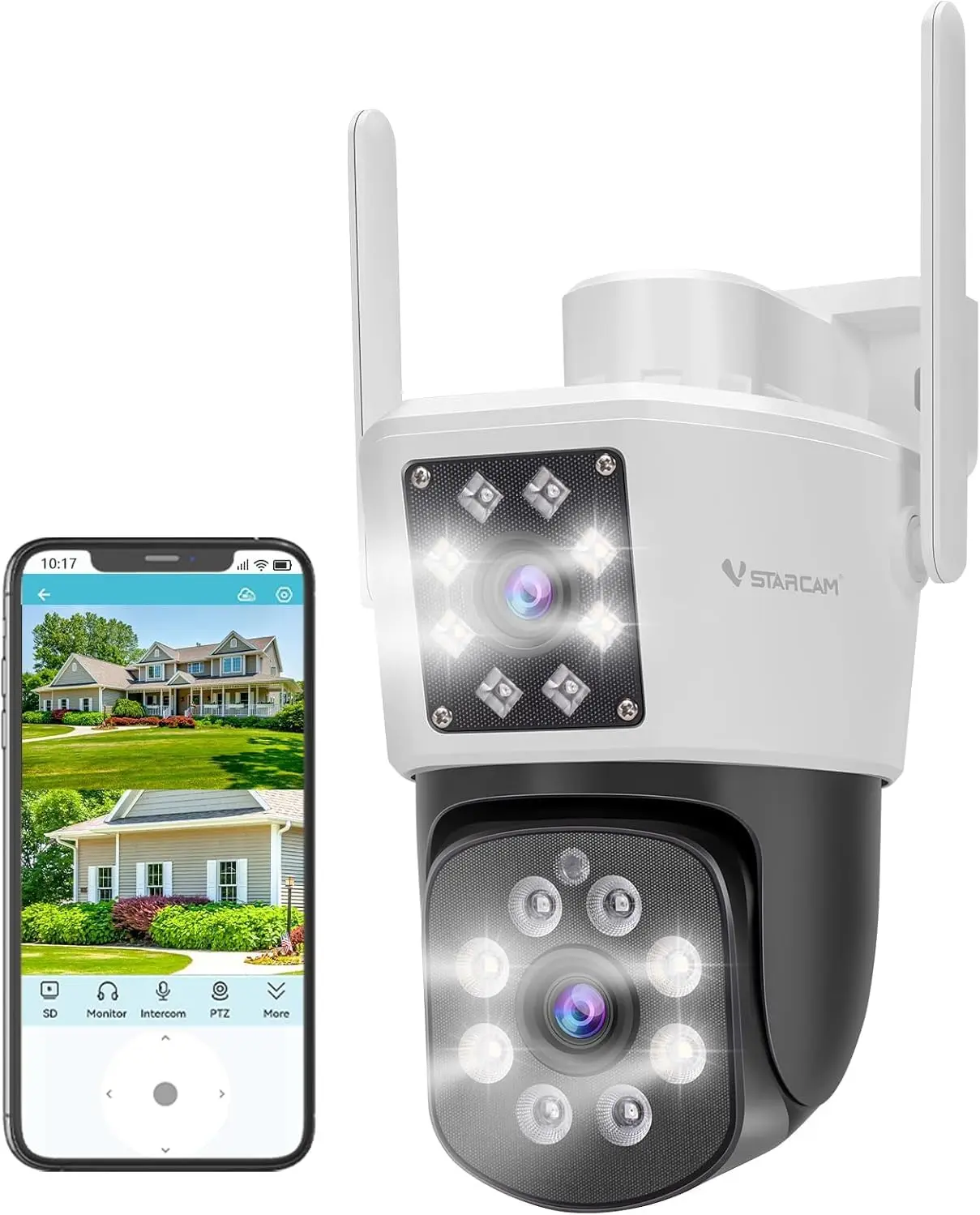 |
VSTARCAM 2MP+2MP Outdoor Security Camera 2K Dual Camera, 360° Monitoring, Custom Alarm Sound, Full Color Night Vision, PIR Motion Sensor |
4.3 | 118 | $29.29 | $16.76 |
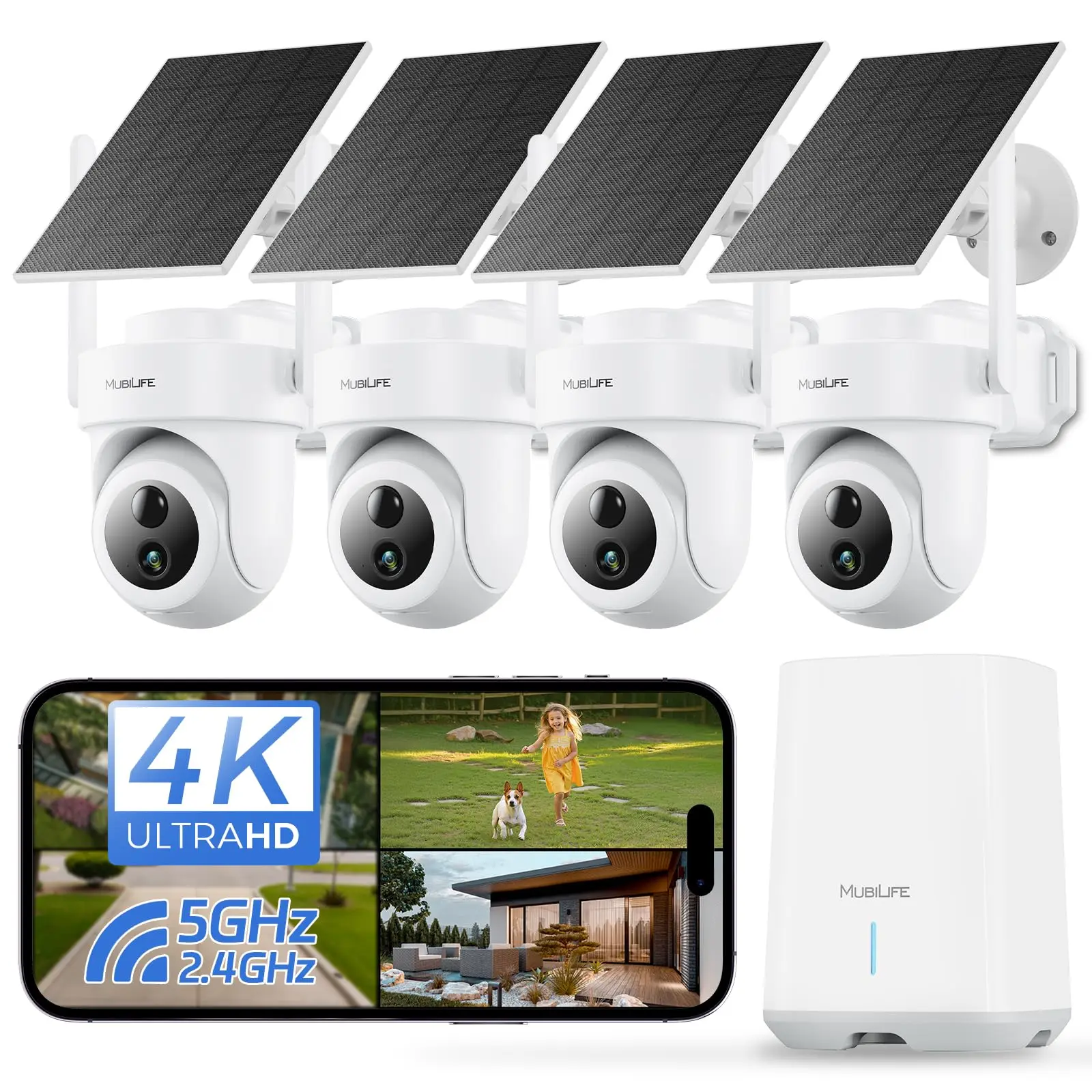 |
MUBILIFE 4K Security Cameras Wireless Outdoor 8MP Solar Powered, Local Storage, AI Auto Tracking, Night Vision, 4-Cam Kit |
4.3 | 115 | $376.48 | $145.73 |
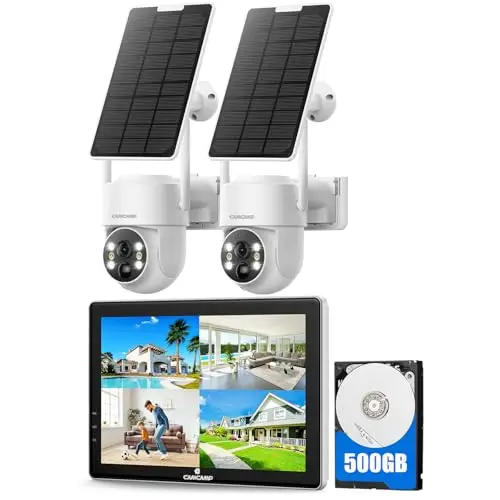 |
CAMCAMP Solar Security Cameras Outdoor Wireless 10” 10CH Monitor, Solar-Powered, 360° Pan & Tilt, 2K Color Night Vision, HDMI Output |
4.1 | 59 | $209.04 | $120.0 |
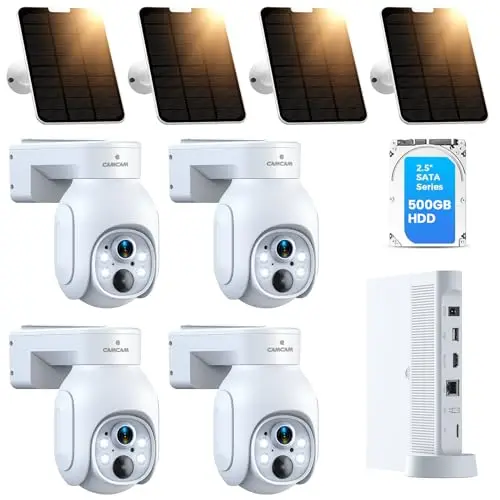 |
Solar Security Cameras Wireless Outdoor, 2K 360° Pan & Tilt, Color Night Vision, 500GB HDD NVR, No Subscription Required |
4.5 | 58 | $292.26 | $64.17 |
Table data sourced from [1].
Analysis of this data reveals several actionable insights for procurement:
Amazon Trends Data: Comparative Bar Chart and Sentiment Analysis
Examining Amazon Trends and aggregated sales data from the past year provides valuable intelligence into product popularity, seasonal spikes, and user sentiment (keywords extracted from reviews: “easy installation”, “night vision”, “solar powered”, “motion detection”, “local storage”, “weatherproof”, “no subscription”, “wireless”, “value for money”).
Top 10 IP44 Security Cameras: Monthly Sales Volume Distribution (2026, Normalized)
This chart highlights dominant sellers—especially the TKENPRO Dual Lens and Luovisee Solar PTZ models, both consistently ranking in the top for their blend of advanced features, wireless connectivity, and cost-effectiveness. Notably, solar-powered units and kits occupy the majority of top positions, reflecting buyer preference for energy independence and convenience. Sentiment analysis reinforces the value placed on “easy installation” and “no subscription” features, signaling actionable priorities for both product development and procurement strategy.
Business recommendation: For retail buyers, stocking key solar and wireless models (with comprehensive signage highlighting IP44 protection and subscription-free storage) will address the clear trend in user demand. For wholesale procurement, negotiating bulk purchases of popular mid-tier models and offering installation support can capture strong market share through 2026.
Modern supply chain management for IP44-rated security cameras hinges on a blend of technical evaluation, supplier capacity analysis, quality assurance, regulatory compliance, and risk mitigation. Here’s how international buyers can optimize procurement decisions:
Supplier Evaluation Criteria
The most reliable manufacturers demonstrate well-documented certifications (CE, FCC, IEC), robust production capacity, and scalable quality management systems. Key factors to verify during sourcing include:
Quality Control and Inspection Requirements
For IP44-rated cameras, rigorous inspection protocols should cover:
Logistics and Lead Time
Buyers should plan for seasonal and regional demand spikes (e.g., summer/fall for new installations), factoring in both shipping timeframes and local regulatory requirements. Streamlined packaging, clear instruction manuals, and bundled accessories (such as mounting hardware or solar panels) add to competitive differentiation and user satisfaction.
Certification, Compliance, and Market-Specific Adaptation
Procurement professionals must cross-check that all devices meet target market safety and data/privacy laws—especially when platforms integrate cloud backup or remote monitoring features. Local certification, such as UL in the US or RoHS in the EU, alongside IP44 rating verification, minimizes compliance risks and builds customer trust.
Competitive Advantages and Avoiding Common Pitfalls
IP44-rated models offer outstanding cost-performance for most non-industrial outdoor scenarios. Positioning them as “smart weatherproof” solutions—especially when paired with value-added features (no subscription, night vision, solar power)—maximizes their market appeal. Avoid overstating waterproof capabilities in promotional materials, and stress proactive maintenance advice for end-users (seal checks, seasonal cleaning).
In summary, sourcing success rests on supplier transparency, technical rigor, flexible production, and hands-on support. Blending technical certification with lifestyle compatibility, international buyers can seize a lucrative slice of the booming outdoor security market.
The surge in popularity for IP44 outdoor security cameras in 2026 is anchored by a combination of evolving buyer needs, technological advancements, and practical market realities. The products dominating retail and wholesale channels offer precisely the balance that property owners, landlords, and small businesses seek: affordable ingress protection, easy installation, reliable performance, and robust feature sets.
Key insights from this report include:
**For buyers looking ahead to the next 6–12 months, the recommended action plan includes:**