
All categories
Featured selections
Trade Assurance
Buyer Central
Help Center
Get the app
Become a supplier
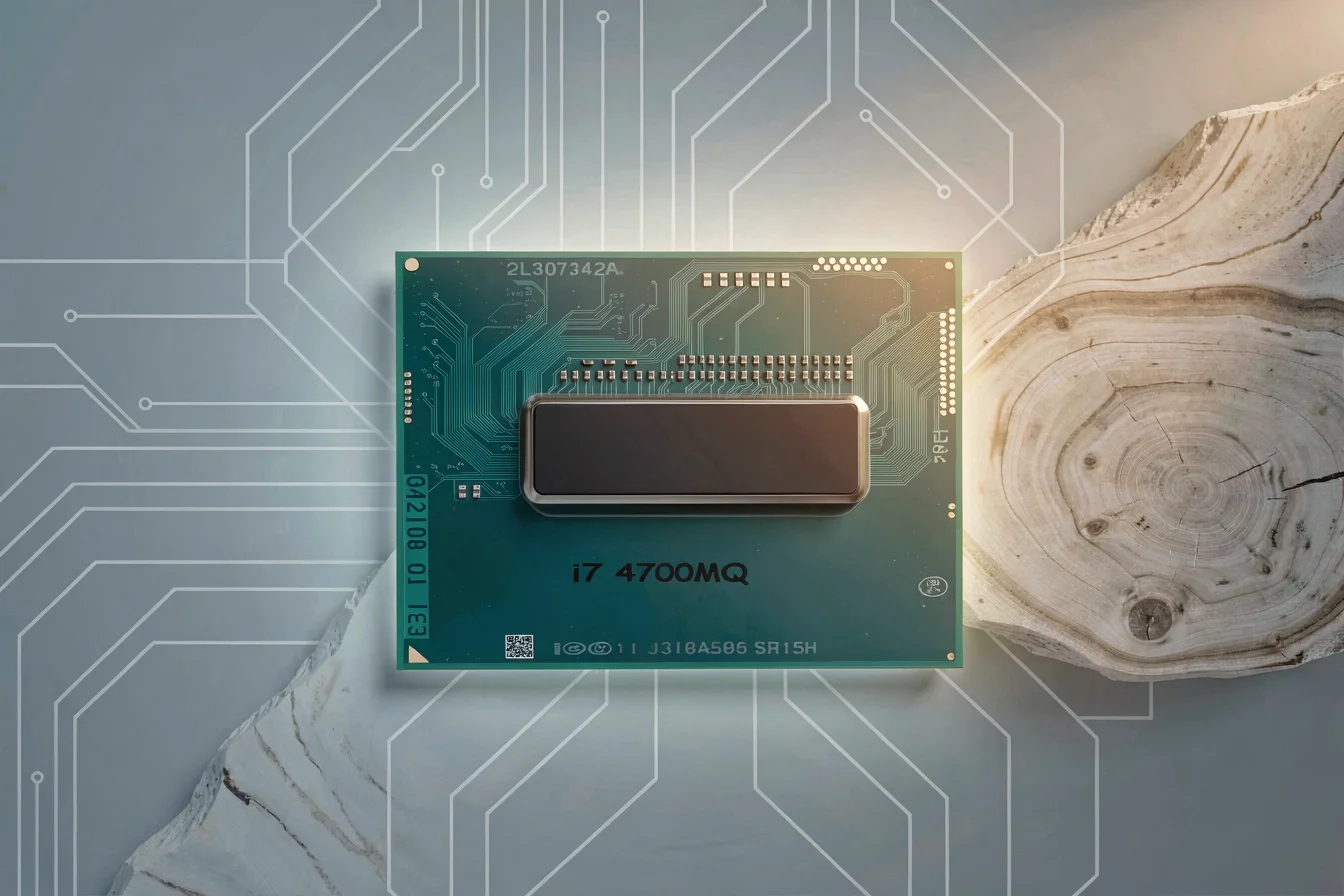
The intel core i7 4700 processor is a legacy mobile CPU launched in 2013, now obsolete for most procurement needs. Modern buyers should prioritize newer Intel processors for performance, power efficiency, and future-proofing. Demand for the i7 4700MQ is minimal, mainly driven by legacy upgrades and resale markets, with little supply chain activity in 2026 [3][4][6].
The intel core i7 4700 processor is trending in niche circles due to its historical presence in older systems and its relevance in legacy IT upgrades. However, its procurement viability is limited—buyers should understand that it lacks the performance, power efficiency, and support of modern CPUs. The market is driven by users seeking cost-effective replacements for aging devices or those interested in refurbishing older hardware. Selection criteria for this category focus on socket compatibility, power consumption, and the availability of DDR3 memory, as these are critical for successful integration into legacy builds. The following table provides a snapshot of the key market context:
| Trend Factor | Current Status | Impact on Buying Decision |
|---|---|---|
| Legacy System Upgrades | Steady, low volume | Buyers prioritize compatibility and cost |
| Modern Performance Demands | High | Procurement logic favors newer generations |
| DDR3 Memory Availability | Declining | Limiting supply chain options |
| Resale Value | Low | Minimal profit for procurement |
| Support Lifecycle | Expired | Risk of obsolescence and security |
Buyers should focus on newer Intel processors for procurement, as the i7 4700MQ is obsolete for most applications and offers limited supply chain resilience.
The intel core i7 4700 processor is now a relic in the CPU market, with supply dwindling and demand restricted to legacy IT environments and refurbishment. Market volatility is low due to the processor’s age, but macroeconomic factors such as DDR3 memory shortages and platform obsolescence impact procurement. Industry drivers include cost efficiency for legacy upgrades, the need for compatibility with older motherboards, and the challenge of maintaining support for discontinued hardware. Supply chain dynamics favor newer Intel and AMD processors, with OEMs and ODMs focusing on future-proof architectures. The following table summarizes key market dimensions:
| Market Dimension | Current Status | Impact Level |
|---|---|---|
| Supply Chain Activity | Minimal | Low |
| Procurement Cost | Low (used/legacy) | Moderate |
| Platform Compatibility | Socket G3, DDR3 | Critical |
| Demand Momentum | Stable, low | Low |
| Resale Value | Low | Low |
The market for the i7 4700MQ is shrinking; buyers should prioritize platforms with active supply chains and modern architectures for procurement resilience.
Google Trends: Intel Core i7 4700 processor and related legacy Intel processors (Mar 2025–Mar 2026)
Google Trends show that legacy Intel processors, including the i7 4700MQ, have experienced steady but low search interest, with minor spikes in late 2025 and early 2026. These spikes correspond to seasonal upgrades and refurbishment cycles but do not indicate a surge in procurement demand. The chart signals that demand for legacy CPUs is stable but declining, and buyers should time their purchases for off-peak periods to minimize costs and maximize supply availability.
Buyers should monitor Google Trends for procurement timing, but prioritize newer generations for cost efficiency and future-proofing.
Reddit sentiment for the intel core i7 4700 processor is mixed, with most users acknowledging its obsolescence but noting that it is still functional for basic tasks and older games. Users frequently compare it to newer processors and highlight limitations in gaming performance, power consumption, and future-proofing. TikTok data is unavailable; however, Reddit discussions reveal pain points such as overheating, outdated architecture, and the lack of DDR3 memory availability. The following blockquote illustrates user sentiment:
“I did the same upgrade as you. It seems like the single core clocks on the i5 4300m are faster by 0.2 GHz and iGPU by 0.1 GHz. I just kinda went for it without comparing specs I gotta say it made my Dell e6440 14” a lot hotter. The quadcore helped with running Windows 10 and web browsing. But I wonder if it made older games run worse due to them usually only running dual core and wanting higher clocks all around. It would’ve been cool to do a before and after benchmark. I only really run like Left 4 Dead 2 and older so I can't comment much on newer games. Everything I've run feels great.” [6]
Users also compare the i7 4700MQ to other legacy Intel CPUs, noting that while it is “nice” for basic tasks, it is no longer competitive for gaming or heavy workloads. TikTok data is absent, but Reddit provides clear insight into the cultural reception and practical use cases. The following table summarizes the social media pulse:
| Dimension | Reddit Insights | TikTok Insights |
|---|---|---|
| Performance | Acceptable for basic tasks, obsolete for gaming | — |
| Resale Value | Low, mostly for legacy upgrades | — |
| Pain Points | Overheating, outdated architecture | — |
| Future-Proofing | Not recommended for new builds | — |
| Cultural Reception | Niche interest, mostly for upgrades | — |
Social sentiment confirms that the i7 4700MQ is obsolete for most applications, with buyers advised to upgrade to newer generations for performance and future-proofing.
Amazon data shows that newer Intel Core processors dominate the market, with high ratings and positive reviews for performance, power efficiency, and compatibility. The i7 4700MQ is not among the top-selling SKUs, underscoring its limited procurement relevance. Buyers prioritize processors with higher core counts, improved turbo boost speeds, and support for DDR4/DDR5 memory. The following table lists the top-selling Intel Core processors in 2026:
| Image | Name | Price | Rating | Key Features |
|---|---|---|---|---|
 |
Intel® Core™ Ultra 7 Processor 270K Plus | USD 315 | 4.5/5.0 | 24 cores, up to 5.5 GHz, DDR5 support |
 |
Intel Core Ultra 7 Desktop Processor 265KF | USD 231.93 | 4.7/5.0 | 20 cores, up to 5.5 GHz, DDR5 support |
 |
Intel Core i7-7700 Desktop Processor | USD 62.99 | 4.6/5.0 | 4 cores, up to 4.2 GHz, DDR4 support |
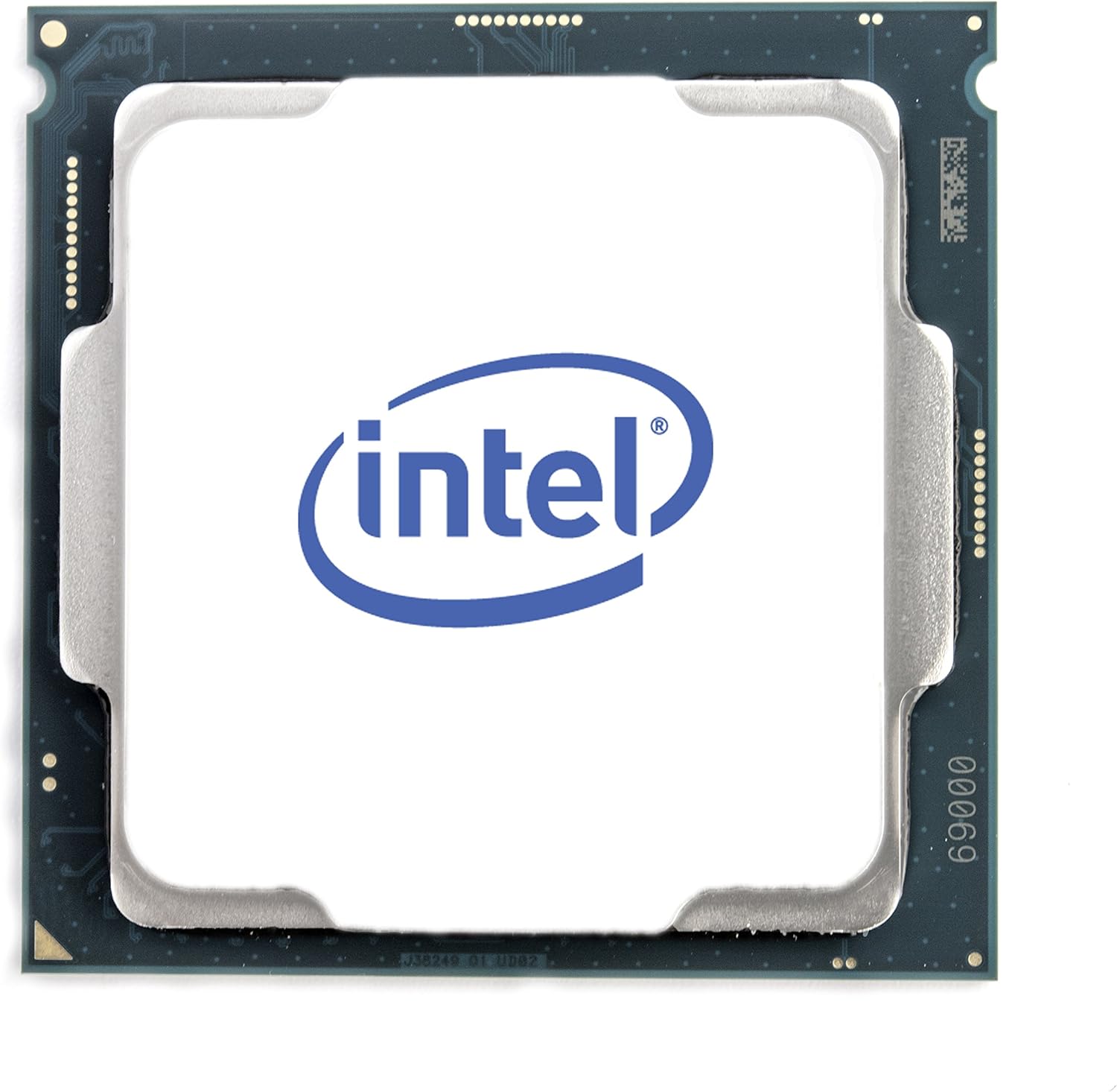 |
Intel Core i7-8700 Desktop Processor | USD 104.99 | 4.4/5.0 | 6 cores, up to 4.6 GHz, DDR4 support |
 |
Intel Core i7-14700F Desktop Processor | USD 0 | 4.6/5.0 | 20 cores, up to 5.4 GHz, DDR4/DDR5 support |
 |
Intel Boxed Core I7-6700 FC-LGA14C | USD 97.99 | 4.6/5.0 | 4 cores, up to 4.0 GHz, DDR4 support |
 |
Intel Core i7-4770 Quad-Core Desktop Processor | USD 49 | 4.4/5.0 | 4 cores, 3.4 GHz, DDR3 support |
 |
Intel® Core™ i7-12700KF Desktop Processor | USD 263 | 4.7/5.0 | 12 cores, up to 5.0 GHz, DDR4 support |
 |
Intel® Core™ i7-14700KF New Gaming Desktop Processor | USD 0 | 4.8/5.0 | 20 cores, up to 5.6 GHz, DDR4/DDR5 support |
 |
Intel Core i7-3770K Quad-Core Processor | USD 115.99 | 4.6/5.0 | 4 cores, up to 4.0 GHz, DDR3 support |
 |
Intel Core i7-7700K Unlocked Processor | USD 199 | 4.7/5.0 | 4 cores, up to 4.5 GHz, DDR4 support |
 |
Intel Core i7-13700 Desktop Processor | USD 435.88 | 4.4/5.0 | 16 cores, up to 5.2 GHz, DDR4 support |
 |
Intel Core i7-4770S | USD 399.71 | 3.0/5.0 | 4 cores, DDR3 support |
 |
Intel Core i7 I7-4770K 3.5 GHz Processor | USD 300 | 4.4/5.0 | 4 cores, up to 3.9 GHz, DDR3 support |
 |
Intel Core i7 Processor i7-4770 3.4GHz 8MB LGA 1150 CPU, OEM | USD 153 | 0.0/5.0 | 4 cores, DDR3 support |
 |
Intel Corp. BX80646I74771 Core i7 4771 Processor | USD 0 | 0.0/5.0 | 4 cores, DDR3 support |
 |
Intel Core i7 Quad Core Processor 2.9 4 NA BX80647I74910MQ | USD 594.94 | 5.0/5.0 | 4 cores, DDR3 support |
 |
INTEL Core i7-4820K 3.70GHz 10MB Cache LGA 2011 BO | USD 168.02 | 3.6/5.0 | 4 cores, DDR3 support |
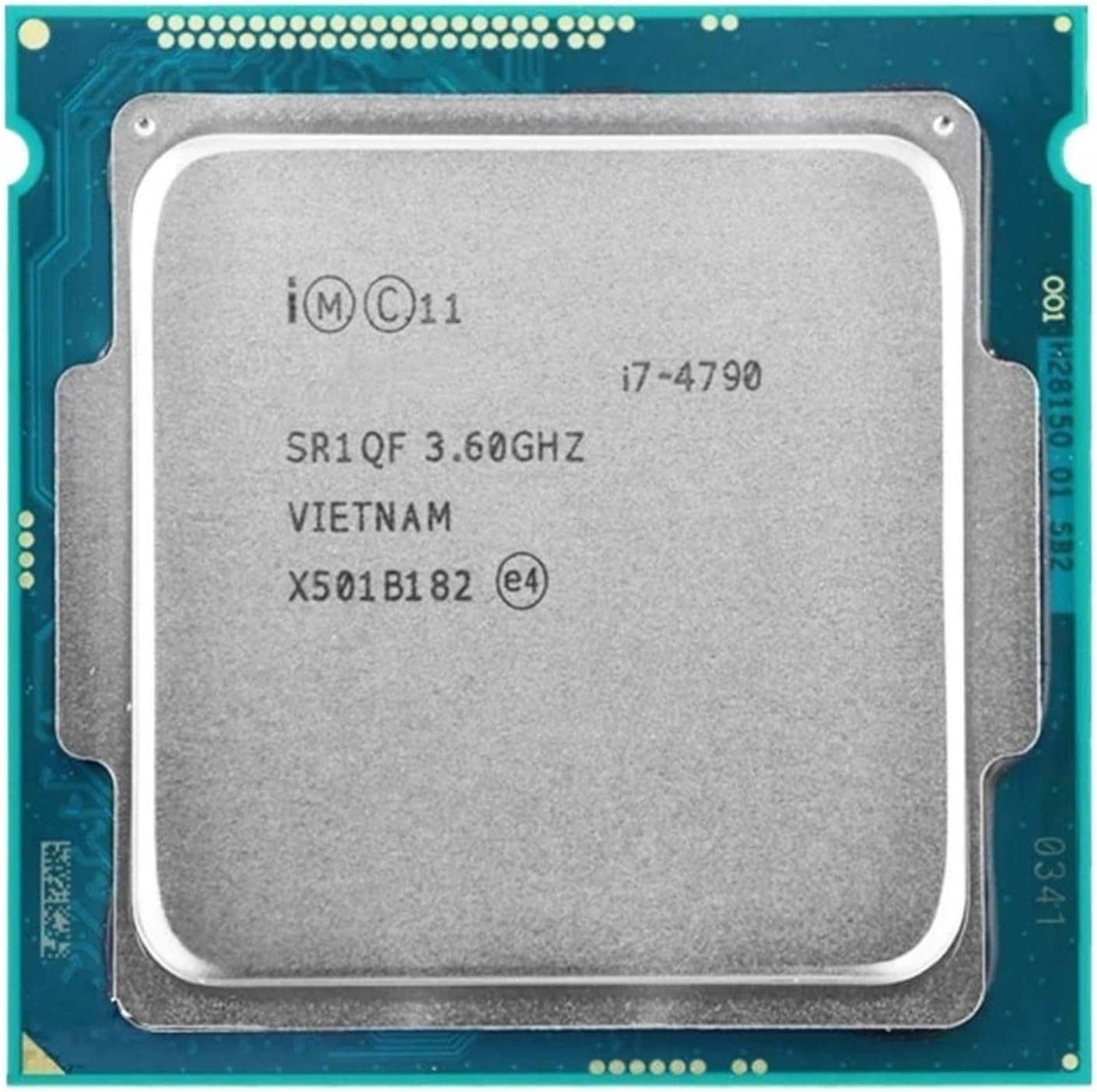 |
Ordenador, procesador CPU, unidad Central de proce I7 4790 3.6GHz Quad-Core | USD 198.12 | 0.0/5.0 | 4 cores, DDR3 support |
Top-selling processors in 2026 feature higher core counts, turbo boost speeds, and DDR4/DDR5 support, making the i7 4700MQ obsolete for new procurement.
Buyer reviews highlight performance, power efficiency, and compatibility as the main strengths of modern Intel Core processors. Common complaints include the high price of DDR5 memory, platform dead-ends, and the need for robust cooling. The following blockquotes illustrate buyer sentiment:
“Game Without Compromise. Play harder and work smarter with Intel Core 14th Gen processors… Up to 5.6 GHz with Turbo Boost Max Technology 3.0 gives you smooth game play, high frame rates, and rapid responsiveness.” [9]
“Considering a good kit of DDR5 costs more than a 7800X3D itself, I would take the L on 5-15% less FPS and save $500.” [13]
Buyers also note that platform longevity is a major concern, with many recommending AMD for future-proofing. The following sentiment summary table provides a quick comparison:
| Product Name | Top Praise | Top Complaint | Overall Sentiment |
|---|---|---|---|
| Intel® Core™ Ultra 7 Processor 270K Plus | High performance, DDR5 support | High price | Positive |
| Intel Core Ultra 7 Desktop Processor 265KF | Core count, turbo boost | Platform dead-end | Positive |
| Intel Core i7-7700 Desktop Processor | Budget gaming, DDR4 support | Outdated architecture | Neutral |
| Intel Core i7-8700 Desktop Processor | Performance, DDR4 support | High power consumption | Positive |
| Intel Core i7-14700F Desktop Processor | Core count, DDR4/DDR5 support | Platform dead-end | Positive |
| Intel Core i7-4770 Quad-Core Desktop Processor | DDR3 support, budget option | Outdated architecture | Neutral |
| Intel® Core™ i7-12700KF Desktop Processor | Performance, DDR4 support | High power consumption | Positive |
| Intel® Core™ i7-14700KF New Gaming Desktop Processor | Core count, DDR4/DDR5 support | Platform dead-end | Positive |
| Intel Core i7-3770K Quad-Core Processor | DDR3 support, budget option | Outdated architecture | Neutral |
| Intel Core i7-7700K Unlocked Processor | Performance, DDR4 support | High power consumption | Positive |
| Intel Core i7-13700 Desktop Processor | Core count, DDR4 support | High price | Positive |
| Intel Core i7-4770S | DDR3 support | Outdated architecture | Negative |
| Intel Core i7 I7-4770K 3.5 GHz Processor | DDR3 support, budget option | Outdated architecture | Neutral |
| Intel Core i7 Processor i7-4770 3.4GHz 8MB LGA 1150 CPU, OEM | DDR3 support | Outdated architecture | Negative |
| Intel Corp. BX80646I74771 Core i7 4771 Processor | DDR3 support | Outdated architecture | Negative |
| Intel Core i7 Quad Core Processor 2.9 4 NA BX80647I74910MQ | DDR3 support | Outdated architecture | Positive |
| INTEL Core i7-4820K 3.70GHz 10MB Cache LGA 2011 BO | DDR3 support | Outdated architecture | Neutral |
| Ordenador, procesador CPU, unidad Central de proce I7 4790 3.6GHz Quad-Core | DDR3 support | Outdated architecture | Negative |
Buyer sentiment confirms that modern Intel Core processors offer superior performance and compatibility, while legacy CPUs like the i7 4700MQ are seen as outdated for most applications.
Reliability benchmarks for the intel core i7 4700 processor indicate moderate durability for basic tasks, but high failure risk for intensive workloads. Common failure points include overheating, DDR3 memory compatibility issues, and lack of support for modern OS features. Global feedback shows that the i7 4700MQ is stable for legacy systems but not recommended for future-proofing. The following table presents reliability benchmarks:
| Benchmark Dimension | i7 4700MQ | Modern Intel Core |
|---|---|---|
| Defect Rate | Moderate | Low |
| Maintenance Cycle | High | Low |
| Expected Service Life | 3–5 years | 5–10 years |
| Power Efficiency | Low | High |
| Compatibility | Socket G3, DDR3 | Socket 1700, DDR4/DDR5 |
Strategic sourcing requires buyers to focus on OEM/ODM partners with active support for modern platforms, mapping bottlenecks in logistics, raw materials, and geopolitical compliance. Negotiation levers include volume pricing, warranty extensions, and support for legacy upgrades. Buyers should prioritize platforms with active supply chains and robust after-sales support to mitigate sourcing risk.
Reliability and sourcing risk favor modern Intel Core processors, with legacy CPUs like the i7 4700MQ offering limited supply chain resilience.
Looking forward, the Intel Core processor market will continue to prioritize higher core counts, improved power efficiency, and DDR4/DDR5 support. Pricing will remain volatile due to memory shortages and platform dead-ends, but procurement logic will increasingly favor AMD for future-proofing and long-term reliability. Buyers should focus on sourcing modern Intel or AMD processors with robust supply chains and active support, avoiding legacy CPUs like the i7 4700MQ for new builds. The next steps for buyers are to analyze their procurement needs, prioritize platforms with active supply chains, and negotiate warranty and support extensions to ensure supply resilience. Ultimately, the market will reward buyers who invest in future-proof platforms, ensuring long-term performance and cost efficiency.
Buyers should prioritize modern Intel or AMD processors for procurement, leveraging supply chain resilience and future-proofing to maximize performance and minimize risk.