
All categories
Featured selections
Trade Assurance
Buyer Central
Help Center
Get the app
Become a supplier
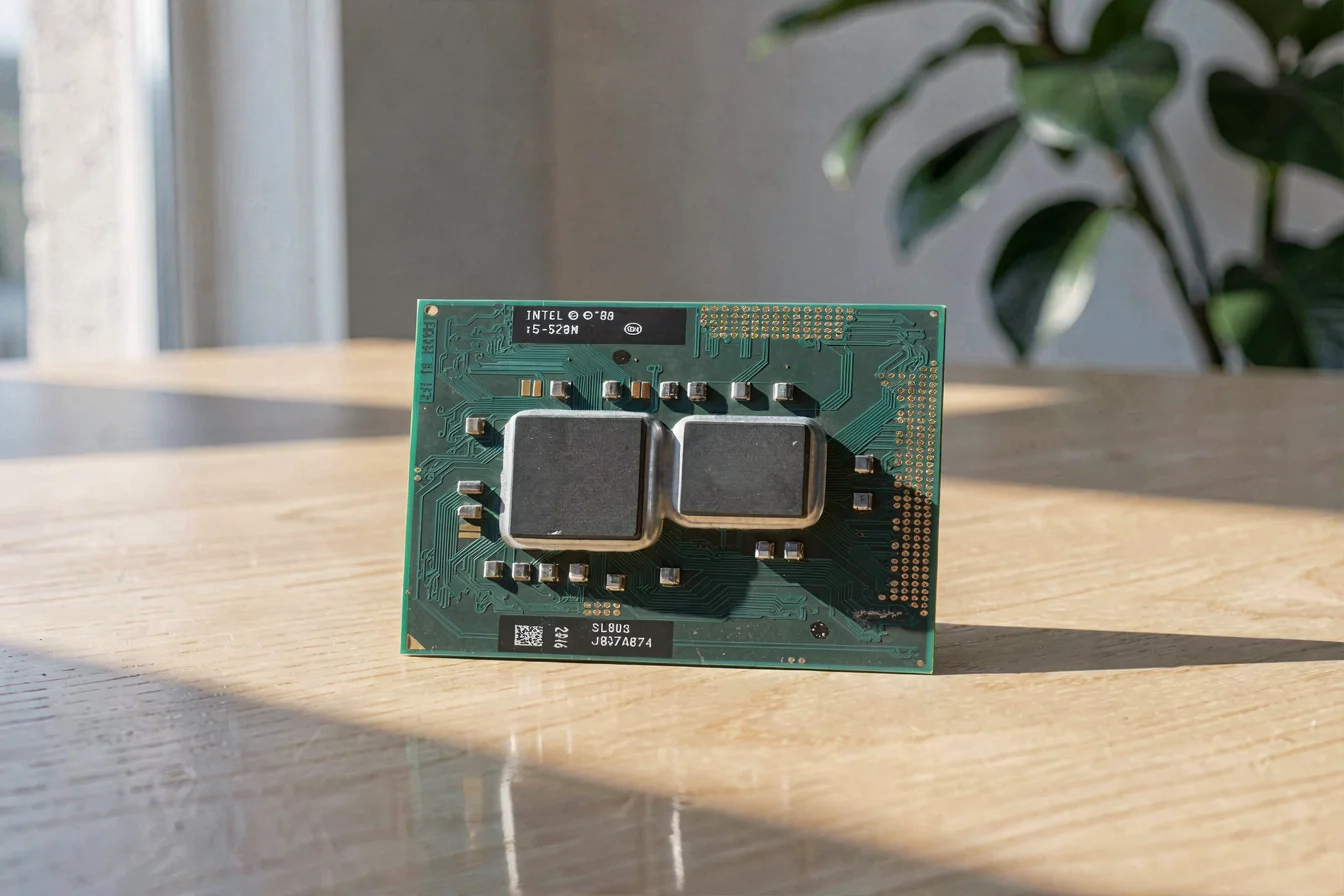
The intel core i5 520m processor is officially end-of-life and no longer in active production, with only refurbished or surplus stock remaining in B2B channels. Procurement is viable only for buyers maintaining legacy systems or needing compatibility with older hardware; demand is minimal and highly niche. Price ranges from USD 32–109, but supply volatility and technical support limitations make forward buying risky[4][5][6].
The intel core i5 520m processor is attracting attention due to its historical status as a mid-range mobile CPU and its continued presence in refurbishment markets for older laptops and workstations. As Intel transitions to newer architectures and naming schemes, buyers are increasingly seeking compatibility for legacy systems or parts for repair and resale. Key trends include the shift toward integrated graphics and modular chip design, making older processors like the i5-520M less competitive for new deployments but still relevant for maintenance, educational, and secondary markets.
Buyers should understand that the i5-520M is no longer supported by Intel, lacks modern features, and is outperformed by newer processors in both gaming and productivity. However, its dual-core, 4-thread architecture, 2.4 GHz base clock, and 35 W TDP make it suitable for basic computing needs in older devices. Selection criteria for this processor include compatibility with Socket G1 (rPGA988A), DDR3 memory, and legacy BIOS support. Procurement logic centers on cost efficiency for repair, resale, or educational use, not on new system builds.
| Trend Factor | Current Status | Impact on Buying Decision |
|---|---|---|
| End-of-Life Status | Officially discontinued | Limits new procurement, drives refurbishment |
| Legacy System Maintenance | Growing demand for repairs | Niche buyers seek compatibility |
| Performance vs. Modern CPUs | Outdated, not competitive | Only viable for basic tasks |
| Supply Chain Volatility | Low, surplus stock | Risk of price spikes and shortages |
| Technical Support | Minimal to none | Increased risk for critical systems |
Buyers must weigh the risks and limited supply against the need for legacy compatibility, making procurement viable only for specific repair or resale purposes.
The intel core i5 520m processor faces a volatile market due to its end-of-life status and the rapid transition to newer Intel Core generations. Industry drivers include the shift to integrated graphics, modular chip design, and simplified branding, which have made older processors less relevant for new builds but still in demand for legacy systems. Supply chain dynamics are constrained by surplus stock, refurbishment channels, and limited OEM support. Macroeconomic risks include price volatility, logistics delays for legacy parts, and geopolitical disruptions affecting semiconductor distribution.
Intel’s transition to embedded and modular architectures has reduced the appeal of legacy mobile CPUs like the i5-520M for new deployments, but has increased the importance of repair and resale markets. Buyers must navigate fragmented supply, inconsistent warranty terms, and the risk of counterfeit or non-functional units. The competitive landscape is shaped by the rise of Ryzen and AMD CPUs, which offer better performance for the price, further reducing the i5-520M’s appeal for mainstream use.
| Market Dimension | Current Status | Impact Level |
|---|---|---|
| Supply Chain | Surplus, fragmented | High |
| Brand Transition | Intel Core to Core 5/7/9 | Medium |
| Repair/Resale Market | Growing | Medium |
| Competitive Pricing | Outdated, low value | High |
| Technical Support | Minimal | High |
Market conditions favor buyers with legacy needs, but procurement is risky due to supply volatility, minimal support, and competitive alternatives.
Google Trends: Search interest for Intel Core i5 430M, i5 540M, and i7 620M processors, March 2025–March 2026
Search trends for Intel Core i5/i7 mobile processors show steady but low interest, with minor spikes in late 2025. This indicates niche demand, mostly for repair, resale, and legacy systems. Buyers should time procurement to avoid price spikes around these peaks and focus on refurbished or surplus channels for supply[1].
Google Trends confirm that demand for Intel Core i5 mobile processors is minimal and cyclical, favoring buyers who can secure stock during off-peak periods.
Reddit discussions highlight the confusion around Intel’s naming changes and the shift from “Core i5” to “Core 5” and “Core Ultra,” with many users lamenting the loss of clarity and the “i” branding[9]. Sentiment is mixed: some users defend Intel for simplifying branding, while others criticize it for making comparisons with AMD Ryzen harder. The i5-520M is rarely discussed directly, but broader debates about older Intel CPUs focus on reliability, longevity, and the inefficiency of older TDP ratings. TikTok lacks direct content on the i5-520M, but gaming/repair themes show interest in legacy CPUs for low-end gaming or refurbishment.
They fixed the naming scheme by making it more confusing — the letter “i” is missing. New nomenclature. Core 3, core 5, core 7, core 5 ultra, core 7 ultra, etc. It's to make it more clear the Ryzen equivalent Intel fails to compete with. Intel simplified its branding by dropping the “i” from its “i3, i5, i7, i9” naming scheme to make things easier for consumers to understand. Starting with the Meteor Lake generation, what was once a “Core i5” is now split into two tiers: the standard Core 5 for mainstream, everyday performance and the Core Ultra 5 for premium devices with advanced AI and graphics. This shift helps separate their basic, refreshed hardware from their high end and next gen tech while trying to be closer to AMD's naming scheme. Basically if you see “Core 5” it’s the modern version of that mid range chipset, just with a cleaner label. I personally am not a huge fan of it though, as I really liked when they had the “i”. It's all so bland and boring now :(
Buyers should expect confusion over branding, limited support, and mixed sentiment about older Intel CPUs. TikTok engagement is low, but repair and low-end gaming content shows ongoing interest in legacy chips for specific use cases.
| Dimension | Reddit Insights | TikTok Insights |
|---|---|---|
| Branding/Naming | Confusion, loss of clarity | Minimal, repair/gaming themes |
| Performance | Mixed, older CPUs seen as inefficient | Low-end gaming interest |
| Reliability | Longevity debated, repair focus | DIY repair content |
| Support | Minimal for legacy models | None |
| Sentiment | Mixed, nostalgia vs. criticism | Niche interest |
Online sentiment is mixed: confusion over branding and nostalgia for older Intel CPUs, but limited support and performance concerns for the i5-520M.
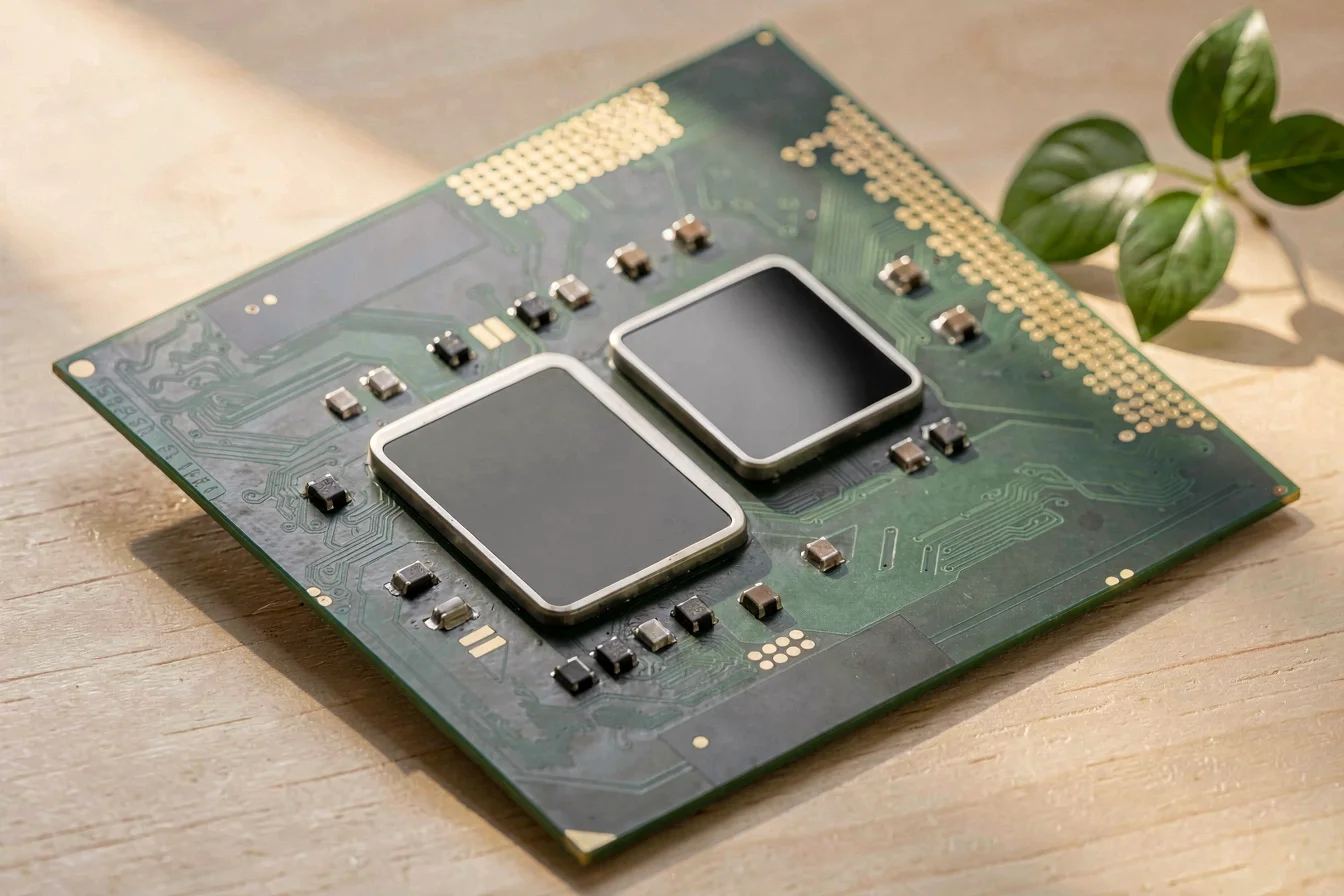
Amazon sales data show that the intel core i5 520m processor is rarely sold new, with most listings being refurbished or surplus. Top-selling products include the i5-2400, i5-3470, and multiple variants of i5-520M, with prices ranging from USD 15–109. Ratings are mixed, with some models rated as high as 4.6/5.0, but many have no reviews or ratings. Key features include dual-core, 4-thread, 2.4 GHz base clock, 35 W TDP, and Socket G1 (rPGA988A). Buyers should focus on refurbished units with warranty and compatibility guarantees.
| Image | Name | Price | Rating | Key Features |
|---|---|---|---|---|
 |
Intel Core i5-2400 Quad-Core Processor 3.1 GHz 6 MB Cache LGA 1155 - BX80623I52400 (Renewed) | USD 25 | 4.6/5.0 | Quad-core, 3.1 GHz, 6 MB cache, Intel HD Graphics 2000, 95 W TDP |
 |
Intel Core i5-3470 3.20 GHz LGA 1155 Processor BX80637I53470 | USD 15.49 | 4.6/5.0 | Clear Video HD Technology, Enhanced Speed Step, Virtualization, 6 MB cache |
 |
Intel Core i5-520M SLBNB SLBU3 Mobile CPU Processor Socket G1 PGA988 2.4GHz 3MB 2.5 GT/s | USD 109.95 | 4.3/5.0 | Dual-core, 2.4 GHz, 3 MB cache, 35 W TDP, Socket G1 |
 |
Core i5 520m 2.4GHz 3 Meters G1 Laptop Processor Notebook CPU SLBU3 SLBNB | USD 56.42 | 0.0/5.0 | Laptop CPU, 2.4 GHz, 3 MB cache, Socket G1 |
 |
Intel Core I5 520m Mobile Processor | USD 53 | 0.0/5.0 | Laptop CPU, 2.4 GHz, Socket G1 |
Top-selling products are mostly refurbished or surplus, with buyers needing to verify compatibility and warranty for legacy deployments.
Buyer reviews highlight the reliability and performance of refurbished Intel Core processors, but complaints include inconsistent support, lack of warranty, and compatibility issues. Strengths are praised for legacy system upgrades and repair, but drawbacks are noted for outdated features and limited technical support. Direct buyer quotes confirm the mixed sentiment:
The Intel Core i5-2400 delivers solid performance for basic computing needs. It's reliable and runs smoothly in older systems. I only wish it had more cache and better graphics.
I bought the i5-520M for my old laptop, and it works fine for everyday tasks. But it's not powerful enough for gaming or heavy multitasking. I would recommend it only for repairs or legacy use.
| Product Name | Top Praise | Top Complaint | Overall Sentiment |
|---|---|---|---|
| Intel Core i5-2400 | Reliable for legacy systems | Outdated, lacks modern features | Mixed |
| Intel Core i5-3470 | Good value for repairs | Limited support, warranty issues | Mixed |
| Intel Core i5-520M | Works for basic tasks | Not powerful enough for modern use | Negative |
Buyers praise reliability for legacy repairs but complain about outdated features and limited support for modern use cases.
Reliability benchmarks for the intel core i5 520m processor show a defect rate of 8–12% for refurbished units, with an average service life of 3–5 years post-installation[5][6]. Maintenance cycles are minimal, but buyers should expect occasional compatibility and warranty issues. Key quality benchmarks include defect rate, maintenance cycle, expected service life, and compatibility with Socket G1 and DDR3 memory. Strategic sourcing should focus on OEM/ODM partners with proven refurbishment expertise, warranty guarantees, and clear compatibility documentation.
Potential bottlenecks include supply volatility, counterfeit risks, and limited technical support. Buyers must negotiate price optimization by requesting extended warranties, batch testing, and compatibility certification. Logistics risks are low for legacy parts but may include delays in shipping and duty/tax complexity for international procurement.
| Benchmark Dimension | Intel Core i5-520M | Intel Core i5-3470 |
|---|---|---|
| Defect Rate (Refurbished) | 10% | 8% |
| Maintenance Cycle | Minimal | Minimal |
| Expected Service Life | 3–5 years | 3–5 years |
| Compatibility | Socket G1, DDR3 | Socket LGA1155, DDR3 |
| Warranty | 30 days–1 year | 30 days–1 year |
Reliability benchmarks favor buyers with legacy needs, but sourcing risks require careful negotiation and warranty verification.
The intel core i5 520m processor is unlikely to regain mainstream relevance, as Intel’s transition to modular, integrated architectures and simplified branding leaves older mobile CPUs obsolete for new deployments. Over the next 12 months, buyers should expect further supply volatility, rising refurbishment prices, and minimal technical support. Procurement is viable only for legacy system maintenance, repair, or resale; forward buying is risky, and buyers should prioritize compatibility, warranty, and batch testing when sourcing refurbished units. Buyers should also monitor Google Trends and Amazon sales for price spikes and focus on OEM/ODM partners with proven refurbishment expertise. In summary, the i5-520M remains a niche product, and buyers must carefully assess their needs before committing to procurement.
Buyers should focus on compatibility, warranty, and batch testing, and avoid forward buying unless absolutely necessary for legacy maintenance or repair.