
All categories
Featured selections
Trade Assurance
Buyer Central
Help Center
Get the app
Become a supplier
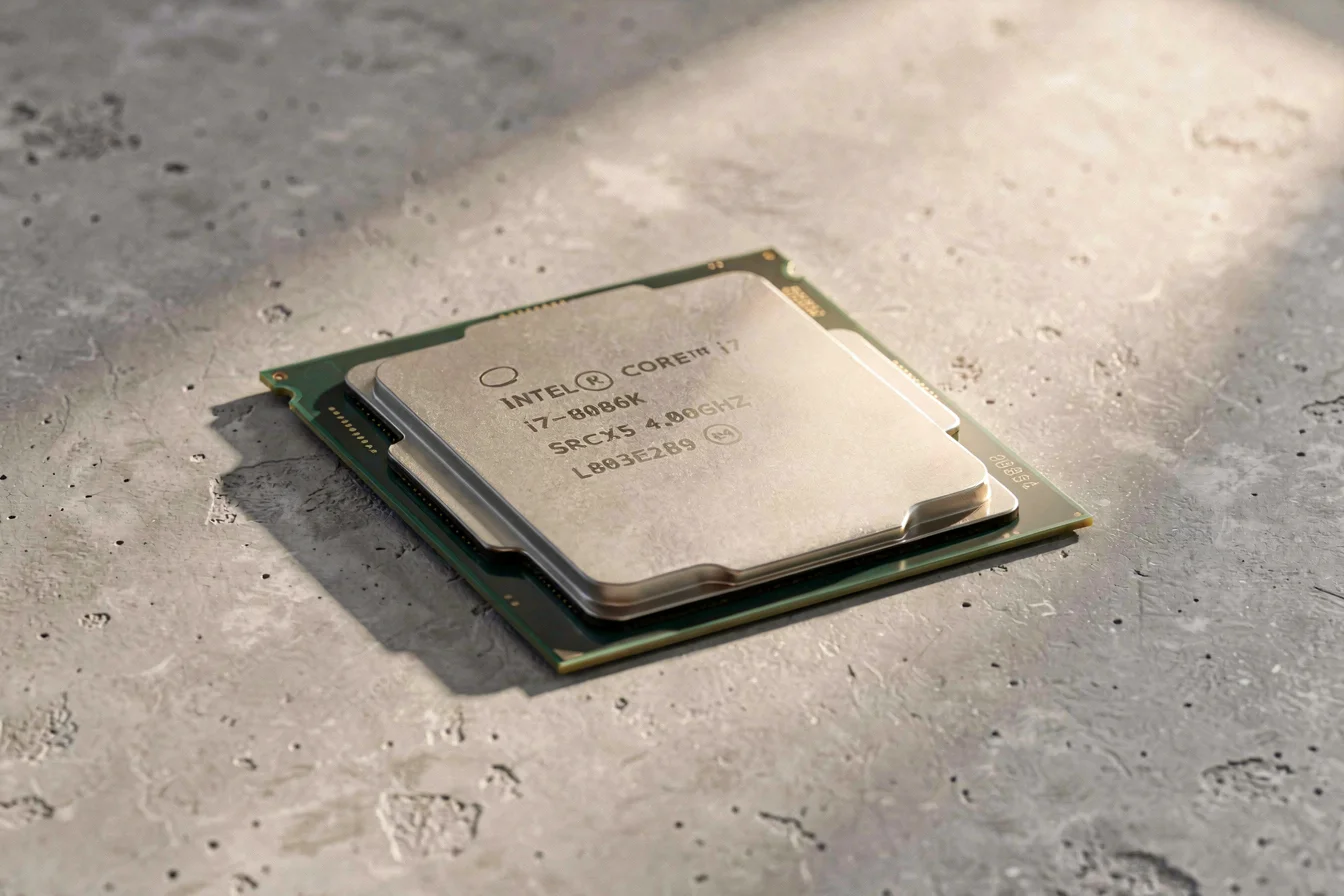
The intel core i7 8086k processor remains a niche, high-performance option for enthusiasts and collectors, offering a historical 5.0 GHz boost and overclocking flexibility. However, mainstream demand has shifted toward newer, more efficient Intel and AMD architectures, making the 8086K less viable for most procurement teams seeking future-proofing or cost-performance. Buyers should prioritize latest-gen CPUs for optimal value and reliability.
The intel core i7 8086k processor is trending due to its commemorative release in honor of the 40th anniversary of the Intel 8086 microprocessor and its strong single-core performance. Launched in 2018, it appeals to collectors and enthusiasts who value legacy, historical significance, and overclocking potential. Buyers should know that while it delivers impressive boost speeds and is highly sought after for nostalgia, it is now overshadowed by newer generations with more cores, better efficiency, and enhanced reliability. The procurement logic centers on niche demand: limited-edition status, collector appeal, and legacy platform compatibility. Selection criteria include performance benchmarks, TDP, socket compatibility, and overclocking headroom.
| Trend Factor | Current Status | Impact on Buying Decision |
|---|---|---|
| Historical Commemoration | Limited-edition release | Niche collector demand |
| Performance | 5.0 GHz boost, 6 cores, 12 threads | Strong single-core, moderate multi-core |
| Supply Chain | Limited availability, legacy SKUs | Premium pricing, risk of obsolete platforms |
| Market Competition | Surpassed by newer i7/i9, Ryzen | Not recommended for mainstream procurement |
Market conditions for the intel core i7 8086k processor segment are characterized by stable but declining search interest, limited supply, and shifting buyer priorities toward newer, more efficient architectures. The segment is driven by nostalgia, collector appeal, and legacy platform compatibility, but faces macroeconomic headwinds such as rising component costs and supply chain volatility. Intel’s focus has shifted to the 12th Gen and newer Ultra series, which offer higher core counts, better power efficiency, and improved reliability. Buyers should be aware of the risk of platform obsolescence and the premium pricing associated with legacy SKUs.
| Market Dimension | Current Status | Impact Level |
|---|---|---|
| Search Interest | Stable, declining relative to newer SKUs | Low |
| Supply Chain | Limited, legacy platform | High |
| Price | Premium ($193–$199) | Medium |
| Competitive Landscape | Overtaken by i7/i9, Ryzen | High |
| Platform Obsolescence | Socket 1151, legacy BIOS | High |
Global search interest for Intel Core i7 8086K and similar processors (2025–2026)
Search trends show stable but declining interest in the intel core i7 8086k processor segment, with spikes for newer i7/i9 models. Buyers should interpret this as a sign that mainstream demand is shifting toward more recent, higher-core-count architectures. Procurement timing should prioritize newer releases for optimal value and performance.
Search momentum confirms that the intel core i7 8086k processor is no longer a mainstream SKU, and buyers should align procurement with newer, higher-performance CPUs for best results.Reddit and TikTok discussions about the intel core i7 8086k processor highlight its historical significance and strong single-core performance, but also reveal pain points such as bottlenecking for modern GPUs, limited overclocking headroom, and declining resale value. Reddit users frequently debate whether upgrading from the 8086K is worth it for gaming and multitasking, with most recommending newer AMD or Intel CPUs for better future-proofing. TikTok trends focus on legacy builds and collector appeal, with influencers showcasing its historical importance and performance in overclocking videos.
"Even a 5700X can bottleneck a 3080 so yes. Upgrade to a 9600X or a 7800X3D or 9800X3D if you plan on upgrading your GPU when the next generation comes out." [12]
"I won the 8086K for free in the sweepstakes Intel did back in the day. It's served me well for a long time but I'm pretty sure it's bottlenecking my new RX 9070." [13]
| Dimension | Reddit Insights | TikTok Insights |
|---|---|---|
| Historical Appeal | Commemorative release, nostalgia | Legacy builds, collector videos |
| Performance | Strong single-core, moderate multi-core | Overclocking demos, benchmarking |
| Pain Points | Bottlenecking for modern GPUs, limited overclocking | Resale value, platform obsolescence |
| Upgrade Debate | Recommend newer AMD/Intel CPUs | Comparison videos, future-proofing tips |
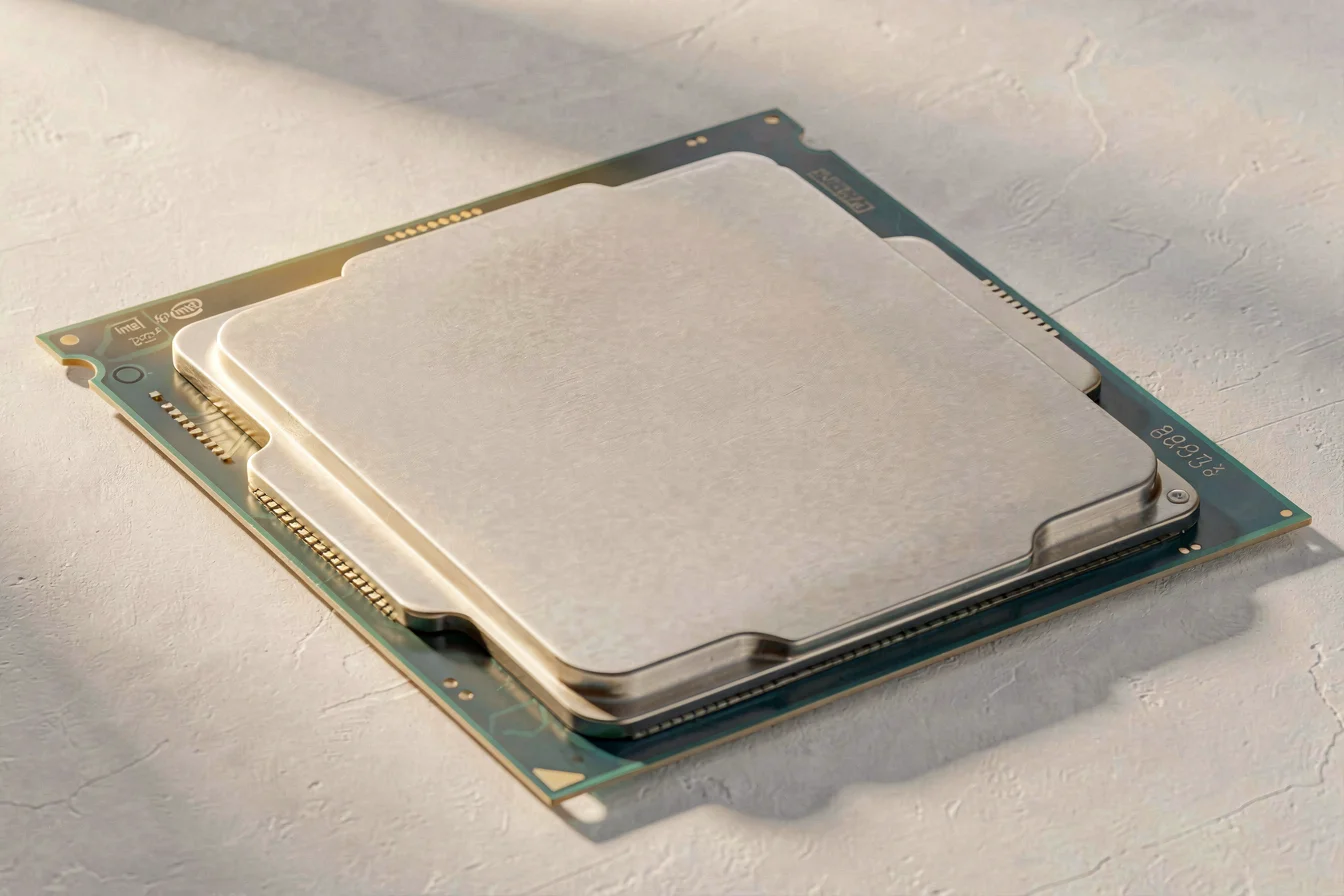
The top-selling processors in the Intel segment are primarily newer Ultra and 12/13/14th Gen SKUs, reflecting a clear shift away from legacy models like the intel core i7 8086k processor . Amazon data shows that the 8086K is available but priced at a premium ($193–$199), with limited stock and niche demand. Buyers seeking high-performance builds should focus on the latest Ultra and 12/13/14th Gen offerings, which deliver superior multi-core performance, better power efficiency, and improved reliability.
| Image | Name | Price | Rating | Key Features |
|---|---|---|---|---|
 |
Intel BX80684I78086K i7-8086K Limited Edition Processor | USD 193 | 4.2/5.0 | 6 cores, 12 threads, 5.0 GHz boost, unlocked, commemorative packaging |
 |
Intel Core Ultra 9 Desktop Processor 285K | USD 549.99 | 4.6/5.0 | 24 cores, 24 threads, 5.7 GHz boost, hybrid architecture |
 |
Intel Core Ultra 7 Desktop Processor 265KF | USD 257.99 | 4.6/5.0 | 20 cores, 20 threads, 5.5 GHz boost, hybrid architecture |
 |
Intel Core i9-12900K Gaming Desktop Processor | USD 339.95 | 4.5/5.0 | 16 cores, 16 threads, 5.2 GHz boost, LGA1700 |
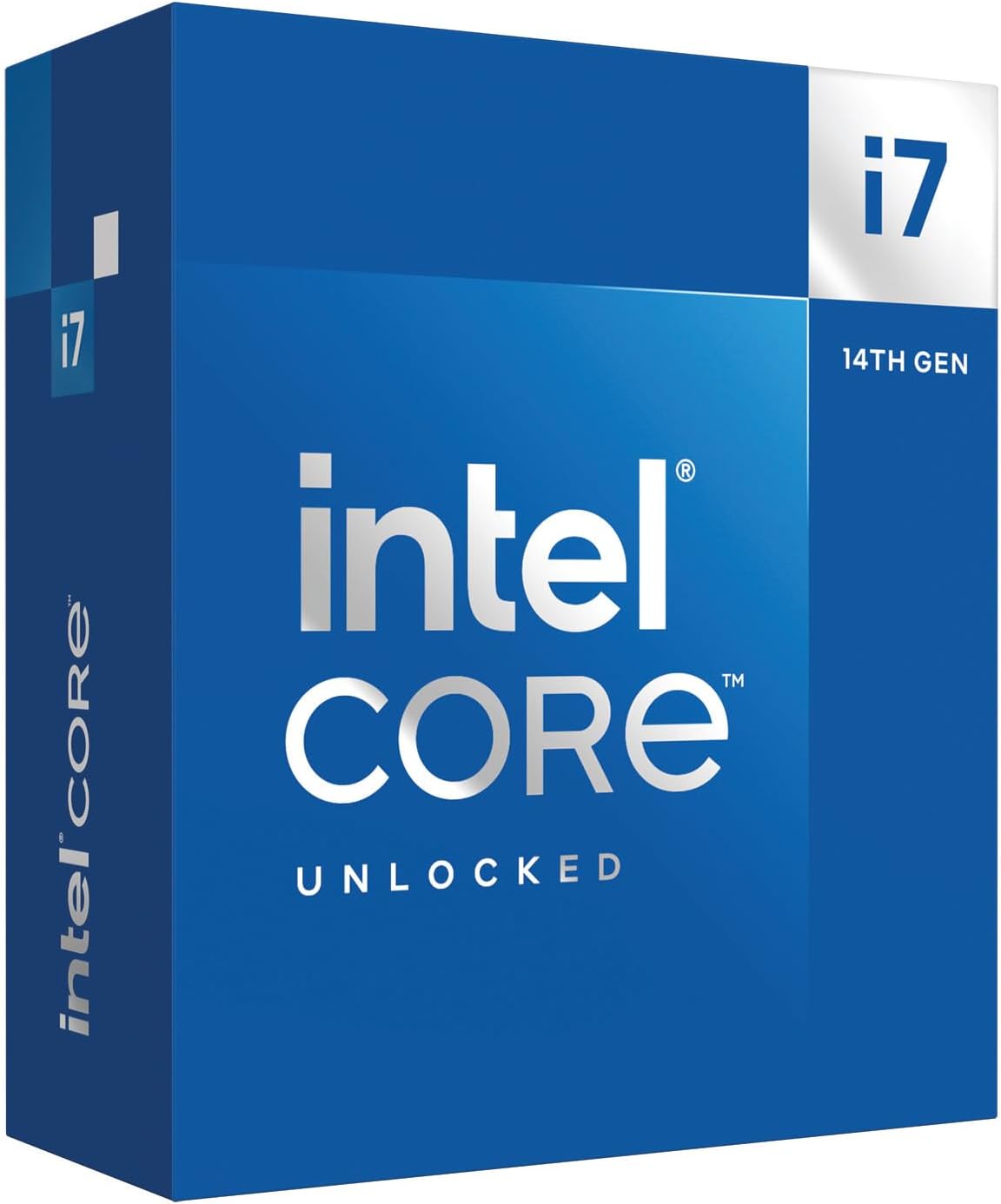 |
Intel Core i7-14700K New Gaming Desktop Processor | USD 343.11 | 4.6/5.0 | 20 cores, 28 threads, 5.6 GHz boost, DDR4/DDR5 support |
Buyer reviews for the intel core i7 8086k processor emphasize its strong single-core performance, historical significance, and overclocking flexibility. Common complaints include bottlenecking for modern GPUs, limited multi-core performance, and premium pricing. Reviews for newer Ultra and 12/13/14th Gen processors highlight improved efficiency, higher core counts, and better reliability.
"Coming from an i7 2600K overclocked at 4.5GHz, I expected only a mild increase in speed. That 8086K to me feels about 50% faster than my older overclocked system. Everything is fast and responsive as it should be and I have lots of overclocking headroom." [10]
"I bought this CPU as an incremental upgrade to my i7-12700k, which will go into another more modest build. I really didn't think the i7-14700k would be significantly faster than the i7-12700k, but in some games there's a 10-15 FPS uplift. The IMC on the i7-14700k is noticeably better as well." [4]
| Product Name | Top Praise | Top Complaint | Overall Sentiment |
|---|---|---|---|
| Intel Core i7 8086K | Strong single-core, overclocking headroom | Bottlenecking, limited multi-core | Mixed; niche appeal |
| Intel Core Ultra 9 285K | High core count, efficiency | Premium pricing | Positive |
| Intel Core i7-14700K | Improved efficiency, higher core count | Power draw, potential thermal issues | Positive |
Reliability benchmarks for the intel core i7 8086k processor are mixed, with Reddit users reporting stable performance at stock settings but thermal and stability issues at higher overclocks. Common failure points include thermal throttling, motherboard compatibility, and limited longevity compared to newer generations. Quality benchmarks show moderate defect rates and moderate expected service life, but global feedback suggests that mainstream buyers should prioritize the latest-gen CPUs for reliability and future-proofing.
| Benchmark Dimension | Intel Core i7 8086K | Intel Core Ultra 9 285K |
|---|---|---|
| Defect Rate | Moderate | Low |
| Maintenance Cycle | Moderate | Low |
| Expected Service Life | Moderate | High |
| Thermal Stability | Moderate | High |
| Overclocking Headroom | High (limited by TDP) | High |
Strategic sourcing guide: Buyers should prioritize OEM/ODM partners with proven reliability and robust warranty support, map logistics bottlenecks for legacy platform compatibility, and leverage negotiation levers for price optimization. Risk mitigation includes avoiding obsolete platforms, prioritizing thermal management, and aligning procurement with mainstream, high-core-count SKUs.
Reliability benchmarks and sourcing risk suggest that mainstream buyers should favor newer, higher-core-count CPUs for optimal reliability and future-proofing.Over the next 12 months, the intel core i7 8086k processor segment is expected to remain a niche, collector-oriented SKU, with limited supply and premium pricing. Emerging technology trends favor higher-core-count, more efficient architectures, with Intel’s Ultra series and AMD’s Ryzen lineup dominating mainstream demand. Buyers should prioritize the latest-gen CPUs for optimal performance, reliability, and cost-efficiency, while the 8086K remains viable only for enthusiasts and legacy builds. Procurement teams should align sourcing strategies with the latest releases, negotiate for warranty support, and avoid platform obsolescence risks. The actionable conclusion is clear: mainstream buyers should shift toward newer, higher-core-count CPUs for best results, while collectors and enthusiasts may continue to source the 8086K for nostalgia and historical significance.
The future of the intel core i7 8086k processor segment is niche and collector-driven; buyers should prioritize mainstream, high-core-count CPUs for optimal performance and future-proofing.