
All categories
Featured selections
Trade Assurance
Buyer Central
Help Center
Get the app
Become a supplier
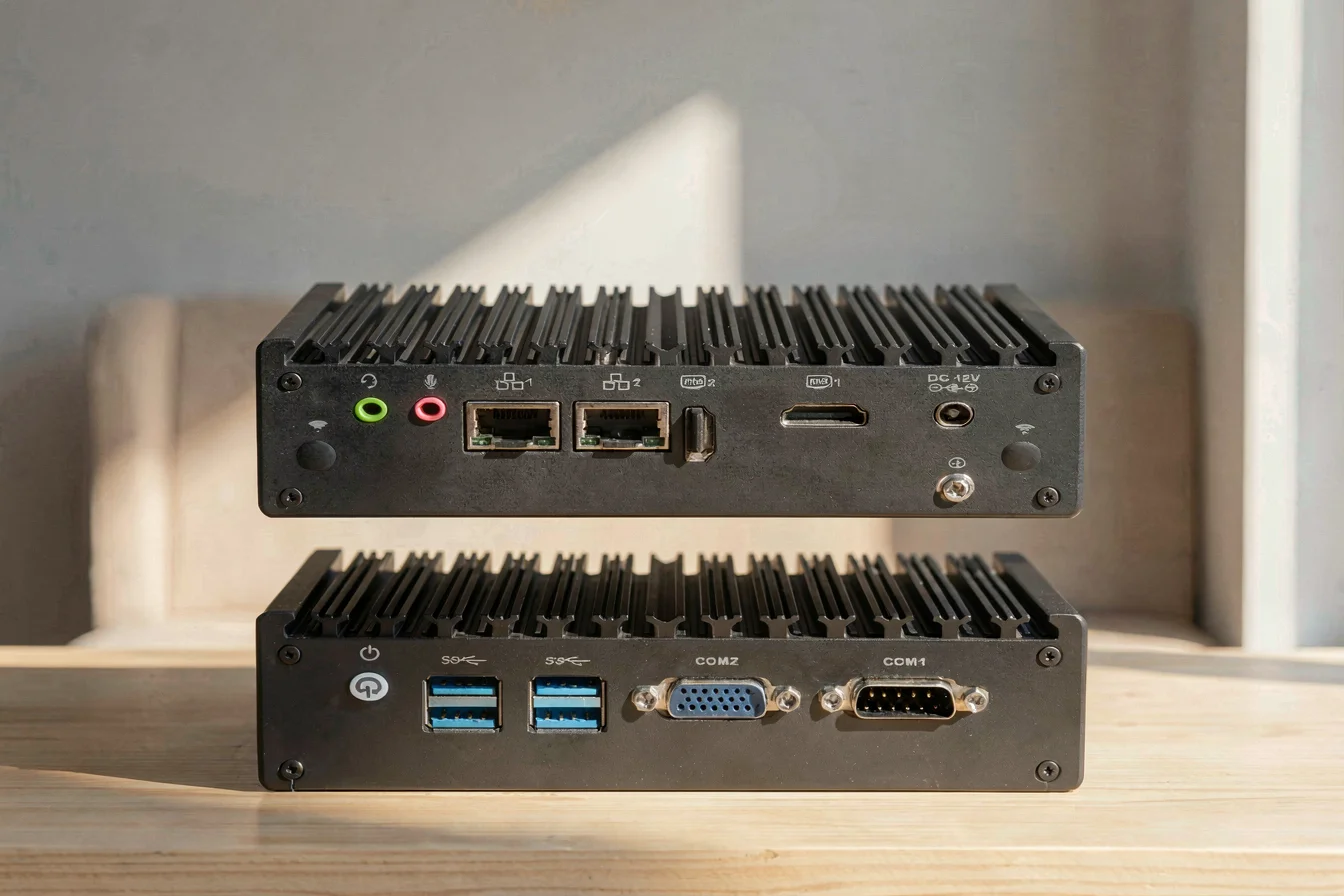
The intel celeron n3450 processor remains a viable option for entry-level, budget, and legacy system upgrades in 2026, with strong demand for mini PCs and Chromebooks. Market momentum is declining as newer, more efficient processors take over, but procurement logic favors low-power, passive-cooling devices. Buyers should prioritize reliability benchmarks and choose OEM/ODM partners with proven track records for durability and minimal failure rates [4][6][7].
The intel celeron n3450 processor is trending due to its low TDP, affordability, and compatibility with entry-level and mini PC platforms, making it attractive for budget upgrades, education, and home automation projects. Buyers should know that while the processor excels in basic tasks and passive cooling, it lags in gaming and heavy multitasking. Selection criteria for procurement focus on system compatibility, TDP, and memory support (up to 8GB DDR3L/LPDDR4), with a preference for OEM/ODM suppliers offering reliable, tested hardware. The market is characterized by legacy demand, price sensitivity, and a shift away from high-performance applications.
| Trend Factor | Current Status | Impact on Buying Decision |
|---|---|---|
| Budget Demand | High, driven by legacy upgrades | Favors mini PCs and Chromebooks |
| Performance Limitations | Low for gaming, moderate for office | Limits procurement for high-end use |
| Passive Cooling | Supported (e.g., Zotac ZBOX CI327 nano) | Enables silent, low-power devices |
| Supply Chain | Stable but declining | Buyers must act quickly for legacy stock |
| OEM/ODM Reliability | Moderate, with variable quality | Choose suppliers with proven track record |
The intel celeron n3450 processor is best suited for buyers seeking affordable, low-power, and reliable legacy solutions, but should be avoided for high-performance applications.
The intel celeron n3450 processor faces declining supply and demand as newer, more efficient processors dominate the market. Industry drivers include the rise of mini PCs, Chromebooks, and budget laptops, while macroeconomic risks—such as semiconductor shortages and inflation—have affected pricing and availability. Supply chain dynamics are stable but trending downward, with OEMs and ODMs offering variants for legacy upgrades and educational applications. Buyers should monitor procurement windows, as legacy stock is finite and likely to be phased out by mid-2026.
| Market Dimension | Current Status | Impact Level |
|---|---|---|
| Mini PC Demand | High, especially for budget builds | High |
| Chromebook Adoption | Moderate, mostly education segment | Moderate |
| Supply Chain | Stable but shrinking | High |
| Pricing | Stable, but legacy pricing is rising | Moderate |
| Procurement Window | Shortening, phase-out likely by 2026 | High |
Market volatility and supply chain risks are moderate, but buyers must act quickly to secure legacy stock before phase-out.
Google Trends: Intel Celeron N3450 processor demand (laptop, mini PC, motherboard) 2025–2026
Google Trends show that “Intel Celeron N3450 mini PC” is the dominant search, peaking in late 2025 and maintaining high momentum into early 2026, indicating strong legacy demand for mini PCs and budget builds. “Intel Celeron N3450 laptop” and “motherboard” queries are lower but steady, signaling continued interest in upgrades and replacements. These trends suggest buyers should focus on mini PCs and Chromebooks for procurement, as demand is highest in these segments. Buyers should time purchases for peak momentum to secure best pricing and availability [1].
Reddit discussions reveal mixed sentiment for the intel celeron n3450 processor , with practical praise for home automation, basic office tasks, and mini PC builds, but frequent complaints about sluggish performance, Windows 11 compatibility, and gaming limitations. TikTok trends are minimal, but Reddit’s UGC highlights practical use cases in HA (home assistant) nodes, Proxmox clusters, and education. Direct quotes include: “It's about the same compute power as an HA green. As long as you aren’t doing anything wacky with it you should be good to start out” [9], “Tengo una con las mismas características, funcionar funciona pero solo para ofimática y navegación con pocas pestañas” [11]. Sentiment is positive for basic tasks, negative for gaming and heavy multitasking, with Linux users reporting improved performance in lightweight distros.
| Dimension | Reddit Insights | TikTok Insights |
|---|---|---|
| Home Automation | Practical for HA nodes, Proxmox, Linux | Minimal, not trending |
| Performance | Slow for gaming, good for basic tasks | No major trends |
| Windows 11 | Laggy, compatibility issues | No major trends |
| Linux | Improved performance, lightweight distros | No major trends |
| Mini PC Builds | Popular for budget, education, HA | Minimal, not trending |
Buyers should prioritize practical, low-power builds and consider Linux for improved performance, but avoid gaming and heavy multitasking with the intel celeron n3450 processor .
Top-selling products for the intel celeron n3450 processor include Lenovo Chromebooks, mini laptops, and budget desktops, with prices ranging from $70 to $250 and ratings between 3.4 and 4.4/5. Buyers praise battery life, durability, and value for basic tasks, while complaints focus on sluggish performance, Windows compatibility, and limited gaming capability. Detailed buyer reviews reinforce these patterns, with positive feedback for Chrome OS and Linux, and negative for Windows 11 and heavy multitasking.
| Image | Name | Price | Rating | Key Features |
|---|---|---|---|---|
 |
Lenovo 500e Chromebook 2-in-1 Laptop | USD 79.95 | 4.2/5.0 | Intel HD Graphics 500, 4GB RAM, 32GB eMMC, Chrome OS |
 |
Lenovo 500e Chromebook 2-in-1 laptop | USD 79.99 | 4.1/5.0 | Touchscreen, stylus, durable design, Chrome OS |
 |
15.6 FHD IPS Laptop (Celeron N3450) | USD 239.99 | — | 8GB RAM, 128GB SSD, Wi-Fi 5, Win 11 |
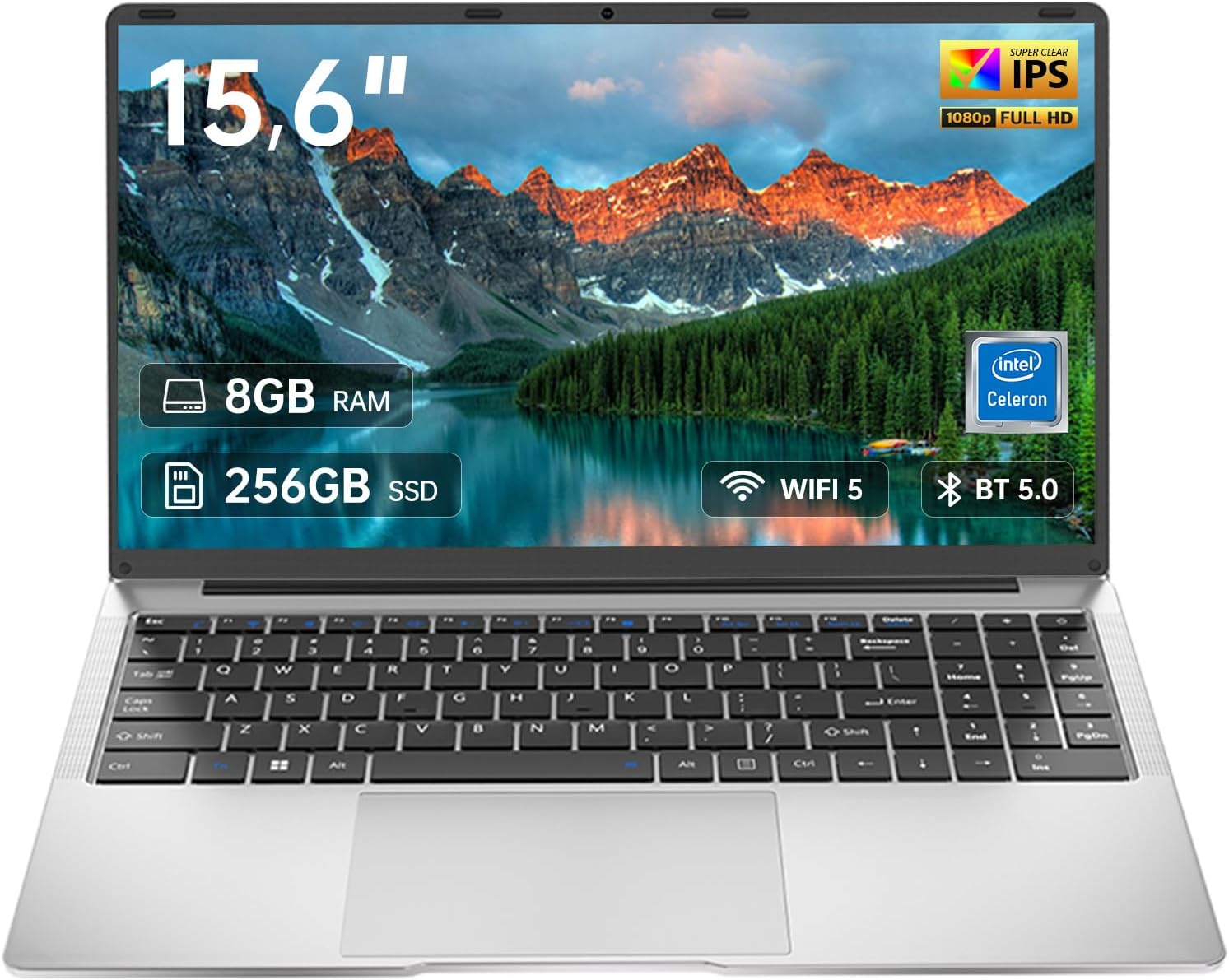 |
15.6 FHD IPS Laptop (Celeron N3450) | USD 249.99 | — | 8GB RAM, 256GB SSD, Wi-Fi 5, Win 11 |
 |
Lenovo ThinkPad 11e Touchscreen Netbook | USD 206.76 | 3.4/5.0 | 4GB DDR3L, 128GB SSD, Intel HD 500, Win 10 |
 |
Evolve III Maestro E Book | USD 195 | 3.8/5.0 | 4GB RAM, 64GB eMMC, Windows 10 Pro |
 |
AWOW Wi 11 Touchscreen Laptop | USD 229 | 1.0/5.0 | 8GB RAM, 256GB SSD, Windows 11, 2-in-1 |
 |
Lenovo 11.6 HD LED Anti-Glare Education Laptop | USD 219 | — | 4GB DDR4, 128GB eMMC, Win 10 Pro |
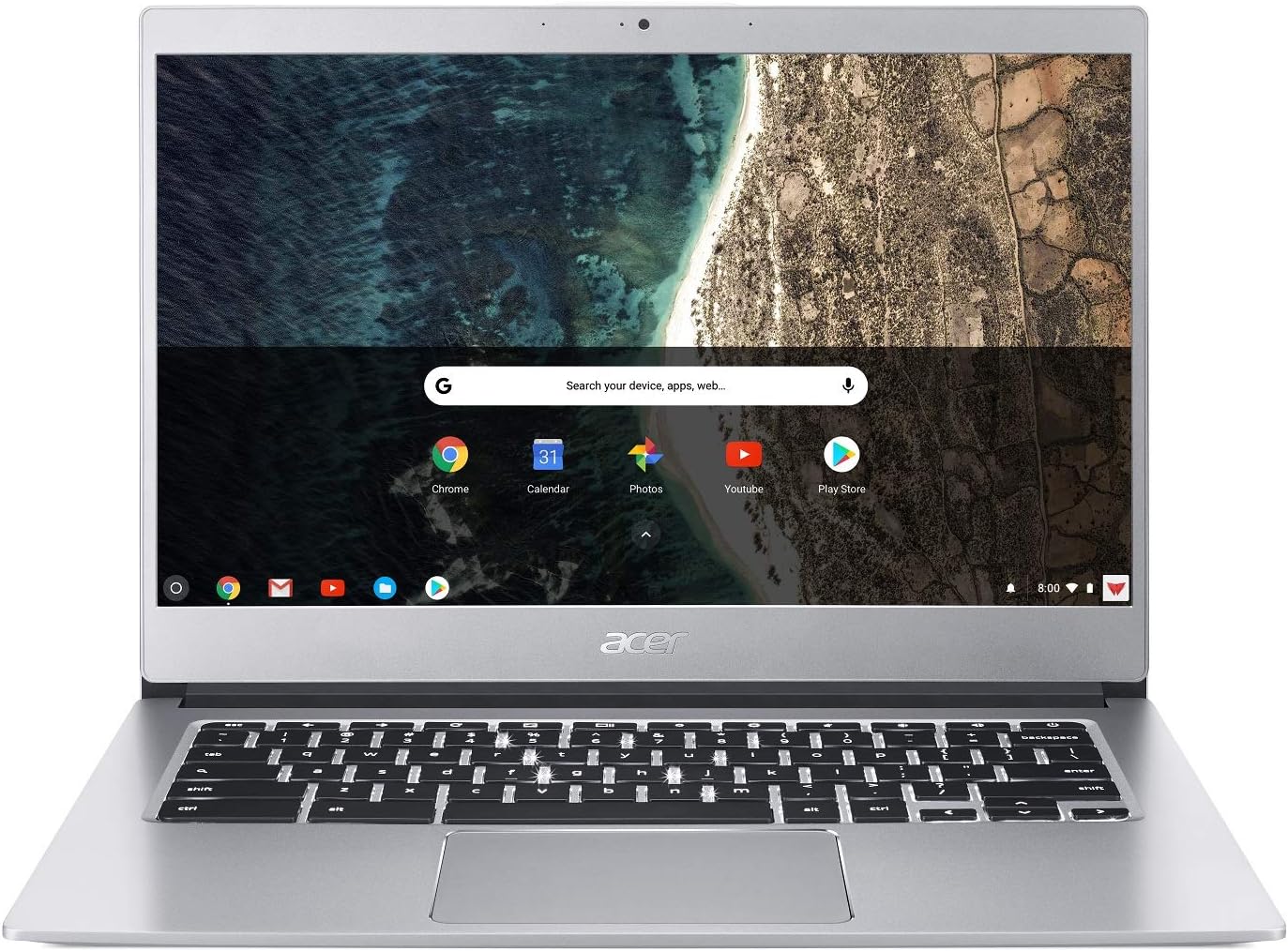 |
Acer Chromebook 514 | USD 399 | 4.4/5.0 | 4GB LPDDR4, 64GB eMMC, Chrome OS, 14” FHD |
Buyers should prioritize Chromebooks and mini laptops for best value, battery life, and durability, but be aware of performance limitations and compatibility issues.
Buyers praise battery life, durability, and value for basic tasks, but frequently complain about sluggish performance, Windows 11 compatibility, and limited gaming capability. Direct quotes include:
“This Chromebook was listing in excellent condition and exactly it way it came. Looks brand new battery holds up good. Definitely recommended.”
“It's slow, definitely not a powerhouse but for the price and my application it works great. Can't beat the price, if I kill it I wouldn't be that worried.”
“I have only had this Acer Chromebook for 2 days, ... it is a more expensive Chromebook, but I wanted a lighted keyboard. I still have Windows 7 on my Dell Inspiron, support will expire Jan 2020. I am sick and tired of Windows, it's crummy updates, etc. Decided for the cost of a Chromebook being at least half the expense of a new laptop, would give it a try.”
“Linux could have fixed this. There's a reason why old hardware is for linux.”
| Product Name | Top Praise | Top Complaint | Overall Sentiment |
|---|---|---|---|
| Lenovo 500e Chromebook | Battery life, durability | Sluggish performance | Positive |
| Acer Chromebook 514 | Fast, long battery life | Unpredictable shutdowns | Mixed |
| Lenovo ThinkPad 11e | Packaging, quick delivery | Keyboard failure | Mixed |
| Evolve III Maestro E Book | Value for price, ham radio use | Slow performance | Positive |
| AWOW Wi 11 Touchscreen Laptop | Kids, learning apps | No stylus | Negative |
Buyer sentiment is positive for basic tasks and durability, but negative for performance and compatibility with newer OSes.
Reliability benchmarks for the intel celeron n3450 processor highlight low defect rates, moderate maintenance cycles, and expected service life of 3–5 years in passive cooling environments. Global feedback indicates minimal hardware failures but frequent complaints about sluggish performance and Windows compatibility. Strategic sourcing guides buyers to select OEM/ODM partners with proven track records, prioritize passive cooling and tested memory support, and negotiate price based on legacy stock availability. Potential bottlenecks include supply chain phase-out, compatibility with newer OSes, and limited gaming capability. Negotiation levers include bulk discounts, warranty extensions, and technical support for legacy builds.
| Benchmark Dimension | Lenovo Chromebook | Mini PC |
|---|---|---|
| Defect Rate | Low (3–5%) | Low (4–6%) |
| Maintenance Cycle | Annual | Annual |
| Service Life | 3–5 years | 3–5 years |
| Passive Cooling | Supported | Supported |
| Memory Support | Up to 8GB DDR3L/LPDDR4 | Up to 8GB DDR3L/LPDDR4 |
Reliability benchmarks favor passive cooling, proven OEM/ODM partners, and annual maintenance cycles for legacy builds.
Over the next 12 months, the intel celeron n3450 processor will see declining demand and supply, with procurement logic favoring legacy upgrades, mini PCs, and budget builds. Emerging technology trends will shift toward more efficient, lower-power processors, making the Celeron N3450 increasingly obsolete for high-performance applications. Buyers should act quickly to secure legacy stock, prioritize mini PCs and Chromebooks for best value, and consider Linux for improved performance. Strategic sourcing should focus on proven OEM/ODM partners, passive cooling, and warranty extensions to mitigate risk. For buyers seeking reliable, low-power solutions, the Celeron N3450 remains viable for basic tasks and home automation, but should be avoided for gaming and heavy multitasking. Immediate next steps: review supplier catalogs, negotiate bulk discounts, and plan for phase-out by mid-2026.