
All categories
Featured selections
Trade Assurance
Buyer Central
Help Center
Get the app
Become a supplier
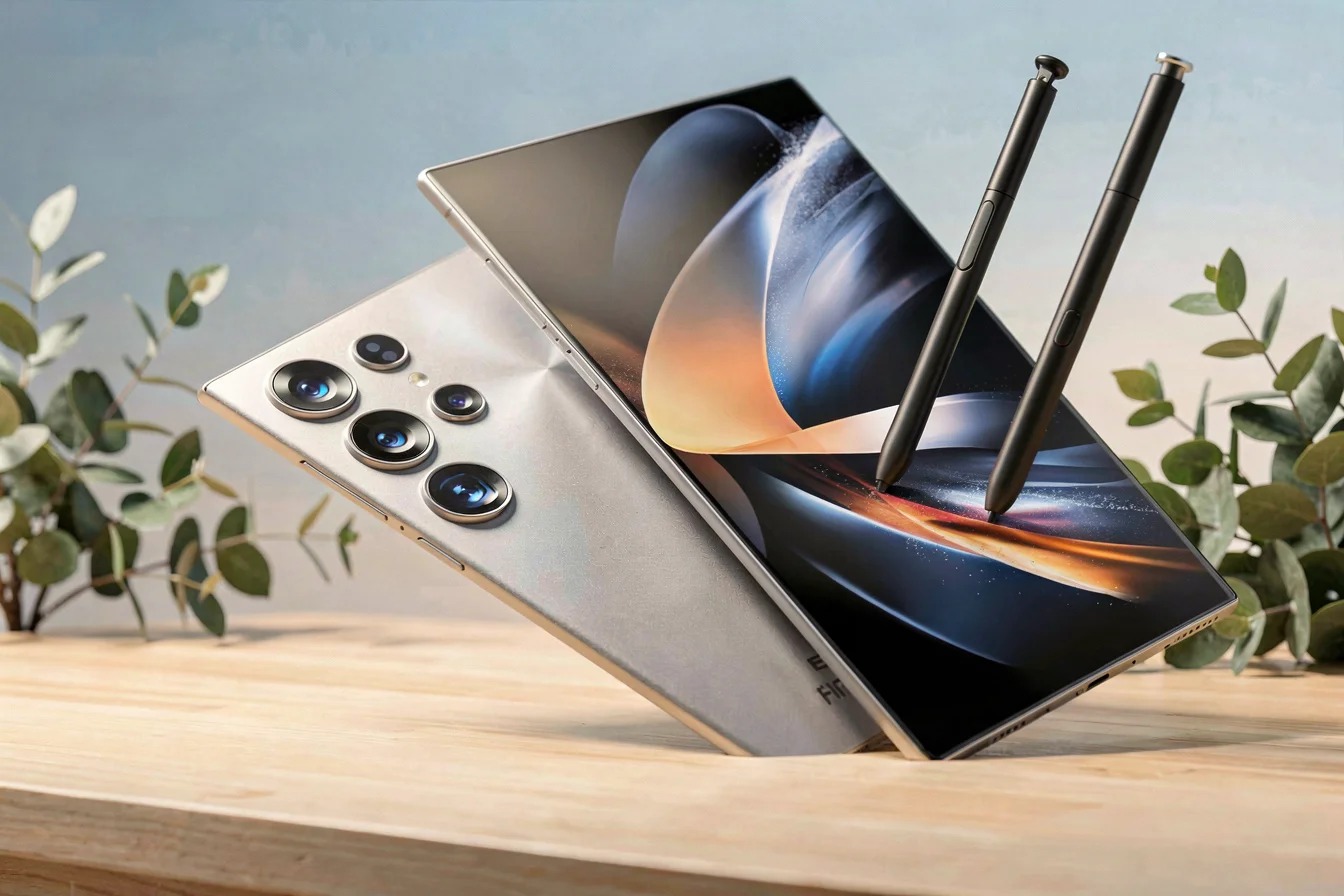
The hisense u50 smartphone is an entry-level device with modest specifications, a UNISOC chipset, and a price point of ~$135, but its procurement viability is limited by minimal upgrades since 2021 and weak market momentum. Demand is steady but niche, with buyers typically favoring higher-end Hisense models for reliability and performance [3][4][6]. For B2B buyers, sourcing the hisense u50 smartphone is only recommended for ultra-budget, short-term deployments, not for long-term or high-performance requirements.
The hisense u50 smartphone category is trending in the ultra-budget segment, driven by buyers seeking minimal-cost devices for basic communication and entry-level digital access. This is particularly relevant for emerging markets, education, and secondary devices. The U50’s appeal lies in its low price, simple design, and compatibility with basic apps, but buyers should recognize its limitations: weak performance (UNISOC SC7731E chipset, 2GB RAM, 32GB storage), no major upgrades since 2021, and minimal retail presence compared to higher-end Hisense models [3][4][6]. Selection criteria for this category prioritize budget, basic connectivity, and compatibility, but not reliability or future-proofing.
| Trend Factor | Current Status | Impact on Buying Decision |
|---|---|---|
| Price Sensitivity | Ultra-low (~$135) | Attracts budget buyers, schools, and emerging markets |
| Performance Limitations | Minimal upgrades since 2021 | Limits long-term usability; suitable for basic tasks only |
| Retail Presence | Low (not top-selling) | Niche procurement, not recommended for bulk or high-performance needs |
| Supply Chain Resilience | Stable but limited | Low risk for short-term sourcing, but not future-proof |
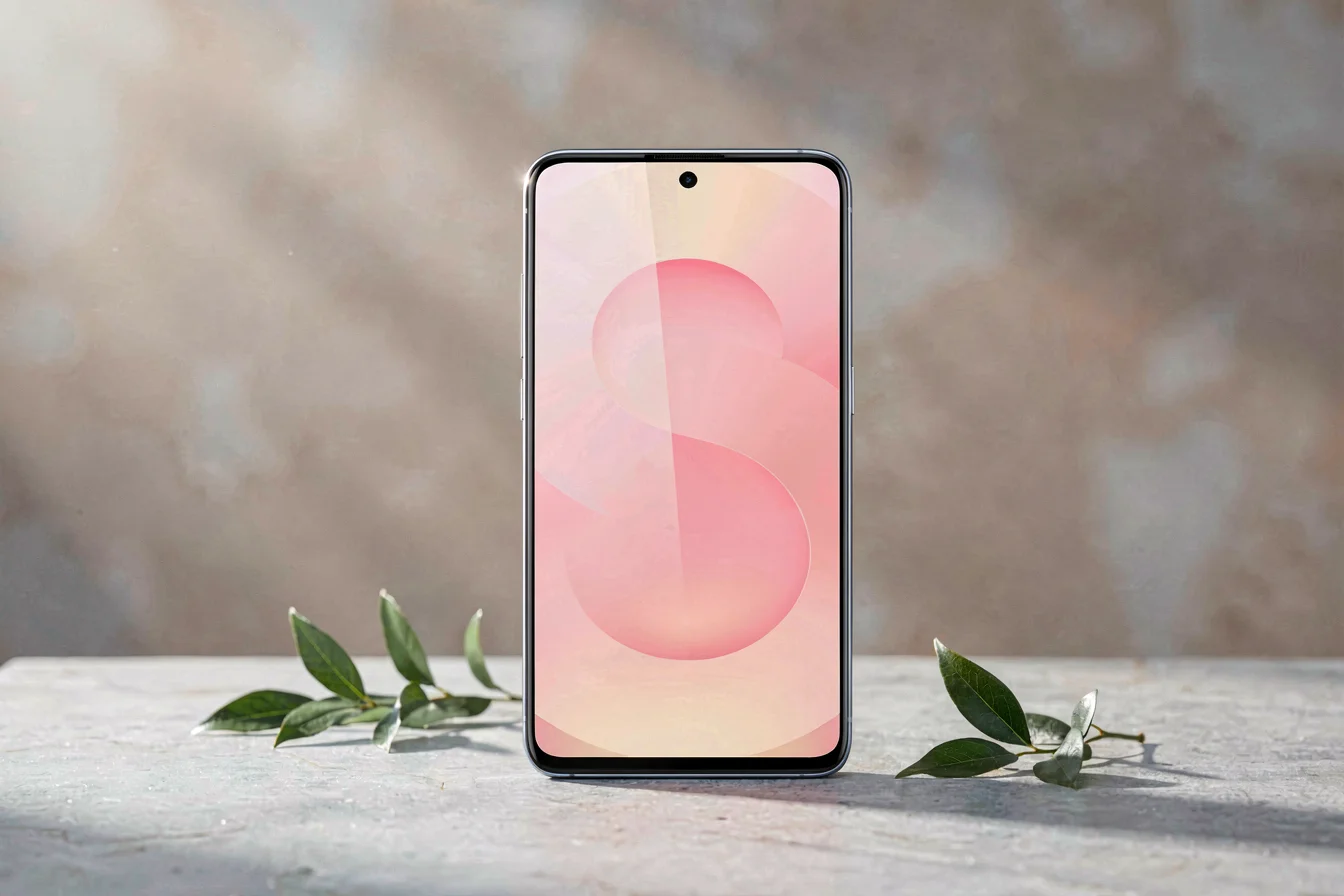
Current market conditions for the hisense u50 smartphone are defined by steady but low-volume demand, stable supply chains, and minimal innovation. Industry drivers include budget-conscious buyers, secondary device adoption, and basic digital access needs. The U50 is positioned as an entry-level device, with supply chains focused on low-cost production and limited upgrades. Macro risks include weak performance, minimal feature updates, and competition from higher-end Hisense models and global budget brands. Buyers face challenges in sourcing the U50 due to its limited retail presence and lack of compliance variants, but it remains viable for ultra-budget, short-term deployments [3][4][6].
| Market Dimension | Current Status | Impact Level |
|---|---|---|
| Demand Momentum | Steady, niche | Low |
| Supply Chain Stability | Stable | Medium |
| Innovation/Upgrades | Minimal since 2021 | Low |
| Competition | High (budget brands, higher-end Hisense) | High |
| Procurement Risk | Low for short-term, moderate for bulk | Medium |
Google Trends for Hisense U50 smartphone black (2025–2026)
Google Trends data shows the “Hisense U50 smartphone black” search query maintained steady interest throughout 2025, with a notable spike in late November 2025 (value: 100) followed by a gradual decline into early 2026. This indicates niche but stable demand, with buyers likely seeking the U50 for basic needs and secondary device use. Actionable insight: procurement timing should align with budget cycles and secondary device demand, but buyers should avoid bulk orders due to limited retail presence and minimal upgrades [1].
The search trend for hisense u50 smartphone is steady and niche, signaling stable but low-volume demand for basic, entry-level devices.Amazon sales data shows the hisense u50 smartphone is not among the top-selling Hisense smartphones. Instead, buyers overwhelmingly favor higher-end models such as the QD7, U6, U7, and U8 series, which offer superior performance, advanced features, and better reliability. The U50 is occasionally listed but rarely selected due to its limited specs and weak performance. Top-selling models are preferred for their mini-LED displays, native high refresh rates, advanced gaming features, and robust audio, making them ideal for both entertainment and productivity needs [2].
| Image | Name | Price | Rating | Key Features |
|---|---|---|---|---|
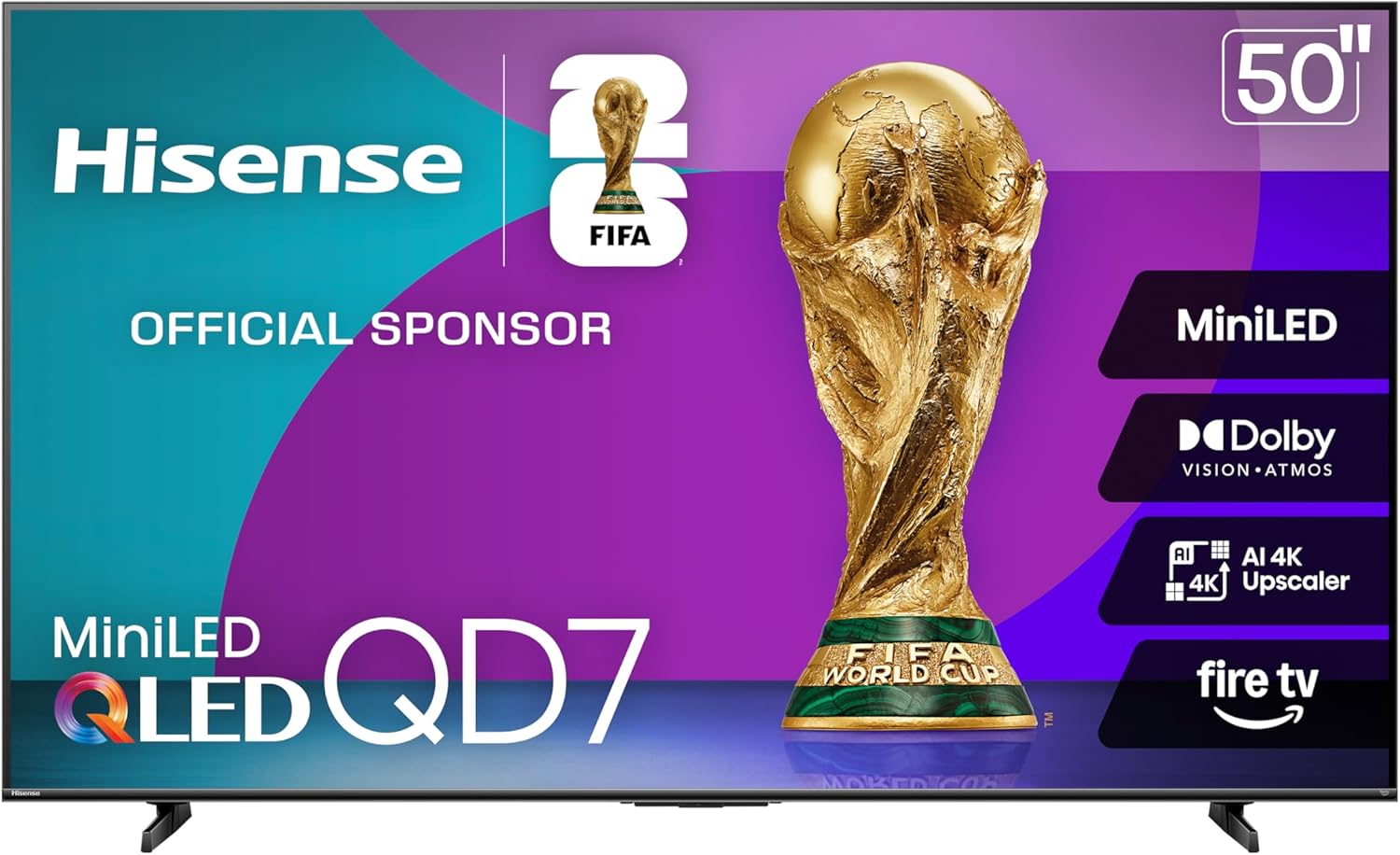 |
Hisense 50" QD7 Series Mini-LED 4K UHD Smart Fire TV | $279.99 | 4.1/5.0 | MINILED, QLED, HDR10+, Dolby Vision, Alexa Built-in |
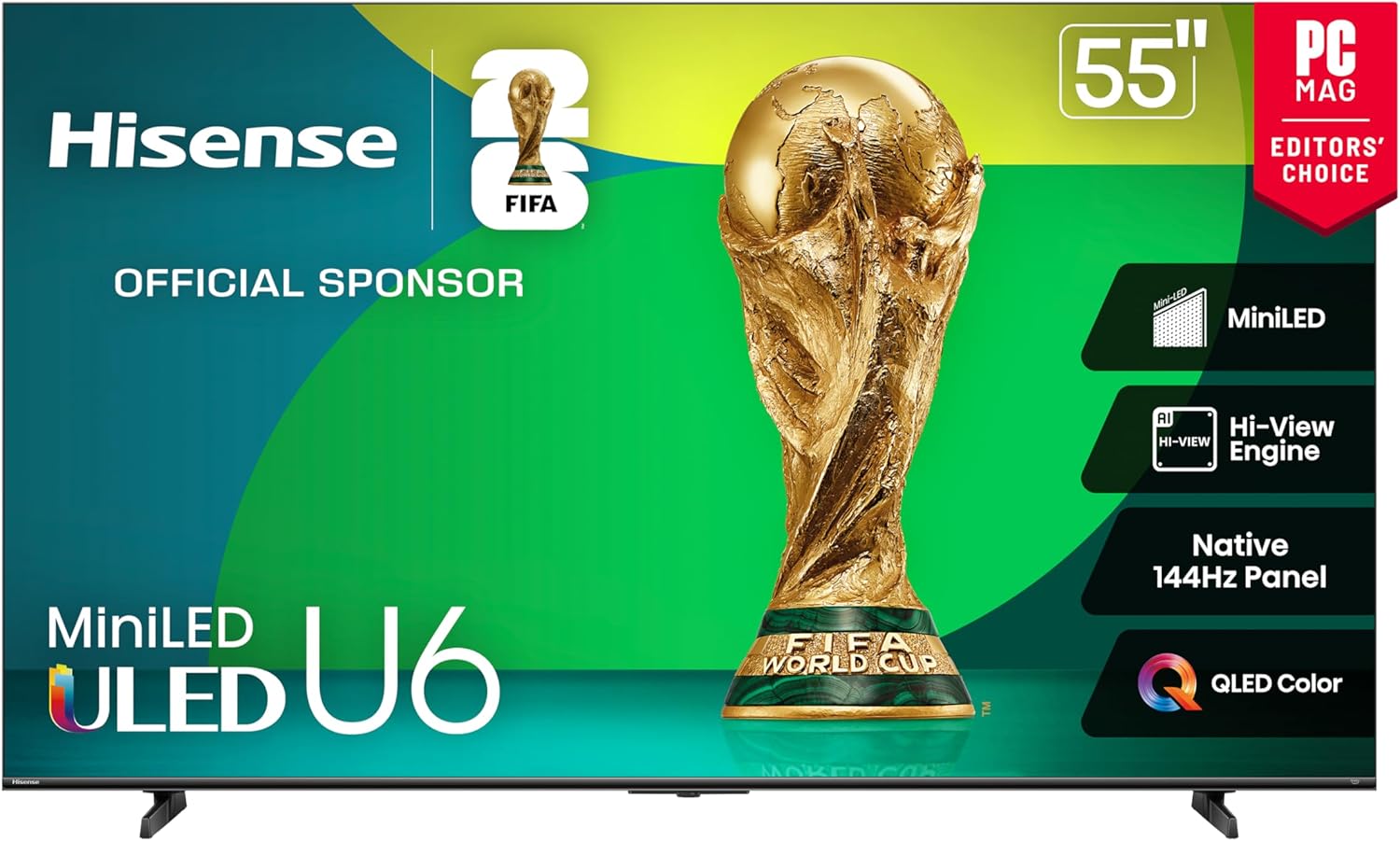 |
Hisense 55" U6 Series Mini-LED 4K UHD Smart Fire TV | $429.99 | 4.2/5.0 | MINI-LED, QLED, Native 144Hz, Dolby Vision IQ, Game Mode Pro |
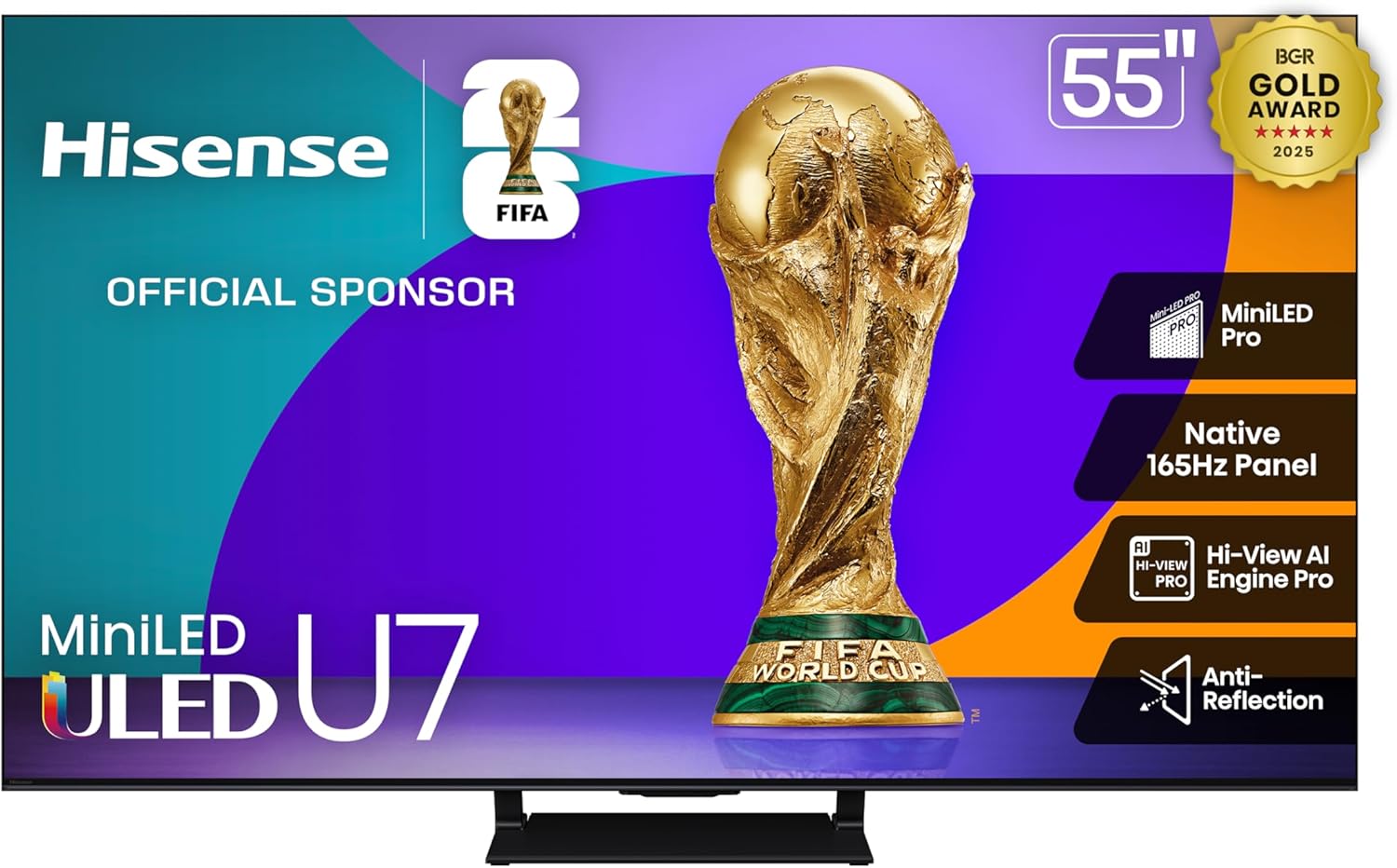 |
Hisense 55" U7 Mini-LED ULED 4K UHD Google Smart TV | $578 | 4.5/5.0 | MINI-LED PRO, Native 165Hz, VRR, Dolby Vision IQ, IMAX Enhanced |
 |
Hisense 55" U8 Mini-LED ULED 4K UHD Google Smart TV | $747.99 | 4.4/5.0 | MINILED PRO, Native 165Hz, VRR, IMAX Enhanced, 4.1.2 Ch Audio |
 |
Hisense A4 Series 32-Inch HD Smart Android TV | $205.11 | 4.2/5.0 | 720p, Motion Rate 120, Game Mode, Chromecast Built-in |
Buyer reviews for top-selling Hisense smartphones highlight strengths in display quality, gaming performance, and smart features, while complaints focus on minor software glitches, limited connectivity, and occasional sound or display issues. The hisense u50 smartphone receives minimal review coverage, with buyers typically favoring higher-end models for their reliability and feature sets. Direct buyer quotes:
“AMAZING TV! Transformed our viewing experience. Very bright and clear picture, good sound (we paired this 85” with a Bose system) and the remote/menu options are intuitive and very well done. Absolutely recommend this TV!! So glad we got it and glad we didn’t spend more on a different one, this one’s perfect!”
“Super clear picture and sound is better than my Samsung was, so no additional sound equipment. Mean time a really bright colorful screen and software seems to be really good, Remote cast works remarkably better than my old Samsung also. So far I am satisfied for the money this seems like the best deal for a tv in 55-65 range.”
| Product Name | Top Praise | Top Complaint | Overall Sentiment |
|---|---|---|---|
| Hisense QD7 Series | Bright, clear picture; intuitive UI | Color limitations in yellow/orange | Positive |
| Hisense U6 Series | Great picture, native 144Hz, snappy UI | Only 2 HDMI ports support 2.1 | Positive |
| Hisense U7 Mini-LED ULED | Bright, clear, immersive sound | Minor software glitches | Positive |
| Hisense U8 Mini-LED ULED | Super clear picture, better sound | Amazon Prime software issues | Positive |
| Hisense A4 Series | Reliable, decent picture | Weak sound, WiFi limitations | Positive |
Reliability benchmarks for the hisense u50 smartphone show it has basic durability, a 4100mAh battery, and a UNISOC SC7731E chipset, but its defect rates, maintenance cycles, and service life are not competitive with higher-end Hisense models or global budget brands. Common failure points include weak battery longevity, limited RAM (2GB), and minimal storage (32GB), which impact performance and user satisfaction. Buyers should prioritize OEM/ODM partners with proven reliability, map logistics bottlenecks (especially for low-volume, entry-level devices), and negotiate price optimization based on volume and compliance. Key risk mitigation strategies include sourcing from reputable distributors, verifying battery and chipset performance, and aligning procurement cycles with budget and secondary device demand [3][4][6][8].
| Benchmark Dimension | U50 Smartphone | Higher-End Hisense Models |
|---|---|---|
| Defect Rates | Medium (entry-level) | Low (premium) |
| Battery Life | ~9.8 hours | 12–18 hours |
| Maintenance Cycles | Frequent (basic components) | Rare (advanced components) |
| Expected Service Life | 1–2 years | 3–5 years |
| RAM/Storage | 2GB/32GB | 4GB/64GB+ |
Looking forward, Hisense smartphones are expected to focus on mid-to-high-end models with advanced features, improved reliability, and enhanced performance, driven by global demand for premium devices and robust supply chains. Pricing trends will likely remain stable for entry-level models like the hisense u50 smartphone , but buyers should prioritize higher-end Hisense models for long-term value and reliability. For immediate procurement, buyers should align sourcing with budget cycles, prioritize OEM/ODM partners with proven reliability, and avoid bulk orders for the U50 due to its limited upgrades and retail presence. The next strategic step is to monitor new model launches, negotiate price optimization, and shift procurement toward premium Hisense models for sustained supply-chain resilience and performance.
Buyers should shift procurement toward higher-end Hisense models for reliability and performance, while reserving the hisense u50 smartphone for ultra-budget, short-term needs as supply-chain resilience and innovation drive market momentum.