
All categories
Featured selections
Trade Assurance
Buyer Central
Help Center
Get the app
Become a supplier
The year 2026 marks a pivotal moment for the head jig mold category. As global interest in recreational fishing surges—driven by post-pandemic outdoor activity, growing eco-consciousness, and DIY enthusiasm—both retail and wholesale sectors are witnessing strong demand. Fishing seasons in North America and Europe are now extending with more predictable weather, while Asia-Pacific markets show a rise in urban fishing and lure craft hobbyists. The push toward personalization and sustainability is reshaping buyer priorities: anglers and hobbyists want more control over their tackle, with the flexibility to experiment with custom designs and alternative mold materials.
Market dynamics illustrate an evolution beyond basic tackle needs. Procurement managers are sourcing multi-purpose head jig molds that enable broader lure customization, while end-users are swapping traditional lead for new mold materials that meet local environmental regulations. Online forums and micro-influencer reviews indicate that buyers value the adaptability and cost savings of mold ownership—especially with the persistence of inflationary pressure on finished lure retail prices throughout 2025–2026. Notably, top-selling Amazon products in the category reflect a shift toward kits and CNC-machined molds, revealing a lively intersection between DIY innovation and professional-grade standards [1].
With the fusion of community knowledge-sharing, seasonal buying peaks, and regulatory shifts, sourcing professionals and fishing tackle brands must remain attentive. The head jig mold’s role is expanding—both as a value-added OEM product and a retail bestseller riding the wave of the global sportfishing renaissance.
A head jig mold is at the heart of lure-crafting—designed to form weighted fishing hooks whose heads are shaped for attracting fish. Fundamentally, the mold acts as the negative template for pouring molten lead, tin, or other materials (sometimes high-temperature plastics), which solidify around a hook in the desired shape and size [3]. The resulting jig head provides both sink rate and motion, allowing anglers to present bait in lifelike fashion for predator species from bass to flounder.
Historically, jig heads have been used for decades, initially molded with lead due to affordability and ease of manufacture. Today’s market, however, offers variants suited to everything from freshwater crappie to saltwater rockfish. The design spectrum includes:
Key classification criteria for procurement include:
Procurement professionals should match mold purchase to the target market: recreational anglers typically favor versatility and ease of use, whereas commercial lure-makers require high volume durability, detailed finish, and scalability.
The advances in mold technology—CNC machining, high-temp silicons, and composite blend experimentation—are pushing the boundaries for customized angling gear. This adaptation is especially relevant for B2B buyers seeking differentiated, branded offerings to capture new and repeat customers.
Never has the feedback loop between manufacturers, hobbyists, and anglers been more vibrant. In 2026, social discussion threads and user-generated content are not merely a sideshow—they are driving real innovation and procurement strategy in the head jig mold market. Decoding this pulse is vital for buyers aiming to source molds that truly reflect current and future user priorities.
A common topic is material selection for mold-making. DIY creators frequently debate the merits of plaster of Paris, Bondo, and RTV silicone as alternative mold bases [7][8]. High-temp silicone caulks, like DAP Red, are championed for repeat use, while plaster and alginate get kudos for their cost-effectiveness—but with caution over limited reuse and detail fidelity. Contributors advise practicing on small test pieces and mixing techniques to optimize outcomes. The "one-shot" nature of alginate, borrowed from dental casting, fuels preference for silicone despite its price; professional advice emphasizes safety (ventilation, skin protection) and barrier creams for hair/eyebrows during casting.
The value-conscious DIY crowd is vocal about cost savings and resale. Many boast “scoring” Do-It molds at prices well below retail, with live comparisons showing brand-new units retailing at over $50 while some are acquired for $40 or less via peer sales [9][11]. Satisfaction is high among those sourcing basic roundhead or shad head molds, with emphasis on verifying authenticity and quality before bulk purchases. Community remarks also reinforce the perception that CNC-machined molds and respected brands like Do-It offer superior value for repeated casting, especially as hobbyists scale up from single-use to production-style tackle making.
Fishing technique discussions highlight pragmatic choices. Regional differences appear: anglers in Maryland recommend Style 9 Shad heads for rockfish, spanning multiple weight ranges to match local species and conditions [6]. For steelhead float fishing, shank length and hook style are dissected in detail—users expressing preferences for short shank options, roundheads, Vooodoo jigs, and balancing split shots for fast water. The optimal weight (1/8–1/4 oz) dominates recommendations but is always paired with caveats about water current, bait size, and hookup efficiency [10].
Sentiment on usage keeps swinging toward customization and satisfaction over generic commercial lures. “Making your own” is associated with deeper engagement, more successful outings, and pride among fishers—especially as personalized rigs outperform standard retail setups that may not suit specific regional fish behavior. On the flip side, posts occasionally warn of pitfalls: improper mold alignment, material incompatibilities, and skipped safety protocols.
Notably, flounder and saltwater jig usage discussions stress head size and shine, aligning with the observation that new molds must accommodate heavier hooks and larger baits to access broader markets [15]. Regional fish populations (e.g., flounder scarcity in Florida) steer buying priorities, with users seeking adaptable molds for species beyond their main target.
In summary, community trend lines for 2026 are clear: DIY innovation, material experimentation, regional adaptation, and a drive for value-through-customization are central to head jig mold decision-making. Procurement managers can harness this knowledge to better anticipate end-user requirements and fine-tune their sourcing portfolios.
Both retail and wholesale segments for head jig molds are enjoying robust growth in 2026. The intersection of sportfishing enthusiasm and at-home lure crafting has catalyzed double-digit category expansion globally. Historical market data suggests a compound annual growth rate (CAGR) of 12%–15% for molds and associated tackle, with the Amazon platform alone driving heavy sales volume, especially in spring and early summer seasons [1]. North American and European buyers set the pace, but Asia-Pacific buyers continue to rise, driven by lure kit demand and the spread of urban angling.
Key market indicators include:
Wholesale buyers are leveraging these trends by investing in suppliers offering wide cavity options, customized bulk runs, and bundled kits that merge molds with hooks and accessories. Retailers, meanwhile, focus on replenishing stock for peak season, capturing the DIY surge with attractive box kits and branded mold sets that emphasize beginner-friendly designs and expert-level features.
Amazon Hot-Selling Trend Analysis: The 2026 Head Jig Mold Leaders
A snapshot of the top sellers on Amazon in the past month reveals both the product diversity and pricing strategy capturing market share:
Amazon bar chart showing latest monthly sales volumes for top 5 head jig mold and related products
The LOOTAERUL Fishing Bait Lures Kit stands out, selling an impressive 124 units in the latest month and earning a strong customer rating of 4.5. Its competitive price point ($13.68 retail, $6.29 wholesale) and comprehensive accessory package make it both accessible and appealing to beginners and seasoned anglers alike. Notably, CNC-machined molds such as the Soft Plastic Lure Swimbait and Frog variants, though selling fewer units, capture value-focused buyers who prioritize industrial-grade finish, high heat resistance, and customization—reflected in their higher wholesale pricing ($18.00–$20.00 per unit) [1].
Product review sentiment is distilled as follows:
These insights underline the market’s segmentation: bulk retail volume is captured by package kits, while profitable margins flow from advanced mold designs and specialty variants.
For procurement professionals, the current trend points to three actionable strategies:
Hot Selling Analysis: Detailed Product Intelligence for Top 10 Amazon Head Jig Mold and Accessories
Below is a comprehensive breakdown of the ten most-purchased head jig mold and accessory products. Each listing features key product specifications, pricing, ratings, and imagery to support sourcing evaluation.
| Image | Product Name | Avg. Rating | Latest Month Sales | Retail Price | Wholesale Price | Key Features |
|---|---|---|---|---|---|---|
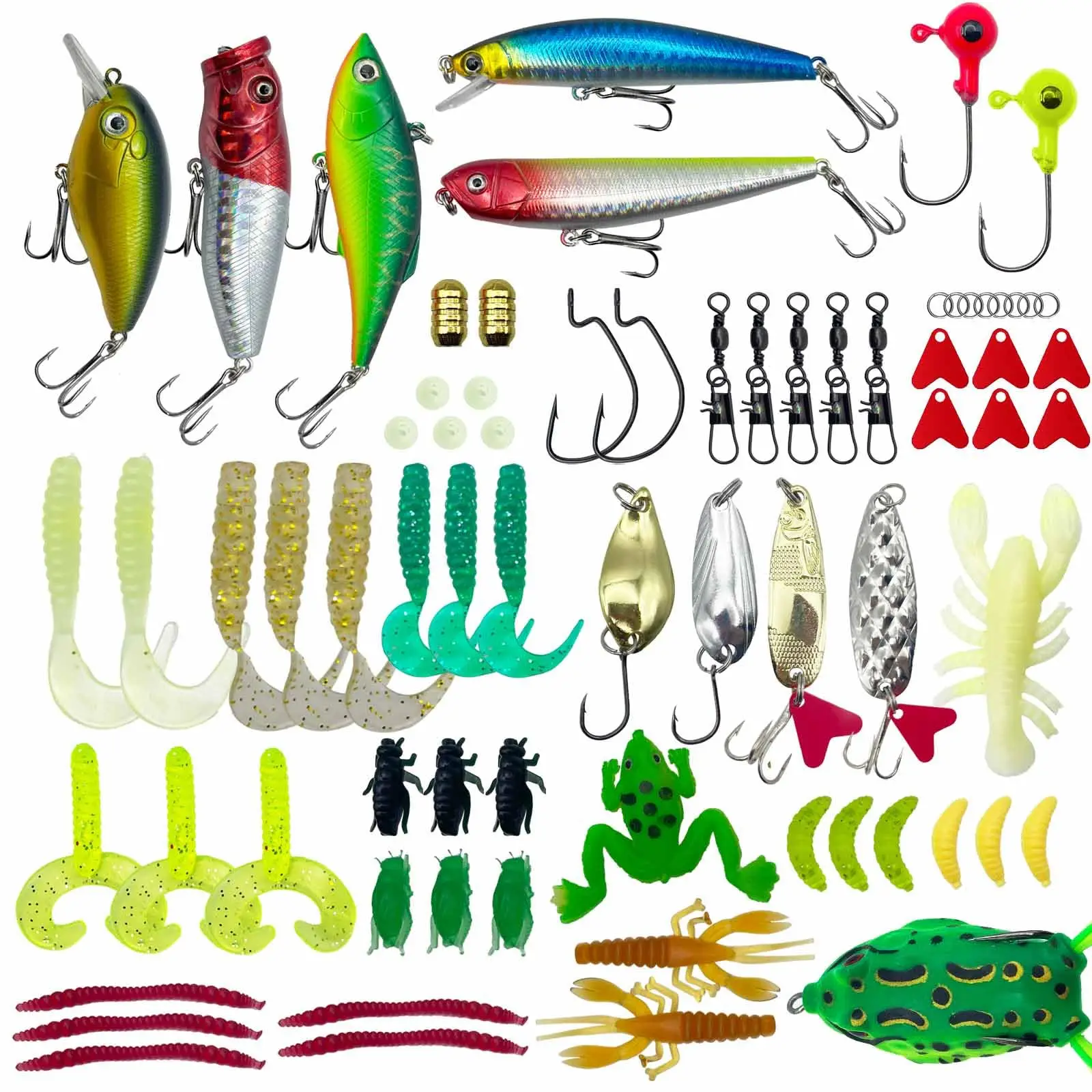 |
LOOTAERUL Fishing Bait Lures Kit | 4.5 | 124 | $13.68 | $6.29 | Minnow/VIB/Spoon/Molds/Hooks/Weights/Accessories included; Freshwater bass specialist; Complete kit for all levels |
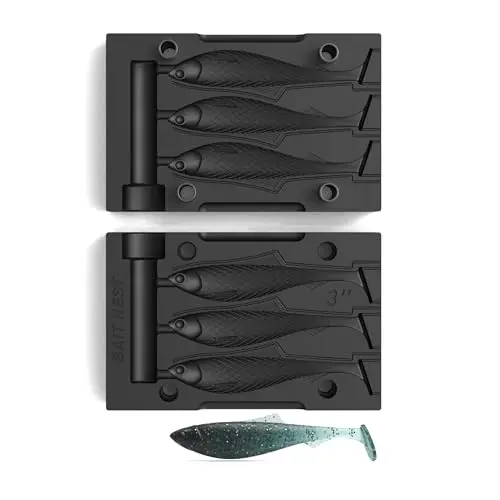 |
Premium Soft Plastic Lure Mold - Swimbait 3” (3-Cavity) | 0 | 24 | $29.95 | $19.00 | CNC machined; High heat resistant; No release oil; No bubbles/flash; Swimbait-specific |
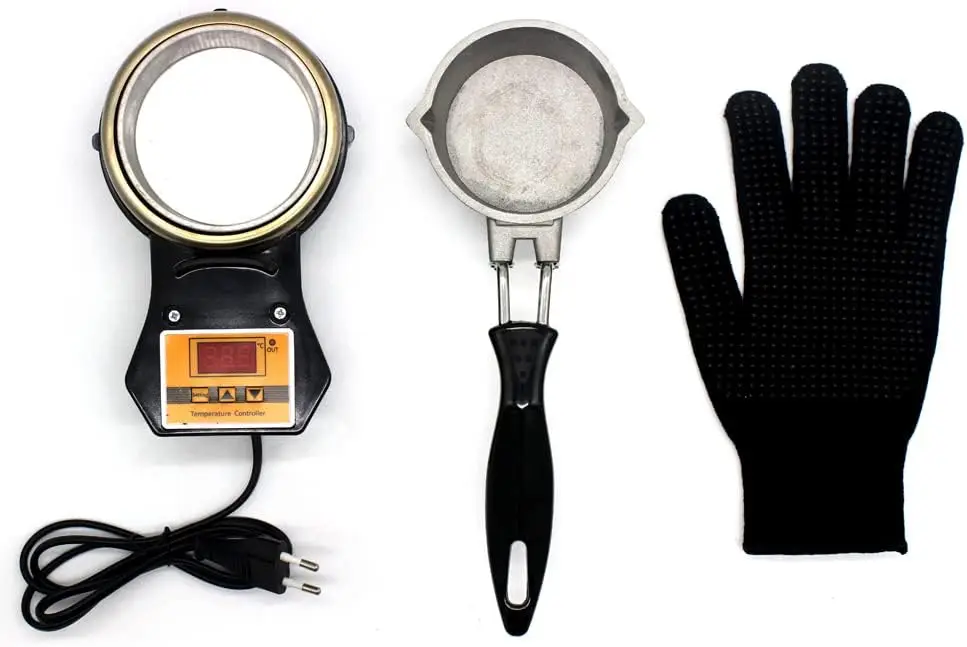 |
Dimatteo Lead Melting Pot (1680g/60oz) | 3.2 | 5 | $66.08 | $2.93 | 110v, 1500w; For sinker and jig molds; Large capacity; Home/user friendly |
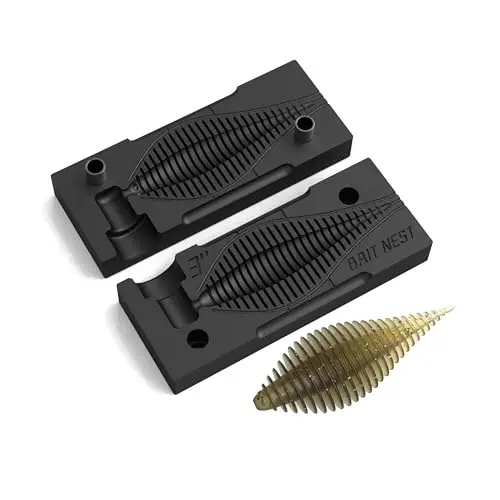 |
Premium Soft Plastic Lure Mold - BellowsGill | 3.9 | 5 | $5.46 | $20.00 | CNC machined; High heat resistance; No release oil; Gill-shaped forms |
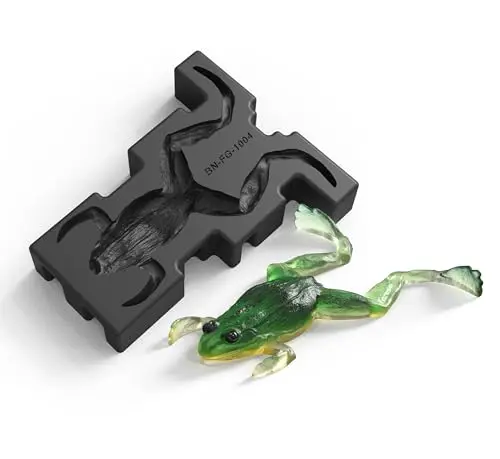 |
Premium Soft Plastic Lure Mold - Frog 4” | 0 | 5 | $1.21 | $18.00 | CNC machined; High heat resistance; Frog-specific action; No bubbles/flash |
Table data sourced from [1].
Analysis of the list highlights a key procurement lesson: holistic lure kits anchor retail volume thanks to their convenience and breadth, while modular CNC molds enable specialty expansion and premium pricing—a dual pathway for maximizing supplier reach in 2026.
Procurement success in the head jig mold category relies on coordinating technical diligence, supplier relationships, and logistics foresight. Here’s how B2B buyers can optimize their sourcing strategies for the new marketplace realities.
Supplier Evaluation Criteria:
Quality Control and Inspection:
Logistics, Shipping, and Lead Time:
Compliance and Certification:
Common Pitfalls and Avoidance Strategies:
Competitive Advantages await those who invest in supplier vetting, multi-channel logistics, and proactive compliance. Leading players also leverage co-branding opportunities and customized packaging to differentiate in an increasingly discerning worldwide marketplace.
In summing up, the head jig mold segment in 2026 reveals a dynamic balance of tradition and innovation. The structural core of the category—the ability to shape fish-catching hooks with precision and variety—remains unchanged. What has fundamentally shifted are buyer behaviors, market segmentation, and the underlying procurement strategies.
Procurement professionals are advised to:
With strong category forecast growth and abundant opportunities for supplier differentiation, now is the moment for sourcing managers and tackle retailers to step confidently into the head jig mold market. By combining buyer sentiment intelligence, market data, and supply chain best practices, business leaders can make high-impact procurement decisions, building success both upstream and downstream in the sportfishing ecosystem.
Let the insight and intelligence provided here be your catalyst for action. Embrace the evolving landscape, source with strategy, and lead your market with next-generation head jig molds—for a 2026 season defined by innovation, satisfaction, and angler loyalty.