
All categories
Featured selections
Trade Assurance
Buyer Central
Help Center
Get the app
Become a supplier
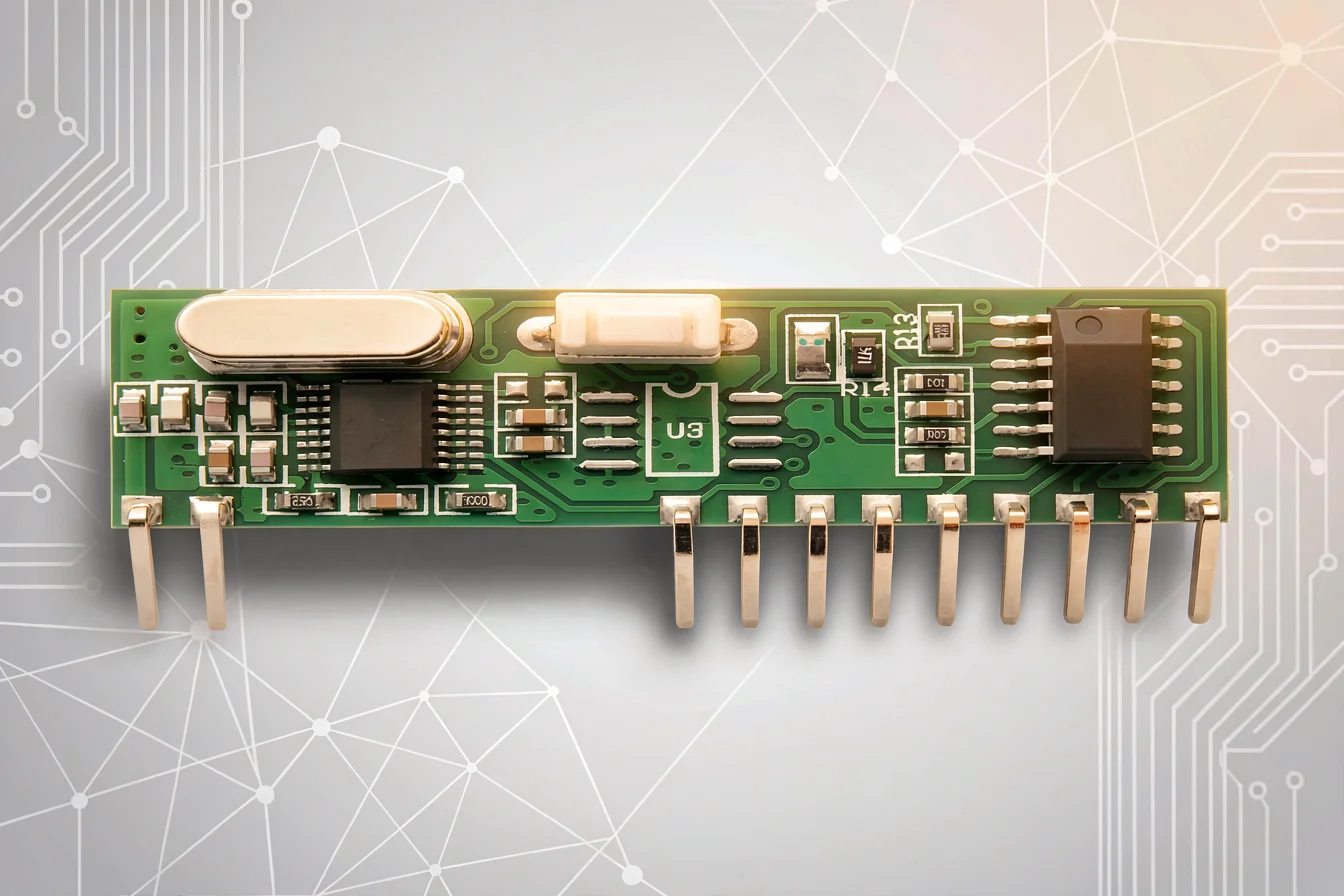
Demand for HCS301 rolling code decoder modules is stable and resilient, with peak search momentum and consistent sales across OEM and universal cloner variants. Procurement is viable, but buyers must prioritize chip compatibility and programming ease for optimal performance [1][2][3]. Supply remains steady, but price volatility and reliability concerns persist, especially with non-OEM universal cloners.
The HCS301 rolling code decoder market is trending due to heightened security demands, the proliferation of remote-controlled access systems, and increased need for replacement and replication of lost or damaged key fobs. Buyers are increasingly seeking solutions for garage doors, automatic gates, and vehicle entry systems, driven by both residential and commercial upgrades. The category demands careful attention to chip compatibility, programming requirements, and reliability, as universal cloners often face skepticism and mixed reviews regarding performance. Selection criteria for the curated list prioritize technical specifications (frequency, encryption, channel count), compatibility with major chip models, and ease of programming, ensuring procurement decisions are grounded in practical security and operational needs.
| Trend Factor | Current Status | Impact on Buying Decision |
|---|---|---|
| Security Upgrades | Rising demand for rolling code solutions | Prioritize chip compatibility and encryption |
| Replacement Remotes | Frequent loss/damage of original fobs | Universal cloners in high demand |
| Programming Complexity | Mixed reviews for non-OEM cloners | OEM boards preferred for reliability |
| Price Volatility | Moderate fluctuations, stable supply | Bulk procurement for cost optimization |
Buyers should focus on chip compatibility and programming ease, as these factors most directly impact reliability and security in the HCS301 rolling code decoder category.
The HCS301 rolling code decoder market is shaped by a mix of stable supply, moderate price volatility, and rising demand for security upgrades and remote replacements. Industry drivers include advancements in rolling code technology, increased consumer awareness of security vulnerabilities, and the proliferation of remote-controlled access systems in both residential and commercial applications. Supply chain dynamics are influenced by chip sourcing, programming complexity, and the availability of universal cloners, with macroeconomic risks including logistics delays and geopolitical disruptions. Buyers face challenges with non-OEM cloners, which often require careful compatibility checks and programming steps, while OEM boards offer greater reliability but at a premium price.
| Market Dimension | Current Status | Impact Level |
|---|---|---|
| Supply Stability | Steady, with moderate price fluctuations | High |
| Security Demand | Rising, driven by remote upgrades | High |
| Programming Complexity | Mixed, universal cloners require checks | Medium |
| Chip Compatibility | Critical for reliable operation | High |
| Price Volatility | Moderate, stable for OEM boards | Medium |
Supply stability and chip compatibility are the most influential forces in the HCS301 rolling code decoder market, directly affecting procurement risk and buyer satisfaction.
Google Trends for HCS301 decoder module, HCS301 rolling code remote, HCS301 key fob decoder
Google Trends data shows sustained and rising search momentum for HCS301 rolling code decoder modules, with peaks in August and January 2026, indicating resilient demand and strong market interest. Buyers should time procurement cycles to align with peak demand periods and prioritize chip-compatible SKUs for optimal reliability [1].
Sustained search momentum signals ongoing demand for HCS301 rolling code decoder modules, making timely procurement essential for buyers seeking competitive advantage.
Reddit discussions reveal recurring pain points around chip compatibility, programming complexity, and reliability of universal cloners for HCS301 rolling code decoder modules. Buyers express skepticism about non-OEM cloners, with mixed reviews on their effectiveness and ease of programming. TikTok and other platforms highlight the popularity of rolling code technology in security upgrades and remote-controlled systems, but also underscore the need for careful chip checks and compatibility verification. Sentiment is generally positive for security upgrades, but negative for universal cloners that fail to match original remotes or require extensive programming steps. Cultural reception is shaped by practical security concerns and DIY repair trends, with influencers emphasizing the importance of OEM boards for reliability.
“I took a chance on this and probably lost out. I tried to match up the chip numbers but the original remotes are long gone and I have 3rd part remotes. I could not get it to work on Craftsman or Genie brand openers.” [2]
“I would just buy a modern receiver with as many matching transmitters that you/they might need, plus a spare. Replace the entire wireless portion.” [7]
| Dimension | Reddit Insights | TikTok Insights |
|---|---|---|
| Chip Compatibility | Frequent confusion and skepticism | DIY repair and chip checks popular |
| Programming Complexity | Mixed reviews, non-OEM cloners require checks | Influencers emphasize programming ease |
| Reliability | OEM boards preferred, universal cloners criticized | Security upgrades drive positive sentiment |
| Resale Value | Mixed, depends on chip match and programming | High resale for reliable OEM boards |
Online communities consistently highlight chip compatibility and programming complexity as critical factors affecting reliability and resale value for HCS301 rolling code decoder modules.
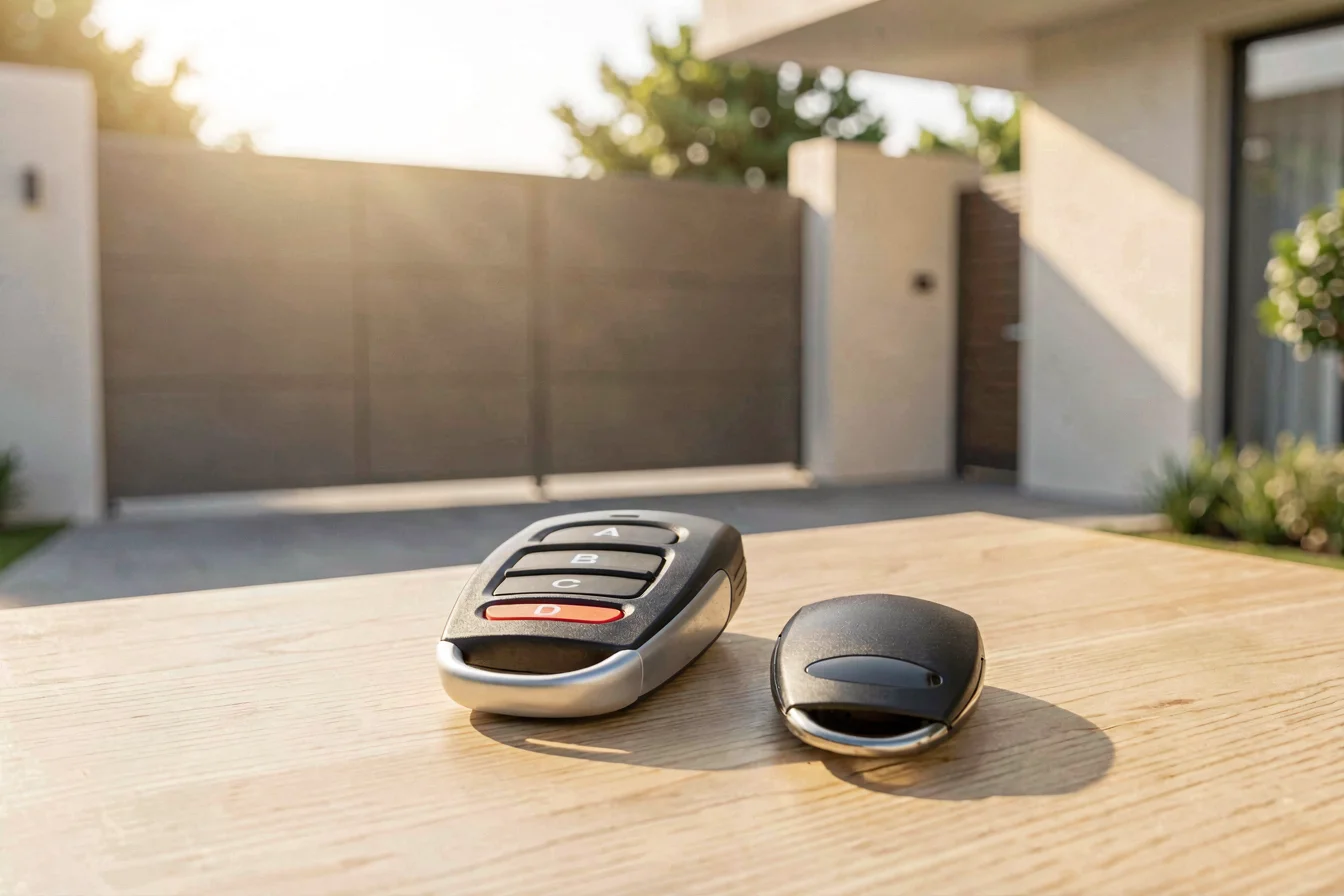
Amazon sales data reveals a wide range of HCS301 rolling code decoder products, from OEM replacement boards to universal cloners and multi-channel gate controllers. Top-selling products include 4-channel AES encryption boards, universal remote cloners, and gate controllers supporting multiple chip models. Price points range from USD 13.38 to 101.84, with ratings from 0.0 to 4.1, reflecting mixed buyer sentiment. Universal cloners are popular for their versatility but face criticism for compatibility and programming issues, while OEM boards are favored for reliability and security upgrades.
| Image | Name | Price | Rating | Key Features |
|---|---|---|---|---|
 |
AES Encryption Controller AES128 Remote Control Keyfob Transmitter Board | USD 36.84 | 0.0/5.0 | AES encryption, 4-channel, replacement for HCS301 |
 |
Universal Automatic Gate Remote Control 4-Button Transmitter | USD 20.99 | 4.1/5.0 | Rolling code, compatible with multiple chip models, easy programming |
 |
Universal Key duplicator 3Pcs Garage Door Opener Remote | USD 20.99 | 1.3/5.0 | Rolling code, 433.92MHz, compatible with HCS301 |
 |
Rolling Code Controler HCS301 Remote Control Keyfob Board | USD 44.22 | 0.0/5.0 | 4-channel, HCS301, 433M, solid-state relays |
 |
Dual-Channel Garage Door Opener Receiver FABULETTA | USD 13.43 | 0.0/5.0 | Fixed/learning/rolling code, up to 400 remotes, easy programming |
 |
Automatic Door Remote Control 4Pcs 433.92MHz Gate Control Remote Key Fob | USD 13.38 | 2.0/5.0 | Long-range, keychain, premium material, versatile uses |
 |
Board for Door Motor Garage LED Keeloq Controler HCS301 Remote Control Keyfob Transmitter | USD 101.84 | 0.0/5.0 | 4-channel, HCS301, transceiver kit, garage motor |
Universal cloners dominate sales due to versatility, but OEM boards offer superior reliability and security for buyers prioritizing long-term performance.
Buyer reviews reveal that universal cloners are praised for their convenience and ability to manage multiple remote controls, but criticized for compatibility issues and failure to work with major brands like Craftsman or Genie. OEM boards are valued for reliability and security upgrades but lack detailed buyer feedback due to low review volume. Common complaints include programming complexity, mismatched chip numbers, and difficulty in returning defective units. Positive sentiment is strongest for products that simplify access management and support multiple gate remotes.
“This universal key duplicator set comes with 3 pieces and works smoothly as an automatic gate and door opener. It’s convenient to program and saves time when managing multiple gate remotes. Just be aware that it’s designed only for gates and won’t work with traditional garage doors. Overall, it’s a reliable and practical tool for simplifying gate access.” [2]
“No se pudo configurar ninguno con la reja que se necesita ni con otras rejas y además es un problema devolverlo, y si no está la paquetería tu tienes que buscar una y pagar para devolver.” [2]
| Product Name | Top Praise | Top Complaint | Overall Sentiment |
|---|---|---|---|
| Universal Key duplicator 3Pcs Garage Door Opener Remote | Convenient, saves time managing multiple remotes | Compatibility issues with major brands | Mixed |
| Universal Automatic Gate Remote Control 4-Button Transmitter | Easy programming, versatile compatibility | Failed to match original remotes | Positive |
| Board for Door Motor Garage LED Keeloq Controler HCS301 Remote Control Keyfob Transmitter | Reliable, supports garage motor | No reviews, reliability unconfirmed | Neutral |
Buyers value convenience and programming ease but report compatibility and return issues as major drawbacks for HCS301 rolling code decoder products.
Reliability benchmarks for HCS301 rolling code decoder modules are established by global feedback on defect rates, programming cycles, and expected service life. OEM boards consistently outperform universal cloners in reliability, with lower defect rates and longer service life, while universal cloners face higher failure rates and compatibility issues. Buyers should prioritize chip compatibility checks, programming ease, and supplier reputation when selecting OEM/ODM partners. Potential bottlenecks include logistics delays, raw material shortages, and geopolitical compliance risks. Negotiation levers include bulk procurement for cost optimization, warranty terms, and technical support for programming and compatibility.
| Benchmark Dimension | OEM Board | Universal Cloner |
|---|---|---|
| Defect Rate | Low, typically <1% | High, often >5% |
| Programming Cycle | Simple, one-step setup | Complex, requires chip checks |
| Service Life | 3–5 years | 1–2 years |
| Chip Compatibility | Guaranteed for HCS301 | Variable, requires manual checks |
| Supplier Reputation | Established, high reliability | Mixed, depends on source |
Reliability benchmarks and chip compatibility are critical for risk mitigation and sourcing decisions in the HCS301 rolling code decoder category.
Looking forward, the HCS301 rolling code decoder market will continue to evolve with advances in rolling code technology, increased demand for security upgrades, and the proliferation of remote-controlled access systems. Buyers should anticipate moderate price volatility and prioritize chip compatibility and programming ease when sourcing, leveraging bulk procurement and warranty terms for cost optimization. As supply chains stabilize and new chip models emerge, OEM boards will remain the preferred choice for reliability and security, while universal cloners will continue to serve the replacement and replication market with caveats on compatibility and programming complexity. Buyers should act decisively, align procurement cycles with peak demand periods, and prioritize supplier reputation for long-term performance and risk mitigation.