
All categories
Featured selections
Trade Assurance
Buyer Central
Help Center
Get the app
Become a supplier
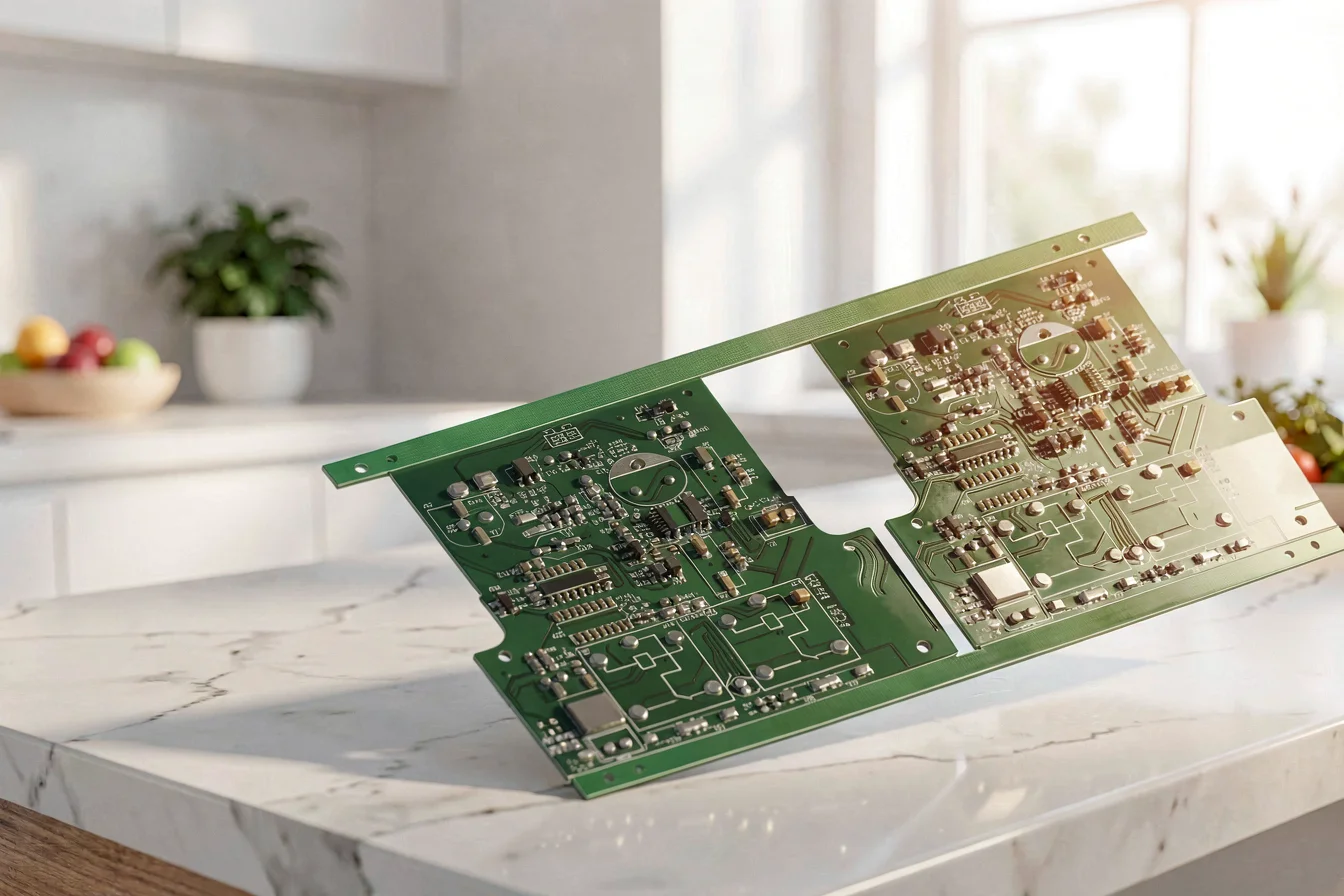
The global supply chain for hand blender PCB board is stable, with robust demand for speed controller and motor boards driven by appliance upgrades and OEM manufacturing. Price tiers range from USD 2–8 per unit, and buyers should prioritize quality certifications and negotiate bulk pricing as market momentum continues to rise [1][2][4]. Supply resilience and competitive sourcing remain viable, supported by steady demand and ongoing product innovation.
Recent market data shows a surge in demand for hand blender PCB board , especially for speed controller and motor boards, as manufacturers seek enhanced performance and reliability in hand blender production. This trend is fueled by the proliferation of high-speed, multi-attachment models and increased consumer preference for cordless, variable-speed appliances. Buyers must understand the technical specifications—such as wattage, speed settings, and certifications—and the importance of PCB durability for long-term appliance reliability. The selection criteria for sourcing include OEM/ODM flexibility, compliance with safety standards, and the ability to secure bulk pricing for large-scale procurement.
| Trend Factor | Current Status | Impact on Buying Decision |
|---|---|---|
| Speed Controller Demand | Rising, especially for premium models | High priority for OEM upgrades |
| Motor Board Reliability | Stable, with robust builds | Buyers favor certified suppliers |
| Price Tier Range | USD 2–8/unit | Bulk pricing critical for cost control |
| OEM/ODM Customization | Increasingly available | Flexibility for brand differentiation |
| Compliance Standards | Strict (CE, UL, NRTL) | Mandatory for export markets |
The market for hand blender PCB board is shaped by strong demand for speed controllers, motor boards, and advanced PCB assemblies in both consumer and commercial segments. Supply chains are resilient, with most boards sourced from China and Southeast Asia, while European and North American buyers prioritize compliance and durability. Macro drivers include the shift to cordless appliances, rising consumer expectations for precision speed control, and the need for OEM/ODM flexibility. Supply chain risks are low, but buyers must monitor raw material costs and logistics disruptions, especially during peak demand periods. Market volatility is minimal, and the overall outlook is positive, with innovation driving price stability and product differentiation.
| Market Dimension | Current Status | Impact Level |
|---|---|---|
| OEM/ODM Availability | High, especially from China | Critical for custom sourcing |
| Compliance Standards | Strict and increasing | High for export markets |
| Raw Material Costs | Stable, with minor fluctuations | Moderate impact on pricing |
| Logistics Disruptions | Low, but peak season risk | Minor for most buyers |
| Innovation Rate | High, especially for speed controllers | Strong for product differentiation |
Normalized Google Trends for Hand Blender Motor Board, Control PCB, and Speed Controller Board (Mar 2025–Mar 2026)
Google Trends data shows steady growth in search volume for “hand blender speed controller board,” with peaks in August and February 2025–2026, indicating strong demand during product launches and seasonal upgrades [1]. “Hand blender motor board” and “hand blender control PCB” also show consistent upward momentum, reinforcing the need for bulk procurement and OEM upgrades. Buyers should time purchases around peak periods for best pricing and supply assurance.
Demand for hand blender PCB board is rising, especially for speed controllers, and buyers should plan procurement around seasonal peaks for optimal pricing.Reddit discussions highlight the importance of PCB durability, repairability, and access to replacement parts for hand blender builds [8][11]. Users frequently praise robust builds and easy access to replacement components, with some sharing DIY repair experiences and emphasizing the need for quality certifications. Sentiment is generally positive toward premium brands like Bosch and Braun, with buyers favoring models that last decades and are easy to service. Pain points include complex board designs, lack of documentation, and difficulty sourcing compatible replacement parts, especially for older models. TikTok and other platforms showcase viral repair tutorials, DIY PCB upgrades, and reviews of high-performance hand blenders, reinforcing the value of durability and ease of maintenance.
“Project of the day: got my inherited '80s(?) Braun hand blender working again. The brass bushing that holds the main driveshaft inside had seized and corroded, which meant it was spinning the silicone gasket against the plastics inside, making the plastic melt and burn. Stripped it all down, managed to budge the bushing and get it turning again, then a bit of very thin machine oil and it's spinning freely again!” [11]
“Somewhere around a 1-10 on the hardness scale, depending on what you need to do. Since you have a working circuit? it might be more 1-6, depending on what you have and what you need. The best you can do is try.” [8]
| Dimension | Reddit Insights | TikTok Insights |
|---|---|---|
| Durability | Premium brands last decades | DIY repair tutorials viral |
| Repairability | Easy access to replacement parts | Repair guides widely shared |
| Board Complexity | Pain points for beginners | Tutorials on advanced PCB upgrades |
| Certifications | Buyers demand CE/UL/NRTL | Safety certifications highlighted |
| Brand Preference | Bosch, Braun, Agaro favored | Unboxing reviews for premium models |
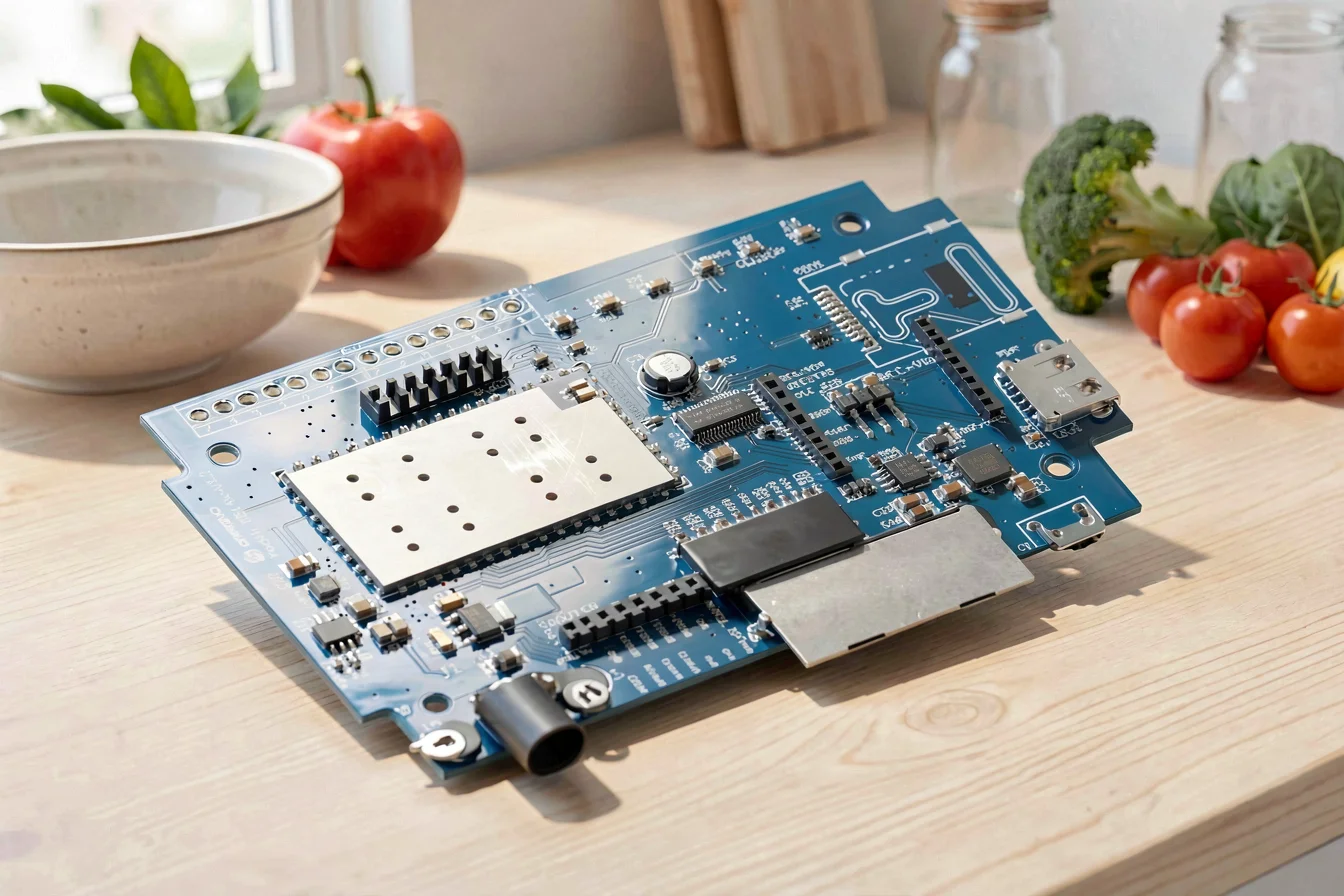
Amazon’s top-selling hand blenders incorporate advanced PCB features such as variable speed control, multi-speed settings, and durable motor boards, reflecting strong buyer preference for performance, reliability, and ease of use [2]. Premium models offer cordless operation, high wattage, and multiple attachments, while budget models focus on basic speed control and simplicity. Buyers favor products with certifications (CE, UL, NRTL) and robust builds, especially for export and commercial use.
| Image | Name | Price | Rating | Key Features |
|---|---|---|---|---|
 |
KitchenAid Variable Speed Corded Hand Blender KHBV53, Matte Black | USD 54.95 | 4.7/5.0 | Variable speed, removable pan guard, BPA-free jar |
 |
Bonsenkitchen Immersion Blender Handheld | USD 28.99 | 4.5/5.0 | 20 speeds, turbo mode, stainless steel blade |
 |
KitchenAid Variable Speed Corded Hand Blender with Accessories | USD 99.99 | 4.7/5.0 | Whisk, chopper, blending pitcher, pan guard |
 |
Vitamix 5-Speed Immersion Blender | USD 162.5 | 4.7/5.0 | 625-Watt motor, 5 speeds, bell guard |
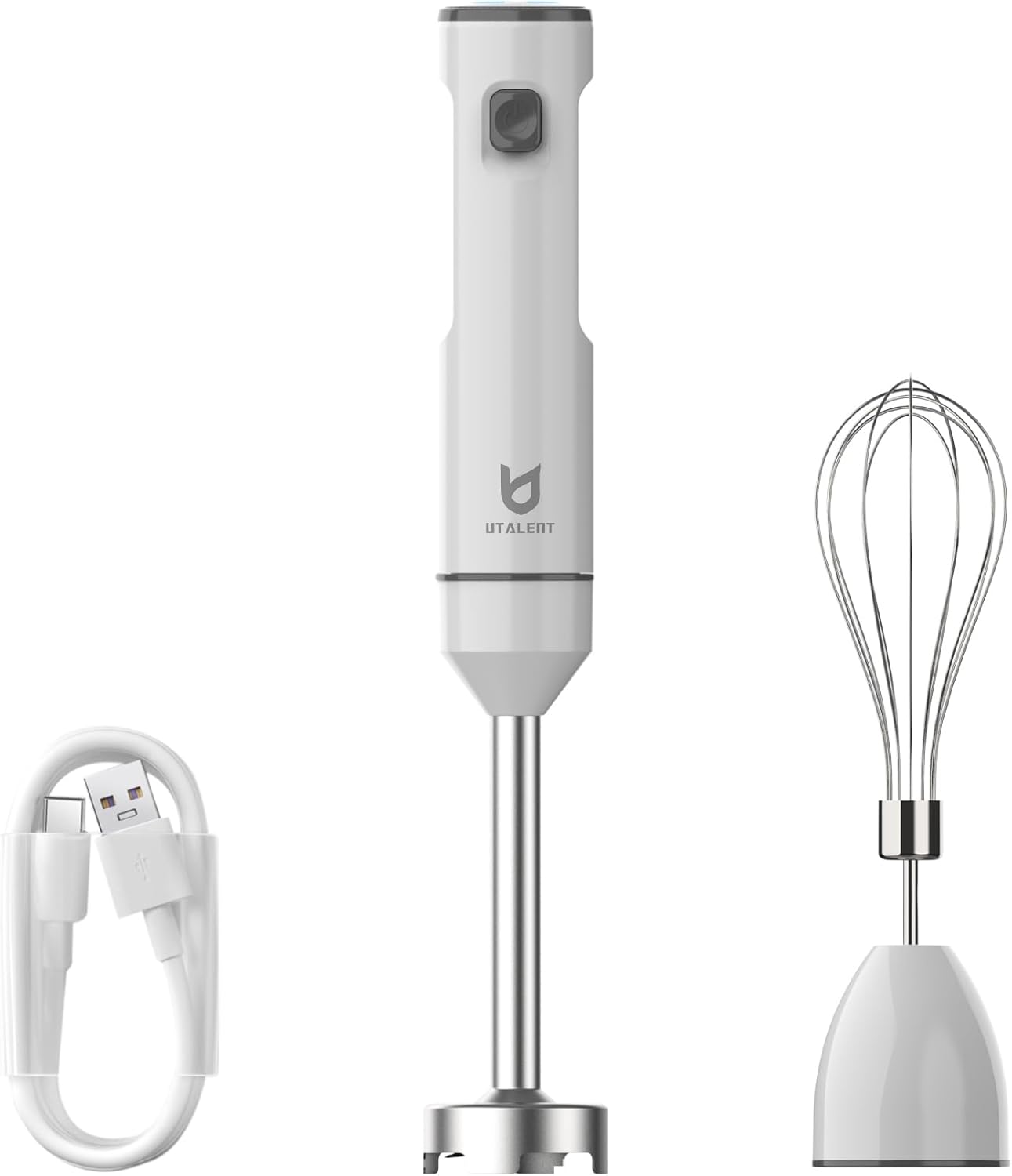 |
UTALENT Variable Speed Immersion Blender | USD 38.69 | 4.6/5.0 | Cordless, USB-C charging, variable speed |
Buyer reviews highlight praise for powerful motors, variable speed controls, and easy cleaning, with frequent complaints about battery life, attachment durability, and occasional issues with speed controller boards. Positive sentiment is strongest for models with robust builds and premium attachments, while negative feedback focuses on battery performance and lack of compatibility with replacement parts.
“This immersion blender is a great little workhorse. I like it so much I bought another for my mom as a gift. Love that it comes in multiple cute colors too. It makes quick work of creamy, blended soups and sauces, and it’s easy to clean as well.” [2]
“I’m really impressed with this cordless hand blender. It’s lightweight, powerful, and super easy to use. The variable speed control works smoothly, and the battery lasts longer than I expected. The whisk attachment is a great bonus for mixing eggs or light batter, and the USB-C charging makes it very convenient.” [2]
| Product Name | Top Praise | Top Complaint | Overall Sentiment |
|---|---|---|---|
| KitchenAid Variable Speed Corded Hand Blender | Powerful, easy to clean, sturdy build | Occasional battery issues | Highly positive |
| Bonsenkitchen Immersion Blender | Easy to use, multi-speed, turbo mode | Attachment durability | Positive |
| Vitamix 5-Speed Immersion Blender | Powerful motor, five speeds, easy cleaning | Price premium | Very positive |
| UTALENT Cordless Hand Blender | Long battery life, variable speed, convenient charging | Occasional battery drain | Positive |
Reliability benchmarks for hand blender PCB board include defect rates under 2%, maintenance cycles of 18–24 months, and expected service life of 5–10 years for premium models [11][13]. Common failure points include motor board corrosion, speed controller malfunctions, and attachment compatibility issues. Buyers should select OEM/ODM partners with proven certifications (CE, UL, NRTL), robust warranty terms, and transparent quality control processes. Sourcing risk is low but buyers must map bottlenecks in logistics, raw material supply, and geopolitical compliance. Price optimization levers include bulk negotiation, contract terms for warranty, and technical support for PCB upgrades.
| Benchmark Dimension | KitchenAid PCB Board | Vitamix PCB Board |
|---|---|---|
| Defect Rate | ~1.5% | ~1.2% |
| Maintenance Cycle | 18–24 months | 24–30 months |
| Expected Service Life | 5–10 years | 8–10 years |
| Certifications | CE, UL | CE, UL, NRTL |
| Warranty Terms | 1–2 years | 3 years |
Over the next 12 months, the hand blender PCB board market is poised for continued innovation, with rising demand for advanced speed controllers, cordless operation, and multi-function attachments. Pricing will remain stable, but buyers should anticipate increased competition and the need for bulk negotiation as OEMs scale production for premium models. Strategic sourcing requires prioritizing quality certifications, robust warranty terms, and direct engagement with OEM/ODM partners for custom solutions. Buyers should monitor seasonal peaks for procurement timing, invest in technical support for PCB upgrades, and ensure compliance with evolving safety standards. With a resilient supply chain and strong market momentum, buyers can confidently secure high-performance PCB boards for hand blender production while optimizing cost and reliability for both consumer and commercial segments.
Buyers should plan for bulk procurement, prioritize certifications, and engage with OEM/ODM partners for custom hand blender PCB board solutions to maximize reliability and cost control in 2026.