All categories
Featured selections
Trade Assurance
Buyer Central
Help Center
Get the app
Become a supplier

2026 Hot Sale Report: Concox GPS Trackers Drive the Next Wave of Vehicle Security and Fleet Efficiency

Why 2026 Is the Most Transformative Year Yet for Concox GPS Trackers

With the dawn of 2026, the vehicle GPS tracker category—particularly the global and regional surge surrounding Concox models—has become one of the most dynamic and influential product segments shaping both B2B procurement and consumer retail. The confluence of several macro events sets this year apart: rising regional theft rates, regulatory push for electronic logging and fleet management in Europe and India, pandemic-induced e-commerce growth scaling the need for logistics protection, and consumer demand for flexibility—especially in monthly, non-contract, or no-subscription tracker solutions.

For fleets, logistics enterprises, and individual vehicle owners, the persistent threat of asset theft, coupled with cost pressures and insurance premium increases, is catalyzing adoption of real-time GPS tracking devices. Notably, Concox GPS trackers—such as the model GT06N and the new dustproof, waterproof variants—have emerged as the preferred choice among professionals and end-users prioritizing robust performance without recurring enterprise commitments[1][2][3].

Seasonal purchase patterns also play a role. The spike in interest and procurement around mid-year aligns with prime retail events and end-of-financial-year fleet upgrades, evidenced by both Google Trends and Amazon sales data. Moreover, the conversation shift in forums and tech communities has been from general tracking to specialized use cases: anti-theft, insurance compliance, parental oversight, logistics data integration, accident alerting, and high-value asset protection.

In this report, we dive deep into the real-world forces driving the market, examine technical product evolution, interpret authentic buyer sentiment, dissect trend data, and present actionable sourcing intelligence for procurement leaders and commercial buyers worldwide. Consider this your full-spectrum sourcing reference for capitalizing on 2026’s GPS tracker opportunity.

The Evolution and Diversification of Concox GPS Tracking Devices

While GPS trackers as a concept have existed since satellite-based solutions were industrialized in the late twentieth century, the product landscape has radically evolved—especially under the stewardship of manufacturers like Concox. Today’s GPS tracker isn’t just a location pinger; it’s a sophisticated fleet management node, a theft disaster reducer, a remote diagnostic tool, and, increasingly, a consumer-accessible IoT device offering real-time insight and seamless cloud integration.

Product Definition: A GPS tracker is an electronic device utilizing the Global Positioning System to precisely track and record the real-time location of vehicles, equipment, or assets. Integrated cellular radios (2G, 3G, 4G, LTE), accelerometers, and cloud connectivity form modern tracker designs[5][6][7][8][10].

Historical Origins & Key Milestones:

  • 1990s: Fleet-only wired GPS units; expensive, limited coverage.
  • 2005-2015: Wireless consumer models (powered by lithium batteries), introduction of mobile apps, emergence of geo-fencing and remote cut-off functionalities.
  • 2016-2024: Explosion of B2B and B2C tracker variants; waterproof, dustproof, and miniature embedment models (Concox, Teltonika, Queclink).
  • 2025-2026: Advanced integration (4G LTE, multiprotocol GNSS, onboard sensors for driving behavior, plug-and-play formats, personalized alerting).

Major Variants:

  • Hardwired vehicle trackers: Direct connection to vehicle power, suited for continuous fleet management and logistics.
  • OBD plug-in trackers: Easy install for personal vehicles, data-rich (accident, driving log, geo-fence).
  • Battery-powered mini trackers: Magnetic, ultra-portable, suitable for concealment—anti-theft and asset tracking.
  • Waterproof/dustproof models: Use in harsh construction, marine, or off-road applications.
  • No-subscription trackers: Emerging popularity for one-time purchase with no recurring fees.

Buyer Classification Criteria:

  • Platform compatibility: Vehicle, truck, motorcycle, e-bike, construction equipment.
  • Network protocol: GSM/2G vs. LTE/4G support.
  • Battery life and power supply: Long-life cells, standby vs. active mode.
  • Operating environment: Waterproofing, dustproofing, extreme temperature endurance.
  • Connectivity options: SIM support, cloud link, app interfaces.
  • Price structure: Subscription model, no-fee, or flexible monthly plans.

Concox’s portfolio now includes the GT06N (multifunctional fleet standard), X3 (compact, sensor-rich), V5 (multi-vehicle, dust and water resistance), VL149 (4G LTE, real-time fleet control), and the WeTrack and JM series—each designed for different environments, deployment scales, and connectivity.

Community Insights and Real-World Sentiment: How Users and Pros Shape the GPS Tracker Conversation

A crucial dimension of the GPS tracker market’s evolution in 2026 is the direct feedback loop between user communities—on tech forums, vehicle owner groups, and construction/fleet professional spaces—and product adoption strategies. Social media and user-generated content from the past year spotlight a dramatic transformation in buyer priorities, frustrations, and aspirations.

Recurring Themes in User Discussion:

  • No-Contract and No-Subscription Trackers: A surge in demand for simple, flexible GPS tracking solutions dominates the conversation, particularly among small business owners, parents, and professionals who resent complex enterprise contracts or annual fees. Reviews and forum threads repeatedly mention brands and models that allow for “month-to-month” tracking, easy setup, and practical device diversity for tailored use cases. Users cite benefits such as cost control, adaptable deployment, and easy device reallocation[11][12][14][15].
  • Theft and Asset Recovery: Both retail and B2B customers share stories of positive theft recovery experiences using discreet magnetic trackers. Success is attributed to instant alerts, GPS movement notifications, and hidden device formats that outsmart thieves. In construction, fleet, and bike owner communities, practical advice centers on dual-tracker strategies: a visible “decoy” and a genuinely hidden device to maximize recovery odds[13][14][17][20].
  • Active vs. Passive Tracking Debate: Frequent comparisons—especially in motorcycle and scooter threads discuss the limited value of passive Bluetooth solutions like Apple Airtag (“not fit for theft recovery, only for lost items”) against active GPS devices (“instant geo-fence breach alerts, real-time tracking regardless of phone proximity”)[17][18][20].
  • Setup and Reliability: Long-term reliability is a top procurement concern. Buyers lament trackers that die or disconnect within a year. Recommendations focus on durable OBDII plug-in models with stable software/app support, reinforced battery protection, and resilience to vibration and extreme temperatures. Customers highlight the value of supplier stability and platform longevity in purchaser selection[15].

Negative Touchpoints:

  • “Inaccurate maps,” “poor battery life,” and “difficult setup” are repeated pain points in buyer feedback—reinforcing the need for procurement professionals to source from stable, technologically advanced suppliers able to address these gaps[2][3].
  • Resentment of forced subscriptions and inflexible software packages—users greatly value flexibility in device setting and service activation[11][14].

Positive Sentiment Drivers:

  • “User-friendly,” “accurate directions,” “large screen,” and “easy to use” are among the most widely celebrated keywords in product reviews. Real-time tracking, strong magnet mounts, and firmware update support are also hot points for positive sentiment[2][3].
  • Word-of-mouth and influencer communities recommend brands and models that deliver on these promises through demonstration videos, forum walkthroughs, and tech explainer content (especially for plug-and-play, OBDII, and mini trackers)[17].

In summary, buyer sentiment and community expertise are steering the market toward flexible, robust, accurately reporting trackers—the very sweet spot Concox is targeting with its newest models. Procurement leaders should leverage this intelligence by selecting products that demonstrably solve both functional and emotional user needs at scale.

Purchasing Intelligence: Current Market Trends and Future-Proof Buying Strategies for Concox GPS Trackers

The vehicle and asset GPS tracker market, led by Concox products, is enjoying a significant upswing in 2026—both in B2B fleet deployments and individual consumer purchase volumes. In the context of rapidly evolving user expectations and technical standards, decision-makers must interpret market data not only in terms of raw growth but as indicators of product maturity, downstream segment opportunity, and supply risk.

Category Trends:

  • Double-digit retail and wholesale volume growth: Amazon search and sales volume data show an average increase of 17.36% in GPS tracker transactions from January to July 2025 in the key subsegments[2][3].
  • Regional drivers: Indian, Southeast Asian, and European buyers propel demand, especially for subscription-free solutions and dust/water-resistant models for logistics, two-wheelers, and field construction fleets[6][8].
  • Emerging subcategories: Subscription-free and “Find My” integrated devices are capturing market share; traditional hardwired/OBD solutions persist for fleet and commercial use, with hybrid models blending both value propositions.
  • Price tiers: The best-selling retail GPS trackers range from $21.87 to $67.48 per unit, with dramatic volume concentration at the $20-$30 price point due to fleet buyers’ bulk purchasing and consumer sensitivity[4].
  • Quality divergence: Subscription models maintain higher average ratings, but stable sales for lower-rated, no-subscription devices reflect represent a strong opportunity for well-executed product improvement[2][3].

Google Trends Analysis: Search Interest Peaks Reveal Buyer Urgency and Strategic Timing

Google Trends gives critical insight into how demand for Concox GPS tracker model GT06N and related keywords has evolved globally over the past year—a key signal for procurement timing and promotional planning. Across 2025, search interest remained stable through the spring, surging sharply in the summer and autumn months.

Normalized global search interest for Concox GPS tracker terminology from Jan 2025 to Jan 2026. Notable peaks in August and December coincide with major retail and business procurement cycles.

Actionable Insight: Summer (July-August) and winter (December) are high-alert procurement windows. The peak in August (normalized value: 96) aligns with prime retail events (e.g., Amazon Prime Day), while December’s spike (value: 95) correlates with end-of-year fleet refreshes and theft awareness campaigns. Suppliers and distributors need to stock up and prepare promotional strategies in anticipation of and during these spikes[1]. Downstream buyers should seek price negotiation and bulk order discounts in these windows.

Amazon Trends Analysis: Subscription vs. No-Subscription Segment Dynamics & Sentiment Analysis

Amazon marketplace data reveals two parallel hot segments: subscription trackers and no-subscription trackers. Both see robust demand but diverge sharply in customer satisfaction and opportunity for improvement.

Normalized comparison of search volume and average monthly sales for Subscription vs No-Subscription GPS trackers, highlighting the advantage of subscription models in both volume and ratings.

Sentiment Breakdown:

  • Subscription model users report the highest positive sentiment for “user-friendly” (28%), “accurate directions” (15.9%), and “easy to use” (8.7%), with large screen and clear display completing the top five [2].
  • Negatives for subscription trackers: “inaccurate maps” (22.2%), “poor battery life” (18.4%), and “difficult setup” (13.7%). These pain points are actionable for suppliers: battery and firmware innovation must be prioritized[2].
  • No-subscription tracker buyers overwhelmingly appreciate “accurate location” (26.2%), “easy installation” (19.9%), and “strong magnets” (10.3%), but suffer from “weak magnets” (29.7%), “incomplete instructions” (26.4%), and inconsistent tracking (11.2%)[3].
  • The gap between sales volume and ratings (subscription trackers average 4.04 stars vs. no-subscription’s 3.24) signals an urgent need for product improvement and post-sale support in the no-subscription segment[2][3].

Strategic Opportunity: Subscription models offer superior retention and upsell opportunity, but the market’s hunger for subscription-free units presents ripe ground for disruptive product improvement—a strategy best executed by suppliers with flexible engineering and responsive customer service.

Hot Selling Analysis: Top 10 Amazon Bestsellers Offer Direct Insight Into Retail Buyer Preferences

The downstream retail market for GPS trackers is both broad and fiercely competitive. Drawing from the latest Amazon bestseller data, the following table highlights the top 10 products ranked by volume, with embedded images, specifications, retail and wholesale prices, and star ratings—a crucial reference for wholesale buyers and procurement strategists.

Product Image Product Name Sale Volume (Month) Retail Price Wholesale Price Avg Star Rating Core Features
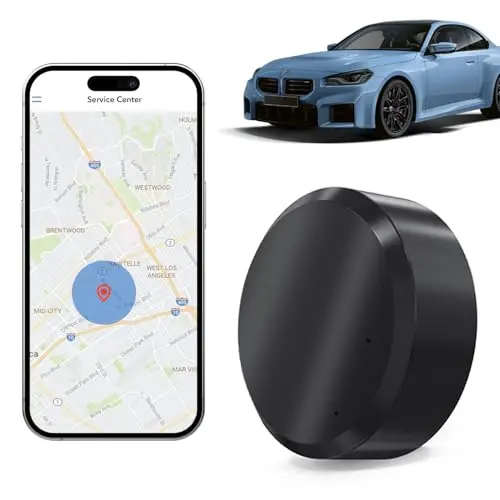
Mini GPS Tracker for Vehicles Mini GPS Tracker for Vehicles (GF11-M4) 573 $29.99 $8.66 4.4 No Subscription, Magnetic, Real-Time Tracking, Hidden Design
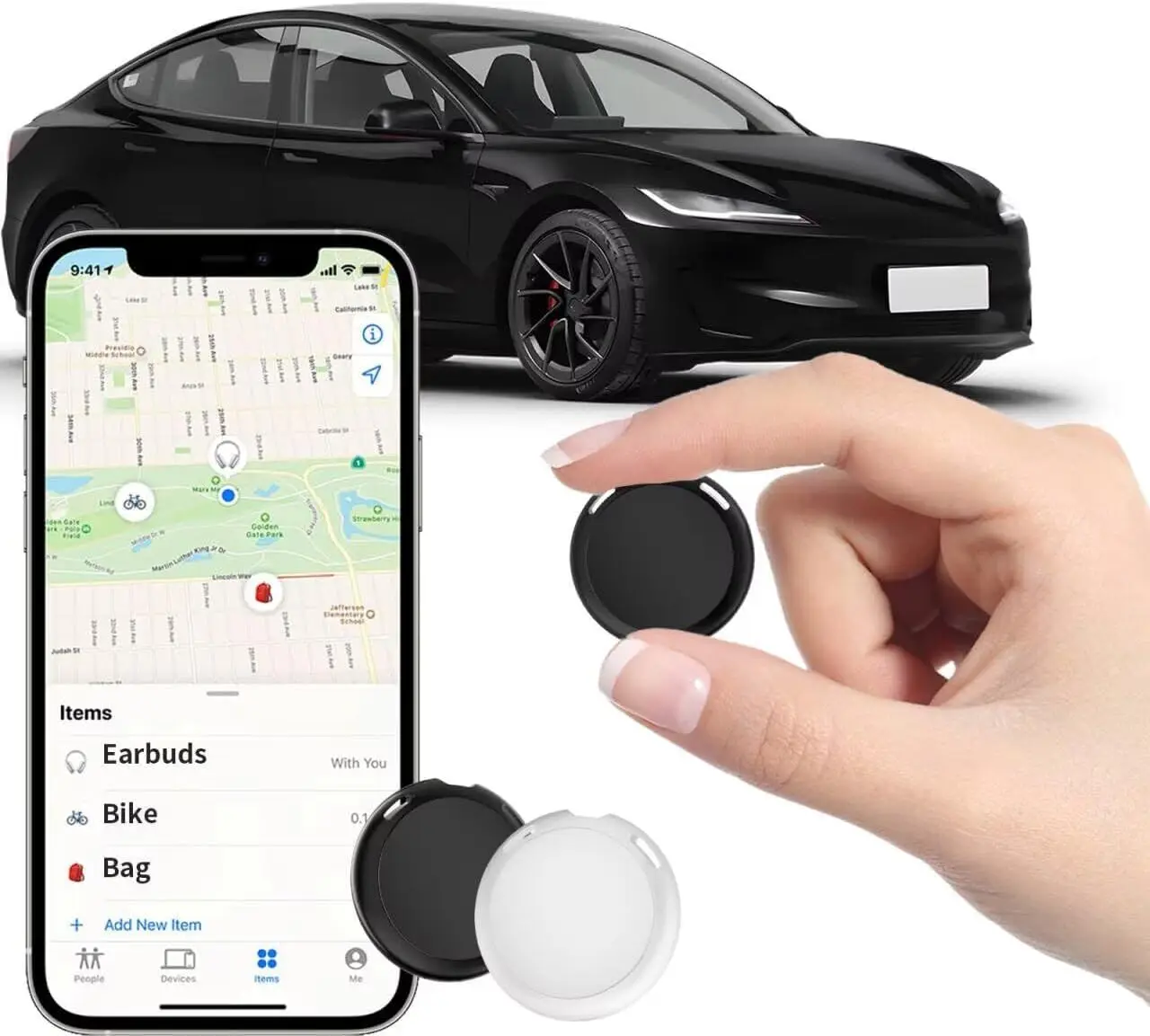
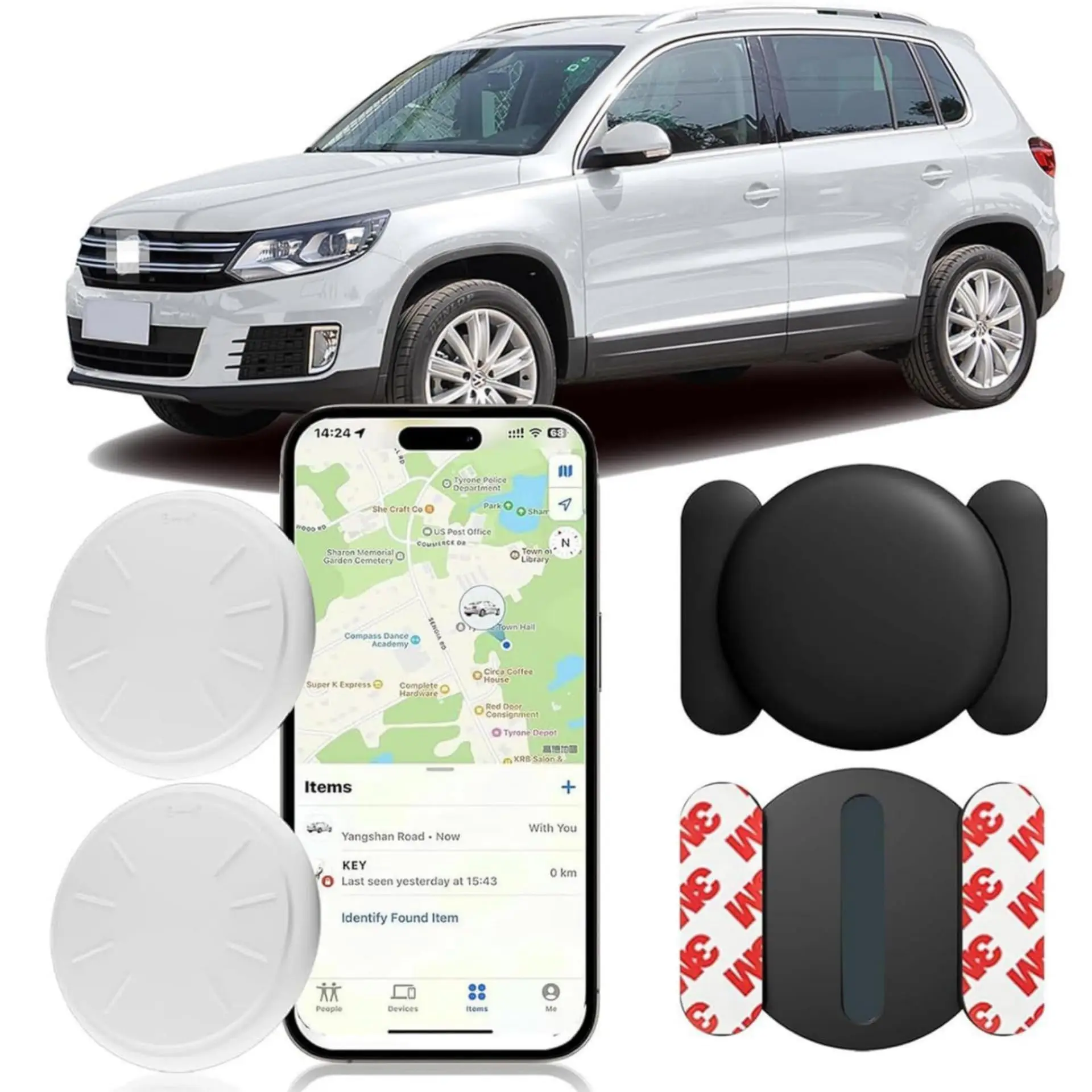
2 Pack GPS Trackers for Vehicles 2 Pack GPS Trackers for Vehicles (iOS Find My) 121 $21.87 $8.79 3.8 Global Coverage, No SIM, No Subscription
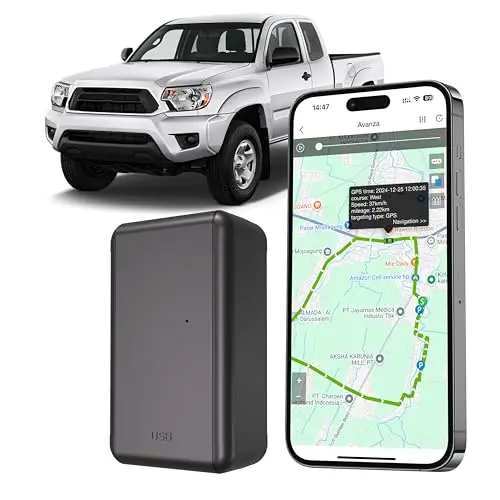
G05A GPS Tracker for Vehicle G05A GPS Tracker for Vehicle 64 $67.48 $21.89 4 Geo-Fencing, Strong Magnet, Long Battery, SIM Included
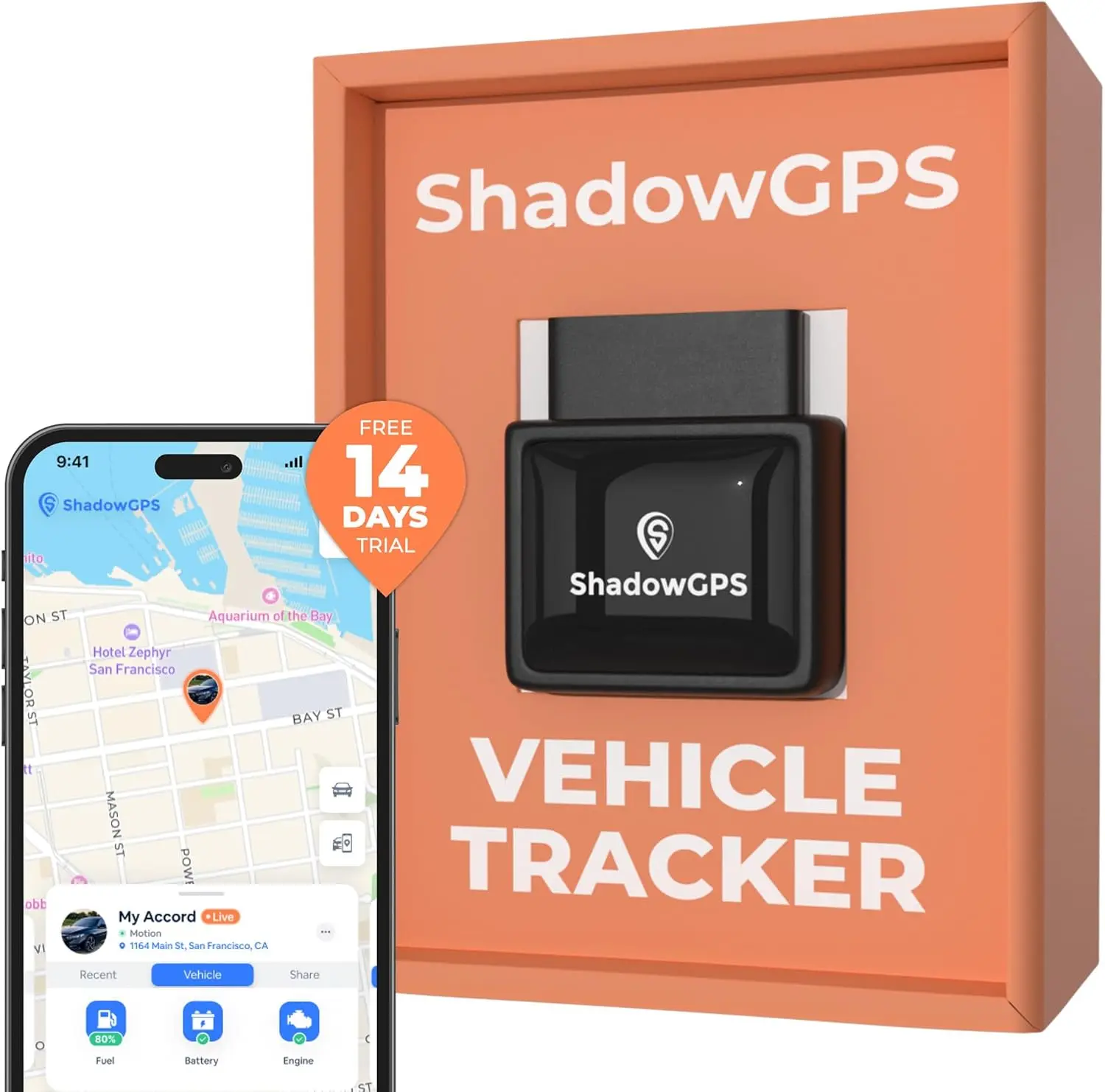
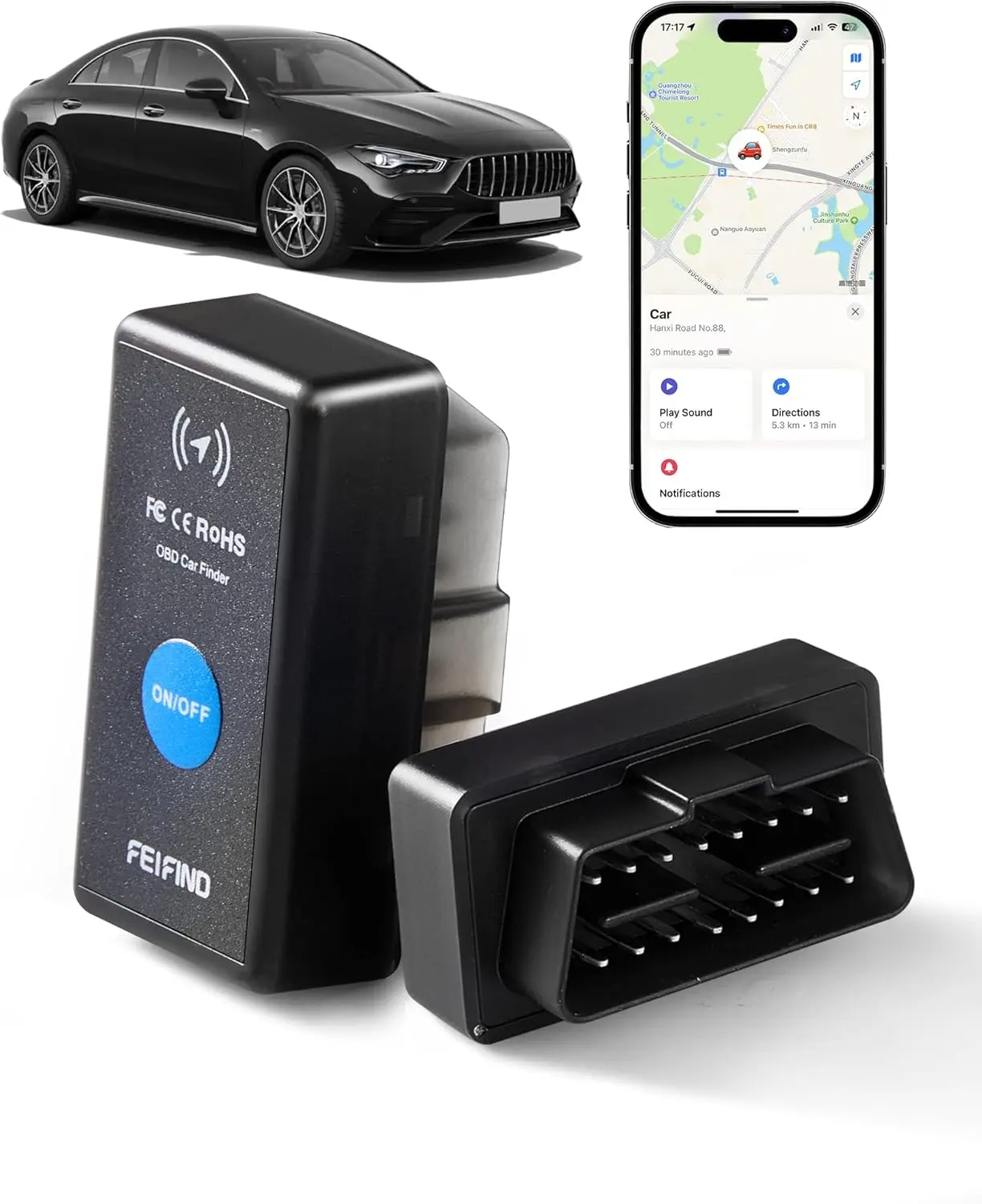
Real-Time OBD2 GPS Car Tracker Real-Time OBD2 GPS Car Tracker (Plug & Play) 58 $38.28 $6.25 4.8 Plug & Play, Driving Alerts, Geo-Fence, Free Trial
GPS Tracker for Vehicles Apple Find My GPS Tracker for Vehicles (Apple Find My) 5 $33.98 $8.97 3.4 Magnetic, Global Coverage, iOS Compatible, No Subscription
FEIFIND Mini GPS Tracker for Vehicles FEIFIND Mini GPS Tracker for Vehicles 5 $29.99 $4.98 4.5 No Subscription, Hidden Design, Global Tracking

Table data sourced from [4].

Procurement Takeaway: The ability of manufacturers to deliver a mix of monthly, subscription-free, and plug-and-play solutions at price points below $35 per unit—with robust features and star ratings above 4.0—is essential for downstream success. Higher-priced units (e.g., $67+) are viable for specialized fleet and logistic buyers, provided strong battery and geo-fencing capabilities.

Optimizing Sourcing, Minimizing Risk: Key Procurement Strategies for Concox GPS Trackers in 2026

Success in sourcing Concox GPS trackers demands a methodical, insight-driven approach. Given evolving customer pain points and expanding technology, procurement must pivot beyond simple price negotiation to a holistic supplier evaluation.

Supplier Evaluation Criteria:

  • Certifications and Standards: Ensure supplier compliance with CE, FCC, and, where relevant, AIS-140 (Indian transportation regulatory standard for trackers)[5][8]. Submodels such as WeTrack140 are pre-certified for Indian markets.
  • Production Capacity: Select suppliers with demonstrable volume capability, timely delivery, and documented logistics processes, particularly for scaling up during seasonal demand spikes[1].
  • Quality Controls: Demand regular QC reports, systematic functional testing, and sensor/firmware update logs for all shipped batches. Pay attention to battery capacity verification and waterproof/dustproof sealing tests[5][7].
  • Technical Transparency: Prioritize vendors offering comprehensive datasheets (dimensions, weight, input voltage, network frequency, sensors, supported temperature/humidity range, storage), and ready documentation of installation and app support. GT06N and V5 models illustrate best-in-class transparency with detailed specs[5][6][9].
  • Customization and Technical Support: Seek flexibility in SIM provisioning, cloud server compatibility, and localized app language support. Responsive post-sale assistance is non-negotiable; buyers relate long-term satisfaction to supplier support continuity[15].

Inspection and Quality Assurance:

  • Conduct functional tests for cold/hot start acquisition times. Leading models should meet ≤1sec hot start and ≤35sec cold start specs[5][7][9].
  • Verify operation under wide temperature range (-20°C to +70°C), and humidity tolerance.
  • Check for batch consistency in key functions—geo-fence alert accuracy, voice monitoring, and data storage capacity.

Logistics and Deployment Risk:

  • Plan for appropriate packaging—moisture barriers for waterproof models; impact protection for high-vibration environments.
  • Negotiate shipping lead times in anticipation of peak procurement months (July-August, December-January), leveraging trend forecast analytics presented above[1].
  • Consider drop-shipping or local stock arrangements in hot regions to minimize downtime.

Compliance and Market Entry:

  • For India, request AIS-140 certified models like WeTrack140[8].
  • In Europe, CE and GDPR compliance are prerequisites for fleet and personal vehicle deployment.
  • For North America, FCC certification and support for U.S. cellular bands (LTE/4G) define product eligibility[5].

Common Pitfalls:

  • Failing to specify device type for usage context (e.g., not choosing between hardwired, plug-in, or magnetic mini models).
  • Overlooking battery quality—low capacity or low-grade batteries lead to high post-sale return rates, especially for mini and magnetic trackers[2][3].
  • Insufficient support for cloud/app transitions; sudden app platform changes disrupt fleet ops or consumer usage[15].
  • Ignoring regional regulatory and insurance standards increases risk of shipment rejection.

Competitive Advantages of Concox Sourcing:

  • Global presence with regional model adaptation (e.g., VL149 LTE for India and Europe).
  • Robust technical verifiability—full datasheets, advanced sensor integration (accelerometers, accident detection, driving behavior analysis).
  • Flexible procurement models—subscription, monthly, and one-time purchase.
  • Diverse product ecosystem—OBD, magnetic, hardwired, waterproof, plug-and-play.
  • Proactive support for customizing alerts (geo-fencing, theft, harsh driving, external power cut-off).

In summary, optimal sourcing is achieved through rigorous supplier vetting, clear usage specification, demand-responsive logistics, and continuous quality oversight.

Strategic Conclusion: Action Steps for Confident Sourcing of Concox GPS Trackers in 2026

2026 is a pivotal year for both suppliers and buyers in the GPS tracker sector—marked by explosive retail interest, practical fleet deployments, and the mainstreaming of flexible and affordable tracking options. Concox and its portfolio deliver on the technical, operational, and business imperatives highlighted in marketplace and social sentiment data. Buyers gain most by approaching procurement through a dynamic, segmentation-aware lens and committing to deep supplier engagement.

Action Steps:

  • Plan procurement windows in line with search and sales peaks (July-August, December-January) to leverage negotiation and promotional opportunity[1][2][3].
  • Choose product types tailored to user sector and scenario—hardwired OBD for fleets, mini magnetic for anti-theft and retail, waterproof for logistics/construction[4].
  • Demand data transparency, certifications, and pre-shipment QC documentation to ensure product reliability and compliance[5][8][9][10].
  • Monitor sentiment and social media feedback cycles to identify improving trends or recurring pain points—steer sourcing toward evolving market requirement[11][13][14][15][17][20].
  • Insist on responsive support and proactive customization for regional markets (AIS-140, CE, FCC) and platform transitions.

The landscape for vehicle and asset tracking is being reshaped by smarter buyers, innovative suppliers, and informed communities. Whether securing a single vehicle or managing a multinational fleet, procurement professionals who harness the intelligence above will be equipped to buy—and deploy—Concox GPS trackers with maximum efficiency and minimized risk.
In this evolving market, taking action now is critical. Those that anticipate demand, ensure quality, and select technologically adaptive models will set the standard for asset protection and fleet management in 2026 and beyond.

Notice