
All categories
Featured selections
Trade Assurance
Buyer Central
Help Center
Get the app
Become a supplier
As global markets enter 2026, the cotton ghutra emerges as a product of multifaceted relevance—not only as a deeply rooted cultural garment but as a rising trend in both high fashion and everyday utility. Buyers across retail and wholesale sectors are noting an accelerated demand, fueled by a mixture of cultural pride, return of travel, and climate-driven functionality. Events such as religious festivals, business conferences in the Middle East, and the growth of "modest fashion" worldwide have uplifted interest in authentic ghutra products, especially those made from lightweight cotton that promises breathability and comfort in fluctuating climates.
Amid global supply chain recovery, the cotton ghutra is not merely a symbol of tradition but an influential player in garment market trends, driven by both domestic wearers and international customers. Key buyer behavior shifts include an appreciation for heritage styles and customization, as well as increased scrutiny on material quality and durability. With summer seasons predicted to be hotter due to climate patterns, and the regional trend of outdoor and travel activities growing, products that blend protection from the sun with a dignified look—like the cotton ghutra—are forecasted for significant expansion in volume throughout 2026. Recent marketing pushes from major Gulf cultural organizations and influencers have further amplified the ghutra’s appeal, making it a headline item on procurement lists, especially among boutique retailers and high-end event suppliers [2][5].
Seasonal cycles matter too, as the first and third quarters see spikes aligned with Ramadan, Eid, and expo events in cities like Dubai, Abu Dhabi, and Riyadh, creating strong pull for both ceremonial and gifting purposes. The demand for eco-friendly cotton fabrics also aligns the ghutra with global trends towards sustainable sourcing and ethical garment production. It stands today as an item where buyers are seeking both identity affirmation and marketable fashion potential—a combination that ensures its place in top seller trend lists for 2026.
For procurement professionals, retailers, and cultural goods buyers, it’s essential to grasp what distinguishes a cotton ghutra from other headwear. The term "ghutra" refers to a traditional rectangular or square piece of cloth—typically pure cotton—that is worn as a headdress, especially by men in the Gulf countries [2]. Its core function covers both practical protection (from sun, dust, and wind) and symbolic representation of cultural dignity, modesty, and status within society [3][4]. Often, the ghutra is plain white, meticulously folded, and worn atop the head. It is secured with a black cord known as the Agal, which not only holds the cloth in place but also adds a further layer of visual identity.
Historically, the ghutra traces its roots deep into Arab tradition, with images and stories dating back to the 19th century showing its prevalence among Bedouins, traders, and leaders alike [4][5]. While the origins and earliest forms remain somewhat ambiguous, what’s clear is its evolution from basic utilitarian wear into modern expressions of elegance, adaptability, and even resistance: the keffiyeh variant, featuring black-and-white patterns, is particularly associated with the Levant and Palestinian cultural identity [2].
In terms of classification, buyers will encounter a spectrum:
Major classification criteria for buyers include fabric quality (thread count, weight, purity), color and pattern (traditional versus modern variants), intended usage (ceremonial versus practical), and finishing accessories (e.g., agal, kufi, decorative trims). Any credible wholesaler or manufacturer should provide detailed specifications in these areas to support B2B sourcing decisions [3][5].
Recognizing the differences in terminology and style—especially how "ghutra," "keffiyeh," and "shemagh" may overlap or diverge in local usage—is critical when negotiating with suppliers or positioning products for specific regional consumer segments.
Social media platforms and online communities—while not centered specifically around cotton ghutra—offer real-time insight into wider fabric trends, consumer demands, and sourcing priorities that shape market intelligence for buyers everywhere. The tone and thematic core of user discussions in 2026 revolve around several key factors:
Comfort and Breathability Dominate Cotton Textile Choices: Across forums and conversations, the desire for comfort, breathability, and authentic cotton is clear [7]. Whether the purchase is for kurtas, scarves, or home textiles, buyers repeatedly emphasize the superiority of pure cotton, noting its "cool and comfy" feel, especially during hot summer periods [6]. Fashion-conscious users prefer soft handloom finishes and comment that synthetic blends dilute both comfort and cultural value.
Durability and Long-Term Performance: Consumers show a marked preference for textiles that hold up over time—softening gently without losing structure, and resisting fraying or fading through repeated use and washing [10]. Sourcing conversations reveal a strong push towards handloom and block-printed cottons, which offer both durability and design variety.
Sourcing Directly from Trusted Manufacturers: Indian and Middle Eastern buyers increasingly bypass mass-market platforms in favor of direct relationships with manufacturers or agents skilled in handling premium cotton fabrics [9]. Key regions for sourcing include Ichalkaranji, Erode, and Balotra in India, with similar strategies visible in Gulf textile clusters. The value of timely delivery, product consistency, and transparent supply chains is repeatedly highlighted.
Customization and Unique Design: Textiles communities frequently trade ideas for adapting classic fabrics into new forms, such as restyling saris for personal events or quilting unique wedding gifts with regional cotton [10][12]. This underscores an ongoing trend: the search for individualization, which now affects how buyers segment their ghutra inventory (special event, gifting, boutique, mass retail).
Community-Driven Authenticity and Respect for Cultural Arts: Across multiple threads, there is debate about crediting original artists in design sharing, supporting small business makers, and upholding cultural symbolism in product use (as with the ghutra or traditional kurtas) [11]. Buyers who source products with local cultural respect often see stronger sentiment and loyalty from final consumers.
In summary, international buyers observing these conversations should prioritize cotton quality, authentic sourcing, customization options, and supplier transparency—all factors that heavily affect downstream purchasing decisions and repeat business in the textile category.
The global marketplace for cotton ghutra in 2026 displays remarkable volatility—prompted by resurgent travel, evolving fashion standards, shifts in retail channels, and the growing profile of Gulf-inspired garments worldwide [5]. Let’s break down core observations:
Market Size and Growth: While exact figures fluctuate per region, analysis reveals an upward trajectory in ghutra product movement, especially across the GCC nations (Saudi Arabia, UAE, Qatar), North Africa, and Southeast Asia. The category has seen double-digit year-on-year growth in some key markets, due to rising ceremonial use and fashion adoption by new demographics [2][5]. Mid-tier and luxury boutiques are driving demand for premium variants, while major retailers tap the utility segment (military, travel, outdoor fashion).
Regional Preferences: Gulf countries prefer the plain white ghutra for both formal and daily wear; Jordan and Palestine favor patterned shemagh/keffiyeh styles [4]. North African buyers are increasingly blending traditional and modern designs, and Southeast Asian Muslim consumers are showing heightened interest in authentic Gulf headwear.
Emerging Subcategories: There is visible growth in commercial variations: lightweight travel scarves, high-thread-count ceremonial ghutra, fashion-adapted keffiyeh with pro-heritage messaging, and luxury offerings for event gifting. Custom packaging, eco-friendly certifications, and personalized embroidery are trending among higher-end segments [5].
Price Tier Analysis: The lower end of the market (small retailers, B2B bulk) prefers basic white cotton at wholesale prices below $3.5 per unit, while mid-to-high-end fashion lines (with premium finish, luxury packaging) fetch retail prices upwards of $15-$30—especially in export or specialty channels. Volume discounts and lead time guarantees are key incentives for larger buyers.
Now, let’s delve into the retail-powered hot selling analysis, representing the actual downstream buying trends and product ranking for the latest month:
2026 Amazon Cotton Ghutra Hot Selling Analysis: Top 10 Bestsellers Table
Below is a data-driven summary of the top 10 Amazon cotton ghutra and shemagh/keffiyeh products based on latest sale volume, rating, price, and specification. Note that each unit reflects actual consumer purchases and brand competitiveness [1].
| Image | Product Name | Average Rating | Latest Month Sale Volume | Retail Price | Wholesale Price | Key Features |
|---|---|---|---|---|---|---|
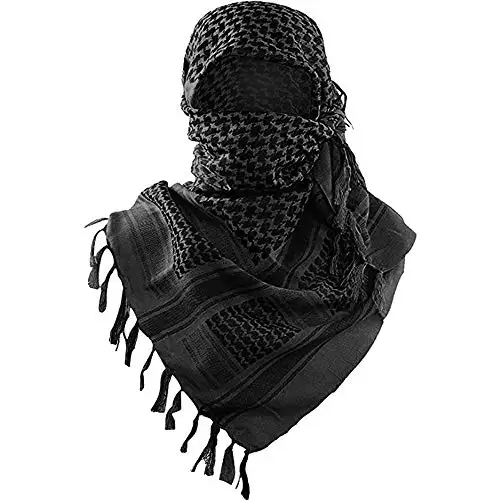 |
Luxns Military Shemagh Tactical Desert Scarf / 100% Cotton Keffiyeh Scarf Wrap for Men And Women | 4.6 | 3715 | $11.74 | $3.24 | 100% cotton, tactical/military style, versatile head wrap |
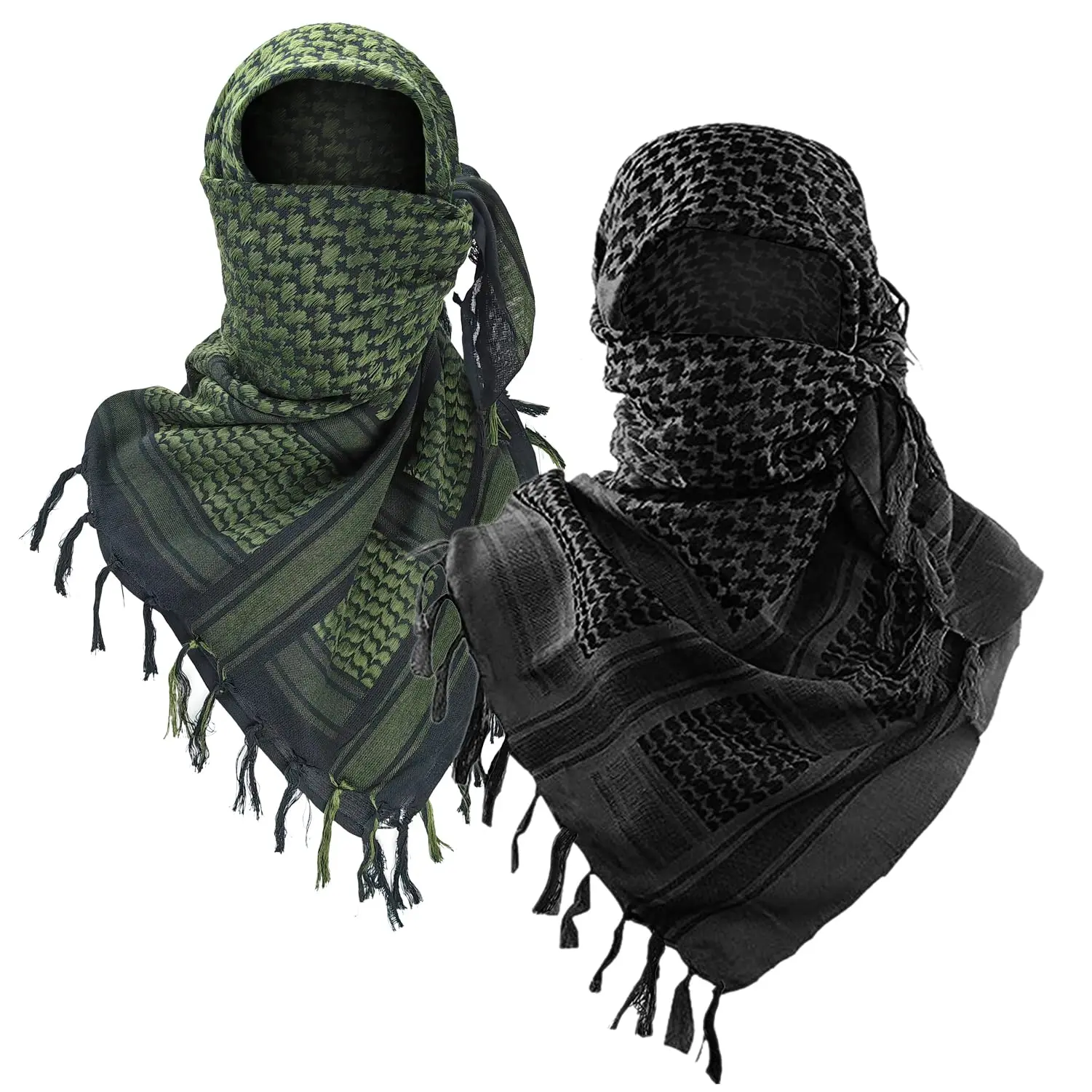 |
Luxns Military Shemagh Tactical Desert Scarf / Black&Black-Green 2Pack | 4.5 | 3302 | $23.88 | $3.16 | Pack of two, 100% cotton, multiple colors, tactical use |
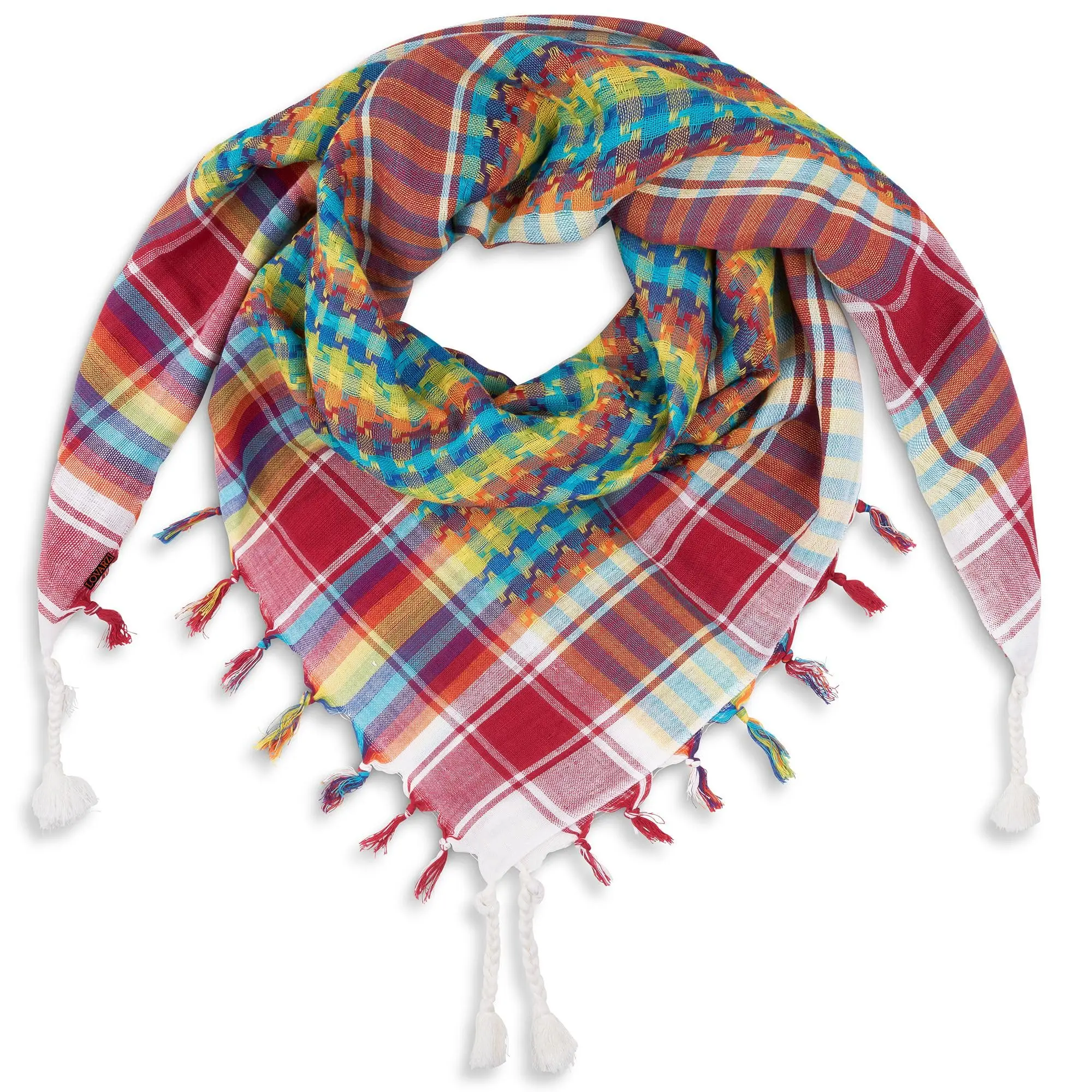 |
LOVARZI Face Scarf for Men Women Cotton Desert Scarves - Rainbow Palestinian | 4.6 | 899 | $6.11 | $2.55 | Colorful design, gift option, travel accessory |
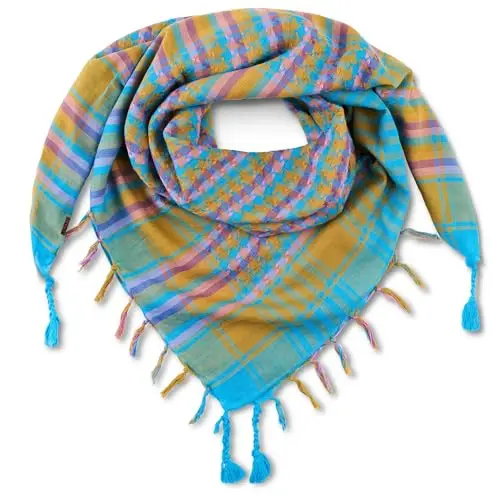 |
LOVARZI Desert Shemagh Scarf - Stylish & Versatile | 4.6 | 890 | $10.49 | $1.62 | Versatile use, all ages, stylish accessory |
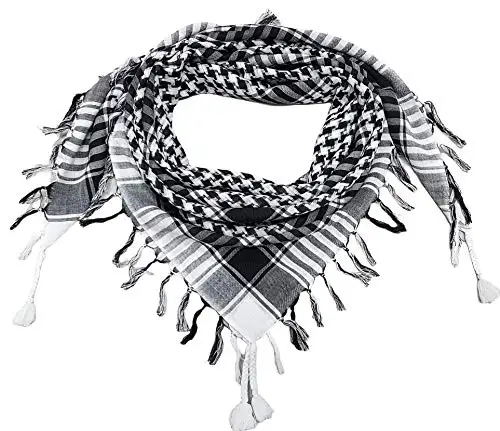 |
Elu Shemagh Scarf Men - Women / 100% Cotton Military Shemagh Head Wrap (White-Lightweight) | 4.6 | 252 | $9.42 | $2.83 | Lightweight, white, tactical, summer use |
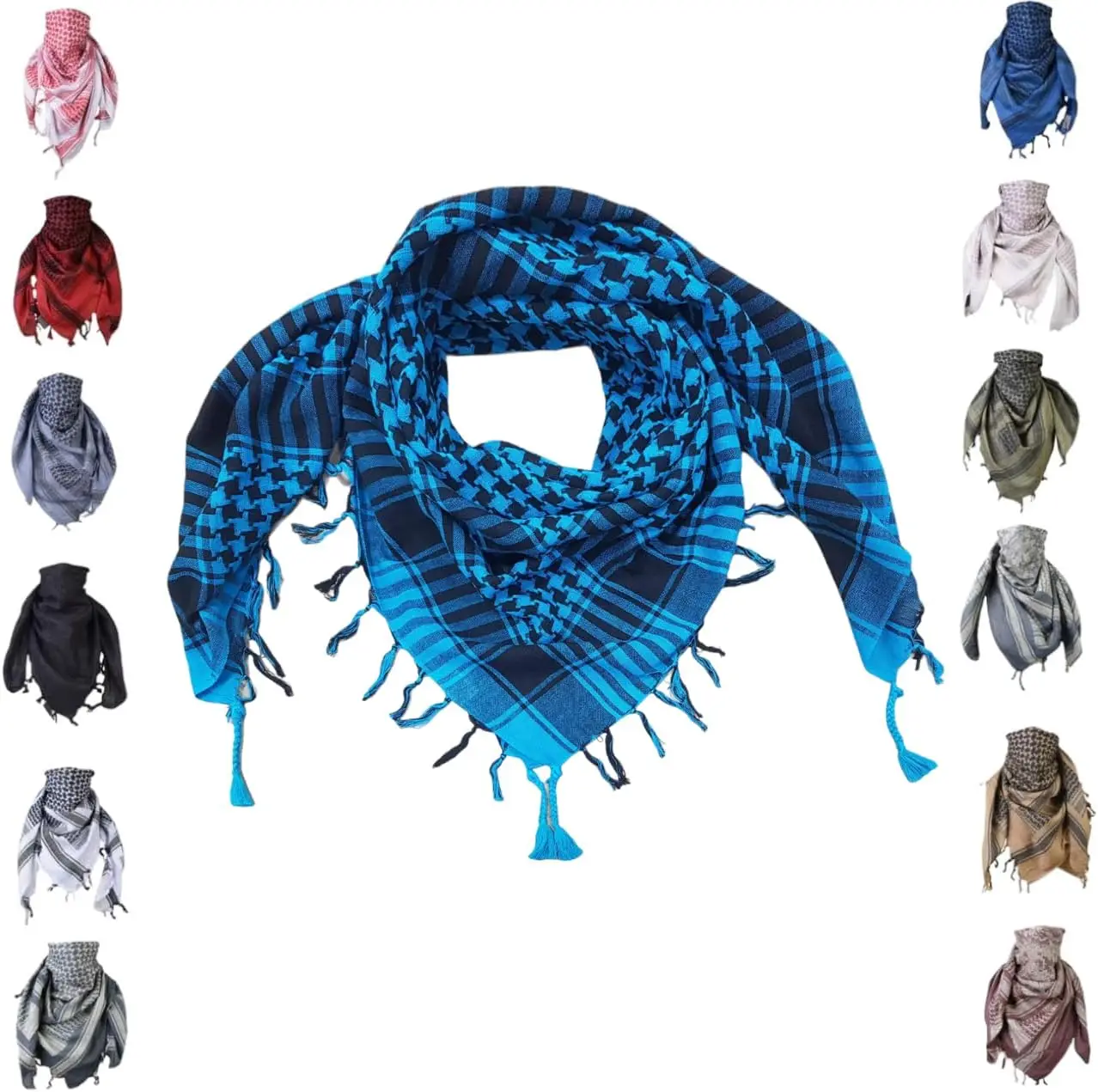 |
SheKaf Shemagh Scarf Men - Women / Cotton Military (Turquoise Lightweight) | 4.4 | 193 | $6.90 | $3.00 | Turquoise color, gift, lightweight |
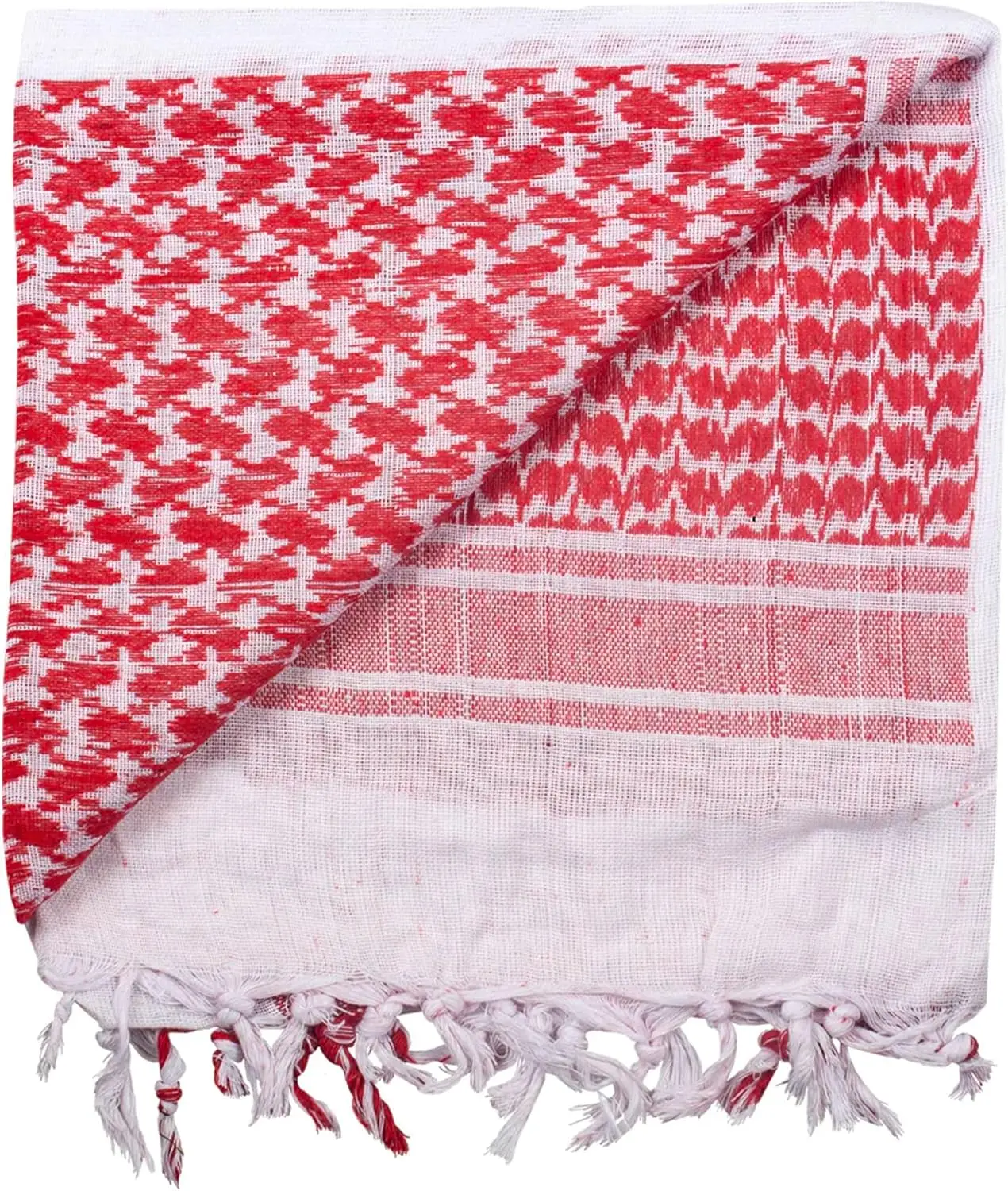 |
Fox Outdoor Products Tactical Shemagh, Red/White | 4.5 | 90 | $10.30 | $3.31 | Red/white, tactical, outdoor use |
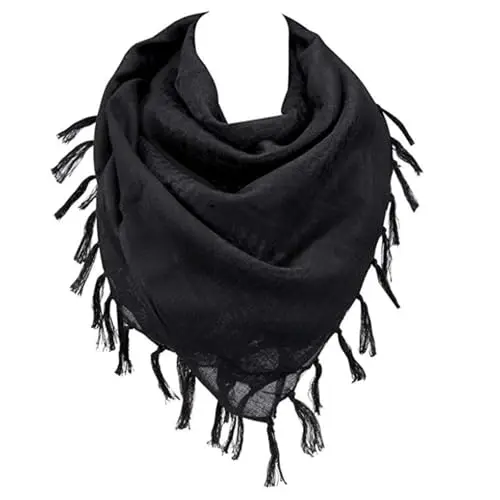 |
BY FMA Cotton Shemagh Arab Tactical Desert Military Scarf (Black) | 5.0 | 28 | $9.01 | $2.52 | Black color, windproof, military utility |
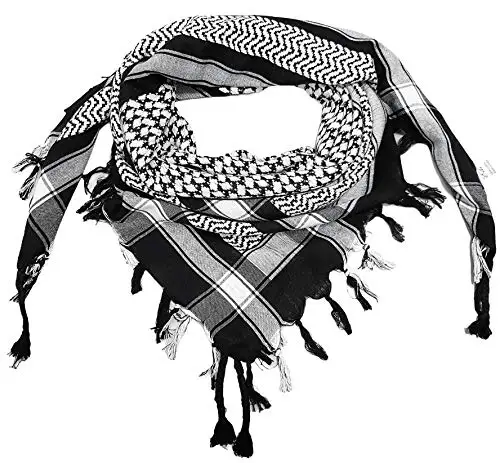 |
Elu Shemagh Scarf Men - Women / Cotton Military Shemagh (BLACK JAQUARD) | 4.6 | 9 | $9.83 | $6.34 | Black Jaquard, Palestine design, tactical wrap |
 |
Men’s Arab Shemagh Headscarf Desert Keffiyeh Headwear Cap with Aqel Rope | 3.8 | 5 | $16.46 | $4.84 | Complete set, Agal included, formal use |
Table data sourced from [1].
Analysis: Top sellers reflect a split between tactical/military shemagh (multicolor, durable, outdoor utility) and traditional white/black ghutra (ceremonial, fashion-oriented), with most products averaging retail prices of $6-$16 and wholesale offers down to $2.50-$6.50. Highest sale volumes correlated to multi-pack offers, premium cotton description, and recognized brands. Notably, the best-performing units also featured above-average star ratings (4.5+) suggesting strong user satisfaction on comfort and quality.
Actionable Recommendations:
For procurement professionals and wholesale buyers, successful sourcing in the cotton ghutra category requires a blend of diligence, cultural awareness, and market insight. Here are foundational strategies and considerations to lead in 2026:
Supplier Evaluation: Focus on manufacturers with documented certifications (ISO, OEKO-TEX, GOTS for organic cotton), robust production capacity, and transparent quality management systems. Factory audits should review both material input (purity of cotton fiber, sustainable sourcing disclosures) and process controls. Look out for suppliers with experience exporting to Gulf regions, as compliance with local wear standards and cultural symbolism adds value.
Quality Control and Inspection: Enforce multi-stage inspection—from raw material sourcing to finishing and packaging. Key checkpoints include:
Logistics Planning: Purchasing teams should confirm lead times (ideally within 10-30 days for bulk), negotiate volume break discounts, and secure flexible shipping terms (sea, air, courier, as appropriate for value segments). Monitor customs documentation where relevant—import/export codes for textiles in target regions often change or have specific restrictions, particularly for religious or ceremonial wear.
Certification and Compliance: For buyers serving GCC markets, it is essential to verify supplier certificates for national textile health and safety, cultural garment authenticity, and local ministry approvals where applicable. Compliance with eco-labeling is increasingly sought by premium and boutique retailers [2][5].
Common Pitfalls and Avoidance Techniques:
Competitive Advantages: Buyers sourcing from verified suppliers with direct Gulf experience, sustainable certifications, and flexible customization stand to gain market loyalty and repeat volume—particularly in the event, gifting, and luxury retail sectors. Maintaining a relationship network within textile communities and sourcing forums accelerates troubleshooting and opportunity recognition [9].
Finally, invest in supplier partnerships that offer responsive after-sales support, multi-channel communication, and ongoing innovation in packaging and product design. These suppliers are best positioned to meet evolving buyer demands for both authenticity and marketable product features.
Drawing together cultural legacy, market dynamism, and real-time sales intelligence, the cotton ghutra sector enters 2026 as a top contender for international sourcing, retail innovation, and robust consumer engagement. Proven trends—high-volume tactical shemaghs, versatile multi-pack offers, and luxury ceremonial variants—reveal immediate opportunities for buyers across all market segments.
As buyers look ahead to the next 6-12 months, the most critical moves are:
In summary, the cotton ghutra embodies both a connection to cultural roots and a runway for business growth. Buyers who align sourcing strategies with intelligence and respect for heritage will confidently ride the wave of expanding market opportunity in 2026. Invest now in authentic product, reliable suppliers, and agile operations to secure your place in a surging best-seller segment.