
All categories
Featured selections
Trade Assurance
Buyer Central
Help Center
Get the app
Become a supplier
Thermos bottles—also known as insulated water bottles, tumblers, and vacuum flasks—have once again taken center stage in 2026 as indispensable products that bridge practicality, health, style, and sustainability. This year, the drinkware category isn’t just about keeping coffee hot or water cold; it’s about making a personal and cultural statement. Viral trends from previous years, especially the Stanley Cup craze, have transformed hydration vessels into status symbols, fashion pieces, and, for many, daily companions [9]. Social media influencers, younger consumers, and eco-conscious communities have all played a role in driving demand up and pushing innovation fast forward.
Summer heatwaves and year-round outdoor lifestyles continue to shape buying patterns, but what sets the current climate apart is a growing focus on health, sustainable material sourcing, and ever-evolving product design. In the wake of increased awareness about microplastics and a new wave of plastic-free advocacy, buyers are scrutinizing both the functionality and the safety of every thermos purchase. Gen Z and millennial consumers, in particular, are driving new preferences—prioritizing easy cleaning, leakproof lids, and all-day temperature retention, whether they’re commuting, gym-bound, or hiking.
Special occasions and gifting have also injected energy into the market. Custom gradient tumblers for branding, birthdays, and corporate events are trending as personalized hydration solutions, multiplying sourcing opportunities for wholesalers and retail buyers alike [7]. Whether for home, school, office, or travel, the thermos is now a hot item no buyer can afford to overlook.
A thermos, commonly known as a vacuum flask, is a container engineered to maintain the temperature of its contents—typically hot or cold liquids—by employing double-wall insulation and/or vacuum technology [8]. The principle is simple but ingenious: a thermal barrier, often a vacuum or foam, eliminates nearly all heat transfer via conduction, convection, and sometimes radiation. The result is hours—sometimes an entire day—of consistent temperature retention, whether you're preserving hot tea on a winter hike or keeping electrolyte drinks ice-cold through a summer festival.
Historically, the thermos emerged in the late 19th century as an innovation for laboratories before quickly evolving into consumer staples for explorers, workers, and everyday home use. Over decades, material improvements led from the classic glass-lined models—prized for taste neutrality but prone to breakage—to the contemporary dominance of stainless steel. Modern thermoses boast advanced features like triple-wall insulation, food-safe silicone seals, leakproof lids, ergonomic handles, easy-pour spouts, and custom branding options [6][7].
Today’s market features a wide array of thermos bottles and tumblers, each catering to distinct user requirements:
In 2026, the thermos has become a subject of passionate conversation in online communities, fueling demand, product improvement, and even activism. What truly turns the tide is the cross-platform resonance around plastic-free design, durability, and leakproof performance. Recent discussions reveal that buyers want assurance not just for insulation—but for health and journey reliability. The plastic-free movement, fueled by concerns over microplastics, is pushing brands to go beyond superficial changes and truly reengineer lids, caps, and seals [13][10][14].
Consumers frequently cite frustrations: finding true plastic-free thermoses proves difficult, as most lids incorporate plastic elements for durability or sealing. Those determined to avoid any plastic—especially when carrying boiling water—gravitate to rare models like the Klean Kanteen TKPro, glass-lined flasks with cork stoppers, or hack solutions such as all-metal or even glass jars in insulating sleeves [10][13][14]. When brands discontinue these rare "100% metal" options, a vocal minority sounds off, seeking used products on secondary markets.
Leakproof performance is non-negotiable for many. Buyers openly share negative experiences—spill disasters in backpacks, failed gaskets, and unreliable mechanisms. In contrast, brand advocacy emerges around proven models: Stanley Classic Legendary Bottle is praised for decades of reliability, Contigo for its perfect seal, and Zojirushi for unmatched heat retention [11][12]. Convenience is intertwined with quality; users want one-touch operation, no-fuss cleaning, and lids that don't trap gunk or break down over time.
Material taste is another key point—some avoid stainless steel to prevent metallic flavor, pursuing options in glass or titanium despite higher costs or fragility [14]. Value considerations surface: while top brands command premium pricing, many contributors affirm that a trusted bottle costs less long-term than multiple replacements. Product longevity, multi-functional use (from school runs to camping), and customizable finishes round out the spectrum of buyer requirements [7].
Finally, online testimonials steer new buyers: “My thermal keep cup never leaks,” “Tiger bottle keeps water boiling overnight,” and “Hydroflask with metal lid—no plastic contact,” signal trusted pathways for procurement. Whether seeking sustainability, design innovation, or rugged reliability, social sentiment is shaping purchasing intelligence at every turn.
The global thermos and insulated drinkware market is experiencing another record year in 2026. Market size and growth rates point to robust expansion, with year-over-year sales up across nearly all insulated bottle segments [1][2][3]. Key factors driving this growth include the rise of outdoor lifestyles, heightened awareness of material safety, evolving workplace habits, and the advent of viral drinkware trends led by the Stanley Cup and Hydro Flask.
Demand surges in the spring and summer months, particularly in regions with active outdoor communities. The US, Western Europe, Australia, and parts of Asia Pacific are hotbeds for new releases and design innovations, while emerging markets are beginning to catch up—favoring practical, value-priced options [9]. Wholesale buyers and brand developers are particularly attracted to customizable models, gradient finishes, and products that achieve compliance with ever-stricter safety standards [7].
Price tier analysis shows mid-to-high-end bottles (retail: $28-$50, wholesale: $3-$33) dominating the bestselling lists, especially among buyers who equate higher prices with performance guarantees. Entry-level models compete aggressively on price, while premium brands remain resilient due to strong consumer loyalty and better durability.
Both search volume and sales data from Amazon reveal decisive patterns among the three leading segments in 2025-2026. Sports bottles lead by volume and growth, appealing most to travelers and fitness enthusiasts; kids’ bottles hold steady, with periodic demand spikes; and large bottles, while smaller in raw sales, showcase niche but consistent growth among campers and advanced users [1][2][3].
Below, a normalized bar chart contrasts monthly average sales for these segments, highlighting late-year peaks and actionable insights for sourcing professionals.
Monthly Average Sales Comparison for Kids, Sports, and Large Insulated Stainless Steel Water Bottles, Aug 2025 - Jan 2026
Actionable insight: To maximize retail and wholesale profitability, prioritize sourcing sports bottle formats with proven insulation and leakproof design, while customizing for niche outdoor and children’s markets. Address common consumer complaints—mainly leaks, cleaning difficulty, and insulation failure—to capture the segment expecting innovation.
Sentiment analysis of top Amazon reviews reflects distinct priorities:
The downstream retail landscape showcases clear leaders in both sales volume and brand reputation. Below, the top 10 products ranked by latest monthly sales highlight what’s working at scale: advanced vacuum insulation, wide-mouth design, leakproof lids, aesthetic options, and—where possible—plastic-free performance [4].
| Product Image | Name & Description | Capacity | Avg Rating | Latest Monthly Sales | Retail Price | Wholesale Price | Key Features |
|---|---|---|---|---|---|---|---|
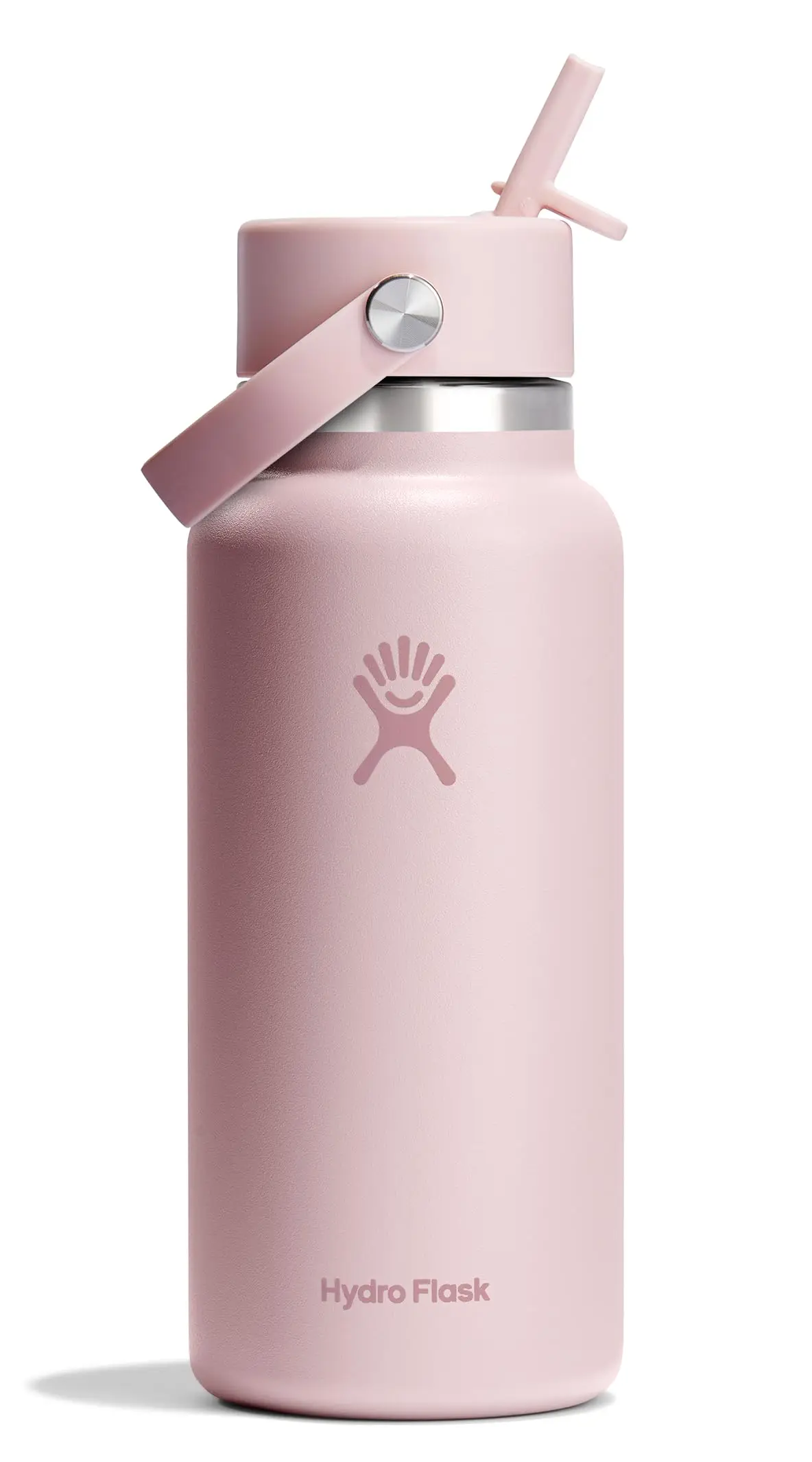 |
Hydro Flask Water Bottle, 32 Oz, Wide Straw Lid, Trillium Pink | 32 oz | 4.7 | 29721 | $41.37 | $3.23 | Non-Spill, Leakproof, Lifetime Warranty |
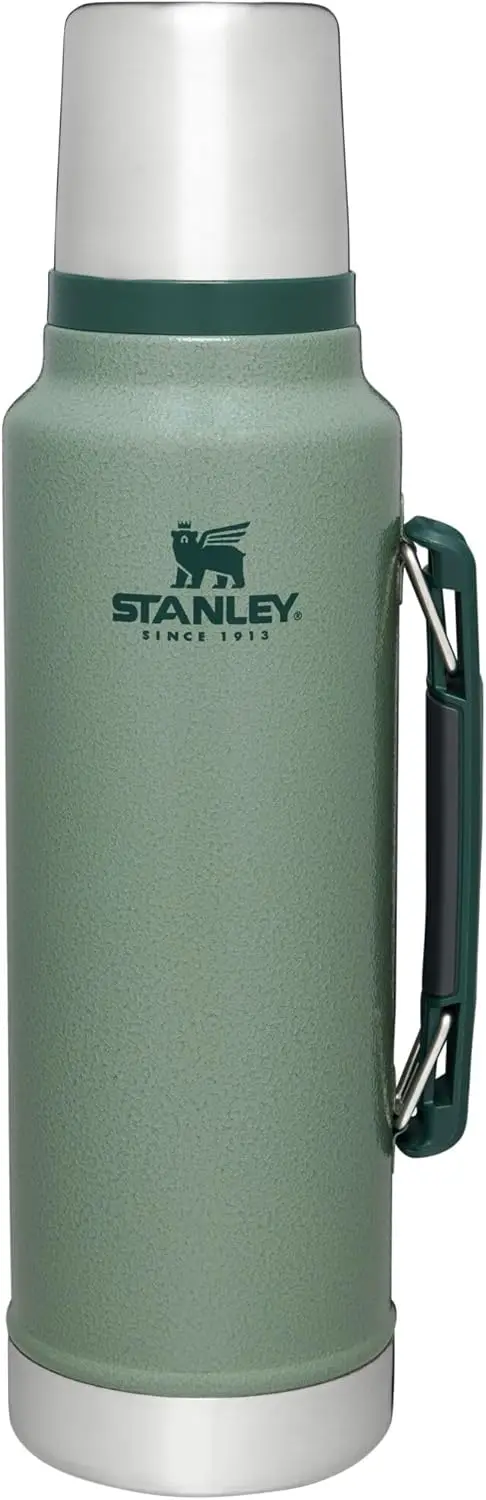 |
Stanley Classic Legendary Vacuum Bottle, 1.5 qt, Hammertone Green | 1.5 qt | 4.7 | 6970 | $45.00 | $33.69 | Leakproof, Wide Mouth, BPA-Free, Vacuum Insulation |
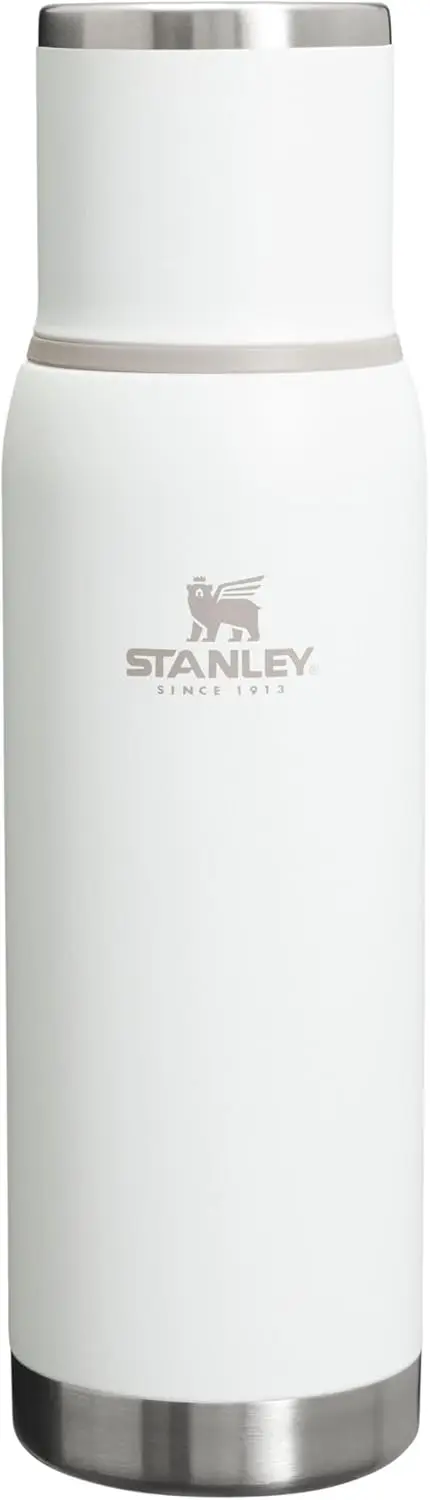 |
Stanley Adventure-To-Go Vacuum Bottle, 1.1 qt, Frost | 1.1 qt | 4.6 | 4094 | $30.00 | $20.57 | Leakproof, BPA-Free, Packable, Double-Wall |
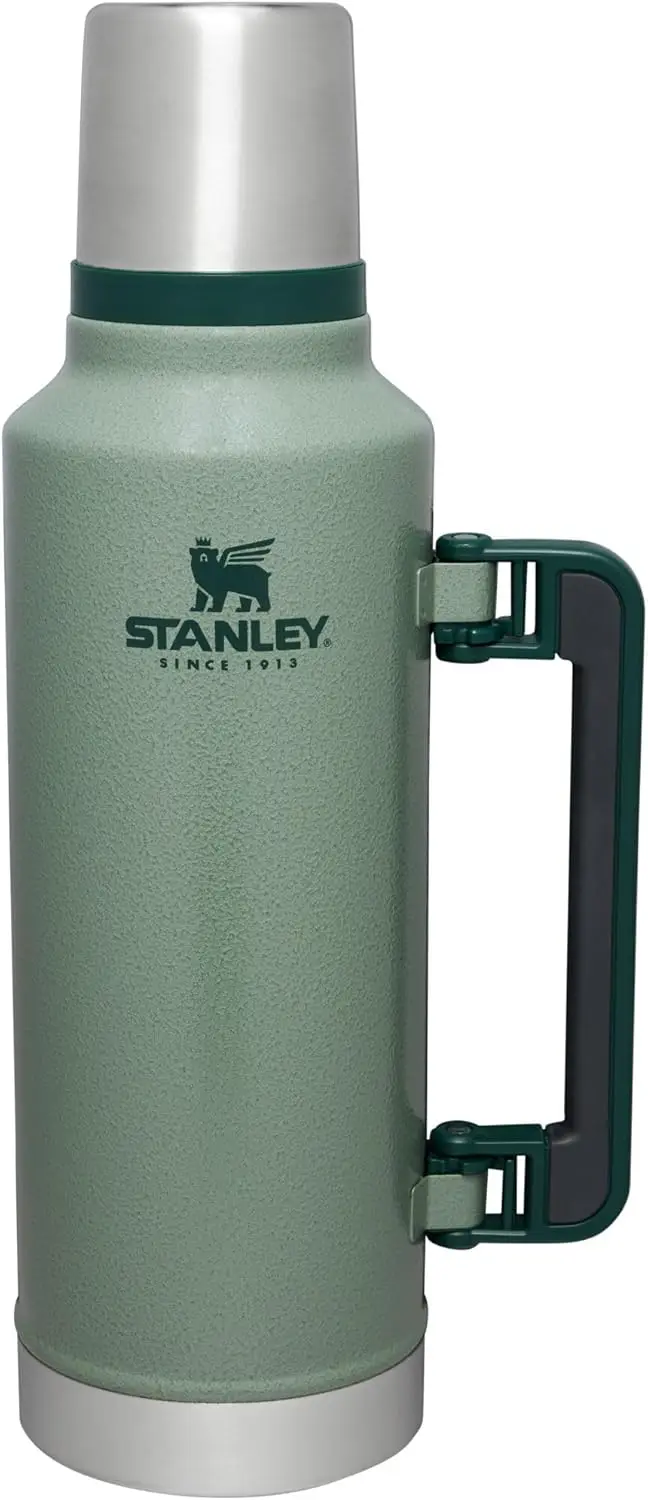 |
Stanley Classic Legendary Vacuum Bottle, 2.0 qt, Wide Mouth | 2.0 qt | 4.7 | 4075 | $50.50 | $30.55 | Leakproof, Classic Styling, Packable |
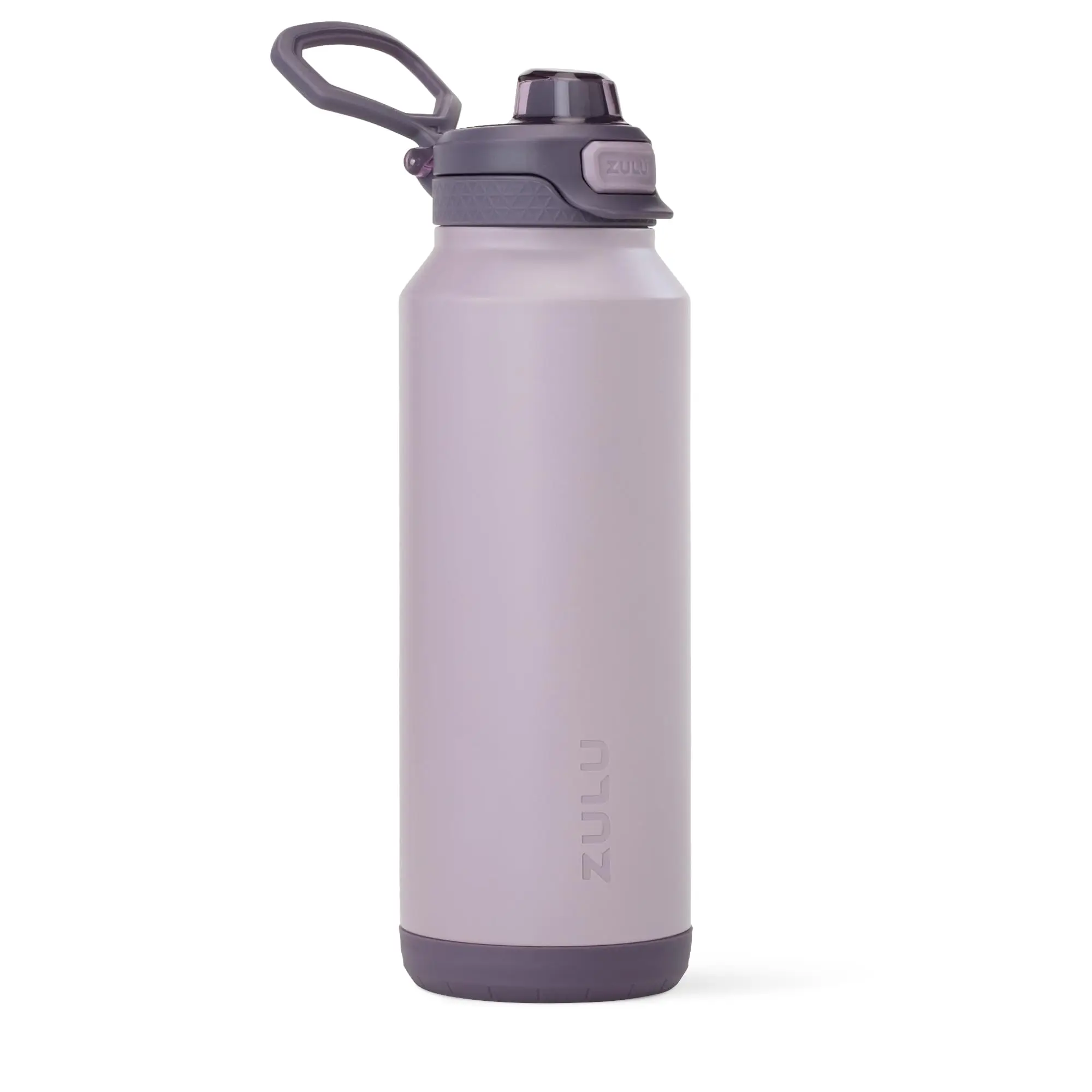 |
ZULU Powerfill Pro, 40oz, Triple Walled Vacuum, Amethyst | 40 oz | — | 3151 | $28.70 | $3.59 | Triple Wall, Leakproof, BPA-Free, QuickFill Lid |
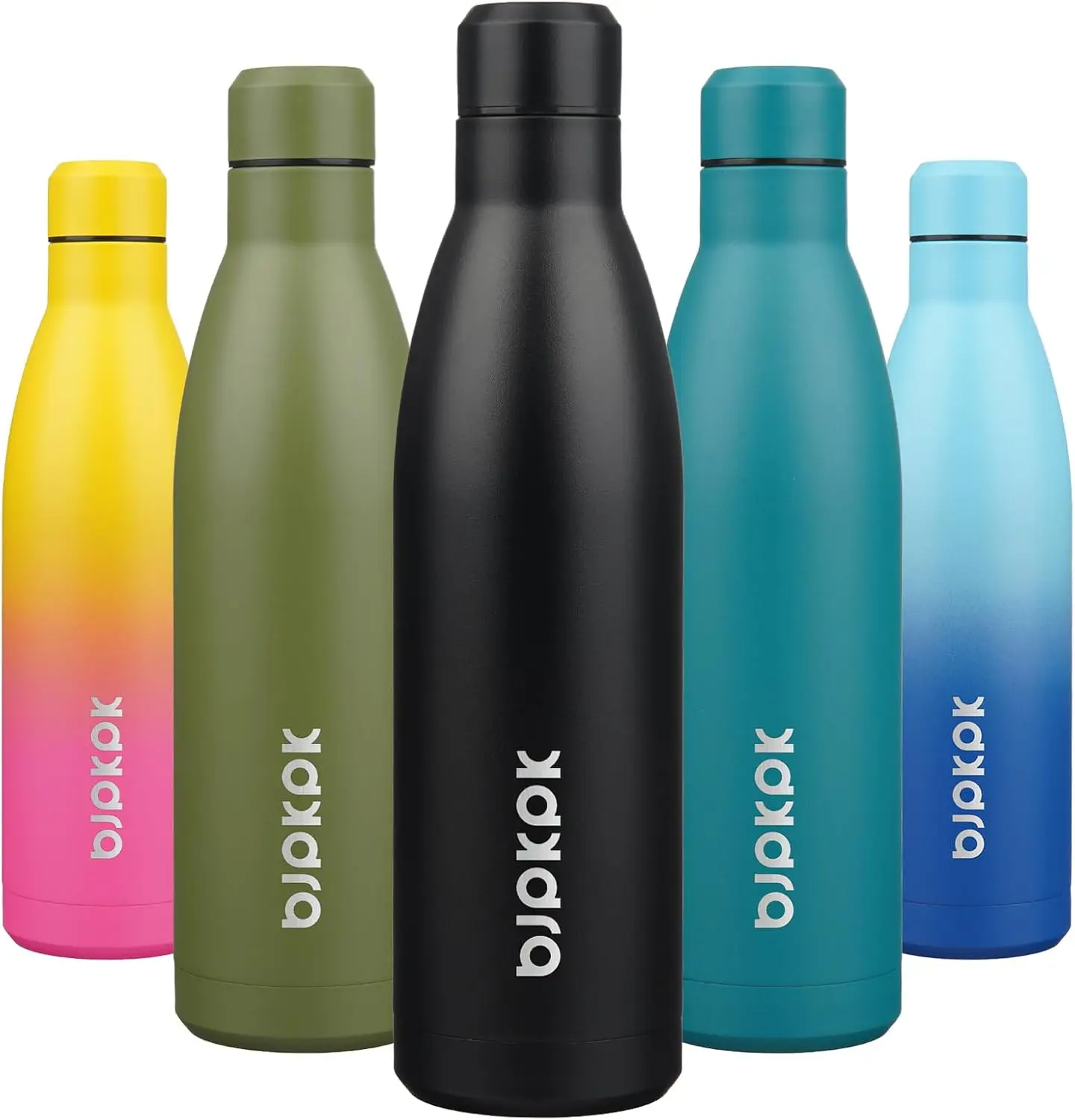 |
BJPKPK 25oz Insulated Water Bottle, Midnight Black | 25 oz | 4.5 | 2107 | $12.05 | $3.04 | Double Wall, Vacuum Insulated |
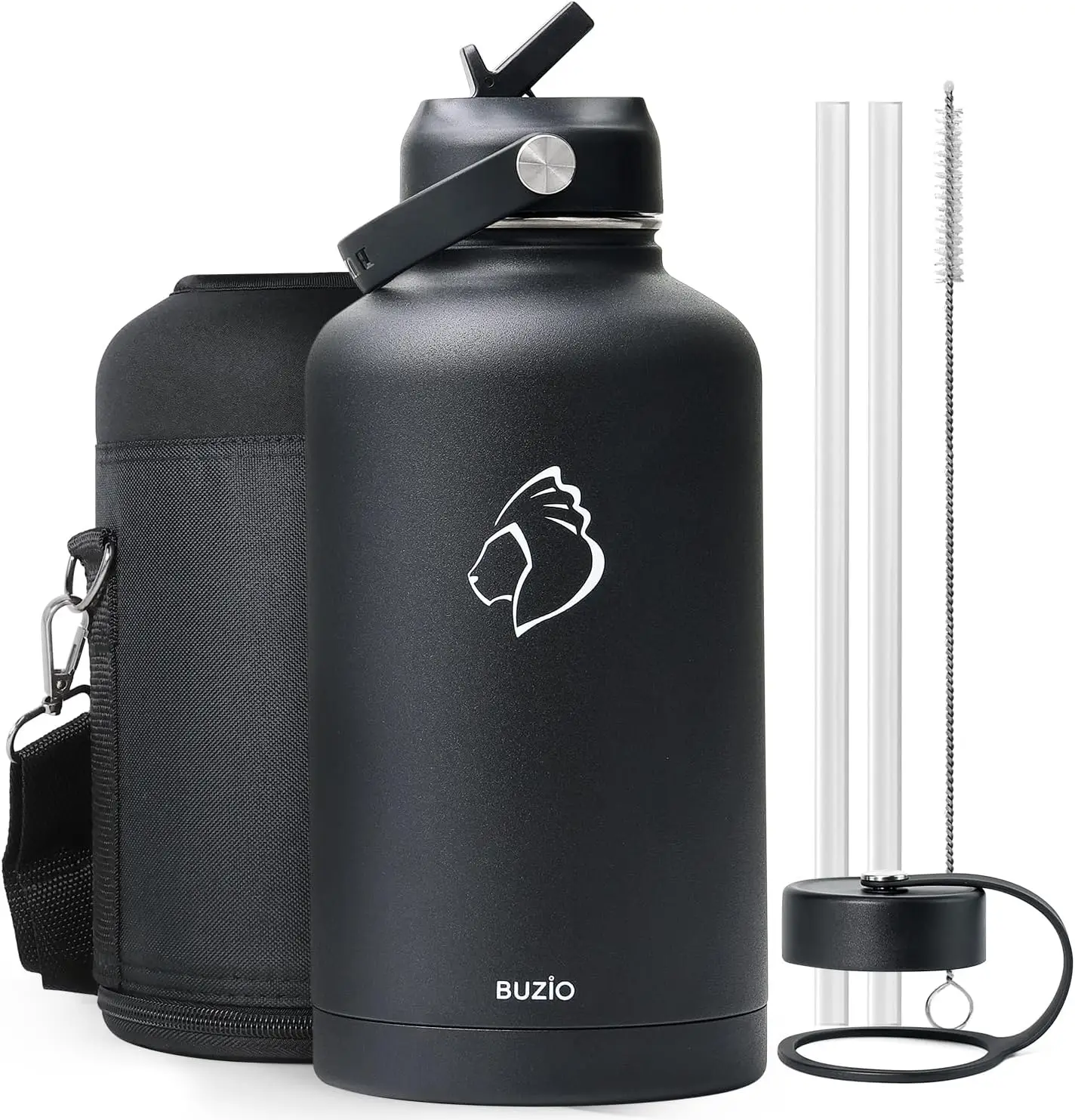 |
BUZIO Vacuum Insulated Water Bottle, 64oz | 64 oz | 4.6 | 1129 | $31.11 | $6.64 | Double Wall, 48hr Cold/24hr Hot, BPA-Free |
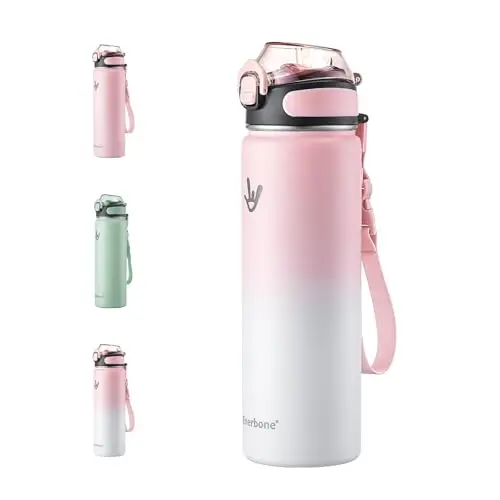 |
Enerbone 24 oz Insulated Water Bottle, Stainless Steel, Strap, Straw | 24 oz | 4.6 | 1012 | $19.99 | $3.00 | Double Wall, Leakproof, Carry Strap |
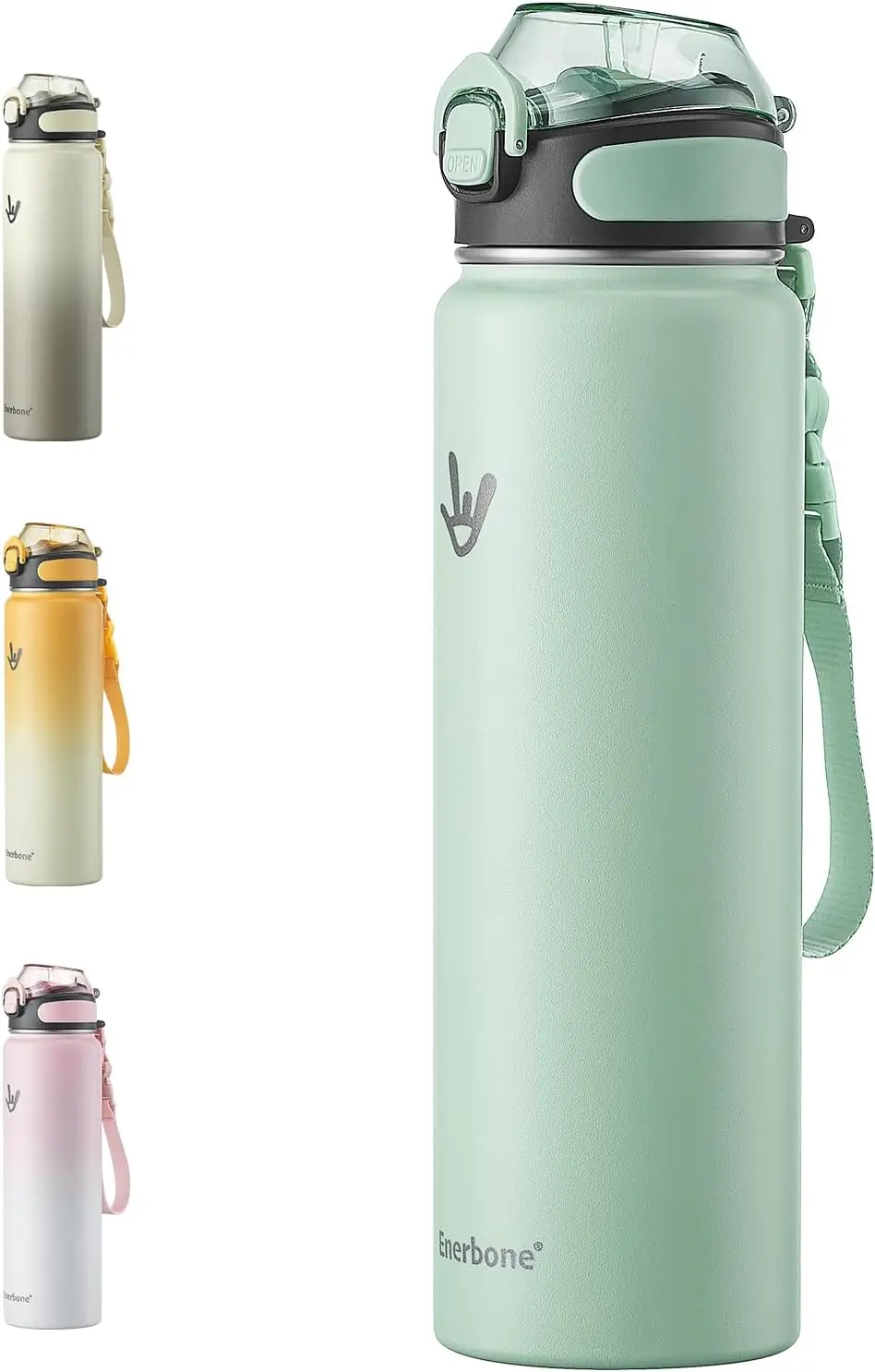 |
Enerbone 32 oz Insulated Water Bottle, Stainless Steel, Strap, Straw | 32 oz | 4.6 | 443 | $18.64 | $3.26 | Double Wall, Leakproof, Straw Lid |
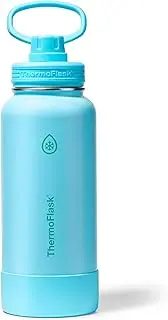 |
ThermoFlask 32 oz Double Wall, Vacuum Insulated, Spout Lid, Vivid Blue | 32 oz | 4.7 | 341 | $26.99 | $4.45 | Double Wall, Spout Lid, Leakproof |
Table data sourced from [4].
The recurring feature set among these bestsellers includes double or triple wall vacuum insulation, wide mouth/easy fill, and a blend of design aesthetics with practical usability. Products like Hydro Flask, Stanley Classic, and ZULU offer high-volume models with proven market acceptance and robust ratings, while newer brands compete with focused innovations in lid mechanisms, insulation duration, and customization.
For international buyers and procurement professionals, a winning sourcing strategy for thermos products in 2026 must blend market intelligence, technical due diligence, and supply chain flexibility. The competitive edge lies in anticipating consumer complaints and aligning with the latest regulatory norms.
Supplier Evaluation Criteria:
Common Pitfalls & How to Avoid Them:
Competitive Advantages of Sourcing Thermos Bottles: In 2026, buyers who leverage certified suppliers, proactively tackle consumer issues, and integrate customization will outpace competitors. Focused sourcing ensures repeat orders, better customer reviews (fewer leaks, longer insulation, easier cleaning), and smoother market approvals.
The 2026 thermos market is defined by an intersection of functionality, sustainable consciousness, and lifestyle appeal. Industry-leading products deliver robust insulation, leakproof assurance, and style flexibility—from kids’ color-pop bottles to rugged, high-capacity camping flasks. Social media and user community feedback shape sourcing priorities, pushing brands to prioritize plastic-free, health-safe designs, and genuine durability.
For wholesale and retail buyers, the next 6–12 months offer lucrative opportunities:
Now is the time for international buyers to move with confidence. Tap into verified supplier networks, request performance data, and integrate design trends. The insights provided empower you to source with precision—turning global thermos demand into sustainable business success for 2026 and beyond.