
All categories
Featured selections
Trade Assurance
Buyer Central
Help Center
Get the app
Become a supplier
German silver —more accurately an alloy of copper, nickel, and zinc—remains highly in demand for decorative, gifting, and cultural uses, especially in Asian markets. Despite not containing any actual silver, its affordability, durability, and versatile finish drive strong year-round purchasing interest, peaking during festivals and major gifting cycles. Sourcing remains viable for buyers seeking high-margin, visually appealing alternatives to sterling silver in a stable commodity environment [4][6][10].
The renewed surge in german silver demand stems from intersecting trends: the need for affordable alternatives to sterling silver, regulatory limits on silver imports in key markets, and an accelerating decorative/gifting boom in South Asia. Indian and Southeast Asian festival seasons create sharp demand intensity for religious and decorative gifting items; meanwhile, global inflation has driven base metal preferences in jewelry and homeware. Regulatory clarity, especially around “silver” labeling, is enabling broader use—but with continued emphasis on transparency for end buyers.
Buyers looking to maximize procurement outcomes in 2026 should prioritize manufacturers with clear alloy composition disclosures and deep export experience, as compliance remains a critical factor. Decorative and ceremonial applications, celebrity-driven fashion cycles, and OEM/ODM gifting requirements dominate the source selection criteria. Table: A quick trend overview for decision-makers:
| Trend Factor | Current Status | Impact on Buying Decision |
|---|---|---|
| Festival/Gifting Peak | Q4 2025–Q1 2026 sharp upward trend | Expedite orders for festival allocations |
| Sterling Silver Price Volatility | Precious metal premiums remain high | Substitute with german silver for price-sensitive SKUs |
| Regulatory Enforcement | Stricter “no actual silver” labeling required | Prefer transparent, certified supply |
| OEM Custom Opportunities | High, especially in jewelry/gifting | Prioritize B2B platforms with robust OEM/ODM catalogs |
The core driver for german silver adoption is its functional and aesthetic substitution for more volatile, higher-cost precious metals, with the added benefit of broad regulatory clearance in mainstream decorative categories.
The german silver market is shaped by several pivotal macro forces: volatile currency exchange impacting base metals; intermittent disruptions in nickel and copper mining (notably in Indonesia and Africa); and ongoing logistical normalization post-pandemic, with container rates largely stable for Southeast Asian routes. Regulatory moves in India, a prime buyer market, have further underscored labeling requirements—emphasizing the clear distinction between german silver and sterling silver for consumer protection. These market conditions favor well-capitalized, vertically integrated suppliers who can offer multi-ton procurement, value-added finishing, and just-in-time logistics.
| Market Dimension | Current Status | Impact Level |
|---|---|---|
| Nickel & Copper Pricing | Moderate, stable Q1 2026 | Medium (material input cost stability) |
| Regulatory/Import Clarity | Strict “no silver” misrepresentation limits | High (labeling compliance risk) |
| Fashion/Decor Trend Cycles | Strong interest in “silver look” for mass-market gifting | High (demand spikes Q4/Q1) |
| Supply Chain Congestion | Minimal, main Asian–EU/US lanes moving efficiently | Low–Medium (short-term risks only) |
For buyers, Q4–Q1 is the prime window for both decorative and functional german silver imports, with no major systemic supply risks expected this year.
Global Google Trends: German Silver Jewelry, Cutlery, and Decorative Items (Mar 2025 – Feb 2026)
Demand for “german silver jewelry,” “cutlery,” and “decorative items” tracks nearly in parallel, with significant jumps each November–January, correlating to Diwali, Christmas, and Lunar New Year buying cycles. Notably, “decorative items” hit 100 in January 2026, indicative of global gifting surges, while “jewelry” and “cutlery” also reach multi-year highs. For buyers: anticipate longer lead times and sharper pricing from late Q4 to Q1; advanced orders or off-season stocking yield best value and availability. [1]
Reddit and TikTok offer authentic, unfiltered insight into german silver confusion, satisfaction, and use cases. Recurring Reddit threads center on disappointment from buyers who mistake german silver for precious silver, contributing to negative resale sentiment but positioning the alloy as a strong performer for decorative or sentimental use. TikTok’s visual format amplifies “silver-like” hacks, gifting aesthetics, and unboxing of fashionable jewelry and religious décor, helping reframe the product as a low-cost luxury for home and personal use—even spawning viral gifting trends at weddings and festivals.
comment: “I just had one of these Eagle iron cross German Silver Bars given to me as a gift ... At least now I know that German silver isn’t even real silver. Also, these can be bought for like $15 on eBay, no idea who’s minting them ... Guess I’ll just toss it in with my challenge coins.” [12]
comment: “No it is not worth it. Instead open a Bullionvault account. ... If I was threatened with death if I couldn’t spell the name correctly, well, I’d be very dead, but ... if I had to hope for a 32.5% jump in value to break even, I’d pass.” [11]
Yet others praise its aesthetics, ease of gifting, or use in home altars and festival celebrations. TikTok showcases are visually focused—trending hashtags like #germansilverdecor and #weddingreturngift spike Q4/Q1, with “easy cleaning tips” and “DIY polish hacks” going viral. Table below captures online sentiment dynamics:
| Dimension | Reddit Insights | TikTok Insights |
|---|---|---|
| Perceived Value | Confusion over actual silver content; not viewed as investment | Framed as affordable décor/luxury |
| Pain Points | Mislabeled bars, resale disappointment | Occasional quality issues with low-cost SKUs |
| Praise Points | Affordable, bright, durable for utility/gifting | Trend-driven, fashion/ritual appeal |
| Branding/Novelty | Collectibility for vintage/WWI or WWII items | Unboxing, craft, and festival virality |
A key procurement takeaway: Proper product education and lifecycle positioning defuses confusion—unambiguously market german silver as high-aesthetic, low-investment for optimal acceptance and repeat demand.
| Image | Name | Price | Rating | Key Features |
|---|---|---|---|---|
 |
1936-1939 silver 2 Reichsmark (Various Grades) | $49.95 | 4.5 | Uncleaned; collectible; historic; coin only per order |
 |
1905-1919 Silver Kaiserreich 1/2 Mark Coin | $16.99 | 4.0 | Collectible Prussian memorabilia; affordable |
 |
Silver Plated Pooja Thali Set 8 Inch | $29 | 4.3 | Gift-worthy; Indian origin; festival focus; multipiece |
 |
German Silver Diya Oil Lamp with Box | $11 | 4.3 | Traditional decorative; velvet gift packaging |
 |
NOBILITY German Silver Ganesha Statue with Diya | $9.99 | 4.2 | Handcrafted; religious; versatile gifting |
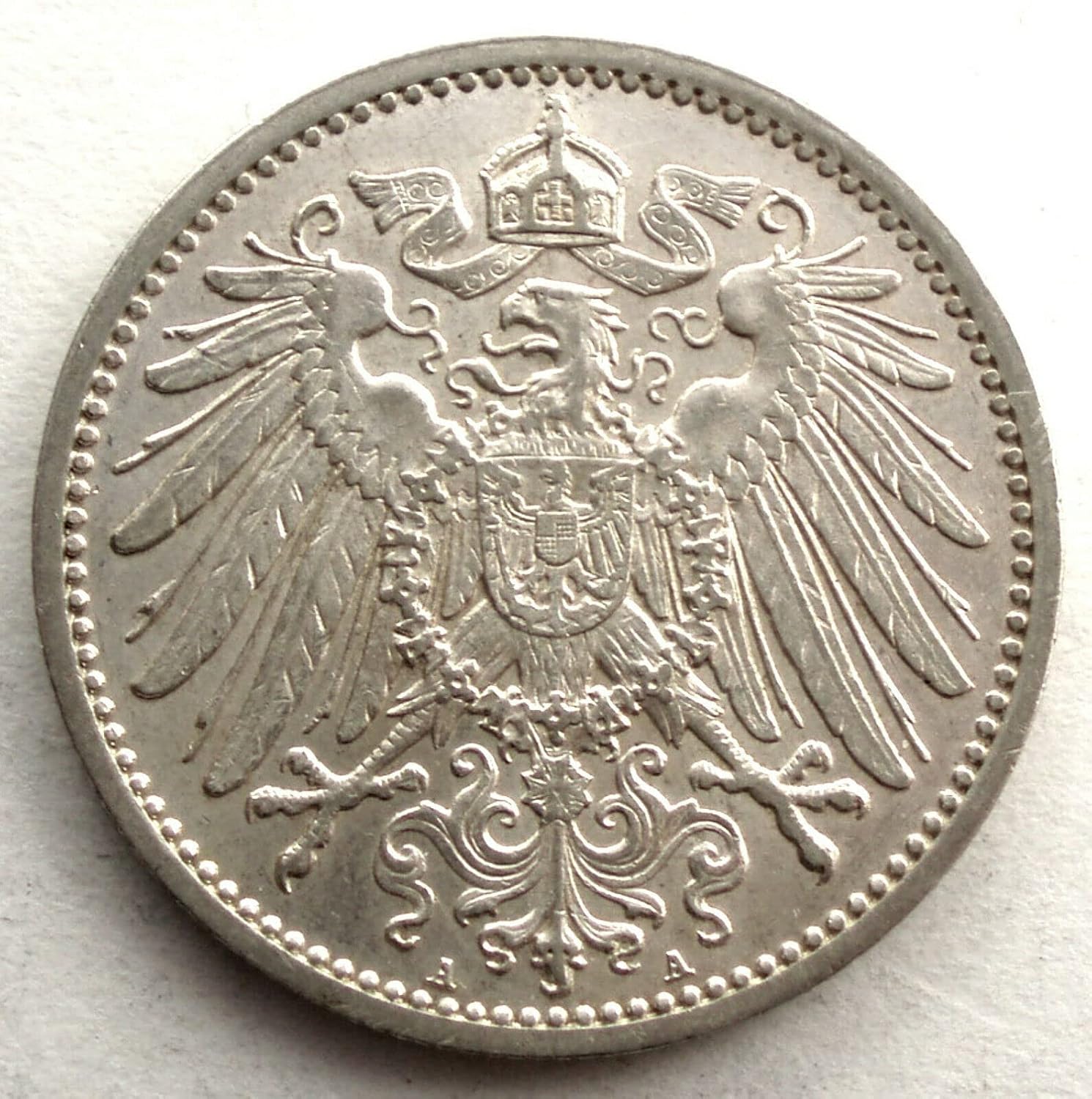 |
1891-1916 Silver Kaiserreich 1 Mark Coin | $37.99 | 4.3 | Historic collectible; German Empire provenance |
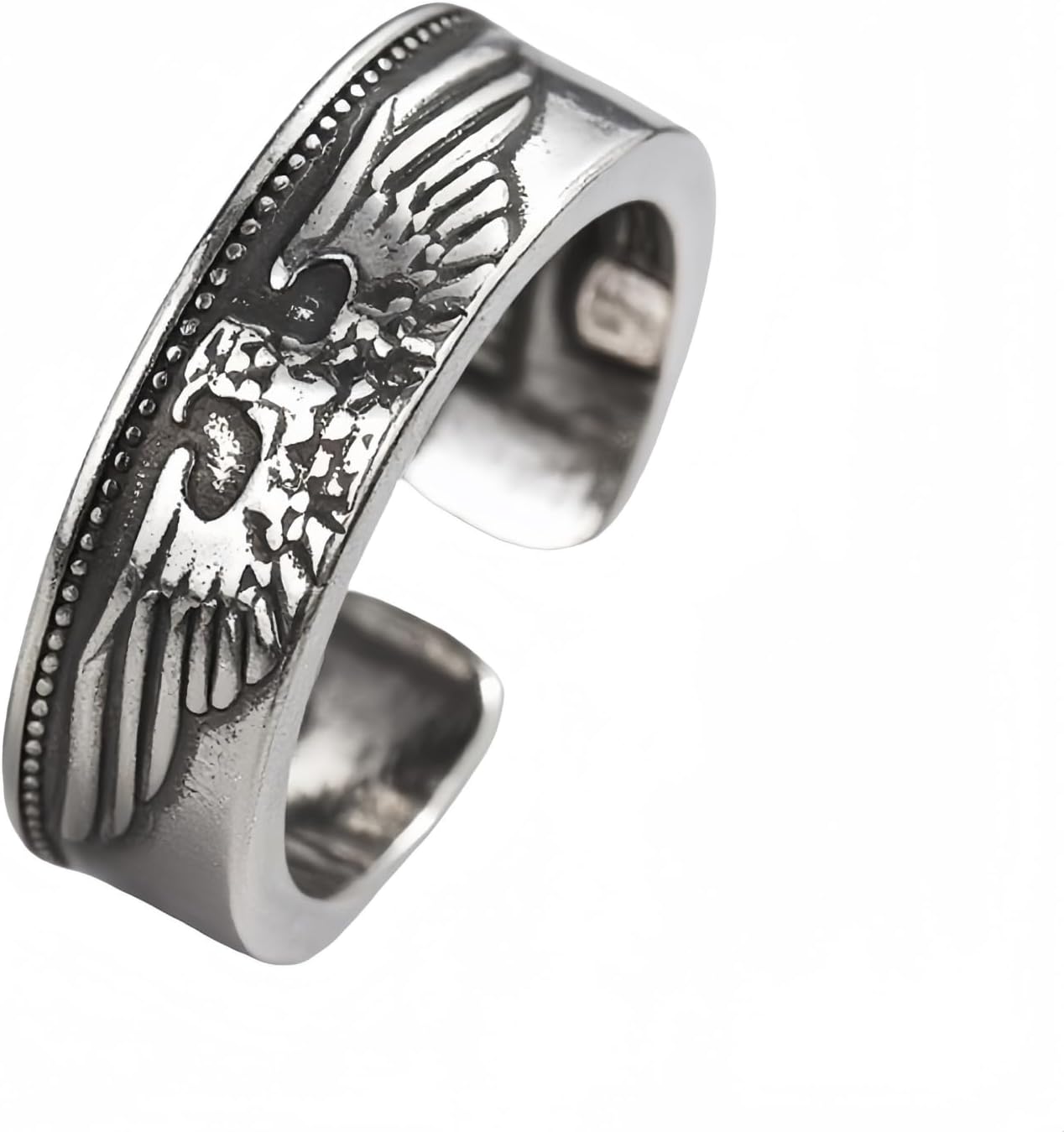 |
German Mark Silver Coin Ring | $28 | 3.3 | Handmade, coin-based, adjustable jewelry |
 |
German Silver Ashtalakshmi Kalash 5 Inch | $76 | 4.2 | Premium construct; religious/ceremonial |
 |
German Silver Pooja Thali Set 9 Pieces | $154.21 | 0.0 | Full set; high-value; gifting/decor use |
 |
German Silver Peacock Handle Kum Kum Bharani 4x3 Inch | $43 | 4.5 | Intricate, versatile, easy to maintain |
The best-rated german silver products on Amazon show consistently high scores for visual appeal, finish, and suitability as gifts—yet produce occasional complaints about price/value mismatches and product labeling clarity. Most-echoed strengths include elegance, shine, ease of gifting, and spiritual/cultural relevance. Key drawbacks: misplaced expectations (mistaking for pure silver), ambiguity over metal content, and “feel” not matching precious metal jewelry. Representative review excerpts:
Top review (NOBILITY Ganesha Statue): “...The craftsmanship is exquisite—the intricate detailing of Ganesha and the leaf design is absolutely stunning. Compared to other small idols I’ve seen, this one feels substantial and premium, with a lovely metallic sheen that catches the light beautifully... I’d rate it a sparkling 5 out of 5! 🌟 Don’t wait—let Ganesha bless your space today!”
Top review (1936-1939 Reichsmark): “Ugly history. Nice coin. Never again!”
| Product Name | Top Praise | Top Complaint | Overall Sentiment |
|---|---|---|---|
| NOBILITY Ganesha Statue | Intricate detail, premium “silver” look | Some cost/size confusion | Strongly positive |
| Pooja thali sets | Elegant packaging, versatile rituals/gifting | Occasional mismatched expectations on authentic silver content | Positive |
| German Mark Coin Ring | Unique coin art, vintage effect | Lower-than-expected clarity, fit issues | Mixed |
Clear labeling, education, and packaging customization are powerful levers for buyers seeking to maximize satisfaction and retention in competitive consumer channels.
The two principal quality issues for german silver procurement are compositional variance (actual %Cu, Ni, Zn) and surface finish (plating/polishing consistency). Performance in decorative and giftware is generally robust, but buyers should audit for trace lead/tin in non-food use, ensure anti-tarnish finishing, and demand test certificates. Long-term durability is high, but product mislabeling—intentional or not—remains the dominant risk. Table below benchmarks leading B2B supplier grades:
| Benchmark Dimension | Top Tier Supplier | Lowest Cost Supplier |
|---|---|---|
| Composition Accuracy | ≥59% Cu, ≤1% variance | ≤55% Cu, higher variance/tolerance |
| Defect Rate (batch sample) | <0.25% | ~1.5% (plating, polish, rough casting) |
| Service Life | 10–15 years (decorative) | ~7 years (tarnish, edge wear) |
| Plating Consistency | Mirror finish; 0.1 mm avg. layer | Uneven; <0.05 mm, possible color drift |
| Nickel Sensitivity/Labelling | Clear EU/US “contains nickel” warnings | Ambiguous or absent labeling |
Strategic sourcing for german silver should prioritize suppliers with certifiable test batches, ISO/EN compliance, robust export documentation, and customizable alloy ratios for special OEM/ODM orders. Potential pain points: price volatility (nickel, copper commodities), logistics delays on short order windows, variable plating standards, and nickel allergy regulatory shifts in EU/US. Main negotiation levers: advance bookings for festivals, dual-certified material sourcing, and favorable Escrow terms for large-value shipments.
Long-run supply resilience and downstream buyer satisfaction hinge on supplier transparency, in-situ batch testing, and agreement on explicit finish/packaging specs tailored to the intended end market.
Looking ahead, the german silver market shows no real signs of reversal in its decorative and utility niche—especially while sterling silver prices and regulatory overheads remain elevated. Technology trends in 2026 will continue to favor digitally customized SKUs (engraving, new shapes, and alloy blends), and quantum-leap logistics efficiency for cross-border gifting cycles. While there is no investment-grade bullion opportunity, procurement remains an attractive play for input-optimized, festival-linked gifting and home décor. The best path is to build diversified sourcing partnerships with both low-MOQ and high-volume OEMs who can supply full test data and offer tailored product branding; clarity in communications—with explicit “no pure silver” content—is now table stakes for any channel entering EU/US distribution. Sourcing early for festival demand, focusing on transparent labeling, and leveraging Alibaba.com’s supplier analytics for batch-level QA delivers sustained procurement wins, optimal cost control, and satisfied downstream buyers throughout 2026 and into the coming decade.