
All categories
Featured selections
Trade Assurance
Buyer Central
Help Center
Get the app
Become a supplier
Entering 2026, the global market for gem cutting tools is experiencing a resurgence in both hobbyist and professional segments. As economic conditions have led to an increase in do-it-yourself activities, jewelry-making and artisan crafts have surged, drawing new consumers to lapidary arts. The rise in online communities, coupled with supportive club networks and educational content, has made gem cutting accessible for varied demographic groups—especially during seasonal times when gifting and creative projects gain prominence. This year, the market is witnessing unique dynamics: high demand for precision and reliability, influence from eco-friendly movements, and the ongoing impact of cultural trends such as gemstone healing, bespoke jewelry, and sustainability-focused customization. The result is an invigorated landscape where traditional craftsmanship meets modern innovation, positioning gem cutting tools as both essential equipment and aspirational purchases for retailers and wholesalers seeking new revenue streams and buyer engagement[8][9].
The appeal extends beyond established professionals; a growing number of newcomers are seeking out entry-level and mid-tier equipment, motivated by social media inspiration and local club resources. Critical events—such as international jewelry fairs, viral TikTok tutorials, and community exhibitions—are accelerating product turnover and variant exploration. For wholesale buyers or procurement managers, this seasonal and cultural synchronization signals lucrative opportunities to optimize stock for both the professional workshops and the expanding DIY market.
Gem cutting tools are specialized equipment and accessories used to transform rough mineral specimens into polished, faceted gemstones for jewelry, decorative arts, and industrial applications. The essentials range from basic cutting saws to advanced faceting machines, each designed for precise operations like slicing, grinding, shaping, polishing, and faceting. The origin of lapidary arts stretches back thousands of years—ancient civilizations such as the Egyptians and Romans valued the ability to craft ornamental pieces from precious stones, spawning a tradition that continues to the present day[8].
Through centuries, technological progress has spurred innovation in tool design and material science. Today’s toolkit incorporates motorized machines, diamond-coated blades, digital display systems, and ergonomic accessories, allowing craftspeople to achieve previously unreachable precision. The main types of gem cutting tools include:
Product classification depends on criteria such as cutting stage (roughing, faceting, polishing), material compatibility (hardness, gemstone type), machine portability, accessory kit completeness, and digital versus analog control precision. Buyers prioritizing channeled subcategories should evaluate whether the tool is for cabochon creation, faceting, or specialty cuts like briolette and fantasy designs. Quality, brand reputation, after-sales service, and compatibility with popular workshop standards (Dremel, Raytech-Shaw, CabKing) are additional considerations for professional procurement[7][9].
Gem cutting tools have become central topics in online communities, where exchanges reveal both practical insights and emotional connections to the craft. Aspiring gem cutters often seek advice on breaking into the field, reporting that professional-equipment startup costs remain high but local clubs and shared facilities provide affordable access points. Social discourse distinguishes between cabochon cutting—a more approachable activity—and the technical challenge of faceting, which requires both expensive machines and dedicated guidance[11][14].
Many individuals starting out recount using repurposed tools, such as adapted tile cutters fitted with diamond blades, but consistently warn about durability and performance limitations. Dremel rotary tools emerge as popular entry-level choices, though frequent reports of motor burnout flag the necessity for genuine lapidary equipment in sustained work[11]. Recommendations abound for joining gem and mineral clubs: they offer cost-effective equipment usage, mentorship, and community learning, making the entry barrier less daunting. The pervasive sentiment is that gem cutting blends technical skill with passion—those committed to learning the craft quickly discover the necessity of precision tools, patience, and ongoing practice.
Custom gemstone cutting requests—especially unconventional shapes—spark vibrant debates. Experienced practitioners caution that intricate, multi-faceted designs often entail significant labor, multiple transfers, and specialized jigs, dramatically raising both complexity and cost[12]. Discussions also highlight that while cabbing (cabochon shaping) is relatively affordable, professional faceting for large batches of stones can easily exceed $2,000 in service charges, often matching the cost of a mid-range faceting machine[16]. Buyers seeking professional cutters are advised to navigate club directories, niche trade shows, and specialist social channels, as there is no comprehensive global directory—but the community is welcoming and enthusiastic about commissions[13][15].
The lifestyle value of gemstone cutting is increasingly recognized: numerous users express the joy of transforming rough stones into dazzling works suitable for gifts or personal adornment. The creative process and craftsmanship foster a deep emotional connection, reinforcing the market’s resilience despite economic fluctuations. The rising appeal of home-based workshops, small-scale production, and digital sharing of finished pieces is fueling demand for both basic and mid-range tools among hobbyists and semi-professionals alike. Influencer tutorials and viral posts reinforce buying interest, focus on specific product features (like mandrel sizes and accessory compatibility), and encourage innovation in tool kits.
Another topical theme is career and income prospects. While most contributors agree that gem cutting alone rarely yields high earnings, combining cutting skills with jewelry design and marketing boosts revenue potential substantially [18][19]. The consensus is clear: with dedication, networking, and creative application, the lapidary field supports not only artistic fulfillment but also entrepreneurial ambition. Overall, buyer sentiment across forums is optimistic, pragmatic, and growth-minded, emphasizing both technical considerations and the transformative satisfaction of producing beautiful gemstones from rough material.
In 2026, the gem cutting tools segment exhibits nuanced market activity across product types. While some areas—such as basic rotary discs and entry-level faceting machines—reflect stagnant retail sales, others—like polishing machines and advanced diamond wheels—show promising growth and evolving buyer preferences. Retail data indicates moderate overall demand, with notable spikes in professional and industrial buyer segments. Key opportunities arise from gaps in product durability, power, accessory range, and eco-friendliness—the latter being a strong selling point in markets with heightened environmental awareness[2].
Analyzing Amazon Trends data for three major subcategories delivers actionable intelligence for procurement teams and wholesalers.
Sales Volume and Sentiment Analysis Across Gem Cutting Tool Types
The chart below illustrates sales count trends across three representative product themes from August to December 2025, highlighting both stable and seasonally variable segments. Average monthly sales in each category demonstrate how product design, market positioning, and user feedback drive purchasing decisions.
Comparative monthly sales volume for key gem cutting tool categories in 2025 highlighting shifts in buyer activity, and suggesting opportunities for sourcing improved, durable, and accessible products.
The Lapidary Diamond Grinding Discs & Wheels category dominates in sales numbers, with monthly volumes outpacing both faceting and polishing machines. This trend reflects consistent demand for versatile, multi-purpose accessories among general consumers—95% of buyers are non-professionals using these items for a wide range of DIY projects[3]. Conversely, the market for Gem Faceting & Lapidary Cutting Machines and Faceting & Polishing Machines is relatively stable, catering more specifically to trained users and industrial customers.
Sentiment analysis indicates that buyers gravitate towards powerful motors, portability, and ease of assembly as leading positive attributes[1]. Negative feedback centers on fragile components, hard starts, and inconsistencies in performance, underscoring the need for durable construction and reliable operation in future models. Accessory quality, compatibility, and eco-friendly credentials also feature strongly in both praise and complaints. Products perceived as wide-ranging, versatile, and bundled with complete accessory kits receive the highest value ratings, while misleading quantities and overloaded sandpaper drive dissatisfaction.
From a sourcing perspective, retail buyers should track eco-certification, material strength, accessory richness, and brand reputation. Wholesale procurement must prioritize bulk durability, supply chain reliability, and updated product features (digital displays, universal mandrels, modular accessory kits) to remain competitive amid persistent consumer demand for improved pricing and performance.
Hot Selling Analysis: Top Amazon Bestsellers and Detailed Specifications
The following table ranks the latest top 10 Amazon bestsellers by monthly sale volume and highlights their critical features, price points, and target buyer segments. This analysis offers downstream retail insight for purchasing managers and distributors looking to optimize inventory and align with customer preferences.
| Product Image | Product Name | Avg Rating | Monthly Sales | Retail Price | Wholesale Price | Key Features |
|---|---|---|---|---|---|---|
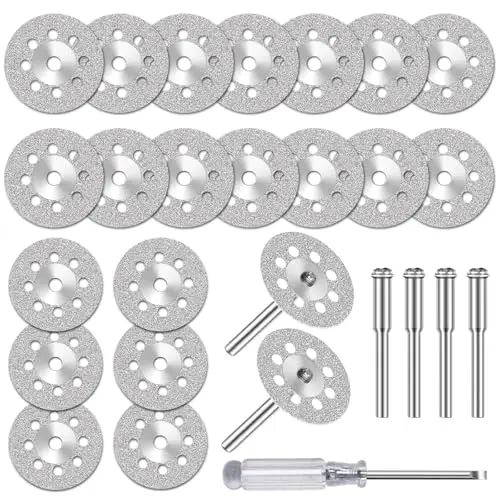 |
20 pcs 545 Diamond Cutting Wheel Cut Off Discs Coated (22mm) for Dremel Rotary Tool with Mandrel & Screwdriver | 4.4 | 430 | $9.78 | $0.92 | High compatibility; strong value; accessory kit included |
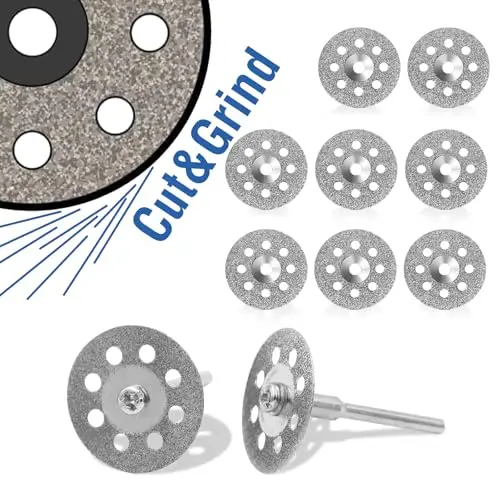 |
YEEZUGO 10 pcs Diamond Cutting Wheel Cut Off Discs Coated Rotary Tools W/Mandrel 22mm for Dremel | 4.3 | 365 | $8.54 | $2.4 | Coated diamond discs; compact pack; budget-friendly |
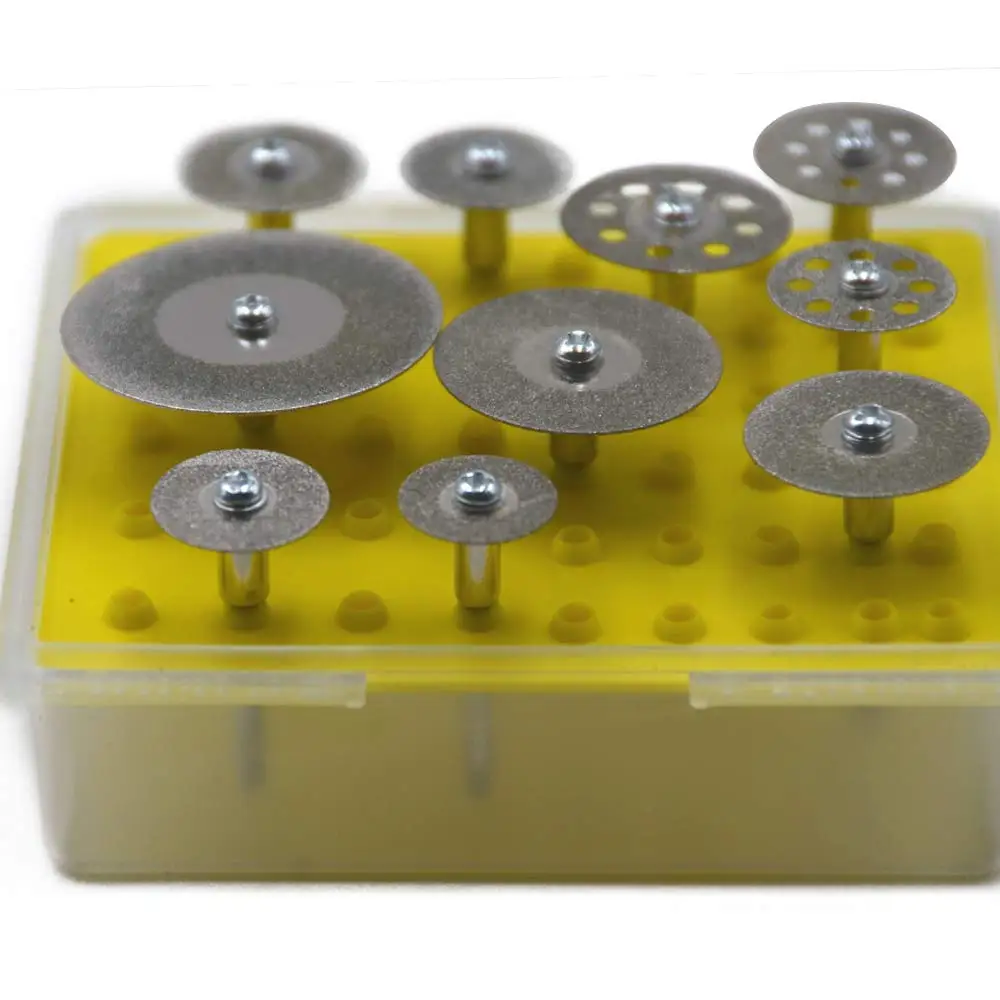 |
Diamond Cutting Wheel, 10PCS 1/8“ Diamond Cutting Discs Cut-Off Wheel Blades Set Compatible with Dremel Rotary Tool | 4.3 | 236 | $12.93 | $2.06 | Nano-diamond coating; universal fit; high durability |
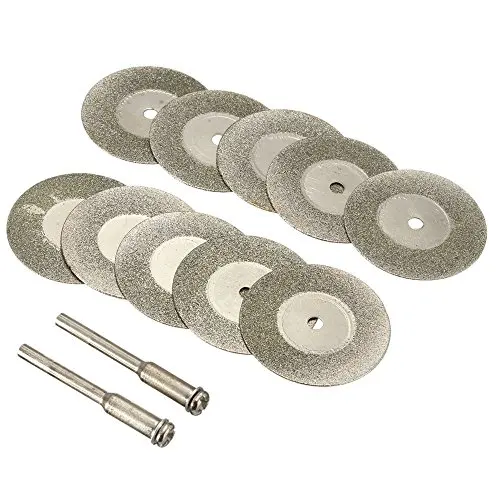 |
Diamond Cutting Wheel Cut Off Discs Coated Rotary Tools W/Mandrel 25mm for Dremel by YEEZUGO | 4.4 | 63 | $8.7 | $2.74 | Large diameter; strong abrasive force; professional use |
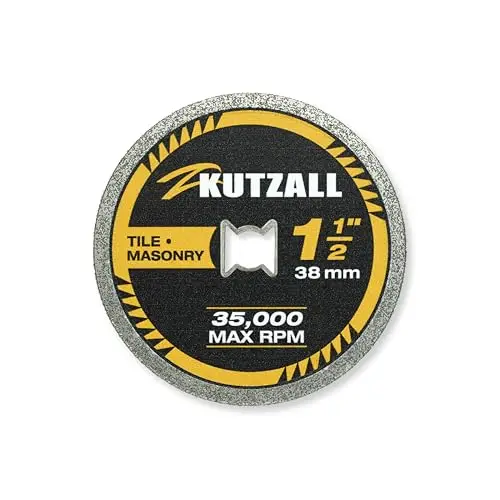 |
Kutzall 1.5” Diamond, Tile & Masonry Cutting Wheel w/ 1/8” Shaft Mandrel; High Performance for Concrete, Brick, Tile, Stone, Ceramics | 3.6 | 37 | $22.65 | $10.0 | Longest life; industrial-grade; multi-material use |
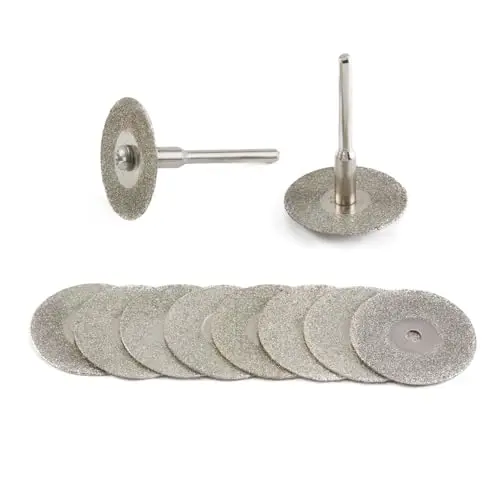 |
JINGLING 25mm 1” Diamond Cutting Wheels Coated Rotary Blade Cut Off Discs Tile Bit Tools for Dremel Accessories (Pack of 10) | 3.9 | 20 | $9.43 | $2.15 | Tile-optimized; mid-range durability; easy interchange |
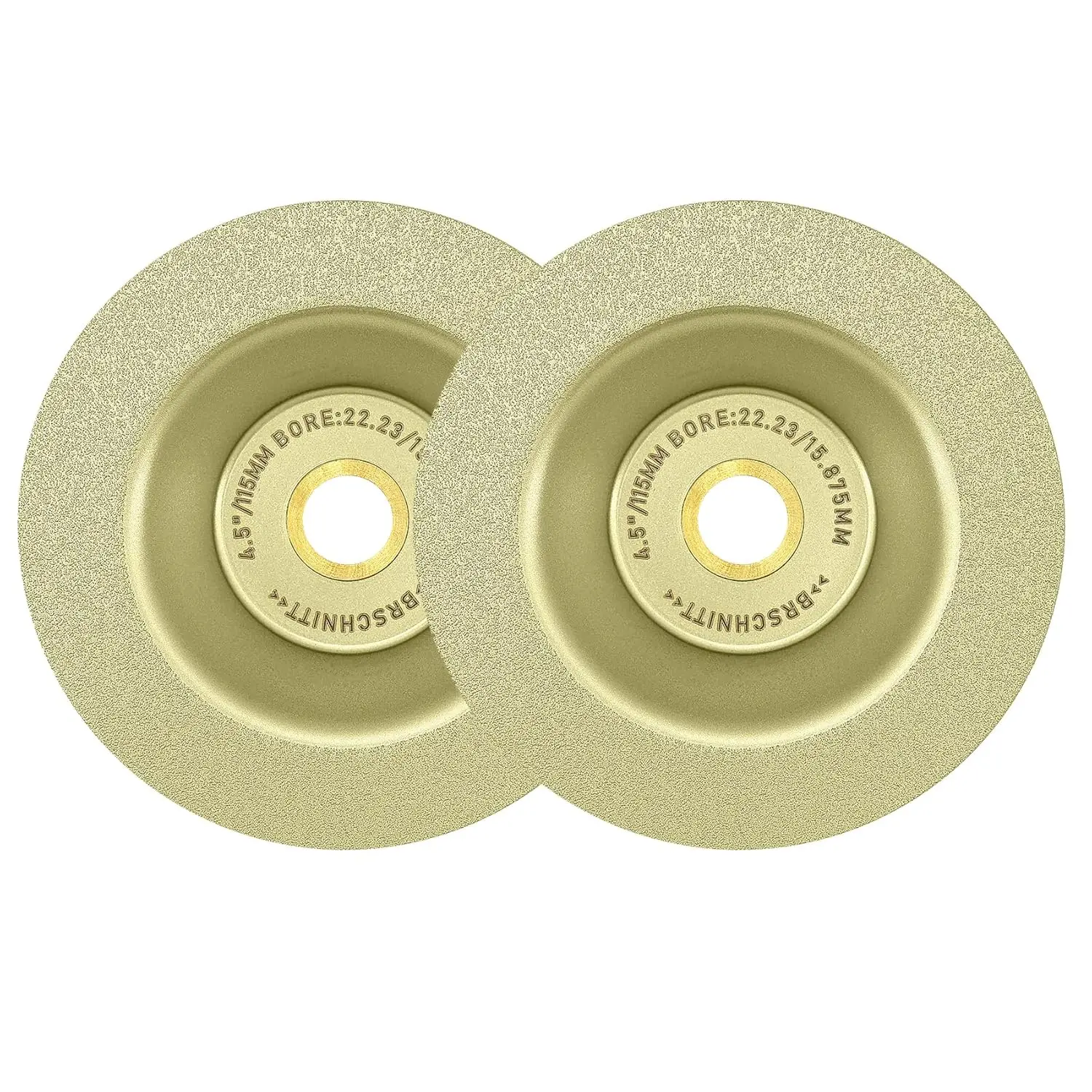 |
Diamond Grinding Cup Wheel 4-1/2 Inch; 115mm Cutting Disc for Dekton Porcelain, Granite, Marble; Fits 7/8-5/8 Inch Arbor (2pcs) | 4.8 | 18 | $22.4 | $2.4 | Ultra-high rating; professional quality; multi-stone compatible |
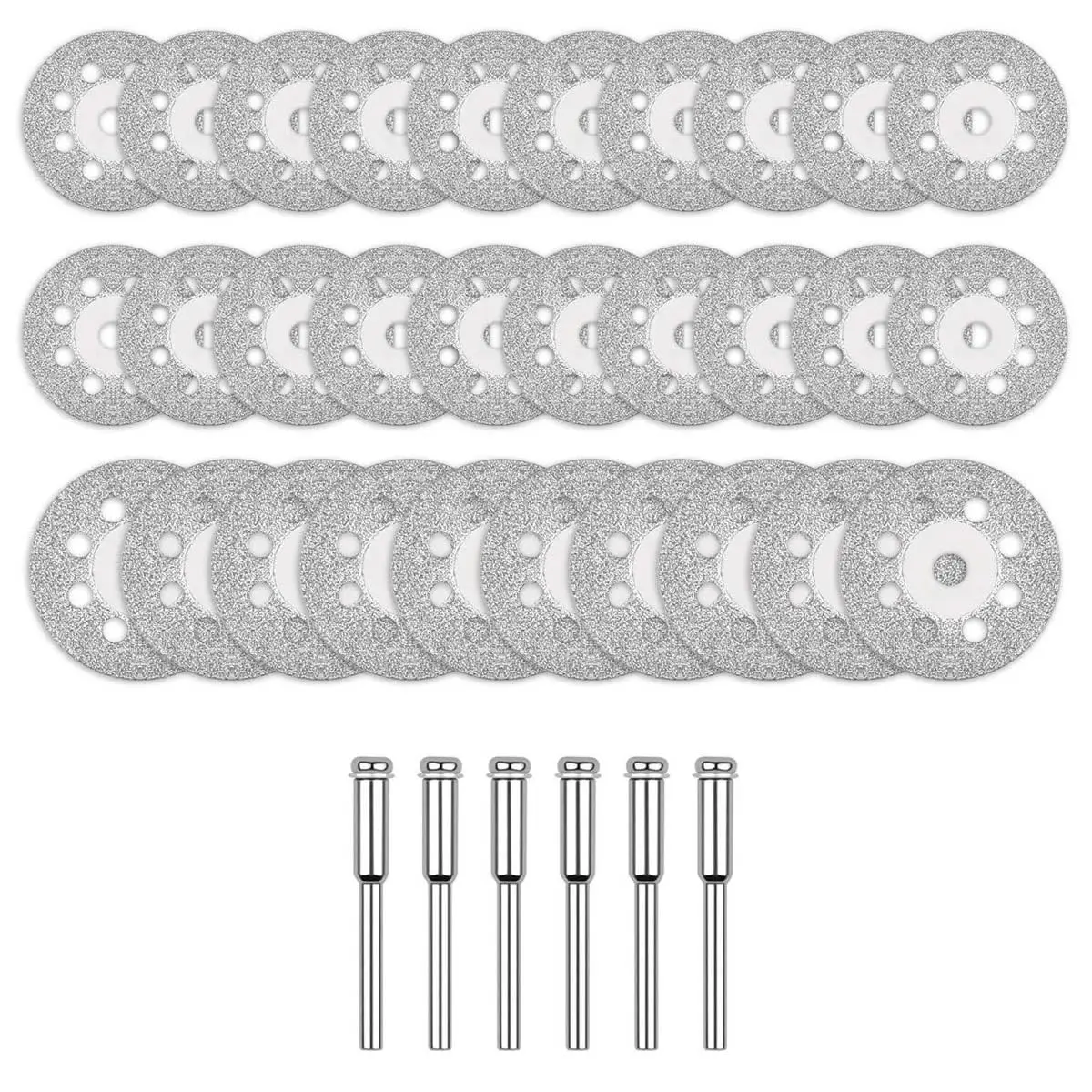 |
Diamond Cutting Wheels for Dremel Rotary Tool Tile Cutter; Ceramic, Glass, Stone, Masonry Blades Disc Set; Cut Off Saw Porcelain Concrete Brick Rock (30pc) | 4.3 | 12 | $13.89 | $1.68 | Bulk pack; universal fit; all-in-one use |
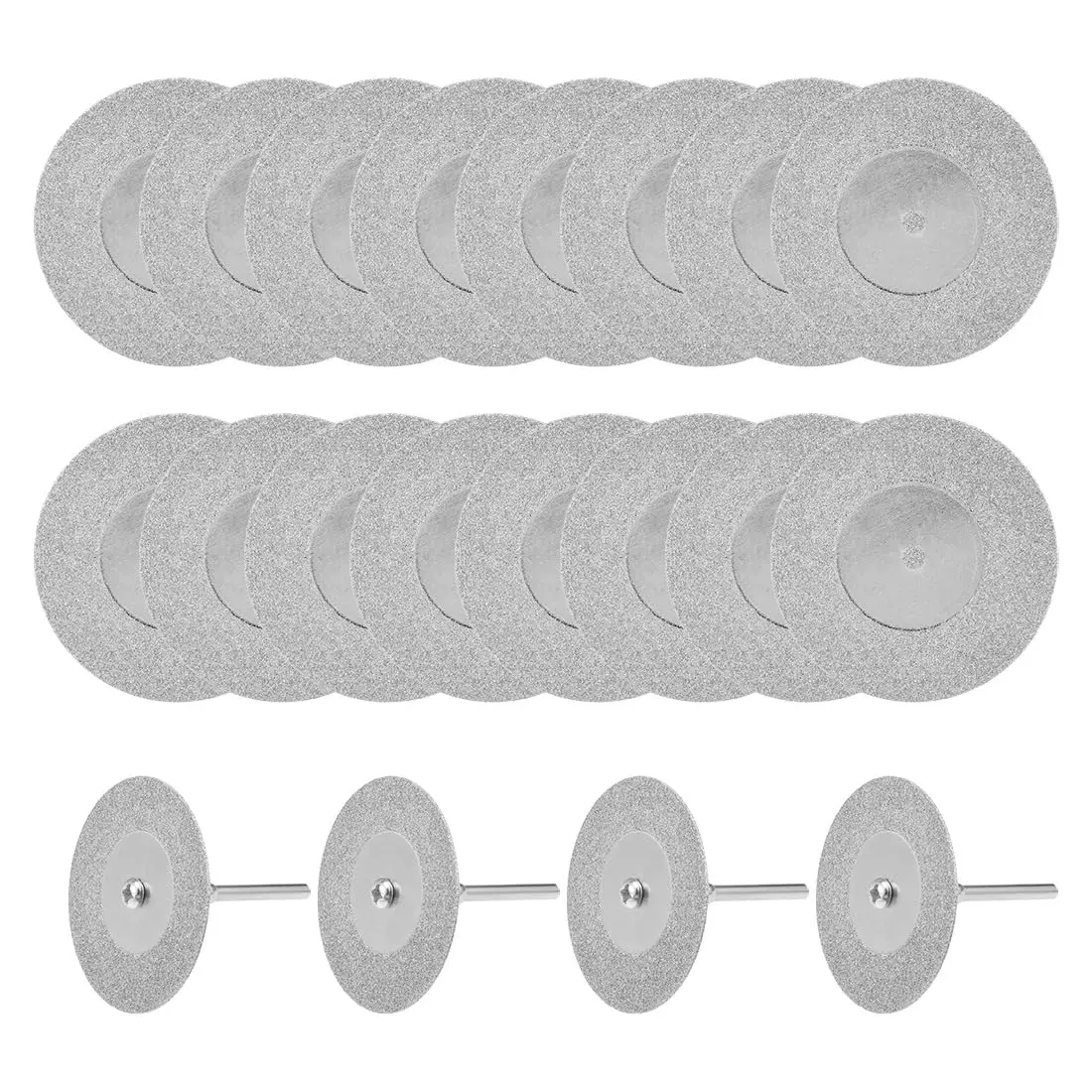 |
uxcell 20 Pcs 40mm Diamond Cutting Wheels Cut Off Wheel with 4 Pcs Mandrels for Rotary Tool | 0 | 5 | $13.61 | $3.68 | Large diameter; full accessory set; suitable for varied uses |
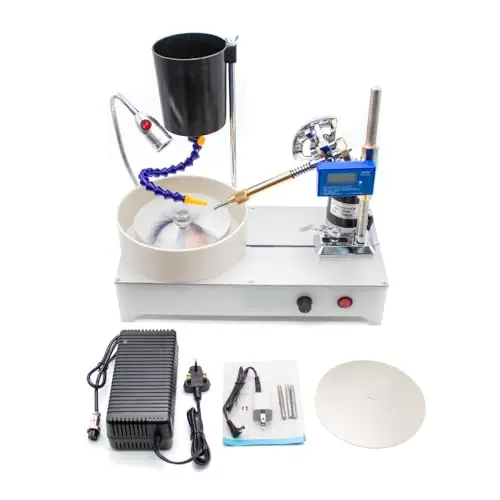 |
Gemstone Grinding Faceting Machine Jewelry Polisher Flat Grinder Lapidary Machine 2800RPM 120W (Digital Display) | 5.0 | 5 | $413.98 | $256.52 | Digital control; professional grade; premium performance |
Table data sourced from [4]
Analysis of these products reveals several critical market directions. First, value-driven packs with accessory kits and universal compatibility continue to outperform, confirming the efficacy of bundling strategies. Second, mid-tier price points ($8–$15 retail, $1–$2.5 wholesale) dominate in monthly volumes, reflecting buyer sensitivity to affordability without sacrificing basic quality. Higher-end options—like the digital-display faceting machine—register lower monthly sales but command premium pricing for professional users, suggesting robust margins for B2B sourcing when positioned toward specialized buyers.
Star ratings generally hover around 4.3–4.4, but long-term brand equity depends on maintaining accessory reliability, promoting ease of use, and mitigating recurring negatives in user reports. Wholesale planners should closely track SKU-level sell-through rates and prioritize replenishment for top sellers, while leveraging professional-grade machines to capture margin in workshop and institutional supply chains.
Strategic sourcing of gem cutting tools requires robust supplier evaluation, quality assurance, and logistical planning. Begin by vetting suppliers for mandatory certifications (ISO, CE), documented production capacity, and transparent quality management systems. Proven reliability in material selection (especially diamond-bonded cutting surfaces), consistency in accessory kit inclusion, and up-to-date safety features should be baseline criteria for bulk purchasing[9].
Quality control protocols must include sample inspection of diamond bonding integrity, mandrel fit (ensure millimeter precision for rotary accessory interchange), and motor/bearing stress tests on machines. For entry-level products, pay particular attention to accessory compatibility and assembly ease; for professional-grade machines, verify advanced digital controls, calibration accuracy, and after-sales service options. Pre-shipment packaging checks should safeguard against fracture, humidity intrusion, and abrasive contamination—common sources of warranty claims in this sector[7][9].
Logistics planning is vital, as many tools are sensitive to shock and ambient moisture. Negotiate for robust packaging solutions, streamlined lead times (especially during seasonal spikes around jewelry shows or holidays), and flexible lot size contracts to accommodate both steady and event-driven demand. For international buyers, verify customs compliance, country-level technical standards, and labeling requirements (especially for electronic components and diamond products).
Avoid common pitfalls such as buying overstocked, outdated accessory sets, relying solely on superficial quality claims, or ignoring brand reputation signals in the supply chain. Engage with suppliers offering documentation on durability testing, eco-friendly material sourcing, and modular accessory options. Competitive advantage accrues to those who use digital platforms for supplier discovery, connect with manufacturer networks within top lapidary regions (China, India, USA), and leverage peer recommendations and trade event connections to secure high-confidence deals.
For procurement professionals, actionable strategies include:
Finally, collaborate with logistics partners experienced in delicate instrument transport, and build in contingency protocols for customs delays, shipment damage, and inventory rotation based on seasonal intelligence. With these steps, procurement becomes a proactive endeavor, avoiding disruption and maximizing operational value.
2026 finds the gem cutting tool marketplace at a crossroads: deep tradition collides with new technology, hobbyist engagement fuels volume, and professional requirements drive margin. Both retail and wholesale buyers should analyze the evolving sales patterns, prioritize high-throughput accessory kits, and select robust suppliers who combine quality assurance with verified certifications. Adapt your sourcing to meet new trends—eco-friendly materials, modular accessory options, and smart digital controls—ensuring both product appeal and operational resilience.
Social and professional networks are critical; leverage club resources, online communities, and trade events for real-world insights, peer recommendations, and direct supplier feedback. Learn from user sentiment—address pain points around durability and performance, supply universal-fit options, and market products around the emotional rewards of lapidary craft. For procurement specialists and business managers, the next 6–12 months demand responsive, data-driven, and risk-managed decision making.
Now is the time to act: review your product portfolios, strengthen supplier relationships, and invest in targeted inventory to capture both high-frequency DIY buyers and specialist workshop demand. With informed sourcing intelligence, comprehensive market analysis, and a pulse on genuine user feedback, you can step confidently into the revitalized world of gem cutting tools—delivering value, variety, and satisfaction to customers worldwide.