
All categories
Featured selections
Trade Assurance
Buyer Central
Help Center
Get the app
Become a supplier
As 2026 unfolds, the frozen fish packaging box market is witnessing unprecedented transformation, propelled by a dynamic blend of evolving consumer habits, sustainability priorities, regulatory changes, and logistics innovation. The surge in demand for frozen seafood on every continent—driven by the popularity of health-forward diets and the global proliferation of online grocery subscriptions—has elevated the importance of packaging that can preserve freshness, ensure food safety, and streamline distribution. Seasonal factors, such as winter’s heightened consumption of hearty fish dishes and the spike in retail activities before Lunar New Year, are boosting both bulk and consumer-level purchases. Meanwhile, international buyers are adapting to shifting regulations around food traceability and eco-friendly packaging, prompted by both consumer activism and government mandates. In this landscape, sourcing the optimal frozen fish packaging box isn’t just a cost consideration—it's a strategic lever for brand reputation, customer satisfaction, and compliance in a highly competitive sector[1][2][3][4].
The concept of frozen fish packaging boxes dates back nearly a century, blending traditional techniques with the latest in material science and logistics design. Initially, seafood was packed in wooden crates, transitioning in the mid-20th century to insulated boxes made from polystyrene, fiberboard, and eventually advanced plastics or solid board solutions. Today’s packaging must safeguard fish against shock, heat, cold, and moisture during extended transport—including air freight and sea shipment—adhering to food-grade hygiene and strict regulatory standards[5][6][7][8].
Main types and distinctions in the packaging market include:
Key classification criteria for international buyers include insulation performance, compliance certifications (HACCP, ISO, FDA/EU standards), size and load capacity, stacking strength, reusability, and labeling options. The rise of in-mould labeling, smart handles, and leak-proof designs has further stratified the market into premium and utility-grade solutions, catering to both high-volume exporters and boutique seafood brands.
Online communities have become powerful forums for analyzing trends and pain points in the frozen fish packaging sector. Discussions reveal a keen interest in not only the boxes themselves but the holistic experience they enable: freshness retention, convenience, and transparency of sourcing. Recent viral posts highlight the emotional resonance of subscription seafood services, with some users extolling the superior taste and quality of fish delivered in specialized insulated boxes compared to what’s purchased in-store or off-the-shelf[9]. Sentiment leans positive when packaging preserves quality and provides clear provenance information, such as notes about the fisher or detailed labeling.
However, skepticism remains around pricing and the value proposition of subscription services, especially where costs can be considerably higher than regular retail purchases. Conversations on premium over supermarket brands are nuanced—with some users preferring fresh varieties (especially salmon, cod, haddock) sourced locally, while others affirm the benefits of quality flash-freezing and attentive packaging. The consumer’s quest for brands that combine sustainability with superior packaging is reflected in recommendations for specific store brands, retailer exclusives, and boxes with innovative moisture-control and insulation features[13].
Packaging boxes are celebrated not only for their practical utility but also their appeal as tidy, multipurpose containers. Posts about exchange boxes, gift packages, and “stash boxes” for tinned and frozen seafood reflect a trend toward personalization and thoughtful presentation in packaging design. Communities in regions culturally steeped in seafood (e.g., Mediterranean, Scandinavian) highlight traditional packaging, such as boxes suited to baccala and codfish, illustrating the enduring link between food culture and packaging innovation[14][15][16][24].
Negative sentiment is mainly reserved for packaging that fails to protect the product—reports of inadequate coating, freezer burn, or mold prompt calls for improved QC and more transparent shelf-life information[12][17]. Humor also colors the discourse (e.g., frozen fish in ponds, quirky branding, or shipping surprises) but underscores the centrality of quality packaging design as a consumer touchpoint. Buyer attitudes demonstrate increasing sophistication: sourcing, ingredient traceability, and eco-credentials now rival convenience and price as prime considerations.
The frozen fish packaging sector is entering a period of double-digit expansion, with a projected annual growth rate of 12–15% across major trade hubs such as Europe, North America, and Asia-Pacific[2][4]. This surge aligns with greater consumer demand for high-quality frozen seafood, rapid urbanization, growth in e-commerce food delivery, and food safety regulations that favor advanced packaging types. The current market size for frozen seafood packaging, driven by premium insulated boxes and recyclable board, is estimated to exceed $4.5 billion globally, with regional variations shaped by import/export flows, climate conditions, and regulatory requirements.
Distinct trends shaping bulk and retail demand include:
Leading suppliers are investing in R&D for innovative materials—BioFoam®, coated fiberboard, leakproof folding models, and smart temperature indicators. Meanwhile, regional preferences remain strong: for instance, solid board boxes dominate in Western Europe, EPS is preferred for high-volume exports from Asia, and heavy-duty corrugated units serve African and Latin American logistics routes[2][3][4][8].
Hot Selling Analysis: The Amazon Top 10 Reveal (2026)
The downstream retail market for frozen fish packaging boxes is best illuminated by real-time sales data from leading e-commerce platforms. Below is a detailed comparison of the top-selling insulated and cold shipping boxes, capturing the specifications, pricing, ratings, and key features that distinguish the category leaders. This analysis represents actual consumer purchase behavior, offering strategic visibility to international buyers.
| Image | Product Name | Average Star Rating | Latest Month's Sales Volume | Retail Price | Wholesale Price | Key Features & Specifications |
|---|---|---|---|---|---|---|
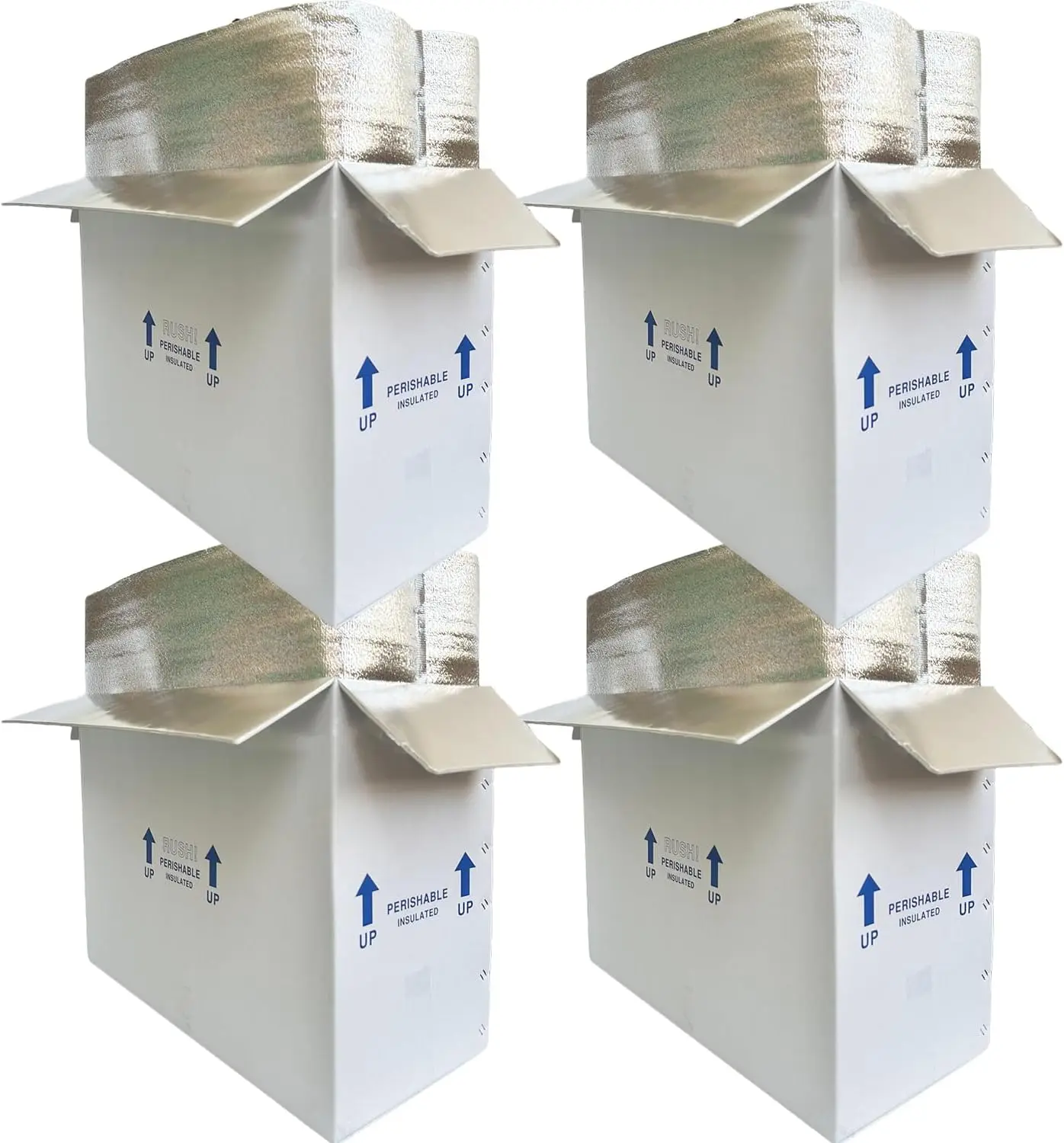 |
CH-BOX Insulated Cold Shipping Boxes with Liners (TB261119L-4) | 4.3 | 235 | $99.99 | $0.76 | 4-pack; dimensions 26’’ x 11’’ x 19’’; white finish; designed for perishable frozen food; includes insulation liner for extended temperature control and freshness. |
Table data sourced from [1].
Review sentiment for the bestselling box emphasizes high satisfaction with insulation quality, large capacity, and convenience, with occasional requests for tougher durability or improved bulk discounts for regular shippers. Buyers actively seek boxes that meet regulatory and retail standards but also express openness to innovative designs or added sustainability features.
The overall sales landscape is dominated by multi-pack units suited for small business, subscription, and direct-to-consumer models; retail price points exhibit significant mark-up over wholesale, indicating strong perceived value and branding impact. Monthly sales volumes reflect both seasonal demand (holiday and pre-summer peaks) and ongoing growth in online grocery delivery, direct-to-table services, and independent seafood retailers.
For international buyers, securing the most effective frozen fish packaging boxes requires navigating a complex web of supplier capabilities, compliance challenges, and logistics considerations. Here are actionable strategies and risk mitigations for wholesale importers, brand buyers, and procurement officers:
Packaging logistics for frozen seafood depend on both upstream supply chain integrity and downstream destination specifics. For high-value exports (e.g., salmon, prawns, cod), airtight packaging, efficient stacking, and rapid freezing capacity become paramount; local distribution may accept less premium options but still requires compliance with biodegradable material mandates or recycling rules in certain regions[4][6].
Competitive buyers leverage volume contract negotiation, supplier partnerships, and flexible warehousing. They demand transparent batch-tracing, inspection reports, and contingency plans for disruptions in cold chain logistics or customs clearance. Incorporating eco-friendly packaging and advanced insulation can enhance brand differentiation, especially in markets sensitive to environmental impact and gourmet quality handling.
The 2026 global market for frozen fish packaging boxes is marked by fast-evolving consumer demand, regulatory stringency, and a premium on freshness, safety, and branding. As outlined, industry sales data, social sentiment, material innovation, and compliance requirements all converge to create opportunities for agile international buyers.
Key takeaways:
For the next 6–12 months, buyers are encouraged to:
In a marketplace defined by rapid innovation, diverse consumer preferences, and regulatory momentum, the packaging choice you make for frozen fish is more than a commodity decision—it’s a brand-defining move. Tap into the intelligence shared in this report, secure reliable partners, and make bold, data-driven decisions to capture growth, improve quality, and fortify your supply chain in 2026 and beyond.