
All categories
Featured selections
Trade Assurance
Buyer Central
Help Center
Get the app
Become a supplier
As the world enters 2026, the aquaculture industry finds itself at a decisive moment. With accelerating population growth and expanding protein demand, fish farming has transformed into a vital pillar of global food supply. This transition is particularly visible in regions such as Southeast Asia, Africa, and Latin America, where scalable, sustainable, and technologically advanced aquaculture practices have become central to local economies. One technology stands at the core of this transformation: the floating fish pellet machine. Once considered a niche apparatus, these machines are now driving innovation in aquatic feed production, enabling farmers, feed processors, and retailers alike to tailor precise, nutritionally rich feed pellets, optimize growth cycles, and minimize resource wastage [2][3][5].
Seasonal factors have further heightened relevance. The first quarter of 2026 is marked by intensified restocking activities following the winter lull, with farmers preparing ponds and tanks for optimal yield. Cultural celebrations in emerging markets also coincide with increased fish consumption, prompting retailers and importers to ramp up feed inventory ahead of holidays. Consumer behavior shifts—such as the migration toward organic, chemical-free, and species-specific feeds—create new demand curves that manufacturers must address. Simultaneously, environmental awareness regarding overfishing and sustainability is influencing both procurement managers and end consumers to adopt efficient feed pellet production, reducing the carbon footprint of aquaculture operations [4].
Within this lively context, global buyers on leading B2B platforms are scrutinizing the technical specifications, operational costs, and adaptability of floating fish pellet machines. Their purchasing decisions now reflect a sophisticated understanding of machine-driven feed benefits, including better feed conversion ratios, reduced mortality rates, and traceable supply chains. The push toward automation and rapid scalability means that even small-scale operators seek machines that can support multiple aquatic species and adjust pellet buoyancy and nutritional profiles on demand. With competitive sourcing pressure and heightened regulatory scrutiny, identifying best-selling products and trusted suppliers is more critical than ever.
At its core, a floating fish pellet machine is a specialized extruder designed to transform raw feed ingredients such as maize, soybean meal, fish meal, and essential micronutrients into stable, buoyant pellets optimized for various fish species. The evolution of the technology traces back to the rise of commercial aquaculture in the late 20th century, but the machines available in 2026 feature notable advancements: energy-efficient motors, precise temperature controls, adjustable pellet diameter, and intelligent feeding algorithms.
These machines leverage either dry type or wet type extrusion technology [3][4][5]:
Major classification criteria for buyers encompass:
Evolutionary milestones include the expansion from mono-species feeds to multi-species adaptability, auto-temperature control systems, expanded mold selection for pellet diameters (0.9mm–15mm), and integrated sterilization options that safeguard against salmonellosis—features vital for both nutritional adequacy and regulatory compliance [5].
For buyers contemplating their next machinery upgrade, attention to these attributes determines both the immediate feed quality and the long-term profitability of their aquaculture venture.
The rise of floating fish pellet machines isn’t just a story of industrial advancement—it’s deeply interwoven with grassroots perspectives from hobbyists, breeders, and farm managers. Across social platforms, discussions unravel the nuanced preferences and real-world experiences surrounding both pellet performance and machine reliability.
One recurring theme is the delicate balance between floating vs sinking pellets. For many goldfish and koi keepers, aquarium enthusiasts share insights on how pellet buoyancy affects fish health, feeding behaviors, and tank cleanliness. For instance, some practitioners note that floating pellets can lead to fish gulping air, potentially causing buoyancy issues, while others highlight that floating pellets promote surface feeding and make monitoring intake easier [9]. Comments frequently reference brands such as Hikari, Dimax, Fluval Bug Bites, as well as specialty options like Golden Pearls, which offer neutrally buoyant, easy-digesting pellets favored by sensitive or picky species [6][7][14].
Feed distribution, especially in pond or outdoor settings, elicits logistical debate. Inherited feeding routines using flakes are being replaced by more controlled pellet systems, with some users employing floating feeding rings or modifying pellet textures (e.g., soaking or flavor-enhancing with natural juices) to entice finicky fish [11]. The transition timeline for fish to adapt to floating pellets ranges from days to more than a year, underscoring the need for patient conditioning and incremental feed introduction.
User-generated content frequently highlights innovative machine adaptations to home-scale feed production. With border disruptions and supply chain challenges, some farmers are milling and pelletizing their own feed locally, seeking advice on ingredient selection, mechanical reliability, and output consistency [19]. Concerns also center around the materials used in the machines—stainless steel for food-grade safety, electric vs manual operation, and the capacity to switch between livestock, poultry, and aquatic feeds. These conversations guide buyers toward verified, durable models and caution against poorly constructed units or underpowered systems [15][16].
Sentiment analysis of review keywords reveals several priority themes:
Beyond technology, lifestyle trends such as sustainable fish farming, organic feed production, and locally milled pellets are gaining traction in community forums. Discussions around fish pellet flies for trout fishing further exemplify how versatile and culturally embedded pellets have become: from aquaculture, to recreation, to artisan feed production [8]. This vibrant mix of practical advice, peer endorsement, and troubleshooting stories shapes both the retail and B2B landscape—driving demand for machines that are user-friendly, adaptable, and backed by reputable support networks.
The floating fish pellet machine market demonstrates robust growth into 2026, propelled by expanding aquaculture investment, technology upgrades, and a shift toward intensive, data-driven feed management. The global market size continues to register double-digit year-on-year growth, particularly in Asia-Pacific and emerging African nations. Demand is split between individual farm operators seeking compact, cost-effective machines, and large-scale feed processors requiring industrial-grade extruders with high output (300 kg/h to over 1000 kg/h), precise temperature controls, and multi-format mold sets [2][3][5].
Product categories showcase diversity in configuration and capacity:
Key innovations in recent models include:
Price tier analysis reveals highly competitive options, with retail prices for entry-level machines ranging from $600–$1,200, mid-tier systems averaging $3,500–$5,000, and industrial-grade pellet lines exceeding $12,000 depending upon features, certification, and supplier reputation [2][5]. Wholesale pricing and bulk discounts increase as buyers negotiate directly with manufacturers, seeking to optimize both cost and long-term warranty support.
Regional demand profiles show ongoing preference for machines capable of processing multispecies feeds—tilapia, catfish, trout, shrimp, koi, and goldfish—especially in markets where seasonal and species diversity drives ever more specialized feed requirements. Environmental regulations encourage the adoption of machines with reduced energy consumption, traceability controls, and compliance with new food safety directives.
Hot Selling Analysis: Downstream Retail Product Insights from Leading Amazon Rankings
This section highlights the latest market momentum at the retail level, representing the choices of aquatic farm operators, aquarium hobbyists, and resellers. The products presented below are ranked by sale volume for the latest month and provide a snapshot of bestsellers and consumer favorites for floating fish pellets and feeder accessories [1].
| Rank | Product Image | Product Name & Description | Retail Price | Wholesale Price | Monthly Sale Volume | Average Star Rating | Key Features |
|---|---|---|---|---|---|---|---|
| 1 | 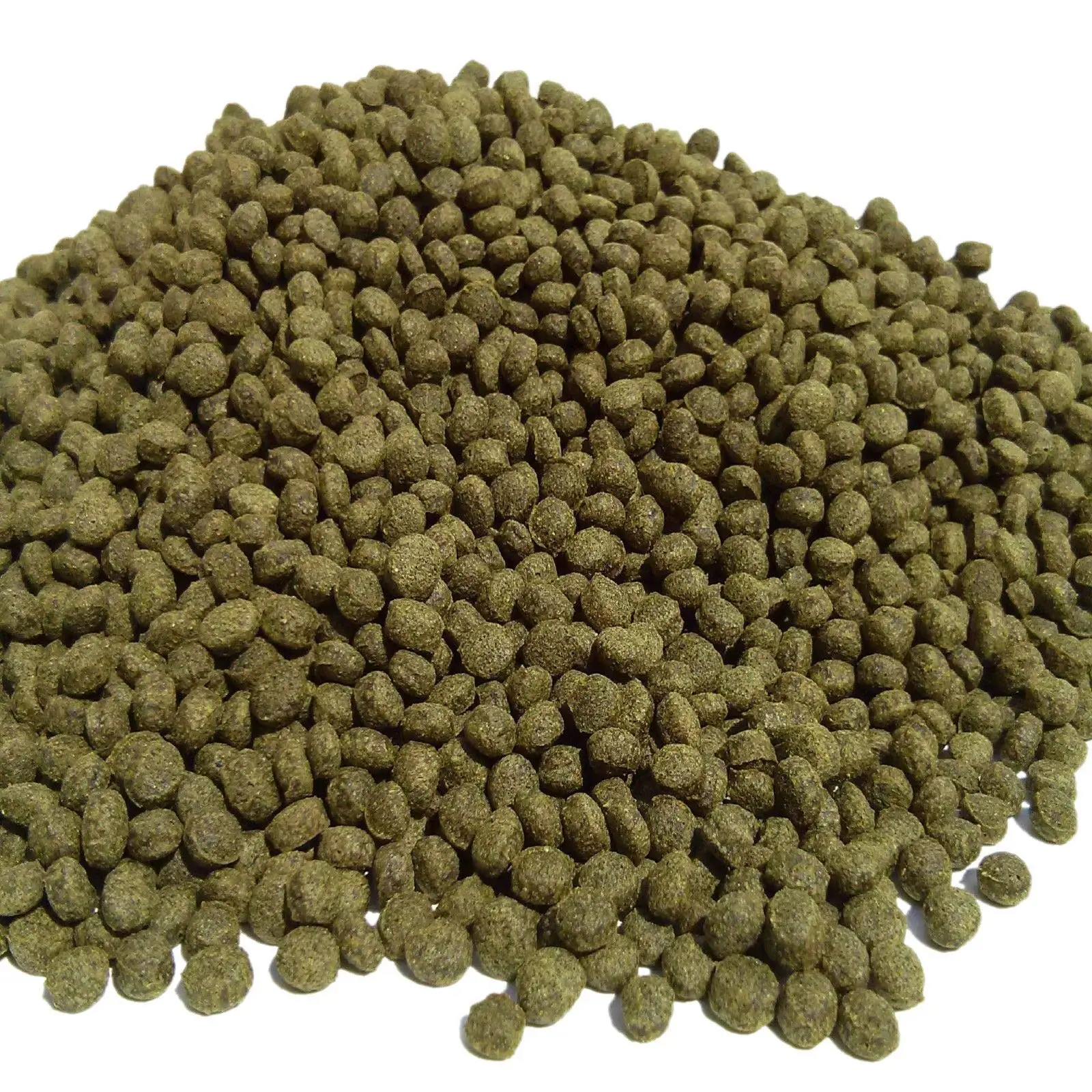 |
Aquatic Foods Inc. 6mm -1/4” Intense Color Enhancing with Krill Floating Pellets for Koi & Pond Fish Also Cichlids and All Tropical Fish - 5lbs | $31.99 | $15.38 | 5 | 0 | Color-enhancing formula, krill base, optimal floating, multi-species |
| 2 | 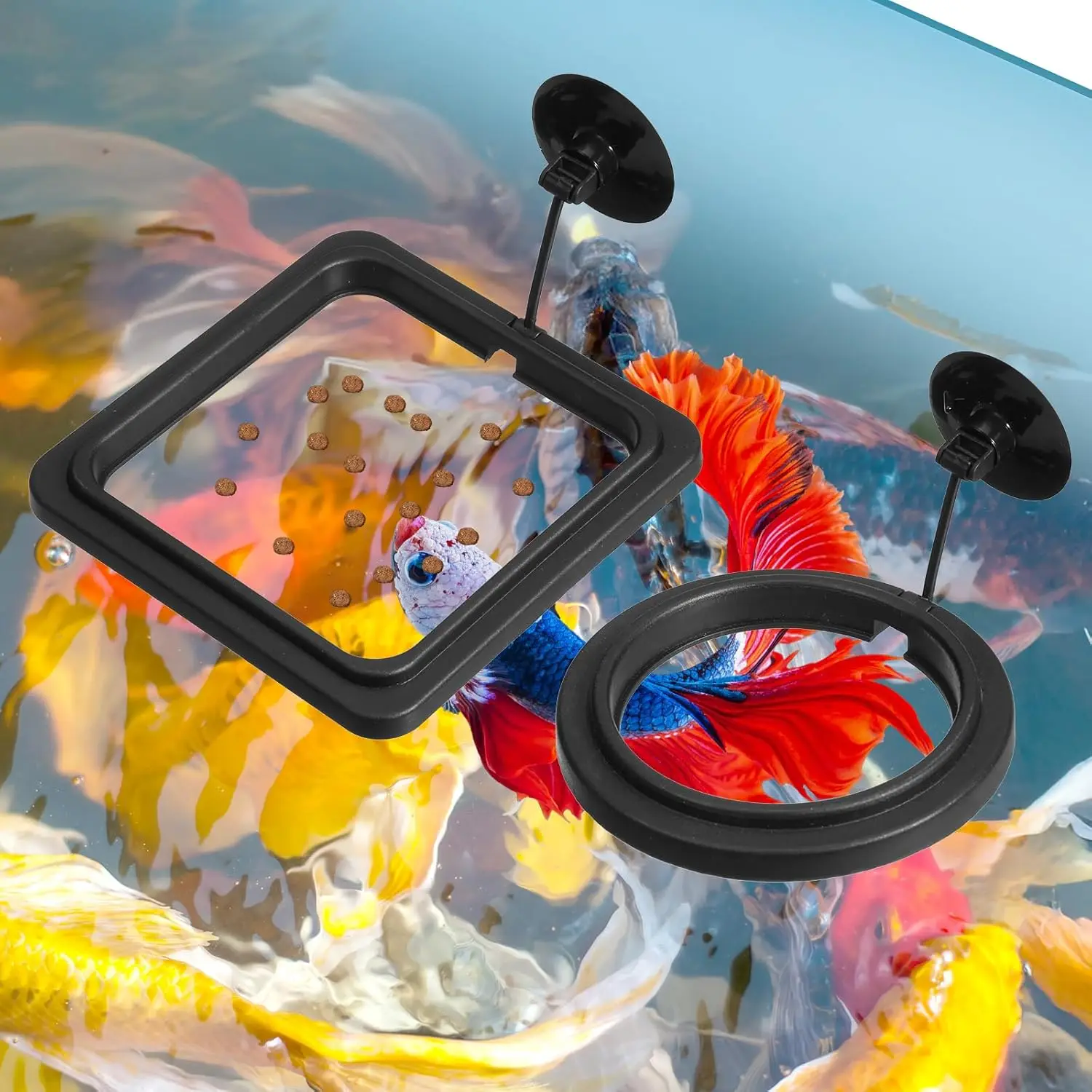 |
2 PCS Fish Feeding Ring, Aquarium Feeding Ring Floating Fish Feeder Rings with Strong Suction Cup for Guppy, Betta, Goldfish and Other Small Fishes (Square and Round Shape) | $4.32 | $0.6 | 5 | 0 | Floating feed ring, heavy-duty suction, suitable for multiple species |
Table data sourced from [1].
Analysis of the retail segment reveals strong consumer priorities on nutritional value, improved coloration, pellet stability, and multipurpose accessories for feeding management. The prevalence of products designed for both commercial and decorative fish species reinforces the trend toward cross-applicability and convenience. Buyers focus on cost-effectiveness at both retail and wholesale tiers, indicating opportunities for bulk procurement and regional distribution partnerships.
For procurement professionals selecting floating fish pellet machines, the stakes have never been higher. Global competition, regulatory convergence, and buyer sophistication drive the need for robust sourcing frameworks. Key supplier evaluation criteria include:
Quality control focal points encompass:
Logistics and lead time considerations are essential, notably for buyers engaging in international supply cycles. Reliable packaging—preferably moisture-proof, food-safe bags—prevents spoilage and loss during transit. Shipping service providers should offer real-time tracking and brokerage for customs compliance. Lead times for made-to-order machines average 4–6 weeks, while off-the-shelf models can ship in under two weeks from major exporting countries.
Pitfalls to avoid:
In an era where competitive advantage is determined by both feed yield and operational safety, choosing the right machine and supplier sets the foundation for business sustainability and reputation management.
As aquaculture matures, the floating fish pellet machine shifts from a commodity to a strategic enabler. Sourcing teams, farm managers, and distributors must now synthesize market intelligence with real-world insight—and act decisively. This report’s deep dive into community sentiment, technical evolution, retail bestsellers, and procurement protocols paints a clear path: prioritize machine adaptability, energy efficiency, and robust supplier credentials; keep a pulse on consumer and hobbyist feedback for emerging trends in pellet buoyancy and digestibility; and integrate risk management schemes from the start.
For the next 6–12 months, the actionable recommendations are clear:
The journey from sourcing decision to operational success depends on integrating technology, community wisdom, and best practice procurement. With this intelligence, international buyers can confidently secure a place at the forefront of aquaculture’s next era.