
All categories
Featured selections
Trade Assurance
Buyer Central
Help Center
Get the app
Become a supplier
In 2026, the demand for flatlock sewing machines stands at an all-time high, driven by several intersecting trends shaping the global apparel, textiles, and sportswear markets. COVID-era lifestyle adjustments continue to influence consumer preferences, resulting in a surge of activewear, athleisure, and comfort-oriented garments—precisely the domains in which flatlock machines excel. Recent international sporting events, particularly the 2026 Summer Olympics and regional marathons, have reignited demand for premium, durable sportswear manufacturing solutions. As sustainability takes center stage, manufacturers are leveraging flatlock techniques for efficient, strong seam construction that minimizes waste and ensures longevity—a key point for both eco-conscious brands and B2B buyers seeking to lower defect rates and returns.
Seasonal cycles also assert their influence: as winter transitions to spring, suppliers are ramping up production of tight-fitting technical knits, performance wear, and children’s garments, which all benefit from the bulk-free, stretch-friendly seams that flatlock machines provide. Emerging economies in Southeast Asia and Eastern Europe are accelerating investments in automated garment production, with localized fashion houses and mass manufacturers alike prioritizing flatlock capabilities for everything from sports bras and leggings to yoga apparel and swimwear. These market movements signal a major uptick in procurement activity on Alibaba.com and other B2B platforms, with volume buyers seeking competitive sourcing for industrial, commercial, and household flatlock models.
According to multiple trend analyses, buyer behavior is migrating toward multi-functional machines, robust after-sales support, and internationally certified components—a move that’s amplifying competition and innovation in the supplier landscape. As worldwide logistics stabilize post-pandemic, procurement professionals are increasingly focused on optimizing sourcing cycles, reducing lead time, and securing access to technically advanced flatlock sewing machines at scale. All signs point to a vibrant market with strong margin potential for 2026 and beyond[1][2].
Flatlock sewing machines represent a specialized class of stitching equipment chiefly designed to create flat, elastic, and durable seams—the hallmark of activewear, sportswear, and technical apparel. Unlike traditional overlock or lockstitch machines, flatlock devices join fabric edges edge-to-edge or with minimal overlap, forming a seam that feels virtually seamless against the skin and remains highly stretchable. The resulting “ladder-like” stitch on one side and interlocking loops on the other are both functional and decorative, reducing bulk, enhancing comfort, and supporting aesthetic innovation for modern garment lines[5][6].
Historically, flatlock stitching emerged as a solution for sportswear where conventional seams caused chafing and restricted movement, rapidly proliferating across the global garment industry by the late 20th century. Early models were manual, single-purpose machines limited to a narrow range of fabrics. With the advent of automation, servo-driven motors, and integrated lubrication systems, today’s flatlock machines offer multi-needle, multi-thread capabilities suitable for everything from swimwear, yoga wear, and lingerie to industrial uniforms and children’s clothing[4][7][8].
Buyer classification for sourcing is based on several criteria:
2026’s threaded tapestry of social discourse offers invaluable intelligence for procurement, as brands and suppliers increasingly listen to the global maker community to inform product enhancements and market positioning.
Across digital forums and user groups, flatlock sewing machines spark spirited debate and celebration. Real-life users, ranging from small-scale crafters to industrial producers, weigh the merits of flatlock, coverstitch, and serger machines for everyday projects. One common thread is the transformative impact of seam quality—with numerous consumers reporting that flatlock stitches “make the difference” in comfort, fit, and durability of children’s and sports clothing. For example, a discussion among active sewists highlighted frustration with twin needle finishes on knits (notoriously prone to tunneling), propelling many toward acquiring dedicated flatlock or coverstitch units in pursuit of professional garment standards[9].
Decision-making echoes classic challenges in B2B sourcing:
Review threads also offer brand-by-brand intelligence: While some crafters extol Bernette’s Academy B05 for reliability and Janome’s 725s for mechanical toughness, others caution about batch variability in Husqvarna and Janome’s HD series. Brother’s NS80e wins praise for its user experience and electronic sophistication in 2026, again echoing procurement market sentiment toward reliable, tech-forward hardware[11].
In DIY, leathercraft, and quilting circles, technical adaptability matters: Cylinder-bed machines are championed for versatility, with recommendations to purchase flat-bed attachments for efficient panel work, especially for new entrants to leathercraft. The consensus? Flatlock sewing machines—and their technical relatives—empower makers to pursue creative projects more confidently, improving garment quality, speed, and perceived value[13].
Finally, influencer and lifestyle feedback reinforces product perceptions: Posts about “falling into MYOG” with serendipitously acquired high-end machines (like the Sailrite Ultrafeed LSZ-1) generate envy and validate the trend toward investing in more capable, repairable equipment. Discussions about advanced stitches and industrial-strength performance reveal a broader shift—sourcing decisions in 2026 increasingly reflect direct input from dynamic, knowledgeable consumer communities[15][16][18].
Today's flatlock sewing machine market is marked by strong demand from B2B channels, e-commerce platforms, and direct-to-consumer segments. The rising trend of multi-thread and heavy-duty overlock/serger machines complements flatlock-specific sourcing, as buyers pursue capability upgrades and productivity boosts. Industrial users and home workshop owners alike value machines that deliver durability, fuss-free maintenance, and superior seam comfort.
Let's unpack the market intelligence through sales, sentiment, and product data.
Sales and Sentiment Trend Analysis: Amazon Themes in 2025-2026
Two closely linked themes—Multi-Thread Overlock & Serger Machines and Heavy Duty Serger & Overlock Sewing Machines—set the pace for flatlock segment growth. Both categories show stable, if fluctuating, sales cycles and clear opportunities for product improvement.
Below is a bar chart visualizing monthly average sales volumes for both categories. Positive reviews focus on sharpness, durability, and ergonomic assembly, while pain points include lack of instructions, pricing concerns, and inconsistent material quality[1][2].
Key insights:
Monthly sales trends for Multi-Thread Overlock & Serger Machines (blue) and Heavy Duty Serger & Overlock Sewing Machines (green) from Aug 2025 to Jan 2026
Recommendation for suppliers: Focus on improving user instructions and ergonomic features for multi-thread machines, while boosting material consistency and packaging for heavy-duty models. The noted sales spike in January for heavy-duty models suggests timing procurement efforts ahead of seasonal retail and fashion manufacturing cycles for largest volume gains.
Sentiment Analysis of Amazon Reviews: What Matters Most to Buyers
Understanding review-driven sentiment is crucial for product development and buyer negotiation. Here's a summary:
Flatlock Machines: Amazon’s Top-Selling Hot Products (January 2026)
Retail product data reveals a clear hierarchy of bestselling flatlock sewing related machines and attachments, from industrial vertical feet to portable electric units and serger plates. Major brands like Brother, Sew link, AOKLEY, CYMYYDS, Guehomm dominate Amazon’s top 10, with price points spanning entry-level to advanced professional ranges. Below is a detailed table highlighting each product’s key stats, including retail/wholesale prices, sales volumes, ratings, and imagery.
| Product Image | Product Name | Avg. Rating | Latest Month's Sales | Retail Price | Wholesale Price | Key Features |
|---|---|---|---|---|---|---|
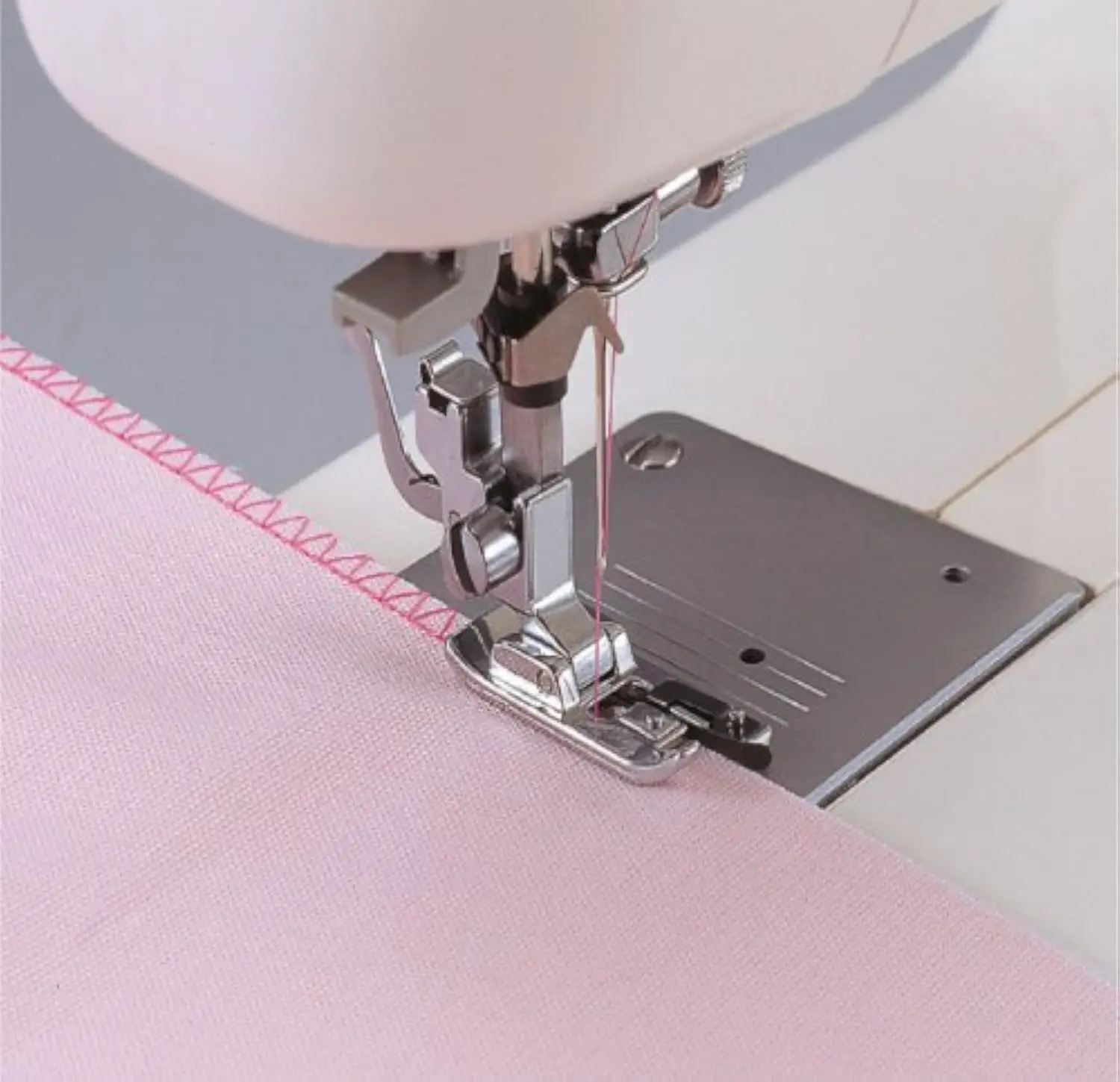 |
Brother SA135 Overlock Vertical Foot Silver | 4.4 | 82 | $19.40 | $4.87 | For Brother machines, enhances overlock finish; best for regular knits |
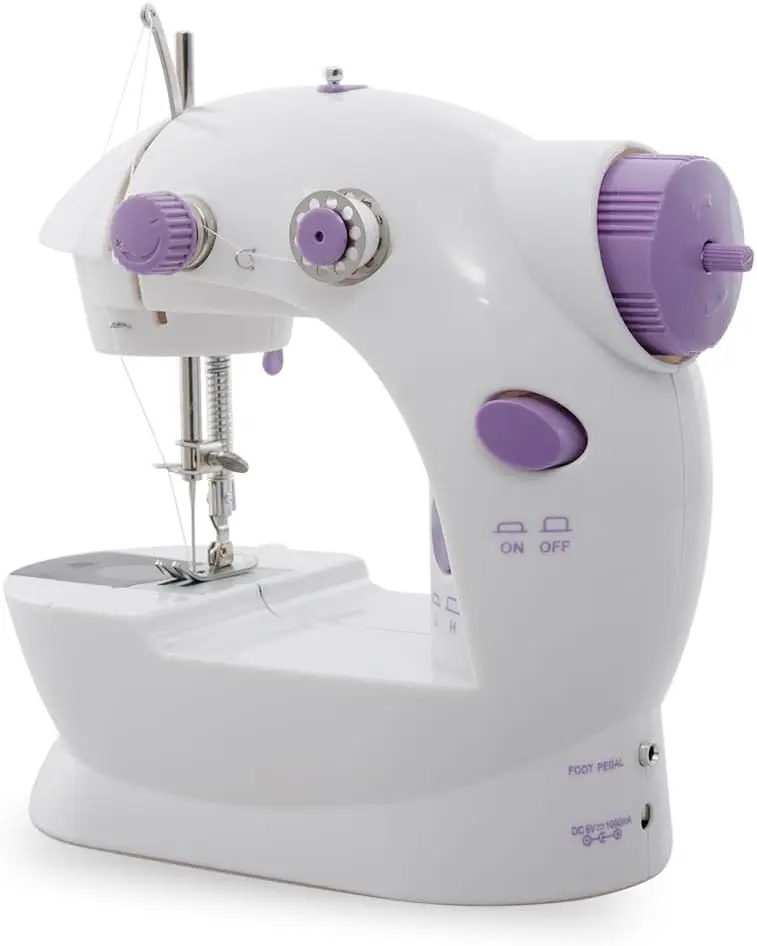 |
Mini Portable Sewing Machine Electric Crafting Mending Machine | 3.0 | 7 | $21.23 | $5.81 | Portable, multi-fabric compatibility, designed for silks, denim, wool, leather |
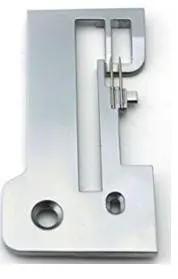 |
Sew link Needle Plate for Brother Serger Overlock Sewing Machine | 4.3 | 7 | $19.94 | $4.35 | Replacement plate for Brother serger/overlock machines, steel construction |
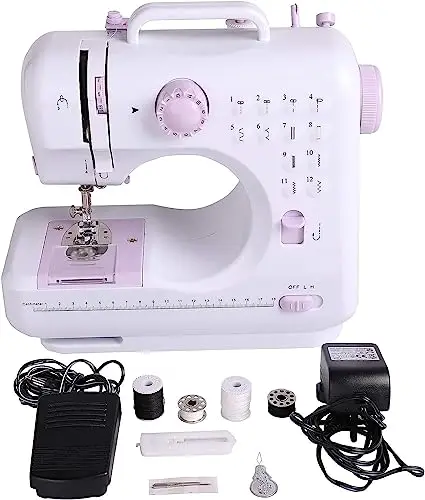 |
AOKLEY Mini Handheld Electric Sewing Machine | 0.0 | 5 | $66.99 | $18.09 | 12 stitches, foot pedal, household use, overlock and DIY |
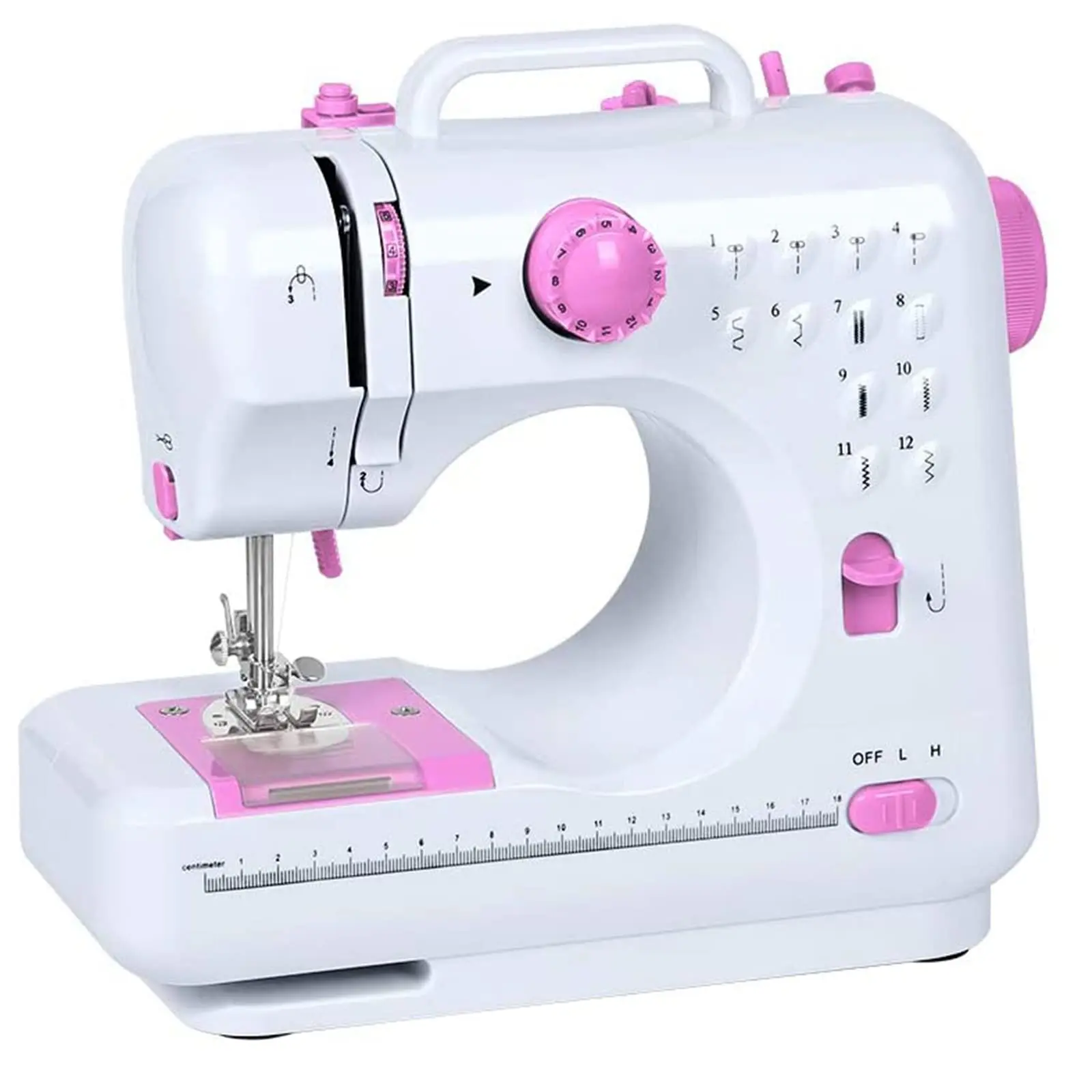 |
Electric Household Sewing Machine Portable Multifunctional Overlock | 3.9 | 5 | $89.00 | $20.28 | 12 built-in stitches, LED sewing light, for beginners/girls/amateurs |
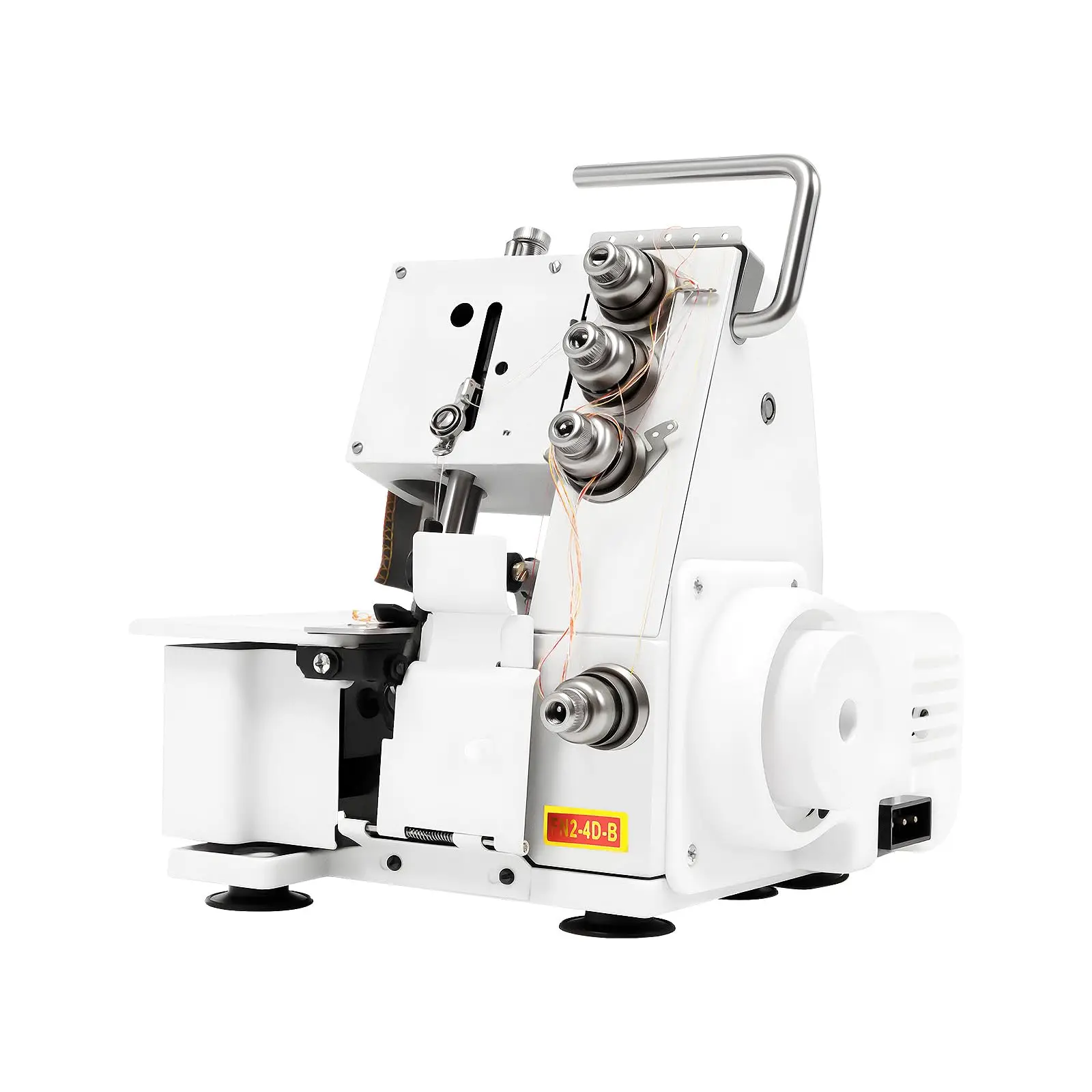 |
4-Thread Serger Overlock Sewing Machine 100W 1200 Stitches | 5.0 | 5 | $74.00 | $50.00 | Professional/home use, heavy-duty metal frame, LED, foot controller |
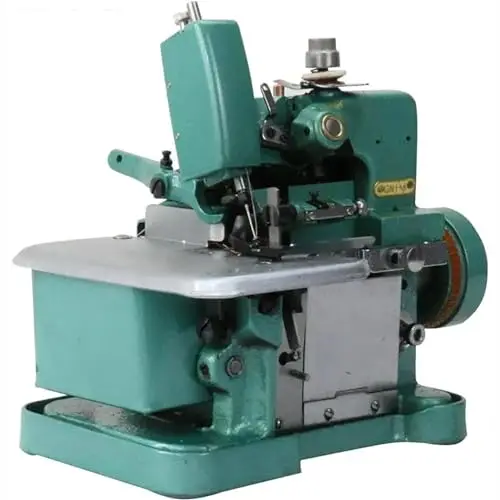 |
CYMYYDS Overlocker Sewing Machine 250W Sergers | 0.0 | 5 | $309.48 | $50.00 | Industrial, 3 stitch capability, overlock width 3.0-5.0mm |
|
Guehomm Serger Overlock Machine, 4 Thread Industrial | 0.0 | 5 | $74.00 | $50.00 | Industrial metal frame, LED, foot controller, 1200 stitches/min |
Table data sourced from [3].
Key sourcing takeaway: Brother machine accessories and replacement parts are top volume sellers, while portable and multifunctional electric models gain traction among DIY and entry-level workshops. Industrial-grade units have higher price floors and feature sets, ideal for higher capacity buyers seeking durability and speed.
With global competition mounting in 2026, buyers must be shrewd in evaluating flatlock sewing machine suppliers. Here’s a strategy-focused guide for successful, risk-mitigated procurement:
Competitive advantages in flatlock sourcing hinge on securing machines with proven industrial reliability, robust after-sales networks, and proactive technical upgrades in line with the latest 2026 garment innovations[4][6][7].
The past year’s rapid expansion in sportswear, activewear, and technical textile manufacturing sets an optimistic stage for flatlock sewing machines in 2026. From technical evolution through cutting-edge industrial upgrades, to retail bestseller charts driving procurement momentum, every sign confirms this category’s strategic importance for global buyers.
Procurement professionals who meet the market’s call for durability, comfort, and aesthetics will see outsized growth—not only in volume but also in client satisfaction and brand reputation. By listening to social sentiment, addressing Amazon’s review-driven product gaps, and prioritizing supplier quality, buyers can position themselves for long-term competitive success. The next 6-12 months are primed for intelligent sourcing: time your purchases ahead of spring and summer production peaks, offer technically advanced, comfort-optimized machine models, and stay alert to community-driven trends and influencer endorsements.
Now is the time to source boldly, leveraging 2026’s data-rich environment to secure the flatlock sewing machines that will define the next generation of global apparel. Let actionable intelligence and customer passion guide your procurement journey—and ensure your offerings stitch together reliability, comfort, and industrial expertise for the markets that matter most.