
All categories
Featured selections
Trade Assurance
Buyer Central
Help Center
Get the app
Become a supplier
Entering 2026, AA batteries remain one of the world’s core power sources—staples for everything from consumer electronics (remotes, game controllers, toys) to critical commercial/industrial applications (sensor systems, facility maintenance, safety devices). Recent holiday seasons saw a surge in device sales, amplifying battery demand; at the same time, sustainability conversations and technological advances (USB-C rechargeable, high-capacity lithium) have transformed buyer priorities[4][7]. With schools, offices, and households increasingly adopting smart and wireless devices, the pattern of bulk and repeat battery purchasing has diversified. Notably, supply chain trends—such as the fragmentation of traditional retail, the rise of online bulk orders, and the focus on eco-friendly rechargeable options—accelerate as businesses look to save costs and reduce waste[12]. Culturally, the recent Black Friday and Christmas shopping windows created major spikes in battery buy-ins, while ongoing climate initiatives and consumer electronics upgrades keep AA batteries front-and-center for strategic sourcing in 2026.
The post-pandemic digital lifestyle, hybrid work environments, and proliferation of cordless devices have driven up both household and enterprise consumption. Meanwhile, procurement professionals must navigate an increasingly sophisticated landscape—balancing bulk pricing, product life cycles, brand preferences, and evolving regulations regarding battery disposal and sustainability. This makes the AA battery segment a key battleground for innovation and sourcing efficiency going into the next fiscal year.
AA batteries—designated “Double-A” for their standardized size—have powered devices since their industrialization in the late 1940s. The AA cell features classic cylindrical dimensions (≈50mm length × 14mm diameter) and was standardized to fit a huge array of home and industry electronics. Originally produced as carbon-zinc disposables, the family evolved rapidly to incorporate alkaline, nickel–metal hydride (NiMH), lithium primary, and most recently, advanced rechargeable lithium-ion cells with regulated voltage outputs.
Today, buyers distinguish AA batteries by:
Historically, alkaline AA batteries dominated due to cost-efficiency and reliability across most electronic goods. However, the past decade witnessed a significant shift: Rechargeable options, particularly NiMH and lithium-ion, now drive market expansion, answering demands for sustainability, cost savings, and convenience[6][8]. Today’s AA battery sourcing conversation pivots around which chemistry, capacity, and packaging best matches buyer needs—whether for retail, institutional, or specialized industrial deployments.
The range of AA batteries now encompasses everything from classic single-use alkalines (favored in shelf-stable emergency kits) to modern USB-C rechargeable lithiums (preferred for high-drain smart devices), all with varying implications for cost, run time, and environmental impact[17]. Product classification is central to any strategic sourcing plan—determining not just performance, but long-term procurement efficiency and compliance.
2026’s AA battery market is profoundly shaped by online communities and user-generated content. Buyers—both end users and procurement pros—turn to social forums, video reviews, and influencer commentary for real-world feedback before making bulk or specialty purchases. Sourcing professionals increasingly analyze social sentiment for insights on product performance, durability, price-value, and unique application scenarios.
Brand Loyalty and Performance: Social platforms overflow with discussions about power longevity, brand superiority, and chemistry advantages. Eneloop10][13]. IKEA’s LADDA (often noted for being manufactured in the same plant) is praised for both affordability and shelf life on long-term storage[10]. Procurement managers take note: “Buy a bunch, never look back” is a common refrain.
Lithium vs. NiMH Debate: The shift to lithium rechargeables sparks intense conversation. Some users report that high-mWh rechargeable lithium AA batteries deliver superior high-drain device performance (wireless mice, motorized toys) and maintain voltage stability until full discharge[9][11]. Others counter that for general purpose, NiMH AA’s (Eneloop, Fujitsu) offer cycle longevity, cost-effectiveness, and versatility, especially where devices tolerate lower voltages (1.2V vs. 1.5V)[13][11].
USB-C Rechargeable Innovations: Communities now compare “convenience batteries” featuring built-in USB-C charging versus classic cells. Users love the charging flexibility, but admit that voltage regulators reduce internal capacity; some devices may interpret abrupt voltage drop as unexpected “dead battery” status[17]. Savvy buyers match battery form to device sensitivity.
Bulk Pack Purchasing: Discussions reveal a wide range of buyers for bulk packs (24+, 48+, even 50 batteries)—from schools to custodians to outdoor enthusiasts and event organizers. Reasons include the need for dozens of batteries for trail cameras, toys, door locks, or institutional equipment. The cost and logistics of rechargeables versus disposables is a frequent concern: businesses and schools often prefer disposables because chargers and batteries tend to get lost or damaged[12]. For sourcing professionals, this highlights a segmentation in commercial vs. household bulk buyers.
Longevity and Storage: Shelf life is paramount for some buyers—lithium primary cells win for long-term storage/survival kits, while NiMH rechargeables dominate “cycling” applications. Users recommend freezing NiMH batteries for extended storage, charging them periodically for optimal life[15].
Consumer Sentiment on Reliability: Reviewer sentiment heavily favors “works as intended,” “reliable performance,” and “long lasting,” with frustrations targeting short lifespan, misleading packaging, and lack of expiration labeling[1][2]. Social content such as detailed product testing videos, real-life use cases (game controllers, remotes, sensors), and dedicated comparison posts help guide both consumer and business sourcing decisions.
In summary, social data reveals that modern buyers prioritize brand trust, chemistry suitability, and convenience features: Recharge cycle count, shelf life, voltage stability, and packaging reliability are more influential than price alone. Sourcing teams leveraging social sentiment have a powerful window into what truly matters to buyers—and can tailor their procurement strategy accordingly.
2026 Market Overview: Intelligent Trends and Strategic Buying Insights for AA Batteries
The AA battery marketplace in 2026 features robust growth—driven by the convergence of household demand, commercial bulk purchasing, and niche high-drain requirements. Industry data identifies upticks in sales around major consumer purchasing events (Black Friday, Christmas, new tech launches), with notable spikes for both alkaline variety packs and rechargeable battery bundles.
Retail buyers fuel seasonal surges. Households account for over 42% of total purchases, focusing on variety pack offerings for devices ranging from toys to flashlights. Meanwhile, travelers and IT professionals drive around 24% of sales, favoring reliable, portable power for on-the-go use[1]. Institutional bulk buying is segmented: schools, custodial teams, trades, and event organizers prioritize high-volume disposable batteries due to loss and logistics issues, with rechargeable adoption slow but growing[12].
Market segmentation also reveals enduring interest in high-performance, long-lasting batteries suitable for remote, sensor, or emergency applications. Demand for solar light-compatible rechargeables continues to rise[2], signaling opportunities for suppliers equipped to deliver diverse chemistry options.
Buyers increasingly focus on product lifespan, packaging clarity, and authenticity. Price tiers remain aligned to performance: Value and shelf stability dominate low-end purchase decisions, while higher price points justify premium features (USB-C, higher capacity, enhanced longevity).
Sales Trends Bar Chart: Alkaline vs. Rechargeable AA Batteries (Amazon Data 2025-2026)
Monthly sales and search volume analysis for 2025-2026 reveals the following pattern:
Buyer sentiment:
Retailer and sourcing recommendations:
Below, a bar chart visualizes normalized sales and search volumes for AA Alkaline and Rechargeable Battery Variety Packs, reflecting major market movement over the past year:
Monthly Search Volume and Average Sales for AA Alkaline and Rechargeable Batteries (Aug 2025-Jan 2026)
This chart demonstrates a notable seasonal lift in AA/AAA varieties, with demand for rechargeable product themes held steady through the winter, peaking for device activations and new installations post-holiday. Solar battery sales display their own cyclical rhythm tied to outdoor activity periods—an important factor for suppliers targeting specialty markets.
2026 Sourcing Intelligence: Hot Selling Analysis of Top Amazon AA/AAA Battery Products
To understand downstream retail behavior, we examine the top 10 AA/AAA battery products by latest monthly sales, rating, and pricing—essential intelligence for procurement teams identifying winning SKUs and potential sourcing improvements[3]. Note: These represent what end buyers are actually purchasing, not bulk B2B formats, offering direct insight into consumer device trends, feature preferences, and pack sizes.
| Image | Product Name | Star Rating | Latest Month's Sales | Retail Price | Wholesale Price | Key Features |
|---|---|---|---|---|---|---|
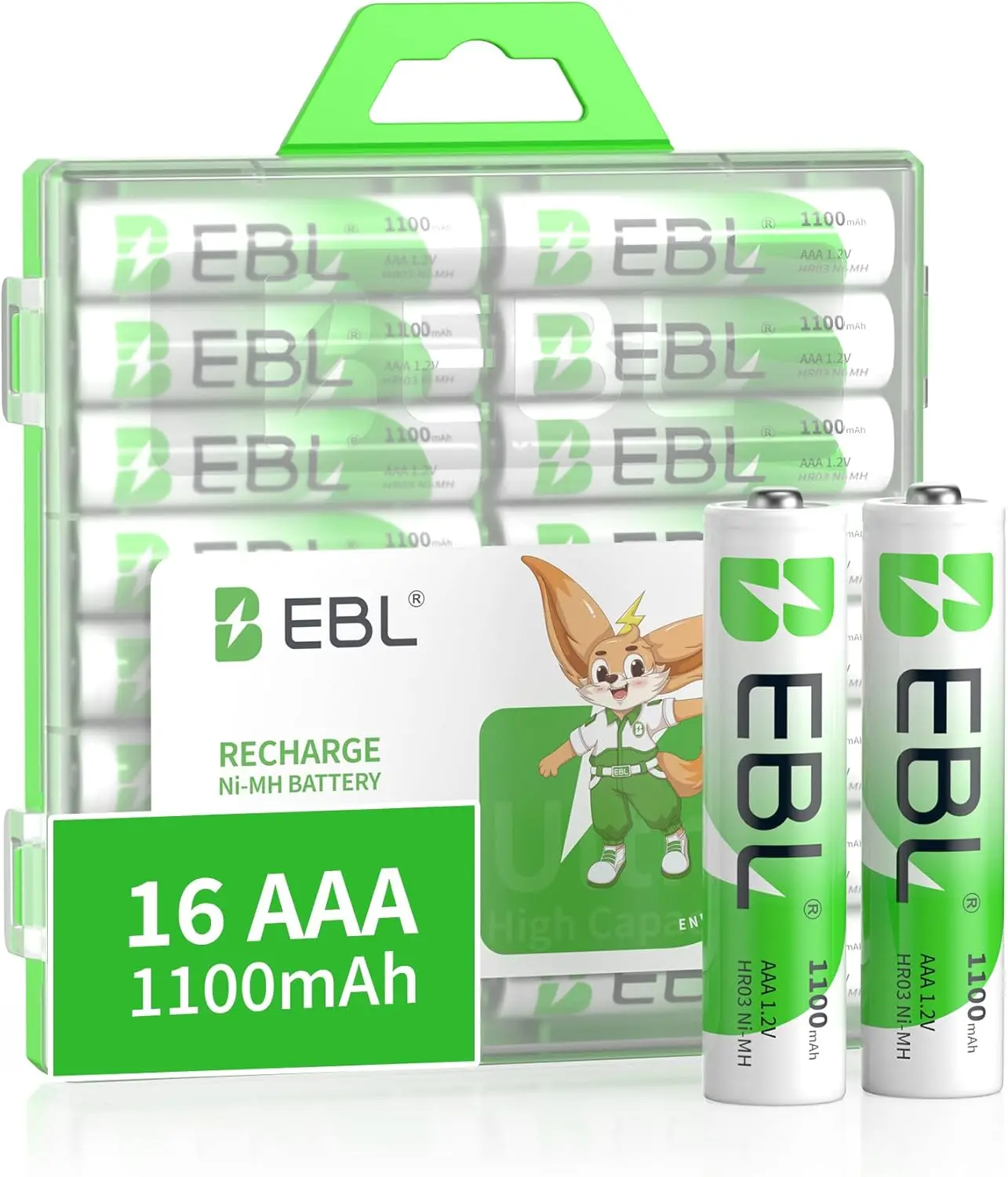 |
EBL Rechargeable AAA Batteries (16-Count) Ready2Charge 1100mAh 1.2V NiMH | 4.6 | 8,859 | $12.84 | $4.21 | Rechargeable, High Capacity, Suitable for household electronics |
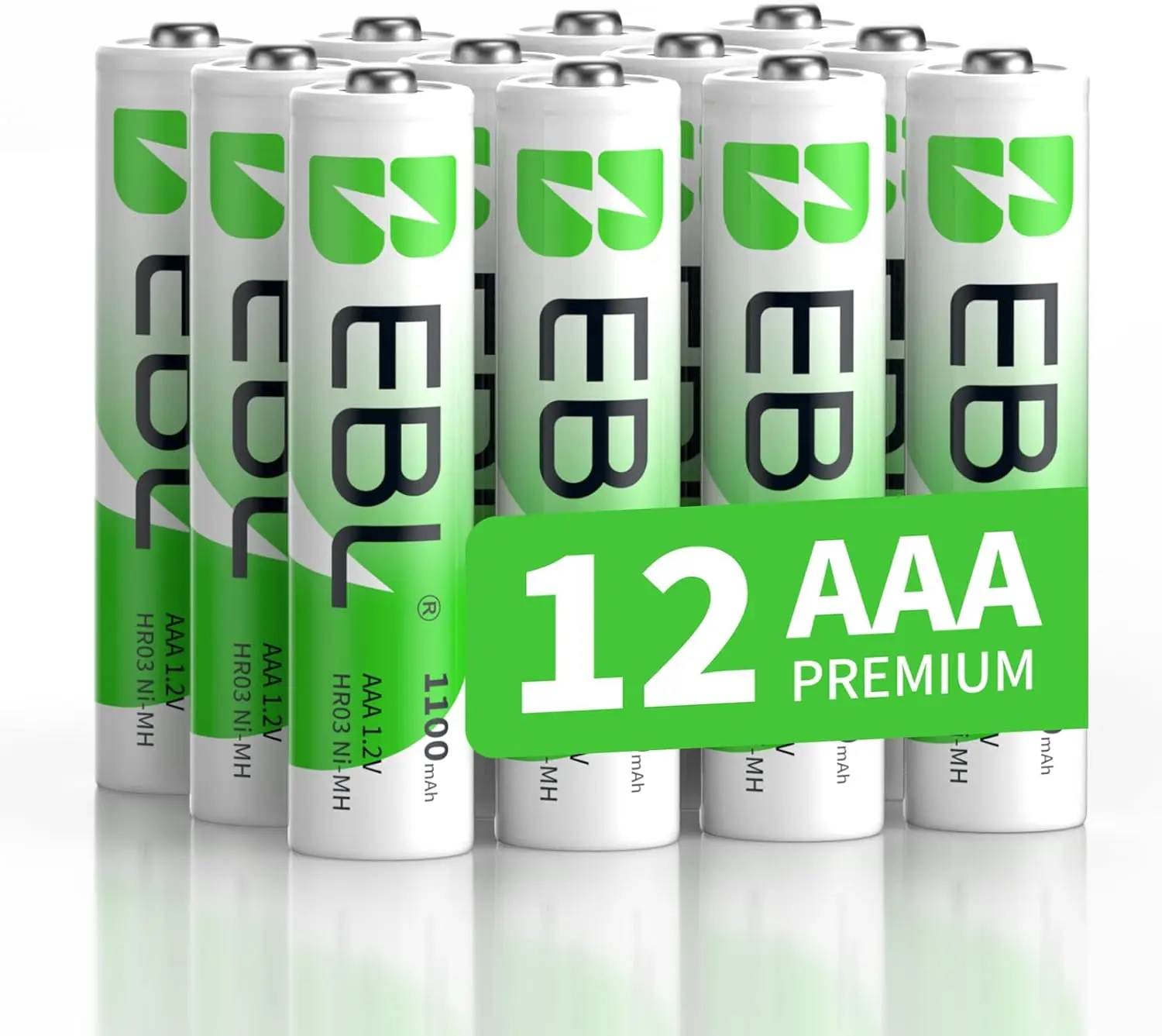 |
EBL Rechargeable AAA Batteries 1100mAh NiMH AAA (12 Pack) | 4.6 | 2,778 | $10.97 | $7.11 | Rechargeable, Multi-pack, Popular for home use |
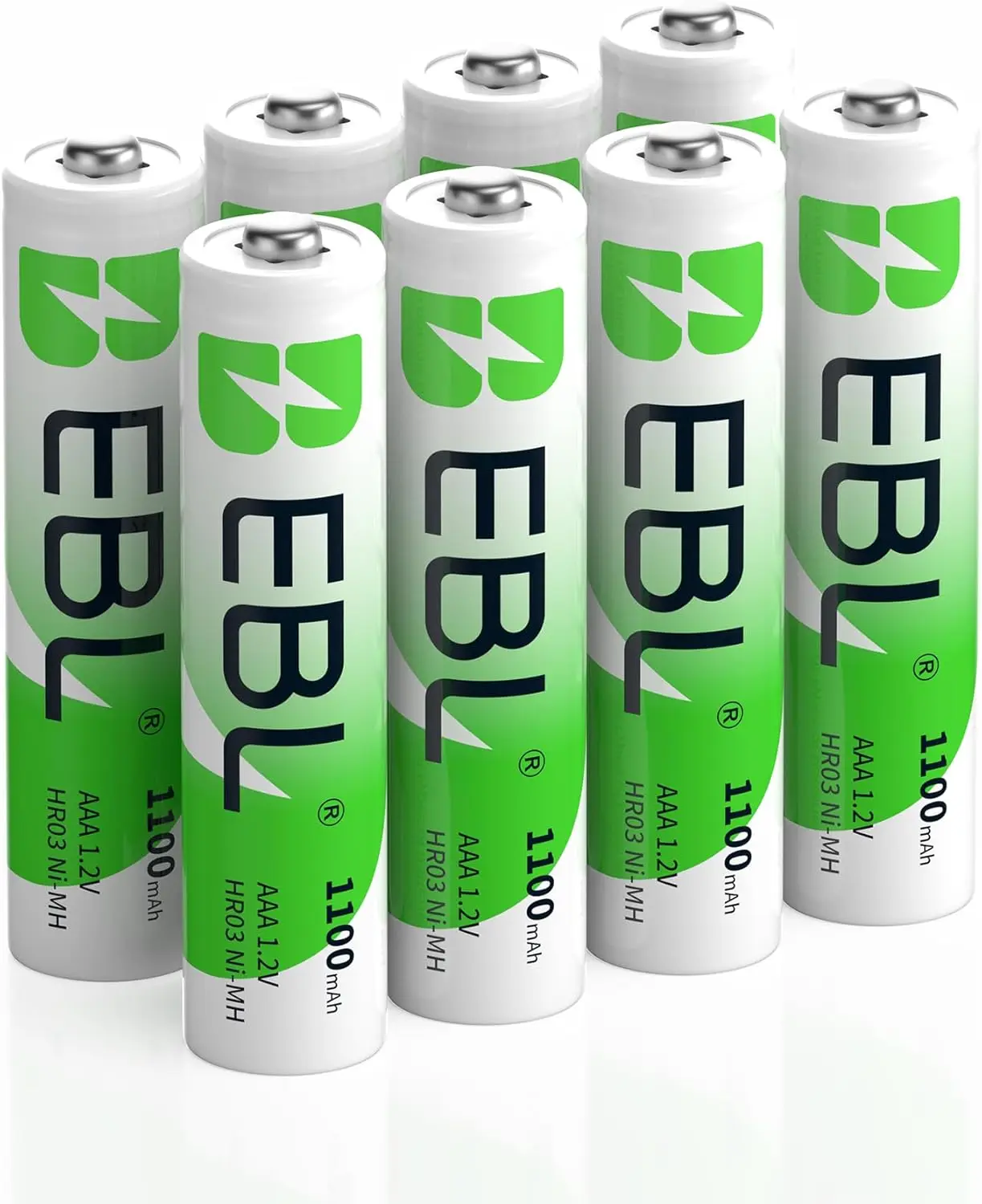 |
EBL AAA Rechargeable Batteries, 8-Count, NiMH 1100mAh | 4.6 | 2,613 | $7.90 | $3.64 | Long cycle life, suited to remotes and controllers |
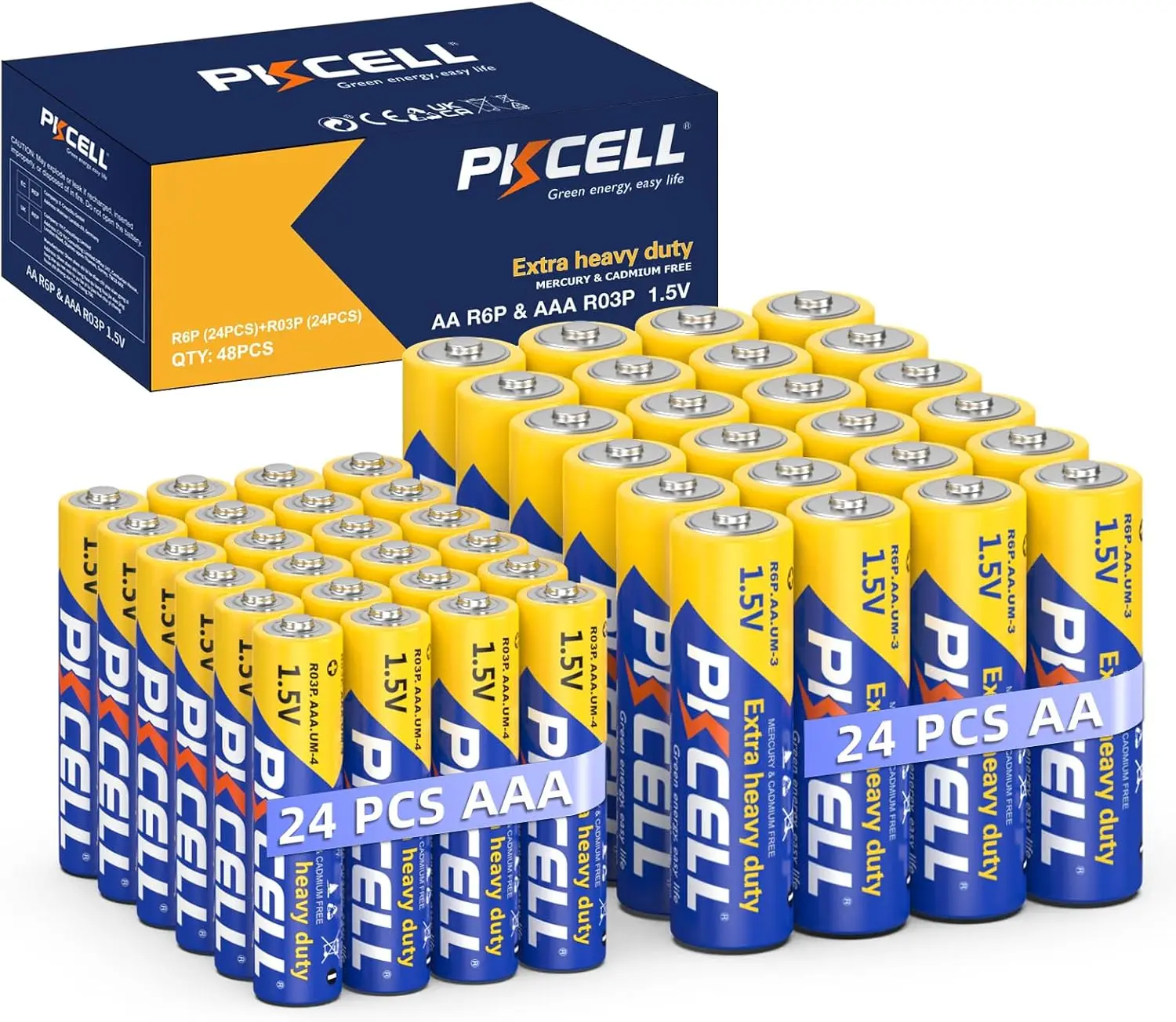 |
PKCELL AA & AAA Batteries 48 Count, 24 AA, 24 AAA Combo Pack, 1.5V High-Performance | 4.2 | 2,126 | $10.67 | $0.26 | Combo pack, Carbon battery, Ideal for bulk buyers |
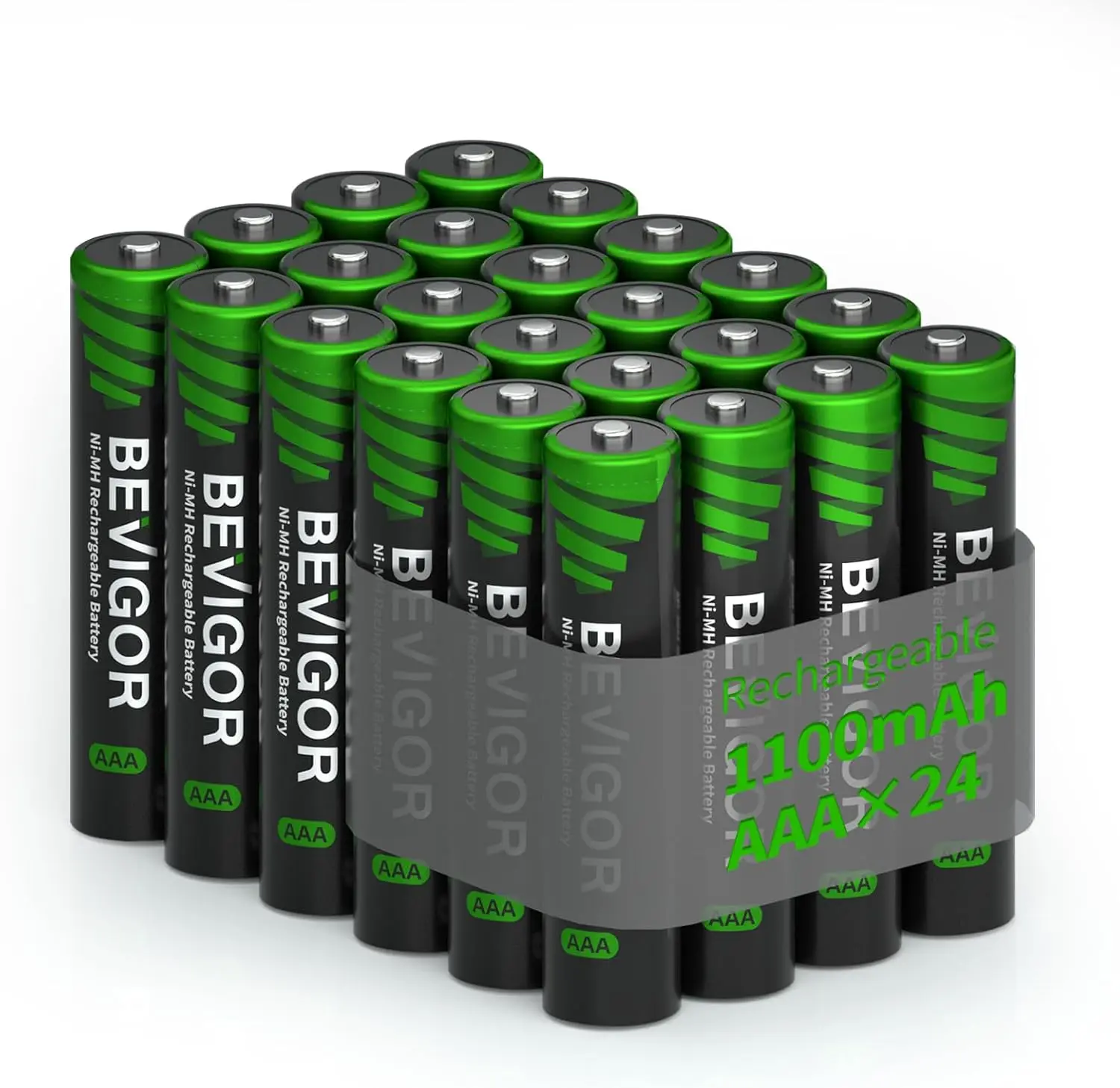 |
BEVIGOR Rechargeable AAA Batteries, 1100 mAh, LSD Low Self Discharge, 24 Count | 4.7 | 1,870 | $19.16 | $4.63 | High capacity, Low self discharge, Advanced technology |
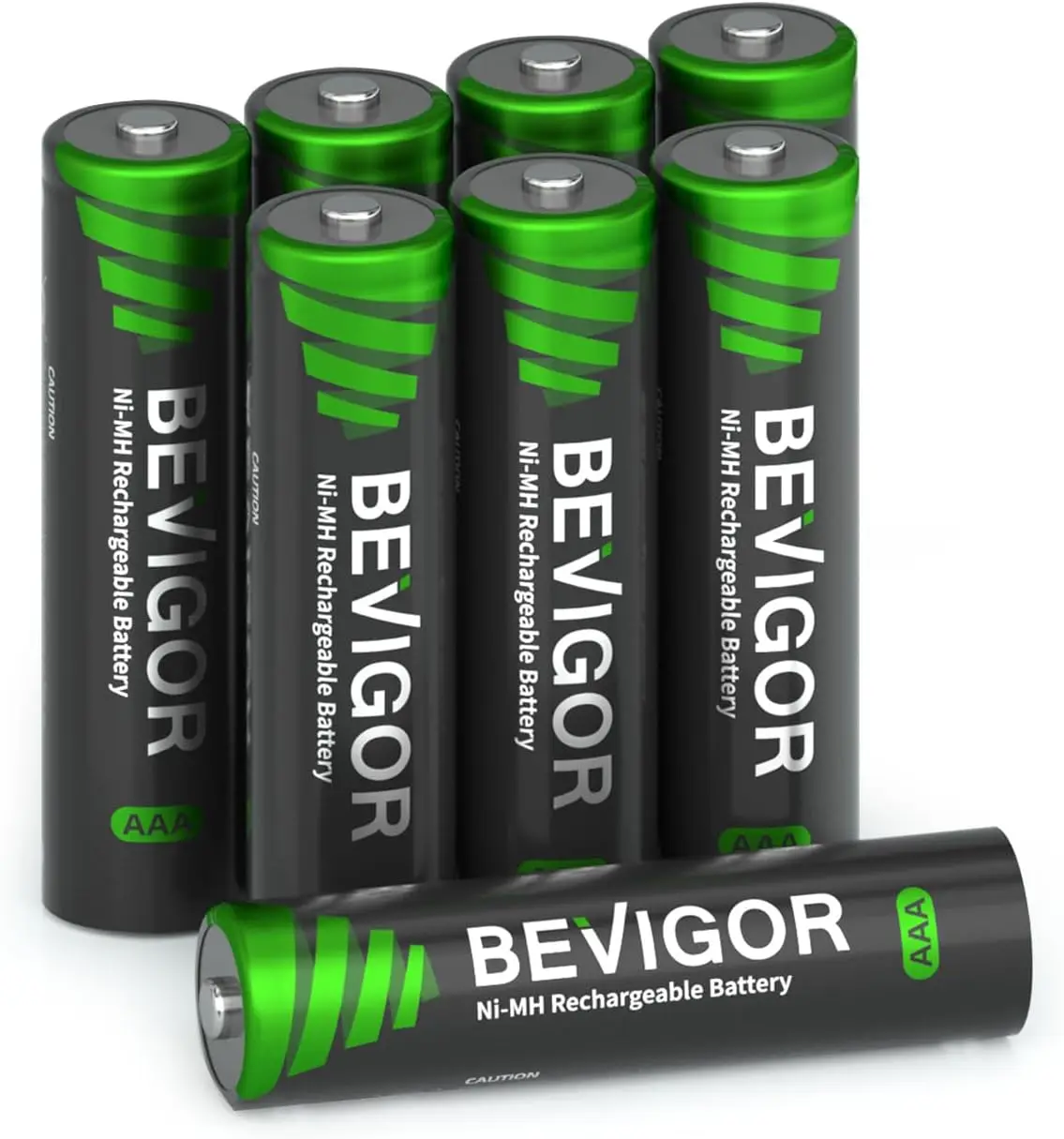 |
BEVIGOR Rechargeable AAA Batteries, 1100 mAh, LSD, 8 Count | 4.6 | 1,754 | $7.55 | $4.58 | Advanced recharge tech, Durable for regular use |
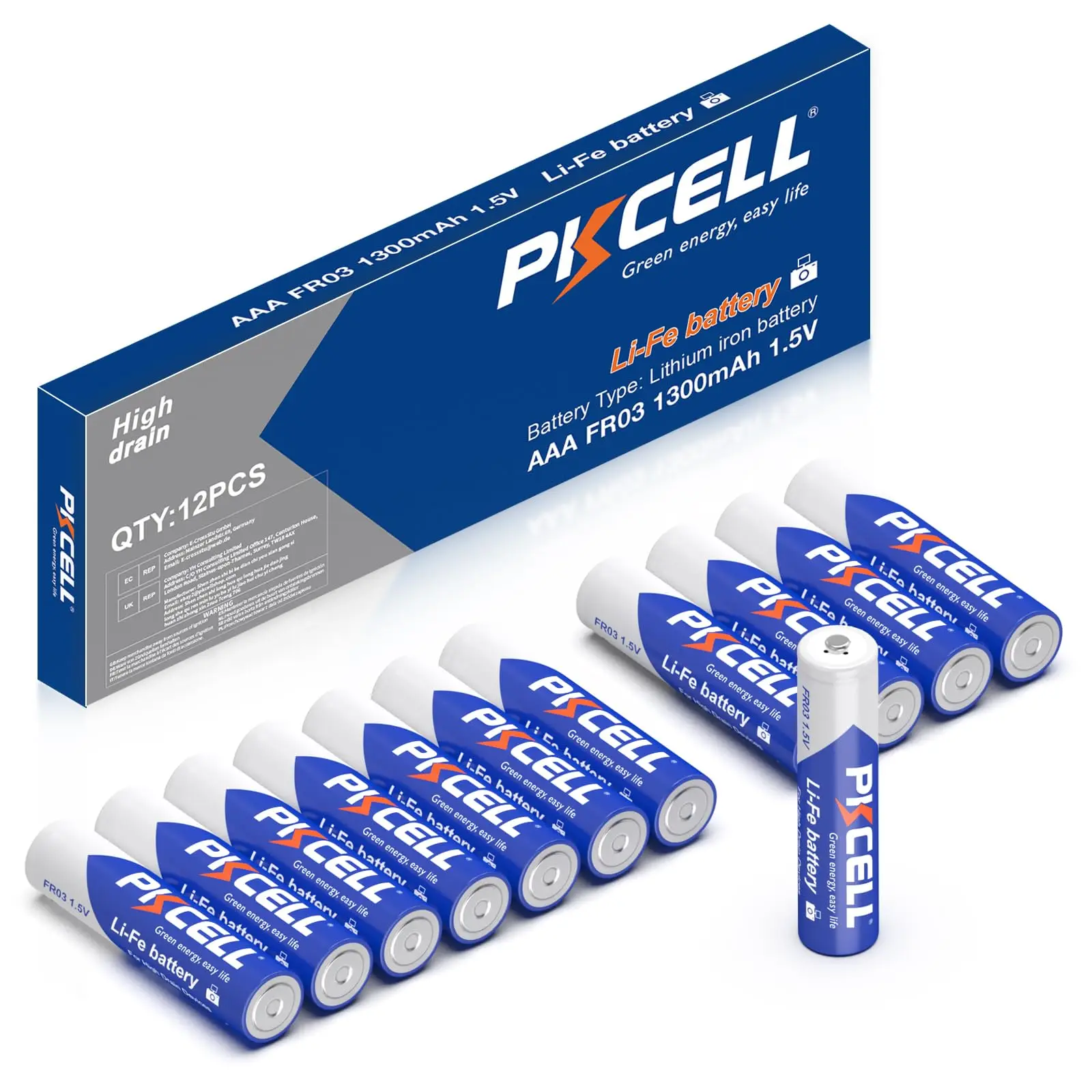 |
PKCELL 12 Pack AAA Lithium Batteries, 1300mAh, High Capacity | 4.5 | 952 | $14.09 | $1.48 | Lithium battery, Enhanced capacity, High-tech applications |
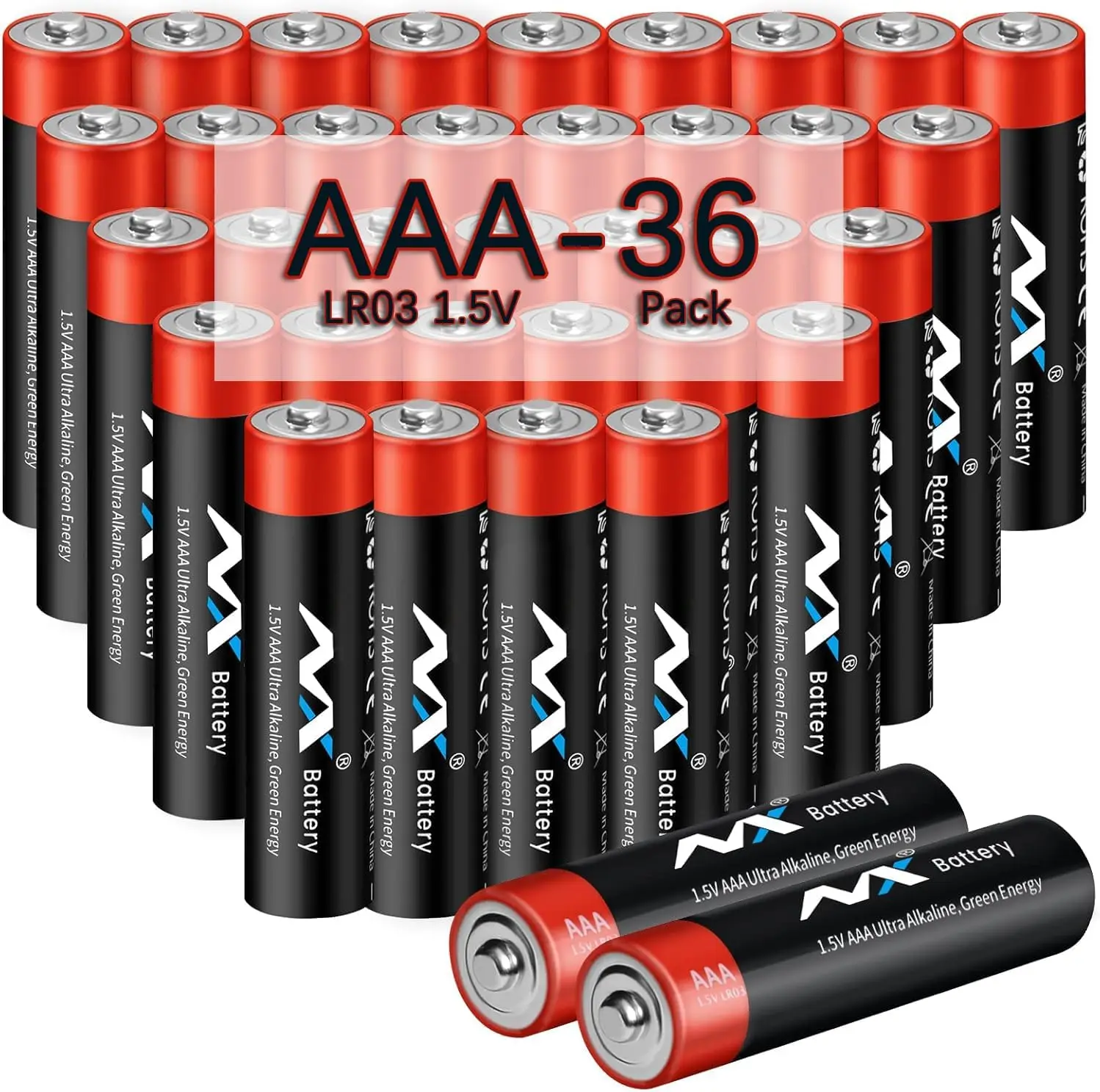 |
NXbettery AAA Battery, Alkaline, High Performance, 36 Pack | 4.6 | 410 | $7.02 | $0.09 | Alkaline, Long shelf life, Suitable for toys and remotes |
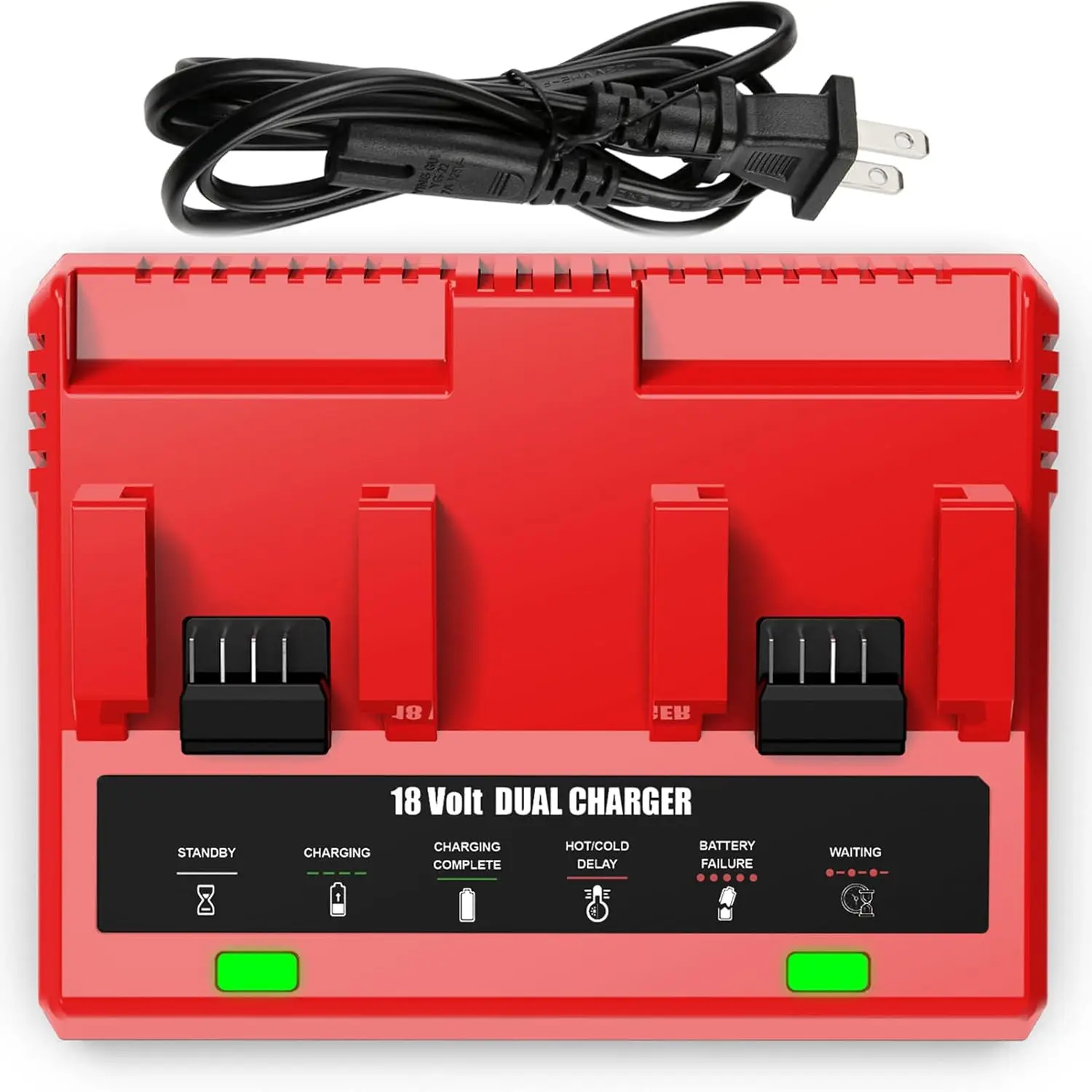 |
Dual Port Rapid Charger Replacement for Milwaukee M18 Battery 18V | 4.8 | 72 | $35.38 | $20.50 | Rapid charging, Compatible for Milwaukee power tools |
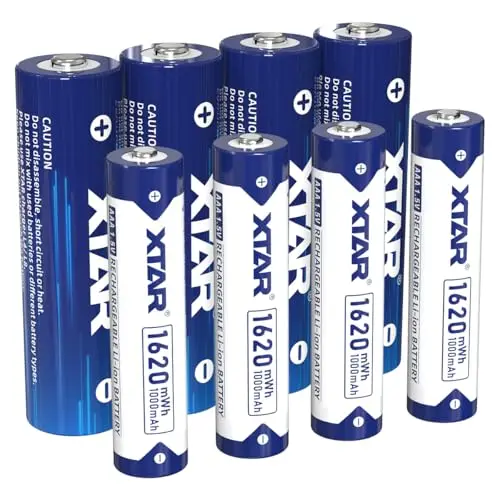 |
XTAR 1.5V AA AAA Batteries 4-Pack, High Capacity Rechargeable | 4.5 | 41 | $43.99 | $6.26 | Lithium rechargeable, USB-C, Advanced electronics and toys |
Table data sourced from [3]
Key takeaways for procurement:
2026 Sourcing Excellence: Risk Management and Procurement Strategy for AA Batteries
Smart sourcing in the AA battery category is increasingly complex—requiring careful supplier vetting, compliance management, and risk mitigation. For procurement teams, the following strategy points are essential in 2026:
Supplier Evaluation Criteria:
Quality Control Points and Inspection Requirements:
Logistics and Lead Time Considerations:
Certification and Compliance for Target Markets:
Common Pitfalls and How to Avoid Them:
Competitive Advantages in AA Sourcing:
The most successful sourcing teams in 2026 will be those that combine detailed supplier qualification, proactive compliance planning, and data-driven purchasing intelligence. By focusing on trusted suppliers, rigorous QC, and market-matched product offerings, procurement pros can confidently deliver value to both retail and institutional buyers.
Conclusion: AA Batteries as Strategic Power—Confidence, Innovation, and Sourcing Success in 2026
AA batteries remain a cornerstone of device power in 2026—anchoring everyday living through remote controls, toys, and increasingly, smart devices and institutional infrastructure. The industry’s rapid evolution—from classic alkalines to advanced rechargeables and USB-C lithium options—mirrors broader consumer, technological, and cultural trends[4][6][8]. This year’s bestseller analysis and in-depth sourcing intelligence confirm that end buyers value performance, sustainability, and convenience more than ever.
Successful procurement now demands a strategic blend of market insight and risk management: Buyers must align supplier certification, quality control, logistics, and packaging to dynamic market rhythms, leveraging real downstream sales data and authentic user sentiment for every purchasing cycle.
For the next 6-12 months, recommended action steps:
In summary, the AA battery category offers strategic sourcing professionals clear opportunity in 2026—if guided by robust market intelligence, social sentiment integration, and disciplined supplier vetting. Act decisively, source with confidence, and embrace the innovation wave to capture market share and drive successful outcomes in the year ahead.
The AA battery marketplace in 2026 features robust growth—driven by the convergence of household demand, commercial bulk purchasing, and niche high-drain requirements. Industry data identifies upticks in sales around major consumer purchasing events (Black Friday, Christmas, new tech launches), with notable spikes for both alkaline variety packs and rechargeable battery bundles.
Retail buyers fuel seasonal surges. Households account for over 42% of total purchases, focusing on variety pack offerings for devices ranging from toys to flashlights. Meanwhile, travelers and IT professionals drive around 24% of sales, favoring reliable, portable power for on-the-go use[1]. Institutional bulk buying is segmented: schools, custodial teams, trades, and event organizers prioritize high-volume disposable batteries due to loss and logistics issues, with rechargeable adoption slow but growing[12].
Market segmentation also reveals enduring interest in high-performance, long-lasting batteries suitable for remote, sensor, or emergency applications. Demand for solar light-compatible rechargeables continues to rise[2], signaling opportunities for suppliers equipped to deliver diverse chemistry options.
Buyers increasingly focus on product lifespan, packaging clarity, and authenticity. Price tiers remain aligned to performance: Value and shelf stability dominate low-end purchase decisions, while higher price points justify premium features (USB-C, higher capacity, enhanced longevity).
Sales Trends Bar Chart: Alkaline vs. Rechargeable AA Batteries (Amazon Data 2025-2026)
Monthly sales and search volume analysis for 2025-2026 reveals the following pattern:
Buyer sentiment:
Retailer and sourcing recommendations:
Below, a bar chart visualizes normalized sales and search volumes for AA Alkaline and Rechargeable Battery Variety Packs, reflecting major market movement over the past year:
Monthly Search Volume and Average Sales for AA Alkaline and Rechargeable Batteries (Aug 2025-Jan 2026)
This chart demonstrates a notable seasonal lift in AA/AAA varieties, with demand for rechargeable product themes held steady through the winter, peaking for device activations and new installations post-holiday. Solar battery sales display their own cyclical rhythm tied to outdoor activity periods—an important factor for suppliers targeting specialty markets.
2026 Sourcing Intelligence: Hot Selling Analysis of Top Amazon AA/AAA Battery Products
To understand downstream retail behavior, we examine the top 10 AA/AAA battery products by latest monthly sales, rating, and pricing—essential intelligence for procurement teams identifying winning SKUs and potential sourcing improvements[3]. Note: These represent what end buyers are actually purchasing, not bulk B2B formats, offering direct insight into consumer device trends, feature preferences, and pack sizes.
| Image | Product Name | Star Rating | Latest Month's Sales | Retail Price | Wholesale Price | Key Features |
|---|---|---|---|---|---|---|
|
EBL Rechargeable AAA Batteries (16-Count) Ready2Charge 1100mAh 1.2V NiMH | 4.6 | 8,859 | $12.84 | $4.21 | Rechargeable, High Capacity, Suitable for household electronics |
|
EBL Rechargeable AAA Batteries 1100mAh NiMH AAA (12 Pack) | 4.6 | 2,778 | $10.97 | $7.11 | Rechargeable, Multi-pack, Popular for home use |
|
EBL AAA Rechargeable Batteries, 8-Count, NiMH 1100mAh | 4.6 | 2,613 | $7.90 | $3.64 | Long cycle life, suited to remotes and controllers |
|
PKCELL AA & AAA Batteries 48 Count, 24 AA, 24 AAA Combo Pack, 1.5V High-Performance | 4.2 | 2,126 | $10.67 | $0.26 | Combo pack, Carbon battery, Ideal for bulk buyers |
|
BEVIGOR Rechargeable AAA Batteries, 1100 mAh, LSD Low Self Discharge, 24 Count | 4.7 | 1,870 | $19.16 | $4.63 | High capacity, Low self discharge, Advanced technology |
|
BEVIGOR Rechargeable AAA Batteries, 1100 mAh, LSD, 8 Count | 4.6 | 1,754 | $7.55 | $4.58 | Advanced recharge tech, Durable for regular use |
|
PKCELL 12 Pack AAA Lithium Batteries, 1300mAh, High Capacity | 4.5 | 952 | $14.09 | $1.48 | Lithium battery, Enhanced capacity, High-tech applications |
|
NXbettery AAA Battery, Alkaline, High Performance, 36 Pack | 4.6 | 410 | $7.02 | $0.09 | Alkaline, Long shelf life, Suitable for toys and remotes |
|
Dual Port Rapid Charger Replacement for Milwaukee M18 Battery 18V | 4.8 | 72 | $35.38 | $20.50 | Rapid charging, Compatible for Milwaukee power tools |
|
XTAR 1.5V AA AAA Batteries 4-Pack, High Capacity Rechargeable | 4.5 | 41 | $43.99 | $6.26 | Lithium rechargeable, USB-C, Advanced electronics and toys |
Table data sourced from [3]
Key takeaways for procurement:
Smart sourcing in the AA battery category is increasingly complex—requiring careful supplier vetting, compliance management, and risk mitigation. For procurement teams, the following strategy points are essential in 2026:
Supplier Evaluation Criteria:
Quality Control Points and Inspection Requirements:
Logistics and Lead Time Considerations:
Certification and Compliance for Target Markets:
Common Pitfalls and How to Avoid Them:
Competitive Advantages in AA Sourcing:
The most successful sourcing teams in 2026 will be those that combine detailed supplier qualification, proactive compliance planning, and data-driven purchasing intelligence. By focusing on trusted suppliers, rigorous QC, and market-matched product offerings, procurement pros can confidently deliver value to both retail and institutional buyers.
AA batteries remain a cornerstone of device power in 2026—anchoring everyday living through remote controls, toys, and increasingly, smart devices and institutional infrastructure. The industry’s rapid evolution—from classic alkalines to advanced rechargeables and USB-C lithium options—mirrors broader consumer, technological, and cultural trends[4][6][8]. This year’s bestseller analysis and in-depth sourcing intelligence confirm that end buyers value performance, sustainability, and convenience more than ever.
Successful procurement now demands a strategic blend of market insight and risk management: Buyers must align supplier certification, quality control, logistics, and packaging to dynamic market rhythms, leveraging real downstream sales data and authentic user sentiment for every purchasing cycle.
For the next 6-12 months, recommended action steps:
In summary, the AA battery category offers strategic sourcing professionals clear opportunity in 2026—if guided by robust market intelligence, social sentiment integration, and disciplined supplier vetting. Act decisively, source with confidence, and embrace the innovation wave to capture market share and drive successful outcomes in the year ahead.