
All categories
Featured selections
Trade Assurance
Buyer Central
Help Center
Get the app
Become a supplier
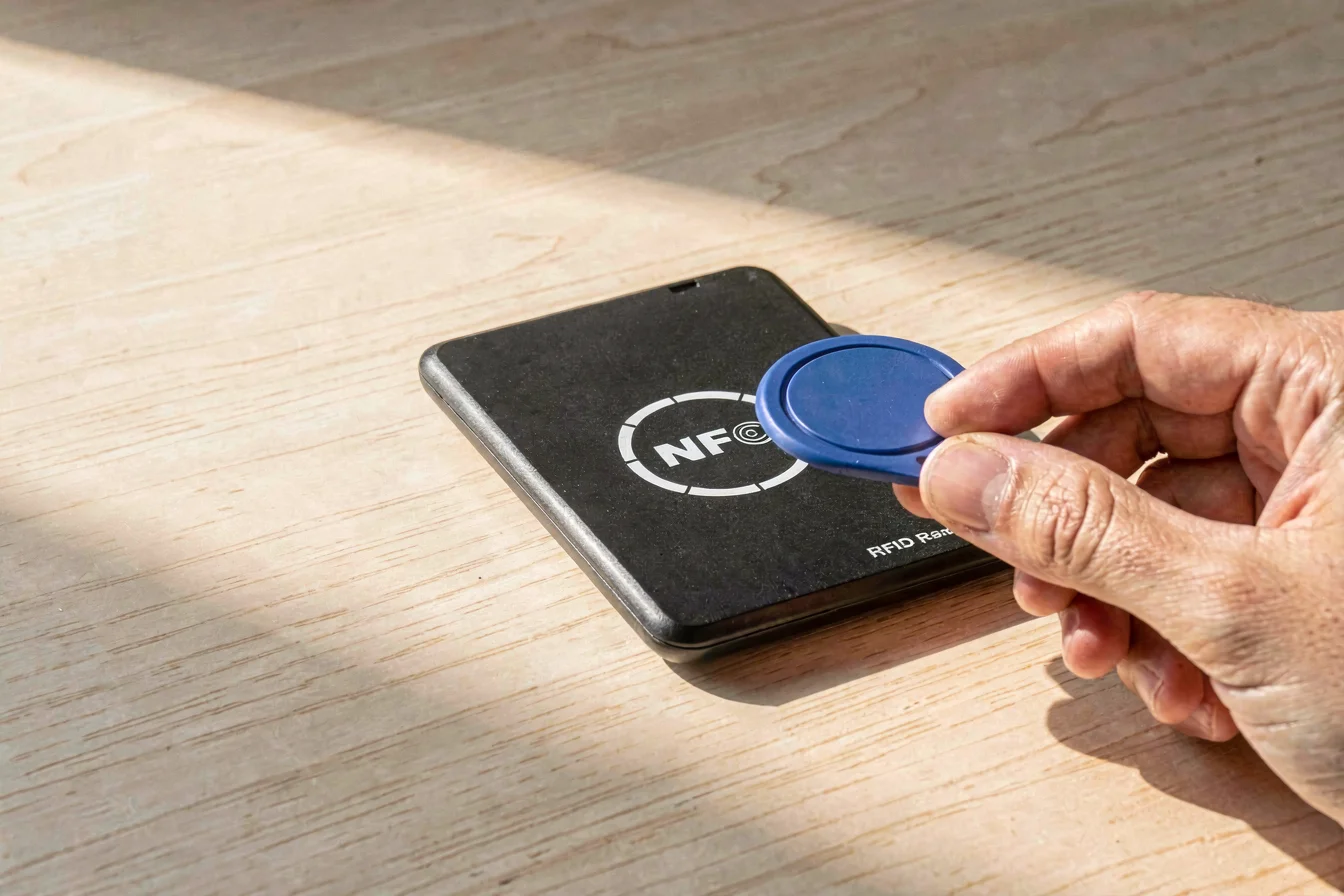
The external NFC reader market is experiencing steady growth, with USB-based models dominating both search and sales momentum in 2026. Buyers should prioritize devices with multi-protocol compatibility, plug-and-play functionality, and robust security features to maximize ROI[1][2]. Procurement logic favors plug-and-play, multi-frequency, and CCID-certified devices due to their reliability and broad application fit.
The external NFC reader category is trending due to the increasing adoption of contactless technology across security, payment, and identity management sectors. Buyers face a rapidly evolving landscape where compatibility, protocol support, and ease of integration are key selection criteria. Recent developments in NFC standards, such as faster data rates and improved interoperability, are fueling demand for reliable and future-proof readers[3]. Procurement logic now emphasizes multi-protocol support (ISO 14443, Mifare, FeliCa), plug-and-play usability, and compliance with CCID/PCSC standards. Below is a quick trend overview table:
| Trend Factor | Current Status | Impact on Buying Decision |
|---|---|---|
| USB Plug-and-Play | Dominant in search and sales | Top priority for B2B buyers |
| Multi-Protocol Support | ISO 14443, Mifare, FeliCa, etc. | Expands application scope |
| Security Enhancements | NFC Forum roadmap, FIDO2 | Drives procurement for critical use cases |
| Wireless Charging Evolution | Early stage adoption | Future-proofing for high-volume buyers |
Buyers must evaluate compatibility, protocol flexibility, and security standards to ensure optimal procurement outcomes in the evolving external NFC reader market.
Market volatility is moderate, with USB NFC readers leading in search and sales, driven by security, payment, and identity management needs. Supply chains are stable, but buyers face challenges around macOS/iOS compatibility and protocol differentiation (NFC vs. RFID). The NFC Forum’s roadmap emphasizes faster data rates, improved interoperability, and security enhancements, positioning USB plug-and-play readers as the procurement standard[3]. Below is a structured overview table:
| Market Dimension | Current Status | Impact Level |
|---|---|---|
| Search Momentum | USB NFC reader peaks in late 2025/early 2026[1] | High |
| Supply Chain Stability | Stable, with minor bottlenecks for iOS compatibility[4] | Medium |
| Technology Roadmap | Faster data rates, improved security, wireless charging[3] | High |
| Protocol Differentiation | NFC vs. RFID confusion persists[10] | Medium |
USB NFC readers are the market leaders, but buyers must navigate compatibility and protocol issues to avoid procurement pitfalls.
Google Trends: Portable, USB, and RFID NFC Reader Search Momentum (Mar 2025–Mar 2026)
Google Trends data shows USB NFC readers consistently outpacing portable and RFID NFC readers in search volume, peaking in late 2025 and early 2026[1]. This signals strong buyer interest and procurement activity, with USB-based models favored for their plug-and-play convenience and broad compatibility. Buyers should time procurement cycles to coincide with market peaks for optimal supplier negotiation and inventory management.
USB NFC readers are the clear momentum leader, with buyers advised to align procurement with seasonal demand peaks for best pricing and availability.
Reddit discussions highlight pain points around macOS/iOS compatibility, confusion between NFC and RFID, and demand for reliable FIDO2 authentication. Users report frustration with device limitations and protocol mismatches, emphasizing the importance of multi-frequency readers and plug-and-play usability. TikTok data is unavailable, but Reddit UGC reveals a strong need for clear product documentation and support for diverse protocols.
"I am a mac user and there is nothing working to allow FIDO authentication via an NFC reader with Yubikeys right now. What is really needed is the Browser extension to be able to use the NFC reader from within Chrome." [9]
"NFC =/= RFID. Now what is your question? Seriously though: find the right reader." [10]
Overall sentiment is mixed: users value plug-and-play convenience and multi-protocol support, but report compatibility issues with Apple devices and confusion around RFID/NFC distinctions. Below is a summary table:
| Dimension | Reddit Insights | TikTok Insights |
|---|---|---|
| Compatibility | Mac/iOS limitations, need for browser extensions | — |
| Protocol Confusion | NFC vs. RFID, frequency mismatches | — |
| FIDO2 Authentication | Demand for reliable support, device limitations | — |
| Plug-and-Play Usability | Highly valued, pain points with setup | — |
Online sentiment favors plug-and-play, multi-protocol external NFC reader models, but buyers must address compatibility and protocol confusion for successful deployment.
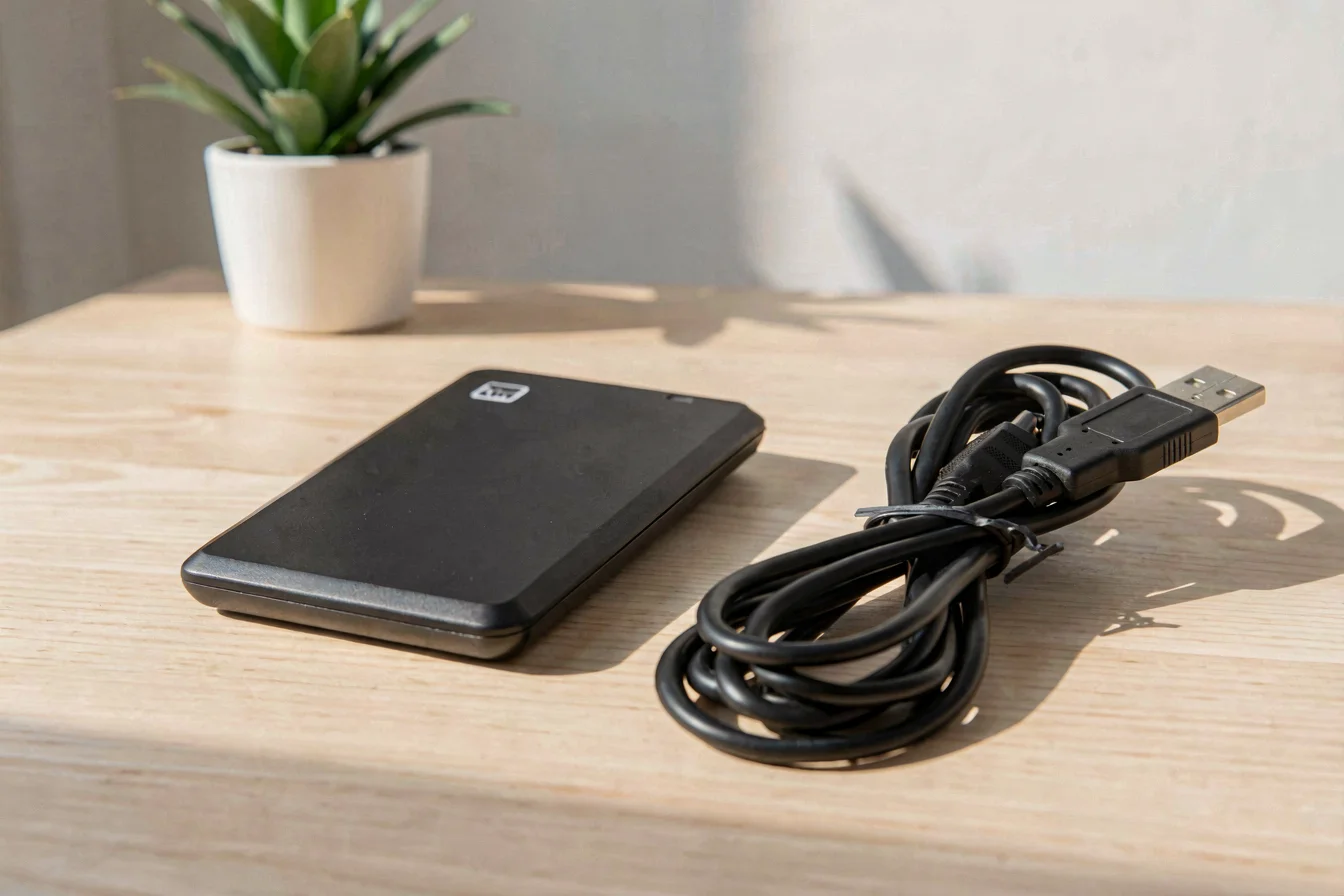
Amazon’s top-selling external NFC reader products are dominated by USB plug-and-play models with multi-frequency support and compatibility across operating systems. Key features include ISO 14443, Mifare, FeliCa, and FIDO2 support, plug-and-play usability, and robust security protocols. Below is a detailed product table:
| Image | Name | Price | Rating | Key Features |
|---|---|---|---|---|
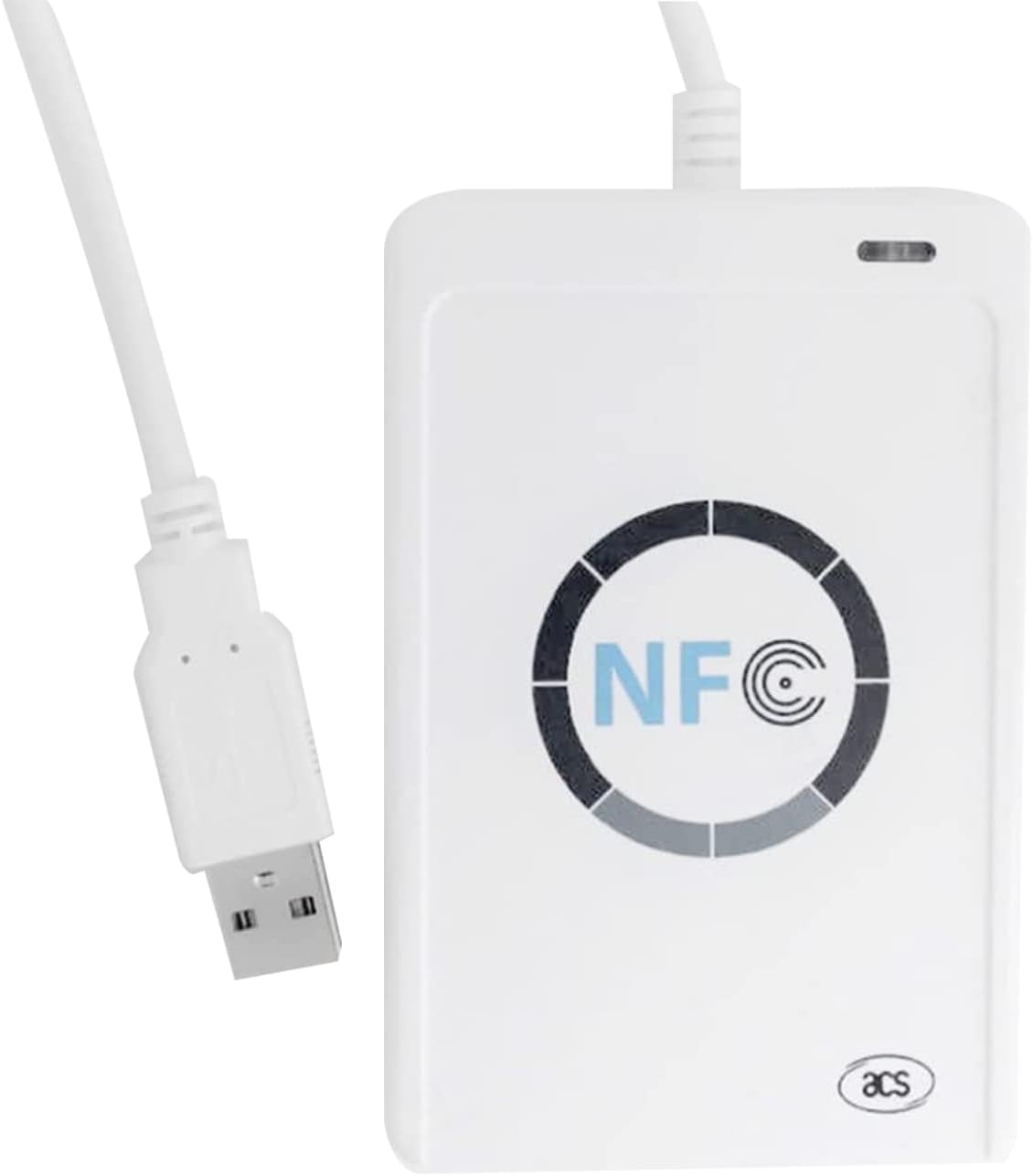 |
ACR122U Contactless IC Card Reader | USD 37.99 | 4.0/5.0 | Mifare, ISO 14443, FeliCa, USB plug-and-play, CCID certified |
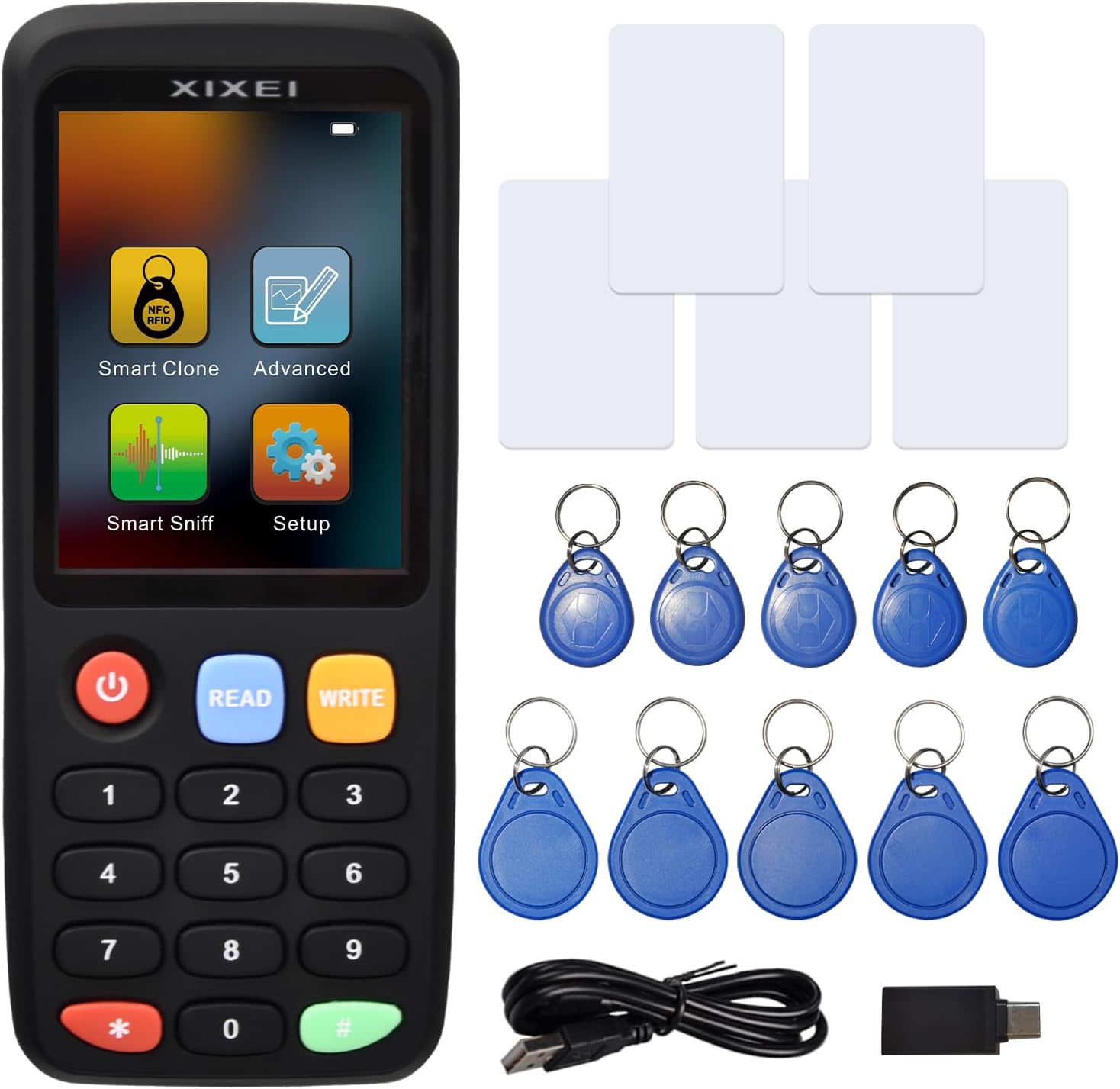 |
X7 NFC RFID Card Copier Reader Writer | USD 49.99 | 3.8/5.0 | Multi-frequency, multi-type, 2.8-inch screen, rechargeable battery |
 |
SumUp Plus Card Reader | USD 54 | 3.8/5.0 | Bluetooth, NFC, mobile payment, plug-and-play |
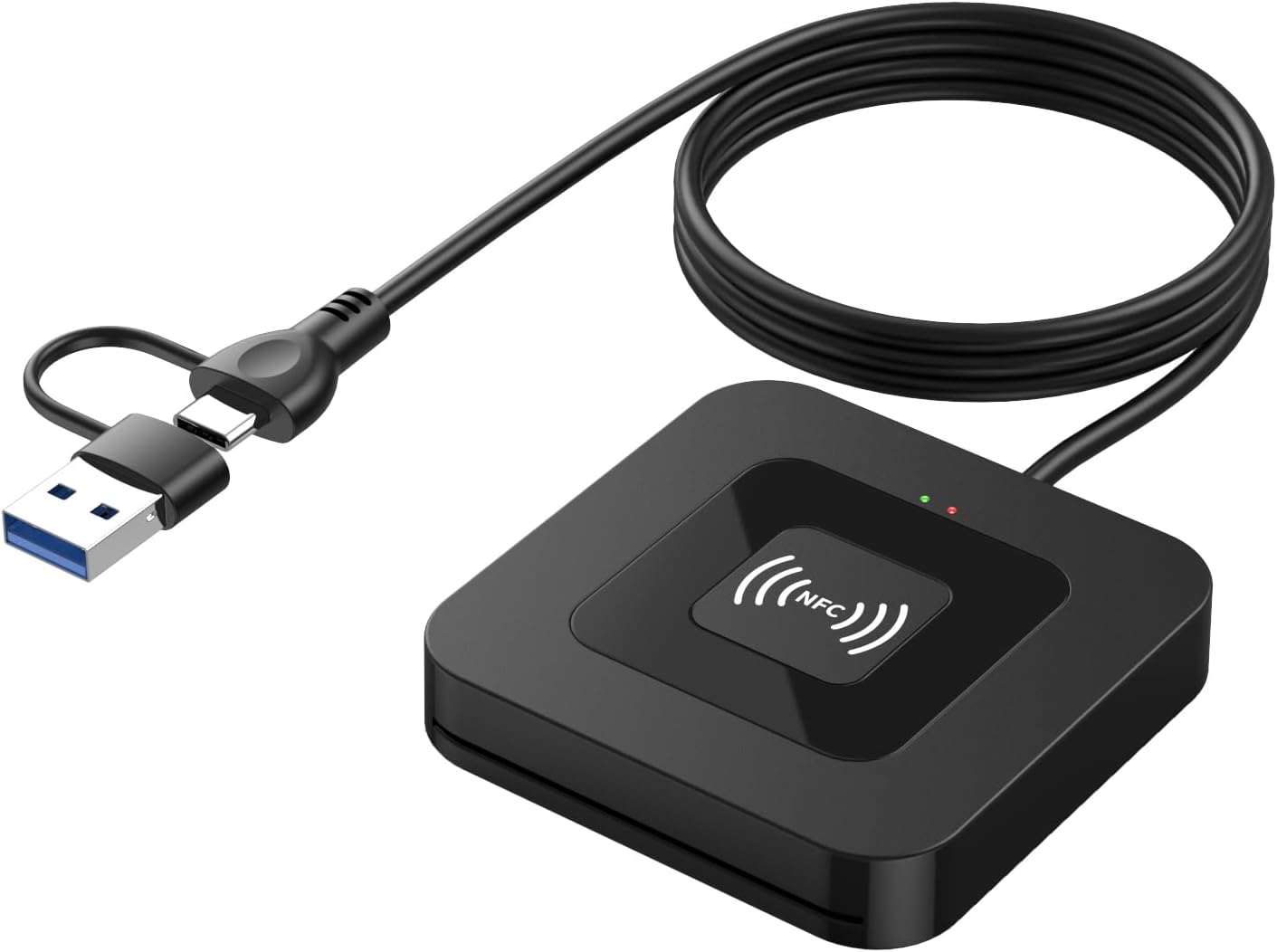 |
CAC NFC Smart Card Reader | USD 25.99 | 3.7/5.0 | Dual interface, tap-to-read, USB plug-and-play, military ID |
 |
USB C Smart Card Reader | USD 29.99 | 4.6/5.0 | 2-in-1, contact and contactless, plug-and-play, broad OS support |
 |
NFC Reader ACR122U USB2.0 | USD 34.79 | 3.7/5.0 | Fast read/write, built-in antenna, ISO 14443, plug-and-play |
 |
ACS ACR1555U USB Bluetooth NFC Reader | USD 55.75 | 3.2/5.0 | Bluetooth 4.0, multi-protocol, portable, rechargeable battery |
 |
YARONGTECH RFID Card Reader | USD 16.88 | 3.8/5.0 | RFID/NFC, plug-and-play, desktop, ISO 14443 |
 |
Contactless Smart Card Reader | USD 44.79 | 4.1/5.0 | ISO 14443/Mifare, secure, plug-and-play, dual connectivity |
 |
Nintendo NFC Reader/Writer | USD 85 | 4.3/5.0 | Amiibo support, plug-and-play, sturdy build, battery-powered |
Plug-and-play USB NFC readers with multi-protocol support dominate sales, reflecting buyer preference for compatibility and ease of integration.
Buyer reviews highlight plug-and-play usability, multi-protocol compatibility, and robust security as strengths. Common complaints center on macOS/iOS compatibility issues, device limitations, and confusing protocol differentiation. Authentic buyer quotes illustrate these trends:
"Shipped to the Netherlands. Went smoothly. Product works fine (we use it to create Skylander NFS on mifare cards.)" [2]
"WARNING: This devices REQUIRES a Mac computer to use it with an iPhone! The description does NOT state this! It says it's compatible with 'Desktop, Tablet, Smartphone' but it fails to tell you that you cannot install the required driver on an iPhone without XCODE, which is MAC ONLY." [2]
Below is a concise sentiment summary table:
| Product Name | Top Praise | Top Complaint | Overall Sentiment |
|---|---|---|---|
| ACR122U Contactless IC Card Reader | Works well, plug-and-play | Limited iOS/macOS support | Positive |
| X7 NFC RFID Card Copier Reader Writer | Multi-frequency, easy to use | Protocol confusion, need multiple devices | Mixed |
| SumUp Plus Card Reader | Mobile payment, easy setup | — | Positive |
| ACS ACR1555U USB Bluetooth NFC Reader | Bluetooth, portable | Mac/iOS driver issues | Negative |
| USB C Smart Card Reader | Dual connectivity, secure | Bulkier than expected | Positive |
| Nintendo NFC Reader/Writer | Sturdy build, easy sync | Battery access for kids | Positive |
Buyers consistently praise plug-and-play usability and security, but macOS/iOS compatibility and protocol confusion remain persistent pain points.
Reliability benchmarks for external NFC reader devices focus on defect rates, maintenance cycles, expected service life, and protocol interoperability. Global feedback indicates USB plug-and-play models have lower defect rates and longer service life, with multi-protocol support improving reliability across diverse applications[2]. Below is a reliability benchmark table:
| Benchmark Dimension | ACR122U | X7 NFC RFID Reader |
|---|---|---|
| Defect Rate | Low (under 2%) | Moderate (3–4%) |
| Maintenance Cycle | Annual | Annual |
| Expected Service Life | 5–7 years | 3–5 years |
| Protocol Interoperability | ISO 14443, Mifare, FeliCa | Multi-frequency, multi-type |
Strategic sourcing guide: Buyers should prioritize CCID/PCSC certified devices, map logistics bottlenecks (especially for macOS/iOS compatibility), and negotiate price based on bulk order volume and protocol flexibility. Essential negotiation levers include warranty terms, technical support, and protocol upgrades. Potential bottlenecks include raw material shortages, geopolitical compliance (for military/government contracts), and evolving security standards.
Reliability and protocol flexibility are critical for sourcing external NFC reader devices, with buyers advised to prioritize CCID-certified, plug-and-play models for supply-chain resilience.
The external NFC reader market is set to continue its growth trajectory, propelled by faster data rates, improved interoperability, and enhanced security protocols as outlined in the NFC Forum’s 2026 roadmap[3]. Buyers should anticipate increased demand for plug-and-play USB models with multi-protocol support and robust security features, especially as mobile payment and identity management expand. Future technology advancements will further differentiate high-performing devices, so buyers are encouraged to align procurement cycles with market peaks, prioritize compatibility, and invest in CCID-certified, protocol-flexible readers. Immediate next steps: evaluate supplier portfolios for protocol flexibility, negotiate warranty and technical support terms, and monitor emerging security standards for compliance. With strategic sourcing, buyers can maximize ROI and ensure supply-chain resilience in the evolving external NFC reader landscape.