
All categories
Featured selections
Trade Assurance
Buyer Central
Help Center
Get the app
Become a supplier
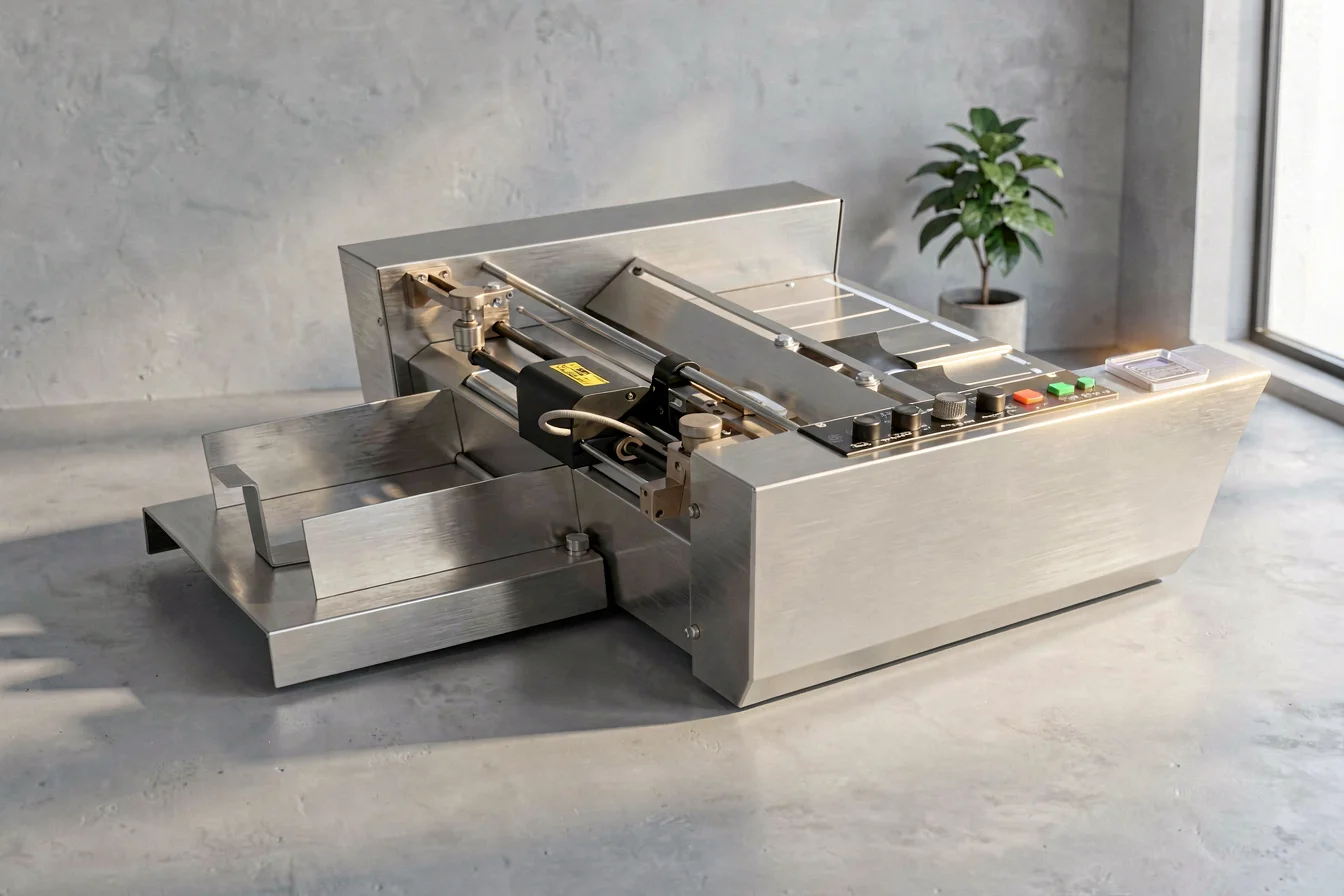
The expiry date stamping machines market is experiencing strong growth, driven by regulatory compliance and inventory management needs, with Google Trends showing sustained momentum through 2025 and into early 2026[1]. Buyers should prioritize reliability, material compatibility, and automation features, as demand is robust across manual and automated solutions. Supply chain risks persist for high-end CIJ and TTO models, but procurement viability remains high for both entry-level and industrial-grade machines.
The surge in expiry date stamping machines is fueled by tightening regulatory requirements across food, beverage, and pharmaceutical sectors, where clear and durable date marking is essential to avoid recalls, fines, and legal issues[3][4]. Buyers must recognize the critical role of date stamping in inventory control and compliance, especially as global supply chains face scrutiny for batch tracking and product safety. The selection criteria for this category prioritize print durability, material compatibility, ease of maintenance, and automation capability, with reliability benchmarks increasingly shaping procurement decisions. Manual stamping remains popular for small-scale operations, while continuous inkjet (CIJ) and thermal transfer overprinters (TTO) dominate industrial settings.
| Trend Factor | Current Status | Impact on Buying Decision |
|---|---|---|
| Regulatory Compliance | Mandatory in food, drugs, and cosmetics | Drives demand for durable, clear date stamping |
| Material Compatibility | Expanding to glass, metal, plastic, and composite | Requires machines supporting diverse substrates |
| Automation | Growing adoption in large-scale operations | Prioritizes CIJ, TTO, and semi-auto models |
| Batch Tracking | Critical for inventory management | Promotes demand for integrated date coding |
| Maintenance | High-maintenance CIJ models remain a pain point | Buyers seek low-maintenance, durable options |
Buyers must weigh regulatory compliance, material compatibility, and automation against maintenance complexity and durability when sourcing expiry date stamping machines .
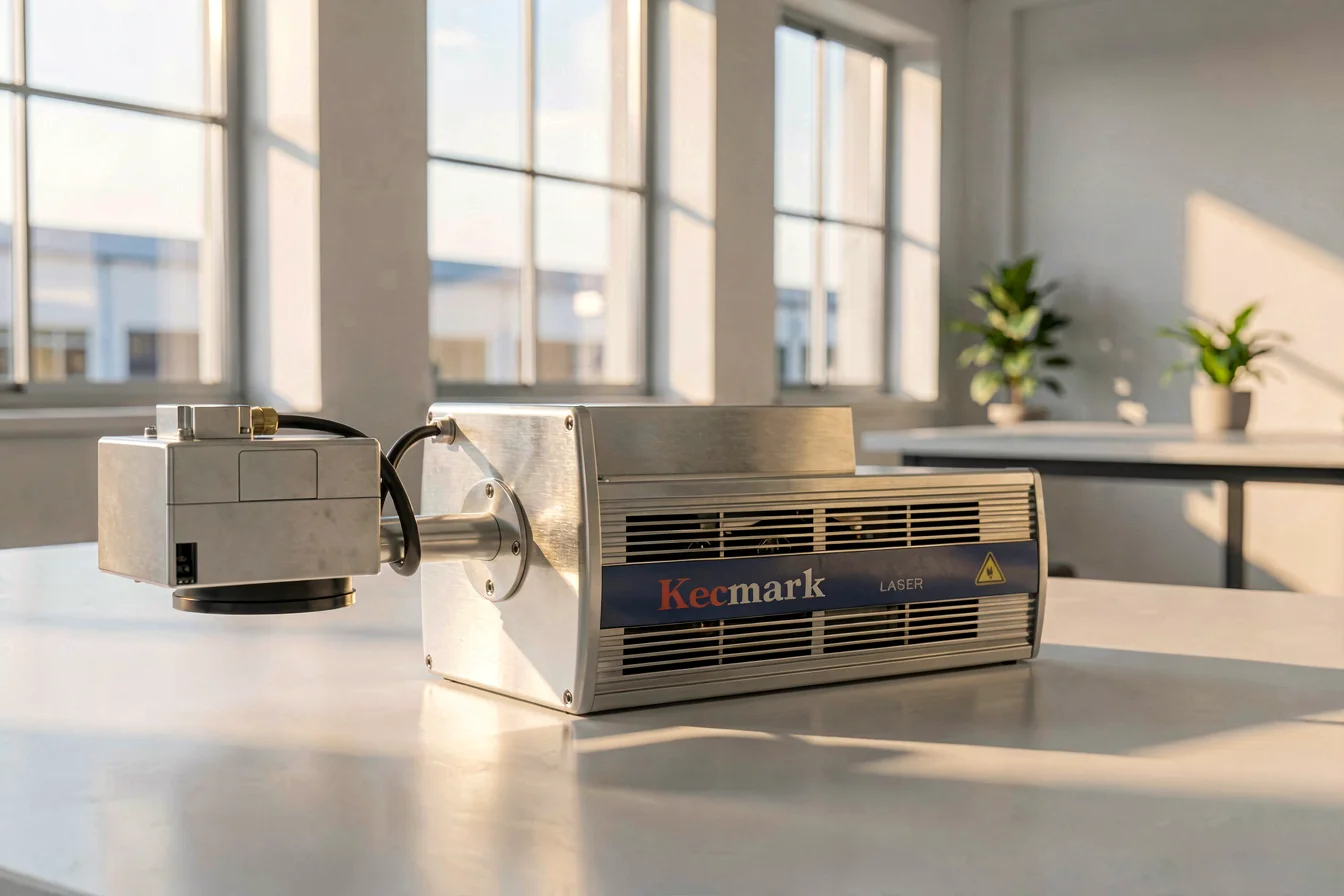
Market volatility for expiry date stamping machines is moderate, with demand peaking in late 2025 and remaining strong into early 2026, according to Google Trends[1]. The primary drivers are regulatory compliance, inventory management, and the need for batch tracking in food, beverage, and pharmaceutical supply chains[3][4]. Supply chain dynamics are shaped by the availability of CIJ and TTO technologies, which offer high durability and material compatibility but require careful sourcing due to logistics and raw material bottlenecks. Macro risks include geopolitical disruptions and rising costs for ink and ribbon consumables, especially in high-end industrial models. Procurement logic increasingly favors machines with integrated batch tracking and reliable print quality, with buyers seeking OEM/ODM partners for customized solutions.
| Market Dimension | Current Status | Impact Level |
|---|---|---|
| Regulatory Pressure | Increasing globally | High |
| Supply Chain Stability | Moderate, with CIJ/TTO bottlenecks | Medium |
| Price Volatility | Stable for manual models, rising for CIJ/TTO | Medium |
| Batch Tracking Integration | Growing demand | High |
| Material Compatibility | Expanding to diverse substrates | Medium |
Procurement logic for expiry date stamping machines now centers on regulatory compliance, batch tracking, and supply chain stability, with CIJ/TTO technologies favored for high-volume operations.
Google Trends: Expiry Date Stamping Machines Demand (2025–2026)
Google Trends data shows a marked increase in search interest for expiry date stamping machines from mid-2025 through early 2026, with peaks in August and September 2025, followed by a steady high interest into January 2026[1]. These peaks align with regulatory updates and inventory management cycles, signaling strong procurement momentum for both manual and automated date coding solutions. Buyers should time purchases around these peaks to secure better pricing and ensure supply chain stability, especially for CIJ and TTO models.
Reddit and TikTok discussions reveal recurring pain points around manual stamping, batch tracking, and the labor intensity of small-scale date marking[7][8][9]. Manual stamping is valued for its simplicity and reliability in small operations, but users report difficulties with expired stamps and custom date backs, especially in creative or prop-making contexts[7][10]. Automation is praised for efficiency in logistics and warehouse settings, but criticized for complexity and cost, with users advocating for integrated batch tracking and inventory management systems[8][9]. TikTok trends focus on quick-drying inks, portable coding machines, and the importance of clear, smudge-proof prints for food and cosmetic packaging. Overall sentiment is positive for reliability and durability, but negative toward high maintenance and labor costs.
"Ask around in the r/Melbourne subreddit as well. They'll be a few people there who work in libraries and other places that use/used dated stamps, and postage will be cheaper. Also have a look into custom self inking stamp kits for stamping made-up library names on text blocks to really help sell the library book appearance." — r/Libraries [7]
"As a 3PL for beauty brands, expiry/batch tracking is coded in when receiving inventory and is tracked at pick and pack all the way to the customers door. In order to do so, you would need to have an inventory management system at minimum—however, you would probably be better served using a WMS that has that capability (we use ShipHero)." — r/logistics [8]
| Dimension | Reddit Insights | TikTok Insights |
|---|---|---|
| Manual Stamping | Simple, reliable, but labor-intensive | Quick-drying inks, portable coding machines |
| Batch Tracking | Inventory management, FIFO/FEFO critical | Automated solutions, barcode integration |
| Custom Date Backs | Rare, sought after for creative projects | Custom stamp kits, prop-making trends |
| Maintenance | High-maintenance CIJ models criticized | Low-maintenance, durable prints praised |
| Resale Value | Rare, used stamps valued for art/props | Low resale, but high demand for new models |
Online communities emphasize the importance of clear, durable prints and batch tracking, while manual stamping is favored for simplicity but criticized for labor intensity.
| Image | Name | Price | Rating | Key Features |
|---|---|---|---|---|
 |
Expiry Date Printer Fockety Manual Coding Machine | USD 32.44 | 0.0/5.0 | Highdefinition Font, Environmentfriendly Material, Enhanced Stability, Versatile Printing, Quickdrying Ink |
|
Ink Date Printing Machine | USD 31.11 | 0.0/5.0 | Environment-friendly steel-plastic, ABS, Quick-drying Ink, Versatile Printing, High-definition dotting font |
 |
Embossing Machine, Packaging Factory Ribbon Embossed Hot Stamp | USD 692.59 | 0.0/5.0 | Hot stamp coding, Embossed ribbon, Long-lasting labels, User-friendly design, Compatible with various ribbon sizes |
 |
Semiauto Date Machine Hot Stamping Foil Coder | USD 698.46 | 0.0/5.0 | Hot stamping, Clear prints, User-friendly, Compact, Compatible with plastic, paper, metal |
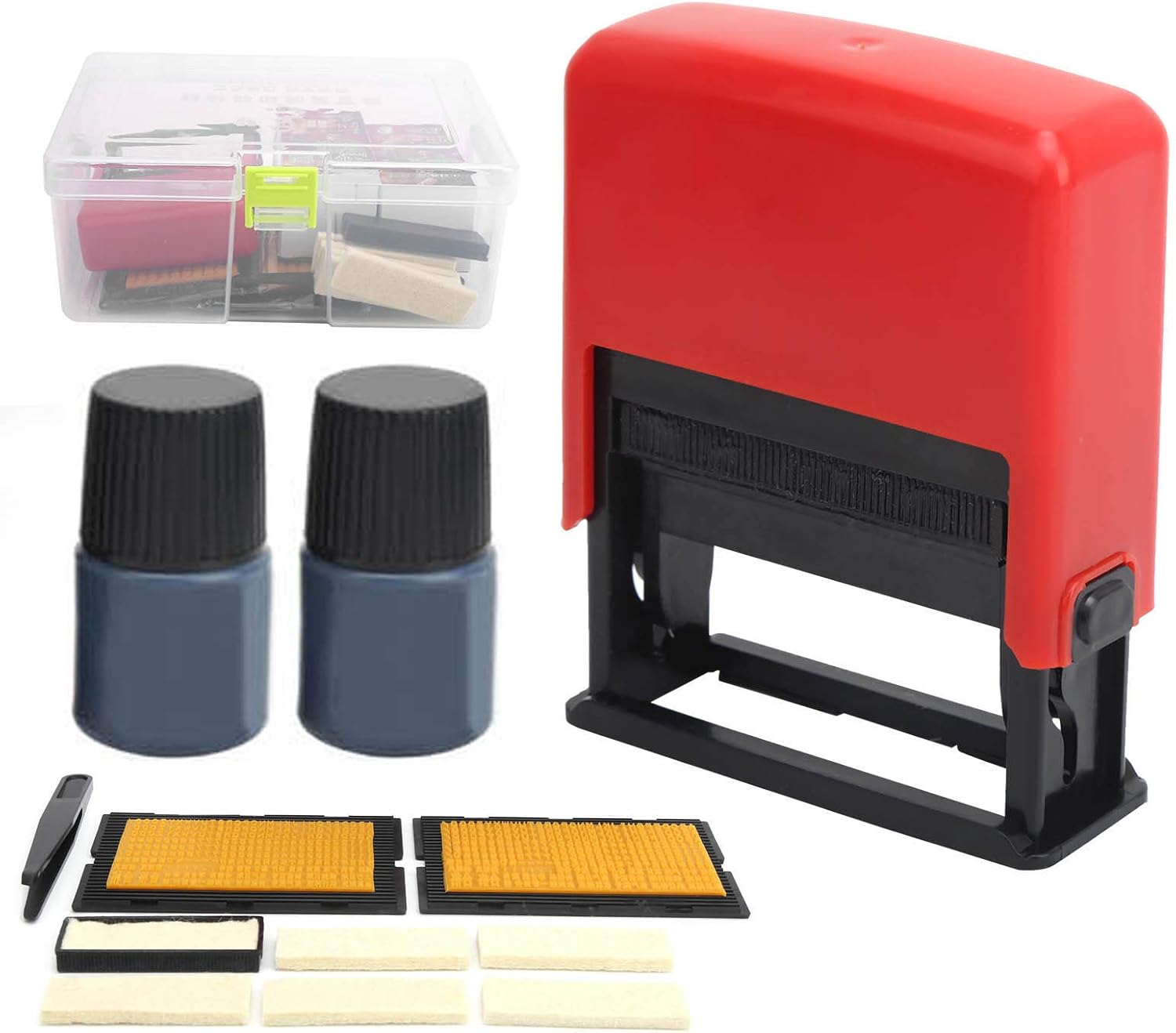 |
Folany Ink Date Printing Machine | USD 33.35 | 3.3/5.0 | Quick-drying ink, Physical/virtual fonts, Non-slip strips, Coding on different planes, After-sales service |
 |
Generic Coding Machine Clear Expiry Date Printer | USD 11.49 | 0.0/5.0 | Lightweight, Sturdy, Manual, Versatile Application, Easy Date Adjustment |
 |
ZONEPACK DY-8 Date Coding Machine Heat Printing Machine | USD 79.9 | 3.8/5.0 | Thermal ribbon, Clean prints, Multiple material compatibility, Warranty, Easy maintenance |
 |
Packaging Factory Ribbon Embossed Hot Stamp | USD 735.11 | 0.0/5.0 | Efficient expiry date printing, Adjustable, Long-lasting, User-friendly, Versatile for food and consumer goods |
|
Semiauto Date Machine Hot Stamping Foil Coder | USD 692.59 | 0.0/5.0 | Hot stamping, Clear prints, User-friendly, Compact, Compatible with plastic, paper, metal |
|
Date Coding Machine Manual Stamping Printer | USD 30.55 | 0.0/5.0 | Sturdy construction, Slip strips, Lightweight, Customizable fonts, Versatile application |
Top-selling expiry date stamping machines span manual, semi-auto, and hot stamping options, with price tiers from USD 11 to USD 735 and key features focusing on durability, material compatibility, and quick-drying inks.
Buyer reviews highlight the strengths of manual stamping machines for reliability and ease of use, especially in small-scale operations and home kitchens. However, complaints often focus on the labor intensity of manual stamping, difficulty setting up custom date backs, and the need for frequent ink replacement. Automated models are praised for efficiency and batch tracking but criticized for high maintenance, complexity, and cost. The best-rated product, ZONEPACK DY-8, is valued for its thermal ribbon printing, clean prints, and material compatibility, but users report occasional breakdowns and repair difficulties.
"It is harder to set up just because it’s all by hand and the pieces are small but it prints great for the price I’ve been using it for about six months and it’s held up fine for what it is I’d say it’ll last a long time great back up expiration date, printer" — Folany Ink Date Printing Machine [2]
"I bought this machine 5 years ago and it has been great for my mini brewery, labelling around 6,000 bottles per month more recently. The tape once used you can even reverse and use again. Today something broke and I do not know how to repair it, but it was definitely worth buying and I'm seriously considering buying another one." — ZONEPACK DY-8 Date Coding Machine [2]
| Product Name | Top Praise | Top Complaint | Overall Sentiment |
|---|---|---|---|
| Folany Ink Date Printing Machine | Reliable print, long service life | Difficult setup, small pieces | Positive |
| ZONEPACK DY-8 Date Coding Machine | Efficient, clean prints, material compatibility | Breakdowns, repair difficulty | Positive |
| Generic Coding Machine | Lightweight, easy date adjustment | No detailed complaints | Neutral |
| Embossing Machine | Long-lasting labels, user-friendly | High price, no reviews | Neutral |
Buyer sentiment is positive for reliable, durable manual stamping machines but mixed for automated models due to maintenance and complexity issues.
Reliability benchmarks for expiry date stamping machines are shaped by defect rates, maintenance cycles, and expected service life, with manual models generally outperforming automated CIJ and TTO in terms of durability and ease of repair[5][6]. Automated machines offer superior speed and batch tracking but require careful sourcing for maintenance support and consumable supply. Buyers should prioritize machines with low defect rates, clear print durability, and integrated batch tracking. Strategic sourcing involves selecting OEM/ODM partners with proven reliability, mapping potential bottlenecks in logistics and raw materials, and negotiating for warranty and after-sales support. Price optimization levers include volume discounts, bundled consumables, and maintenance contracts.
| Benchmark Dimension | Manual Machines | Automated Machines (CIJ/TTO) |
|---|---|---|
| Defect Rate | Low, rarely fails | Medium, requires maintenance |
| Maintenance Cycle | Minimal, simple ink replacement | Frequent, complex cleaning |
| Expected Service Life | 5–10 years | 3–7 years |
| Print Durability | Smudge-proof, clear | Smudge-proof, clear |
| Batch Tracking | Manual, limited | Integrated, automated |
Reliability benchmarks for expiry date stamping machines favor manual models for durability, but automated CIJ/TTO solutions offer superior batch tracking and speed, requiring careful sourcing for maintenance and consumables.
Looking forward, the expiry date stamping machines market is poised for continued growth as regulatory compliance and inventory management standards tighten across global supply chains. Emerging technologies, such as low-maintenance CIJ printers with automated printhead cleaning and integrated batch tracking, will further drive adoption in high-volume operations. Pricing is expected to remain stable for manual models, but rising costs for ink and ribbon consumables may impact automated solutions. Buyers should prioritize machines with proven reliability, material compatibility, and integrated batch tracking, leveraging OEM/ODM partnerships for customized solutions. Timing purchases around Google Trends peaks and negotiating for warranty and after-sales support will ensure supply chain resilience and optimal procurement outcomes.
Buyers should act now to secure reliable, durable expiry date stamping machines with integrated batch tracking, prioritizing maintenance-friendly models and OEM/ODM partnerships for future supply chain resilience.