
All categories
Featured selections
Trade Assurance
Buyer Central
Help Center
Get the app
Become a supplier
The start of 2026 brings renewed energy to global construction, mining, and infrastructure sectors, fueling a surge in demand for precision asset management devices like excavator hour meters. As governments and private enterprises continue to invest in large-scale projects, fleet owners and operators face persistent challenges: prolonging equipment life, streamlining maintenance cycles, and driving down downtime costs. Hour meters, the simple yet crucial digital and analog tools that track engine run time with remarkable resilience, are now at the heart of operational efficiency strategies worldwide.
This season witnesses a notable buyer shift. Post-pandemic equipment markets have rebounded, with procurement teams focused less on pure asset acquisition and more on maximizing the lifespan of existing fleets. In January, heavy equipment auctions and rental yards report elevated interest in usage logs, maintenance records, and hour meter data—where buyers see hour counts as the "odometer" for excavators, loaders, and tractors. Winter downtime and preparation for spring construction spur investment in these meters, not only for new machine purchases but also for retrofits and upgrades. Moreover, regulatory environments in North America, Europe, and fast-industrializing regions highlight the importance of digital record-keeping in compliance and resale value. In summary, excavator hour meters have become a must-have for buyers seeking to control total lifecycle costs and ensure reliability through data-driven maintenance scheduling.
At their core, hour meters for excavators are devices purpose-built to record and display the total operational time of machinery engines. Unlike a traditional clock or maintenance logbook, these instruments accumulate hour counts only when the excavator is functional, giving operators and owners a clear picture of real usage, wear, and required service intervals [5][7]. Hour meters have evolved dramatically from their earliest forms. Initially mechanical, relying on gear-driven dials, the technology has progressed through robust analog devices to highly precise digital variants equipped with LCD screens, reset features, and signal-based sensing mechanisms.
For buyers and operators, understanding these distinctions is vital:
Classification also extends to integrated units—tachometers with embedded hour meters—that record both engine speed and run time, catering to premium buyers seeking comprehensive diagnostics. Products vary by voltage compatibility (typically 12V or 24V systems), mounting style (panel, remote, wireless), and environmental rating (IP-rated for dust and moisture resistance).
As industry experts emphasize, the choice of hour meter depends on several key criteria:
From agriculture to construction to industrial fleets, this diversity means buyers must actively assess their operational needs and long-term service strategies when selecting the optimal excavator hour meter [5][7].
Across user communities and professional forums, hour meters stimulate lively debate, practical wisdom, and occasionally, troubleshooting anecdotes that underline their importance in real-world application. Sourcing intelligence is enhanced by listening to how owners—ranging from contractors to DIY property managers—view, install, and interpret excavator hour meters.
Practical installation guides circulate widely, with step-by-step recommendations for retrofitting hour meters onto compact equipment, such as riding mowers and tractors. Community videos showcase installing meters in intuitive locations (often replacing lesser-used dash ports), with advice for wiring and connector adaptation. These guides are highly valued for their ability to demystify integration into machines that lack factory-installed meters for after-market upgrades [9].
User sentiment is distinctly positive where hour meters contribute to maintenance peace of mind and extend the service life of expensive gear. Operators appreciate knowing exactly when to schedule oil changes, filter replacements, or hydraulic overhauls based on factual hour counts. Innovative solutions emerge for integrating meter data into home automation systems, paving the way for smarter machine monitoring and predictive maintenance [10]. End users also express interest in logging operational hours via IoT devices (e.g., ESP32 microcontrollers with accelerometers), reporting data back to management platforms—reflecting the digitization of equipment tracking as part of the broader Industry 4.0 phenomenon.
Interpretation of hour meter readings is a recurring theme. For instance, professional machinists clarify the differences between resettable counters (trip meters) and total lifetime counters (odometer-style), advising buyers to scrutinize both for accurate appraisal during second-hand purchases. Seasoned advice warns that easy-to-reset upper displays may conceal real wear, while documentation for hour meter replacement or repairs (such as spindle swaps) adds necessary reliability to maintenance logs [11].
Sentiment also reveals skepticism toward improper installations—such as using unsuitable screws or adhesives—which may affect product longevity and machine integrity. Concerns regarding corrosion, display visibility, and sensor pairing issues surface, especially among those purchasing used equipment. The consensus is that well-installed, properly functioning hour meters add significant value; conversely, improper installation or misleading hour counts can prompt intensified due diligence during buying negotiations [13][15].
For those approaching equipment upgrades or bidding on used excavators, the hour meter stands as the "truth teller"—a neutral indicator of operational reality valued for its capacity to inform smart maintenance and investment decisions [14][16][17].
Sourcing professionals face a dynamic market characterized by robust demand for digital and mechanical hour meters tailored for excavators and heavy equipment. The commercial cycle reveals a strong preference for reliability, ease of integration, and improved battery technologies. Based on Amazon sales and sentiment analytics, three themes dominate the market landscape:
Top buyers are truck and trailer fleet owners, electrical engineers, and brand-conscious DIY enthusiasts, each segment exposing unique opportunities for custom product offerings and enhanced reliability features [1][2][3].
Review sentiment provides actionable intelligence: positive attributes cluster around peace of mind, accurate readings, ease of installation, and good customer service. Conversely, negative sentiment is driven by poor instructions, pairing issues, and display concerns, indicating necessary priorities for product improvement in new developments.
The following bar chart showcases normalized average sales counts across the three top-performing hour meter categories for the 2025-2026 period. Sourcing strategies must consider these sales fluctuations and underlying buyer sentiment to maximize profitability and customer satisfaction.
Normalized Amazon sales of leading hour meter categories Aug 2025–Jan 2026.
Key Business Recommendations:
Regional variations exist, with North America, Europe, and Asia-Pacific displaying different preferences for digital vs. analog units, environmental ratings, and integrated features. Sourcing professionals should track regional certifications and compliance requirements to maximize cross-border procurement efficiency.
In retail channels, price tiers split between entry-level analog meters (~$5–$15 wholesale) and advanced digital units (often $12–$113 retail, see table below), signaling opportunities to tap both budget and premium segments.
Hot Selling Analysis: Top Performing Excavator Hour Meters on Amazon (Jan 2026)
The following table highlights the top five bestselling excavator hour meters currently trending on Amazon, ranked by recent sales volume. These products represent downstream customer choices among contractors, owners, and fleet managers upgrading their machines for maintenance scheduling, compliance, and value retention. This comparative analysis offers actionable insights into product features, wholesale pricing, and brand positioning for premium and budget buyers alike.
| Image | Product Name | Latest Monthly Sales | Average Star Rating | Retail Price | Wholesale Price | Key Features |
|---|---|---|---|---|---|---|
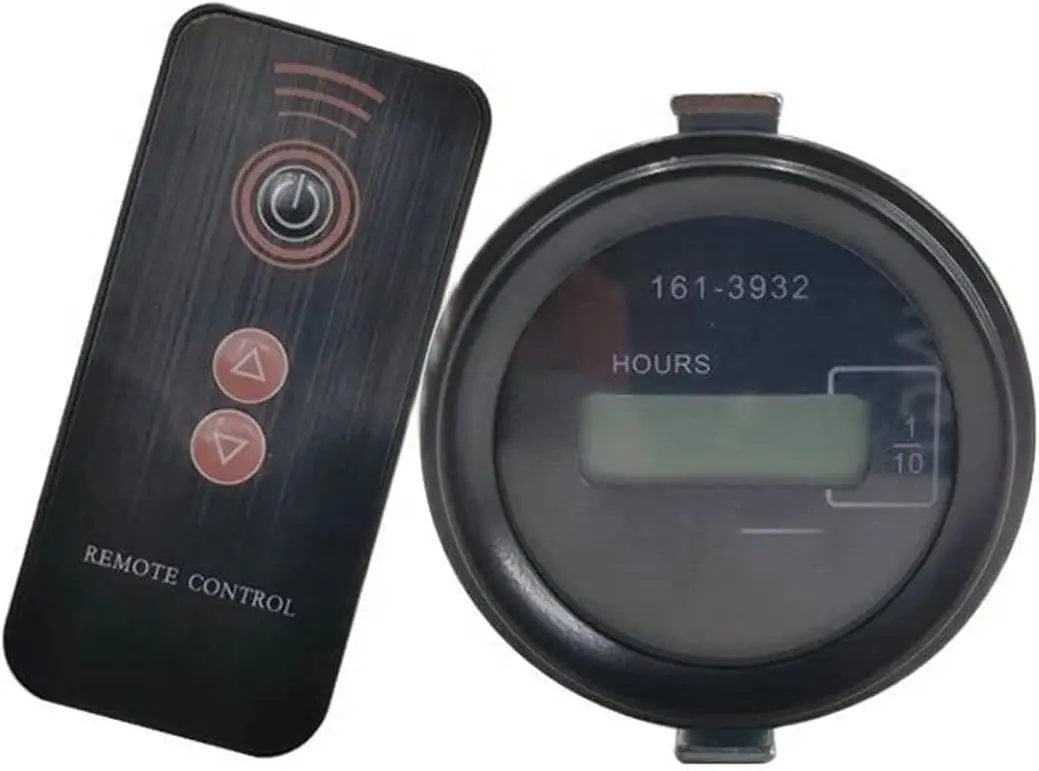 |
OCTOT Hour Timer Meter 161-3932 285-9075 (CAT Excavator E307D E312D E320D 312D 320D) | 5 | N/A | $52.69 | $18.12 | CAT compatibility, reliable digital recording, durable build |
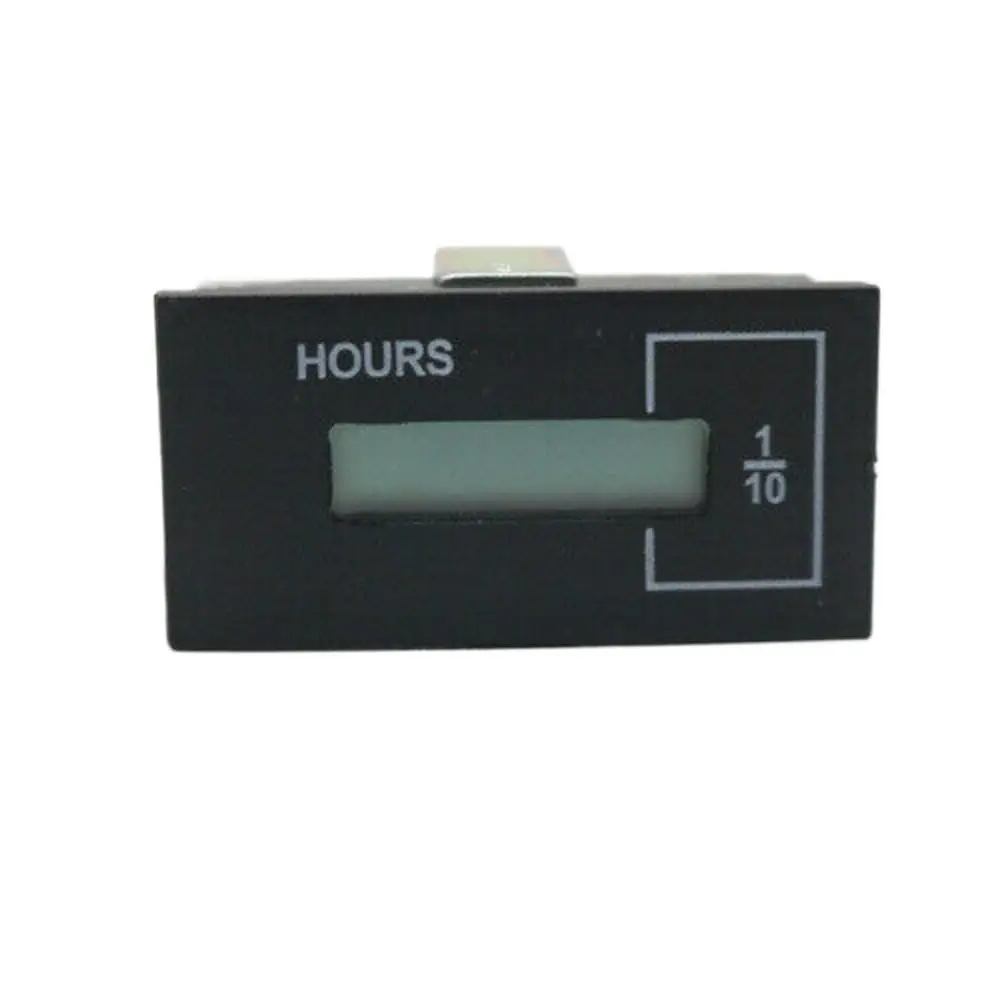 |
Excavator/Forklift/Bulldozer Timer Hour Meter (Dooshan) | 5 | N/A | $66.96 | $11.96 | Wide compatibility, convenient installation |
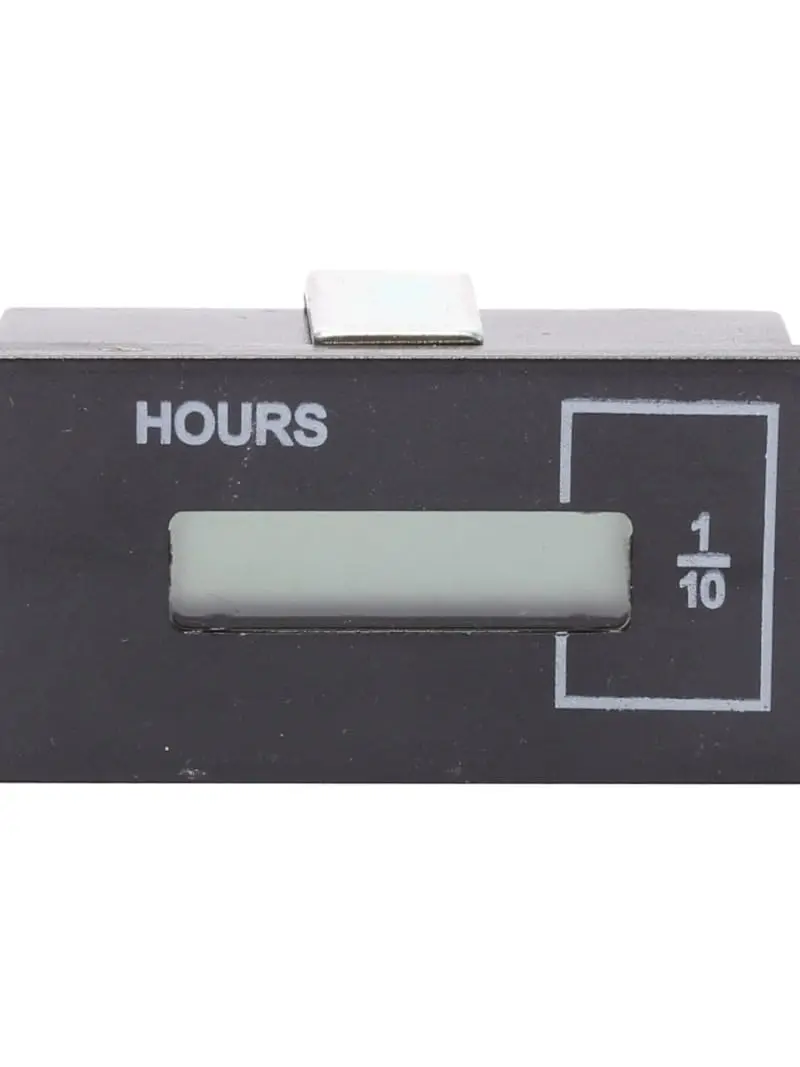 |
New 21MH-00660 Meter Hour for Hyundai R215-9 R225-9 Excavator | 5 | N/A | $113.41 | $12.04 | High-end Hyundai compatibility, factory replacement part |
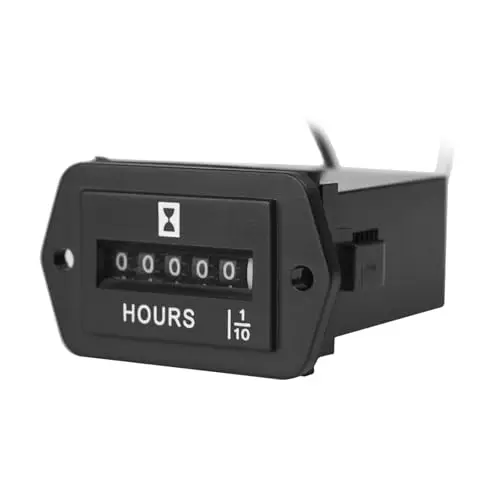 |
Wired Machine Hour Meter (Analog): AC 110-250V, for Small Excavators | 5 | 5 | $12.77 | $5.34 | Simple analog display, broad voltage range, value pricing |
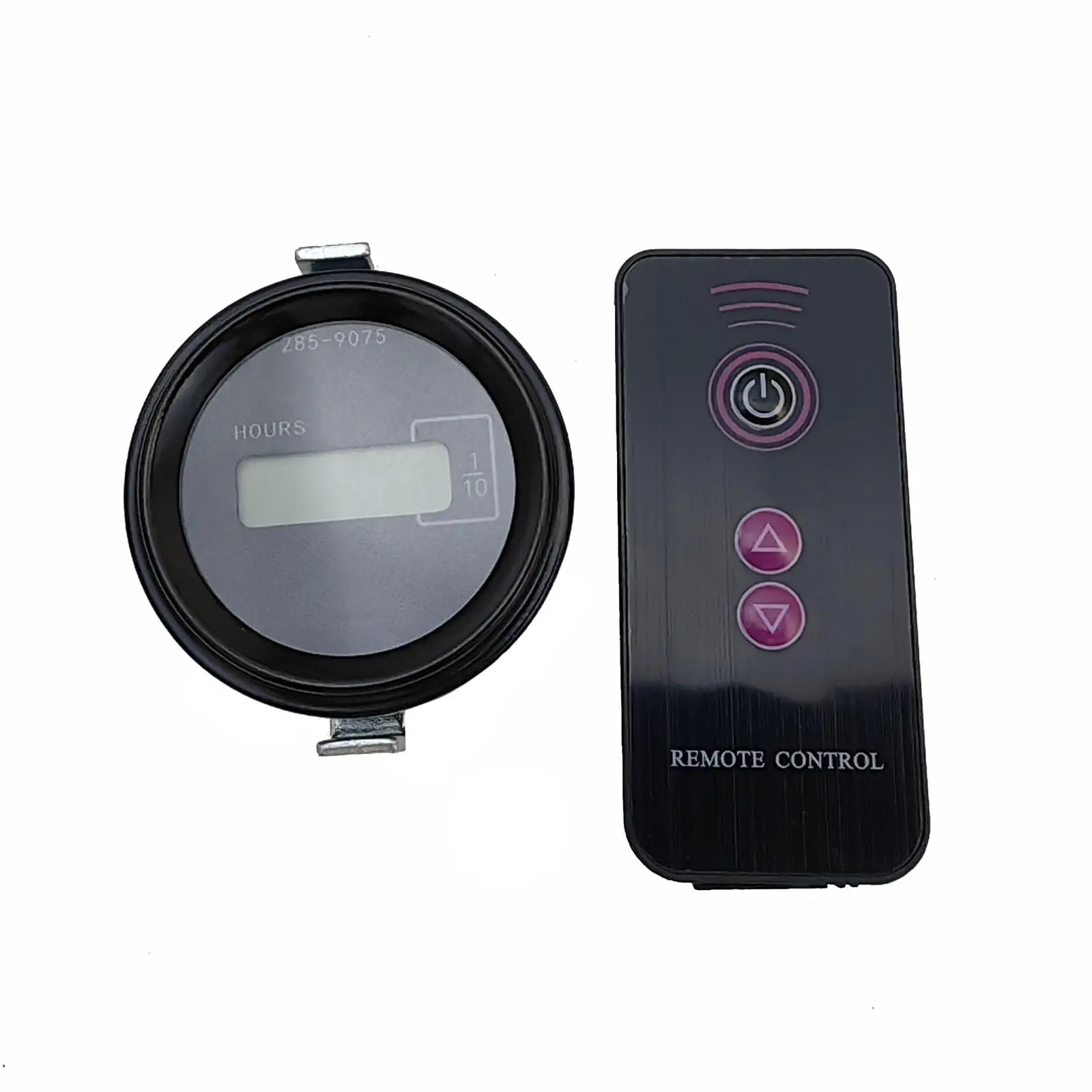 |
WSbaodan Timer Hour Meter 197-8832 285-9075 (for CAT Excavator 320D E320D 307D 422E 428E Loader) | 5 | N/A | $61.00 | $13.52 | CAT compatibility, integrated design, sturdy housing |
Table data sourced from [4].
Analysis of these products highlights price variance corresponding to branded compatibility (CAT and Hyundai commanding premium pricing), while the analog unit offers an affordable alternative. All products report frequent sales, supporting the assertion of a market with consistent demand for both OEM and aftermarket solutions. The high percentage of products with wide compatibility further reinforces the opportunity for suppliers to develop universal units with enhanced instructional materials and installation support.
Procurement professionals aiming to maximize value in sourcing hour meters should utilize a multi-pronged assessment approach. The following supplier evaluation criteria and buyer best practices emerge from industry consensus:
Common pitfalls to avoid include:
Competitive advantages arise for buyers who select suppliers with proven instrumentation expertise, robust technical support offerings, and agile delivery logistics. Sourcing strategies for 2026 should also account for the growing demand for integrated data solutions—hour meters enabling real-time tracking or IoT connectivity—positioning buyers ahead of the digital curve in fleet management.
As heavy equipment markets enter 2026 with robust activity and evolving sophistication, the case for investing in excavator hour meters is more compelling than ever. These compact instruments deliver tangible returns: enabling data-driven maintenance, boosting equipment resale value, safeguarding operational uptime, and streamlining compliance. Industry sentiment—reflected in consistent sales data, positive user anecdotes, and concrete community feedback—confirms their position as essential tools for modern construction, agriculture, and industrial fleets.
To succeed in procurement this year, buyers and sourcing professionals should take the following action steps:
In the months ahead, major buyers should expect business cycles to reflect seasonal spikes—early-year procurement for spring construction, mid-year retrofits prior to peak operational periods. Leverage this intelligence to drive strategic negotiations and maintain competitive advantage. With the right products, suppliers, and sourcing strategies, the humble hour meter will remain a powerful ally in building a reliable, high-performing, and profitable heavy equipment fleet—now and into the future.